Notes from the Inkpot
Writing, teaching, creating - one ink-stained idea at a time.





The Cockroach by Kevin Halligan: Summary, Themes & Analysis
Kevin Halligan’s The Cockroach explores identity, restlessness, and the unsettling nature of self-recognition through a close observation of an insect’s movement. The poem begins with a detached, almost clinical tone, as the speaker describes the cockroach’s behaviour in precise detail. At first, its movement appears controlled and purposeful, creating an illusion of order and direction. However, as the poem develops, this sense of control breaks down into increasingly erratic and circular motion, reflecting a deeper psychological unease. By the final line, the speaker recognises himself in the cockroach’s behaviour, transforming the poem into a reflection on human identity and uncertainty. This shift from observation to self-awareness creates a subtle but powerful sense of discomfort, leaving the reader questioning the nature of purpose and control.
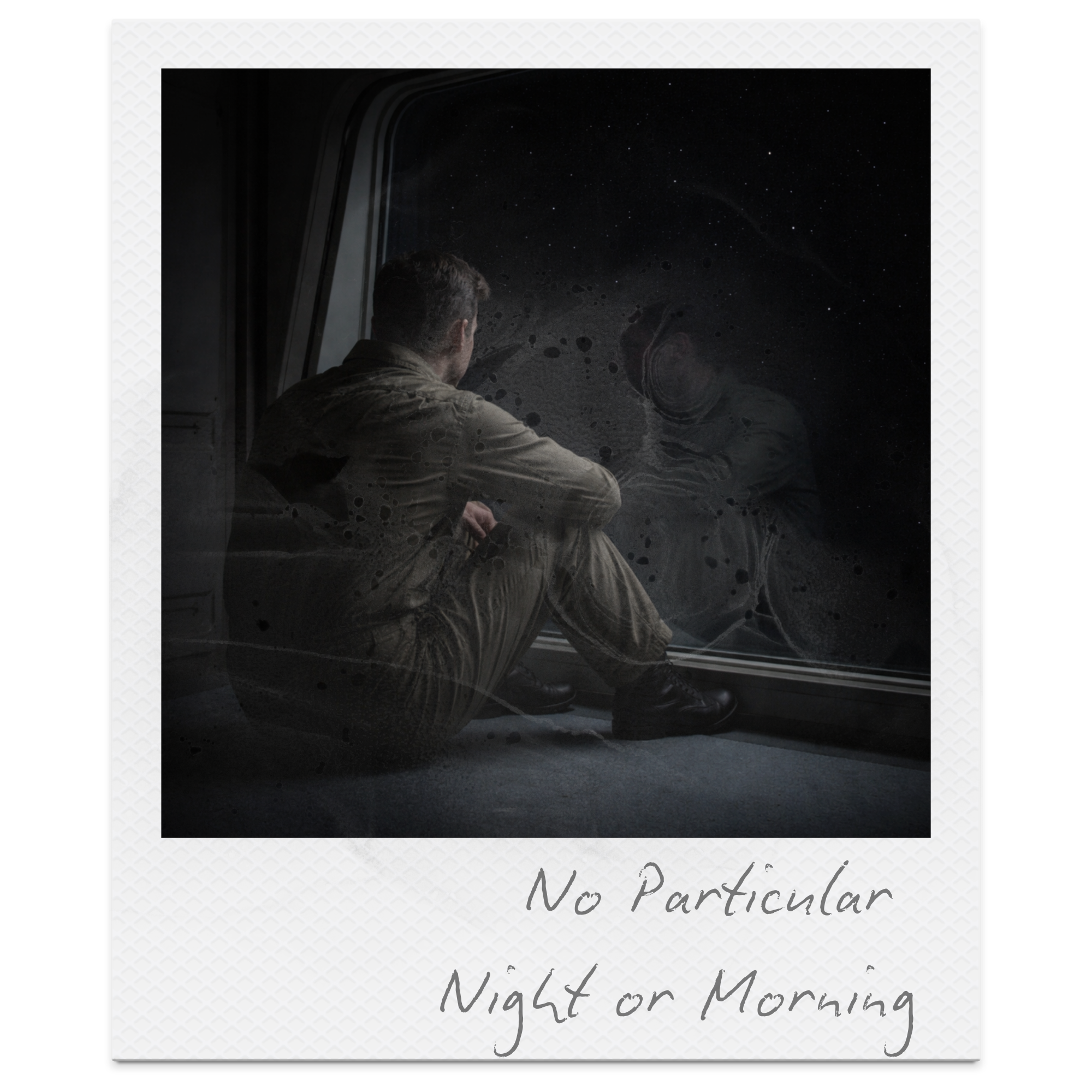
No Particular Night or Morning by Ray Bradbury: Summary, Themes, Symbolism & Analysis
No Particular Night or Morning explores existential uncertainty, isolation, and the limits of proof through the unsettling perspective of a man who can only believe in what he can immediately see, touch, or verify. As Hitchcock begins to reject the existence of Earth, memory, and even other people when they are not physically present, Bradbury builds a disturbing vision of reality reduced to isolated moments, stripped of continuity and meaning. As the story progresses, this rigid form of rationalism leads to the breakdown of identity and perception, revealing how dependent human life is on imagination, memory, and shared belief. Set against the vast emptiness of space, Hitchcock’s descent becomes both psychological and symbolic, culminating in a chilling rejection of everything—body, world, and self—leaving only “space” and “the gap.”
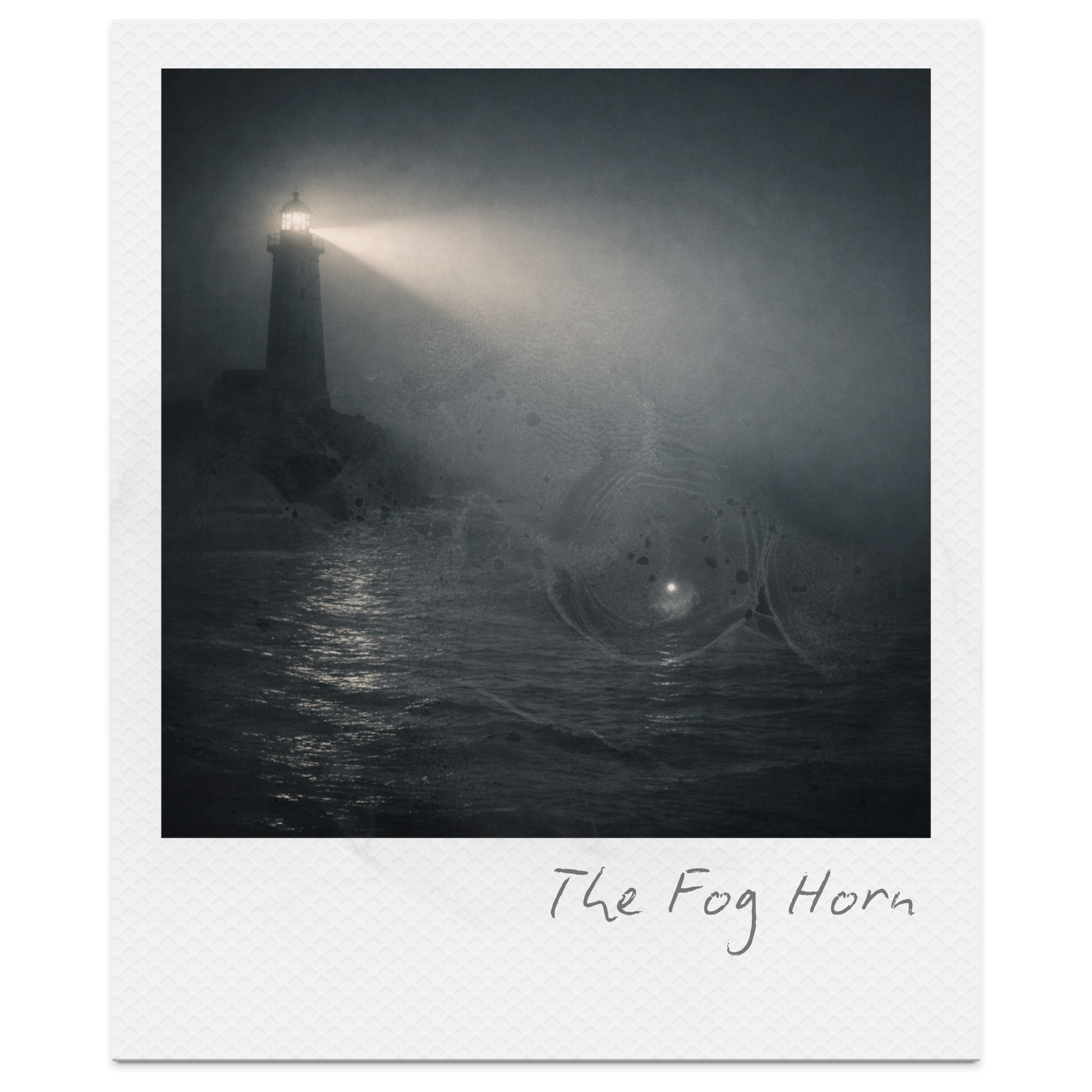
The Fog Horn by Ray Bradbury: Summary, Themes, Symbolism & Analysis
Ray Bradbury’s The Fog Horn is a haunting work of speculative fiction that explores isolation, longing, and the deep human need for connection. Set in a remote lighthouse surrounded by vast, empty seas, the story follows two keepers who encounter a mysterious creature drawn to the mournful sound of the fog horn—a sound that echoes across time like a call waiting to be answered. At its core, the story examines unfulfilled connection, illusion versus reality, and the fragility of belonging, revealing how even the hope of companionship can lead to devastation when it is misunderstood. Through powerful symbolism and atmosphere, Bradbury creates a deeply emotional narrative that lingers long after the final line.

Kaleidoscope by Ray Bradbury: Summary, Themes, Symbolism & Analysis
Ray Bradbury’s Kaleidoscope is a striking exploration of human insignificance, mortality, and isolation, set against the vast and indifferent backdrop of space. After a catastrophic explosion scatters a crew of astronauts, the story follows their fragmented descent as they drift apart, connected only by fading voices. Through this disintegration, Bradbury examines how individuals respond when faced with the loss of control, connection, and certainty. As the astronauts confront their inevitable deaths, the story becomes a powerful reflection on memory, regret, and the search for meaning. While some find comfort in the lives they have lived, others are left questioning what their existence has amounted to. Blending science fiction with existential philosophy, Kaleidoscope leaves readers with a haunting question: when everything falls away, what truly gives a life value?

The Exiles by Ray Bradbury: Summary, Themes, Symbolism & Analysis
Bradbury’s The Exiles is a haunting exploration of censorship, imagination, and the fragility of stories, set on a dying Mars where forgotten authors and their creations struggle to survive. As books are banned and burned on Earth, the figures they once sustained begin to fade, turning the story into a powerful reflection on what happens when culture is erased and memory is lost. Blending science fiction, gothic atmosphere, and a deeply meta-literary perspective, the story challenges readers to consider the true cost of suppressing imagination. Through its unsettling imagery and quiet, devastating ending, The Exiles asks a central question: if stories disappear, what happens to the parts of ourselves they once held together?
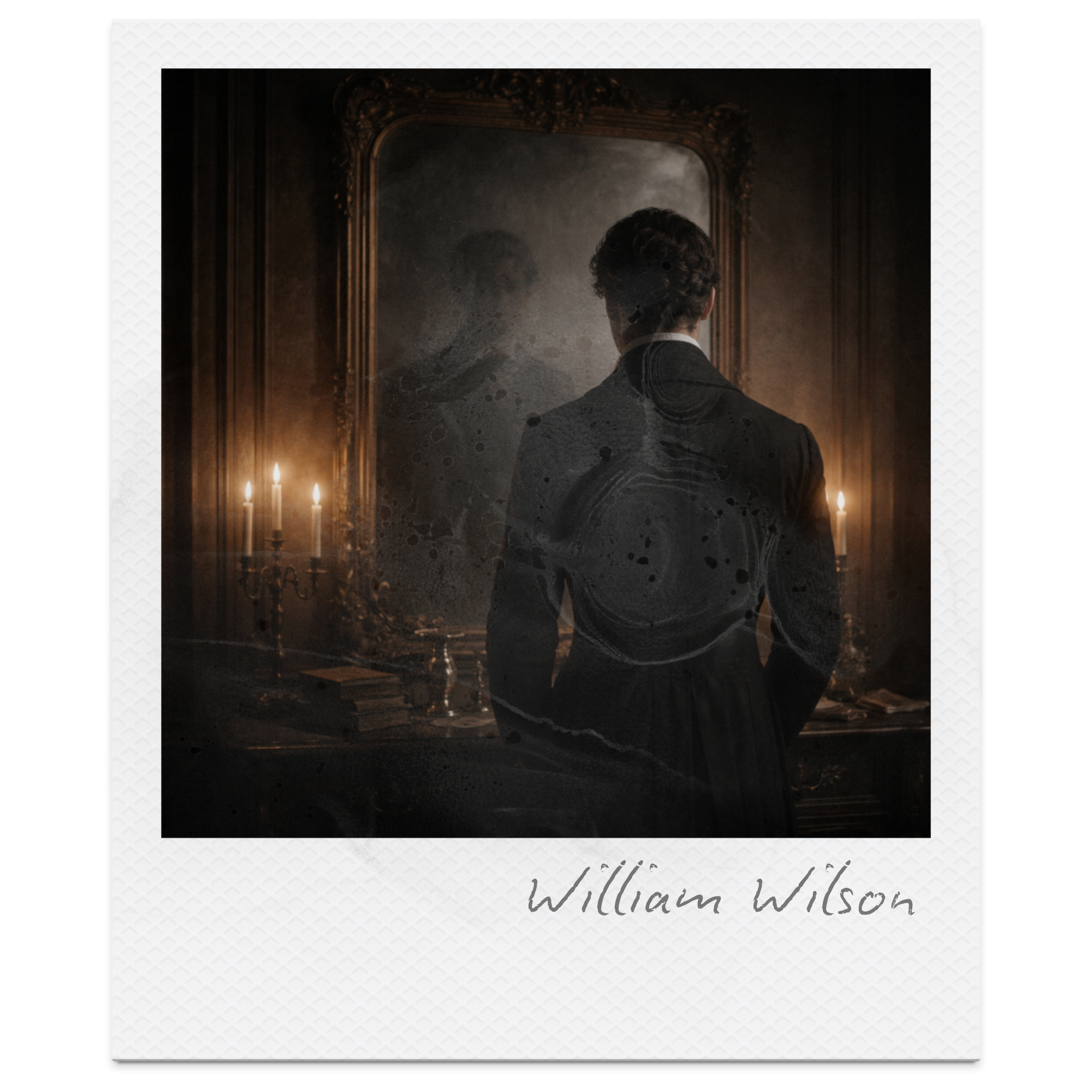
William Wilson by Edgar Allan Poe: Summary, Themes, Symbolism & Analysis
William Wilson by Edgar Allan Poe is a haunting work of gothic fiction that explores identity, conscience, and duality through the disturbing presence of a mysterious double. As the narrator recounts his descent into vice and corruption, he is repeatedly confronted by a figure who mirrors his every move, blurring the line between external threat and internal conflict. Poe uses this doubling to create a tense, psychologically charged narrative where the self becomes both protagonist and antagonist. At its core, the story examines the consequences of denying conscience and rejecting moral restraint, raising unsettling questions about self-awareness, responsibility, and the nature of identity. Through its unreliable narrator and symbolic use of setting and structure, William Wilson reveals how the attempt to escape oneself leads not to freedom, but to self-destruction.
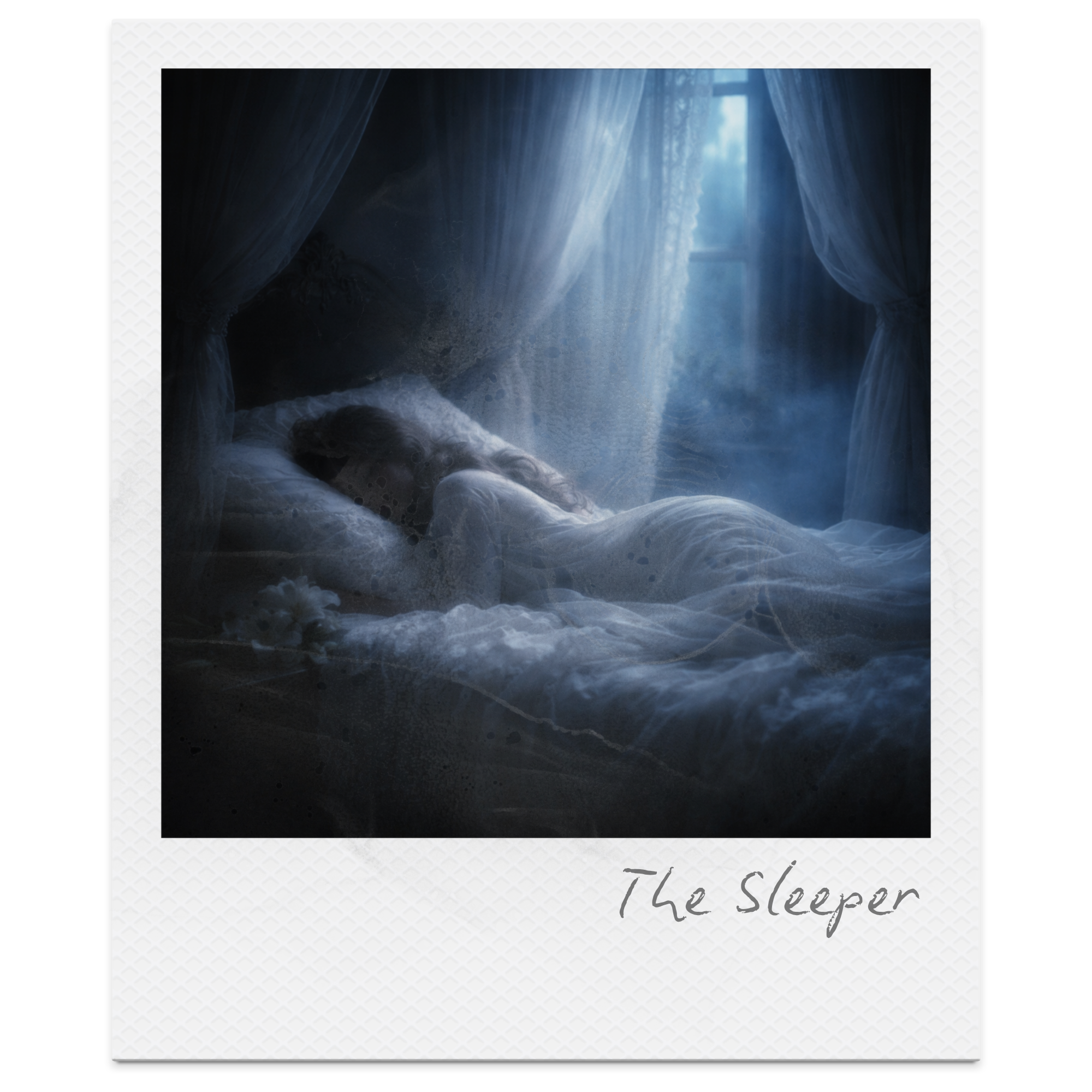
The Sleeper by Edgar Allan Poe: Summary, Themes, Meaning & Analysis
The Sleeper by Edgar Allan Poe presents a dreamlike meditation on death, beauty, and the boundary between life and stillness, using rich imagery and hypnotic rhythm to create an atmosphere that is both serene and unsettling. What begins as a tranquil midnight scene gradually reveals a deeper exploration of mortality and suspended existence, as the figure of Irene shifts from peaceful rest into something far more ambiguous. Through its layered symbolism and evolving tone, the poem blurs the line between sleep and death, reverence and control, inviting readers to question whether beauty is preserved or distorted through stillness. Poe leaves the meaning deliberately open, transforming a simple image of sleep into a haunting reflection on the unconscious mind, illusion, and the inevitability of death.
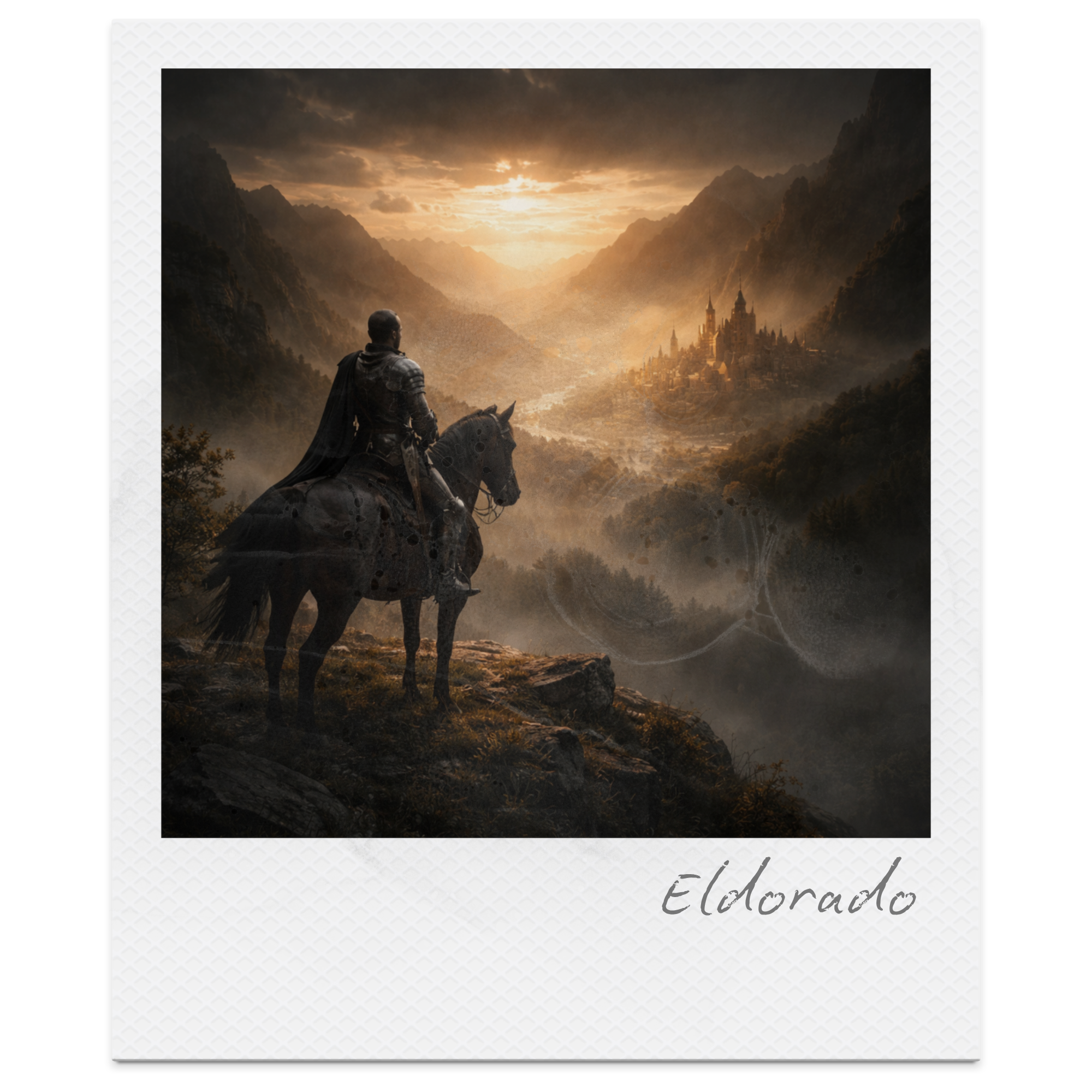
Eldorado by Edgar Allan Poe: Summary, Themes, Meaning & Analysis
Eldorado by Edgar Allan Poe presents a deceptively simple tale of a knight’s lifelong quest, yet beneath its musical, ballad-like surface lies a powerful exploration of illusion, ambition, and the passage of time. As the knight searches endlessly for the legendary land of gold, the poem gradually reveals that fulfilment may be unattainable, transforming what begins as a hopeful journey into a meditation on disillusionment and human limitation. Through its shifting imagery and tightly controlled structure, Eldorado moves from youthful optimism to existential uncertainty, culminating in a haunting suggestion that the knight’s goal lies beyond the physical world. Poe leaves the meaning deliberately open, inviting readers to question whether the pursuit itself gives life meaning, or whether some desires are destined to remain forever out of reach.
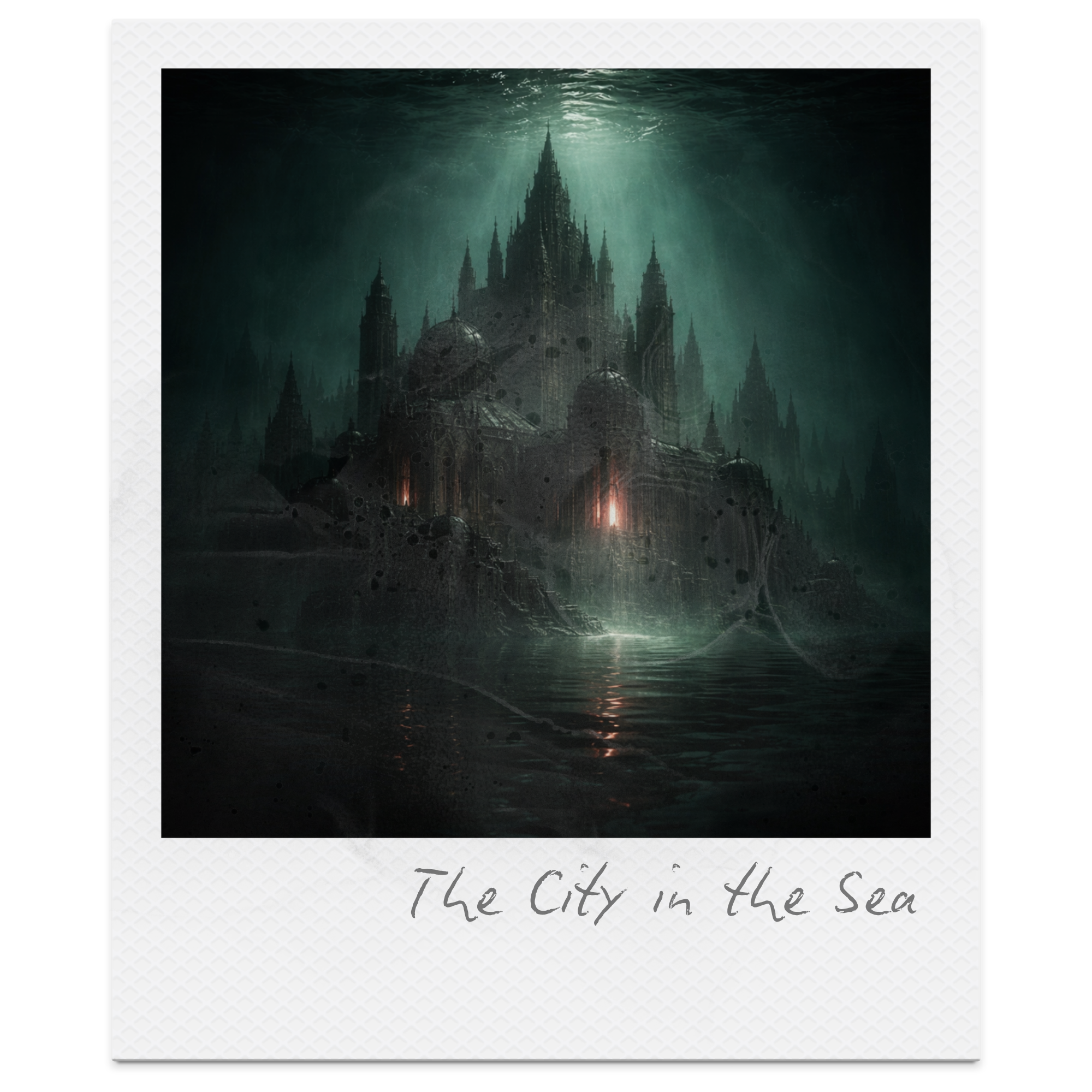
The City in the Sea by Edgar Allan Poe: Summary, Themes, Meaning & Analysis
The City in the Sea by Edgar Allan Poe is a haunting gothic poem that explores death, decay, illusion, and the collapse of civilisation through a strikingly visual and symbolic landscape. Set within a strange, submerged city ruled by Death itself, the poem presents a world suspended in time, where grandeur remains but life has vanished. Through its rich imagery and hypnotic rhythm, Poe constructs an atmosphere of stillness, inversion, and inevitability, where natural order has broken down and reality feels increasingly unstable. As the poem progresses, this eerie stillness begins to fracture, revealing the city’s apparent permanence as an illusion. The final descent transforms the poem into a meditation on time, inevitability, and human insignificance, suggesting that even the most magnificent structures are ultimately consumed by forces beyond control. With its blend of gothic imagery, symbolic depth, and structural precision, The City in the Sea offers a powerful exploration of a world where death is not an end, but a controlling and eternal presence.
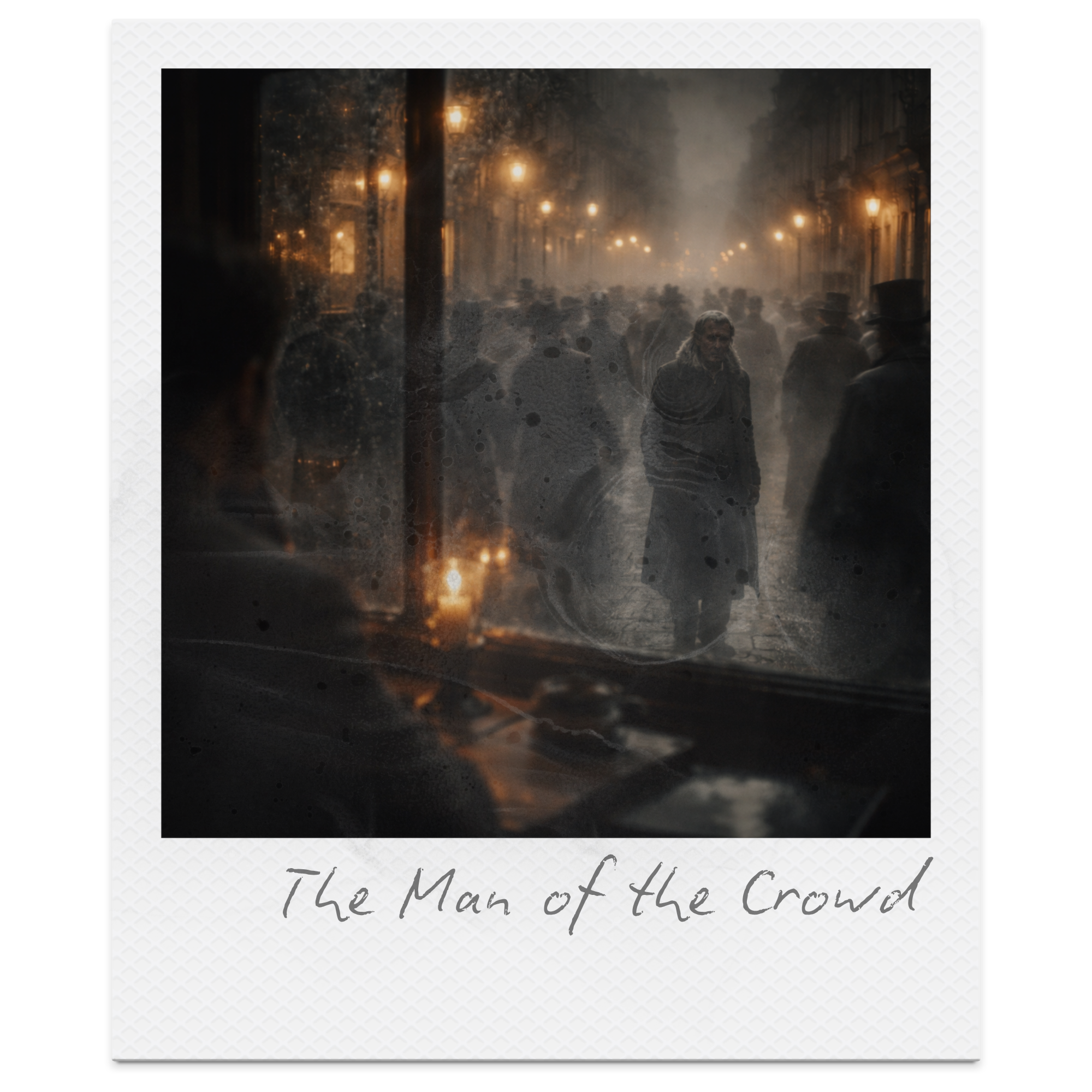
The Man of the Crowd by Edgar Allan Poe: Summary, Themes, Symbolism & Psychological Analysis
The Man of the Crowd by Edgar Allan Poe is a compelling exploration of urban anonymity, psychological obsession, and the limits of human understanding. Set against the restless backdrop of London, the story follows a narrator who becomes fixated on a mysterious old man whose expression defies interpretation. What begins as casual observation quickly develops into an intense pursuit, raising unsettling questions about whether people can ever truly be known. At its core, the story examines identity, surveillance, alienation, and unknowability, presenting the modern city as a space where individuals are both constantly visible and fundamentally hidden. Through its cyclical structure and ambiguous ending, Poe challenges the idea that observation leads to truth, instead suggesting that some lives — and some minds — remain permanently beyond comprehension.

From the Antique Christina Rossetti Analysis: Themes, Feminism & Existential Meaning
Christina Rossetti’s From the Antique offers a striking exploration of weariness, identity, and existential despair, presenting a speaker who moves beyond dissatisfaction with life to question the value of existence itself. Through deceptively simple language and a controlled, almost conversational tone, the poem traces a progression from frustration with a “woman’s lot” to a far more unsettling desire for complete non-existence. The speaker does not merely long for change or escape, but for the erasure of both body and soul, revealing a profound rejection of identity and selfhood. At the same time, Rossetti contrasts this personal despair with the steady continuity of the natural world. While the speaker imagines her own disappearance, the seasons continue to turn, blossoms bloom, and life moves forward unchanged. This juxtaposition highlights a central tension within the poem: the individual experience of suffering exists within a world that remains indifferent and self-sustaining. Through this contrast, Rossetti raises deeper questions about insignificance, perception, and the meaning of existence, positioning the poem as both a personal reflection and a broader philosophical meditation.