Notes from the Inkpot
Writing, teaching, creating - one ink-stained idea at a time.

Twice by Christina Rossetti: Summary, Themes, Symbolism & Analysis
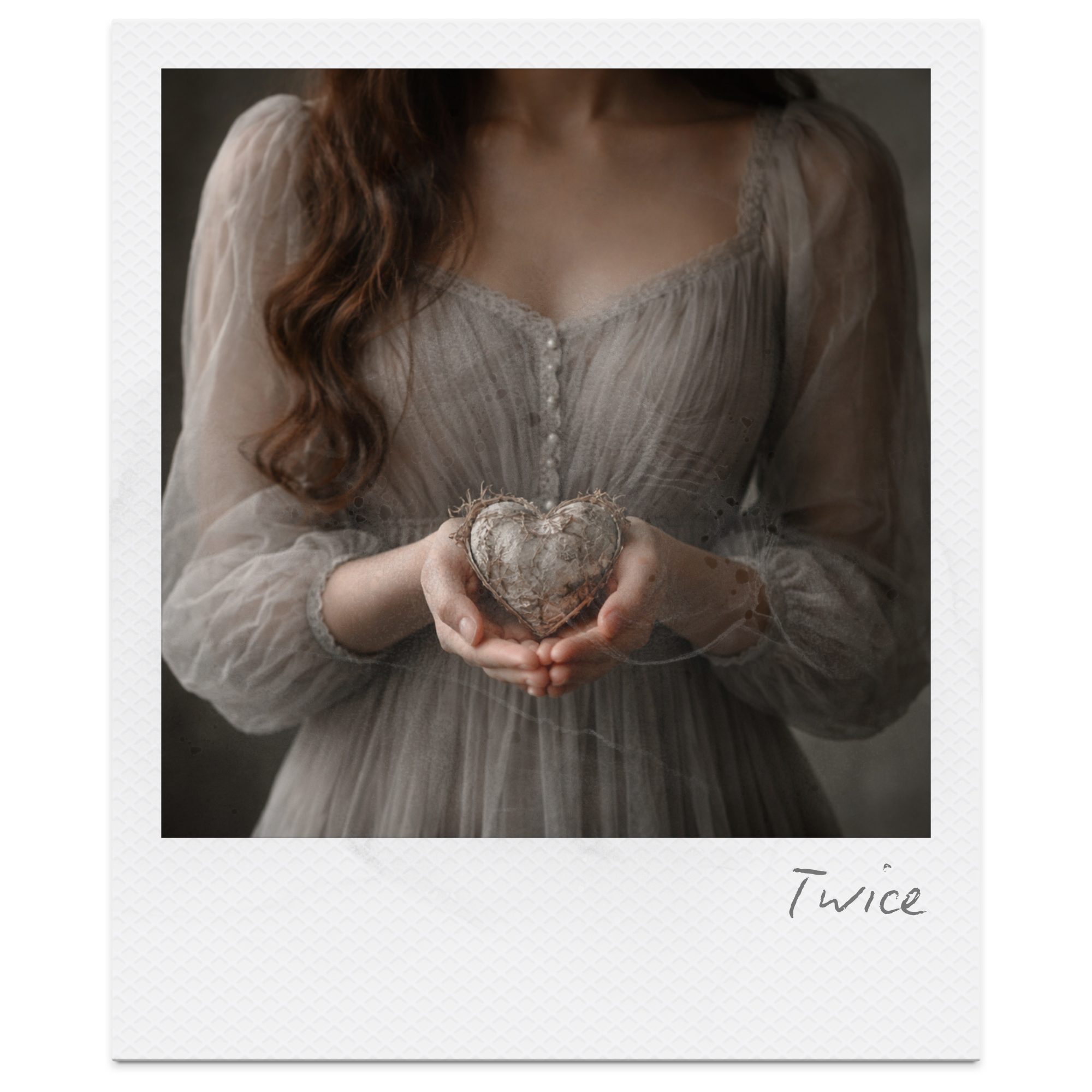
Christina Rossetti’s Twice explores the emotional journey of a speaker who offers her heart first to a human lover and then to God, revealing the contrast between human rejection and divine understanding. Through powerful symbolism and structural repetition, Rossetti examines themes of unrequited love, judgement, and emotional vulnerability, showing how easily personal worth can be shaped—and damaged—by external evaluation. As the poem progresses, the speaker transforms her experience of rejection into an opportunity for spiritual redemption, turning away from flawed human judgement toward a more meaningful and enduring form of acceptance. This analysis explores how Rossetti uses imagery, tone, and form to chart this shift, making Twice a compelling study of identity, faith, and the search for lasting fulfilment.
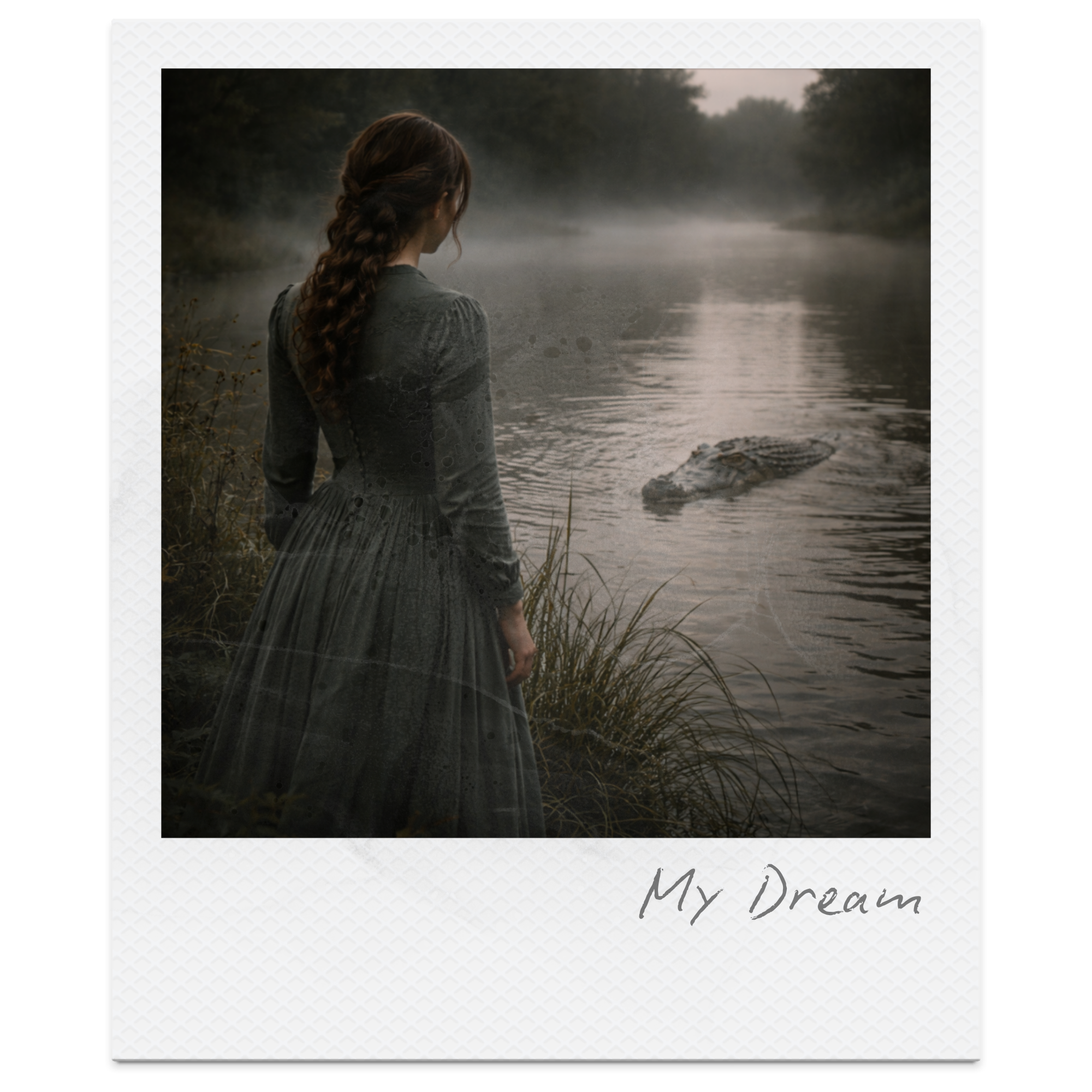
My Dream by Christina Rossetti: Summary, Themes, Symbolism & Analysis
Christina Rossetti’s My Dream presents a dark and symbolic vision of power, corruption, and collapse. Through the rise of a monstrous crocodile who gains dominance through violence and excess, the poem explores how authority built on destruction is ultimately unstable and self-defeating. This analysis examines Rossetti’s use of allegory, imagery, and dream narrative to reveal deeper concerns about human nature, control, and moral consequence. With its ambiguous ending and unsettling symbolism, My Dream invites readers to question how power operates—and what remains when it inevitably fails.
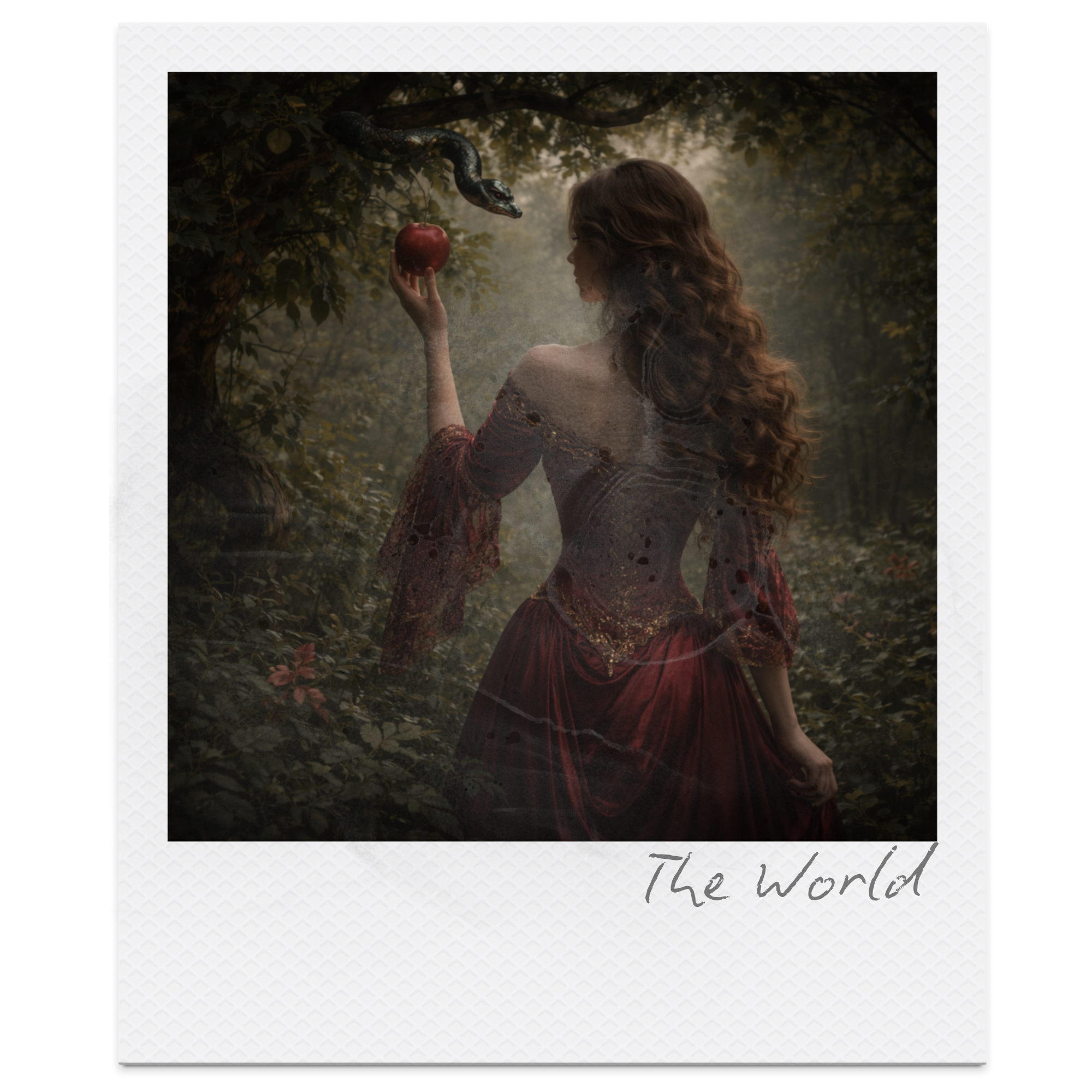
The World by Christina Rossetti: Summary, Themes, Symbolism & Analysis
Christina Rossetti’s The World is a powerful sonnet exploring temptation, deception, and spiritual corruption. Through the striking image of a beautiful woman who transforms into something monstrous, Rossetti exposes the danger of trusting outward appearances. The poem contrasts seductive daytime beauty with terrifying night-time revelation, suggesting that worldly pleasures often conceal deeper moral consequences. This analysis explores Rossetti’s use of religious imagery, symbolism, and dramatic contrast to reveal the gap between appearance and truth. By examining the poem’s structure, themes, and key lines, readers can better understand how The World functions as a warning about the seductive power of worldly desire and the importance of moral choice.
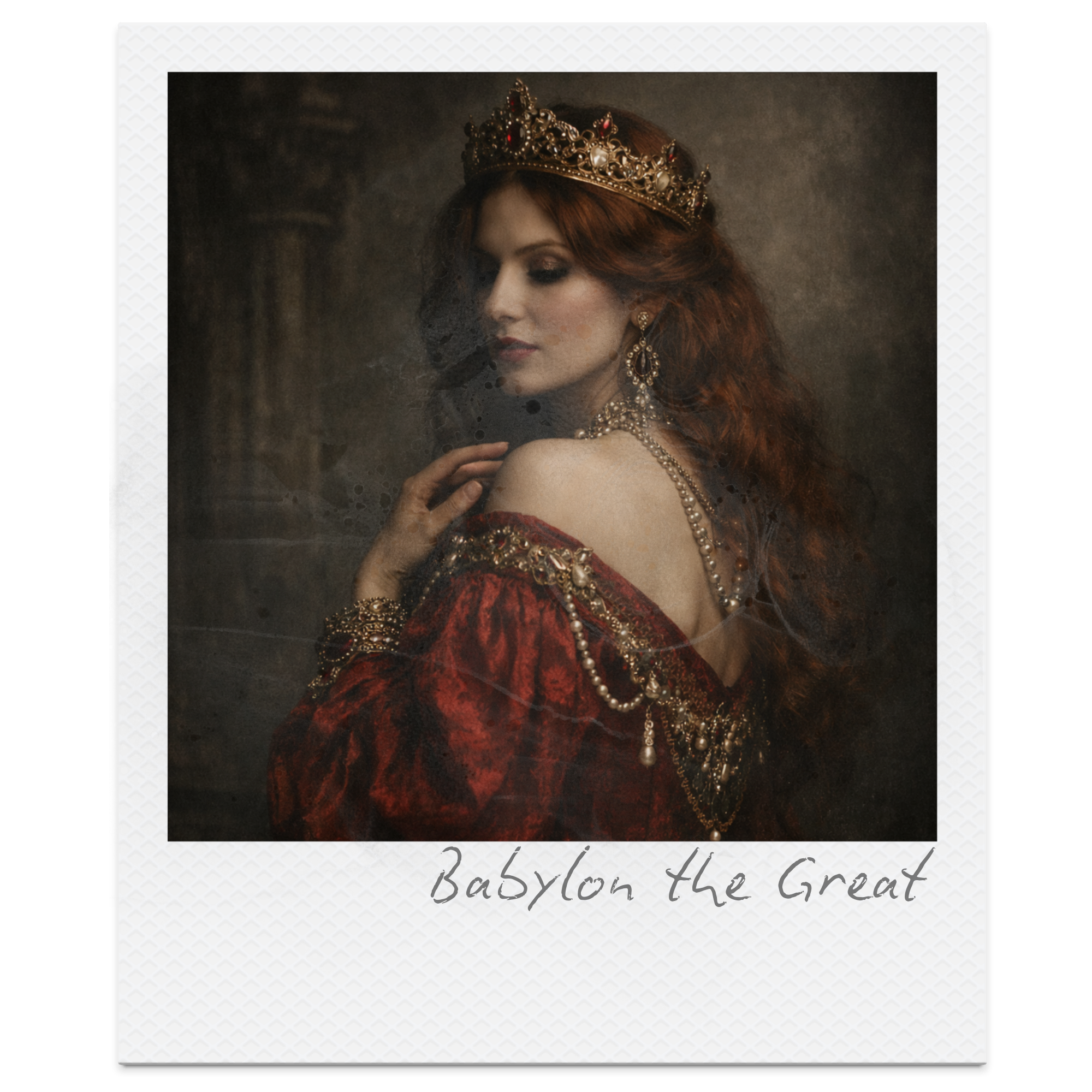
Babylon the Great by Christina Rossetti: Summary, Themes, Symbolism & Analysis
Christina Rossetti’s Babylon the Great is a powerful sonnet that draws on imagery from the Book of Revelation to explore themes of temptation, spiritual corruption, and divine judgement. Through vivid symbolism and prophetic warnings, the poem presents Babylon as a seductive yet destructive figure whose outward splendour conceals profound moral decay. This detailed analysis explores the poem’s structure, imagery, symbolism, key quotations, and themes, alongside alternative interpretations and classroom teaching ideas. This guide helps readers understand how Rossetti transforms biblical imagery into a striking poetic warning about the dangers of fascination and moral deception.