Notes from the Inkpot
Writing, teaching, creating - one ink-stained idea at a time.




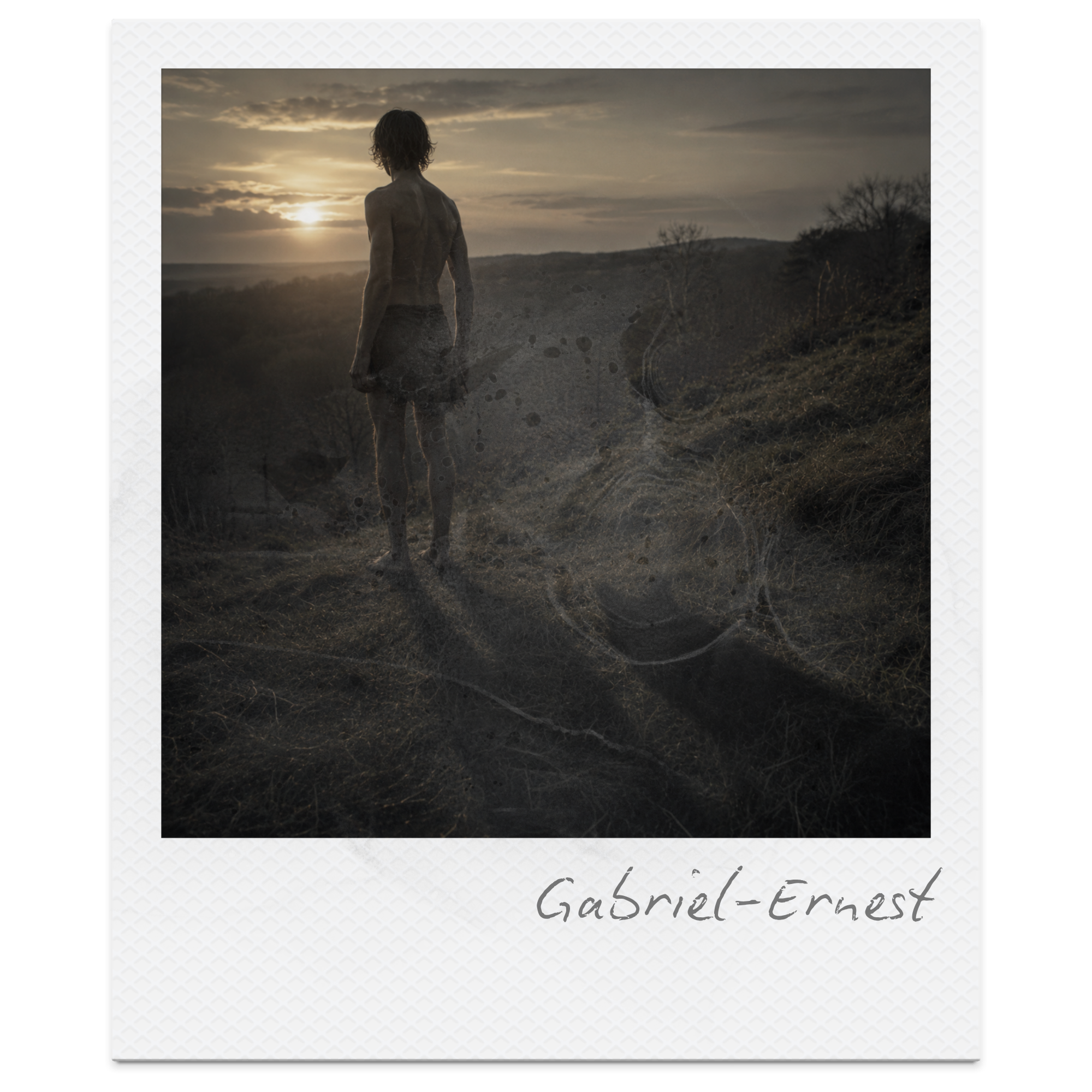
Gabriel-Ernest by Saki: Summary, Themes & Analysis
Saki’s Gabriel-Ernest is a dark and unsettling Gothic short story exploring civilisation versus savagery, hidden violence, fear of the unknown, and the dangerous instincts lurking beneath respectable society. Through the mysterious figure of Gabriel-Ernest, Saki gradually transforms an apparently ordinary rural setting into a landscape filled with supernatural tension, psychological unease, and growing horror. This detailed analysis for CIE IGCSE World Literature (0408) explores the story’s themes, symbolism, narrative voice, structure, and key quotations, while examining how Saki uses animalistic imagery, irony, and ambiguity to create suspense and fear. The guide also includes alternative interpretations, exam-ready insights, and classroom-focused teaching ideas designed to support deeper literary analysis and discussion.
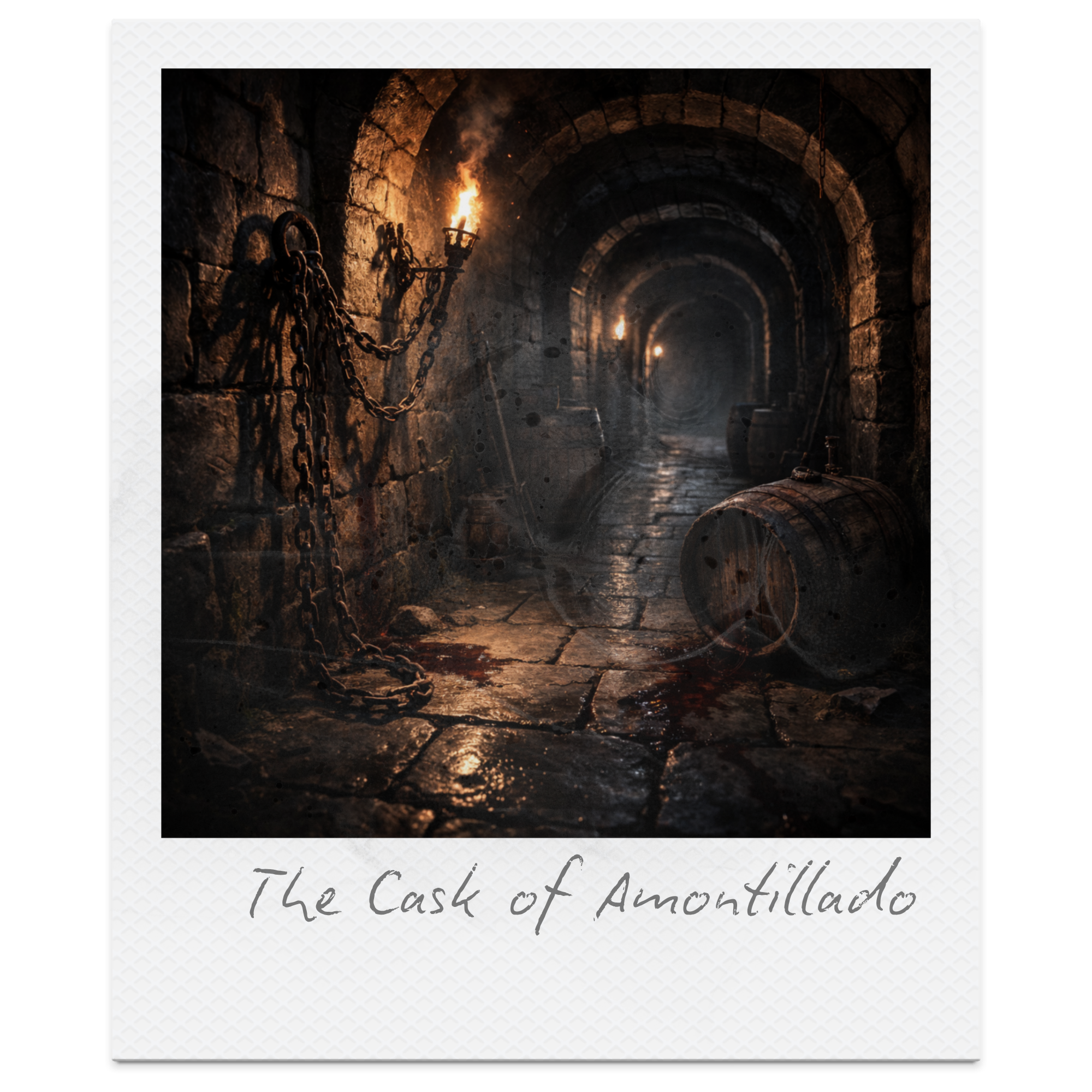
The Cask of Amontillado by Edgar Allan Poe: Summary, Themes, Symbolism & Analysis
The Cask of Amontillado by Edgar Allan Poe is a chilling work of gothic fiction that explores revenge, pride, and psychological manipulation through one of literature’s most disturbingly controlled narrators. Set against the deceptive brightness of carnival and the suffocating darkness of the catacombs, the story follows Montresor as he carefully lures Fortunato toward a fate that feels both inevitable and horrifying. Poe’s use of irony, symbolism, and setting creates a narrative where every detail contributes to a growing sense of tension and unease. At its core, the story examines how power and deception can operate beneath the surface of civility, raising unsettling questions about justice, morality, and human psychology. With its unreliable narrator and claustrophobic setting, The Cask of Amontillado invites readers to question what is true, what is justified, and how easily violence can be hidden behind a mask of reason.
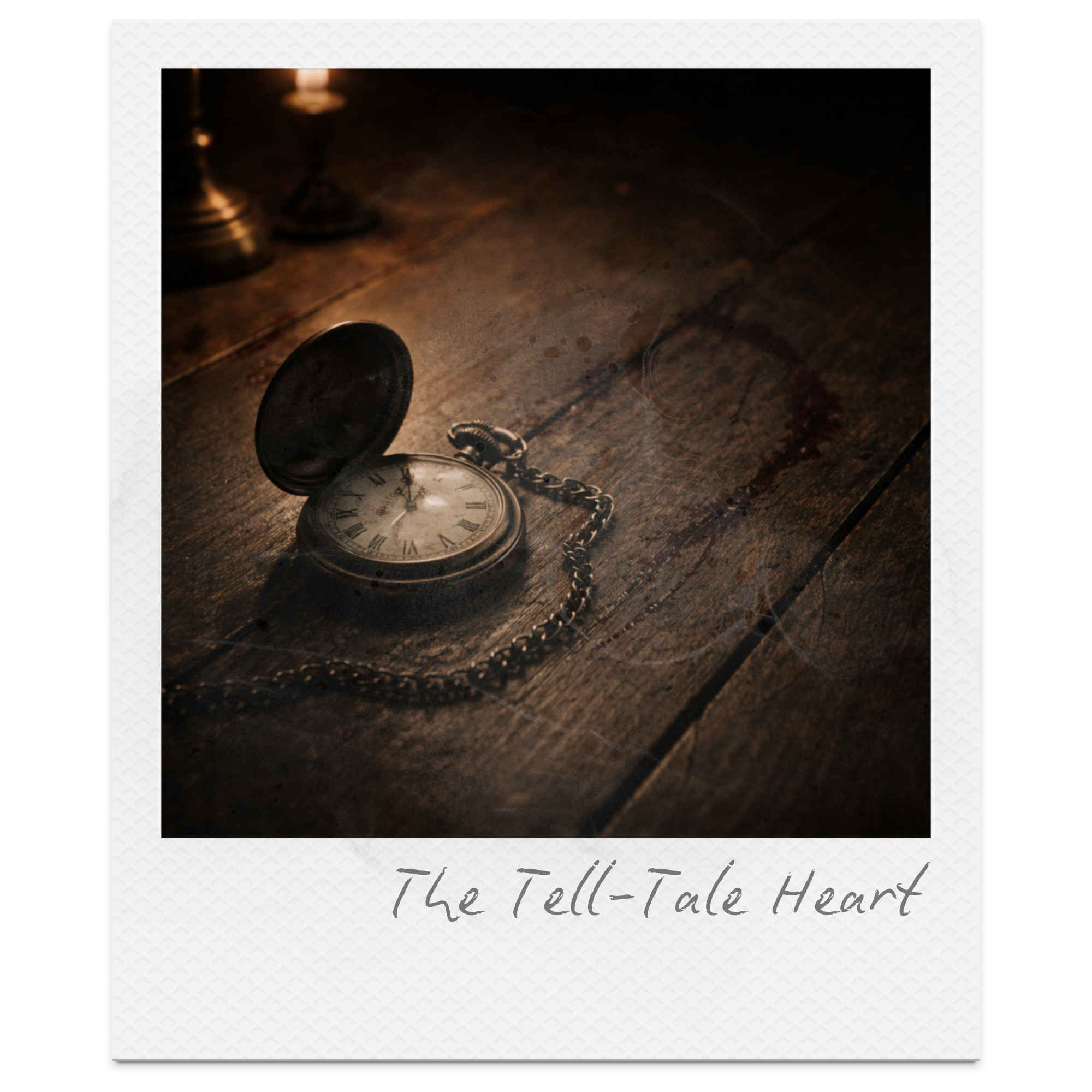
The Tell-Tale Heart by Edgar Allan Poe: Summary, Themes, Madness & Analysis
The Tell-Tale Heart by Edgar Allan Poe is a masterclass in psychological gothic fiction, exploring the fragile boundary between sanity and madness through an intensely unreliable narrator. As the speaker insists on their rationality while describing a calculated murder, Poe exposes how obsession, perception, and control can distort reality, creating a narrative where logic becomes inseparable from instability. This analysis breaks down the story’s themes of guilt, conscience, and psychological collapse, alongside its use of symbolism, narrative voice, and setting as meaning. With key quotes, detailed interpretation, and classroom-ready insights, this guide helps readers uncover how Poe transforms a simple premise into a powerful exploration of the human mind and its limits.
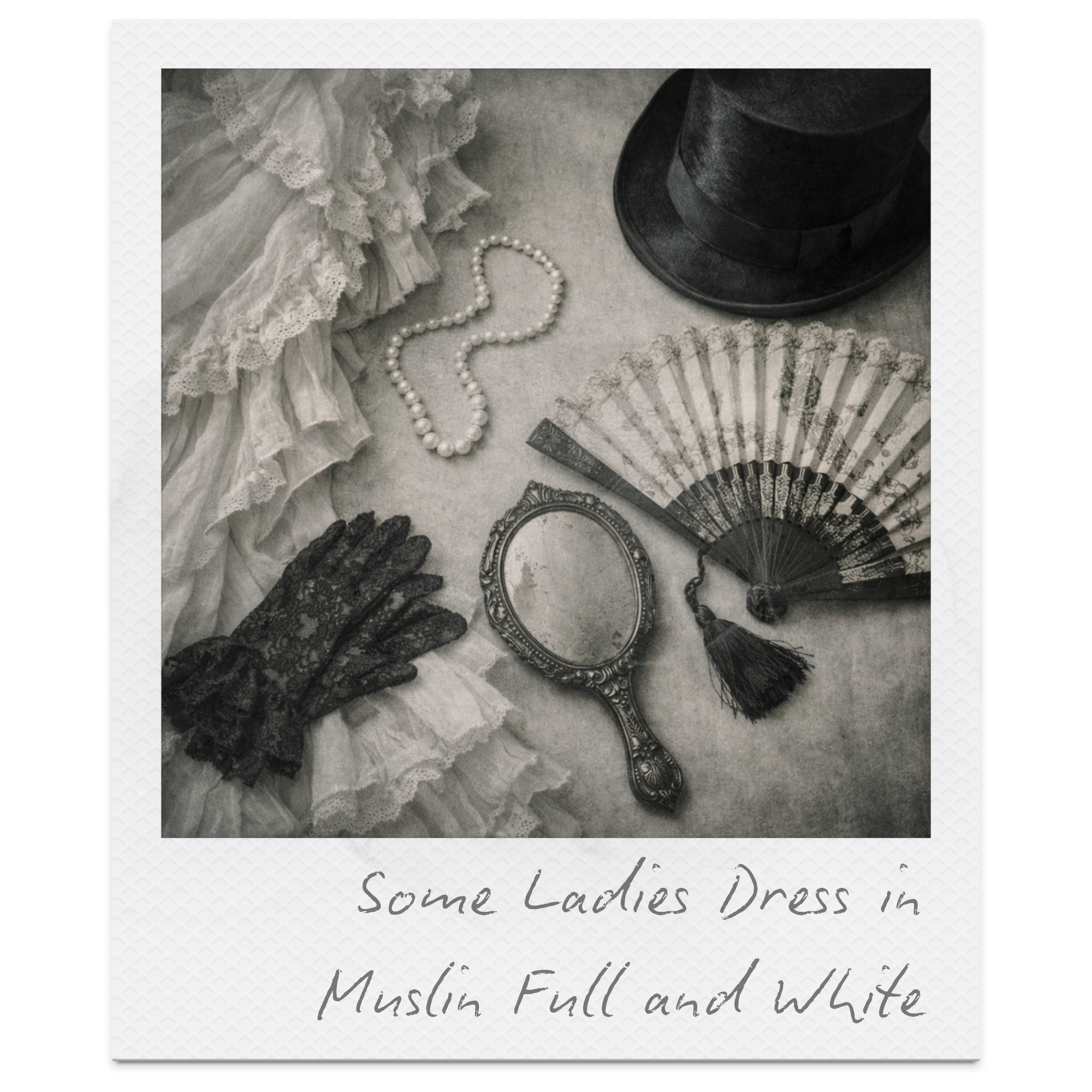
Some Ladies Dress in Muslin Full and White by Christina Rossetti: Summary, Themes, Satire & Analysis
Christina Rossetti’s Some Ladies Dress in Muslin Full and White offers a sharp and often darkly humorous critique of Victorian society, exposing its obsession with appearance, fashion, and social display. Through a series of vivid, exaggerated images, Rossetti presents a world in which identity is constructed through outward presentation, revealing the tension between surface image and inner worth. What begins as light satire quickly develops into a more unsettling exploration of judgement, as the speaker moves from observation to open disdain. This analysis explores how Rossetti uses the sonnet form, imagery, and satirical tone to critique both the individuals she describes and the society that produces them. By examining the poem’s structure, language, and shifting perspective, we uncover how Rossetti not only mocks vanity and social performance, but also questions the morality of judging others based on appearance alone.
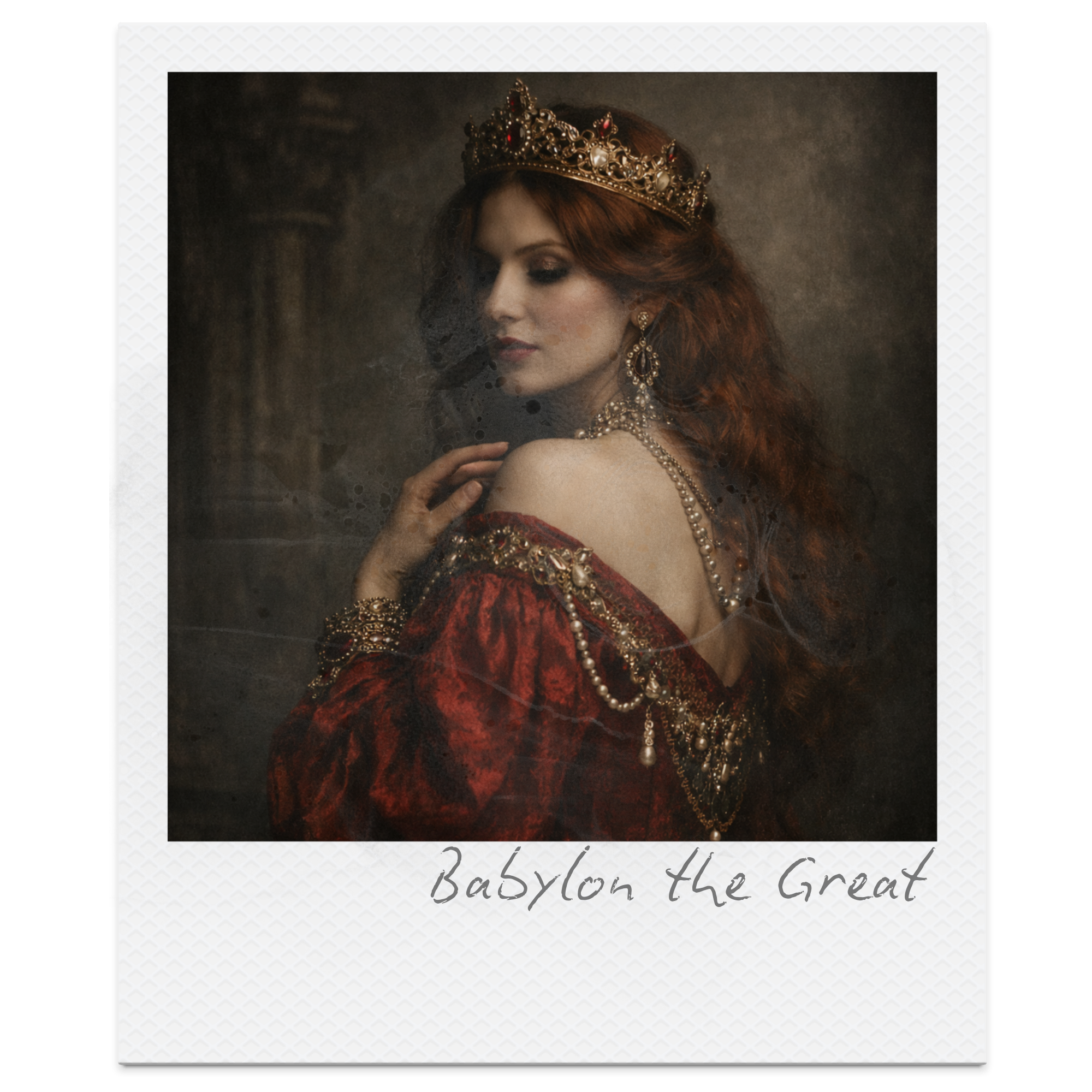
Babylon the Great by Christina Rossetti: Summary, Themes, Symbolism & Analysis
Christina Rossetti’s Babylon the Great is a powerful sonnet that draws on imagery from the Book of Revelation to explore themes of temptation, spiritual corruption, and divine judgement. Through vivid symbolism and prophetic warnings, the poem presents Babylon as a seductive yet destructive figure whose outward splendour conceals profound moral decay. This detailed analysis explores the poem’s structure, imagery, symbolism, key quotations, and themes, alongside alternative interpretations and classroom teaching ideas. This guide helps readers understand how Rossetti transforms biblical imagery into a striking poetic warning about the dangers of fascination and moral deception.