Notes from the Inkpot
Writing, teaching, creating - one ink-stained idea at a time.



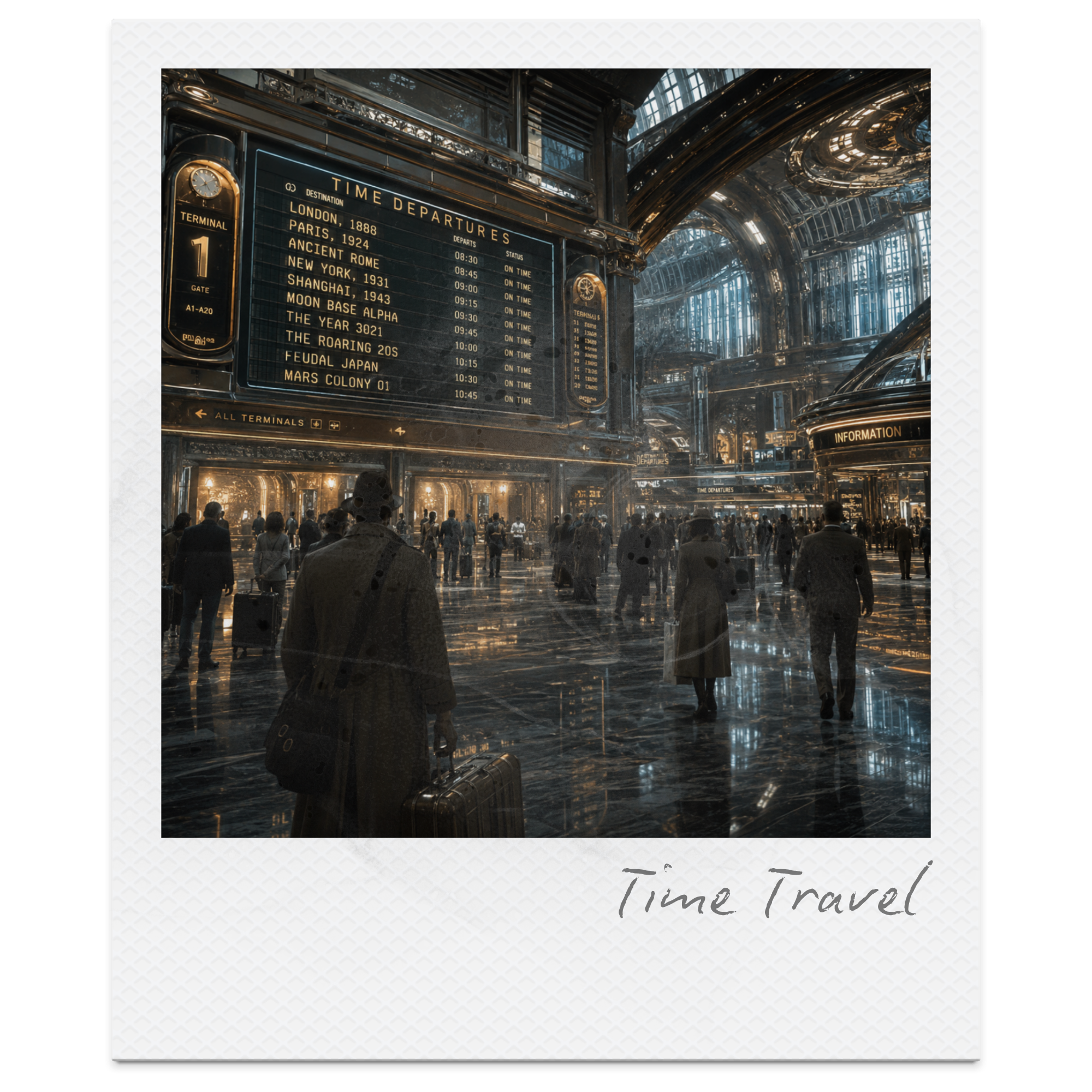
70 Time Travel Writing Prompts: Parallel Timelines, Temporal Paradoxes & Forgotten Futures
Explore 70 time travel writing prompts inspired by parallel timelines, temporal paradoxes, alternate histories, forgotten futures, and retrofuturist worlds where time itself has become unstable. This collection includes plot hooks, opening lines, title ideas, character prompts, setting inspiration, and cinematic picture prompts designed to help writers create atmospheric speculative fiction shaped by consequence, memory, and shifting realities. Inspired by stories such as The Time Machine, Dark, Interstellar, Back to the Future, and A Sound of Thunder, these prompts explore collapsing timelines, commercialised time travel, luxury temporal tourism, historical interference, looping realities, and the emotional cost of changing the past. Perfect for speculative fiction writers, worldbuilding, classroom writing, and science fiction storytelling focused on time, identity, and cause and effect.
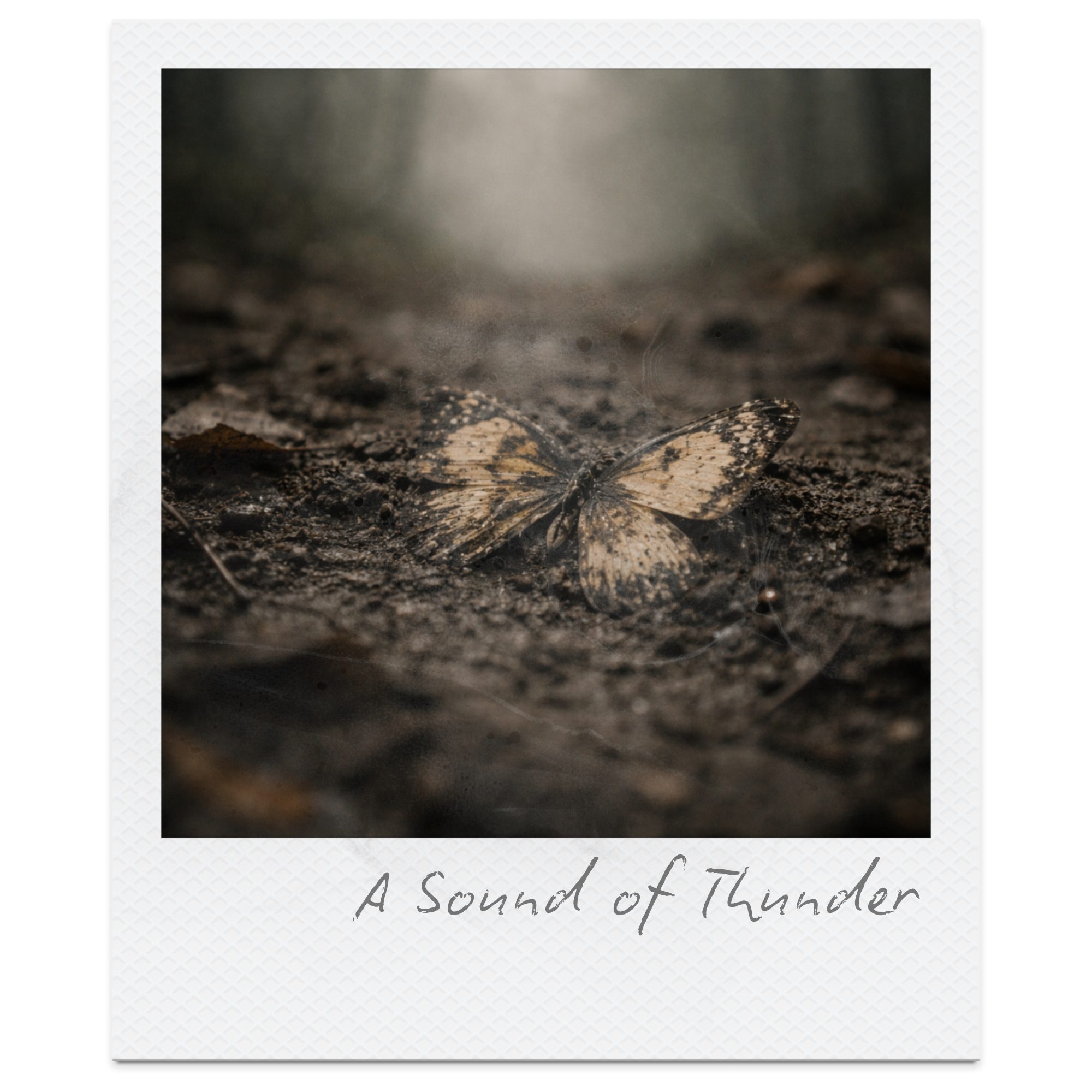
A Sound of Thunder by Ray Bradbury: Summary, Themes, Meaning & Analysis
A Sound of Thunder by Ray Bradbury is a gripping work of science fiction that explores the dangers of time travel, human interference, and unintended consequences. When a group of hunters travel back in time to kill a dinosaur, they are given one strict rule: stay on the Path. But when Eckels panics and steps off it, a seemingly small action triggers a chain reaction that alters the future in subtle but devastating ways. Through its famous exploration of the butterfly effect, the story reveals how fragile and interconnected reality truly is. Bradbury presents a powerful warning about cause and effect, responsibility, and the illusion of control, showing that even the smallest mistake can reshape entire systems. The story’s unsettling ending lingers long after reading, reminding us that once a choice is made, its consequences cannot be undone.
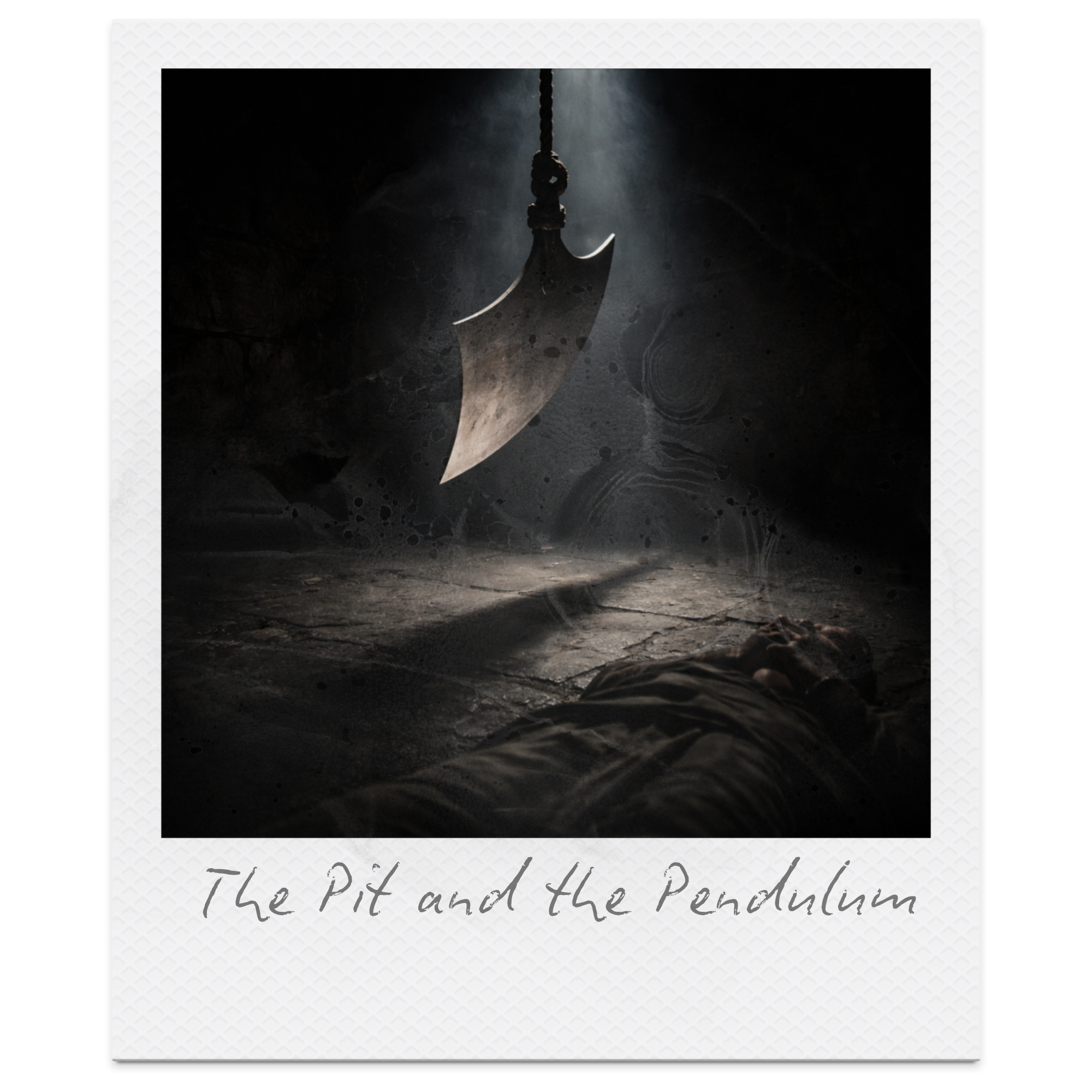
The Pit and the Pendulum by Edgar Allan Poe: Summary, Themes, Symbolism & Analysis
The Pit and the Pendulum by Edgar Allan Poe is a chilling exploration of psychological horror, fear, and survival under extreme control. Set within the terrifying world of the Inquisition, the story follows a condemned narrator trapped in a shifting dungeon where darkness, hidden dangers, and calculated torture push him to the brink of madness. Rather than relying on sudden shocks, Poe builds tension through anticipation, sensory deprivation, and the slow passage of time, creating a deeply unsettling reading experience. As the narrator faces the horrors of the pit, the descending pendulum, and the enclosing walls, the story explores powerful themes including power and control, perception and reality, death and mortality, and endurance. The setting itself becomes an instrument of torture, reflecting the narrator’s deteriorating mental state and forcing him into a desperate fight for survival. Through its intense focus on the mind under pressure, The Pit and the Pendulum remains one of Poe’s most compelling and psychologically complex short stories.