70 November Writing Prompts for Teens: Story Starters, Characters, Settings & Visual Ideas
November is a month of contrasts. Bonfire Night cracks the dark with sparks and smoke, Thanksgiving pulls people around crowded tables, and Black Friday turns ordinary spaces into sites of pressure, desire, and chaos. It’s a liminal month — the final stretch of autumn before winter sets in — where warmth and unease sit side by side.
For teen writers, November offers rich creative tension. This collection of 70 November writing prompts explores that in-between space through story starters, titles, characters, settings, and picture prompts inspired by seasonal rituals, modern life, and quiet moments of change. From gratitude and family dynamics to fireworks, rebellion, isolation, and late-night shopping sprees, these prompts are designed to spark realistic, atmospheric storytelling that feels grounded and relevant.
If you’re looking to explore more seasonal prompts, genres, and classroom-ready writing ideas, you can browse the full Creative Writing Archive, where all prompt collections are organised by month, genre, and theme for easy planning and inspiration.
1. Plot Hooks
Plot hooks help young writers step straight into a story without overthinking the opening. These November-inspired hooks balance warmth, unease, tradition, and disruption — ideal for realistic, eerie, or quietly unsettling fiction.
At a Thanksgiving dinner, one place is always set for a missing guest — and no one is allowed to ask who they were.
During a Bonfire Night celebration, the flames begin to form recognisable shapes that seem to react to the crowd watching them.
A student clearing out their attic finds an old Guy Fawkes mask wrapped carefully in newspaper — dated decades after it should have existed.
A small town celebrates Thanksgiving every year with strict traditions, even though no one can remember what they’re meant to be grateful for.
Every November 5th, the same stranger returns to town, watching the fireworks from the same spot — and leaving before anyone can speak to them.
A harvest festival ends abruptly when something unexpected is uncovered beneath the decorations meant to celebrate abundance.
A diary discovered in early November appears to record events that haven’t happened yet — all leading toward winter.
During a local parade, one float never follows the planned route, and no one admits to building it.
A Black Friday deal promises the impossible — but the real cost only becomes clear after the purchase is made.
Fireworks burst across the sky, briefly revealing figures that aren’t part of the display — and weren’t meant to be seen.
2. Title Ideas
Titles make a story feel real before it’s even written. These November-inspired titles blend warmth, unease, tradition, and quiet tension, giving writers an immediate sense of atmosphere and direction.
Ashes Beneath the Bonfire
The Last Harvest Table
Lanterns Lost in Fog
The Empty Chair at Thanksgiving
Whispers in the Smoke
The Recipe No One Makes Anymore
The Fifth of November, Remembered
After the Leaves Have Fallen
Midnight in the Supermarket
Embers That Refuse to Fade
3. Opening Lines
November stories work best when they open with atmosphere rather than action — flickering firelight, cold mornings, crowded shops, and the quiet unease of things slipping toward winter. These opening lines invite readers straight into that space:
“The bonfire cracked and hissed, and beneath the noise, I was sure it whispered my name.”
“The turkey was carved, the plates were filled, and still no one reached for their fork.”
“Smoke settled over the town like something everyone had agreed not to talk about.”
“November always smelled of damp leaves, cold air, and spent fireworks.”
“The empty chair caught the light as if someone had polished it carefully, expecting company.”
“The fireworks flared — and for a moment, the shadows they cast didn’t belong to anyone there.”
“Grandma’s recipe card was blotched with a stain too dark to explain away.”
“By dawn, the shop floor looked less like a sale and more like the aftermath of a small war.”
“The cold arrived early that year, taking more than just the warmth with it.”
“The letter came with the first frost, its silver ink already beginning to fade.”
4. Closing Lines
Strong endings don’t explain — they echo. These closing lines leave November stories unresolved, reflective, or quietly unsettling:
“The fire died down, but the whispers never did.”
“We finally ate, though the food tasted like nothing at all.”
“Smoke thinned into the sky, taking with it the things we agreed not to say.”
“When the last leaf fell, it felt as though the year exhaled and stopped.”
“The chair remained empty, even though I was certain someone had used it.”
“The fireworks burned out, but whatever they revealed stayed behind.”
“The recipe was destroyed, yet its taste followed us into winter.”
“The sale ended, but the price kept rising long after.”
“The frost settled in deeper each night — and so did my decision.”
“November passed, but the secret refused to go with it.”
5. Character Ideas
November characters often carry weight — of tradition, memory, secrecy, or exhaustion. These figures are shaped by cold weather, crowded spaces, and things left unsaid:
A worn-down cook preparing what they know will be the last Thanksgiving meal for a family already splitting at the seams.
A quiet firework-maker who understands the town’s traditions a little too well — and never stays to watch the display.
A teenager who hides in the local library every November evening, using books as refuge from a home full of rituals they don’t believe in.
A masked figure who appears every Bonfire Night, standing just far enough from the flames to remain unrecognisable.
A grandmother guarding a handwritten recipe that has been passed down for generations — along with a warning no one listens to.
A student historian fixated on the Gunpowder Plot, convinced that history repeats itself when people stop paying attention.
A child who refuses to leave the bonfire long after the flames die, insisting they’re waiting for someone who hasn’t arrived yet.
A bargain-hunter who enters the shopping centre before dawn on Black Friday — and slowly realises no one is allowed to leave.
A traveller who always arrives on the first frost, bringing stories that feel less like memories and more like premonitions.
A retail worker who knows the sales are cursed, but clocks in anyway — because some debts can’t be paid with money.
6. Setting Ideas
November settings are transitional spaces — caught between warmth and cold, celebration and unease. These locations ground stories in atmosphere while quietly shaping what can (and can’t) happen next:
A small-town square lit by lanterns and firelight, where smoke hangs low and familiar faces blur into silhouettes.
A long wooden table prepared for Thanksgiving, plates laid with care, one chair deliberately left empty at the end.
A frost-whitened forest path where footprints fade almost as soon as they’re made, as if the ground refuses to remember.
A parade route cutting through bare, wind-scoured streets, banners snapping sharply in the cold air.
A crumbling church overlooking the village green, its doors opened only on the fifth of November.
A kitchen heavy with the smell of cinnamon, butter, and something sharp and metallic beneath it.
A shopping mall just past midnight, lights blazing, shutters half-lifted, and crowds humming with sleepless anticipation.
A remote farmhouse glowing with candlelight, fields dark and silent as the first snow threatens to fall.
A frozen pond at dusk, its surface dotted with floating lanterns drifting slowly apart.
A library archive room lined with locked cabinets, each drawer labelled by year — and every November file sealed.
7. Picture Prompts
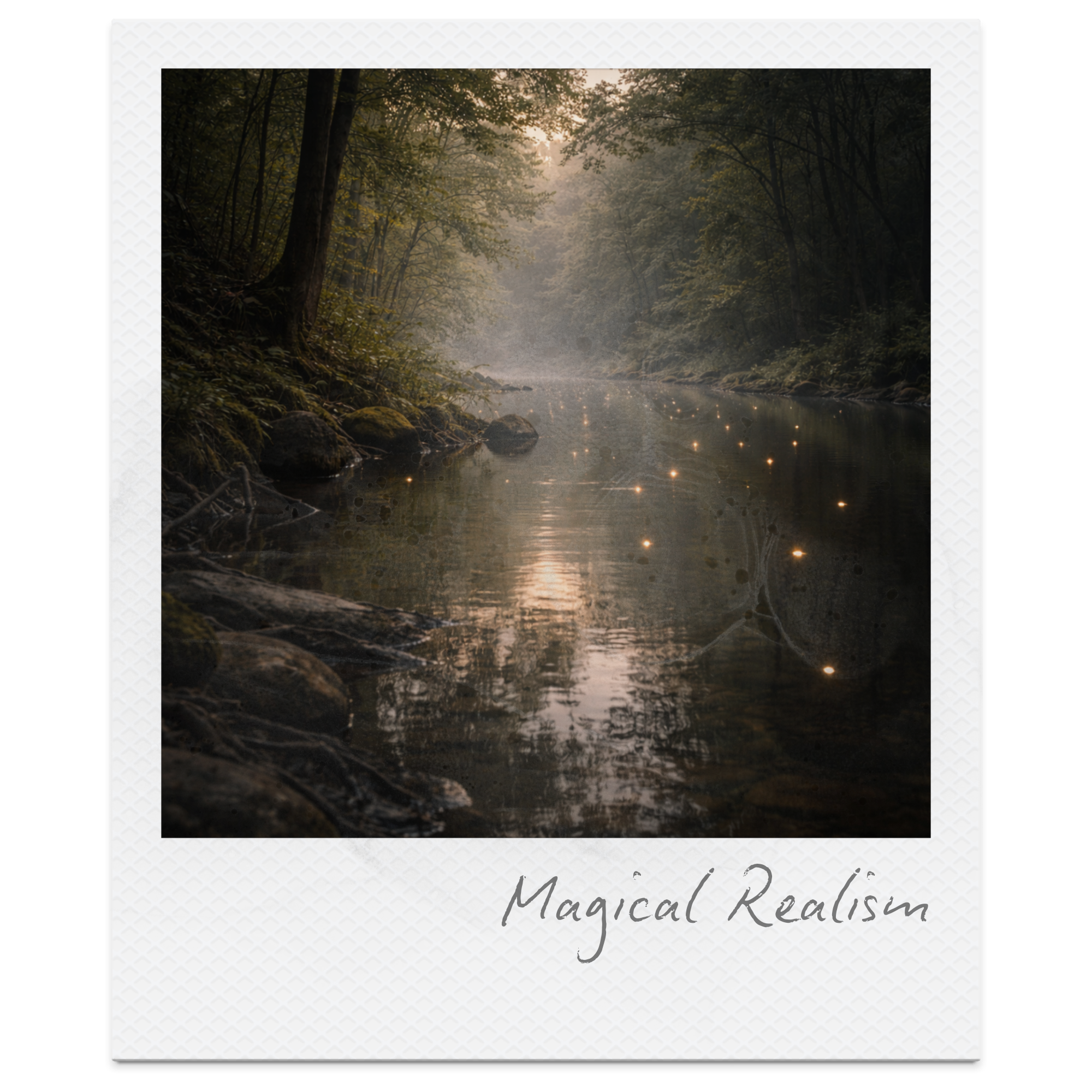
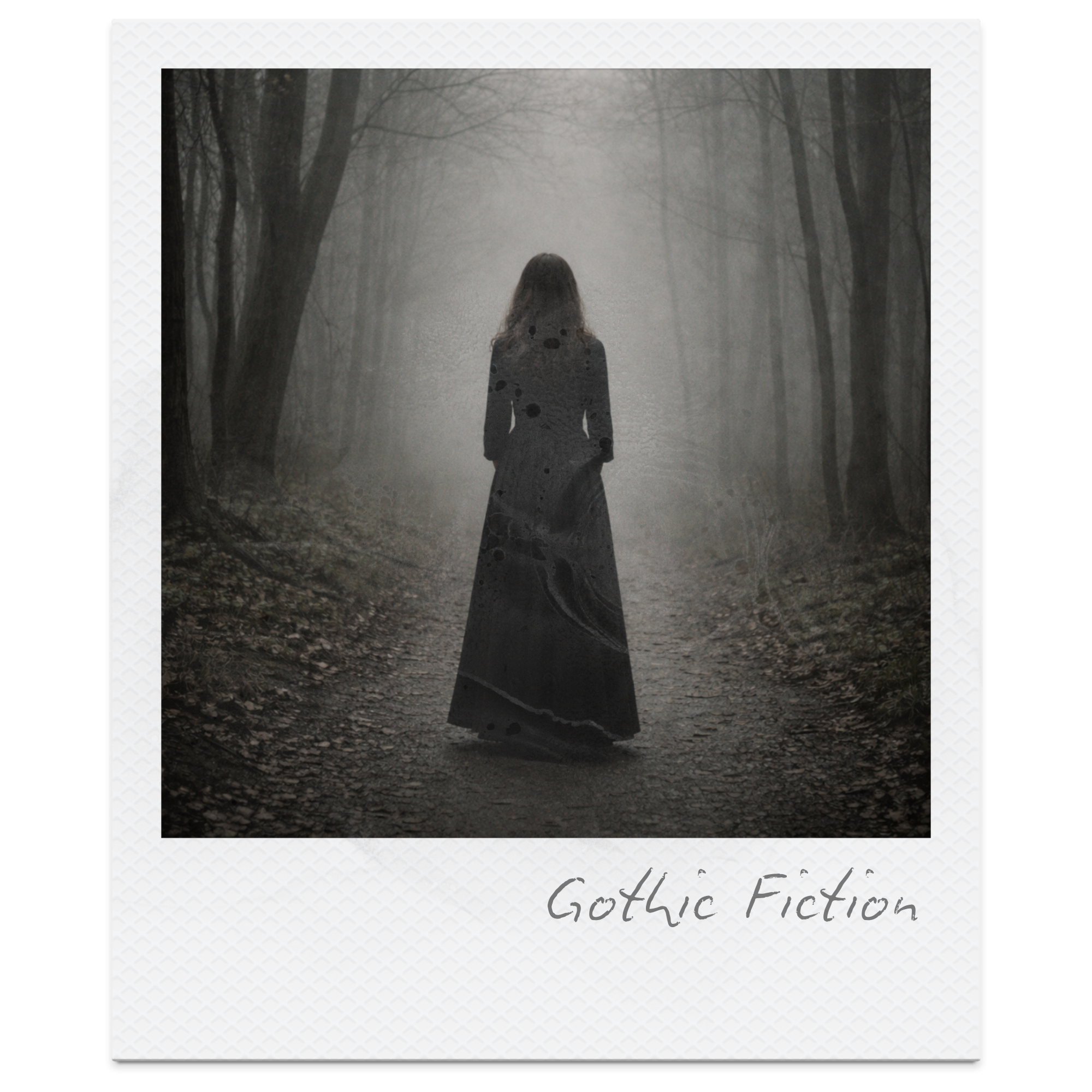
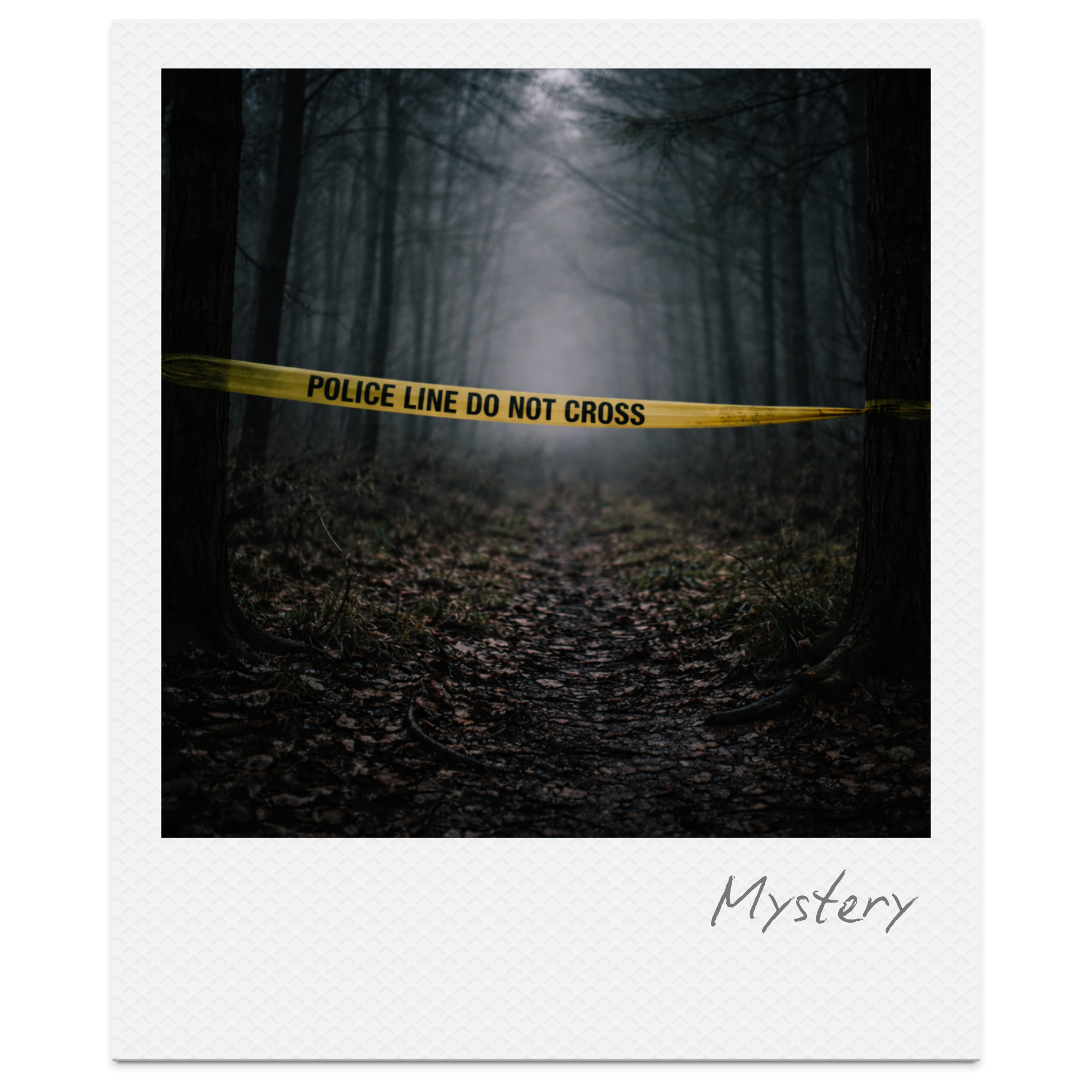
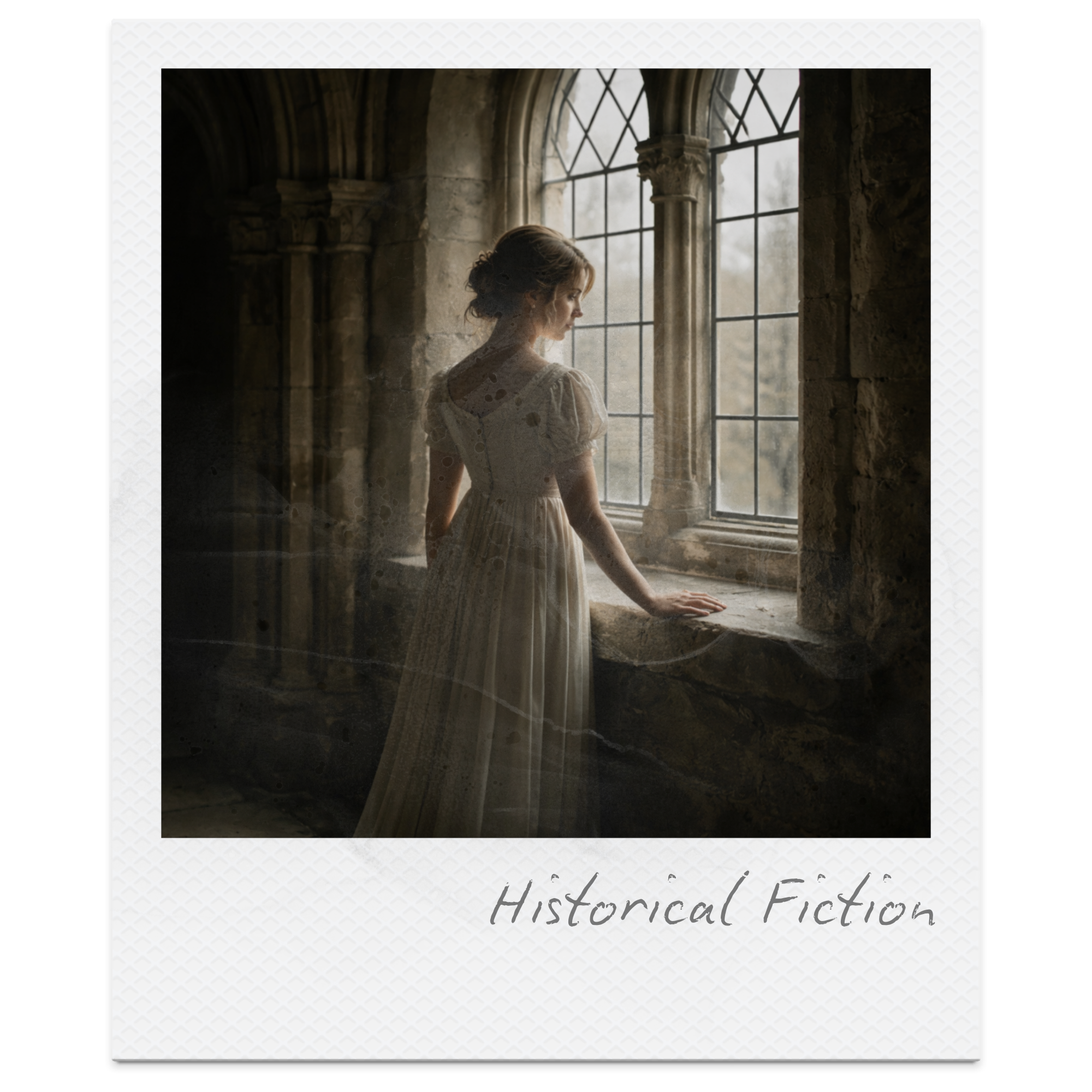
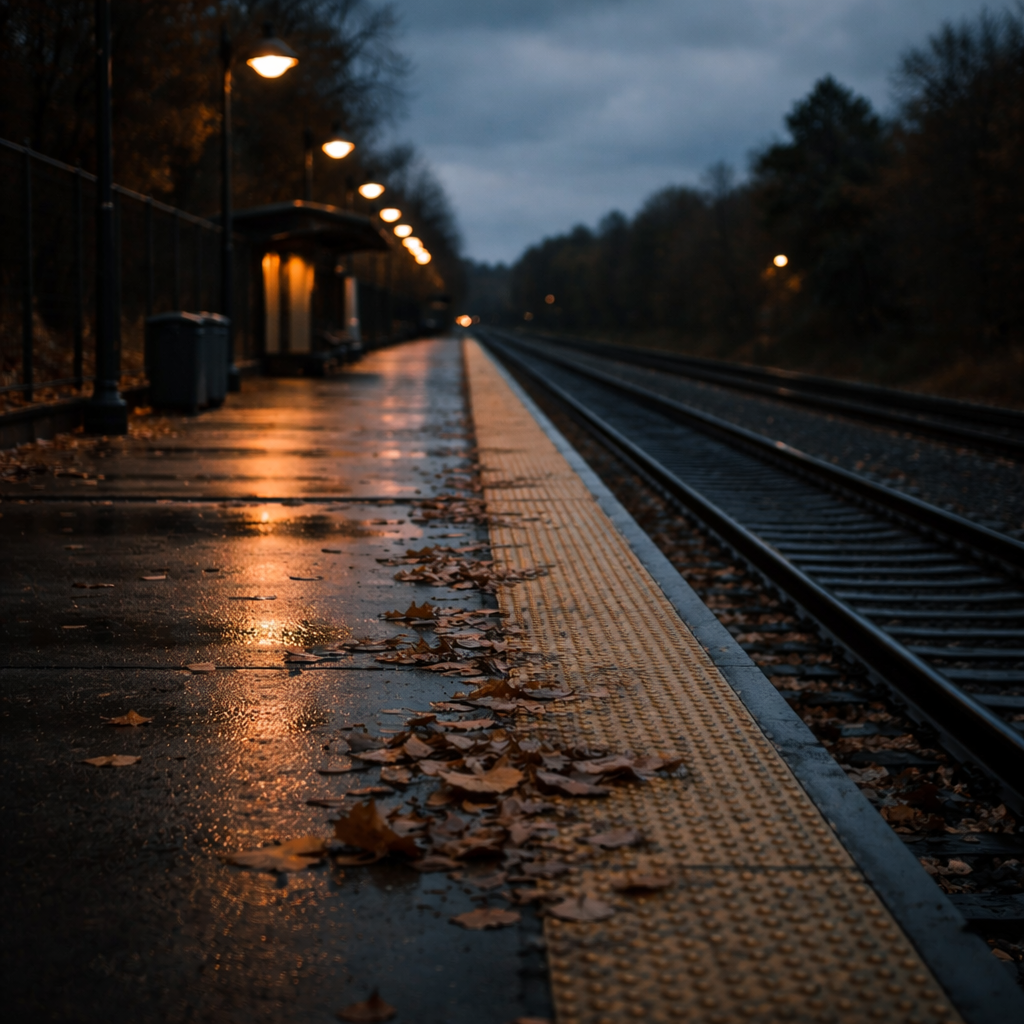
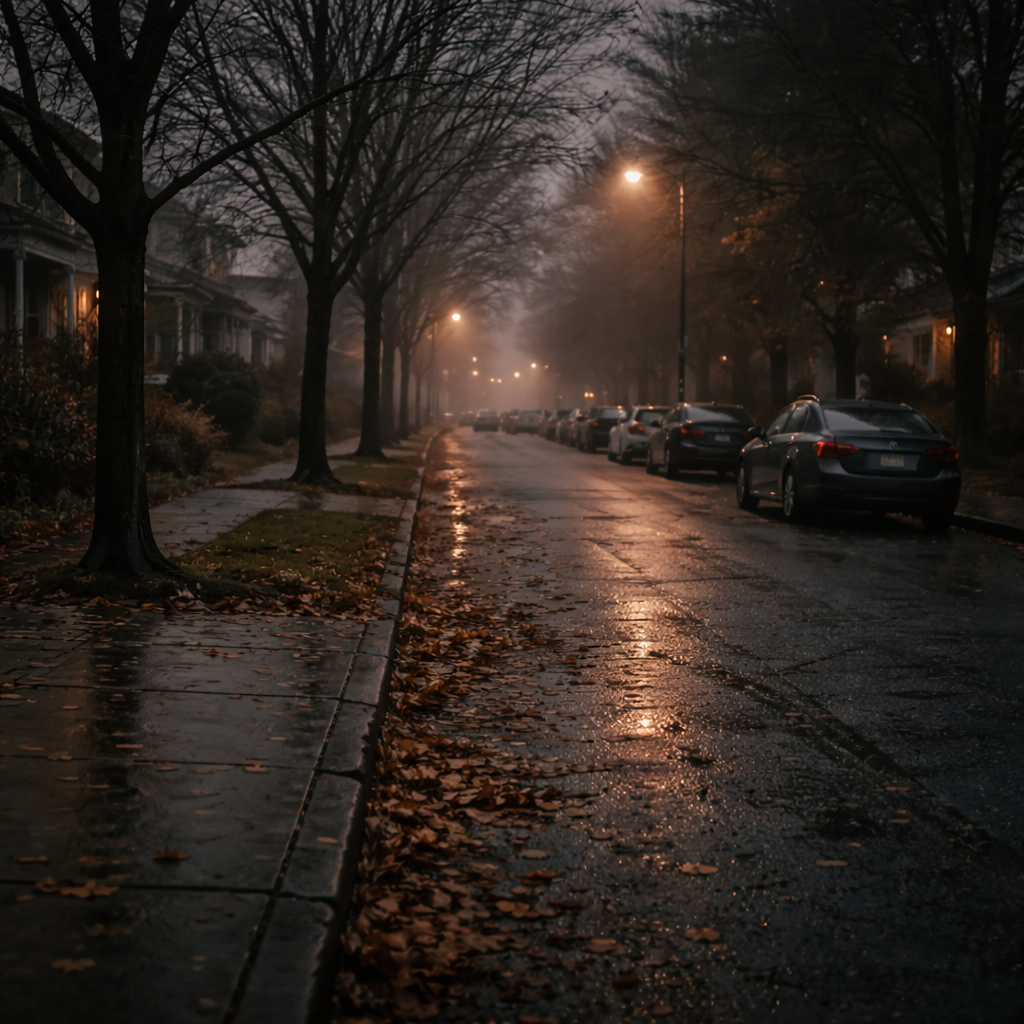
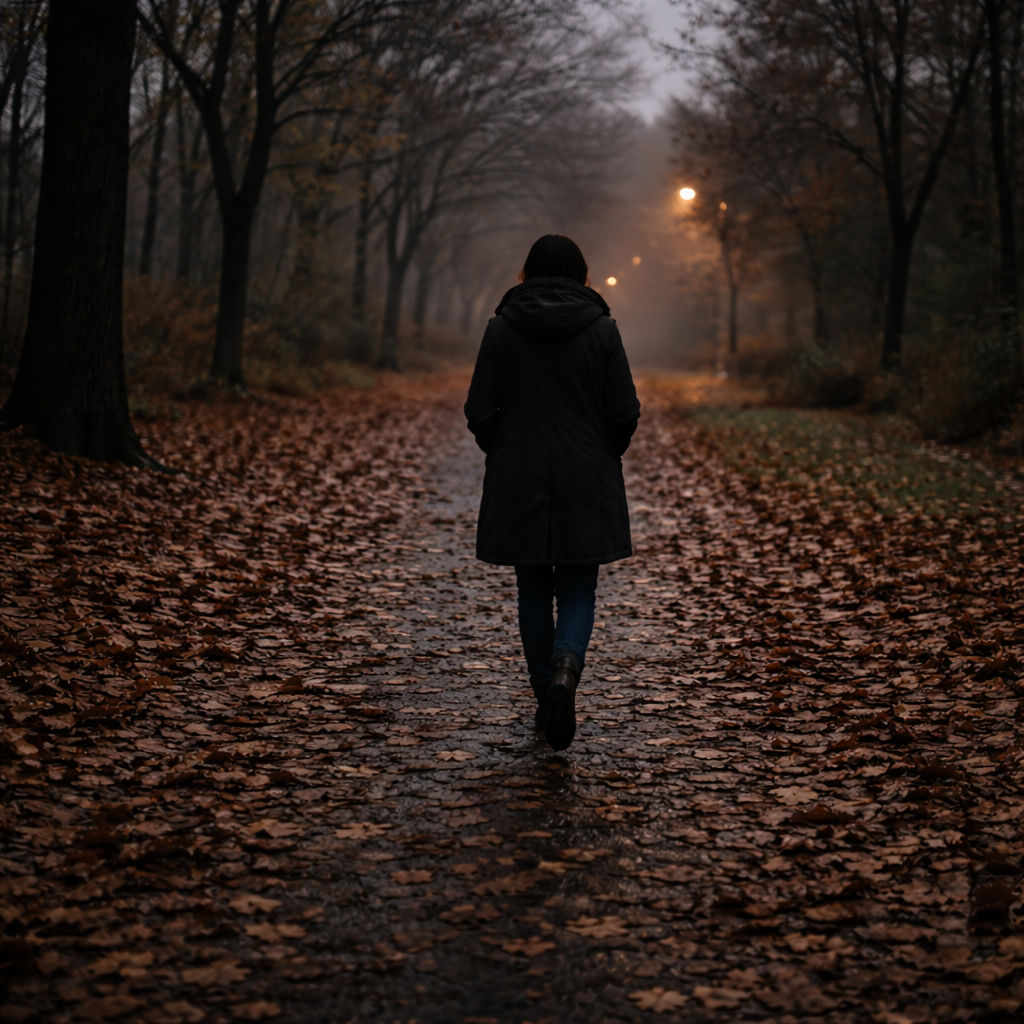
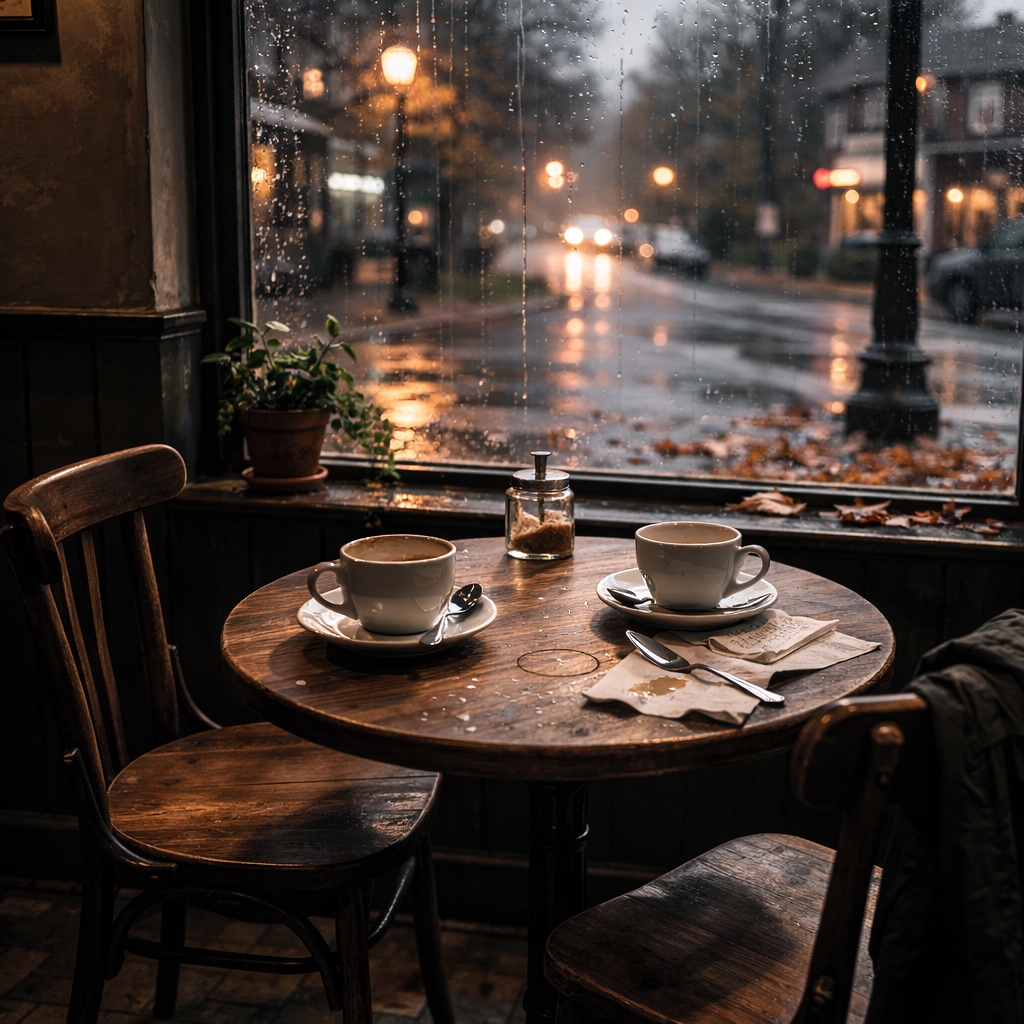
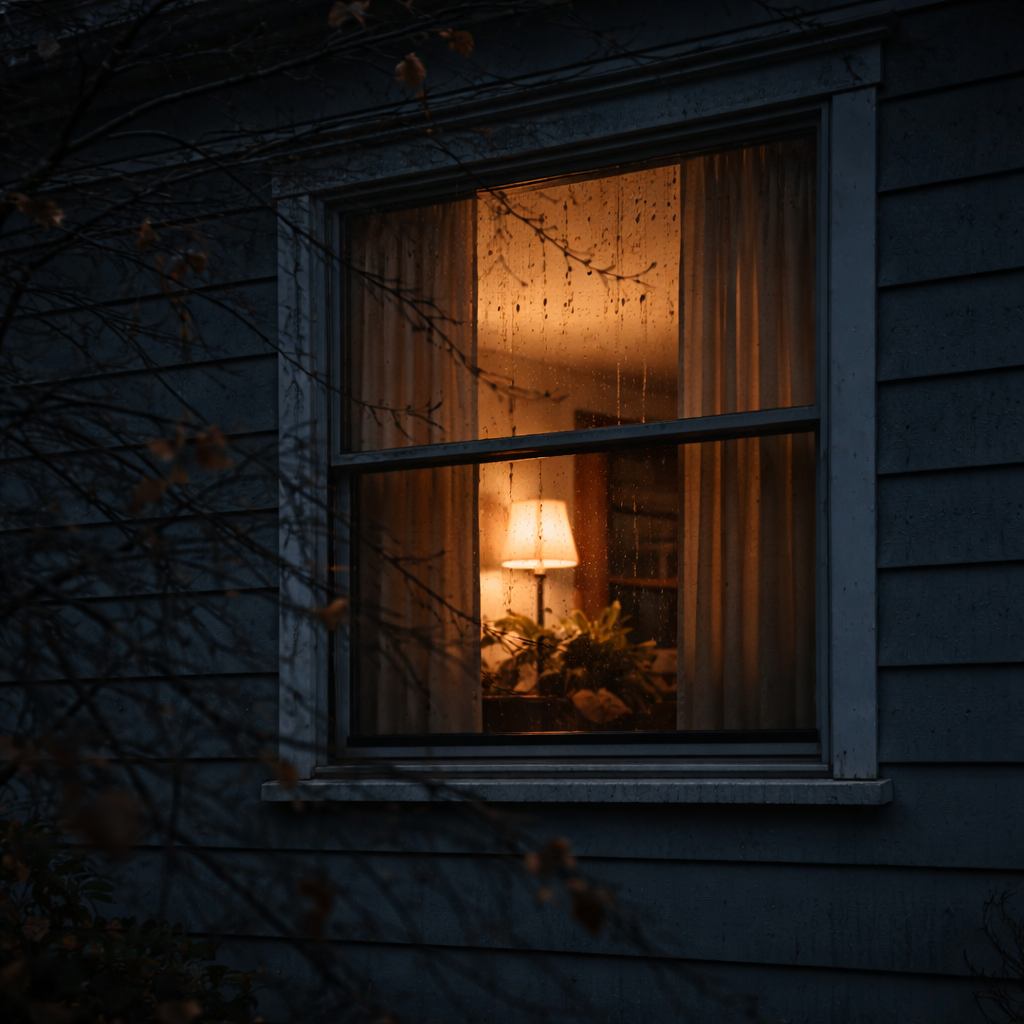
Images can unlock ideas that words alone can’t. November picture prompts encourage students to pause, observe, and infer — noticing atmosphere, relationships, and unanswered questions before the writing even begins.
These visuals are designed to support descriptive writing, narrative openings, character inference, and mood-building. Some feature people at a distance; others focus on places, objects, or moments just before something changes. Students can respond through short fiction, descriptive paragraphs, internal monologue, or poetry, depending on the task.





Go Deeper into November Writing
November writing works best when students move beyond surface description and start using the season symbolically. Encourage writers to think about what November represents, not just what it looks like — endings, thresholds, tension, restraint, and the uneasy pause before winter.
These prompts are designed to stretch writing in subtle but powerful ways:
◆ Use contrast deliberately — warmth against cold, light against darkness, crowds against isolation
◆ Let ordinary settings carry unease (a dinner table, a shop, a town square) rather than relying on obvious horror
◆ Focus on what’s unsaid: the empty chair, the unlit firework, the person who doesn’t return
◆ Play with timing — stories that unfold over one night, one meal, or the hours between dusk and dawn
◆ Use objects as anchors (recipes, masks, lanterns, receipts) and let meaning gather around them
◆ Encourage ambiguity — not every mystery needs an explanation by the final line
◆ Experiment with perspective, especially observers, outsiders, or characters on the edge of events
For classrooms, these prompts work especially well as:
◆ slow-burn narrative tasks
◆ mood-driven descriptive writing
◆ short stories that prioritise atmosphere over plot
◆ paired writing followed by discussion on interpretation
If students struggle to begin, ask them to select a prompt and circle one detail they find unsettling or meaningful and build outward from there. November is about accumulation — tension builds quietly, and meaning settles over time.
Final Thoughts
November is a month of tension — between warmth and cold, belonging and isolation, tradition and disruption. That makes it a powerful moment for creative writing. These prompts are designed to help students sit in that in-between space, using atmosphere, symbol, and restraint to tell stories that linger rather than rush toward resolution.
Whether writers are drawn to family dynamics, seasonal unease, or the quiet chaos of modern life, November offers rich material for thoughtful, grounded fiction.
If you’re looking to explore more genres, seasons, and writing styles, you can browse the full Creative Writing Archive, where all prompt collections are organised for easy classroom planning and independent writing.
Sometimes the most powerful stories are the ones written just before everything changes. November is exactly that moment.
Choose Your Next Adventure