70 Weather Description Prompts: Storms, Sunshine & Seasonal Scenes
Weather is one of the most powerful tools in descriptive writing, shaping atmosphere, influencing emotion, and bringing every scene to life. A warm summer afternoon bathed in golden sunlight creates a very different experience from a violent thunderstorm, a frost-covered winter morning, or a landscape hidden beneath dense fog. Whether you're writing fantasy, horror, historical fiction, romance, or literary fiction, learning how to describe weather effectively helps readers feel fully immersed in the world you've created.
Strong weather descriptions go beyond simply stating whether it is sunny or raining. The most memorable scenes engage the senses, capturing the sharp scent of rain on warm pavement, the sting of icy wind against your skin, the distant rumble of approaching thunder, the dazzling colours of a sunset, or the heavy silence that settles before a storm. By combining precise vocabulary, sensory detail, figurative language, and carefully chosen imagery, writers can transform changing weather into a powerful storytelling tool that reflects emotion, builds atmosphere, and enhances every setting.
These 70 Weather Description Prompts are designed to help you practise descriptive writing through a variety of creative challenges, from vivid weather scenes and contrasting conditions to language-focused exercises and picture prompts. Whether you're improving your creative writing skills, preparing for an English assessment, or looking for inspiration for your next novel, you'll find plenty of opportunities to strengthen your descriptive techniques while exploring the ever-changing moods of the natural world.
If you're looking for even more inspiration, explore the Descriptive Writing Hub for prompts covering settings, weather, characters, emotions, vocabulary, and writing techniques, or browse the Creative Writing Archive to discover hundreds of writing prompts, picture prompts, story ideas, character collections, and genre guides across every style of creative writing.
How to Approach Descriptive Writing About Weather
The strongest weather descriptions do more than state whether it is sunny or raining. Think about how the weather changes the atmosphere, affects the landscape, and influences the people experiencing it. Focus on light, temperature, movement, sound, and the emotions different weather conditions create. Carefully chosen sensory details, precise vocabulary, and figurative language will help readers experience the scene rather than simply observe it.
1. Descriptive Titles
A strong title can immediately establish atmosphere, mood, or setting before the first sentence is even written. Choose one of the titles below and use it as the inspiration for a piece of descriptive writing. Focus on creating vivid imagery, rich sensory detail, and an immersive atmosphere shaped by the weather.
The Calm Before the Storm
Beneath Grey Skies
The First Snowfall
When the Rain Finally Stopped
Chasing the Last Light
Wrapped in Morning Mist
Beneath a Sky of Lightning
The Hottest Day of Summer
After the Frost
Where the Wind Never Sleeps
2. Describe These Scenes
Weather can completely transform the same setting, changing its atmosphere, colours, sounds, and emotional impact. Choose one of the scenes below and bring it to life using rich sensory detail, precise vocabulary, figurative language, and vivid imagery.
A violent thunderstorm rolling across the countryside.
Gentle rain falling on a quiet village street.
The first snowfall covering a peaceful woodland.
A thick blanket of fog drifting through an ancient castle.
A scorching summer afternoon during an intense heatwave.
A windswept coastline beneath dark, dramatic clouds.
A colourful rainbow appearing after heavy rain.
A crisp autumn morning coated in sparkling frost.
A spring shower passing through a blooming garden.
A spectacular sunset following a day of storms.
3. Contrasting Descriptions
One of the best ways to strengthen descriptive writing is by comparing the same scene under different weather conditions. Choose one of the contrasting scenarios below and describe both versions, paying close attention to how changes in light, temperature, wind, and precipitation completely transform the atmosphere.
The same landscape on a bright, sunny day and during a violent thunderstorm.
The same woodland in thick morning fog and beneath a clear blue sky.
A beach during a calm summer afternoon and in the middle of a winter gale.
The same village before and after the first snowfall.
A garden during a spring shower and in the middle of a summer heatwave.
The same mountain at sunrise on a clear morning and during a blizzard.
A city street in heavy rain and beneath warm evening sunshine after the storm has passed.
The same lake on a perfectly still day and during powerful winds.
The countryside during a severe drought and after several days of heavy rainfall.
The sky immediately before a thunderstorm and just after it has passed.
4. Observation & Experience
The most memorable weather descriptions come from careful observation and personal experience. Choose one of the situations below and focus on how the weather affects your senses, emotions, surroundings, and the people within the scene.
Standing outside as the first drops of rain begin to fall.
Walking through thick fog where familiar landmarks have almost disappeared.
Feeling the warmth of the first truly hot day of summer.
Watching a thunderstorm approach from the safety of a window.
Experiencing the first snowfall of winter.
Walking into strong winds that make every step a challenge.
Watching a rainbow slowly appear after heavy rain.
Waking up to a landscape covered in frost.
Standing outside as the sun breaks through the clouds after hours of rain.
Feeling the sudden change in the air just before a storm arrives.
5. Language & Style Challenges
The language you choose can completely transform a weather description. Experiment with the techniques below to strengthen your imagery, vary your writing style, and discover how different literary devices can capture the power and beauty of the natural world.
Describe a thunderstorm using personification throughout.
Describe falling snow using one extended metaphor.
Describe a sunset sky with a strong focus on colour imagery.
Describe howling wind using alliteration to emphasise sound and movement.
Describe heavy rainfall using powerful verbs rather than descriptive adjectives.
Describe a foggy morning by alternating short, punchy sentences with longer, flowing ones.
Describe a rainbow after the rain using at least five original similes.
Describe a blizzard focusing primarily on sound, touch, and temperature rather than sight.
Describe a summer heatwave using repetition to reinforce the relentless atmosphere.
Describe a spring sunrise using predominantly complex sentences to create a rich, immersive description.
6. Creative Writing Challenges
Challenge yourself by approaching each description under a specific writing constraint. These exercises encourage creativity, careful word choice, and fresh ways of describing different types of weather.
Describe a thunderstorm in exactly 50 words.
Describe a snowy landscape without using the words snow, ice, winter, cold, or frost.
Describe a summer heatwave without mentioning sight, relying only on the other four senses.
Write a description of a fog-covered valley as one continuous sentence.
Describe heavy rain entirely through the reactions of the people experiencing it, rather than directly describing the weather itself.
Begin with a single raindrop before gradually revealing the wider scene.
Describe a sunrise after a storm as though time has almost stopped.
Begin with the aftermath of a flood before revealing what happened.
Write as though the wind is a living character watching everyone below.
Describe a hailstorm by focusing almost entirely on movement and action, avoiding long static descriptions.
7. Descriptive Picture Prompts
Weather can completely transform a scene, changing its colours, atmosphere, sounds, and emotional impact. Study each image carefully before you begin writing, paying close attention to the effects of light, clouds, precipitation, wind, and temperature. Use the questions below each image to develop your ideas before completing the language challenge and descriptive writing task.
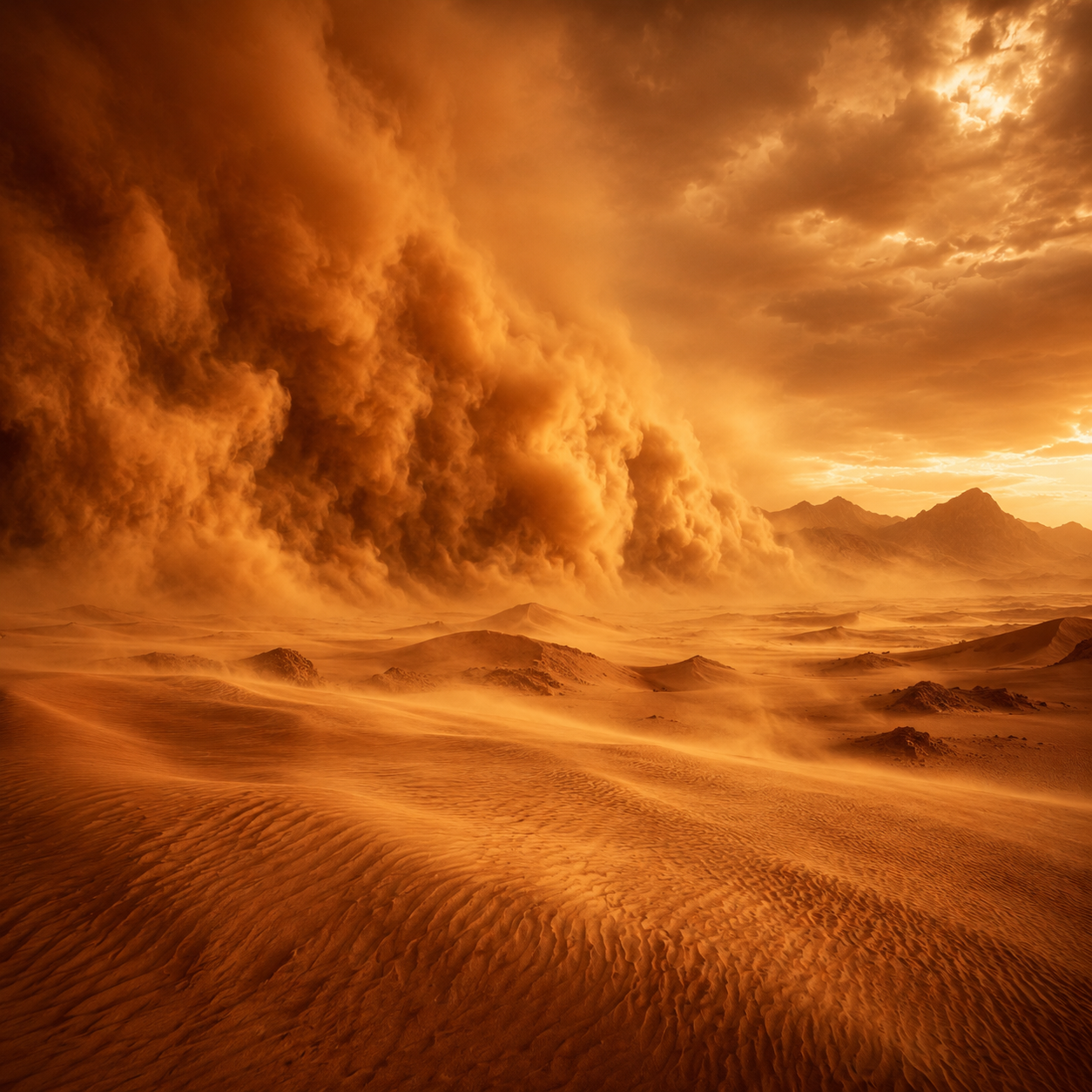
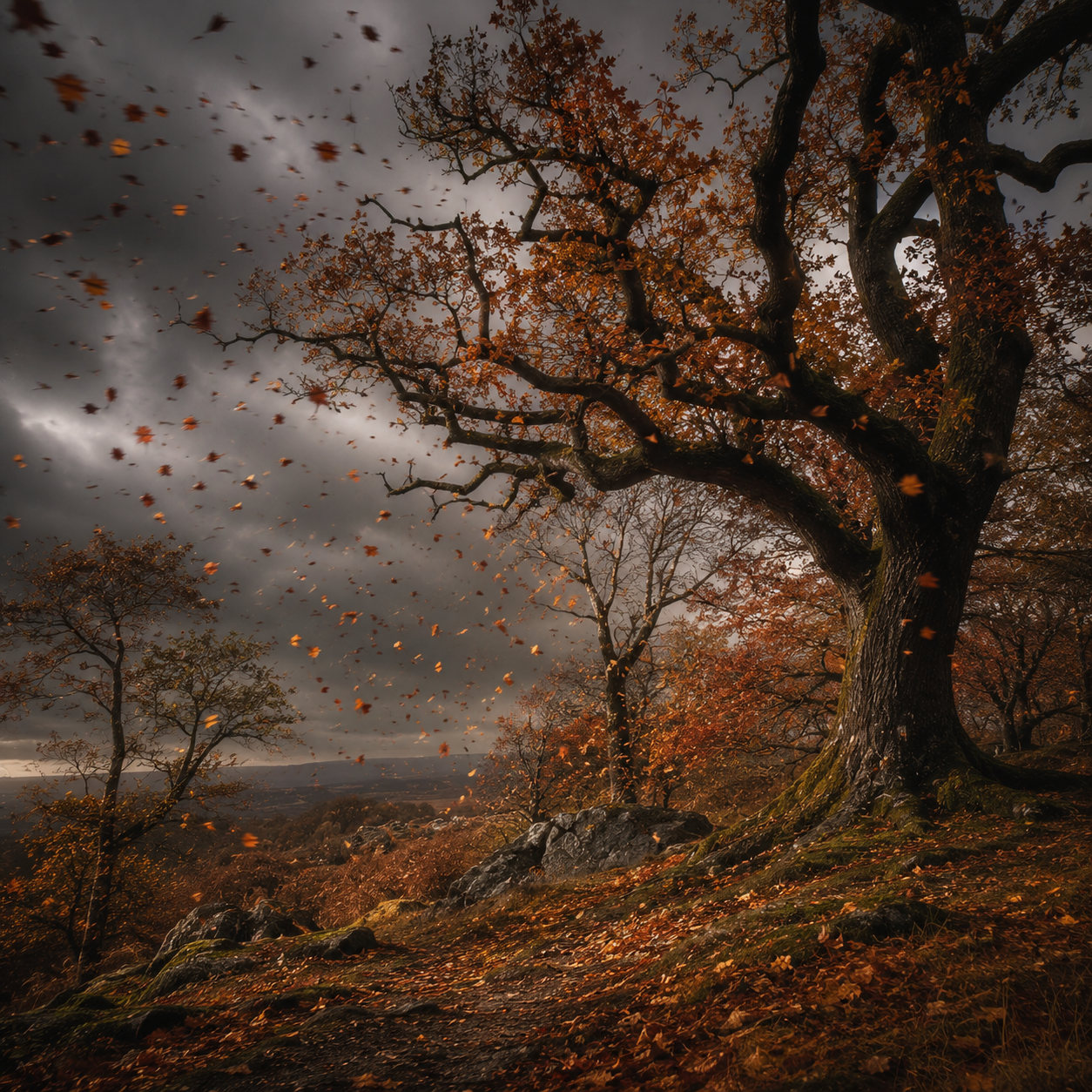
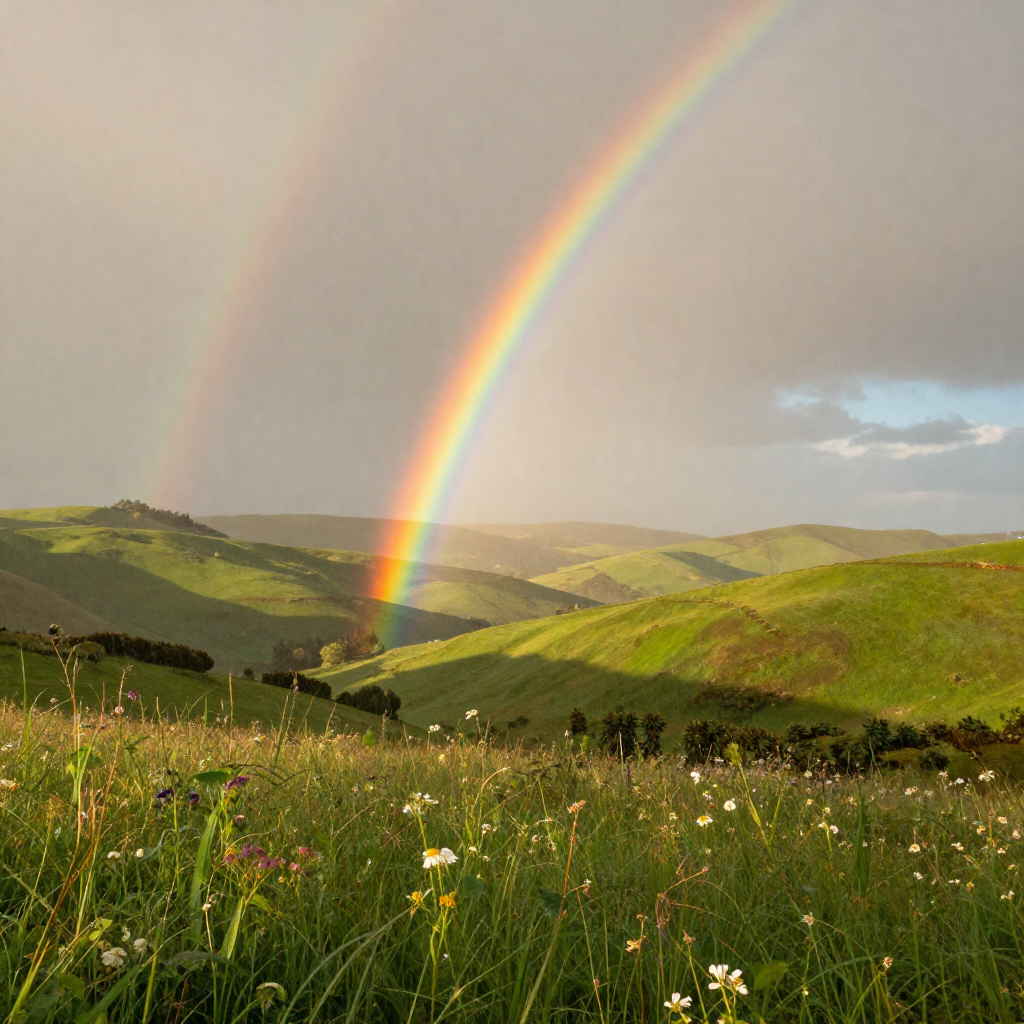


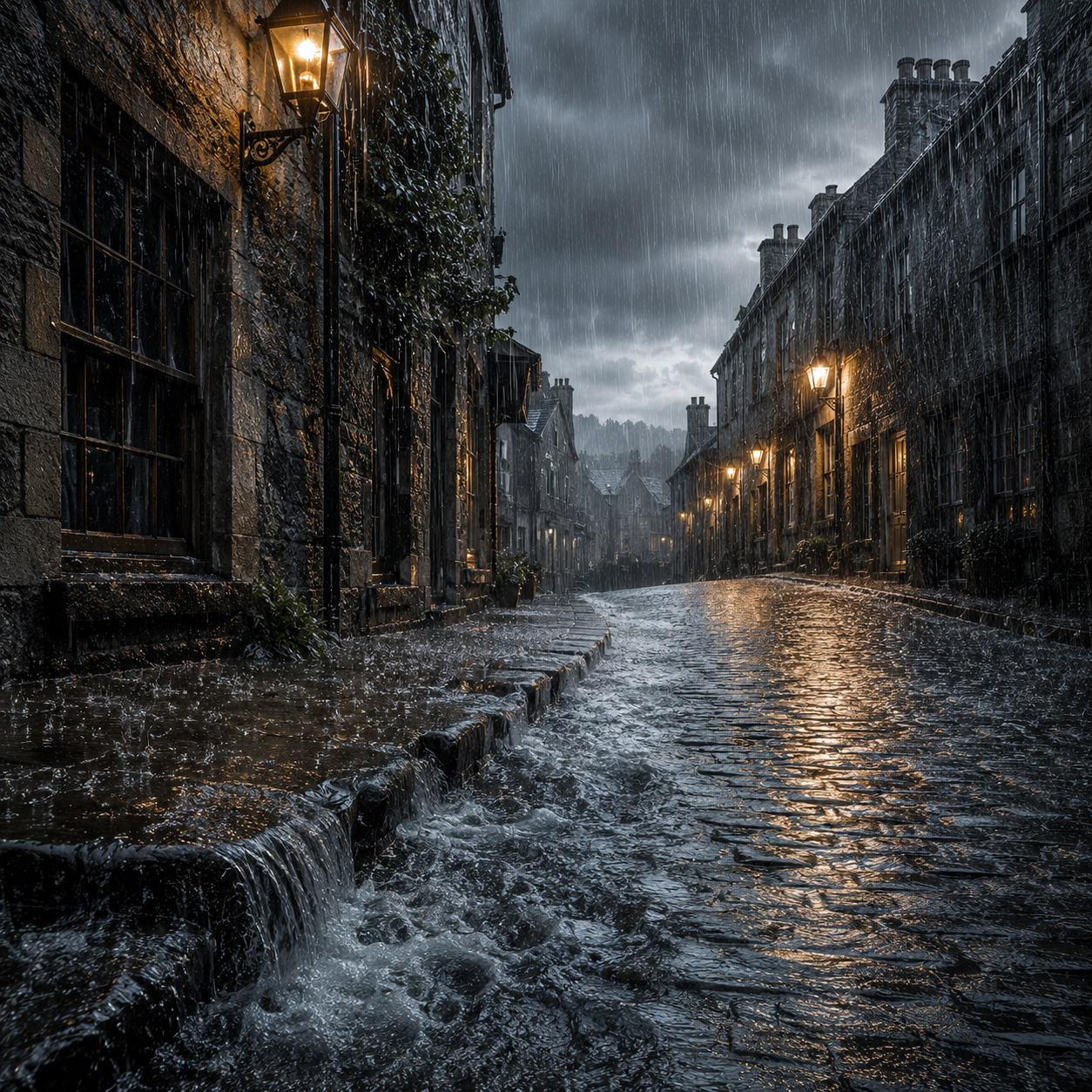
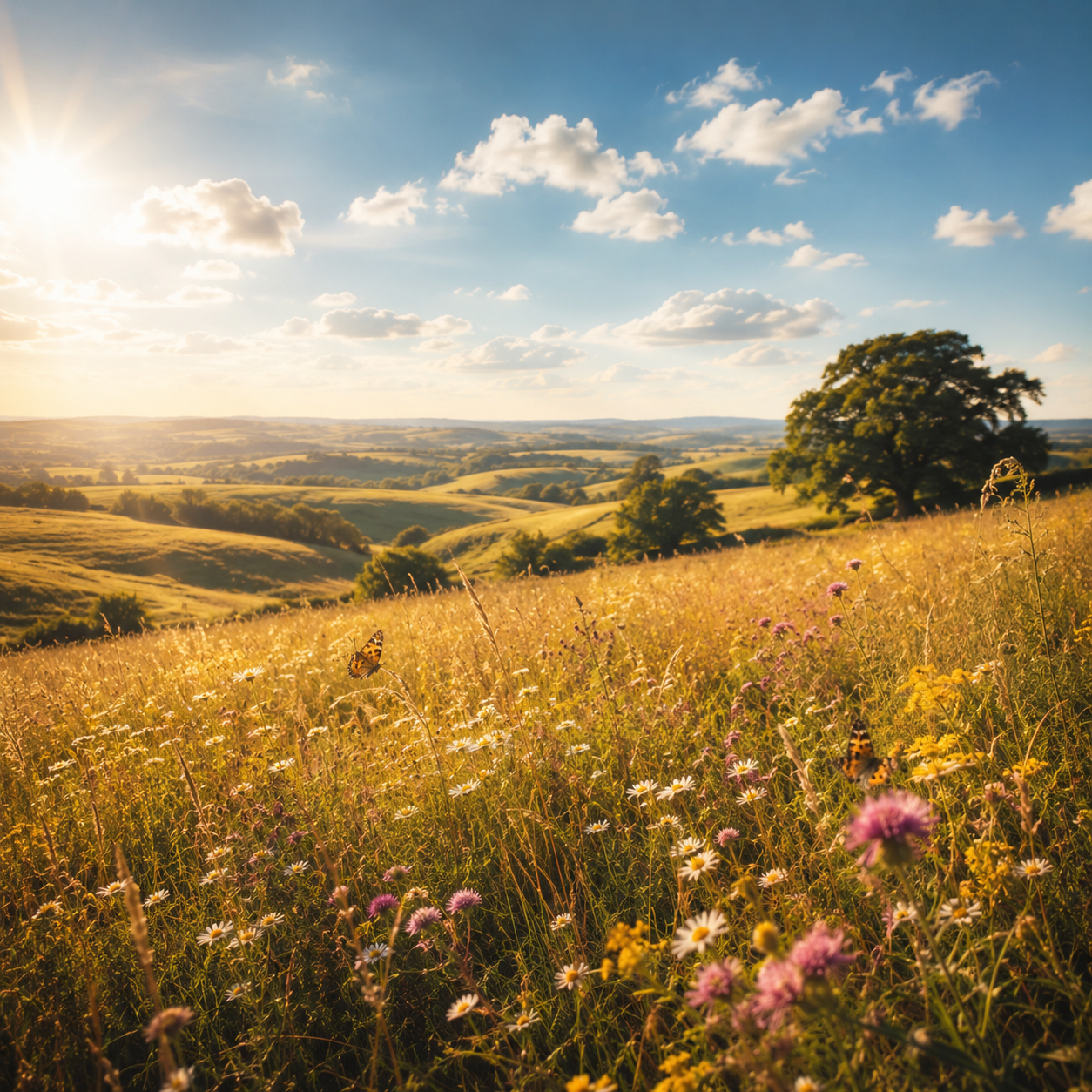
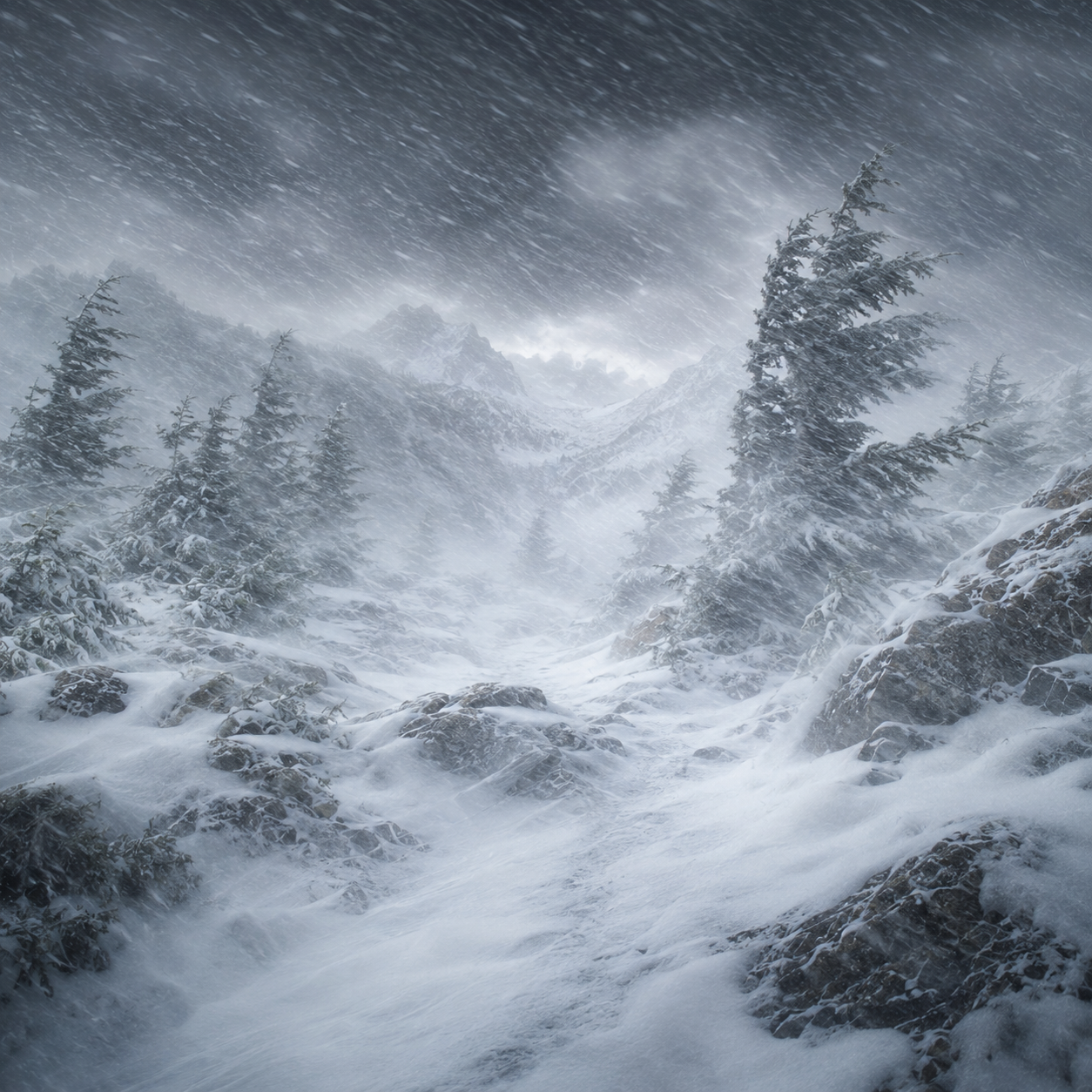
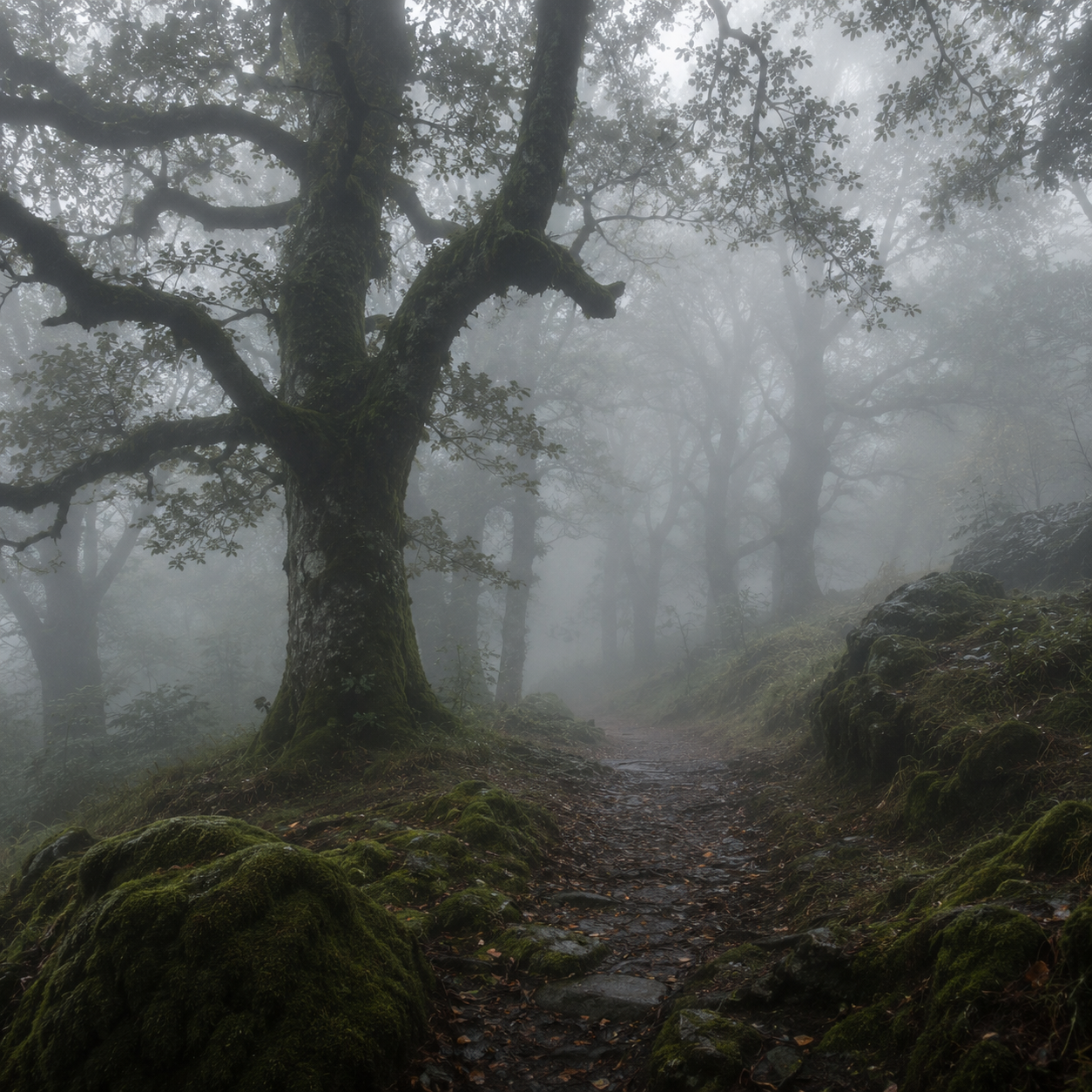
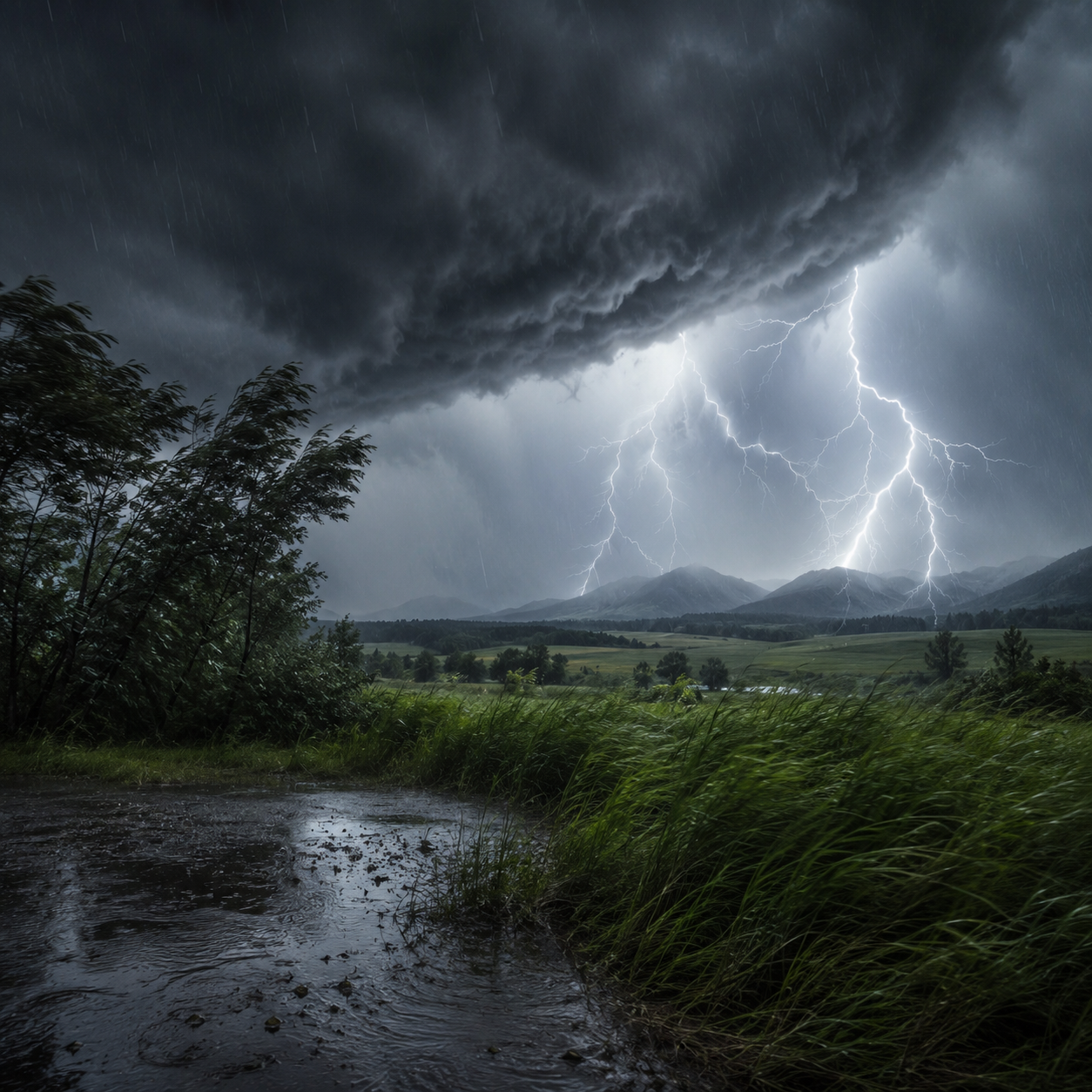
What do you notice?
What immediately draws your attention in this scene?
Which details help create the strongest atmosphere?
How do the colours, light, or shadows influence the mood?
What small details could make your description feel more realistic?
What do you think happened just before this moment?
Sensory Questions
What sounds might you hear in this scene?
What smells or scents might fill the air?
What textures or surfaces would you notice if you touched your surroundings?
How might the temperature or weather feel?
What emotions does this place make you experience?
Language Challenge
Write your description using at least one simile, one example of personification, and one piece of sensory imagery.
Writing Task
Write a vivid descriptive paragraph inspired by this image, using rich sensory detail, precise vocabulary, and figurative language to bring the scene to life. Focus on creating atmosphere rather than telling a story.
Go Deeper into Weather Description Writing
The strongest weather descriptions do more than tell readers whether it's raining or sunny. They shape atmosphere, influence emotion, and transform the way a setting is experienced. Weather can create tension before a storm, offer hope through the first signs of spring, or mirror a character's feelings without directly stating them. The key is to use weather as an active part of the scene rather than simply describing the forecast.
◆ Think about how the weather affects the landscape, people, animals, and the environment rather than describing the weather in isolation.
◆ Engage all five senses. Consider the sting of icy rain, the scent of damp earth, the rumble of distant thunder, or the warmth of sunshine on your skin.
◆ Replace vague descriptions with precise vocabulary. Instead of saying it was windy, describe branches bending, leaves swirling, or clothes tugging against the breeze.
◆ Let changing weather influence the mood of your description. The same location should feel completely different beneath bright sunshine, heavy snowfall, or dense fog.
◆ Use figurative language carefully. Similes, metaphors, and personification can make weather feel powerful and memorable when they support the atmosphere.
◆ Vary your sentence lengths to reflect the weather itself. Long, flowing sentences can create calm and tranquillity, while shorter sentences often suit storms, strong winds, or sudden changes.
◆ Read your description aloud and consider whether the rhythm, vocabulary, and imagery capture the movement and energy of the weather you've described.
Final Thoughts
Weather is far more than a backdrop—it can become one of the most powerful elements of descriptive writing. From gentle spring rain and golden summer evenings to dramatic thunderstorms and blizzards, changing weather shapes atmosphere, influences emotion, and brings every setting to life. Learning to observe these details carefully will help you create descriptions that feel vivid, immersive, and memorable.
These 70 Weather Description Prompts are designed to help you build confidence through a variety of creative exercises, including scene descriptions, contrasting weather conditions, observation tasks, language challenges, creative writing exercises, and picture prompts. Whether you're writing fantasy, historical fiction, romance, horror, or literary fiction, these prompts will help you use weather to create stronger settings and more engaging descriptions.
For more inspiration, explore the Descriptive Writing Hub for prompts covering forests, landscapes, seasons, characters, emotions, vocabulary, and writing techniques, or visit the Creative Writing Archive, where hundreds of additional prompts, picture prompts, story ideas, character collections, and genre guides are waiting to help you develop your writing.