70 Enchanted Forest Description Prompts: Magical Woodland Writing Ideas
Enchanted forests are places where the familiar rules of the natural world can begin to bend. Trees might whisper to travellers, paths may change when nobody is looking, flowers can bloom beneath moonlight and a beautiful clearing might conceal something far more dangerous beyond its edges. From the forests of traditional fairytales to the ancient woodlands of modern fantasy, these settings can feel wondrous, mysterious, unsettling or completely otherworldly.
Describing an enchanted forest effectively means doing more than adding magic to an ordinary woodland. Think about how the forest looks, sounds, smells, moves and feels. Perhaps silver light filters through an impossible canopy, moss muffles every footstep or the air carries the perfume of flowers that should not be blooming in winter. Small sensory details can make even the strangest setting feel tangible, while figurative language, precise vocabulary and carefully chosen imagery can shape the atmosphere you want your reader to experience.
These 70 Enchanted Forest Description Prompts are designed to help you experiment with magical woodland settings through descriptive titles, scene challenges, contrasting descriptions, sensory exercises, language techniques, creative constraints and picture prompts. Use them to practise descriptive writing, develop a fantasy or fairytale setting, prepare for a creative writing assessment or simply discover new ways to make an imaginary landscape feel vivid and immersive.
If you need vocabulary before you begin, explore 100 Words to Describe an Enchanted Forest for descriptive words, meanings and example sentences. You can also visit the Descriptive Writing Hub for more sensory and setting exercises, explore the Fantasy Writing Hub and Fairytales & Folklore Writing Hub for magical worldbuilding inspiration, or browse the Creative Writing Archive for hundreds of prompts, story ideas, picture prompts and writing resources.
1. Descriptive Titles
A strong title can establish the atmosphere of an enchanted forest before the description even begins. Choose one of the titles below and use it as inspiration for a piece of descriptive writing. Think about what makes the woodland magical, how it feels to enter it and the sensory details that could transform an ordinary forest into somewhere strange, beautiful or impossible.
Where the Silver Trees Grow
The Forest That Remembers
Beyond the Moss-Covered Gate
When the Trees Began to Whisper
The Path Beneath the Moon
A Clearing Full of Stars
Where Winter Never Comes
The Door in the Oldest Tree
Beneath a Canopy of Gold
The Forest at the Edge of the World
2. Describe These Enchanted Forest Scenes
Every enchanted forest has its own rules, atmosphere and secrets. Choose one of the magical woodland scenes below and describe it using precise vocabulary, sensory detail, figurative language and vivid imagery. Focus on making the reader experience the setting rather than explaining the magic behind it.
An ancient forest where enormous trees are covered with thousands of tiny silver leaves.
A moonlit clearing filled with pale flowers that slowly open as darkness falls.
A forest in autumn where golden leaves continuously fall from the trees but never seem to reach the ground.
A narrow woodland path disappearing beneath an archway formed from tangled roots and branches.
A frozen forest where every tree, fern and spiderweb has been perfectly preserved beneath a layer of ice.
A hidden grove containing a perfectly still pool that reflects a completely different sky from the one overhead.
A mist-covered forest at dawn where enormous shapes can occasionally be glimpsed moving between the distant trees.
An overgrown stone staircase winding through the woodland towards the ruins of a forgotten palace.
A beautiful forest in spring where the birds suddenly fall silent whenever someone steps away from the path.
A vast enchanted forest at sunset, with hundreds of tiny lanterns beginning to appear between the trees although nobody is there to light them.
3. Contrasting Descriptions
Magic can transform the same forest completely. A beautiful woodland in daylight might become sinister after sunset, while a welcoming path can feel entirely different once a traveller realises they cannot find the way home. Choose one of the contrasting scenarios below and describe both versions of the enchanted forest, paying attention to how changes in light, weather, magic, colour and atmosphere alter the reader's experience.
The same enchanted forest at midday and at midnight.
A magical woodland before and after an ancient curse is broken.
The same forest when it is welcoming travellers and trying to make them leave.
An enchanted clearing in midsummer and in the depths of winter.
The same woodland before and after its magic begins to disappear.
A forest path when it leads towards safety and when it deliberately leads someone astray.
The same ancient grove beneath golden sunlight and beneath a blood-red moon.
An enchanted forest when viewed by someone who belongs there and someone entering it for the first time.
The same woodland before and after every animal and bird suddenly falls silent.
A beautiful magical forest before sunset and after its true nature is revealed in darkness.
4. Observation & Experience
The most immersive enchanted forest descriptions often come from how a character experiences the setting, rather than simply cataloguing magical details. Choose one of the situations below and explore what your character notices through their senses, emotions and reactions. Think about the small details that gradually reveal this is no ordinary woodland.
Entering an enchanted forest for the first time and slowly realising that the trees are watching you.
Standing completely still in a magical clearing until things that normally hide from humans begin to emerge.
Becoming lost in an enchanted forest where the paths rearrange themselves whenever you look away.
Discovering a hidden grove that only appears for a few minutes at sunrise.
Sheltering beneath an enormous ancient tree during a magical storm and noticing something moving inside its hollow trunk.
Following the sound of distant music through the forest without ever being able to see who is playing it.
Returning to an enchanted woodland you visited as a child and discovering that the forest remembers you.
Walking through the forest without speaking and noticing that its sounds begin to imitate your thoughts and movements.
Reaching the very oldest part of the woodland, where everything becomes unnaturally still and the trees are unlike any you have seen before.
Leaving the enchanted forest at dawn and looking back to discover that the path you followed has completely disappeared.
5. Language & Style Challenges
The language you choose can make an enchanted forest feel beautiful, threatening, dreamlike or completely impossible. These challenges encourage you to experiment with figurative language, sentence structure, imagery and precise vocabulary while keeping the magical woodland at the centre of the description.
Describe the enchanted forest using personification throughout, making the trees, paths and plants seem conscious and alive.
Write an extended metaphor comparing the forest to something unexpected, such as a cathedral, an ocean, a sleeping creature or a labyrinth.
Focus entirely on colour imagery, using changing shades of green, silver, gold, blue or unexpected colours to reveal the forest's magic.
Use alliteration, sibilance and onomatopoeia to recreate the sounds of leaves, water, creatures and movement beneath the canopy.
Describe something impossible happening in the forest using ordinary, understated language, as though your character considers it completely normal.
Rely on powerful verbs rather than descriptive adjectives to make the forest seem alive and constantly changing.
Alternate between long, flowing sentences and very short sentences to shift the atmosphere from wonder to unease.
Create at least five original similes or metaphors inspired by the forest's trees, roots, flowers, mist, moonlight or magic.
Describe a beautiful enchanted forest using vocabulary with sinister connotations, creating the sense that something is wrong without revealing what it is.
Begin with rich, elaborate description and gradually strip the language back as your character travels deeper into the forest, until the final line contains only a few words.
6. Creative Writing Challenges
These challenges encourage you to approach an enchanted forest from unusual perspectives or work within specific writing constraints. Focus on atmosphere and description rather than plot, experimenting with what you reveal, what you conceal and how the forest changes through language.
Describe an enchanted forest in exactly 50 words, making its magic unmistakable without explaining how it works.
Describe the woodland without using the words forest, woods, woodland, tree, branch, leaf, magic or enchanted.
Describe the forest without mentioning anything your character can see, relying entirely on sound, scent, touch, temperature and movement.
Begin with one tiny magical detail — an unusual flower, a silver leaf, a footprint or a strange insect — and gradually reveal the enormous forest surrounding it.
Describe the enchanted forest from the perspective of someone who cannot see its magic, while allowing the reader to recognise that something extraordinary is happening.
Write a description in which the forest changes every time a new paragraph begins, without directly stating that it is transforming.
Describe a beautiful enchanted woodland while including five subtle warning signs that suggest your character should leave.
Write the entire description as one continuous sentence, following a character deeper and deeper beneath the canopy.
Describe the forest as though time works differently inside it, using changes in light, weather, plants and the landscape to suggest that hours or years are passing.
Describe someone emerging from the enchanted forest without describing the forest itself. Reveal what the woodland was like entirely through changes to their clothes, body, possessions, senses and behaviour..
7. Descriptive Picture Prompts
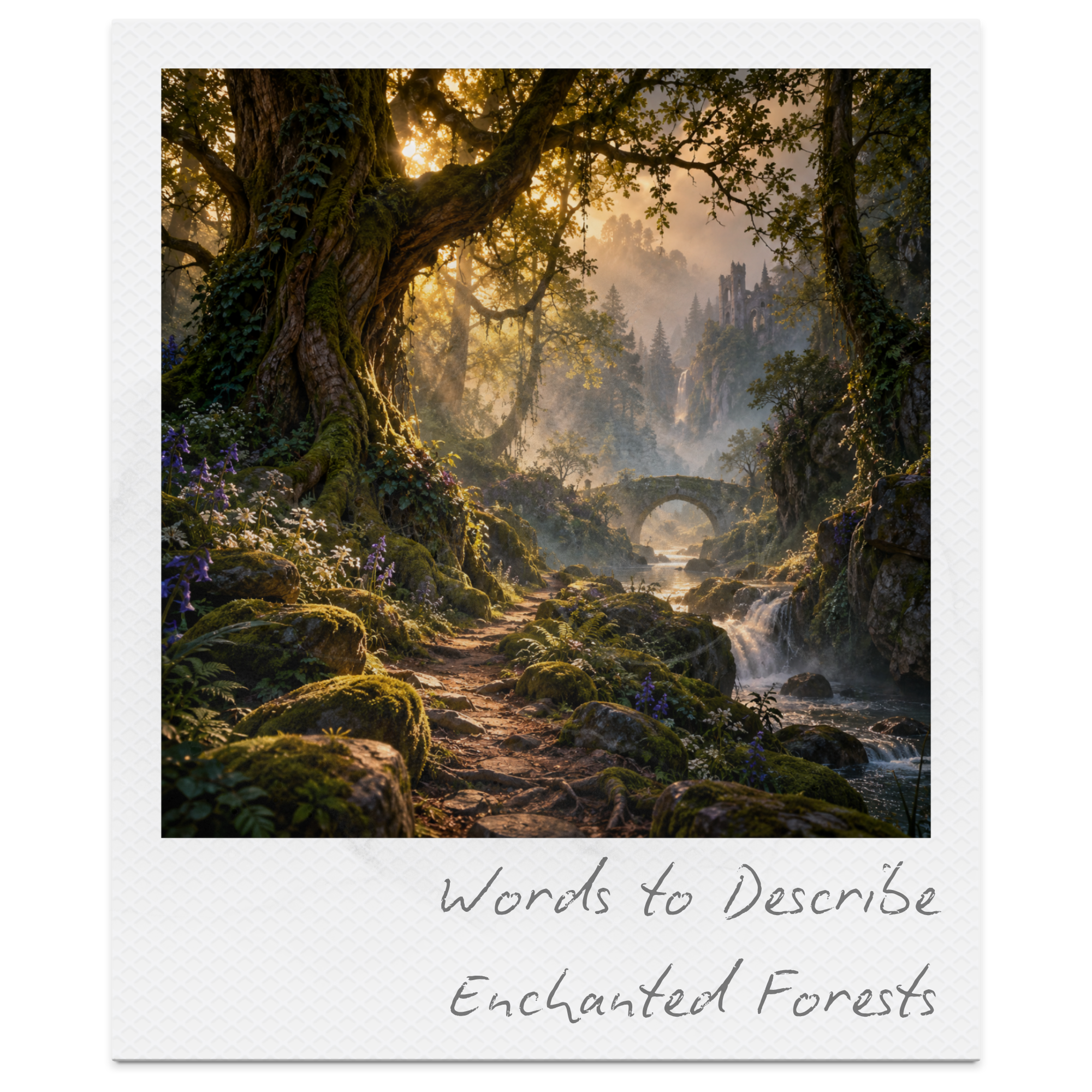
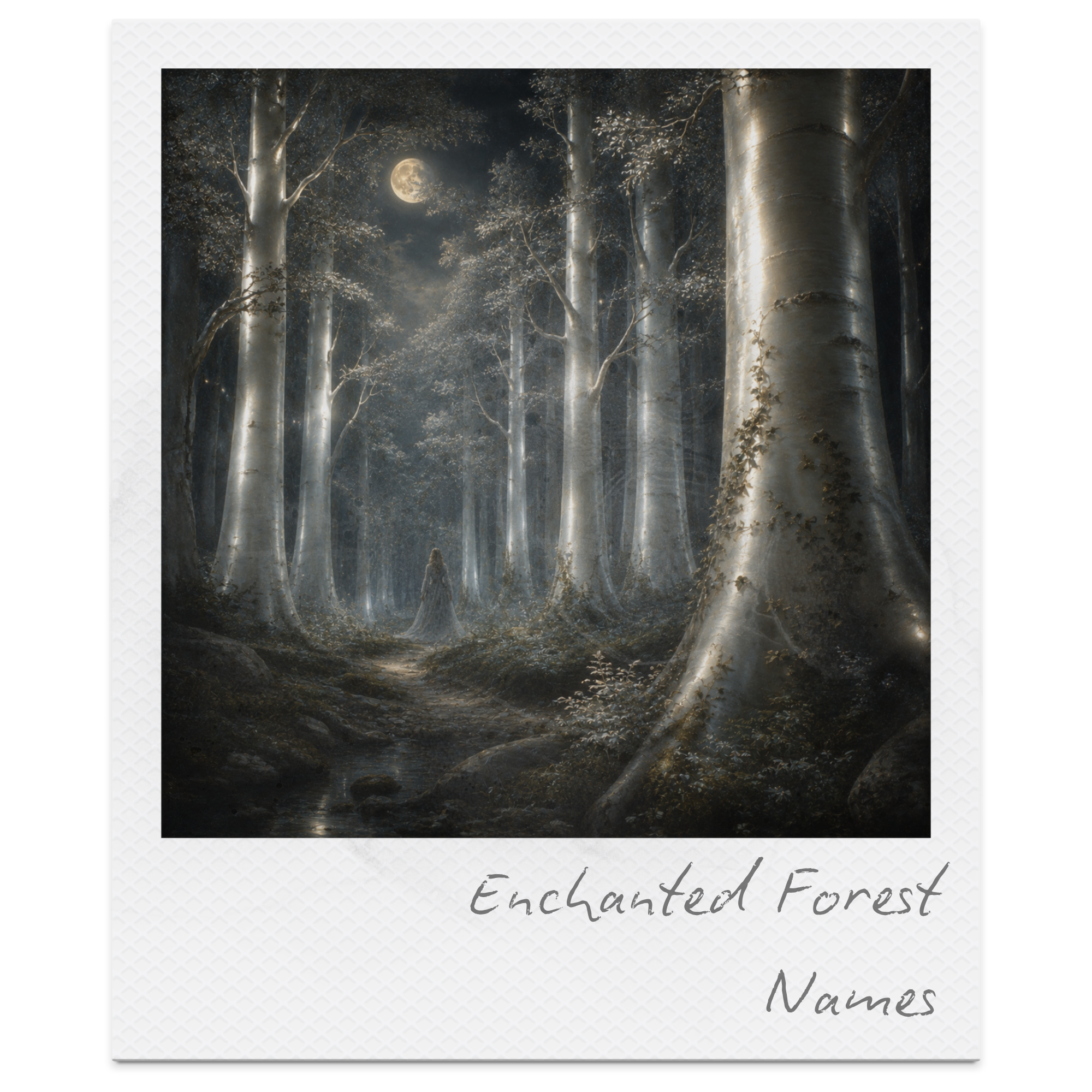
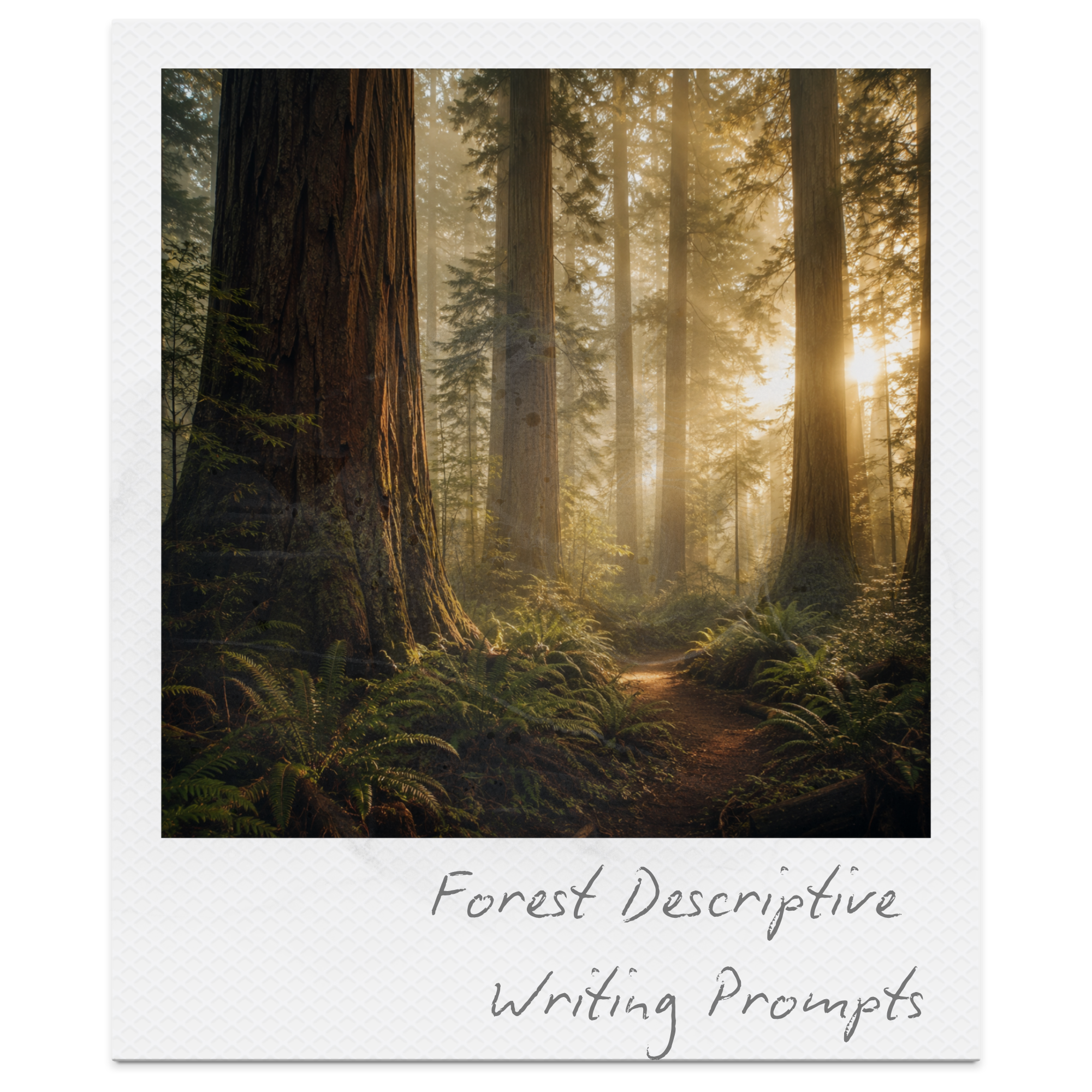
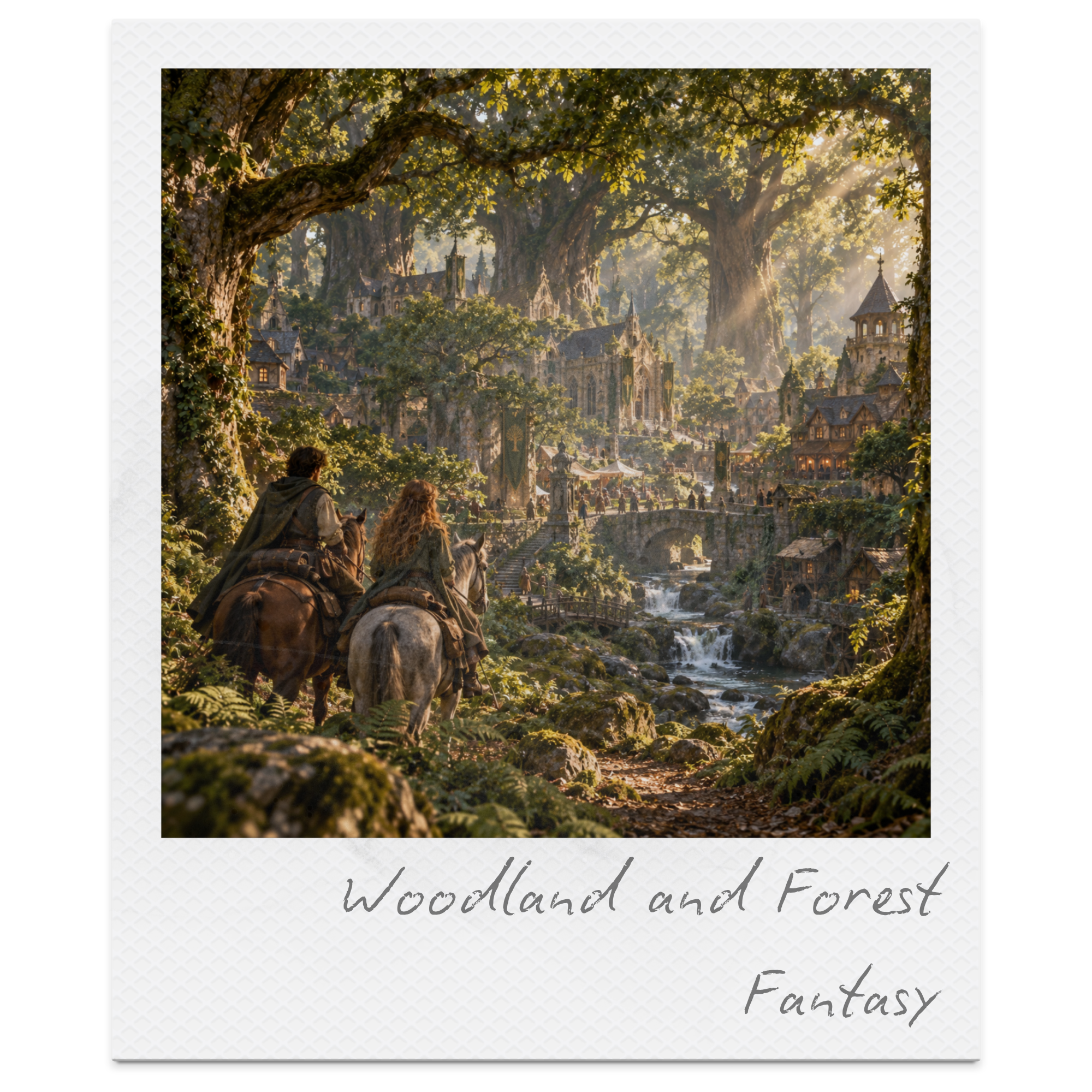
Pictures can help you notice the small details that make an enchanted forest feel believable: the shape of an ancient tree, the colour of light beneath the canopy, an unexpected object hidden among the roots or the first subtle sign that the woodland is not entirely ordinary.
Study each enchanted forest image carefully before you begin writing. Pay attention to light, colour, texture, scale, movement and atmosphere, as well as anything unusual or impossible within the scene. Think beyond what you can see by imagining the sounds, scents, temperature and physical sensations you might experience if you stepped into the image yourself.
Use the questions and challenges beneath each picture to develop your observations before creating a vivid description. Focus on bringing the setting to life rather than telling a complete story, allowing sensory detail, precise vocabulary and figurative language to create the magic.
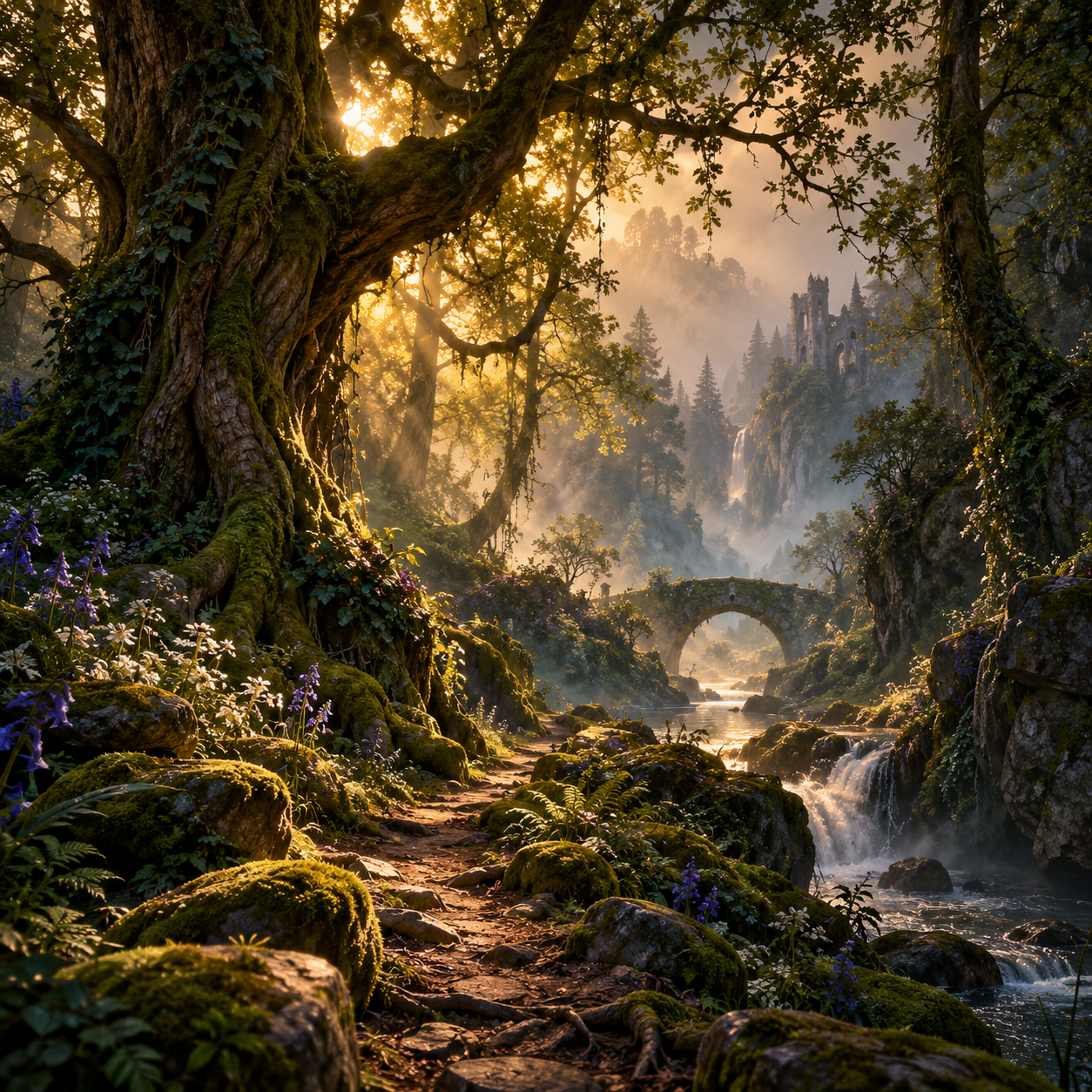
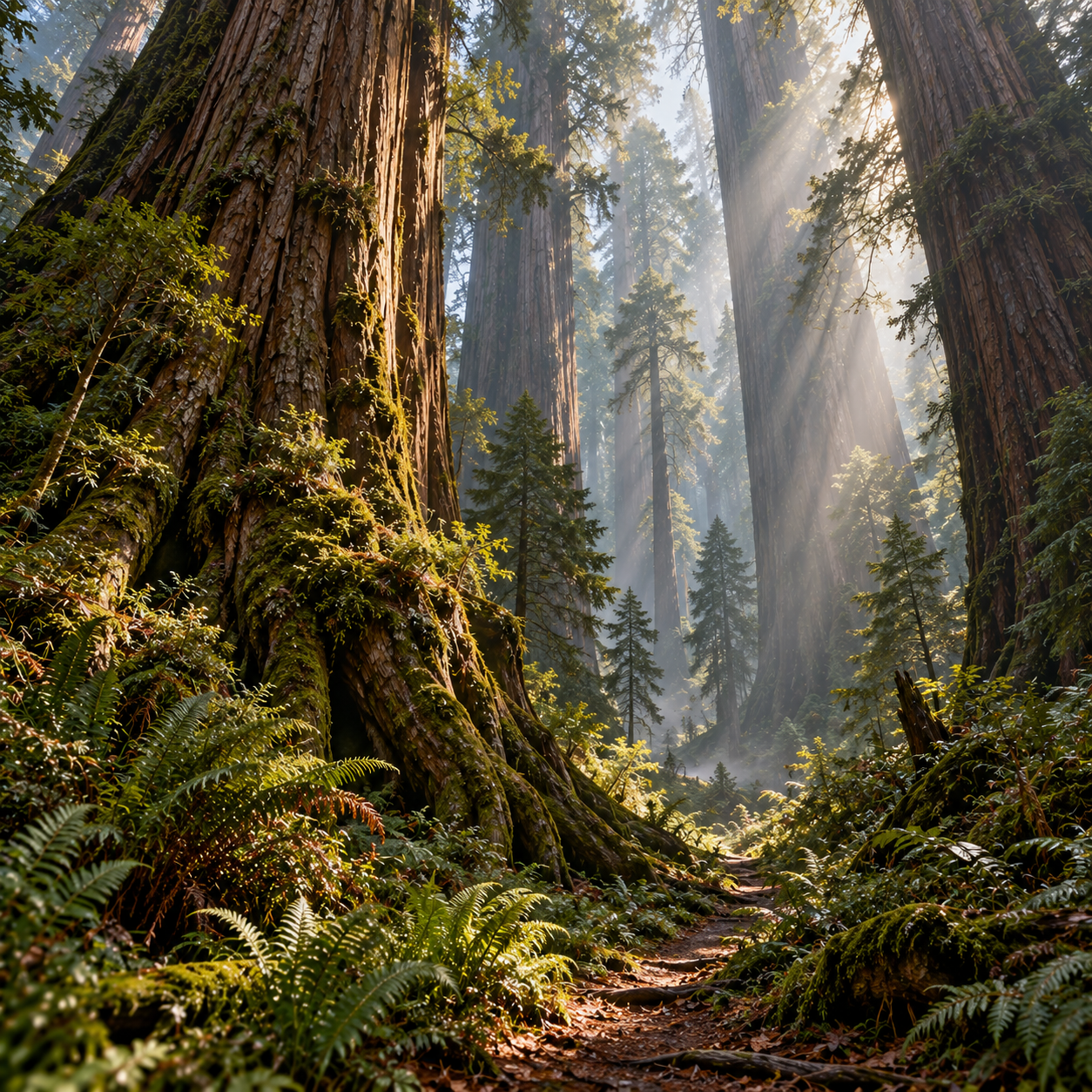
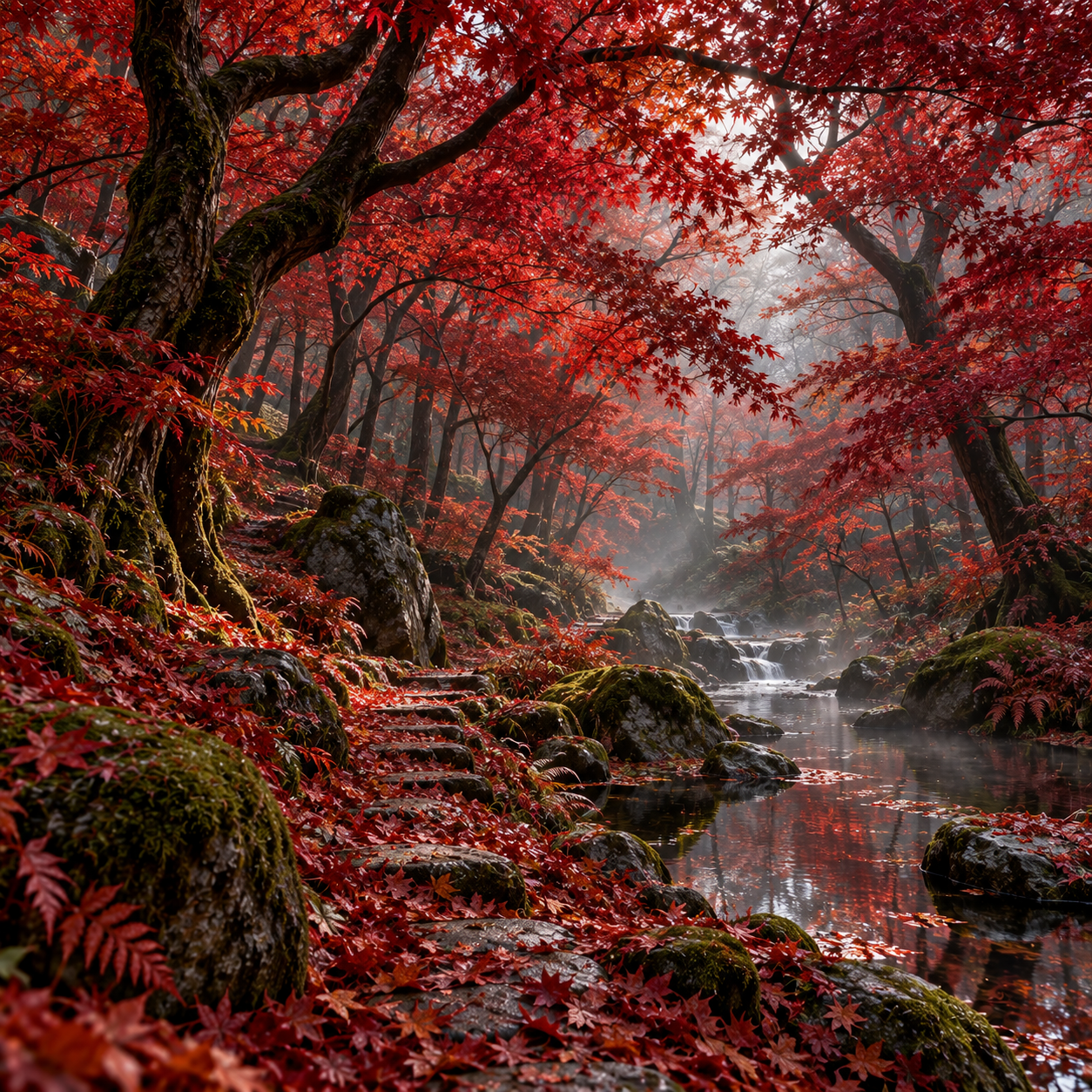
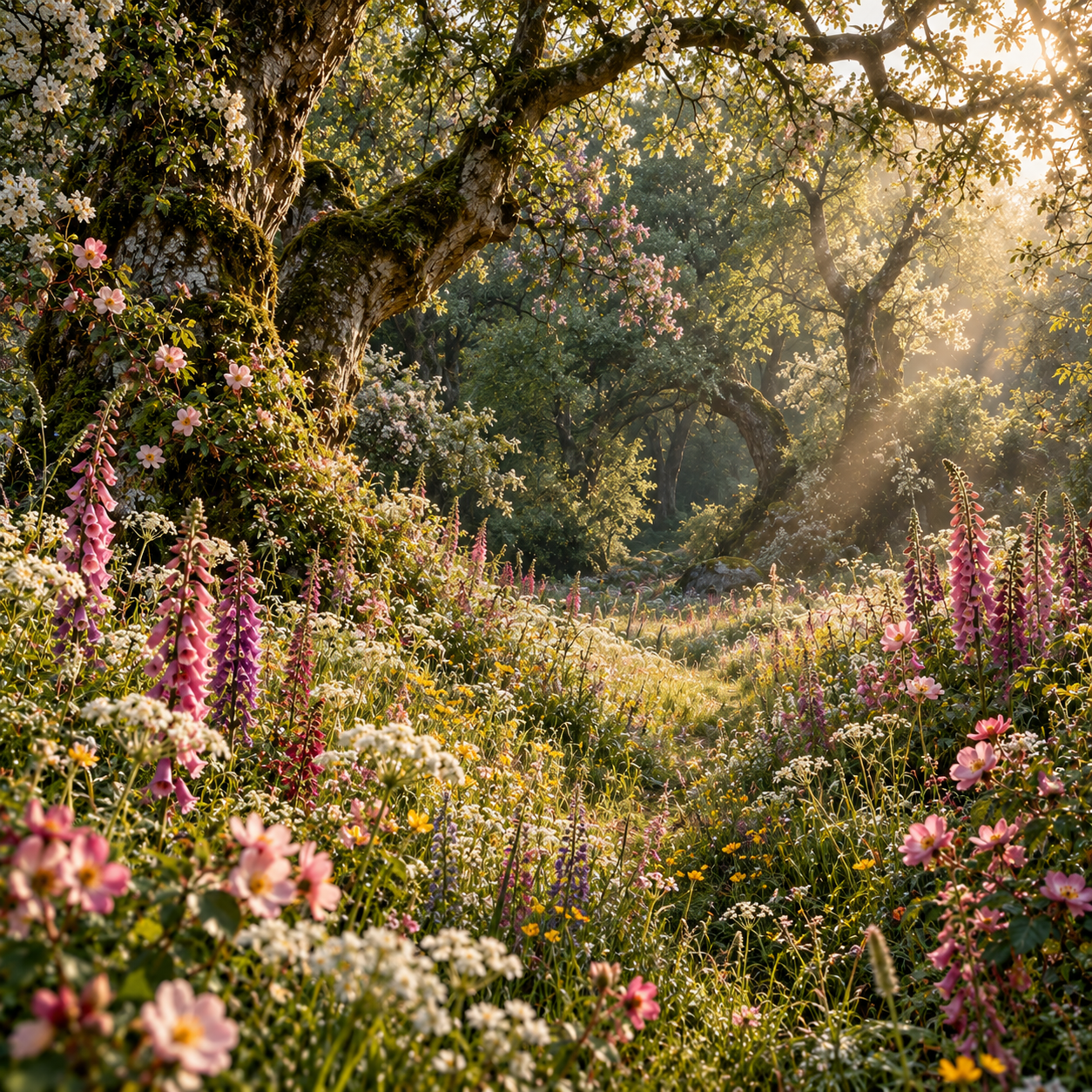
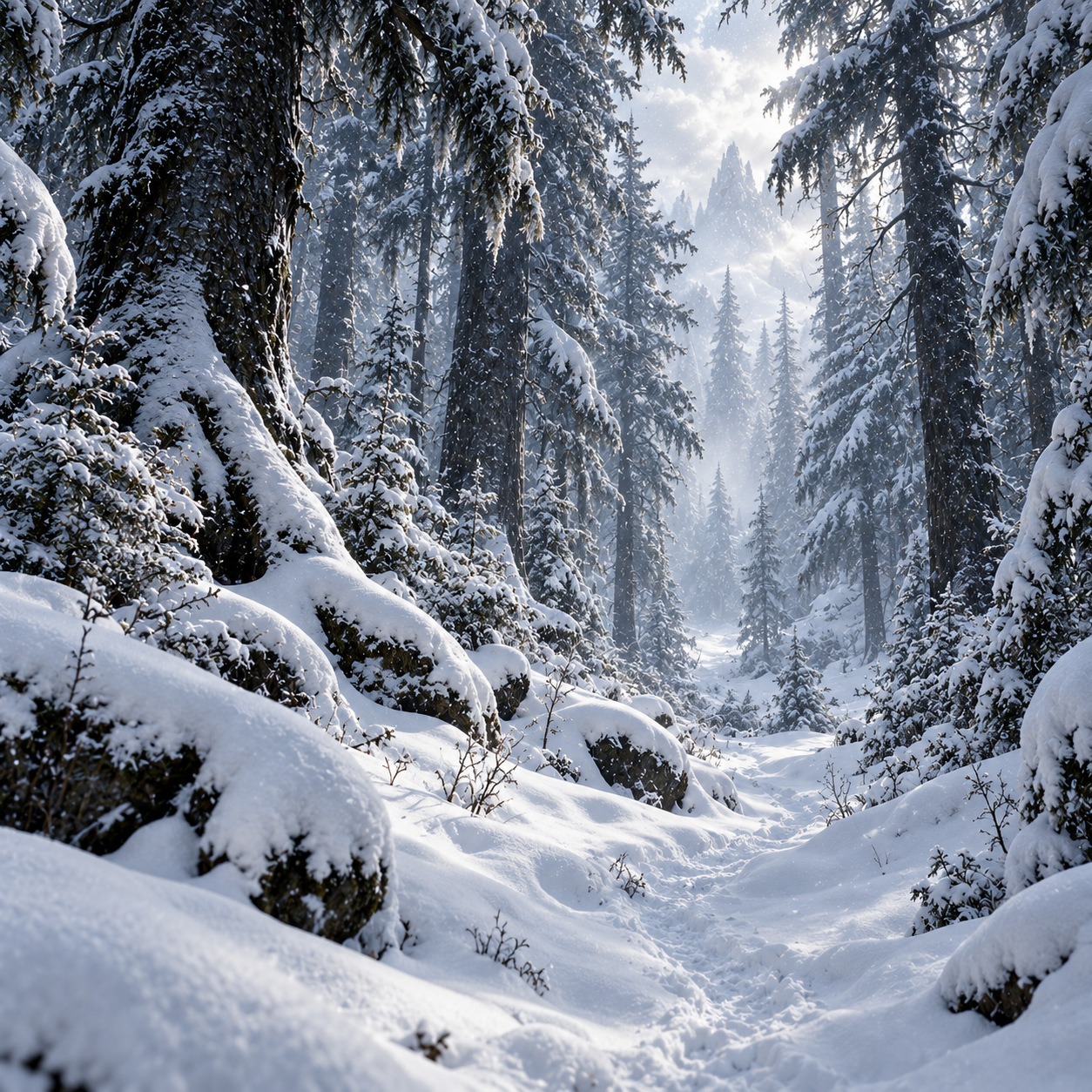
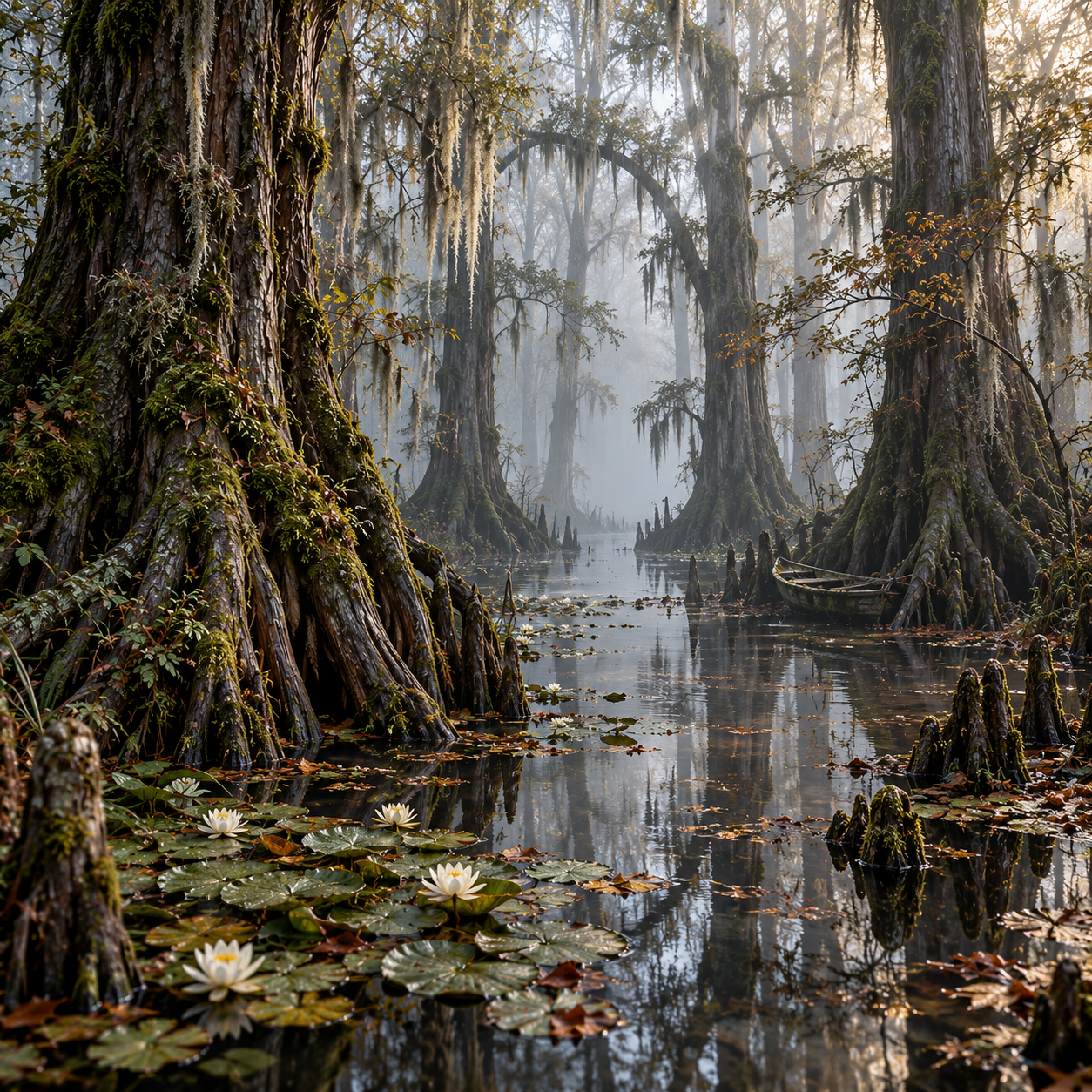
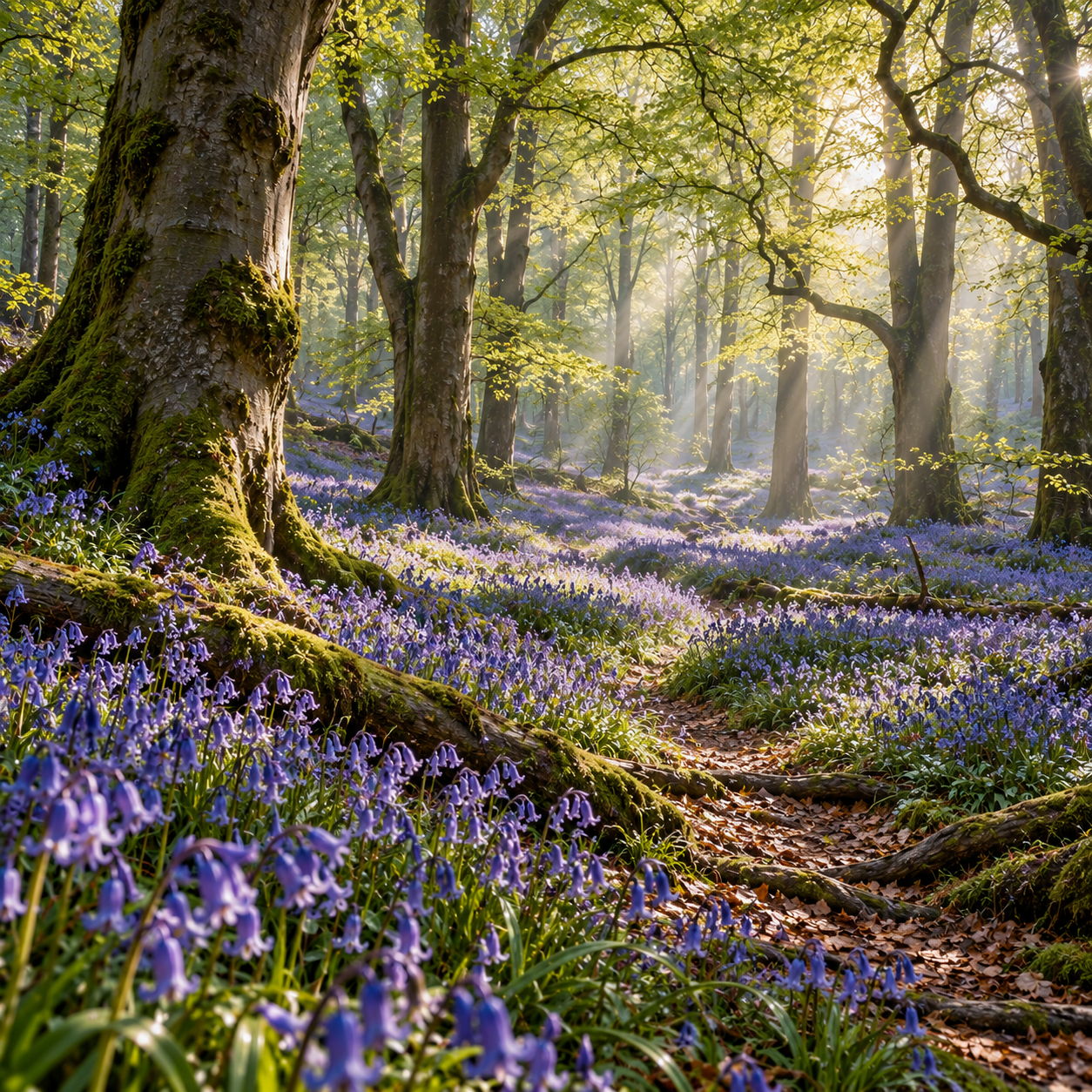

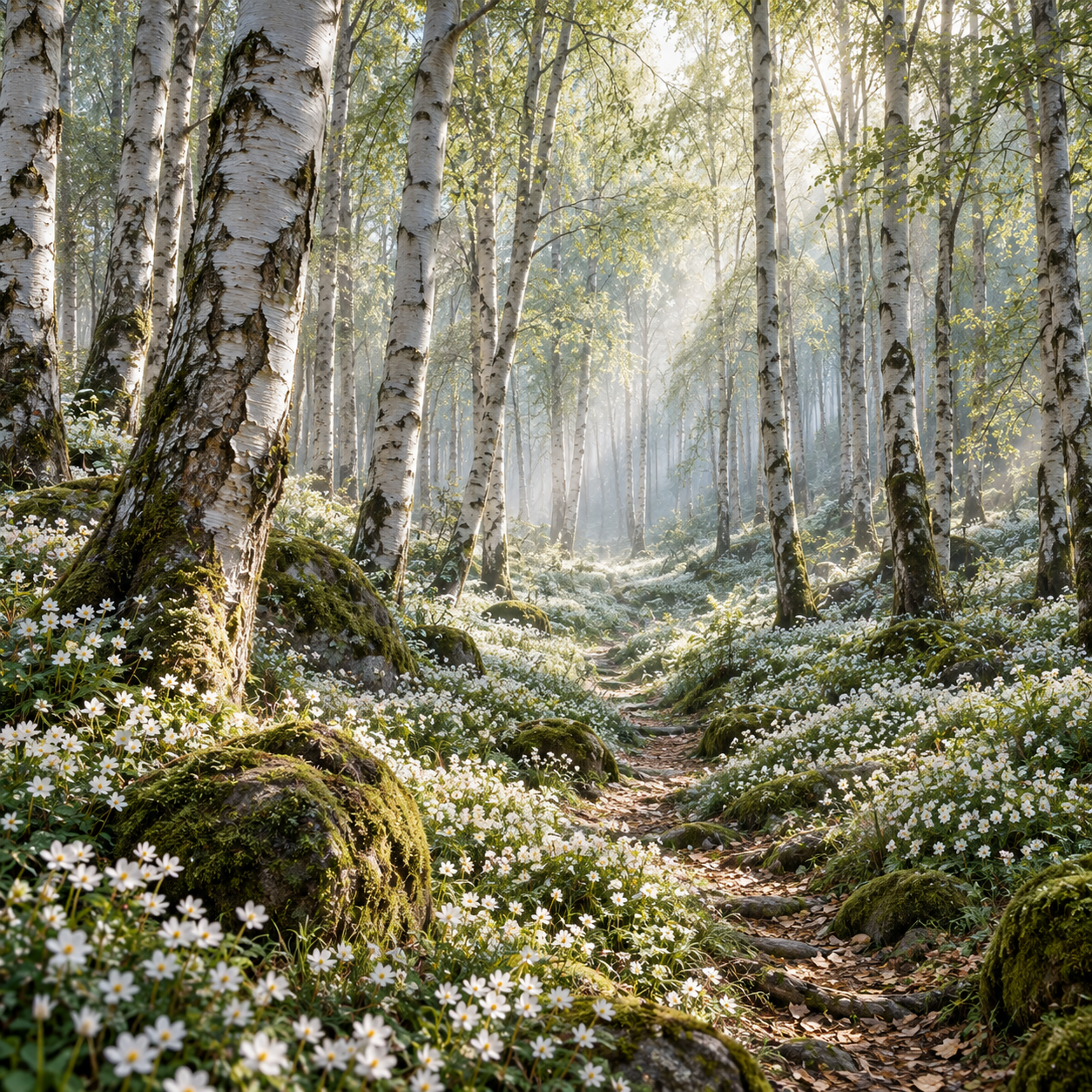
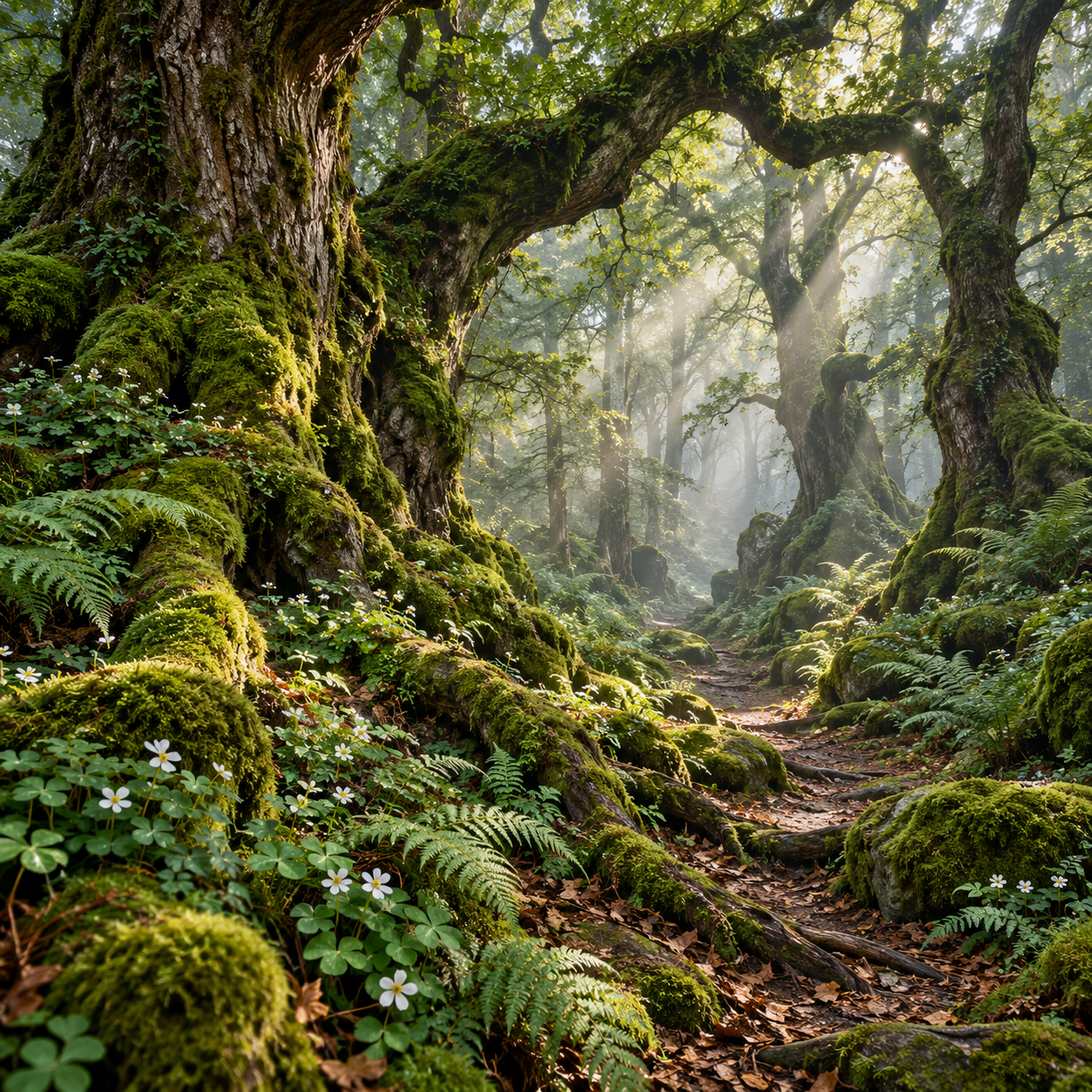
What do you notice?
What immediately draws your attention in this scene?
Which details help create the strongest atmosphere?
How do the colours, light, or shadows influence the mood?
What small details could make your description feel more realistic?
What do you think happened just before this moment?
Sensory Questions
What sounds might you hear in this scene?
What smells or scents might fill the air?
What textures or surfaces would you notice if you touched your surroundings?
How might the temperature or weather feel?
What emotions does this place make you experience?
Language Challenge
Write your description using at least one simile, one example of personification, and one piece of sensory imagery.
Writing Task
Write a vivid descriptive paragraph inspired by this image, using rich sensory detail, precise vocabulary, and figurative language to bring the scene to life. Focus on creating atmosphere rather than telling a story.
Every year, the fire burns.
Every year, someone is chosen.
For generations, the people of Ashwick have gathered to celebrate the Longlight Festival. Visitors see wildflowers, music, bonfires, and ancient traditions passed carefully from one generation to the next.
But every village has its secrets.
And some traditions survive for a reason.
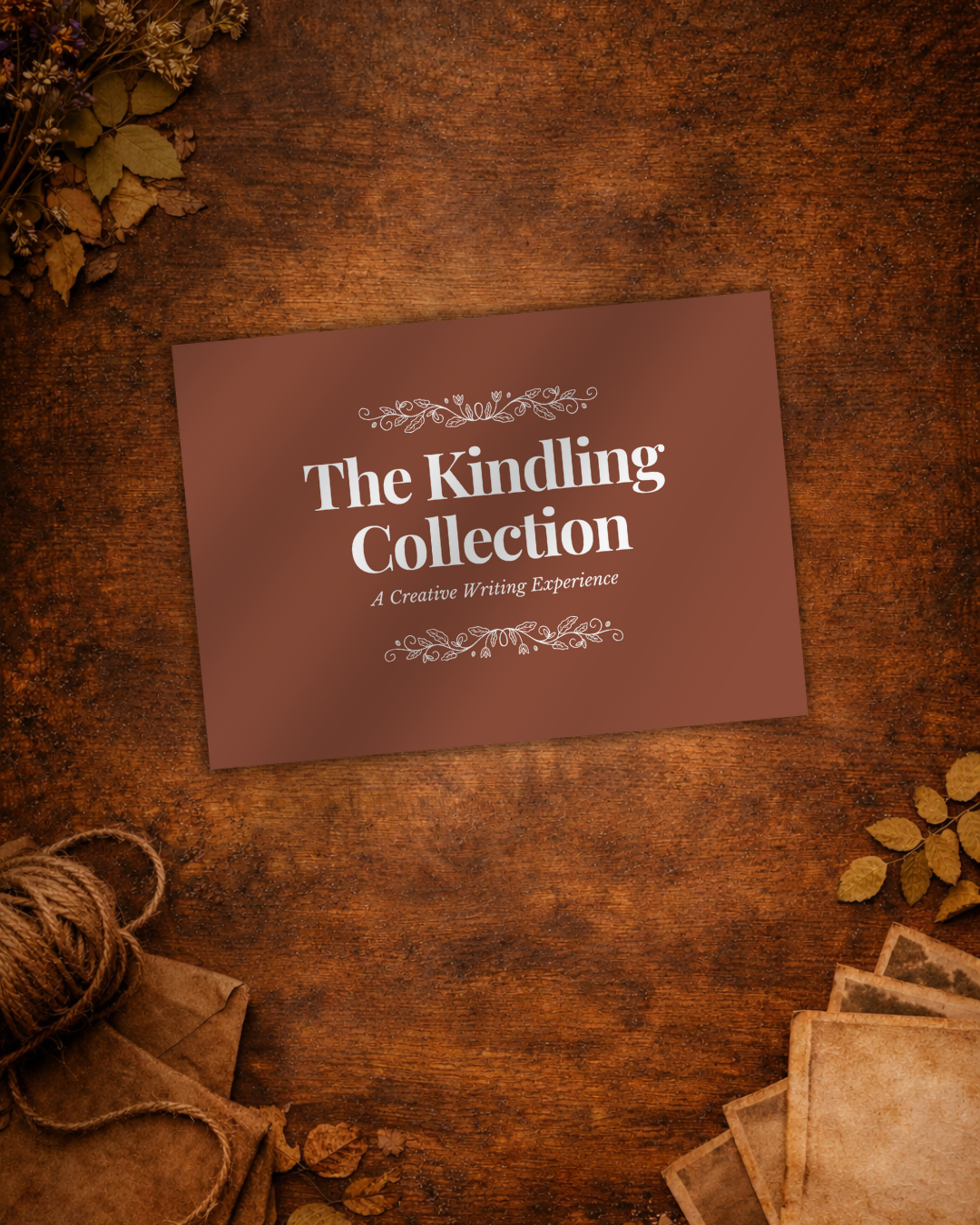
The Kindling Collection is an immersive archive inspired by folk horror, ritual, superstition, and isolated communities bound by traditions nobody dares question. Inside you'll discover letters, diary entries, photographs, festival posters, warnings, drawings, church documents, and other forgotten fragments connected to Ashwick and the Longlight Festival.
Some documents describe a harmless celebration.
Others hint at something far darker.
Why do some villagers refuse to discuss the festival?
Why do certain names disappear from the records?
And why does every warning seem to arrive too late?
The truth has been buried beneath generations of stories.
What's Inside?
◆ 50+ printable documents and artefacts from the world of Ashwick
◆ Letters, diary entries, drawings, festival posters, photographs, orders of service, warnings, and more
◆ A printable prompt card to inspire exploration and storytelling
◆ Instant digital download in PDF format
Who Is It For?
Perfect for:
◆ Writers and worldbuilders
◆ Fans of folk horror and rural gothic fiction
◆ Mystery lovers and curious minds
◆ Teachers and students
◆ Anyone fascinated by folklore, ritual, and hidden histories
What Makes This Different?
This isn't a guided story or a mystery with a solution.
It's an archive.
The documents don't agree. Some details repeat. Others contradict one another entirely.
Every piece reveals part of a larger story, but none reveal the whole truth.
What happened in Ashwick depends on what you believe, what you dismiss, and what connections you choose to make.
Every reader uncovers a different story.
And every year, the fire still burns.
Take Your Writing Somewhere Darker
If these enchanted forests have you imagining mist-covered paths, ancient traditions, strange symbols and secrets hidden beneath the trees, there is another world waiting for you in Ashwick.
The Kindling Collection is an immersive creative writing experience built from more than 50 letters, diary entries, photographs, warnings, drawings and other fragments connected to an isolated village and its annual Longlight Festival. Explore the evidence, notice the details, follow the threads and decide for yourself what might really be happening.
There is no prescribed story and no single correct interpretation. Instead, the collection gives you a richly atmospheric world to investigate and transform through your own imagination — perfect for practising description, inference, character building, setting development and creative storytelling.
If you enjoy enchanted forests, folklore, folk horror, mysterious villages and beautiful settings with something darker beneath the surface, follow the path to Ashwick.
Explore The Kindling Collection now!
Go Deeper into Enchanted Forest Description Writing
The strongest enchanted forest descriptions make the impossible feel tangible. Instead of relying on obvious magic, combine sensory detail, atmosphere, precise vocabulary and carefully chosen strange details to create a woodland readers can almost step inside.
◆ Ground the magic in ordinary details. Damp moss, rough bark, cold air and muddy paths can make whispering trees and impossible flowers feel much more believable.
◆ Decide how the forest should feel. Choose whether your woodland is enchanting, mysterious, unsettling, dangerous or dreamlike, then make your vocabulary and imagery reinforce that atmosphere.
◆ Introduce magic gradually. A single silver leaf or path that wasn't there before can be more intriguing than revealing everything unusual about the forest at once.
◆ Use all five senses. Magic can have a scent, temperature, texture or sound as well as a visual appearance.
◆ Play with scale. Colossal trees can make characters feel insignificant, while tiny doors, miniature footprints or impossibly delicate details encourage readers to look more closely.
◆ Use contrast. Combine beauty with danger, warmth with darkness or familiar woodland details with something impossible to create a more memorable setting.
◆ Let the landscape react. Paths can narrow, flowers can close, birds can fall silent and branches can shift as characters move through the forest without explicitly stating that the woodland is alive.
◆ Avoid explaining everything. An enchanted forest often becomes more compelling when some of its rules, histories and strange features remain mysterious.
◆ Match sentence structure to atmosphere. Long, flowing sentences can create wonder and immersion, while abrupt sentences can interrupt that rhythm when something feels wrong.
◆ Let the forest change. Alter the light, weather, sounds, vegetation and vocabulary as a character travels deeper, allowing the setting itself to develop alongside the scene.
Final Thoughts
An enchanted forest becomes memorable when it feels like more than a collection of magical trees. The strongest descriptions create a complete sensory experience, combining light, colour, sound, scent, texture and movement with just enough impossibility to remind readers that they have stepped somewhere beyond the ordinary world.
Use these 70 Enchanted Forest Description Prompts to experiment with different moods, perspectives and writing techniques. Your forest might be beautiful and ethereal, ancient and mysterious, or quietly sinister; what matters is choosing details that work together to create a distinctive atmosphere rather than simply filling the landscape with magic.
If you need help finding the right vocabulary, explore 100 Words to Describe an Enchanted Forest for meanings and example sentences. You can also visit the Descriptive Writing Hub for more setting and sensory writing resources, explore the Fantasy Writing Hub and Fairytales & Folklore Writing Hub for magical worldbuilding inspiration, or browse the Creative Writing Archive for hundreds more prompts, picture prompts, story ideas and creative writing resources.
Choose Your Next Adventure