Notes from the Inkpot
Writing, teaching, creating - one ink-stained idea at a time.

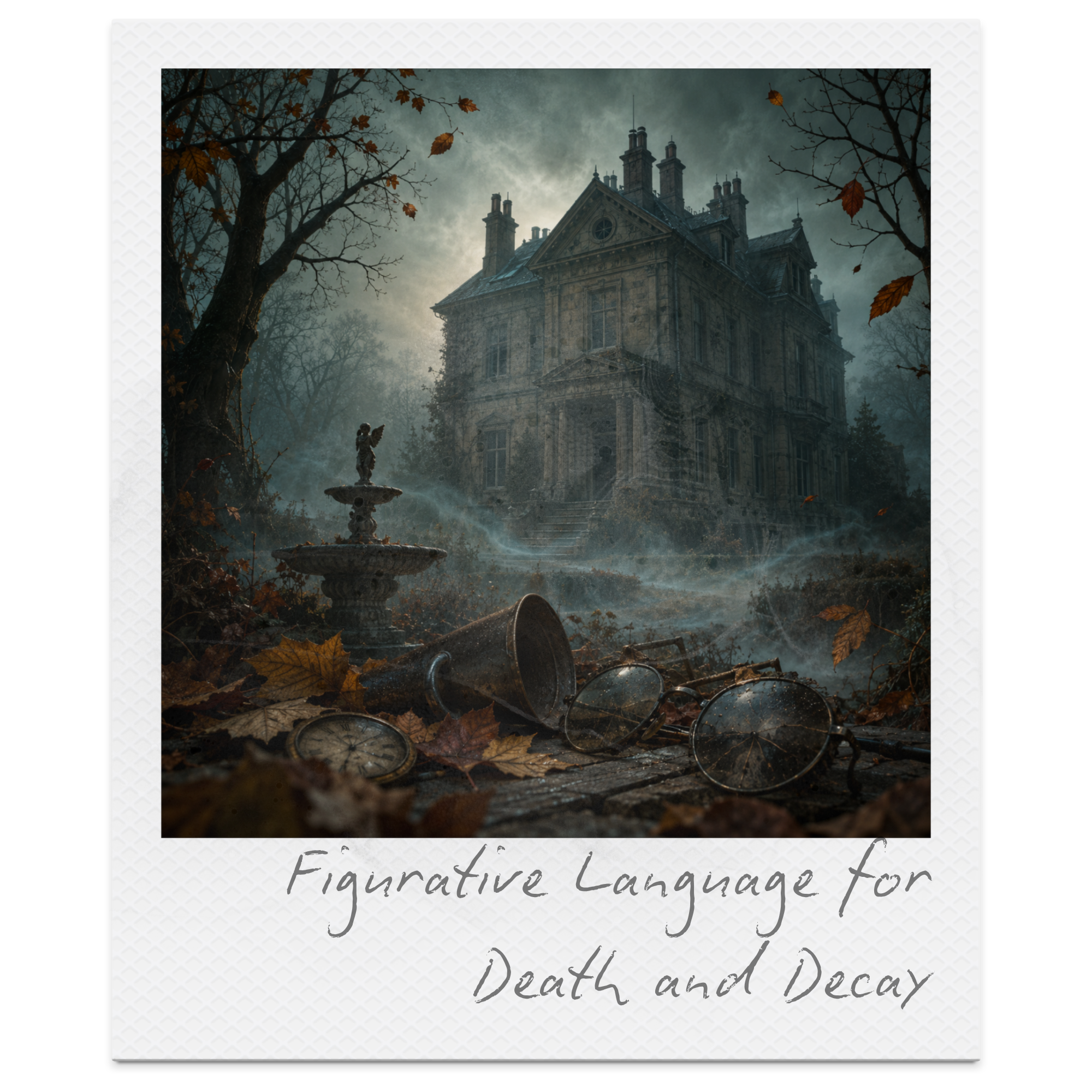
50 Figurative Language Examples for Death and Decay: Metaphors, Similes & Personification
Explore 50 evocative figurative language examples for death and decay, including haunting metaphors, atmospheric similes, personification, symbolism and extended imagery. Discover how to describe crumbling Gothic mansions, dying gardens, forgotten graveyards, fading memories and the inevitable passage of time through original, richly developed descriptions. Learn how to create powerful imagery that conveys grief, mortality, deterioration and loss, with practical writing techniques, common mistakes to avoid and detailed examples explaining why each comparison works. Featuring five creative writing exercises and further Gothic and descriptive writing inspiration, this comprehensive guide will help you transform ordinary scenes of decay into unforgettable literary moments.
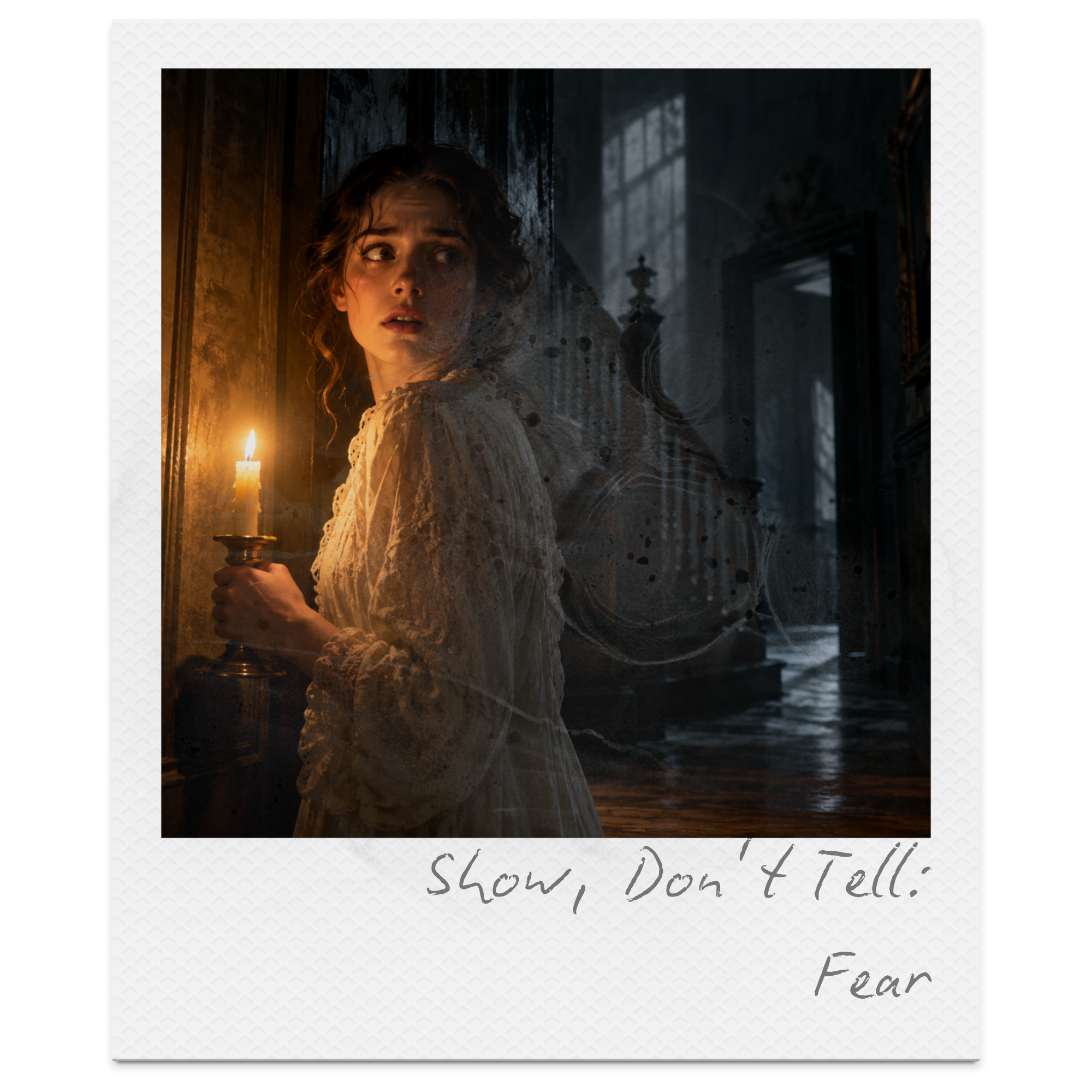
Show, Don't Tell: 50 Ways to Describe Fear in Creative Writing
Discover 50 powerful ways to show fear in creative writing through body language, facial expressions, psychological tension, dialogue and atmospheric sensory details. This comprehensive show, don't tell guide explores how to transform simple statements of fear into vivid, immersive descriptions that allow readers to experience every moment of uncertainty and dread. Explore original examples, before-and-after scene transformations, common writing mistakes and practical techniques for building believable emotion and suspense. With five creative writing exercises and further inspiration for gothic fiction, horror, thrillers and beyond, you'll learn how to make fear feel real without ever needing to name it.

100 Words to Describe a Fairytale Cottage
Discover 100 words to describe a fairytale cottage, from charming thatched roofs and flower-covered walls to enchanted gardens, cosy interiors and mysterious woodland hideaways. Explore vivid descriptive vocabulary for whimsical fairy dwellings, witches' cottages, magical countryside homes and dark, forgotten houses hidden deep within the forest. Each word includes a clear meaning, guidance on when to use it and an original example sentence to help bring your fairytale settings to life. Perfect for fantasy writers, fairytale retellings, folklore-inspired stories and creative writing activities, this collection will help you create atmospheric cottages filled with magic, wonder and mystery.

100 Words to Describe a Fairytale Castle
Discover 100 words to describe a fairytale castle, from magnificent golden towers and enchanted gardens to mysterious chambers and forgotten fortresses. Explore descriptive vocabulary for magical architecture, royal interiors, shimmering colours, sensory details and dark, cursed castles. Each word includes a clear meaning, practical writing guidance and an original example sentence to inspire your creativity. Perfect for fairytale writers, fantasy storytellers and anyone looking to bring an enchanting storybook castle to life.

100 Words to Describe Stars (+ Examples)
Discover 100 vivid words to describe stars, with meanings, writing tips and original examples to help bring night skies to life in your creative writing. Explore descriptive vocabulary for bright, twinkling, colourful, distant, magical and mysterious stars. Find words for describing the appearance, brightness, colour, movement and atmosphere of stars, from brilliant celestial lights to faint stars scattered across the darkness. Learn how different descriptions can make a starry sky feel romantic, peaceful, lonely, eerie or otherworldly. Whether you’re describing a realistic night sky, a fantasy kingdom or an unfamiliar world, these descriptive words will help you create more vivid and atmospheric scenes. Perfect for creative writers, students and anyone searching for new ways to describe stars.

100 Words to Describe a Mermaid (+ Examples)
Discover 100 vivid words to describe a mermaid, with meanings, writing tips and original examples to help bring your underwater characters to life. Explore vocabulary for beautiful, mysterious, magical and dangerous mermaids, from iridescent scales and flowing hair to haunting voices and powerful tails. Find words for describing a mermaid’s appearance, movement, personality, magic and otherworldly qualities. Whether you’re creating an enchanting mermaid princess, an ancient sea creature or a terrifying siren, this descriptive vocabulary will help you find exactly the right words. Perfect for fantasy writers, fairytale lovers, students and anyone looking to make their mermaid descriptions more imaginative and memorable.

70 Enchanted Forest Description Prompts: Magical Woodland Writing Ideas
Explore 70 Enchanted Forest Description Prompts designed to inspire vivid, atmospheric writing. Experiment with magical woodland scenes, sensory description, contrasting settings, observation exercises, figurative language, creative writing challenges and picture prompts to create forests that feel beautiful, mysterious, otherworldly or quietly dangerous.

100 Words to Describe an Enchanted Forest
Explore 100 words to describe an enchanted forest, with meanings, guidance on when to use each word and original example sentences. Discover descriptive vocabulary for magical trees and plants, light and colour, sounds, scents, textures, movement, beauty, mystery, supernatural magic and darker, more dangerous woodland settings.

70 Autumn Descriptive Writing Prompts: Seasonal Scenes, Sensory Details & Creative Challenges
Explore 70 autumn descriptive writing prompts inspired by golden woodlands, fallen leaves, harvest moons, misty mornings, apple orchards, autumn rain, seasonal markets and the first frosts of approaching winter. From sensory observations and contrasting seasonal scenes to language exercises, creative challenges and picture prompts, these autumn writing activities will help you experiment with vivid imagery, precise vocabulary, figurative language, colour, texture and atmosphere while capturing one of the most beautiful and transformative seasons of the year.

70 Halloween Descriptive Writing Prompts: Spooky Scenes, Sensory Details & Creative Challenges
Explore 70 Halloween descriptive writing prompts filled with glowing jack-o'-lanterns, elaborate costumes, trick-or-treating streets, pumpkin patches, Halloween parties, candlelit graveyards and atmospheric October nights. From sensory observations and contrasting scenes to language exercises, creative challenges and picture prompts, these Halloween writing activities will help you experiment with vivid imagery, precise vocabulary, figurative language and atmosphere while describing the sights, sounds, textures and experiences of Halloween.

70 Back to School Description Prompts: Classroom Scenes, School Settings & Picture Prompts
Bring school settings to life with these 70 Back-to-School Description Prompts. Featuring descriptive titles, scene-based challenges, contrasting settings, observation exercises, language and style tasks, creative writing challenges, and premium picture prompts, this collection is designed to help students and writers develop richer sensory detail, stronger imagery, and more atmospheric descriptions. Perfect for classroom lessons, English assessments, or improving your creative writing skills.

70 Food Description Prompts: Flavours, Textures & Sensory Writing
Explore 70 Food Description Prompts designed to help you create rich, sensory descriptions inspired by meals, markets, cafés, bakeries, celebrations, and everyday moments. This collection includes descriptive titles, food-based scene prompts, contrasting descriptions, observation exercises, language and style challenges, creative writing tasks, and picture prompts to help students and writers develop vivid imagery, stronger sensory detail, and immersive descriptive writing across every genre.

70 People Description Prompts: Characters, Expressions & First Impressions
Explore 70 People Description Prompts designed to help you create vivid, believable characters through expressive body language, facial expressions, movement, and rich sensory detail. This collection includes descriptive titles, character-based scene prompts, contrasting descriptions, observation exercises, language and style challenges, creative writing tasks, and picture prompts to help students and writers develop stronger character descriptions across every genre.

70 Weather Description Prompts: Storms, Sunshine & Seasonal Scenes
Explore 70 Weather Description Prompts designed to help you create vivid, atmospheric scenes inspired by storms, sunshine, rain, snow, fog, frost, and changing seasons. This collection includes descriptive titles, weather-based scene prompts, contrasting descriptions, observation exercises, language and style challenges, creative writing tasks, and picture prompts to help students and writers strengthen their descriptive writing through rich sensory detail, figurative language, and immersive imagery.

70 Descriptive Writing Prompts: Settings, Scenes & Sensory Challenges
Explore 70 Descriptive Writing Prompts designed to help you create vivid, immersive descriptions through rich sensory detail, figurative language, and carefully chosen imagery. This collection includes descriptive titles, scene-based prompts, contrasting descriptions, observation exercises, language and style challenges, creative writing tasks, and picture prompts to help students and writers strengthen their descriptive writing skills across every genre.

70 Forest Description Prompts: Atmospheric Woodland Writing Ideas
Explore 70 Forest Description Prompts designed to help you write vivid, atmospheric woodland scenes filled with rich sensory detail and immersive imagery. This collection includes descriptive titles, scene descriptions, contrasting settings, observation challenges, language and style exercises, creative writing challenges, and picture prompts to help students and writers develop stronger descriptive writing skills across every genre.

70 April Writing Prompts for Teens: Seasonal Story Starters, Characters, Settings & Visual Ideas
April is a month of transition. The light begins to change, routines start to shift, and there’s a sense of waiting — for answers, for outcomes, for what comes next. It’s a time when pressure and possibility exist side by side. This collection of 70 April writing prompts for teens invites students to explore uncertainty, anticipation, and emotional movement through character, setting, and mood. Designed for English classrooms, these prompts work across genres and abilities, making them ideal for reflective writing, creative units, and seasonal lessons throughout April.

70 Spring Writing Prompts for Teens: Story Starters, Characters, Settings & Visual Ideas
Spring writing invites stories of change, return, and new beginnings — but not all renewal is simple or easy. The season brings shifting light, reopened spaces, and moments where something old gives way to something new. This collection of 70 spring writing prompts for teens encourages students to explore growth, uncertainty, and quiet transformation through character, setting, and mood. With flexible, classroom-ready ideas, these prompts work across genres and abilities, making them ideal for seasonal lessons and reflective writing.

The Shoe Lesson: Creative Writing Activities That Turn Everyday Objects into Extraordinary Stories
The Shoe Lesson is a simple but powerful creative writing activity that helps students develop believable characters without the fear of the blank page. By giving students a single, ordinary object — a shoe — this lesson encourages close observation, inference, and thoughtful character development. It works particularly well in the secondary English classroom, where students often struggle to move beyond surface-level description or feel pressured to “be creative” on demand. Used at the start of a creative writing unit, the Shoe Lesson invites students to build characters from evidence rather than imagination alone. Scuffed soles, worn laces, and small details become clues to a life beyond the page, leading to writing that feels grounded, realistic, and human. It’s a low-stakes, high-impact approach that consistently engages even reluctant writers — and proves that the most powerful stories often begin with the most ordinary things.