70 Spring Writing Prompts for Teens: Story Starters, Characters, Settings & Visual Ideas
Spring is a season of change. It’s associated with renewal, growth, and light — but it can also bring uncertainty, disruption, and emotional shifts. For teen writers, spring offers rich creative ground: endings and beginnings, tension between old and new, and the feeling that something is about to happen.
This collection of 70 spring writing prompts for teens provides a complete creative toolkit: plot hooks, title ideas, opening and closing lines, character concepts, settings, and picture prompts. These prompts work well for English lessons, seasonal writing units, creative writing clubs, homework, or reflective journaling.
If you’re looking for more genres, tropes, or seasonal collections, you can browse the full master list of 2000+ creative writing prompts here.
1. Plot Hooks
Spring plot hooks often centre on transition, return, and quiet change.
Write about a place reopening after winter.
Write about a secret discovered during spring cleaning.
Write about a character returning somewhere they haven’t visited in years.
Write about a relationship that changes as the weather warms.
Write about something buried that resurfaces in spring.
Write about a town preparing for an annual spring event.
Write about a character who feels out of step with the season.
Write about a promise made at the start of spring.
Write about a garden that reveals more than expected.
Write about the first truly warm day and what it changes.
2. Title Ideas
These titles suit reflective, hopeful, or quietly tense spring stories.
When Everything Started Again
The Thaw
After the Long Winter
What Came Back
Early Light
The First Warm Day
New Growth
Things Left Behind
Spring, Eventually
Before Summer Arrives
3. Opening Lines
Spring openings often focus on sensory detail and emotional shift.
“The air felt different that morning.”
“Winter didn’t end all at once.”
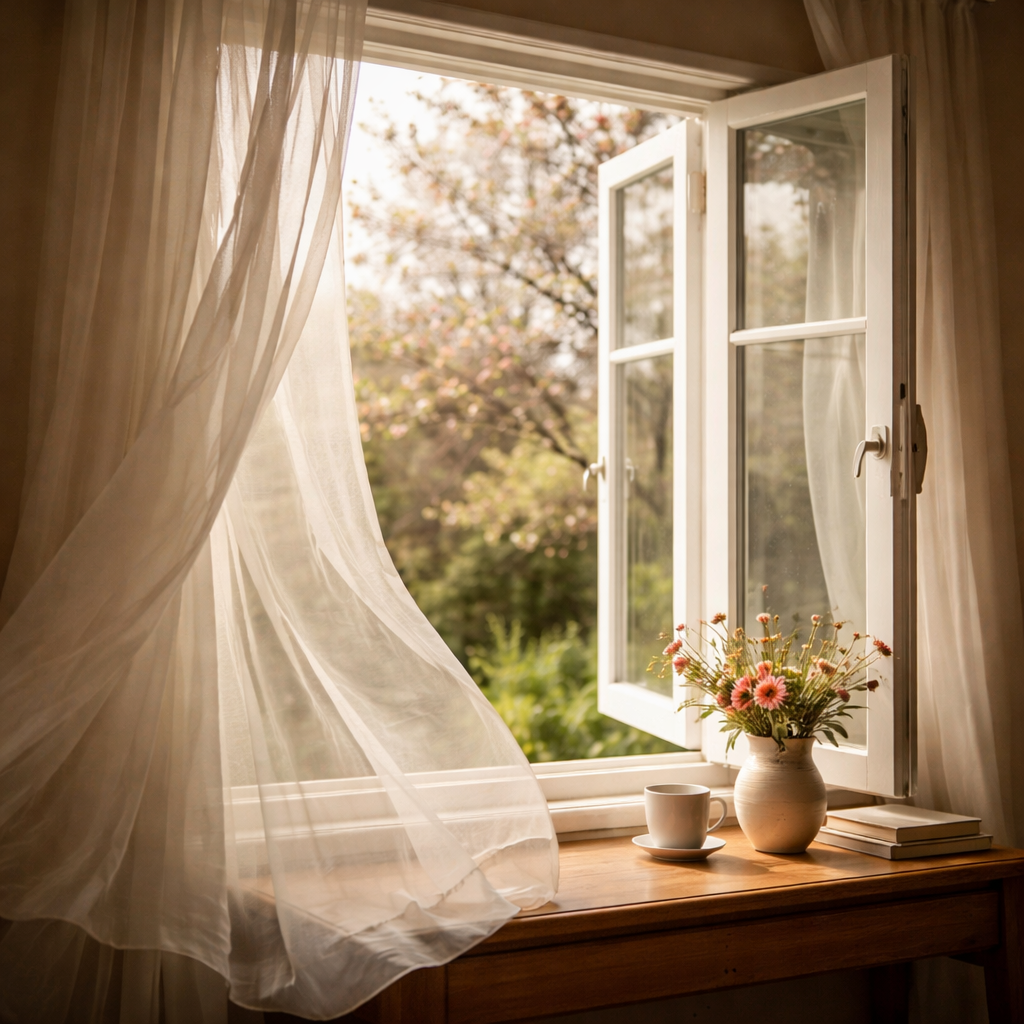
“The windows were open for the first time.”
“Spring arrived before I was ready.”
“The snow melted, and something else appeared.”
“We could finally hear the birds again.”
“The town smelled like damp earth and change.”
“I didn’t expect spring to feel like this.”
“Everything looked the same, but it wasn’t.”
“The light stayed longer than usual.”
4. Closing Lines
Spring endings often balance hope with uncertainty.
“It felt like the start of something.”
“Not everything grows back the same.”
“We were still learning how to begin again.”
“The season moved on, and so did we.”
“Some things needed more time.”
“The warmth didn’t fix everything — but it helped.”
“We let go of what winter took.”
“Change doesn’t always arrive loudly.”
“It wasn’t perfect, but it was possible.”
“Spring stayed.”
5. Character Ideas
These characters reflect spring’s themes of growth, return, and transition.
Someone starting over in a new place.
A character reconnecting with an old friend.
A person taking on new responsibility.
Someone learning to let go.
A character noticing the world more closely.
A student preparing for an important change.
A gardener with a personal stake in the season.
A character facing an ending they didn’t choose.
Someone stepping into independence.
A person who resists change.
6. Settings
Spring settings often blend familiarity with renewal.
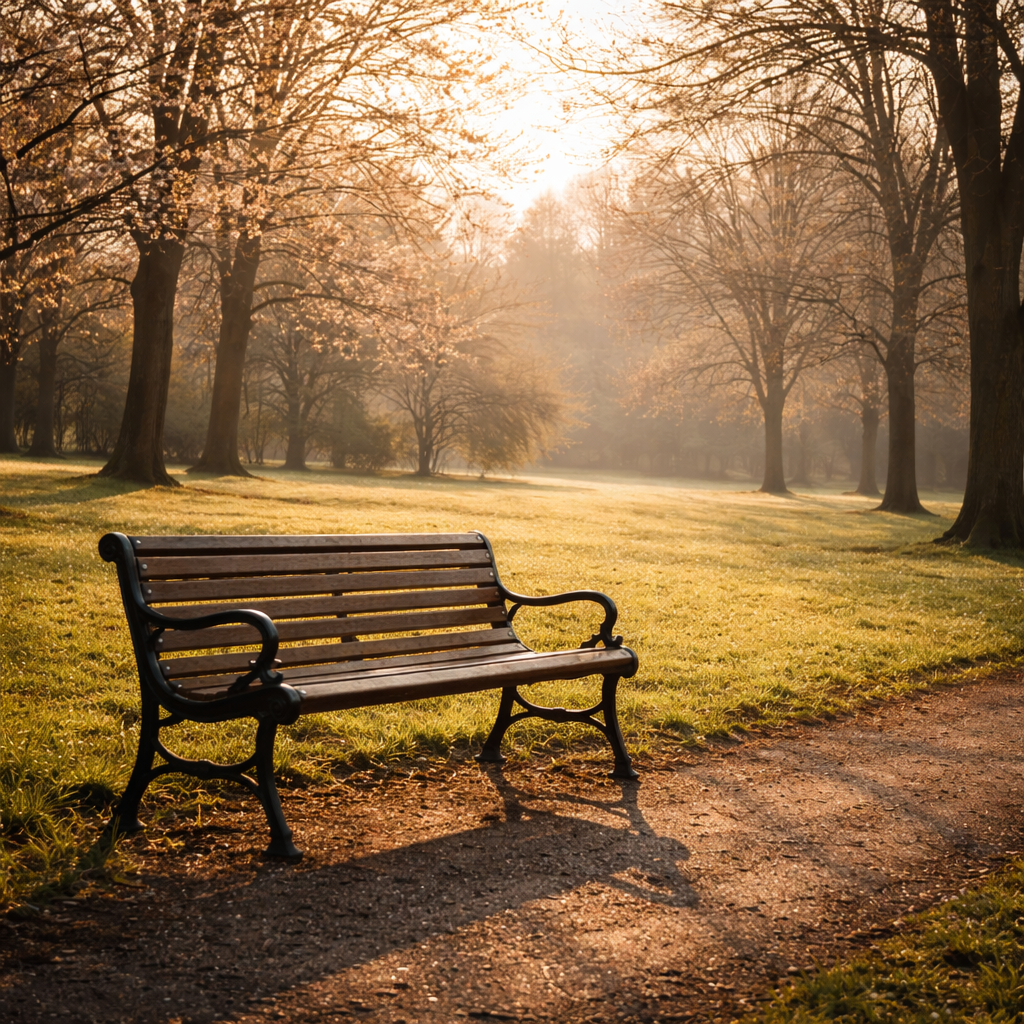
A park coming back to life.
A school preparing for exams and endings.
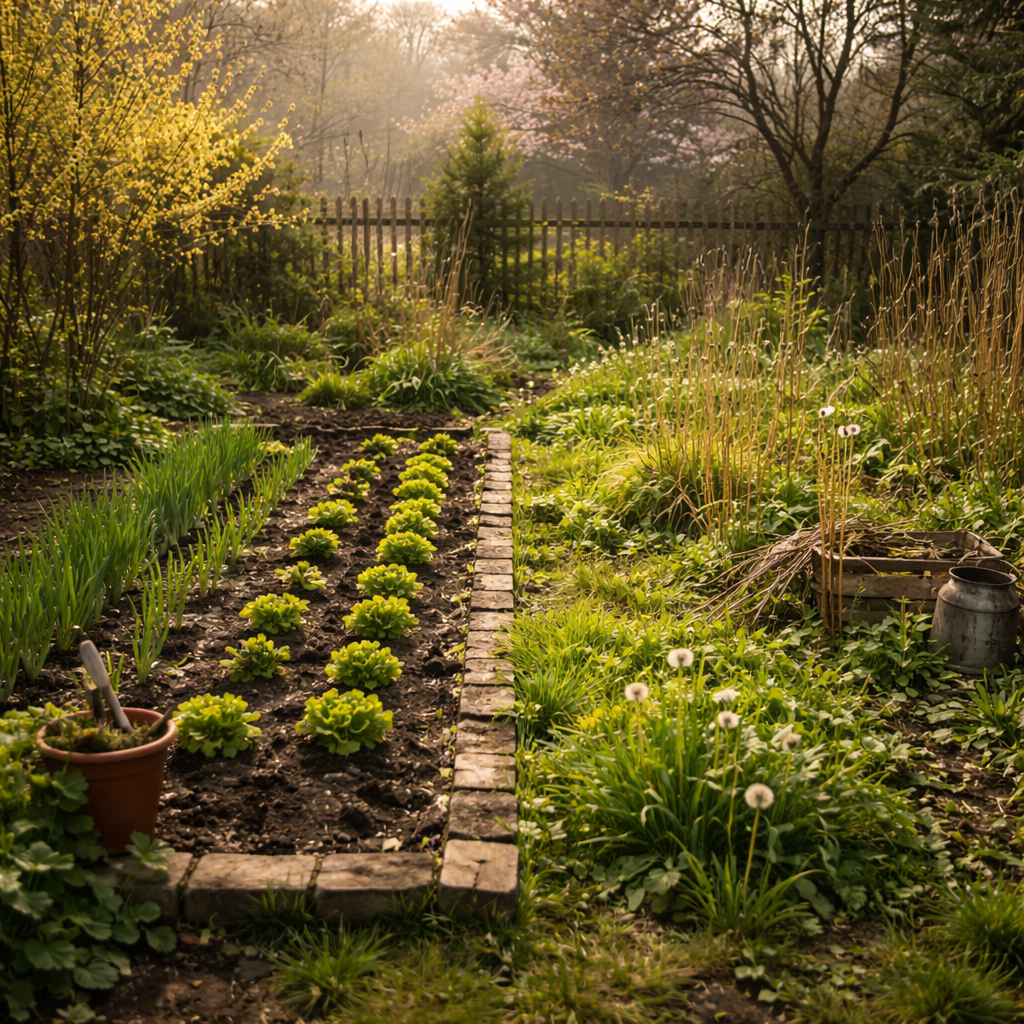
A garden after winter neglect.
A town during a spring festival.
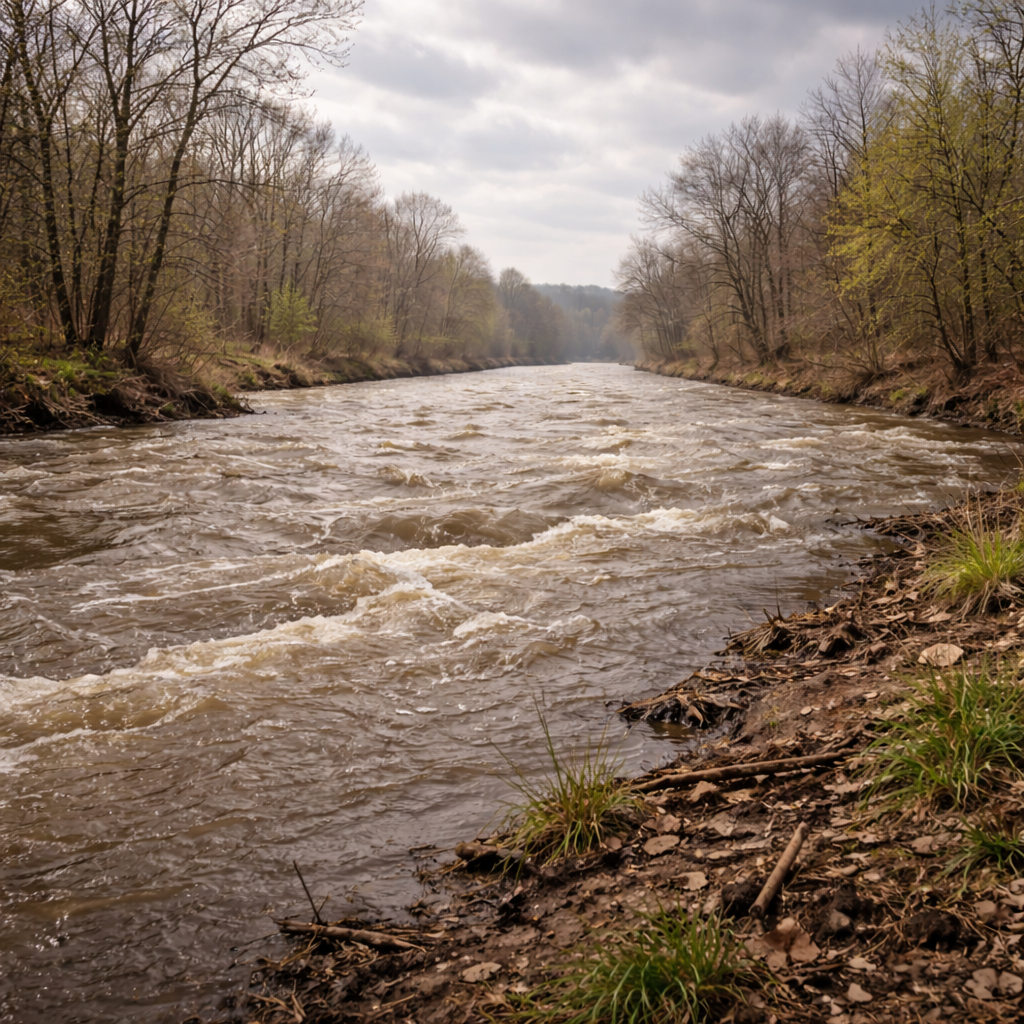
A river running high with meltwater.
A countryside lane lined with blossoms.
A community space reopening.
A house being cleared out.
A farm during planting season.
A coastal town in early spring.
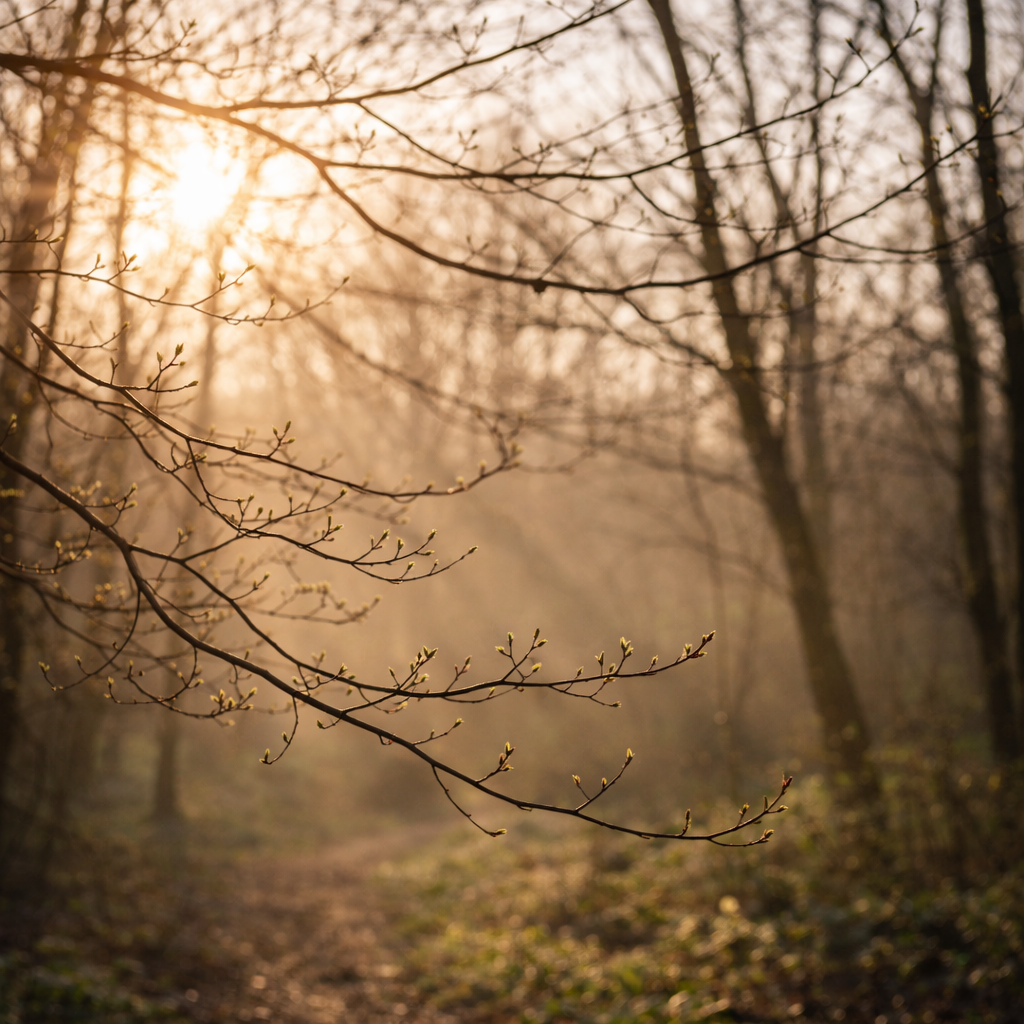
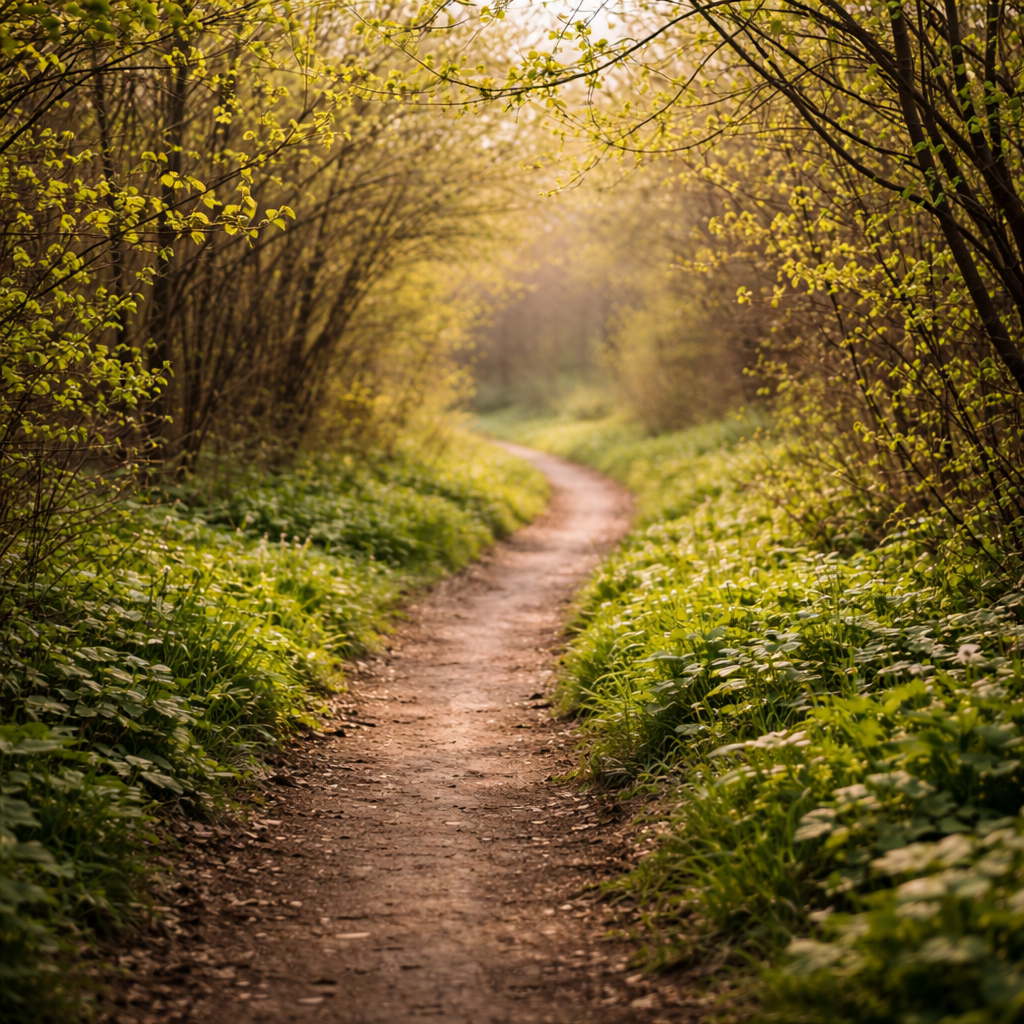
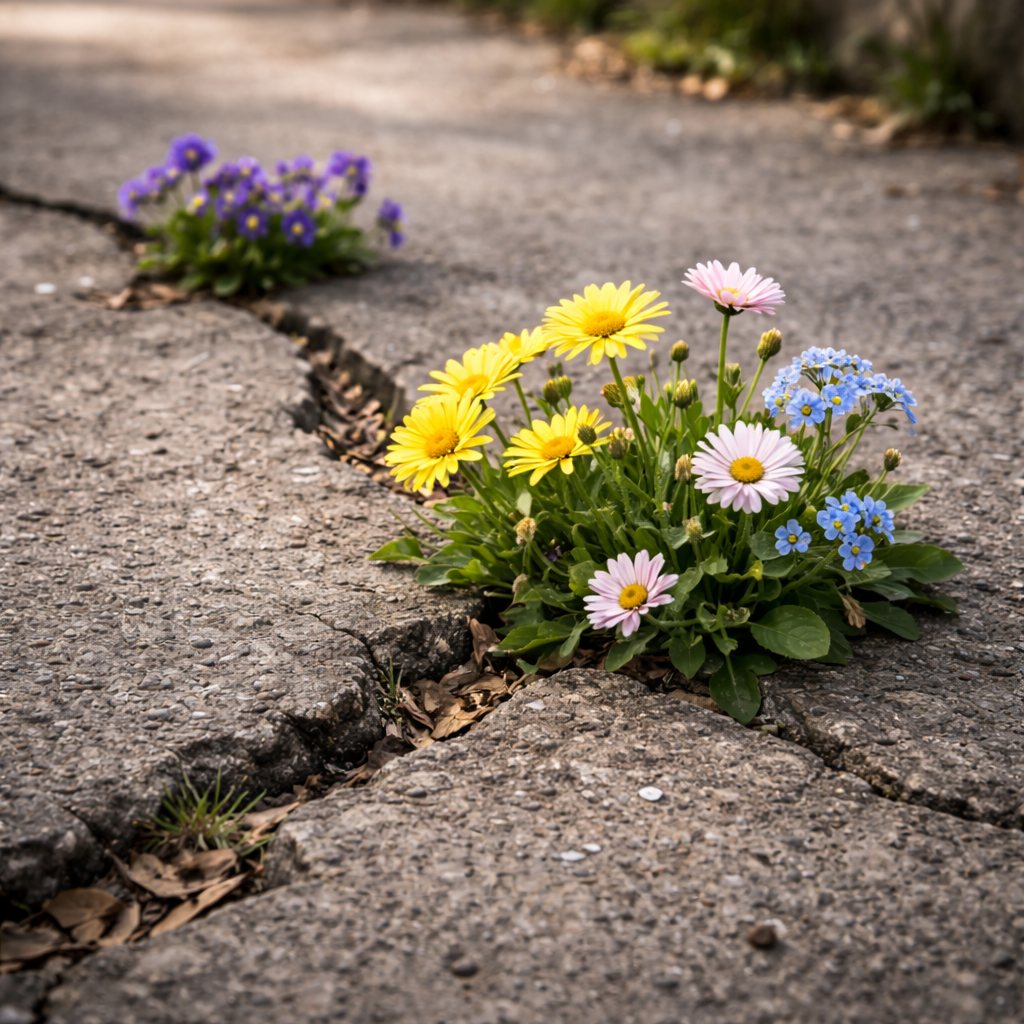
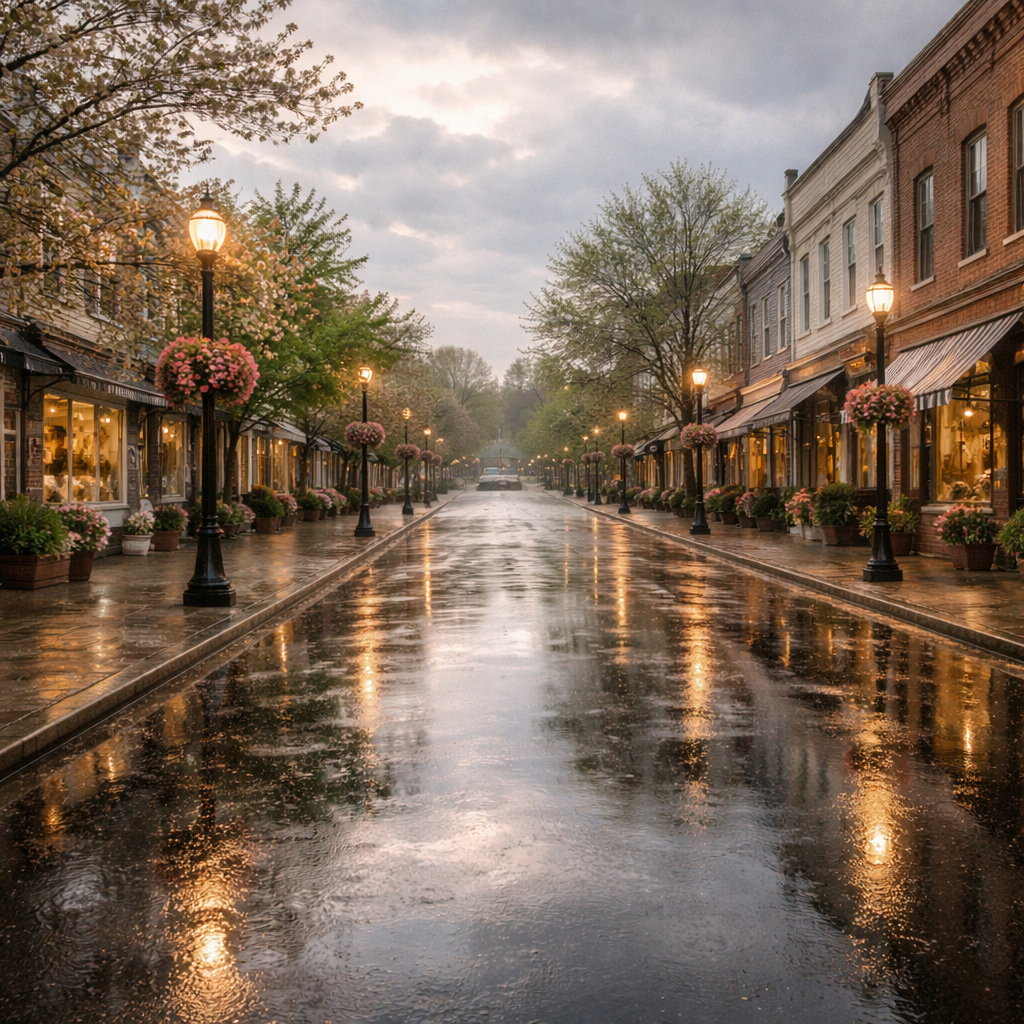
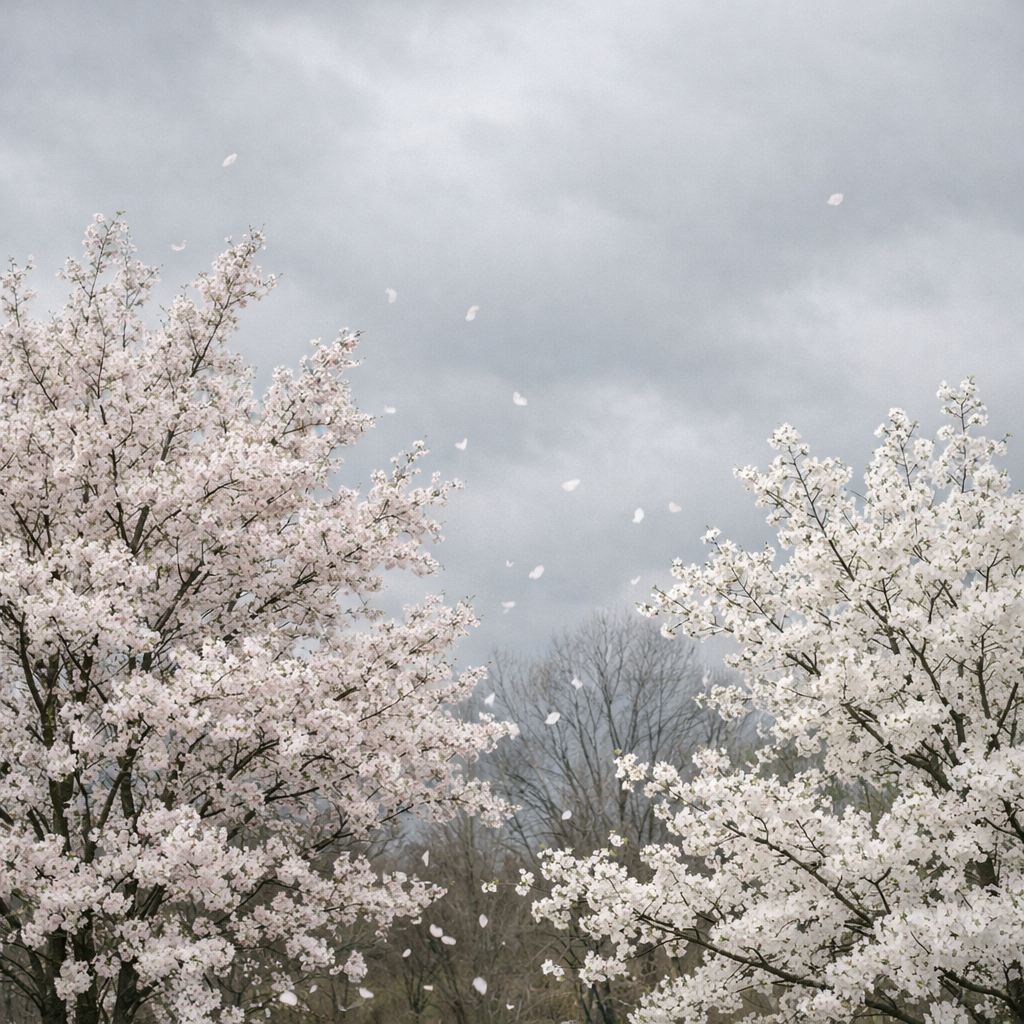
7. Picture Prompts
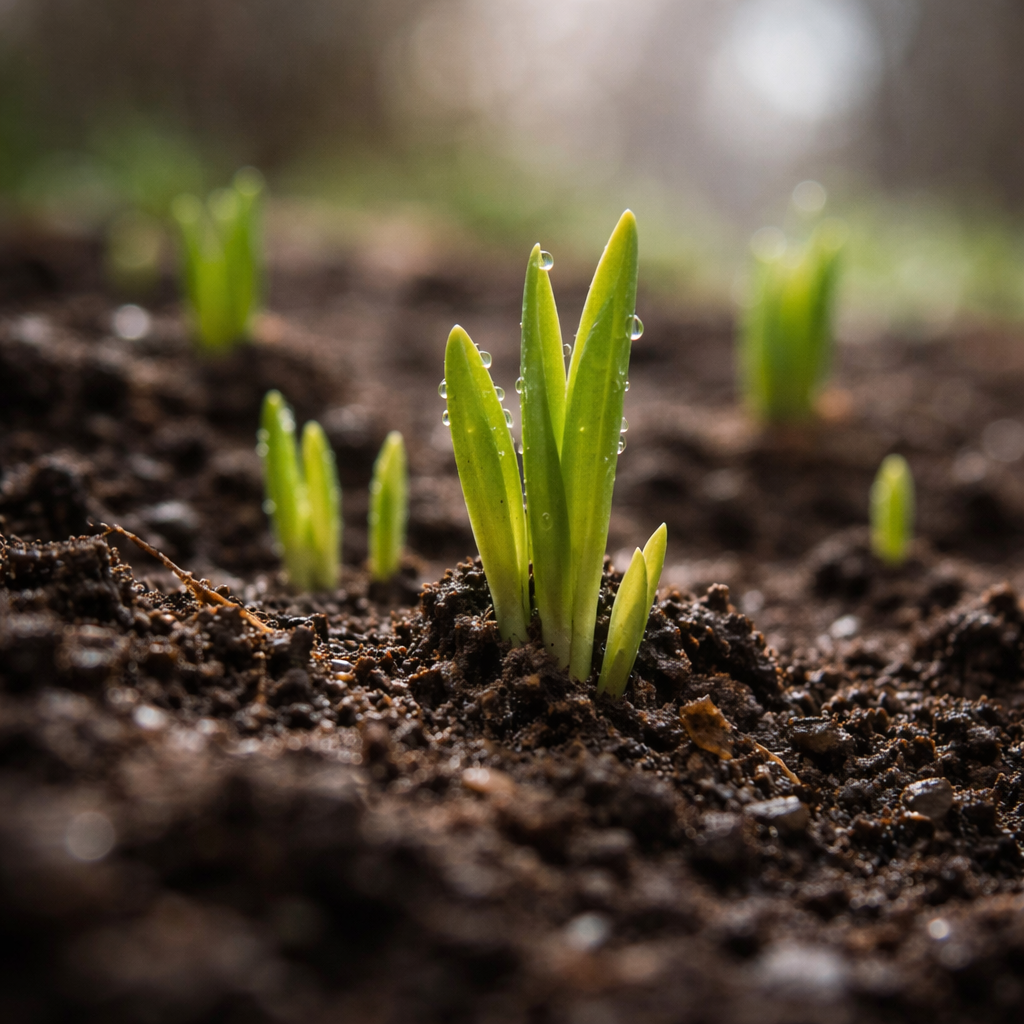
Visual prompts help students connect season, mood, and meaning.
Final Thoughts
Spring writing encourages reflection, renewal, and emotional honesty. It gives students permission to explore change — whether hopeful, unsettling, or bittersweet — without forcing neat resolutions.
These 70 spring writing prompts for teens offer flexible, classroom-ready inspiration that works across genres and ability levels, making them ideal for seasonal lessons, creative writing units, or quiet reflective tasks.
If you’re looking for more genres, tropes, or seasonal collections, you can browse the full master list of 2000+ creative writing prompts here.
For ongoing inspiration, structure, and classroom-ready materials, you can also explore our Daily Writing Prompts, which offer a new prompt every day — complete with images, discussion questions, and optional teacher slides.
