Cities are places of extraordinary contrasts. Beneath towering skyscrapers, narrow streets disappear into shadow; crowded marketplaces overflow with colour and conversation, while quiet residential neighbourhoods seem almost untouched by the noise beyond them. At sunrise, familiar buildings emerge from the morning mist, their windows catching the first golden light. By night, the same streets become entirely different worlds, illuminated by neon signs, passing headlights and reflections shimmering across rain-soaked pavements. From the historic grandeur of Rome and the winding canals of Venice to the dazzling vertical landscapes of Tokyo and New York, every city possesses its own distinctive rhythm, atmosphere and character.
Describing a city effectively involves much more than listing buildings, streets and landmarks. The most memorable urban descriptions capture the relationship between architecture, people, movement, weather and light. A railway station might feel exhilarating to someone arriving in a new country, yet overwhelming to a traveller searching desperately for a familiar face. A deserted street can suggest peaceful solitude or unsettling isolation, depending on the details a writer chooses to emphasise. Through precise vocabulary, sensory imagery, figurative language and carefully controlled perspective, even an ordinary street corner can become a vivid and unforgettable setting.
These 70 City Descriptive Writing Prompts explore the remarkable variety of urban environments through atmospheric titles, evocative scenes, contrasting descriptions, observation exercises, language challenges, creative writing activities and ten illustrated picture prompts. Whether you're describing the restless energy of a modern metropolis, the faded elegance of an ancient European city or the strange beauty of empty streets after midnight, these exercises will help you develop richer imagery, more convincing settings and a stronger command of descriptive language. For further inspiration, explore the Descriptive Writing Hub for techniques, vocabulary and atmospheric writing ideas, experiment with Descriptive Writing Sparks for unexpected combinations of settings and sensory details, or browse the Creative Writing Archive for hundreds of additional prompts, exercises and imaginative writing resources.
How to Approach City Descriptive Writing
The secret to effective city descriptive writing is learning to capture the character of a place without attempting to describe everything within it. Cities are filled with competing sights, sounds, smells, textures and movement, but the most atmospheric descriptions are often built around a handful of carefully chosen details. Rather than cataloguing every building along a busy street, consider the contrast between towering architecture and the people moving beneath it, the reflections of traffic lights across wet pavement, or the distant sound of a train passing somewhere beyond the rooftops.
Begin by establishing a sense of place and perspective. A city viewed from a rooftop at sunrise feels entirely different from the same city experienced at street level during the evening rush hour. Think about where your observer is standing, what immediately attracts their attention and how the surrounding architecture influences their experience. You might begin with a sweeping panoramic view before gradually focusing on a single illuminated window, a forgotten doorway or a puddle trembling beneath passing footsteps. This movement between broad impressions and intimate details can give your description a natural sense of depth.
Use sensory imagery to capture the city's atmosphere and rhythm. Consider the overlapping conversations of a crowded marketplace, the metallic screech of underground trains, the warmth rising from sun-baked stone or the smell of freshly baked bread drifting from a narrow café. Pay attention to how weather, time of day and human activity transform these sensations. A summer afternoon might feel oppressive and restless, while the same street after midnight could seem strangely peaceful. Select sensory details that reinforce the particular mood you want to create rather than including all five senses simply for the sake of completeness.
Finally, allow your language and sentence structure to reflect the movement of the city itself. Short, abrupt sentences can capture the urgency of traffic, footsteps and crowded pavements, while longer, flowing descriptions may evoke the unhurried elegance of a historic square or the quiet beauty of a city awakening at dawn. Use figurative language selectively, choosing comparisons that reveal something distinctive about the setting. Above all, remember that a city is more than its buildings. Its atmosphere emerges from the relationship between architecture, weather, light, movement and the countless small details that make a place feel alive.
1. City Descriptive Titles
A compelling descriptive title can capture the atmosphere of a city before a single street, building or landmark has been described. Some titles suggest movement and energy, while others evoke solitude, nostalgia, mystery or the extraordinary beauty of an ordinary urban moment. The most effective titles leave room for interpretation, allowing writers to explore the same setting through different perspectives, emotions and sensory experiences.
Choose one of the ten titles below as the starting point for a piece of city descriptive writing. Consider the location, time of day, weather and atmosphere suggested by the words, then develop a vivid urban scene using carefully selected sensory details, imagery and descriptive language. Your city might be familiar or entirely imagined, ancient or modern, crowded or deserted.
The City That Never Sleeps
A Thousand Windows, a Million Lives
Where the Rain Meets the Neon
The Last Light on the Rooftops
Beneath the Weight of Skyscrapers
The Silence Between the Sirens
A City Drowning in Summer Heat
When the Streets Turn to Gold
The Forgotten Corners of Yesterday
Before the City Wakes
2. Describe These City Scenes
Cities are filled with extraordinary contrasts, from crowded streets overflowing with movement to forgotten alleyways where the noise of everyday life seems impossibly distant. Architecture, weather, light and human activity can transform even the most ordinary urban setting into something atmospheric and memorable. A familiar street might appear welcoming beneath the afternoon sun, mysterious in the early morning fog or almost unrecognisable during a winter storm.
Choose one of the ten scenes below and bring it to life through vivid sensory imagery, precise vocabulary and carefully selected descriptive details. Consider the position of your observer, the relationship between buildings and people, and the ways in which sound, movement, colour and texture contribute to the atmosphere. Rather than describing everything at once, focus on the details that make your chosen scene distinctive.
A Rain-Soaked Street After Dark. A narrow street glistens beneath the amber glow of old-fashioned lamps, its uneven cobblestones reflecting the headlights of passing vehicles. Rain trickles from ornate stone façades, umbrellas drift past illuminated shop windows, and the distant rumble of traffic echoes between the buildings. Describe the interplay between darkness, artificial light, wet surfaces and the restless movement of the city.
A City Beneath a Winter Snowstorm. Towering buildings gradually disappear behind a curtain of swirling snow as traffic struggles along the avenues far below. Parked cars become indistinct shapes beneath thick white blankets, steam rises from pavement grates, and pedestrians hurry through the storm with their faces buried in scarves. Capture the immense scale of the city and the strange way heavy snowfall can soften, distort and temporarily silence its familiar energy.
An Ancient Square on a Sweltering Summer Afternoon. Golden sunlight pours across a historic square, warming the worn stone steps of a fountain and casting deep shadows beneath the surrounding buildings. Café tables spill onto the cobbles, distant bells echo between narrow streets, and the air shimmers above sun-baked rooftops. Describe the weight of the summer heat, the textures of centuries-old architecture and the unhurried rhythm of the afternoon.
A Neon-Lit Intersection in the Rain. An immense intersection pulses with movement beneath towering electronic billboards, their electric blues, crimson reds and brilliant pinks reflected across the rain-darkened asphalt. Hundreds of pedestrians gather beneath umbrellas as trains glide overhead and illuminated signs stretch upwards between closely packed buildings. Focus on the layers of colour, sound, reflection and movement that create the overwhelming yet strangely mesmerising atmosphere of a modern metropolis.
A Canal District Disappearing into the Morning Fog. Pale mist drifts across a network of narrow canals, gradually obscuring ornate balconies, weathered buildings and distant bridges. A solitary boat moves almost silently beneath an ancient stone archway, its reflection dissolving across the still water. Somewhere beyond the fog, a bell rings and footsteps echo through an empty passageway. Explore how limited visibility, muted colours and isolated sounds can create an atmosphere of mystery, tranquillity and timelessness.
A Tree-Lined Boulevard in Spring. Pale pink blossoms spill across the branches of flowering trees, their petals gathering on café tables and drifting into the street. Elegant buildings glow in the gentle afternoon sunlight, bicycles pass beneath wrought-iron balconies, and the scent of fresh coffee mingles with the cool spring air. Describe the delicate movement of petals, the contrast between natural beauty and formal architecture, and the subtle signs of a city emerging from winter.
A Crowded Market at the Height of Summer. Beneath the shade of a narrow covered market, vibrant fabrics hang beside intricately patterned lanterns, baskets overflow with fragrant spices, and shafts of fierce sunlight illuminate dust suspended in the warm air. Merchants call to passing shoppers, footsteps shuffle across worn stone, and the scent of leather, herbs and freshly prepared food drifts between crowded stalls. Capture the density of colour, texture, heat, sound and scent without allowing the description to become an overwhelming list of sensations.
An Old Town Beneath Gathering Storm Clouds. Dark clouds gather above jagged rooftops and towering spires, casting ancient stone buildings into deep shadow. Narrow passageways disappear between weathered tenements, a fortress rises above the surrounding streets, and a sudden gust of wind sends loose leaves racing across the cobbles. Describe how historic architecture, steep streets, shifting light and approaching weather combine to create a dramatic, almost theatrical urban atmosphere.
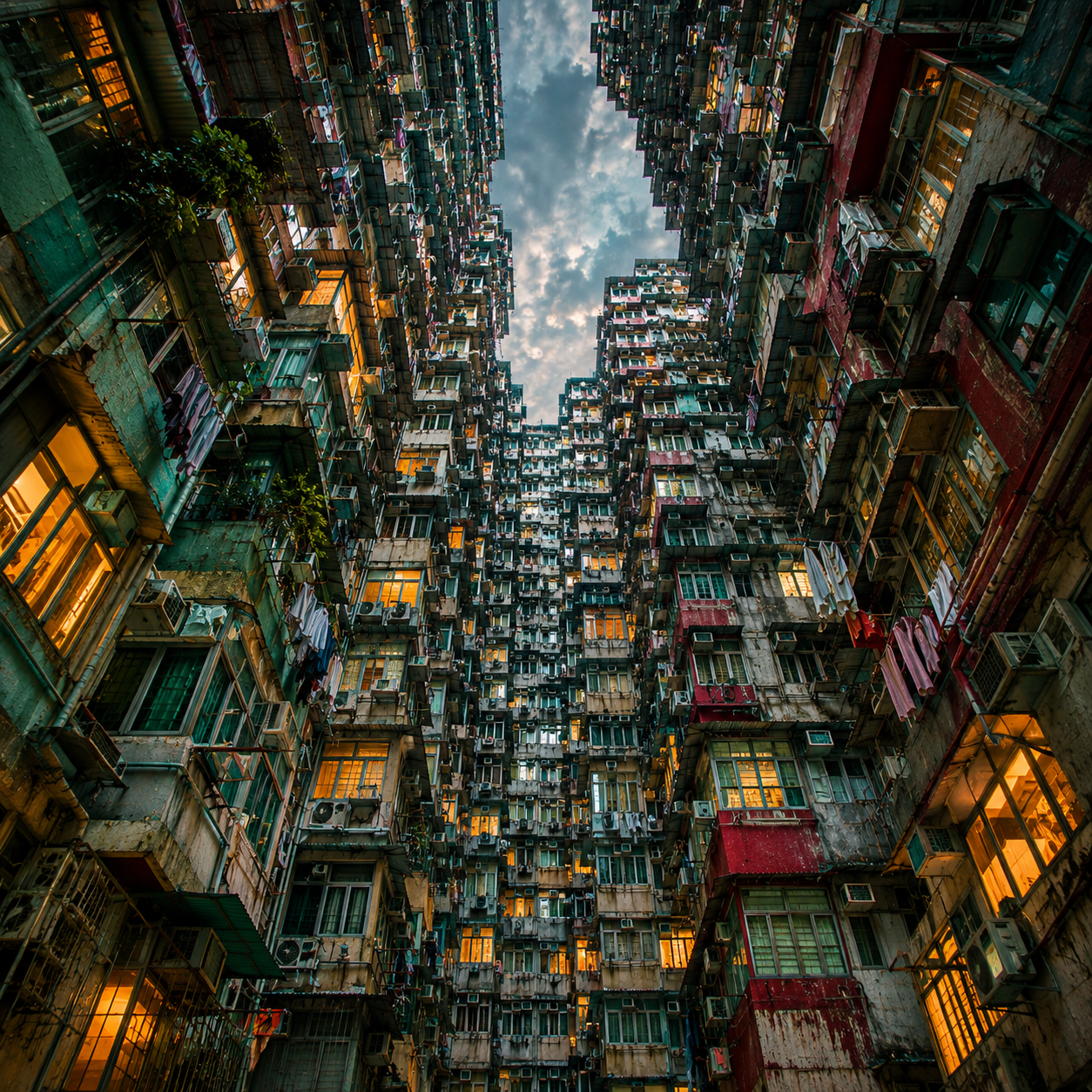
Standing Beneath a Forest of Skyscrapers. From street level, immense glass towers stretch upwards towards a narrow ribbon of sky. Reflections of neighbouring buildings fracture across mirrored façades, elevated walkways connect structures high above the traffic, and sunlight briefly penetrates the spaces between the towers. Explore the dizzying vertical scale of the city, the contrast between light and shadow, and the sensation of being dwarfed by the architecture surrounding you.
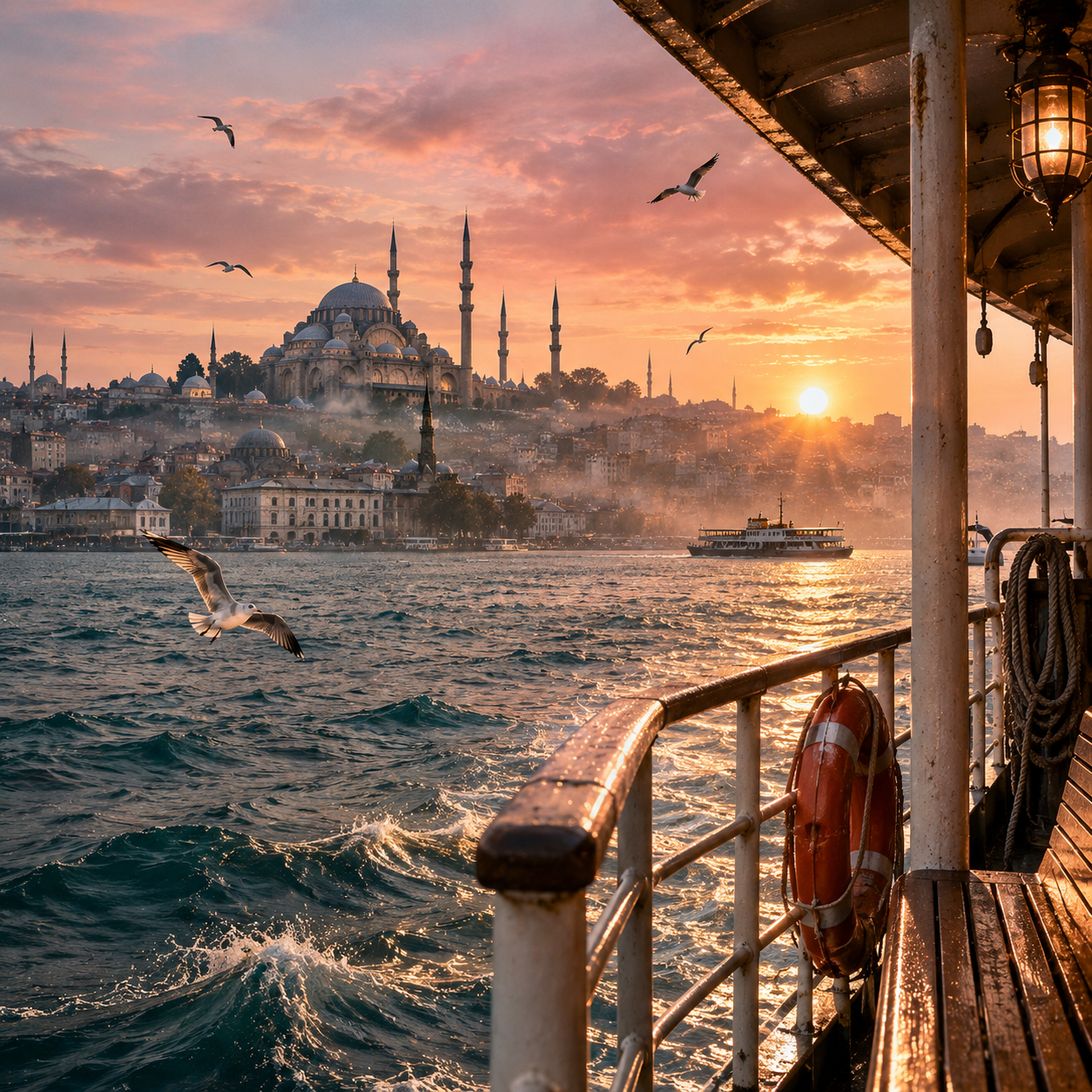
A Waterfront City Awakening at Sunrise. The first warm light of morning spreads across a wide harbour, turning the water to copper and gold as ferries begin their journeys between the shores. Domes, rooftops and slender towers emerge against a pale sky, seabirds circle above the waterfront, and the scent of freshly baked bread drifts from nearby streets. Describe the changing colours of the water, the layered skyline, the gentle movement of boats and the gradual awakening of the city.
3. Contrasting City Descriptions
One of the most effective ways to develop descriptive writing is to explore how the same setting can feel completely different under changing circumstances. A crowded city square might appear vibrant and welcoming on a summer afternoon, yet strangely exposed and unsettling when deserted after midnight. The buildings remain unchanged, but differences in light, weather, sound, movement and human activity can transform the atmosphere entirely.
For each of the ten exercises below, write two contrasting descriptions of the same urban location. Pay attention to the details that change and those that remain constant, considering how your choice of vocabulary, imagery, sensory details and sentence structure can emphasise the difference. Rather than simply describing one version as pleasant and the other as unpleasant, explore the subtler ways in which atmosphere influences a reader's experience of a place.
A City Street at Rush Hour and at Three in the Morning. Describe a busy commercial street during the evening rush hour, when traffic crawls between crowded pavements, conversations overlap and illuminated shopfronts compete for attention. Then return to the same street at three in the morning, when the shops are shuttered, traffic lights change for empty roads and the occasional footsteps echo between silent buildings. Explore how the absence of people and movement changes the perceived scale, sound and atmosphere of the street.
A Historic Square in Summer and Winter. Imagine a beautiful old square surrounded by weathered stone buildings, outdoor cafés and an ornamental fountain. Describe it during a sweltering summer afternoon, when sunlight warms the cobbles, conversations drift between crowded tables and the air seems almost motionless. Then revisit the square on a bitterly cold winter morning, when frost clings to the fountain, café chairs stand empty and pale sunlight struggles to reach the ground. Focus on temperature, colour, texture and the changing relationship between people and their surroundings.
A City Before and After a Heavy Rainstorm. Begin with a city neighbourhood during a long, dry afternoon, when dust gathers along the kerbs, the pavement radiates heat and distant traffic produces a constant low hum. Then describe the same location immediately after a sudden downpour. Rainwater streams along the gutters, buildings shimmer in puddle reflections, leaves cling to the pavement and the air carries the scent of wet stone. Consider how rainfall changes the appearance, sounds, smells and textures of familiar urban surfaces.
A Grand Railway Station at Dawn and During the Evening Rush. Describe a magnificent railway station shortly after sunrise, when pale light filters through its glass roof, empty platforms stretch into the distance and a solitary cleaner's footsteps echo beneath the iron arches. Then transform the station into a crowded evening interchange, filled with rolling suitcases, hurried announcements, arriving trains and passengers moving in every direction. Explore how sound, movement and the presence of people alter the atmosphere of the same immense architectural space.
A Waterfront City in Clear Weather and Thick Fog. Imagine standing beside a harbour overlooking a city of domes, towers, warehouses and distant bridges. On a clear morning, describe the layered skyline, sunlight glittering across the water and boats moving between the shores. Then allow a dense fog to settle over the harbour until the opposite bank disappears and familiar buildings become faint silhouettes. Focus on how restricted visibility changes the sense of distance, scale and certainty, and how sounds become more noticeable when visual details are obscured.
A Residential Neighbourhood in Spring and Autumn. Describe a quiet residential street in spring, when flowering trees cast delicate shadows across garden walls, open windows reveal glimpses of domestic life and fresh leaves soften the outlines of the buildings. Then revisit the same street in late autumn, when bare branches scrape against brickwork, fallen leaves gather around parked cars and the earlier evening darkness brings a different quality of stillness. Consider how seasonal changes alter colour, texture, light and the emotional associations of an otherwise familiar place.
A City Market During Opening Hours and After Closing. Begin inside a bustling covered market, where colourful produce fills the stalls, vendors call to customers and the air carries overlapping scents of flowers, spices and freshly prepared food. Then describe the market after the traders have departed, when empty counters stretch beneath dimmed lights, discarded packaging lies beneath the stalls and the last sounds of cleaning echo through the building. Explore how the remaining objects and traces of activity suggest the earlier atmosphere without the people who created it.
A City Viewed from Above and from Street Level. Describe a densely built metropolis from the rooftop of a towering building, where streets form geometric patterns, vehicles resemble tiny moving shapes and distant districts fade into the horizon. Then descend to street level, surrounded by immense façades, passing traffic, shop windows and pedestrians. Consider how perspective transforms the apparent size of buildings, the importance of individual details and the relationship between the observer and the city. Use sweeping imagery for the elevated view and more immediate sensory details for the street-level description.
An Old City Before and After Modernisation. Imagine a narrow historic street lined with independent shops, weathered stone façades, uneven paving and old-fashioned streetlamps. Describe its original character, paying attention to architectural details, familiar sounds and the traces of generations of everyday life. Then describe the same street following extensive redevelopment, when polished glass storefronts, modern lighting, smooth paving and new businesses have transformed its appearance. Avoid assuming that one version is automatically better; instead, explore what has been preserved, altered or lost through changes in texture, colour, sound and atmosphere.
A City Square During a Festival and the Morning After. Describe a magnificent public square during a lively evening celebration, when strings of lights illuminate the surrounding buildings, music carries above the crowd and colourful decorations flutter between balconies. Then return at sunrise, after the celebrations have ended. The square is almost deserted, with abandoned paper decorations caught against the kerbs, empty stalls standing beneath the pale morning sky and a few workers quietly clearing away the remains. Explore the contrast between collective excitement and solitude, using small details to suggest the energy that has disappeared.
4. City Observation & Experience
Some of the most compelling city descriptions emerge from moments of careful observation rather than extraordinary events. Standing beneath a railway bridge, watching the world from an upstairs window or walking through an unfamiliar neighbourhood can reveal details that are easily overlooked in the rush of everyday life. The rhythm of footsteps, the changing quality of light, the textures of old buildings and the fragments of conversation drifting through the air all contribute to the distinctive character of an urban environment.
These ten exercises invite you to experience the city from a particular position or moment in time. Imagine yourself physically present in each setting, paying attention to what you can see, hear, smell and feel, as well as the details that might initially escape your notice. Consider how your surroundings influence your emotional response, and how shifting your attention from the wider environment to a single small detail can create a more intimate, immersive description.
Arriving in an Unfamiliar City for the First Time. Imagine stepping out of a busy railway station into a city you have never visited before. Towering buildings rise above unfamiliar streets, traffic moves in unexpected directions, and fragments of conversation mingle with announcements, footsteps and the distant sound of sirens. Describe your first impressions as you attempt to make sense of the surroundings. What attracts your attention immediately? Which details make the city feel exciting, overwhelming or strangely welcoming? Focus on the experience of discovering an unfamiliar environment through your senses.
Watching the City from an Upstairs Window. Sit beside the window of an apartment several floors above a busy street and observe the ordinary life unfolding below. Pedestrians gather at crossings, delivery vehicles stop outside shops, curtains move behind neighbouring windows and the changing sunlight travels slowly across the opposite buildings. Describe the small patterns of movement and activity that become noticeable when you remain still. Consider how the window frames your observations and creates a sense of separation between the quiet interior and the restless world outside.
Walking Through the City Just Before Sunrise. Imagine wandering through a normally crowded commercial district in the final moments before dawn. Shop shutters remain closed, streetlights illuminate empty pavements and the occasional delivery vehicle interrupts the silence. Gradually, the sky begins to brighten between the rooftops, windows catch the first pale light and the earliest commuters appear. Capture the subtle transition from darkness to daylight, paying particular attention to the sounds, movements and changes in atmosphere that signal the city's awakening.
Standing Beneath a Railway Bridge as a Train Passes Overhead. Position yourself beneath an enormous iron railway bridge, surrounded by weathered brickwork, stained stone and the deep shadows cast by its structure. As a train approaches, a faint vibration travels through the ground before the sudden thunder of wheels fills the space above you. Dust shifts along the ledges, the sound reverberates between the walls and then gradually disappears into the distance. Describe the physical experience of the moment, concentrating on vibration, sound, scale and the contrast between movement and stillness.
Sitting Alone in a Crowded City Café. Find a small table beside the window of a busy café, where the warmth of freshly prepared coffee mingles with the scent of baked bread and damp coats. Cups clink against saucers, the espresso machine releases bursts of steam and fragments of conversation overlap beneath the gentle background music. Beyond the glass, pedestrians hurry along the pavement, unaware of the quieter world inside. Describe the atmosphere from the perspective of someone sitting alone, observing the contrast between public activity and private stillness.
Crossing a City Square During a Sudden Downpour. Imagine walking across a wide public square when the first heavy drops of rain begin striking the warm pavement. Within moments, people scatter towards sheltered doorways, café owners hurry to retrieve their chairs and water streams from the rooftops surrounding the square. Feel the temperature change as the rain intensifies, listen to the shifting sounds beneath nearby awnings and notice how familiar surfaces transform as they become wet. Capture the immediacy of the experience without turning it into a sequence of dramatic events.
Exploring the Narrow Streets of an Old Quarter. Wander through a historic neighbourhood where tall, closely packed buildings lean over narrow cobbled streets. Worn stone steps lead towards shadowed doorways, faded signs hang above small shops and fragments of sunlight illuminate the upper floors while the street below remains cool. Notice the uneven textures beneath your feet, the smell of old masonry after rain and the way footsteps echo around unexpected corners. Describe the sensation of moving through a place shaped by generations of everyday life, allowing architectural details to suggest its age and character.
Standing on a Rooftop Above the City at Night. Imagine stepping onto a high rooftop overlooking an immense city illuminated beneath the darkness. Roads form glowing ribbons between buildings, distant towers disappear into the haze and thousands of windows reveal scattered fragments of light. Far below, traffic moves almost silently from your elevated position, while a cool breeze carries occasional sounds upwards from the streets. Describe the extraordinary sense of scale, distance and perspective, exploring how the city appears both immense and strangely delicate when viewed from above.
Waiting at a Bus Stop on a Bitterly Cold Evening. Stand beneath the weak shelter of a city bus stop as darkness settles over a residential street. Cold air slips beneath your coat, passing headlights briefly illuminate the pavement and the illuminated timetable flickers beside you. A few other passengers wait in silence, shifting their weight and watching the road for approaching lights. Focus on the small physical sensations of waiting: the numbness in your fingers, the sound of tyres against wet asphalt, the warmth escaping from a nearby shop doorway and the way time seems to slow when you are standing still.
Watching a City Harbour Come to Life in the Morning. Sit beside a waterfront promenade as the first ferries begin crossing the harbour. The water changes colour beneath the rising sun, ropes creak against mooring posts and seabirds circle above the fishing boats returning to shore. Behind you, shutters open along the waterfront, footsteps gather on the promenade and the smell of saltwater mingles with freshly baked bread from nearby cafés. Describe the gradual accumulation of sounds, colours and movement as the harbour awakens, focusing on how the relationship between the natural environment and the surrounding city shapes the atmosphere.
5. City Language & Style Challenges
The language used to describe a city can be just as important as the setting itself. A crowded street might become a restless river of humanity through metaphor, while a towering skyscraper could appear imposing, elegant or almost threatening depending on the verbs and imagery used to describe it. Sentence length, rhythm, sound patterns and figurative language all influence how readers experience an urban environment, allowing writers to capture everything from the frantic energy of a modern metropolis to the quiet melancholy of a forgotten neighbourhood.
These ten exercises focus on specific descriptive writing techniques, encouraging you to experiment with language rather than simply adding more adjectives. Each challenge introduces a different approach to creating atmosphere, movement, sensory detail or perspective. Pay attention to how your chosen technique changes the impression of the city, and remember that effective descriptive writing depends on the precision and purpose of your language rather than the number of descriptive devices you include.
Personification: The City That Never Sleeps. Describe a vast city after midnight as though it were a living creature that refuses to rest. Consider how buildings might watch over the streets, how traffic could breathe through the avenues and how distant sirens might become the city's restless voice. Use personification throughout your description, but avoid simply giving every object a human action. Instead, develop a consistent impression of the city as a single living presence, with its own rhythms, movements and temperament.
Extended Metaphor: A City as an Ocean. Imagine a crowded metropolitan district during the evening rush hour and describe it through one sustained ocean metaphor. Pedestrians might flow like currents around towering buildings, traffic could surge through narrow streets and illuminated windows might resemble scattered reflections upon dark water. Develop the comparison through several connected details without explicitly stating that the city is an ocean in every sentence. Your challenge is to create a coherent extended metaphor that captures the movement, scale and unpredictable energy of urban life.
Sound Imagery: Beneath the Railway Arches. Describe a busy urban street beneath an elevated railway line, concentrating almost entirely on sound. Consider the metallic thunder of passing trains, the rhythmic footsteps beneath the arches, the hiss of vehicle brakes, the distant fragments of conversation and the sudden quiet between departures. Experiment with onomatopoeia, alliteration and carefully chosen verbs to recreate the acoustic character of the setting. Avoid relying on vague descriptions such as loud or noisy; instead, make each sound distinctive enough for the reader to imagine hearing it.
Colour Imagery: A City at the Blue Hour. Describe a city during the brief period between sunset and complete darkness, when the sky deepens into shades of blue and artificial lights begin illuminating the streets. Explore the contrast between cool evening shadows and the warmer colours of windows, headlights and streetlamps. Use precise colour vocabulary and carefully selected visual imagery to establish atmosphere without repeatedly naming colours. Consider how the same blue light might appear delicate against pale stone, cold against concrete or almost luminous upon glass.
Powerful Verbs: A Street During a Thunderstorm. Describe a violent summer thunderstorm sweeping through a densely built city using powerful verbs rather than relying heavily on adjectives and adverbs. Rain might hammer against windows, water could cascade from rooftops, wind might whip between buildings and pedestrians could scatter towards shelter. Choose verbs that convey movement, force and texture, allowing the actions themselves to establish the intensity of the weather. Afterwards, examine whether any descriptive words can be removed without weakening the atmosphere.
Sentence Rhythm: The Evening Rush Hour. Capture the experience of moving through a crowded city centre at the busiest time of day by deliberately varying your sentence lengths. Begin with short, abrupt sentences that reflect sudden movements, impatient traffic and the fragmented sounds of the street. Gradually introduce longer, more flowing sentences to convey the continuous movement of pedestrians, vehicles and overlapping activity. Experiment with punctuation, repetition and sentence structure to create a rhythm that mirrors the energy of the environment rather than simply describing it.
Similes: A Skyline Beneath the Morning Sun. Describe a city skyline at sunrise using at least five original similes that reveal different qualities of the buildings and surrounding atmosphere. Consider the shapes of rooftops, the reflections spreading across glass façades, the shadows retreating between towers and the first sunlight reaching the streets below. Avoid familiar comparisons such as buildings standing like giants or sunlight shining like gold. Instead, choose unexpected but appropriate images that help the reader visualise something specific about the city's architecture, light or scale.
Sensory Imagery: A Market Without Sight. Describe a crowded street market without referring to anything that can be seen. Concentrate instead on the warmth of sunlight against your skin, the rough texture of woven baskets, the scent of fresh herbs and roasting food, the overlapping voices of traders and the changing sounds beneath a covered walkway. Use the remaining four senses to establish the setting and atmosphere, allowing readers to construct their own visual impression from the details you provide. Your challenge is to make the market feel vivid and recognisable without using visual descriptions.
Juxtaposition: Beauty and Decay in an Old Neighbourhood. Describe a historic urban neighbourhood where elegant architecture exists alongside visible signs of neglect. A magnificent stone façade might rise above boarded-up shopfronts, wildflowers could emerge through cracked paving and intricate iron balconies might overlook streets marked by peeling paint and broken masonry. Use juxtaposition to place contrasting images beside one another, revealing how grandeur and deterioration can coexist within the same setting. Avoid explicitly describing the neighbourhood as beautiful but decaying; allow your chosen details to establish that contrast naturally.
Repetition and Parallel Structure: A City Awakening. Describe the gradual awakening of a city at dawn using deliberate repetition and parallel sentence structures. You might begin successive sentences with a recurring phrase such as Across the city... or One by one..., drawing attention to the first lights appearing in windows, shutters opening along the streets and traffic gathering beneath the pale morning sky. As the description develops, allow the repeated structure to create a sense of accumulating movement and activity. Use repetition selectively, building towards a final image that captures the city fully awake rather than allowing the technique to become monotonous.
6. City Creative Writing Challenges
Sometimes the most effective way to improve descriptive writing is to introduce an unexpected restriction. By limiting the words you can use, changing the order in which details are revealed or approaching a familiar environment from an unusual perspective, you are encouraged to make more deliberate choices about imagery, vocabulary and sentence structure. A city offers countless opportunities for this kind of experimentation, from the smallest architectural detail to the immense scale of an urban skyline.
These ten creative writing challenges encourage you to move beyond conventional descriptions of streets, buildings and crowds. Each exercise introduces a specific constraint or compositional technique designed to strengthen your observation, originality and control of language. Focus on creating an immersive atmosphere while meeting the requirements of the challenge, and consider how the restriction itself might lead you towards details or perspectives you would otherwise overlook.
The City in Exactly 50 Words. Describe an enormous city skyline in exactly 50 words, capturing its scale, architecture and atmosphere without relying on lengthy explanations. Imagine viewing the city from a distant hill as the last sunlight catches the upper floors of its tallest buildings. Choose a small number of striking details that suggest the wider landscape, and consider how precise nouns and powerful verbs can replace unnecessary adjectives. Every word must contribute something meaningful to the overall impression.
A City Without Buildings. Describe a busy city centre without mentioning buildings, skyscrapers, houses, shops or any other architectural structures. Instead, establish the urban environment through the movement of pedestrians, the sounds of traffic, the textures beneath your feet, changing light and the countless small details associated with city life. Your description should feel unmistakably urban, even though its most obvious physical features are never directly identified.
From a Single Puddle to an Entire City. Begin your description with an extreme close-up of a rainwater puddle beside a pavement. Focus on the trembling reflection of a streetlamp, a floating leaf or the distorted shapes of passing footsteps. Gradually widen your perspective, revealing the surrounding pavement, the street, the neighbouring buildings and eventually the immense city stretching towards the horizon. Create a smooth transition between each level of detail, allowing the reader to discover the wider setting through a carefully controlled change in scale.
A City Without Colour. Describe a bustling metropolitan street without using any colour words, including familiar descriptions such as golden, silver, dark blue or crimson. Imagine the scene as a black-and-white photograph, concentrating on contrast, light, shadow, shape, texture and movement. Explore how reflections, silhouettes, architectural patterns and the changing intensity of light can create vivid imagery without relying on colour vocabulary.
The City Through a Moving Window. Write a continuous description of a city as observed from the window of a moving tram or bus. The vehicle must remain in motion throughout, meaning that buildings, people, streets and landmarks appear only briefly before disappearing from view. Use shifting perspectives, fragmented impressions and carefully controlled transitions to recreate the sensation of travelling through an urban landscape. Avoid turning the piece into a narrative about the journey; concentrate on how movement changes the way the city is perceived.
One Street, Five Senses, Five Sentences. Describe a crowded city street using exactly five sentences, with each sentence concentrating primarily on one of the five senses. You might capture the reflections of passing traffic, the overlapping sounds of pedestrians, the scent of food drifting from an open doorway, the roughness of old stone beneath your fingertips and the lingering taste of rain or coffee. Make the sentences work together as one cohesive description rather than five unrelated observations, building a consistent atmosphere through their arrangement.
The City in Reverse. Begin with a city at its busiest, when streets are crowded, traffic fills the avenues and thousands of lights illuminate the buildings. Gradually remove the signs of human activity from your description until the same city stands completely deserted. You may not use phrases such as everyone disappeared or the city became empty. Instead, reveal the transformation through the progressive absence of movement, sound and everyday activity, allowing the reader to recognise the growing stillness without being directly told what has changed.
An Urban Landscape Without Adjectives. Describe a neglected industrial district using no descriptive adjectives. Imagine abandoned warehouses, railway sidings, rusting machinery and streets where weeds have begun pushing through the pavement. Rely on precise nouns, expressive verbs, sensory observations and carefully constructed sentences to establish the atmosphere. Instead of describing a wall as old and crumbling, for example, show how mortar falls from its joints or how rainwater seeps through the exposed brickwork. Aim to demonstrate how vivid description can emerge from action and detail rather than modifiers.
The City from an Unusual Height. Describe a crowded pedestrian square from a viewpoint only a few centimetres above the ground. Your observer might be a tiny creature, but the description must remain focused on the physical environment rather than becoming a story about its adventures. From this perspective, paving stones become immense surfaces, discarded objects dominate the foreground and passing footsteps create sudden disturbances. Explore how scale, texture, shadow and movement transform familiar urban details into an almost unrecognisable landscape.
A City in One Continuous Sentence. Describe a city during the final moments of sunset using a single continuous sentence of approximately 100–150 words. Begin with the fading light above the rooftops, then guide the reader gradually downwards towards the streets as windows illuminate, traffic gathers and evening settles between the buildings. Use commas, semicolons and carefully chosen connecting phrases to control the pace without creating a confusing sequence of unrelated details. The sentence should flow naturally, capturing the transition from daylight to darkness as one uninterrupted descriptive moment.
7. City Descriptive Picture Prompts
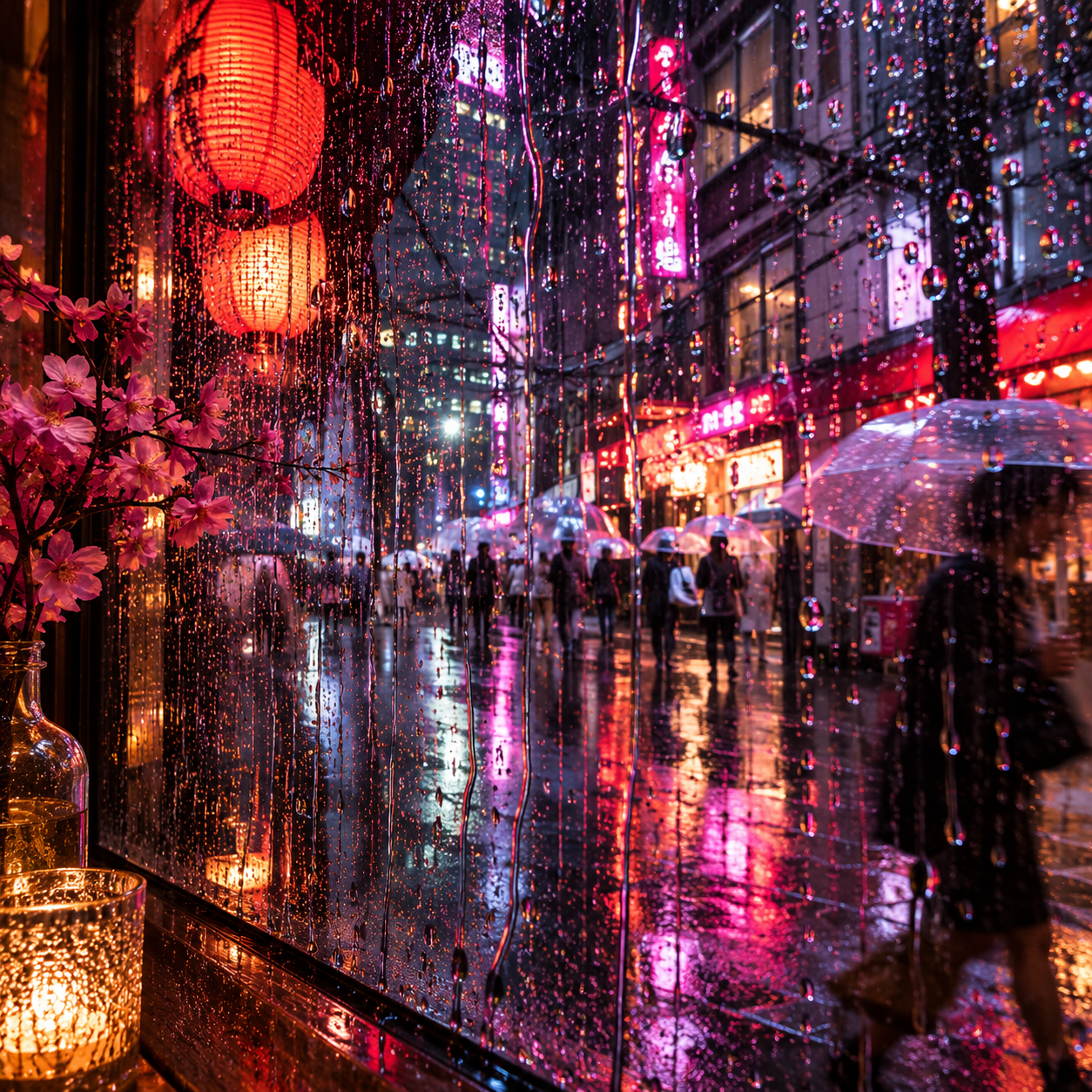
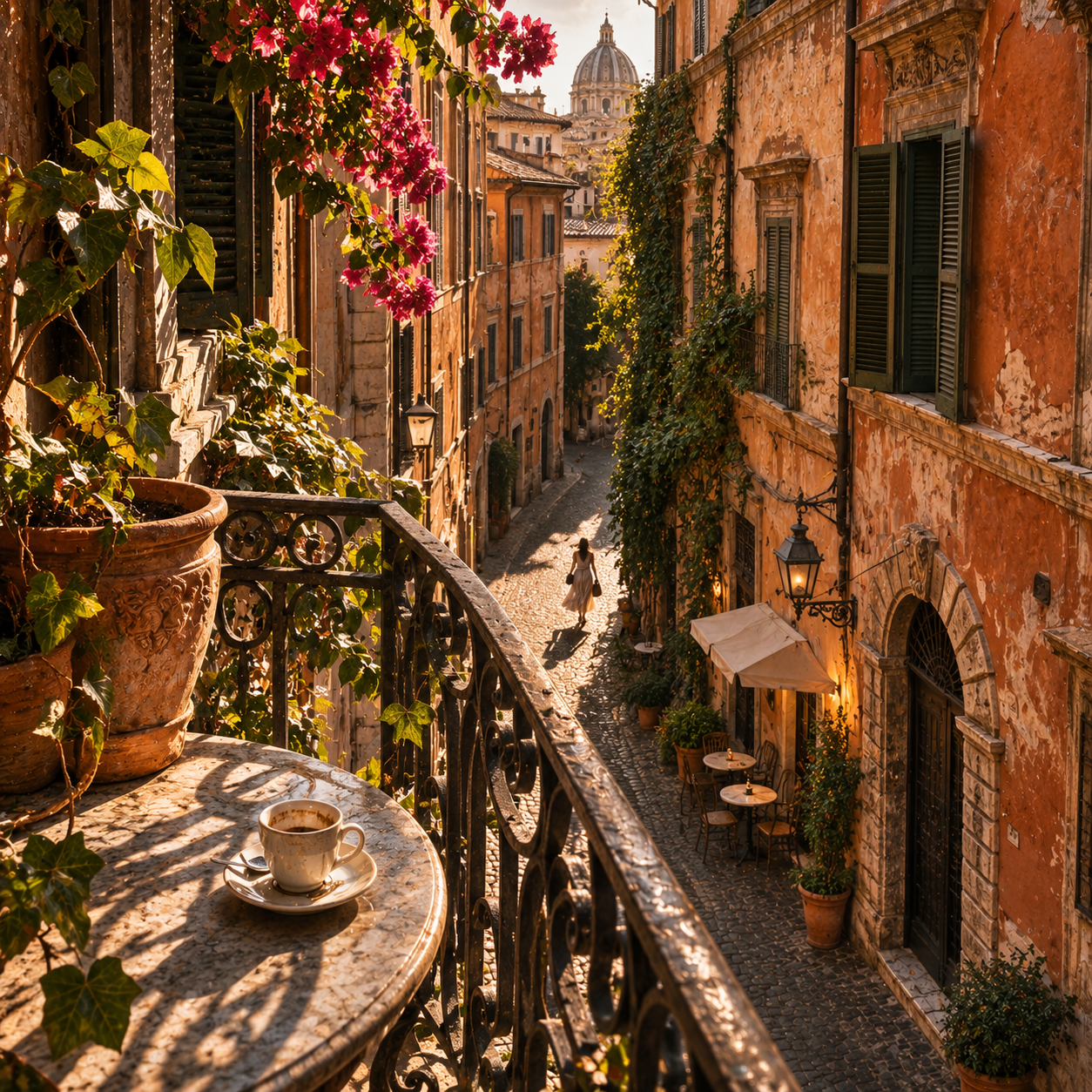
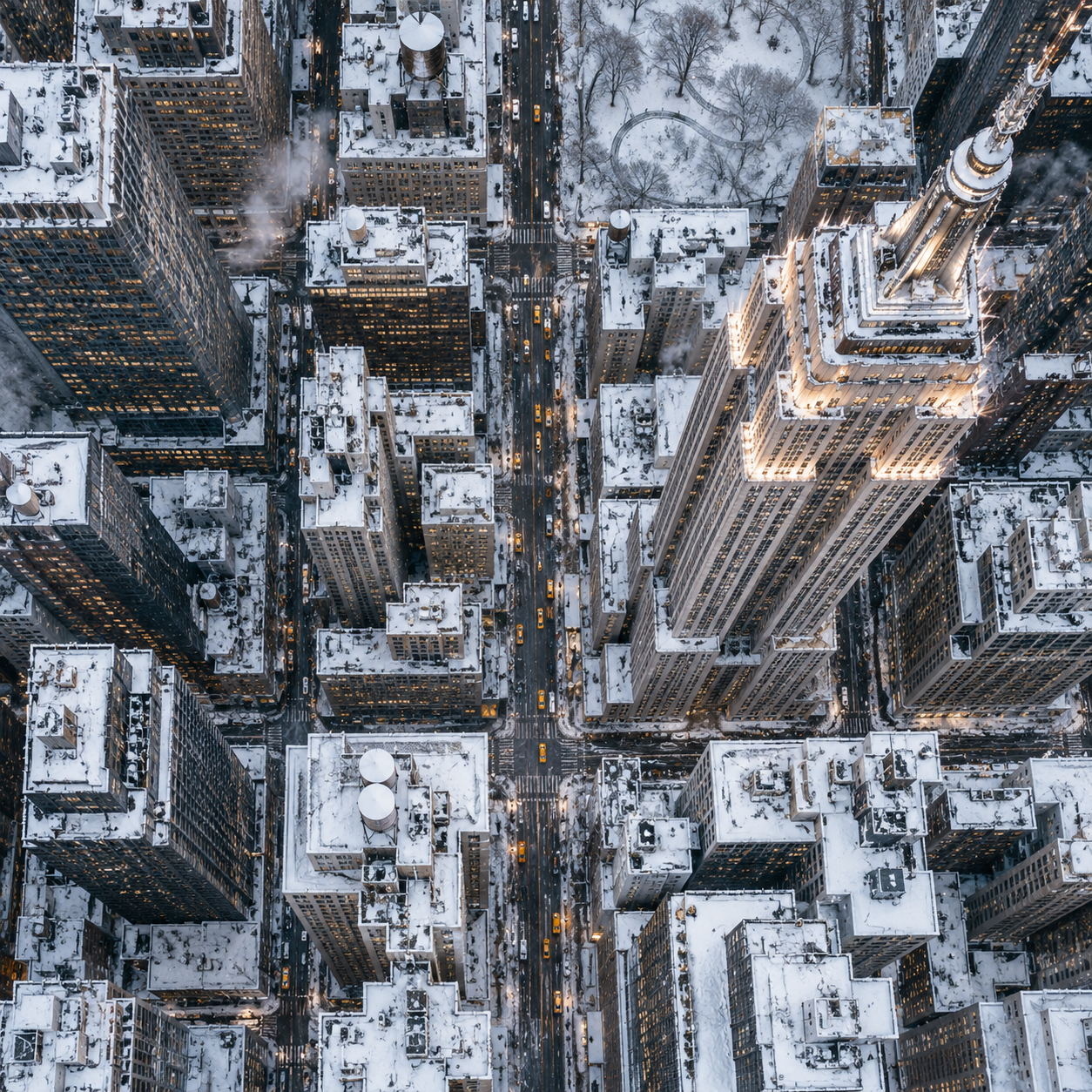
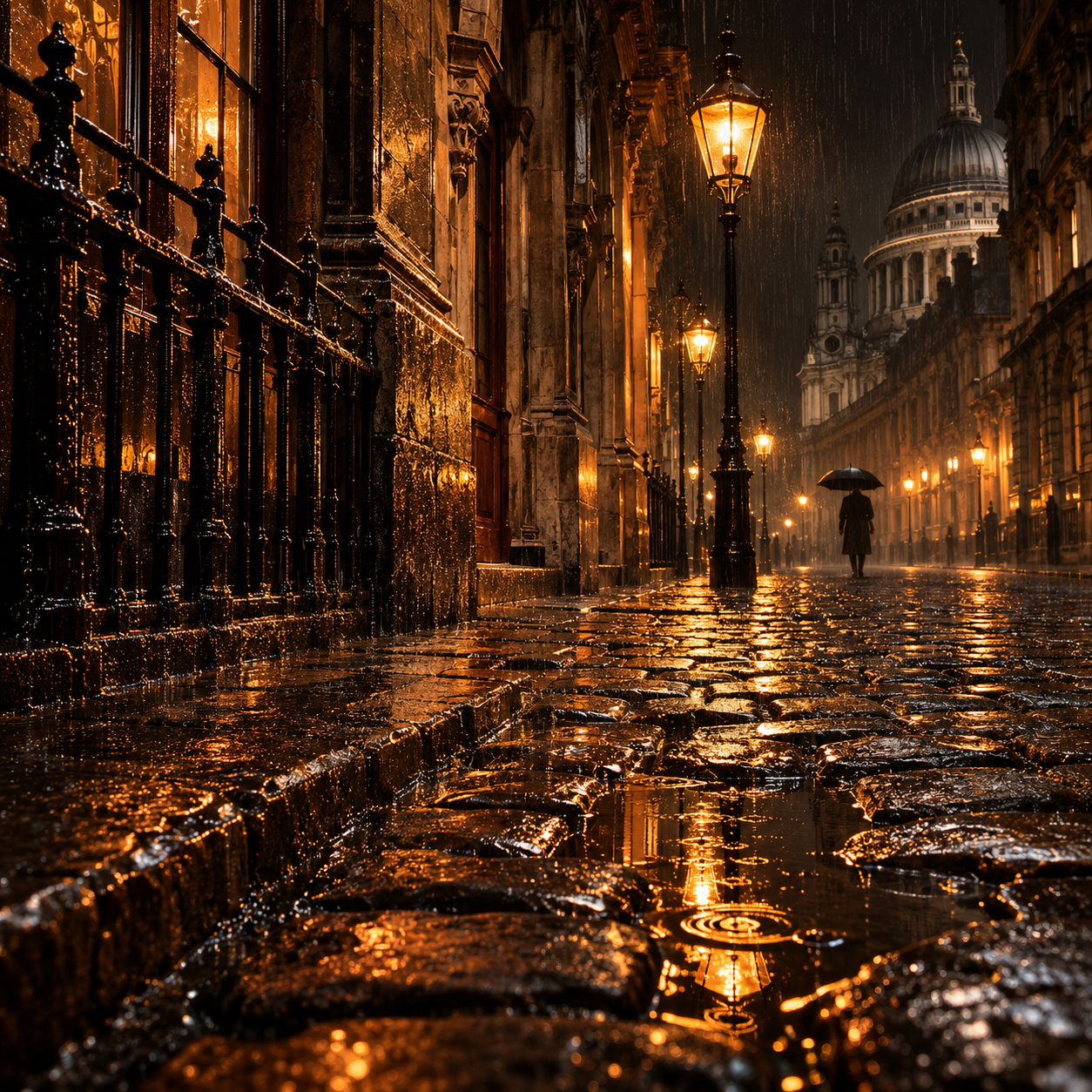
A single photograph can reveal an extraordinary amount about the character of a city. The reflections of neon lights across rain-soaked streets, the intricate geometry of skyscrapers viewed from above, or the quiet beauty of an ancient square at sunrise can all inspire vivid and atmospheric descriptions. Unlike written prompts, images invite you to discover your own details, interpret the mood of a setting and decide which elements deserve the reader's attention.
The ten city picture prompts below explore a diverse collection of urban environments, from historic European streets and bustling markets to immense modern skylines and waterfront cities awakening beneath the morning sun. Each image offers a different combination of architecture, weather, lighting, colour, texture and perspective. Some capture the restless movement of metropolitan life, while others reveal moments of remarkable stillness in places normally associated with crowds and noise.
Study each image carefully before beginning your description. Notice where your eye is drawn first, how the composition creates a sense of depth and which smaller details contribute to the atmosphere. Consider what lies beyond the edges of the photograph, what sounds might accompany the scene and how the surrounding environment would feel if you were standing within it. Pay particular attention to the relationship between light and shadow, the scale of the architecture and the ways in which weather transforms familiar urban surfaces.
Each picture prompt includes observation and sensory questions, a focused language challenge and a descriptive writing task designed around the image itself. Use these activities to develop original descriptions rather than simply listing everything visible in the photograph. Your aim is to transform a still image into an immersive experience, allowing readers to imagine the city extending beyond the frame and continuing to live, move and change around them.
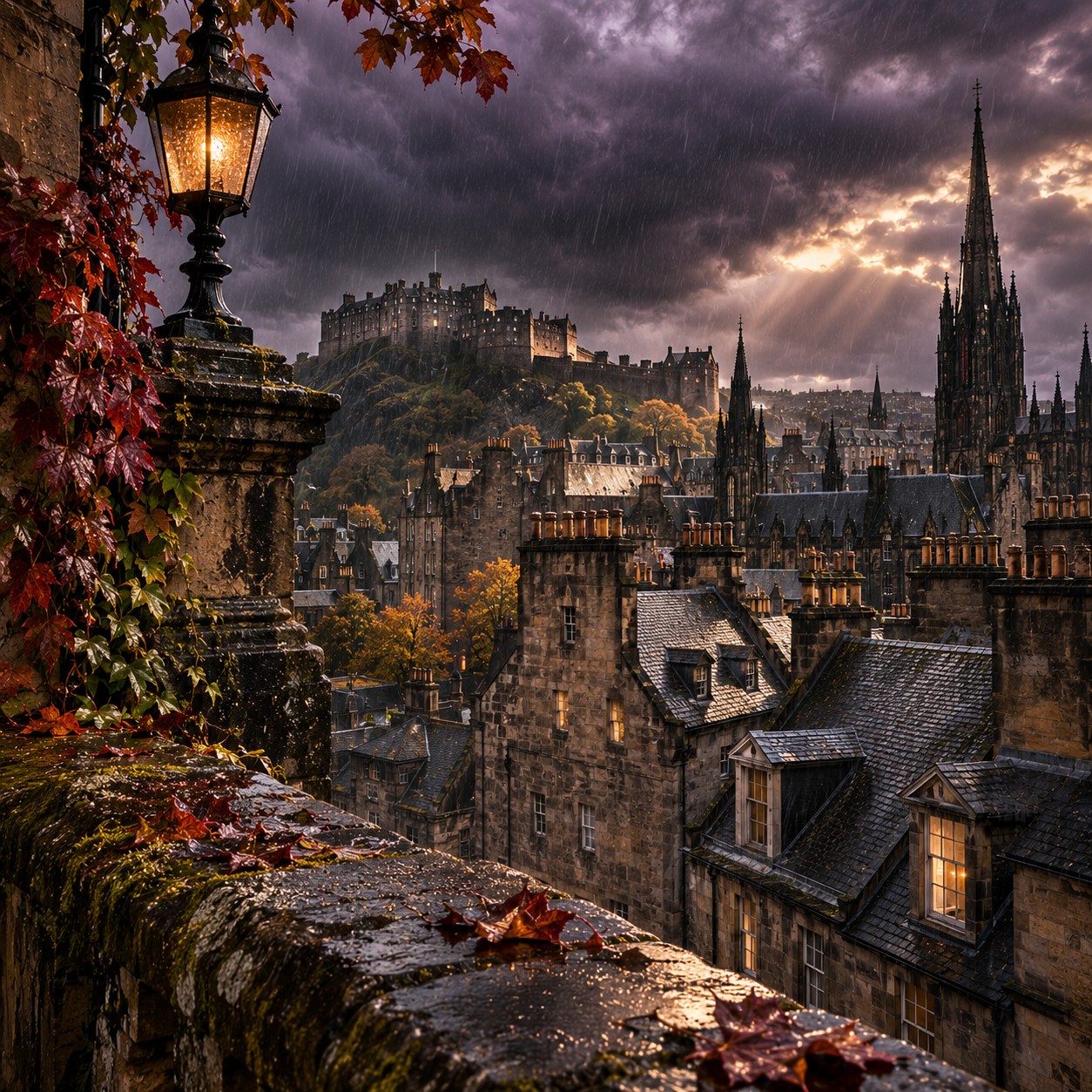
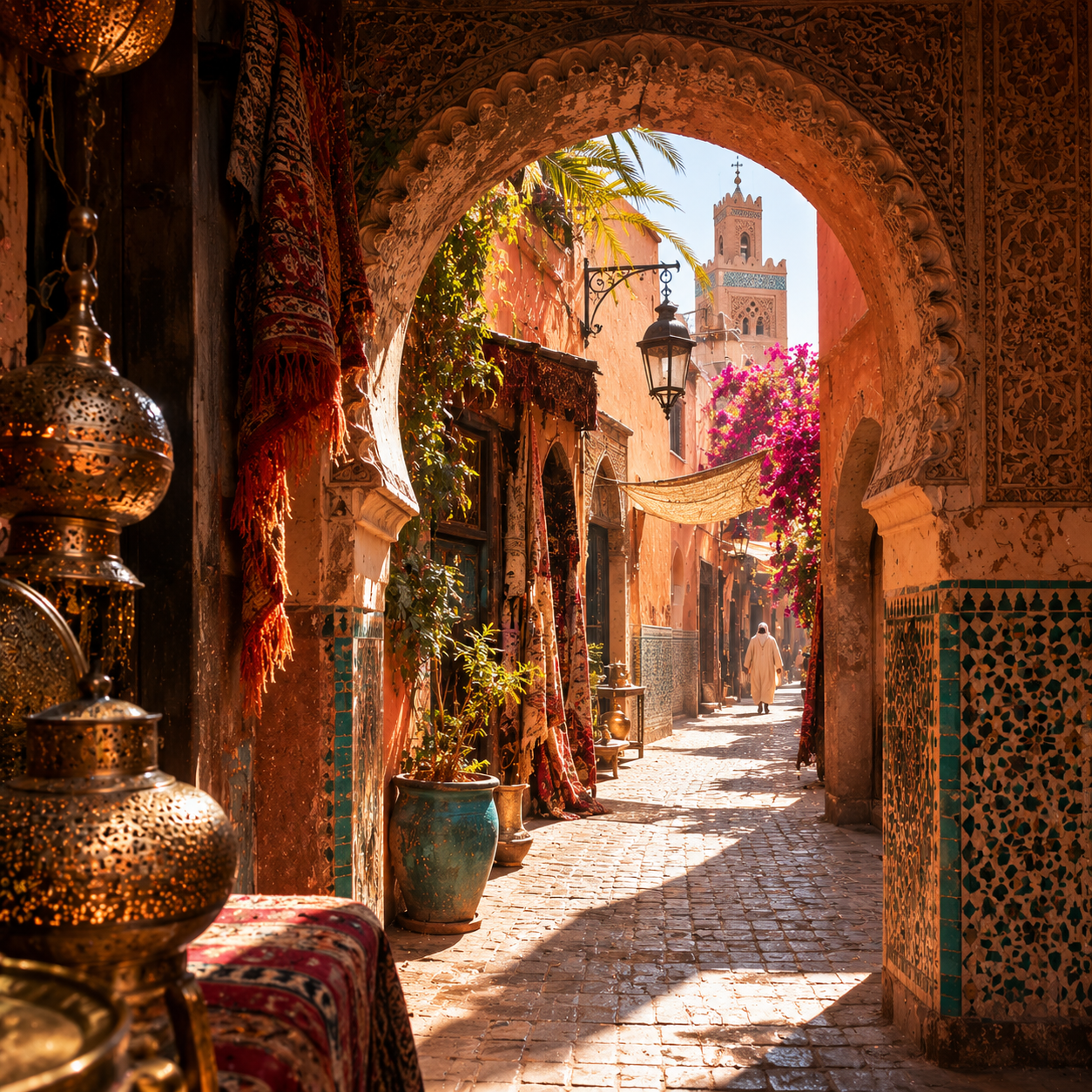
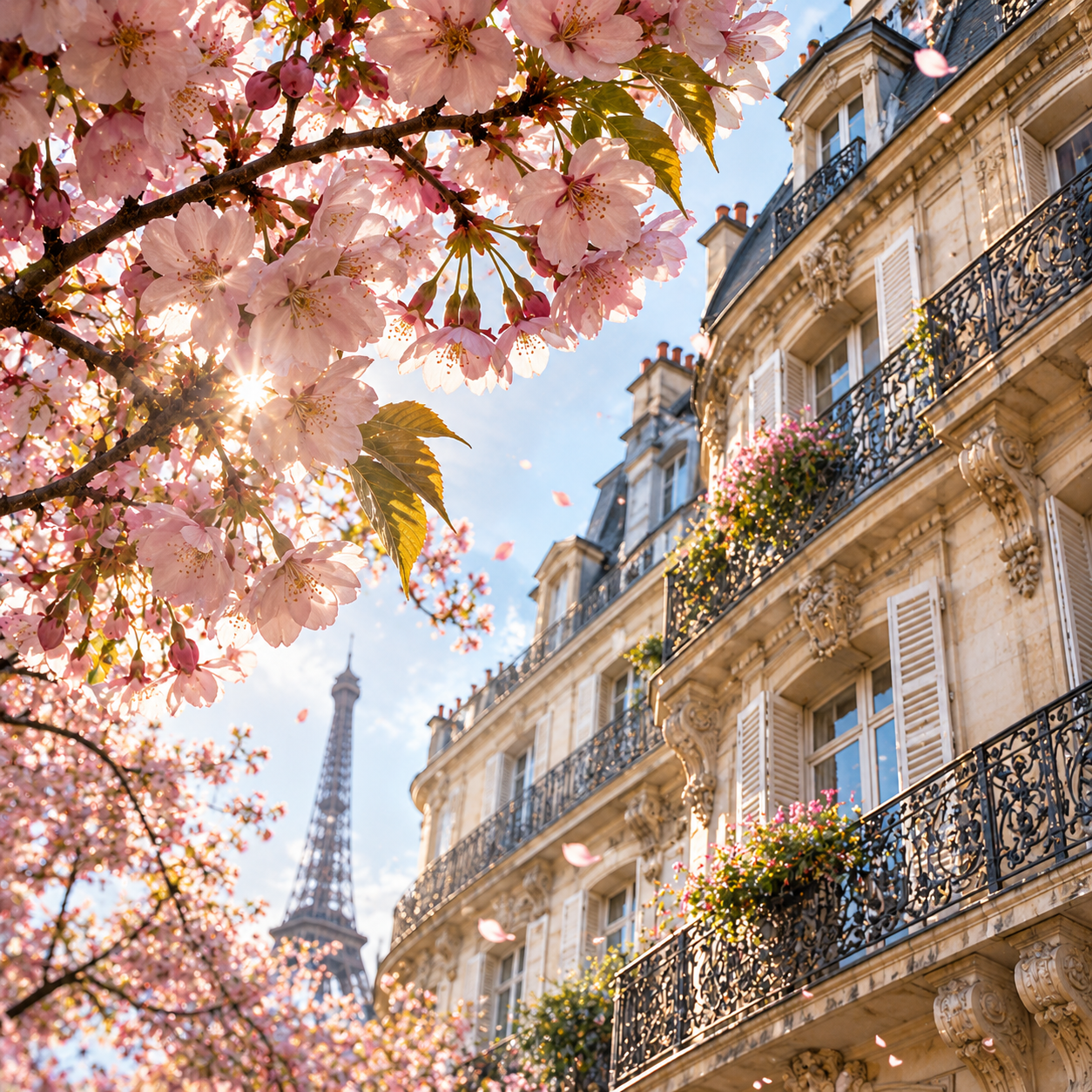
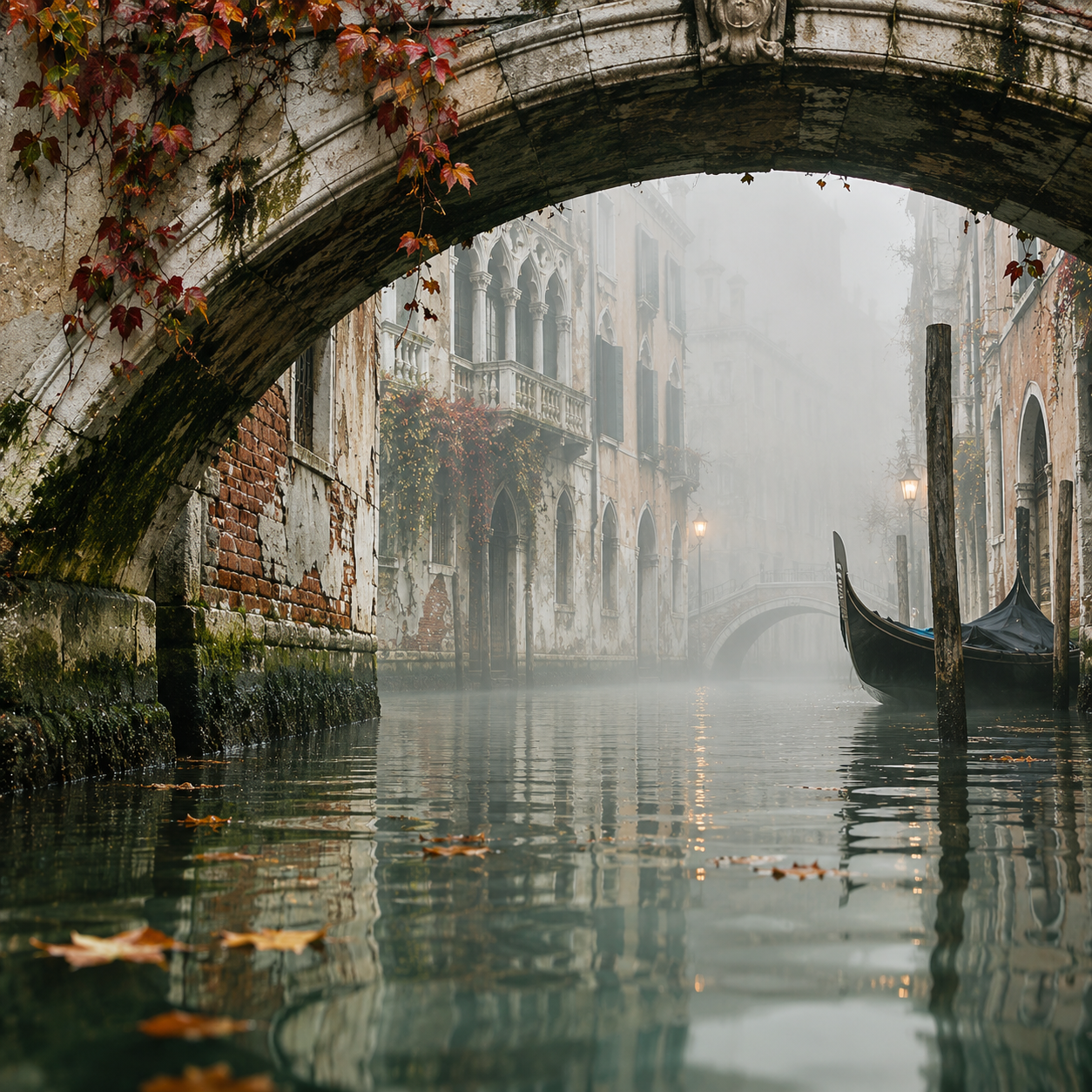
What do you notice?
What immediately draws your attention in this scene?
Which details help create the strongest atmosphere?
How do the colours, light, or shadows influence the mood?
What small details could make your description feel more realistic?
What do you think happened just before this moment?
Sensory Questions
What sounds might you hear in this scene?
What smells or scents might fill the air?
What textures or surfaces would you notice if you touched your surroundings?
How might the temperature or weather feel?
What emotions does this place make you experience?
Language Challenge
Write your description using at least one simile, one example of personification, and one piece of sensory imagery.
Writing Task
Write a vivid descriptive paragraph inspired by this image, using rich sensory detail, precise vocabulary, and figurative language to bring the scene to life. Focus on creating atmosphere rather than telling a story.
Go Deeper: How to Write Vivid City Descriptions
A memorable city description does more than establish where a scene takes place. It captures the distinctive character of an urban environment, revealing how architecture, light, weather, sound and human activity combine to create atmosphere. The same city can feel exhilarating, oppressive, romantic or strangely lonely depending on the details a writer chooses to emphasise.
Whether you're describing a historic neighbourhood, a futuristic metropolis or an ordinary street outside your own home, the following techniques will help you transform observations into immersive descriptive writing.
Establish a Clear Perspective Before Describing the City
Cities are enormous, complicated environments, and attempting to describe everything at once can leave readers without a clear sense of direction. Before beginning, decide where your observer is positioned and what they can realistically notice from that location.
A city viewed from a rooftop becomes a landscape of geometric patterns, distant skylines and moving lights. At street level, the same environment is experienced through towering façades, passing footsteps, traffic noise and the physical sensation of being surrounded by buildings.
Consider the difference between these two descriptions:
The city was enormous, with tall buildings, busy streets and thousands of people.
From the rooftop, the avenues stretched towards the horizon in long, illuminated corridors, their streams of traffic disappearing beneath a forest of glass towers.
The second description establishes a specific viewpoint and uses scale, perspective and movement to help the reader visualise the setting.
Writing tip: Begin with a wide view, then gradually narrow your focus towards one revealing detail. Alternatively, start with something small — a cracked paving stone, a rain-filled gutter or a reflection in a shop window — before revealing the wider city.
For more practice with perspective and observation, explore Descriptive Writing Prompts, or experiment with Descriptive Writing Sparks to generate unexpected subjects and descriptive challenges.
Capture the Sounds That Give a City Its Character
Every city has its own soundscape. The rhythmic clatter of a passing tram, the distant tolling of church bells, the hum of traffic beneath an apartment window and the overlapping conversations of a crowded market all contribute to the atmosphere of a place.
Rather than simply describing a city as noisy, consider the different layers of sound and how they interact.
A busy street might contain the sharp hiss of bus brakes, the hollow footsteps of pedestrians beneath an arcade and the faint music drifting from an upstairs window. These sounds exist at different distances, helping the reader imagine the physical space around them.
Compare:
The street was noisy and crowded.
Bus brakes hissed beside the kerb, footsteps scattered across the pavement, and somewhere above the traffic a violin played through an open window.
Notice how the second description uses distinct sounds to suggest the character of the street without explicitly explaining its atmosphere.
Writing tip: Experiment with foreground and background sounds. Which noises dominate the scene? Which can barely be heard? What happens when a familiar sound suddenly stops?
For further sensory inspiration, explore Weather Description Prompts, particularly when describing how rain, wind, snow or thunderstorms alter the sounds of an urban environment.
Use Architecture to Reveal History and Atmosphere
Buildings are more than a backdrop. Their materials, proportions, condition and arrangement can reveal the age, character and changing identity of a city.
A narrow street lined with weathered stone houses creates a different impression from a modern business district dominated by reflective glass. Ornate balconies, faded shop signs, cracked masonry and worn steps can suggest generations of human activity without requiring a lengthy explanation of the location's history.
Consider how architectural details can establish atmosphere:
The buildings were very old and beautiful.
Centuries of rain had softened the carvings above the doorways, while narrow balconies leaned over the cobbles and faded lettering remained visible beneath the newer shop signs.
The second description allows the reader to recognise the passage of time through physical evidence.
Writing tip: Choose two or three architectural details that reveal something meaningful about the setting. Look for contrasts between old and new, grandeur and neglect, or carefully maintained spaces and those beginning to deteriorate.
For inspiration drawn from historic urban environments, explore Victorian Era writing prompts. If you're interested in the atmosphere of forgotten buildings and neglected neighbourhoods, Abandoned Places offers a different approach to describing the traces of human history.
Let Weather and Light Transform the Urban Landscape
Weather can dramatically alter the appearance and atmosphere of a city. Rain turns ordinary streets into surfaces filled with reflections, fog conceals familiar landmarks, and snowfall softens architectural outlines while changing the rhythm of everyday activity.
Light is equally important. Harsh midday sunshine emphasises sharp shadows and architectural edges, while the golden hour can soften stone façades and illuminate details that would otherwise go unnoticed. After dark, artificial lighting creates an entirely different visual landscape.
Compare:
It was raining in the city, and the streets were wet.
Rainwater gathered between the cobbles, breaking the amber reflections of the streetlamps whenever another vehicle passed.
The second description concentrates on the visible effects of the weather rather than merely announcing its presence.
Writing tip: Instead of describing the weather separately from the setting, show how it interacts with buildings, surfaces, people and movement. Consider what becomes more noticeable, what disappears and how the atmosphere changes.
Explore Weather Description Prompts for further exercises involving rain, fog, storms, sunshine and seasonal conditions. For winter cityscapes, Snow Vocabulary offers more precise language for different kinds of snowfall, frost and ice.
Create Atmosphere Through Carefully Chosen Contrasts
Cities are particularly effective settings for descriptive contrasts because so many different environments exist alongside one another.
A peaceful courtyard might lie just beyond a crowded shopping street. A magnificent historic building could stand beside an abandoned warehouse. Warm light from a café window might illuminate an otherwise deserted pavement.
These contrasts can make a description more interesting because they draw attention to the relationship between different elements rather than treating each detail in isolation.
For example:
Beyond the brightly illuminated shops, a narrow passageway disappeared between two buildings, its cobblestones untouched by the evening crowds.
The contrast between the busy commercial street and the quieter passageway creates a shift in atmosphere without requiring the writer to label either location as exciting or mysterious.
Writing tip: Choose two contrasting qualities within the same scene — light and darkness, movement and stillness, old and new, warmth and cold — and allow them to influence your descriptive vocabulary.
For more atmospheric inspiration, explore Darkness Vocabulary, which examines different qualities of shadow, twilight and obscurity, or Figurative Language for Death and Decay for techniques suited to neglected buildings and deteriorating urban spaces.
Make the City Feel Alive Without Overusing Figurative Language
Personification, similes and metaphors can help writers communicate the scale, movement and character of a city. Traffic might flow through streets like water through narrow channels, illuminated windows could resemble scattered constellations, and a railway station might seem to breathe with the arrival and departure of trains.
However, figurative language is most effective when it reveals something specific about the setting.
Compare:
The city was a giant monster with enormous buildings and loud traffic.
The city stirred beneath the approaching dawn, its first trains rumbling through the darkness as lights awakened across the rooftops.
The second example uses restrained personification to create a coherent impression of the city gradually coming to life.
Avoid introducing several unrelated comparisons within the same paragraph. If buildings become mountains, traffic becomes an ocean and streetlights become stars, the imagery can begin to compete for attention.
Writing tip: Choose one dominant image or comparison and develop it through related details. Ask whether the figurative language helps readers experience the city more vividly or simply makes the sentence sound more elaborate.
For additional practice, try the Creative Writing Challenge Wheel, which includes challenges involving figurative language, description, perspective and writing constraints.
A City Descriptive Writing Challenge
Choose a city setting — real or imagined — and write a 300-word description that captures one particular moment in its daily life.
Your description must include:
A clearly established viewpoint, such as a rooftop, street corner, café window or railway platform.
Three carefully selected sensory details, including at least one sound.
An architectural feature that reveals something about the city's character or history.
A contrast between two elements of the setting, such as light and shadow or movement and stillness.
One original example of figurative language that contributes meaningfully to the atmosphere.
Begin by establishing where the observer is positioned, then guide the reader through the environment using a deliberate sequence of details. Experiment with sentence length to reflect the rhythm of the scene, and resist the temptation to describe every building, vehicle or person.
Once you've finished, reread your description and remove any details that do not contribute to the atmosphere. Replace vague adjectives with more precise vocabulary, and consider whether the reader could recognise the mood of your city without being explicitly told how it feels.
The aim is not to describe an entire city in 300 words. It is to capture one moment so convincingly that the reader can imagine the wider world continuing beyond the page.

Some stories are best left buried.
But this one has surfaced.
Hidden inside a dust-covered box of forgotten papers lies the remains of a mystery. A child's drawing. A missing persons report. A letter never sent. Photographs with names scratched from the back. Newspaper clippings that seem to contradict one another.
Individually, they reveal very little.
Together, they suggest something far stranger.
The Victoriana Collection is an immersive archive inspired by gothic fiction, Victorian spiritualism, forgotten histories, and the mysteries that linger long after the people involved have vanished. Inside you'll discover letters, diary entries, photographs, reports, spiritualist notes, newspaper clippings, and personal mementoes that hint at a story hidden beneath layers of silence and time.
Some documents feel ordinary.
Others seem determined to be remembered.
Who disappeared?
Who was searching for them?
And why do so many pieces of the story appear to be missing?
There are no answers waiting at the end.
Only fragments.
What's Inside?
◆ 50+ printable documents and artefacts from the world of The Victoriana Collection
◆ Letters, diary entries, photographs, missing persons reports, spiritualist notes, newspaper clippings, personal mementoes, and more
◆ A printable prompt card to inspire exploration and storytelling
◆ Instant digital download in PDF format
Who Is It For?
Perfect for:
◆ Writers and worldbuilders
◆ Lovers of gothic fiction and Victorian mystery
◆ Mystery enthusiasts and curious minds
◆ Teachers and students
◆ Anyone fascinated by forgotten histories, spiritualism, and unexplained disappearances
What Makes This Different?
This isn't a guided story or a mystery with a solution.
It's an archive.
Every document reveals part of a larger narrative, but none reveal the whole truth.
Some pieces fit together neatly. Others raise more questions than they answer.
The story hidden inside these papers depends on what you notice, what you question, and what connections you choose to make.
Every reader uncovers a different mystery.
Step Inside Victorian London with The Victoriana Collection
Imagine wandering through the fog-shrouded streets of Victorian London, where gas lamps flicker against rain-darkened cobblestones, narrow alleyways conceal forgotten histories and the grand façades of elegant townhouses hide secrets behind their shuttered windows. What stories might survive in a city where every street has witnessed generations of lives, losses and unexplained disappearances?
The Victoriana Collection invites you to explore this atmospheric world through an extraordinary archive of fictional documents, mysterious artefacts and fragments of forgotten lives.
Inspired by Gothic fiction, Victorian spiritualism and historical mystery, this immersive digital collection contains more than 50 printable documents and artefacts, including handwritten letters, diary entries, photographs, missing persons reports, newspaper clippings, spiritualist notes and personal mementoes.
But this is no ordinary writing prompt collection.
There is no predetermined storyline, no single correct interpretation and no final answer waiting to be discovered. Instead, you become the investigator, piecing together contradictory accounts, noticing overlooked details and imagining the lives that connect these mysterious fragments.
Perhaps an unsigned letter suggests a forbidden relationship. Perhaps a photograph reveals something that should not exist. Or perhaps an apparently insignificant newspaper report becomes the beginning of an entirely different story.
One collection. Countless interpretations. A million stories in one download.
Perfect for creative writers, Gothic fiction enthusiasts, teachers and imaginative worldbuilders, The Victoriana Collection offers a richly atmospheric starting point for developing characters, exploring historical settings and creating original fiction.
And Victoriana is only one world waiting to be discovered.
Explore Storyworld Archives, the immersive creative writing collection from Ink & Insights, featuring fictional worlds to escape to and explore. Each archive invites you to investigate intriguing artefacts, uncover hidden connections and transform fragments of imagined histories into stories entirely your own.
Explore The Victoriana Collection
Discover Storyworld Archives and find your next fictional world.

Final Thoughts
A city is never simply a collection of streets and buildings. It is a constantly changing landscape of light, movement, sound and human experience, where even the most ordinary corner can become extraordinary through careful observation. From rain-soaked Victorian streets and bustling markets to towering skyscrapers and quiet waterfronts at dawn, these 70 city descriptive writing prompts encourage you to explore the atmosphere, character and sensory richness of urban environments.
The most memorable descriptions are not necessarily the longest or most elaborate. They emerge from precise details, carefully chosen language and an awareness of how perspective, weather and atmosphere shape the reader's experience. Whether you're experimenting with figurative language, exploring contrasting cityscapes or responding to an evocative photograph, remember that your aim is not simply to show readers what a city looks like, but to make them feel as though they are standing within it.
For more inspiration, explore the Descriptive Writing Hub, where you'll find prompts, vocabulary and practical exercises for creating vivid settings. Try Descriptive Writing Sparks, our free interactive generator, for fresh descriptive challenges whenever inspiration runs low. And if you're ready to turn your atmospheric settings into original stories, visit the Creative Writing Archive to discover hundreds of imaginative ideas, genre collections and creative writing resources.
Choose Your Next Adventure