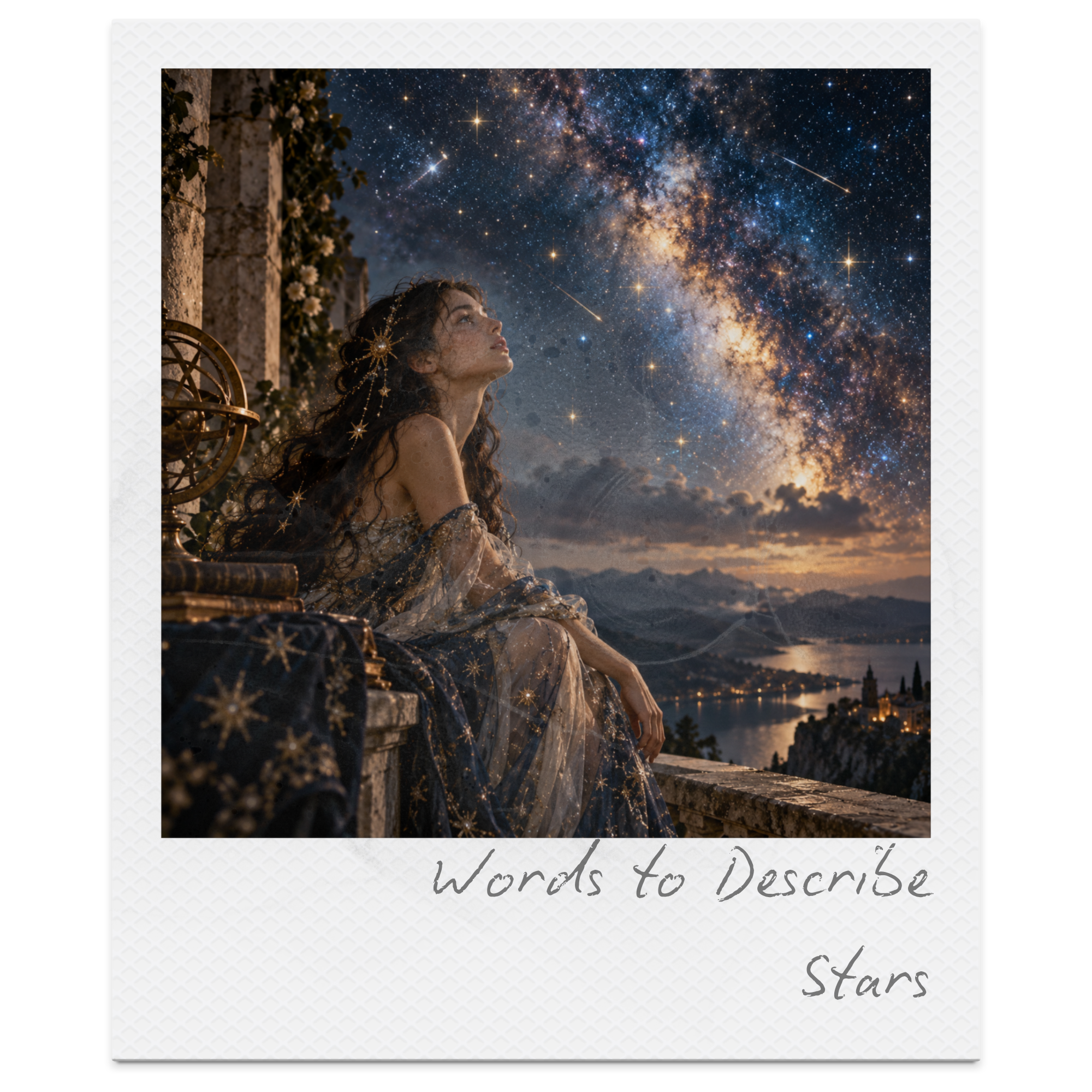
There is something extraordinary about the night sky. Above the familiar landscapes of our everyday lives stretches an immense, ever-changing darkness, illuminated by distant stars, wandering planets, silver moonlight and the occasional fleeting brilliance of a meteor. Some nights, the heavens appear impossibly clear, with thousands of stars scattered across the darkness like fragments of shattered glass. On others, heavy clouds swallow the moon, distant lightning illuminates the horizon, or a strange, luminous haze transforms the world beneath it.
Describing the night sky offers writers an opportunity to explore far more than the appearance of stars and constellations. A moonlit coastline can feel peaceful and romantic, while the same stretch of water beneath a moonless sky might become threatening and unfamiliar. The Northern Lights can transform an ordinary winter landscape into something almost supernatural, while a single star glimpsed between towering city buildings can suggest loneliness, hope or an overwhelming sense of distance. Through careful observation and precise language, the sky becomes an essential part of a setting's atmosphere rather than merely its backdrop.
In this collection of 70 Night Sky Descriptive Writing Prompts, you'll explore celestial landscapes through atmospheric scenes, contrasting descriptions, sensory observation tasks, figurative language exercises and imaginative writing challenges. From meteor showers above remote mountain ranges to eclipses, starlit deserts, storm-darkened horizons and the delicate glow of distant galaxies, each activity encourages you to experiment with perspective, colour, movement, light and darkness.
You'll also discover 10 cinematic night sky picture prompts, designed to inspire detailed descriptions through visual observation, sensory questioning and creative language techniques. Whether you're writing fiction, developing a setting, teaching descriptive writing or simply looking for inspiration, these exercises will help you capture the wonder, mystery and emotional power of the heavens.
For even more inspiration, explore our Descriptive Writing Hub, experiment with the interactive Descriptive Writing Sparks generator, or browse the Creative Writing Archive for hundreds of imaginative prompts, writing activities and atmospheric settings.
The night sky has inspired storytellers, poets and dreamers for thousands of years. Now it's your turn to look upwards, notice what others might overlook and find the words to describe the extraordinary world above us.
How to Approach Night Sky Descriptive Writing
Describing the night sky begins with observation rather than elaborate language. Before reaching for metaphors or poetic comparisons, consider what makes this particular sky distinctive. Is the moon a thin crescent suspended above the horizon, or a brilliant full moon illuminating the landscape? Are the stars sharp and numerous, or barely visible through drifting clouds? Notice the distribution of light, the depth of the darkness and the relationship between the sky and the world beneath it. A few carefully selected details will create a more convincing description than an endless catalogue of celestial objects.
Think about atmosphere and emotional perspective. The same star-filled sky might inspire wonder in someone watching a meteor shower, loneliness in a traveller far from home or unease in someone standing beneath an unfamiliar constellation. Rather than simply announcing that the sky is beautiful, frightening or mysterious, allow its physical details to suggest those feelings. An immense expanse of darkness can communicate freedom or isolation, while a pale moon disappearing behind clouds might introduce uncertainty without anything explicitly threatening taking place.
Pay attention to movement, contrast and change. Although the night sky can appear motionless, it is rarely entirely still. Clouds drift across the moon, stars emerge as twilight fades, meteors briefly illuminate the darkness and distant lightning reveals the shapes of mountains or rooftops. Contrasts between light and shadow, vastness and intimacy, or stillness and sudden movement can give a description rhythm and visual interest. Consider how the scene might transform over several minutes rather than treating it as a static photograph.
Finally, use figurative language with purpose and restraint. Similes, metaphors and personification can make celestial descriptions memorable, but familiar comparisons such as stars resembling diamonds quickly lose their impact through repetition. Look instead for images that belong naturally to the setting and its atmosphere. A scattering of stars above a fishing harbour might resemble distant lanterns, while clouds passing across a winter moon could evoke curtains drawn over a cold window. The strongest night sky descriptions combine precise observation, sensory awareness and carefully chosen imagery to make readers experience the scene for themselves.
1. Night Sky Descriptive Titles
A compelling descriptive title can establish the atmosphere of a night sky before the first sentence has even begun. It might suggest the immense silence of a star-filled wilderness, the eerie darkness of an approaching eclipse or the delicate beauty of moonlight falling across a sleeping landscape. The strongest titles offer a glimpse of a distinctive moment without explaining everything the description will reveal.
Use the following ten titles as starting points for atmospheric descriptions. Each invites you to explore a different aspect of the night sky, from celestial light and movement to darkness, distance and the changing relationship between the heavens and the earth.
A Thousand Stars Above the Sleeping World
When the Moon Disappeared
The Last Light at the Edge of Night
Beneath a Sky of Shattered Silver
The Night the Heavens Turned Green
Where the Stars Meet the Sea
A Darkness Deeper Than Midnight
The Silence Between the Constellations
When Fire Fell from the Sky
The First Stars of Winter
2. Describe These Night Sky Scenes
The night sky offers an extraordinary variety of descriptive possibilities, from the delicate appearance of the first evening stars to the spectacular movement of the Northern Lights. Moonlight, cloud formations, atmospheric conditions and celestial events can transform familiar landscapes into places of remarkable beauty or unsettling mystery. Even the absence of visible stars can create a powerful impression, particularly when darkness obscures the boundaries between earth and sky.
Choose one of the ten scenes below and bring it to life through vivid imagery, precise vocabulary and carefully selected sensory details. Consider the relationship between the heavens and the landscape beneath them, paying particular attention to light, colour, movement, distance and scale. Rather than attempting to describe every visible feature, concentrate on the distinctive qualities that make your chosen night sky memorable.
1. A Thousand Stars Above a Mountain Valley. Far from the artificial lights of civilisation, an immense canopy of stars stretches above a remote mountain valley. The Milky Way forms a luminous band across the darkness, while jagged peaks rise as black silhouettes against the horizon. A perfectly still lake reflects fragments of starlight, and the cold mountain air carries the scent of pine and snow. Describe the extraordinary depth of the heavens, the contrast between the brilliant stars and the dark landscape, and the overwhelming sensation of standing beneath an almost limitless sky.
2. A Full Moon Above a Snow-Covered Forest. A brilliant winter moon hangs above a forest of towering fir trees, illuminating the snow with an unfamiliar silver glow. Frost-covered branches glitter beneath the pale light, long shadows stretch across the untouched ground, and scattered stars appear between the treetops. Beyond the forest, distant mountains emerge as faint blue-grey shapes against the horizon. Capture the remarkable clarity of the moonlit landscape, concentrating on the delicate interplay of light and shadow, the textures of frozen surfaces and the profound stillness of a winter night.
3. The Northern Lights Above a Frozen Lake. Enormous curtains of emerald green and turquoise unfold across an Arctic sky, their luminous edges rippling and shifting against the darkness. Delicate streaks of violet appear between the brighter bands, while distant stars remain visible through the translucent colours. Beneath the display, a frozen lake stretches towards a range of snow-covered mountains, its polished surface reflecting faint traces of the celestial spectacle. Describe the flowing movement, changing intensity and extraordinary colours of the aurora, exploring the contrast between the restless heavens and the motionless landscape below.
4. A Midnight Sky Illuminated by Lightning. Heavy storm clouds have swallowed the moon and stars, transforming the heavens into an immense expanse of charcoal and black. Without warning, a brilliant flash of lightning illuminates the clouds from within, revealing enormous folds and towering formations before darkness returns. Distant thunder rolls across the landscape, and a solitary tree appears momentarily against the horizon. Describe the sudden transitions between light and darkness, the immense scale of the storm clouds and the unsettling atmosphere created by a sky that reveals itself only in fleeting flashes.
5. A Meteor Shower Above a Desert Landscape. Beneath an exceptionally clear desert sky, countless stars shine above an immense landscape of pale dunes and weathered rock formations. Suddenly, a brilliant meteor streaks across the darkness, leaving a delicate trail of light that fades almost as quickly as it appears. Others follow at irregular intervals, some faint and fleeting, others bright enough to illuminate the horizon. The desert remains silent beneath the celestial display, its smooth dunes reflecting the faintest traces of starlight. Capture the contrast between the ancient, motionless landscape and the sudden, unpredictable brilliance of the meteors.
6. A Lunar Eclipse Above an Ancient Temple. An enormous full moon rises above the weathered columns of an ancient hilltop temple, its familiar silver surface gradually disappearing beneath the Earth's shadow. As the eclipse deepens, the moon takes on an extraordinary copper-red colour, suspended against a darkening sky filled with increasingly visible stars. The ruined columns stand in silhouette, their broken edges sharply defined against the faint celestial glow. Describe the slow transformation of the moon, the unusual colours of the eclipse and the timeless atmosphere created by the meeting of ancient architecture and a remarkable astronomical event.
7. A Moonlit Ocean Beneath a Cloudless Sky. A pale crescent moon hangs above an immense ocean, its reflection trembling across the dark water in a narrow ribbon of silver. Countless stars appear overhead, becoming brighter towards the horizon where the sea and sky seem almost to merge. Gentle waves break against a deserted shoreline, leaving thin trails of foam that briefly catch the moonlight before dissolving into the sand. Describe the relationship between the vastness of the heavens and the open sea, focusing on reflections, subtle movement, distant light and the peaceful isolation of the coastline.
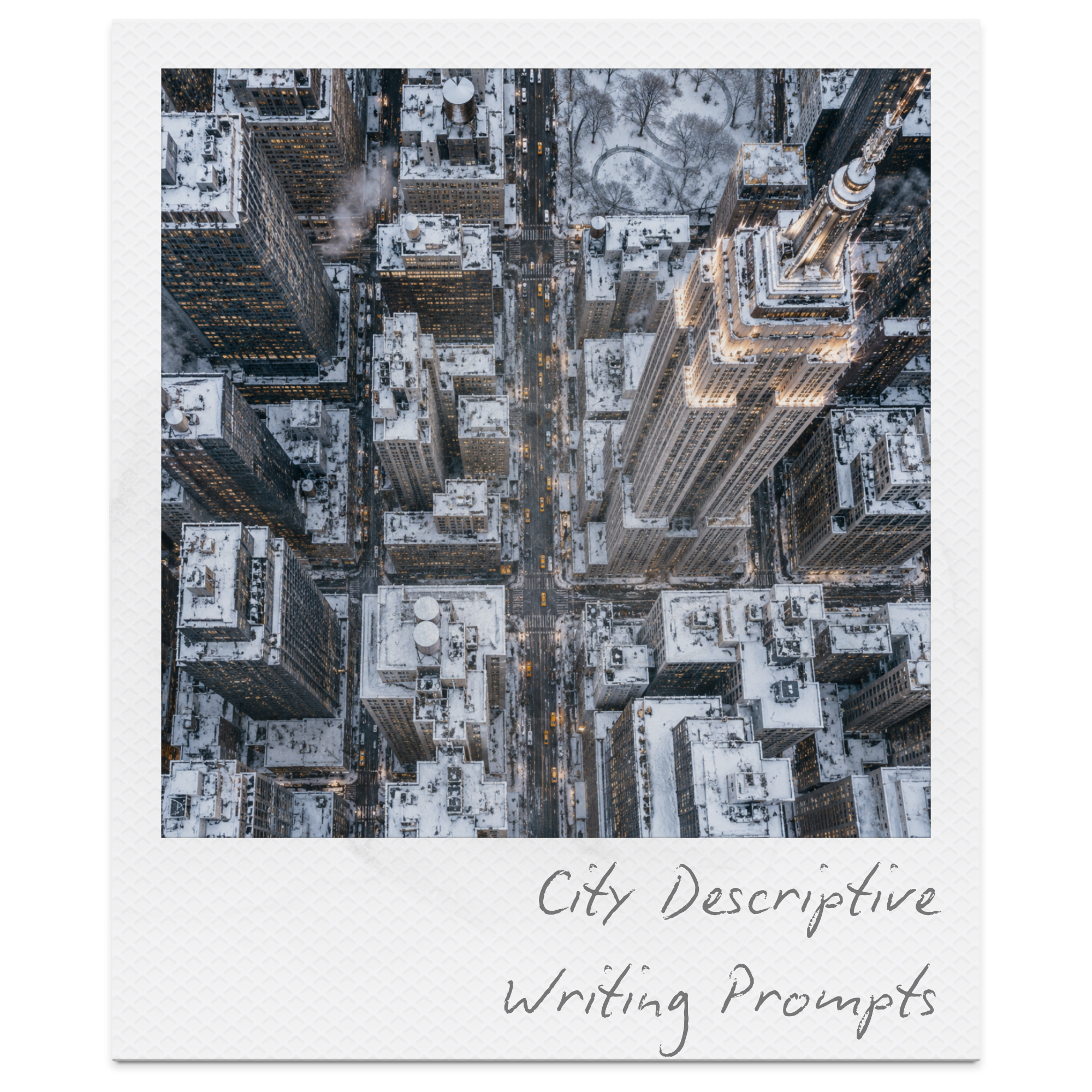
8. The First Stars Above a Sleeping City. As the last traces of twilight disappear, a handful of stars emerge above a city illuminated by thousands of artificial lights. A thin crescent moon rests between the silhouettes of towering buildings, while illuminated windows form irregular patterns across the darkened skyline. High above the rooftops, faint clouds drift through a sky softened by the city's amber glow, obscuring all but the brightest celestial objects. Explore the contrast between natural and artificial light, the immense vertical scale of the buildings and the delicate presence of the heavens above the restless urban landscape.
9. A Starless Night Above an Abandoned Moor. Thick clouds stretch from horizon to horizon, concealing every trace of moonlight and starlight above a vast, deserted moor. The landscape has almost disappeared into the darkness, leaving only the faint outlines of distant hills and occasional pools of black water reflecting the dimmest suggestion of light. Cold wind moves through the heather, and isolated rocks emerge as indistinct shapes against the ground. Describe the oppressive absence of celestial illumination, using subtle contrasts, restricted visibility and carefully chosen sensory details to create an atmosphere of uncertainty and isolation.
10. The Milky Way Above a Remote Tropical Island. An extraordinary sweep of stars arches across the night sky above a small tropical island, the Milky Way appearing as a dense, luminous cloud stretching from one horizon to the other. Palm trees form delicate silhouettes against the heavens, while the surrounding lagoon reflects scattered points of light across its calm surface. The warm air carries the scent of saltwater and flowering vegetation, and distant waves break softly against the reef. Describe the richness of the celestial display, the contrast between tropical warmth and distant starlight, and the extraordinary impression of a landscape surrounded by an infinite universe.
3. Contrasting Night Sky Descriptions
One of the most effective ways to explore the atmosphere of the night sky is to describe how the same celestial landscape changes under different conditions. A familiar constellation might appear brilliant above a remote countryside valley yet almost invisible beneath the artificial glow of a city. Similarly, a moonlit coastline can feel peaceful on a clear evening but strangely threatening when heavy clouds conceal the heavens. Changes in weather, light, season and perspective can dramatically alter the appearance and emotional character of the sky.
For each of the ten exercises below, write two contrasting descriptions of the same location or celestial scene. Consider which features remain constant and which are transformed, paying particular attention to colour, visibility, movement, atmosphere and the relationship between the sky and the landscape beneath it. Avoid simply describing one version as beautiful and the other as frightening; instead, explore the subtler ways in which changing conditions influence the reader's experience.
1. A Mountain Sky Beneath a Full Moon and a New Moon. Imagine standing in a remote mountain valley on two exceptionally clear nights. During the full moon, pale light illuminates the rocky slopes, distant peaks emerge against the horizon and the brightest stars appear scattered across the heavens. Return to the same valley during a new moon, when the mountains become almost invisible and thousands of previously concealed stars emerge, revealing the luminous sweep of the Milky Way. Explore how the presence or absence of moonlight transforms the landscape, the apparent depth of the sky and the sensation of standing beneath it.
2. A Coastal Sky Before and During a Thunderstorm. Describe a quiet coastline beneath a clear evening sky, where the first stars appear above the ocean and a slender crescent moon casts a delicate reflection across the water. Then revisit the same shoreline as an approaching thunderstorm spreads across the horizon. Towering clouds obscure the stars, distant lightning illuminates the sea and the darkness becomes increasingly unsettled. Consider how changes in cloud formations, light, sound and movement transform the relationship between the heavens and the ocean, creating two distinctly different atmospheric impressions of the same place.
3. The Same Constellation Above a City and the Countryside. Choose a recognisable constellation, such as Orion, and describe its appearance above a brightly illuminated city on a clear winter evening. Only its brightest stars are visible through the artificial glow, surrounded by the silhouettes of buildings and distant aircraft lights. Then imagine observing the same constellation from an isolated countryside location, where its fainter stars emerge against a much darker sky and countless additional constellations become visible. Explore how light pollution changes the perceived brightness, scale and complexity of the heavens without altering the constellation itself.
4. A Winter Night Sky and a Summer Night Sky. Imagine observing the heavens from the same countryside garden during two different seasons. On a clear winter evening, darkness arrives early, the air feels sharply cold and brilliant stars appear above frost-covered rooftops and bare branches. Return on a warm summer night, when twilight lingers long after sunset, the surrounding trees are heavy with leaves and the sky reveals a different arrangement of constellations. Describe how seasonal changes influence the quality of darkness, the visible stars, the surrounding landscape and the physical experience of looking upwards.
5. A Forest Clearing Beneath Clear Skies and Heavy Cloud. Describe a small clearing surrounded by ancient woodland on a cloudless night, when scattered stars appear between the treetops and moonlight illuminates the grasses and fallen branches. Then return to the same clearing beneath a thick blanket of low cloud. The stars disappear, the forest becomes an indistinct wall of darkness and the sky seems lower and more enclosed. Focus on how visibility, light and the apparent height of the heavens influence the sense of space, transforming an open view of the universe into a strangely confined landscape.
6. A Desert Sky at Twilight and Midnight. Imagine standing among immense desert dunes shortly after sunset, when the western horizon retains a delicate band of amber and violet while the first stars emerge overhead. Describe the gradual transition between the fading colours of daylight and the growing darkness. Then return to the same position at midnight, when the sky has become almost completely black, the Milky Way stretches across the heavens and the surrounding dunes are reduced to faint silhouettes. Explore the changing relationship between colour, contrast, visibility and celestial brightness as the last traces of sunlight disappear.
7. A Lake Beneath a Still Sky and a Windy Sky. Describe a remote lake on a perfectly calm night, when the moon and surrounding stars appear reflected across its glasslike surface. The distinction between the heavens and their reflection is almost imperceptible, creating an extraordinary impression of depth and symmetry. Then imagine a strong wind disturbing the same lake, breaking the reflected moonlight into scattered fragments as clouds race across the sky. Consider how movement changes the appearance of celestial reflections, and how the contrast between stillness and turbulence influences the atmosphere of the landscape.
8. The Northern Lights at Their Faintest and Brightest. Imagine watching the Northern Lights from a snow-covered hillside on a clear Arctic night. Initially, the aurora appears as a faint greenish glow near the northern horizon, easily mistaken for a thin bank of illuminated cloud. Then describe the same sky as the display intensifies, with brilliant curtains of green, violet and crimson spreading overhead in constantly changing formations. Explore the contrast between subtle and spectacular celestial light, concentrating on colour, movement, scale and the changing relationship between the aurora and the stars visible behind it.
9. The Moon Before and During a Lunar Eclipse. Describe a clear night sky illuminated by a brilliant full moon, its pale surface standing out against the surrounding darkness and casting long shadows across an open landscape. Then return to the same scene during a total lunar eclipse, when the Earth's shadow has gradually darkened the moon and transformed its familiar silver appearance into a muted copper-red disc. As the moonlight fades, additional stars become visible and the landscape loses much of its illumination. Explore how the eclipse changes colour, brightness, visibility and the atmosphere of an otherwise familiar celestial scene.
10. A Starry Sky Viewed from Earth and from Above the Clouds. Begin by describing a clear night sky from the ground, where stars shine above distant hills and the atmosphere gives their light a faint, delicate shimmer. Then imagine observing the same region of the heavens through the window of an aircraft travelling high above a vast layer of cloud. Below, the clouds form an immense pale landscape beneath the moonlight, while the stars appear beyond the dark window. Consider how altitude, perspective, artificial light and the absence of familiar landmarks transform the sense of distance and scale, making the night sky appear both more immediate and impossibly remote.
4. Night Sky Observation & Experience
Some of the most memorable descriptions of the night sky emerge from the simple experience of looking upwards. Watching the first stars appear from a bedroom window, standing beneath the heavens in an unfamiliar landscape or observing the moon reflected across water can reveal details that might otherwise go unnoticed. The position of the observer, the surrounding environment and the physical sensations of the moment all influence how the sky is perceived, allowing even an ordinary evening to become an extraordinary descriptive subject.
These ten exercises invite you to experience the night sky from a particular viewpoint or during a distinctive moment. Imagine yourself physically present in each setting, noticing not only the celestial objects overhead but also the sounds, temperatures, textures and subtle movements of the landscape around you. Consider how your perspective influences what you can see, how the atmosphere makes you feel and which carefully chosen details might communicate the experience most vividly.
1. Watching the First Stars Appear from a Bedroom Window. Imagine sitting beside an upstairs bedroom window as the last traces of daylight fade from the sky. The rooftops opposite gradually disappear into shadow, a solitary star becomes visible above the chimney pots and the glass begins reflecting the warm light of the room behind you. As darkness deepens, additional stars emerge between drifting clouds. Describe the gradual transition from evening to night, concentrating on the changing colours of the heavens, the contrast between indoor warmth and outdoor darkness, and the quiet intimacy of observing the sky from a familiar place.
2. Lying Beneath the Stars in an Open Meadow. Imagine lying on your back in a remote meadow on a clear summer night, surrounded by long grasses and the faint sounds of nocturnal insects. Above you, the sky stretches in every direction, filled with thousands of stars that seem almost impossibly distant. The Milky Way forms a pale band overhead, while occasional satellites move slowly between the constellations. Describe the unusual perspective of looking directly upwards, the physical sensation of the ground beneath you and the extraordinary impression of depth created by a sky without buildings, trees or other familiar boundaries.
3. Watching a Meteor Shower from a Hillside. Sit on a grassy hillside overlooking a sleeping countryside village during the peak of a meteor shower. The air grows colder as the night progresses, distant windows gradually darken and the stars remain brilliant above the surrounding hills. Without warning, a meteor crosses the heavens, leaving a fleeting streak of light that disappears before you can properly examine it. Describe the experience of waiting and watching, concentrating on the contrast between long periods of stillness and sudden celestial movement, and the difficulty of capturing something so beautiful and temporary in words.
4. Standing on a Beach Beneath a Rising Moon. Imagine standing barefoot at the edge of a deserted beach as an enormous moon begins rising above the distant ocean horizon. At first, its warm amber colour seems almost to merge with the faint haze above the water, but as it climbs higher, the moon becomes paler and its reflection stretches across the waves. Cool seawater reaches your ankles, damp sand shifts beneath your feet and the rhythmic sound of the surf fills the darkness. Describe the changing appearance of the moon, the physical sensations of the shoreline and the relationship between celestial light and moving water.
5. Experiencing the Northern Lights for the First Time. Imagine standing outside a remote cabin in northern Scandinavia when a faint green glow begins appearing above the distant mountains. Initially, the light is so subtle that you struggle to distinguish it from the surrounding clouds. Gradually, luminous bands stretch across the sky, unfolding into enormous curtains that ripple and change shape overhead. The snow beneath your boots remains perfectly still, and the freezing air stings your cheeks as you watch. Capture the experience of witnessing an unfamiliar celestial phenomenon, balancing precise observations of colour and movement with the sense of wonder created by its extraordinary scale.
6. Looking at the Night Sky Through a Telescope. Imagine standing beside a small telescope in a quiet garden on a clear autumn evening. Above you, the moon appears as a familiar silver disc surrounded by scattered stars, but through the eyepiece its surface becomes a landscape of craters, ridges and immense shadowed plains. The smallest adjustment of the telescope changes the view, revealing details invisible to the naked eye. Describe the contrast between observing the heavens directly and examining them through magnification, paying particular attention to texture, scale, the limitations of your viewpoint and the sensation of discovering unexpected complexity within a familiar object.
7. Watching the Stars from a Moving Train. Sit beside the window of a train travelling through the countryside late at night. Beyond the glass, dark fields and distant hills pass almost invisibly, while isolated farmhouse lights appear briefly before slipping into the darkness. Above the moving landscape, the brightest stars remain remarkably steady, occasionally disappearing behind trees, railway structures or reflections from the illuminated carriage. Describe the unusual relationship between movement and stillness, exploring how the changing foreground, restricted view and reflections on the window influence your experience of the night sky.
8. Standing Outside During a Sudden Power Cut. Imagine stepping into your garden during an unexpected power cut that has plunged an entire rural village into darkness. Streetlamps have disappeared, neighbouring houses are unlit and the familiar surroundings seem strangely altered. As your eyes adjust, stars that usually remain hidden become visible above the rooftops, revealing a far richer night sky than you are accustomed to seeing. Notice the unusual absence of electrical hums, the changing visibility of familiar objects and the depth of darkness between the buildings. Describe how the sudden removal of artificial light transforms both the heavens and your perception of home.
9. Watching the Night Sky from a Mountain Summit. Imagine reaching the summit of a remote mountain shortly after sunset and remaining there as darkness settles over the surrounding landscape. The final orange glow fades beyond distant peaks, valleys disappear beneath deep shadow and the first stars emerge above the exposed ridge. Cold wind moves across the rocks, and far below, a few isolated lights reveal the presence of distant settlements. Describe the physical experience of standing at such an elevation, focusing on the immense sense of space, the clarity of the sky and the unusual relationship between the observer, the mountains and the heavens.
10. Observing the Sky During the Final Hour Before Dawn. Imagine sitting beside a quiet lakeshore during the last hour of darkness, watching the stars gradually fade as morning approaches. Initially, the heavens remain deep blue-black, with brilliant stars reflected across the still water and a faint crescent moon hanging above the opposite shore. Slowly, the eastern horizon begins to brighten, the surrounding trees emerge from shadow and the smallest stars disappear into the growing light. Describe the almost imperceptible changes in colour, visibility, temperature and sound, capturing the delicate transition between the final moments of night and the beginning of a new day.
5. Night Sky Language & Style Challenges
The language used to describe the night sky can dramatically influence how readers experience its beauty, mystery and immense scale. A scattering of stars might resemble fragments of broken glass, while clouds passing across the moon could create the impression of a celestial landscape in constant motion. Figurative language, carefully chosen verbs, sensory imagery and deliberate sentence structures can transform familiar astronomical sights into vivid descriptions that communicate far more than their physical appearance.
These ten exercises focus on specific descriptive writing techniques, encouraging you to experiment with language rather than simply adding more adjectives. Each challenge introduces a different approach to capturing celestial light, movement, colour, atmosphere or perspective. Consider how your chosen technique influences the reader's impression of the heavens, and remember that effective descriptive writing depends on precision, originality and the relationship between language and observation.
1. Personification: The Moon That Watches the Earth. Describe a full moon rising above a sleeping countryside village as though it were a silent observer of the world beneath it. Consider how its light might search through empty streets, linger upon rooftops or follow the movement of clouds across the heavens. Use personification to establish a consistent impression of the moon as a watchful presence without simply assigning human actions to every celestial object. Explore how this technique can make the night sky feel protective, curious, distant or faintly unsettling, depending on the vocabulary you choose.
2. Extended Metaphor: The Night Sky as an Ocean. Imagine standing beneath an exceptionally clear night sky in a remote desert and describe the heavens through one sustained ocean metaphor. The Milky Way might become a luminous current, scattered stars could resemble distant islands and dark spaces between constellations might suggest immense, unexplored depths. Develop the comparison through several connected images, paying attention to movement, distance and the apparent vastness of the celestial landscape. Avoid repeatedly announcing the metaphor; instead, allow the imagery to create a coherent impression of an ocean stretching endlessly above the earth.
3. Sound Imagery: A Night Sky Beneath Gathering Thunder. Describe a remote hillside beneath an approaching midnight thunderstorm, concentrating primarily on the sounds accompanying the changing sky. Consider the low rumble of distant thunder, the sudden crack of lightning, wind moving through the grasses and the brief silence between successive storms. Experiment with onomatopoeia, alliteration and precise verbs to distinguish sounds that are sharp, distant, continuous or intermittent. Avoid relying on vague descriptions such as loud or frightening; instead, use carefully selected auditory details to communicate the growing intensity and atmosphere of the heavens.
4. Colour Imagery: The Last Colours of Twilight. Describe the night sky during the final moments of twilight, when a delicate band of amber remains above the western horizon while the heavens deepen into violet, indigo and blue-black. The first stars begin appearing overhead, and thin clouds retain faint traces of the vanished sunlight. Use precise colour vocabulary to capture the subtle transitions between different regions of the sky without turning your description into a catalogue of shades. Consider how colour changes with altitude, how light interacts with clouds and how the gradual disappearance of warmth influences the atmosphere of the scene.
5. Powerful Verbs: A Meteor Shower Across the Heavens. Describe an intense meteor shower above a remote mountain landscape using powerful verbs rather than relying heavily on adjectives and adverbs. Meteors might streak across the darkness, flare briefly above the horizon or dissolve into faint trails of light, while thin clouds drift between the constellations. Choose verbs that communicate speed, direction, brightness and disappearance, allowing the movement itself to establish the spectacle. Afterwards, examine whether any descriptive words can be removed without weakening the imagery, and consider how precise verbs can make even fleeting celestial events feel vivid and immediate.
6. Sentence Rhythm: The Slow Arrival of Night. Describe the gradual transition from sunset to complete darkness above an open countryside landscape by deliberately varying your sentence lengths. Begin with longer, flowing sentences that reflect the slow fading of daylight and the almost imperceptible changes in colour. As individual stars begin appearing and the final traces of twilight disappear, experiment with shorter sentences to draw attention to particular moments of transformation. Consider how pauses, punctuation and sentence structure can influence the reader's experience of time, allowing the rhythm of your writing to reflect the changing pace and atmosphere of the evening.
7. Similes: The Milky Way Above a Desert. Describe the Milky Way stretching across a cloudless desert sky using at least five original similes that reveal different qualities of its appearance. Consider the dense clusters of stars near its centre, the delicate clouds of light extending towards the horizon and the dark gaps interrupting its luminous structure. Avoid familiar comparisons such as stars sparkling like diamonds or the sky resembling a blanket. Instead, develop unexpected but appropriate comparisons that help readers visualise the Milky Way's intricate patterns, extraordinary scale and subtle variations in brightness.
8. Sensory Imagery: A Starry Night Without Sight. Describe the experience of standing beneath a clear winter sky without referring to anything that can be seen. Imagine a remote hillside where the air is bitterly cold, frost crunches beneath your boots and a faint wind moves through the surrounding grasses. Concentrate on the physical sensations of the night, including temperature, texture, sound and the distinctive scents carried through the darkness. Your challenge is to communicate the atmosphere of an open, star-filled landscape entirely through nonvisual sensory imagery, allowing readers to imagine the heavens through the environment beneath them.
9. Juxtaposition: Celestial Beauty Above a Ruined Landscape. Describe an extraordinarily beautiful night sky above the remains of an abandoned industrial complex. Countless stars shine above collapsed rooftops, the moon illuminates rusting machinery and delicate constellations appear between the skeletal frames of deserted buildings. Use juxtaposition to place images of celestial beauty alongside physical deterioration, exploring the contrast between the apparent permanence of the heavens and the visible decay of human structures. Avoid explicitly describing the scene as beautiful but ruined; instead, allow carefully selected details to reveal the relationship between these contrasting elements.
10. Repetition and Parallel Structure: The Stars Emerging One by One. Describe the gradual appearance of stars above a quiet lake as the evening deepens, using deliberate repetition and parallel sentence structures. You might begin successive sentences with a recurring phrase such as Above the water... or One by one..., drawing attention to individual stars emerging near the horizon, familiar constellations becoming recognisable and faint reflections gathering across the lake. Allow the repeated structure to create a sense of accumulation, gradually expanding the description from a single point of light to an immense celestial panorama. Use repetition selectively, building towards a final image that captures the night sky in its full splendour.
6. Night Sky Creative Writing Challenges
Sometimes the most effective way to develop descriptive writing is to approach a familiar subject through an unexpected restriction. The night sky offers an extraordinary opportunity for this kind of experimentation, particularly because its immense scale, subtle colours and constantly changing light can be difficult to capture in words. Limiting your vocabulary, altering your perspective or controlling the order in which details appear can encourage more precise observations and original imagery.
These ten creative writing challenges invite you to explore the heavens through specific constraints and compositional techniques. Each exercise encourages you to experiment with perspective, sentence structure, sensory imagery or descriptive focus while creating an atmospheric impression of the night sky. Rather than treating the restrictions as obstacles, consider how they might reveal overlooked details or encourage you to describe familiar celestial phenomena in unexpected ways.
1. The Night Sky in Exactly 50 Words. Describe a spectacular star-filled sky above a remote mountain range in exactly 50 words. Imagine the Milky Way stretching across the darkness, distant peaks silhouetted against the horizon and thousands of stars illuminating the heavens. Choose only the most striking details, concentrating on the relationship between celestial light, darkness and scale. Avoid lengthy explanations or familiar comparisons, and consider how precise nouns and carefully selected verbs can communicate the extraordinary vastness of the sky within such a limited word count.
2. A Night Sky Without Stars. Describe a beautiful night sky without mentioning stars, constellations, planets or the Milky Way. Instead, establish the celestial atmosphere through moonlight, drifting clouds, changing colours, distant horizons and the interaction between the heavens and the landscape beneath them. You might imagine a crescent moon above a quiet coastline or a pale lunar glow filtering through winter clouds. Your description should remain unmistakably focused on the night sky, demonstrating how carefully selected details can create vivid celestial imagery without relying on its most familiar features.
3. From a Single Star to the Entire Universe. Begin your description with an extreme close-up of a single brilliant star visible above a remote countryside landscape. Concentrate on its delicate light, apparent colour and position against the surrounding darkness. Gradually widen your perspective to reveal neighbouring stars, familiar constellations, the luminous sweep of the Milky Way and eventually the immense celestial panorama stretching from horizon to horizon. Create a smooth transition between each level of observation, allowing the reader to experience the extraordinary expansion of scale without introducing a narrative or abruptly changing viewpoints.
4. The Night Sky Without Colour. Describe a spectacular lunar landscape without using any colour words, including familiar descriptions such as silver, golden, crimson, violet or blue-black. Imagine a full moon illuminating a range of distant mountains while thin clouds drift across the heavens. Concentrate instead on brightness, shadow, contrast, shape, texture and the changing intensity of light. Explore how the moon's illuminated surface differs from the surrounding darkness, and how silhouettes and reflections can establish atmosphere without relying on colour vocabulary.
5. The Heavens Through a Moving Window. Write a continuous description of the night sky as observed from the window of a train travelling through a remote countryside landscape. The train must remain in motion throughout, meaning that trees, hills, distant buildings and occasional station lights briefly interrupt your view of the heavens. Above these passing details, the moon and brightest stars appear comparatively motionless. Use shifting perspectives, fragmented observations and carefully controlled transitions to recreate the experience of watching the sky through moving glass. Avoid turning the description into a story about the journey; concentrate on the changing relationship between celestial stillness and earthly movement.
6. One Night Sky, Five Senses, Five Sentences. Describe the experience of standing beneath a brilliant winter night sky using exactly five sentences, with each sentence concentrating primarily on one of the five senses. You might capture the delicate arrangement of stars overhead, the distant sound of wind moving through bare branches, the scent of frost-covered earth, the cold texture of stone beneath your fingertips and the faint taste of salt carried from a nearby coastline. Make the five sentences work together as one cohesive description, establishing a consistent atmosphere rather than presenting five unrelated sensory observations.
7. The Night Sky in Reverse. Begin with a spectacular midnight sky filled with thousands of stars, a brilliant moon and the luminous band of the Milky Way stretching overhead. Gradually reverse the arrival of darkness, allowing the moon to sink towards the horizon, the faintest stars to disappear and the sky to become progressively brighter until the final traces of night have vanished. You may not use phrases such as morning arrived or the sun came up. Instead, reveal the transformation entirely through changes in light, colour, visibility and the appearance of the surrounding landscape.
8. A Celestial Landscape Without Adjectives. Describe a dramatic night sky above an isolated coastal cliff using no descriptive adjectives. Imagine clouds crossing the moon, waves breaking against the rocks and distant stars appearing between gaps in the moving cloud cover. Rely on precise nouns, expressive verbs, sensory observations and carefully constructed sentences to communicate the atmosphere. Instead of describing the moon as bright and beautiful, for example, show its light spilling across the water or emerging from behind a bank of cloud. Aim to demonstrate how vivid celestial imagery can emerge from movement and carefully selected details rather than modifiers.
9. The Night Sky from an Unusual Perspective. Describe the heavens from the viewpoint of a tiny creature resting inside a flower in a moonlit meadow. Your observer is positioned only a few centimetres above the ground, meaning that blades of grass rise like enormous structures, dew droplets reflect fragments of moonlight and the night sky appears only through narrow openings between leaves and petals. Keep the description focused on the physical environment rather than turning it into a story about the creature. Explore how restricted visibility, unusual scale and small reflections transform the experience of observing the heavens.
10. The Night Sky in One Continuous Sentence. Describe the gradual appearance of the Northern Lights above a remote Arctic landscape using a single continuous sentence of approximately 100–150 words. Begin with a faint green glow near the horizon, then guide the reader through the growing display as luminous bands stretch upwards, delicate curtains unfold and shifting colours spread across the stars. Use commas, semicolons and carefully chosen connecting phrases to control the pace without creating a confusing sequence of unrelated images. The sentence should flow naturally, capturing the transformation from an almost imperceptible glow to an extraordinary celestial spectacle as one uninterrupted descriptive moment.
7. Night Sky Descriptive Picture Prompts
A single photograph of the night sky can reveal an extraordinary world of colour, light, movement and atmosphere. The delicate glow of the Milky Way above a remote mountain range, the brilliant colours of the Northern Lights or the pale reflection of moonlight across a silent ocean can all inspire vivid descriptive writing. Unlike written prompts, images encourage you to observe the finer details of a celestial scene, interpret its atmosphere and decide which elements deserve the greatest attention.
The ten night sky picture prompts below explore a diverse collection of celestial landscapes, from star-filled wildernesses and moonlit coastlines to extraordinary astronomical phenomena and dramatic skies above familiar places. Each image offers a different combination of celestial light, weather, colour, perspective and natural surroundings. Study each scene carefully, considering how the composition creates depth, how light interacts with the landscape and which smaller details contribute to its distinctive atmosphere.
Each picture prompt includes observation and sensory questions, a focused language challenge and a descriptive writing task. Rather than simply listing everything visible, consider what lies beyond the edges of the image, how the environment might sound or feel and how your chosen vocabulary can communicate the immense scale of the heavens. Your aim is to transform a still photograph into an immersive description that allows readers to experience the atmosphere of standing beneath the night sky.
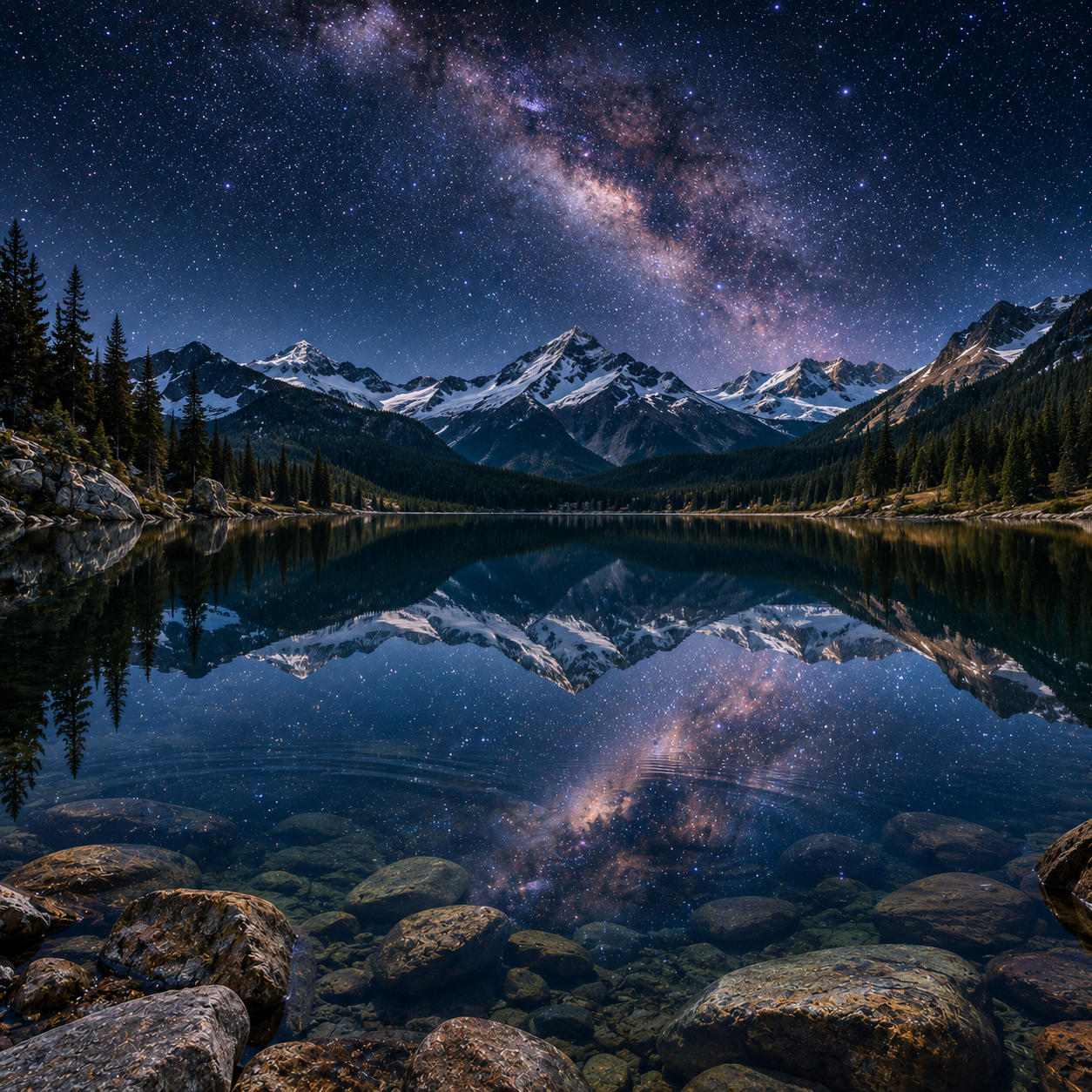
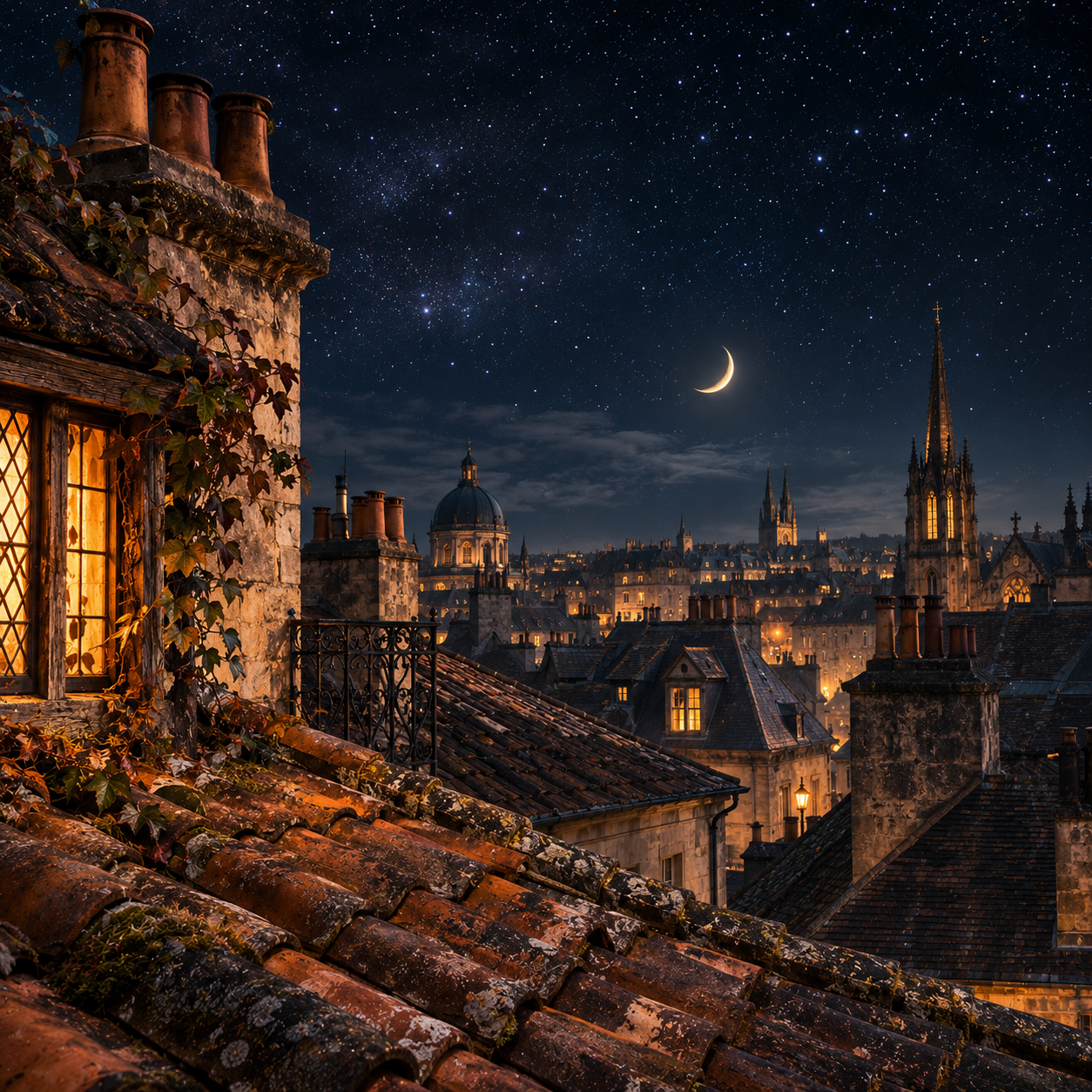
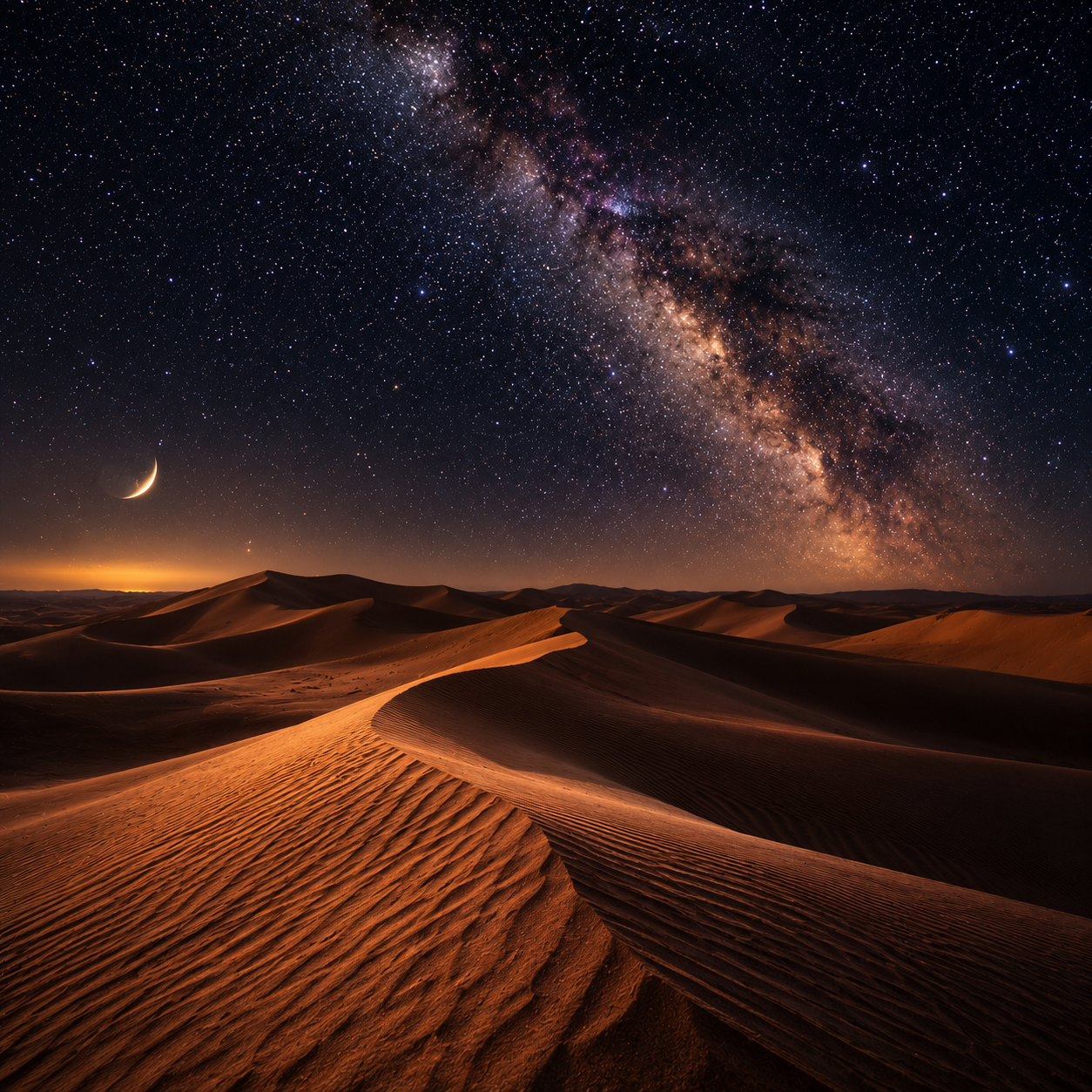
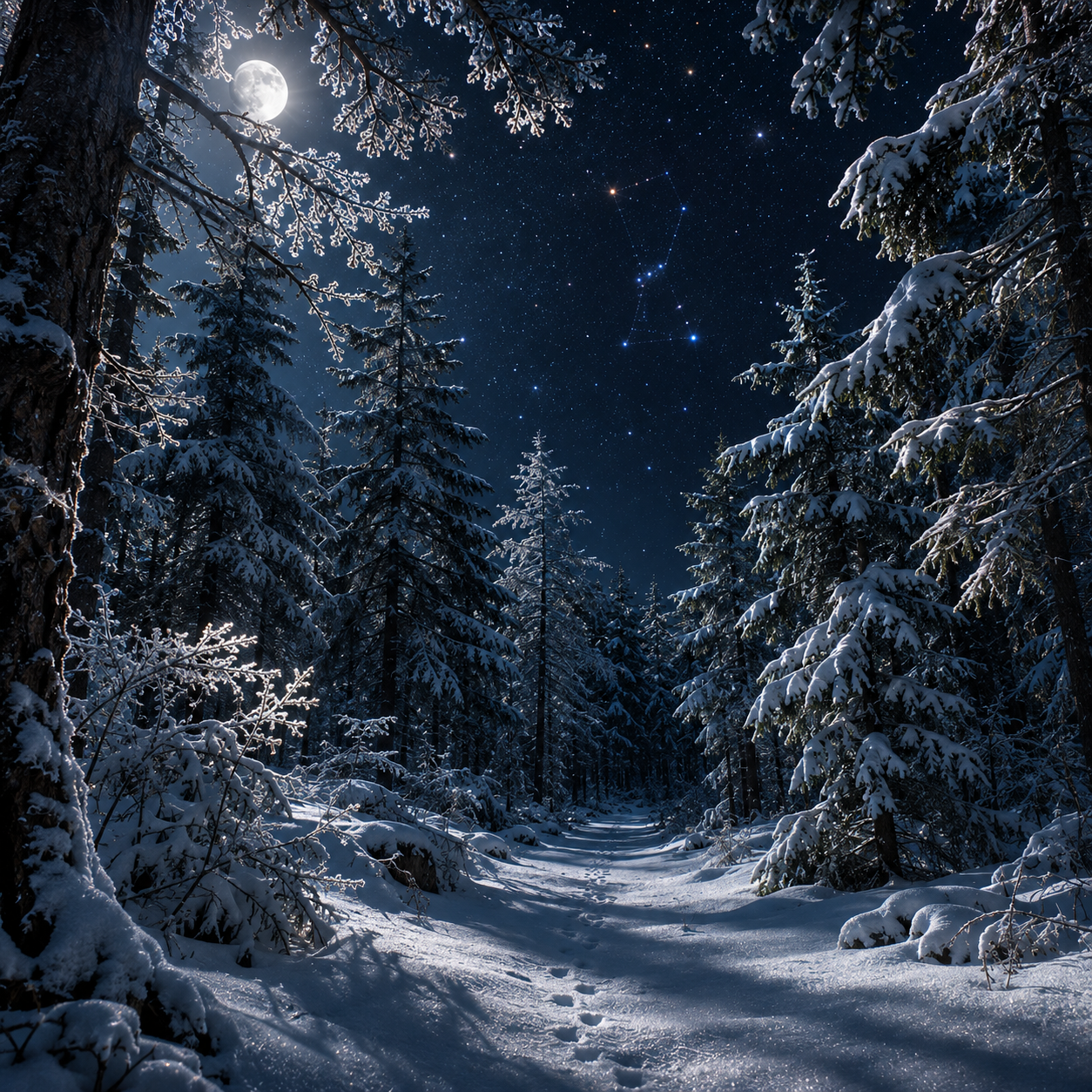
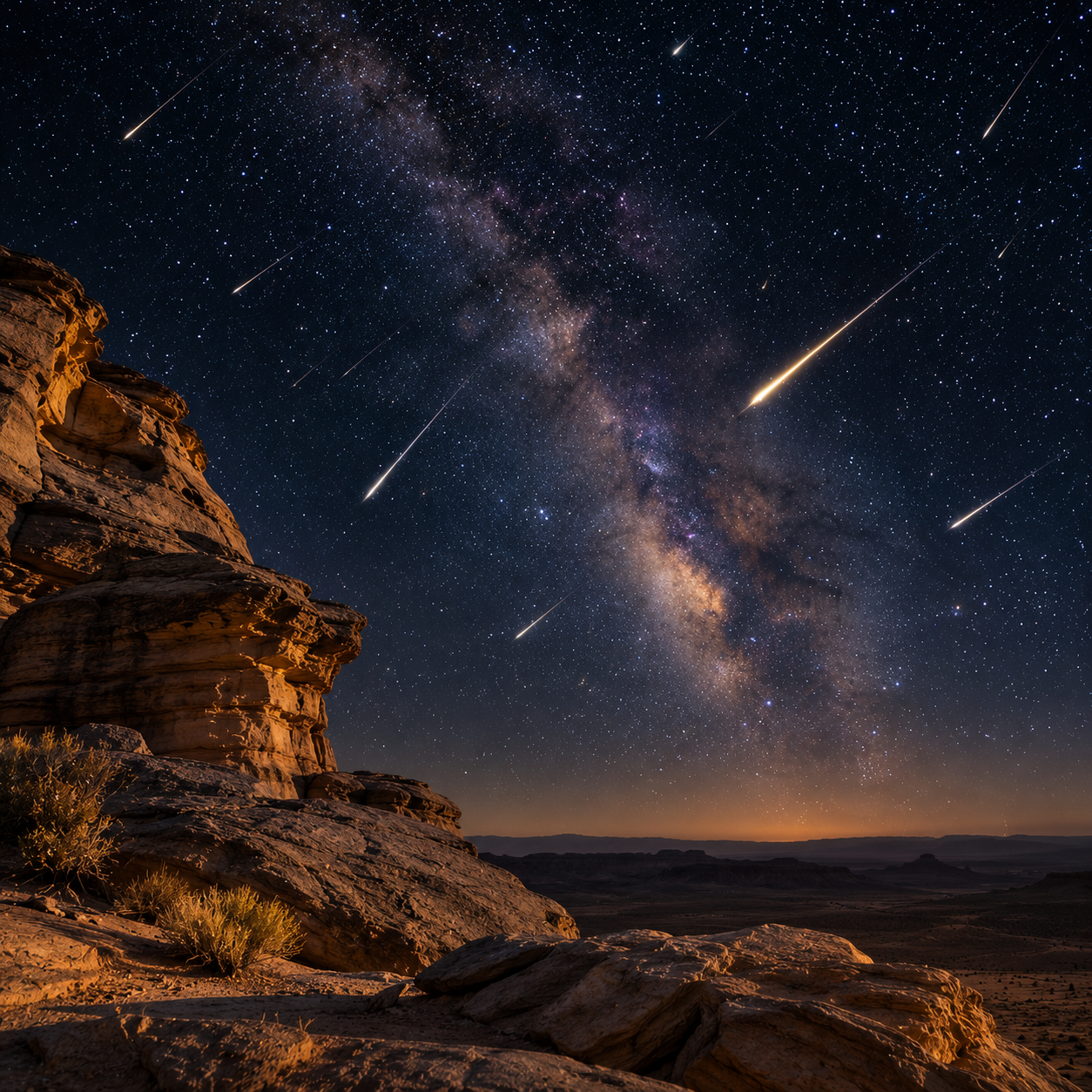
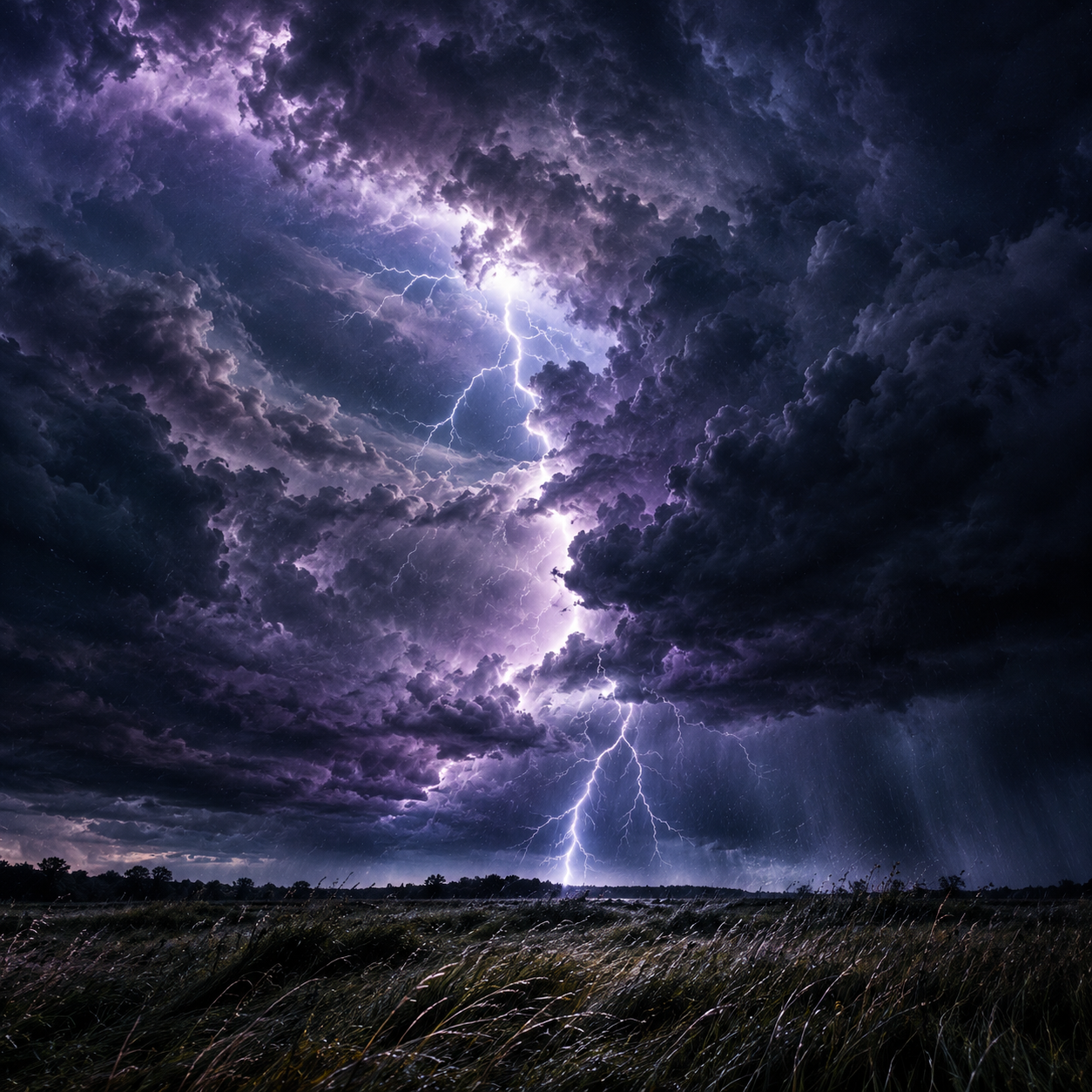
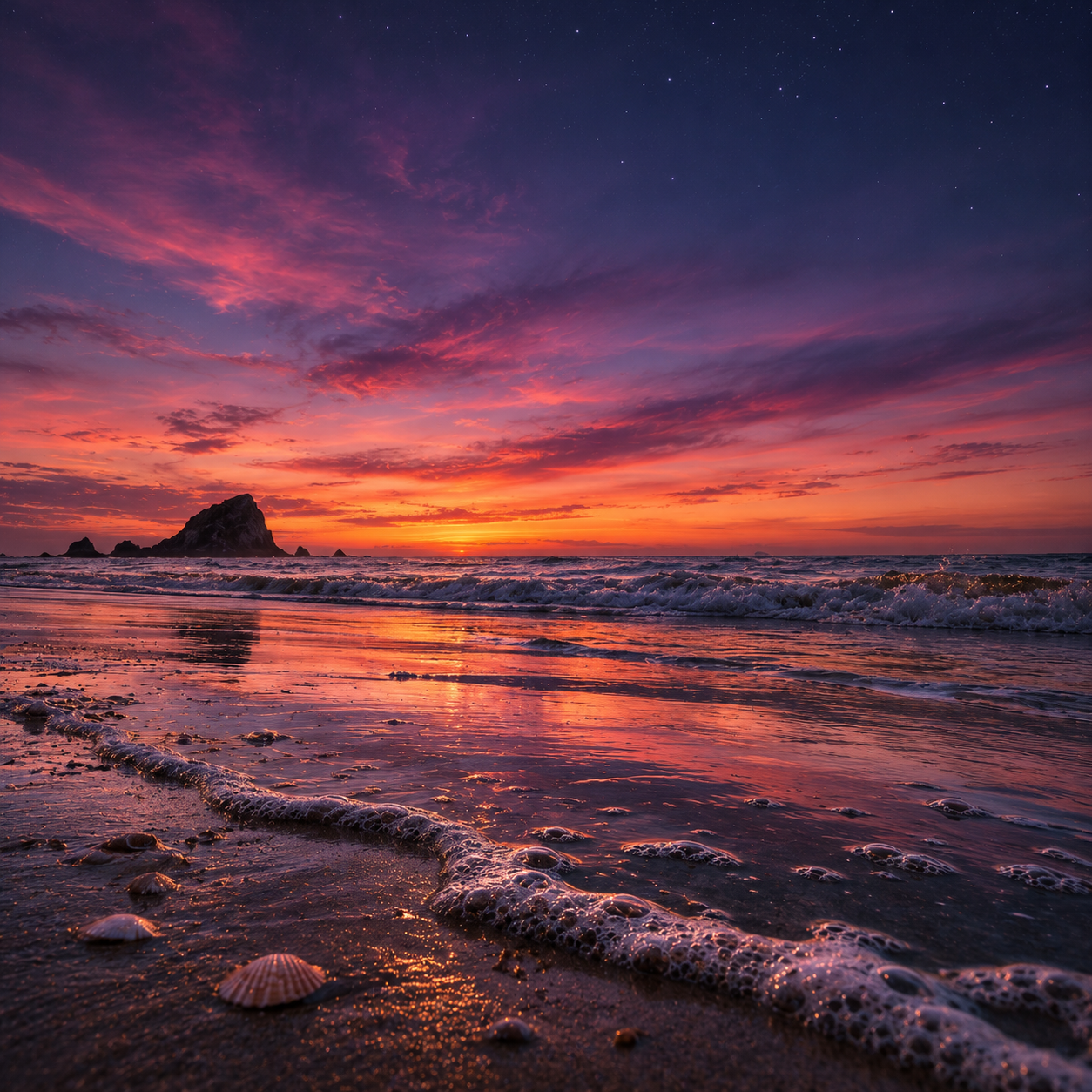
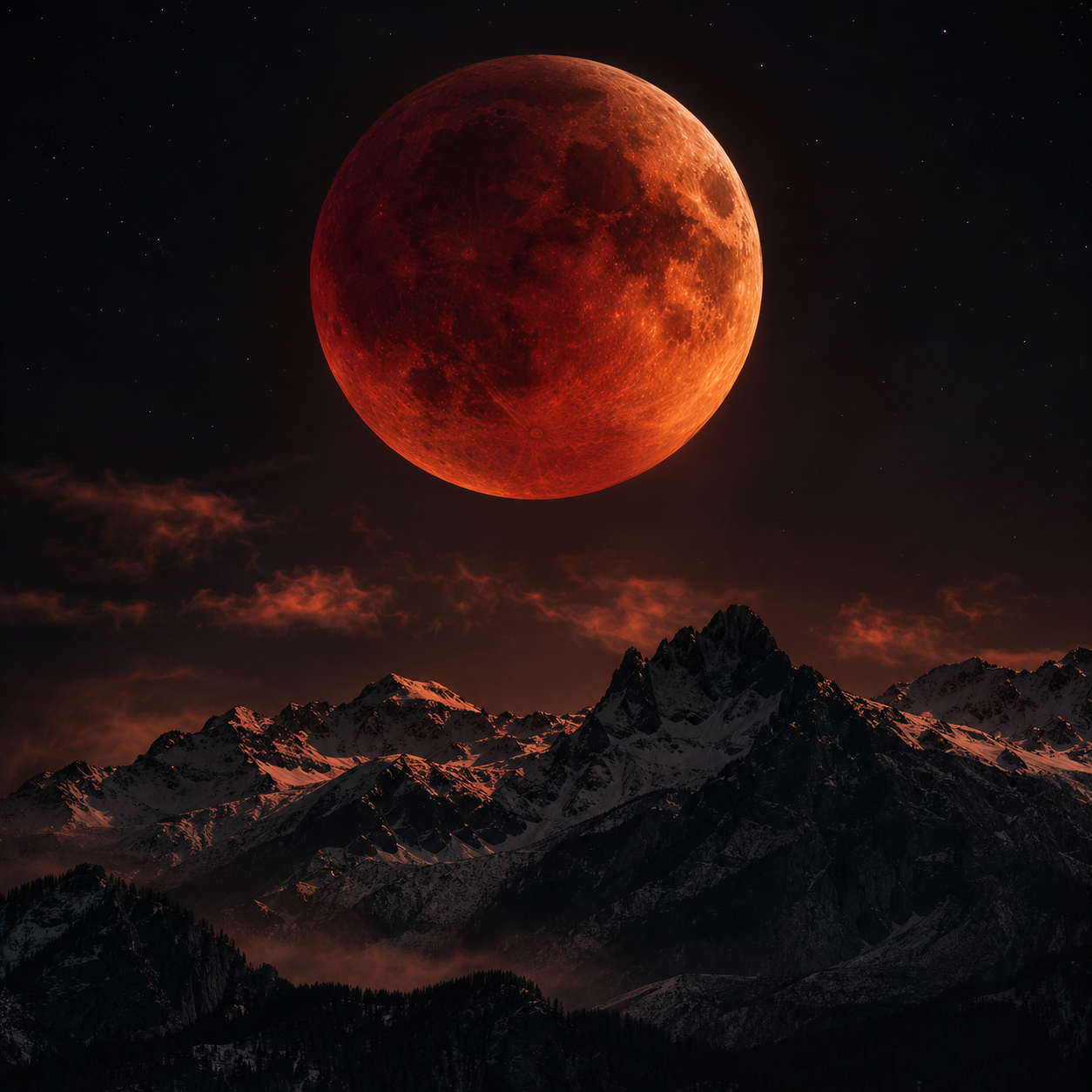
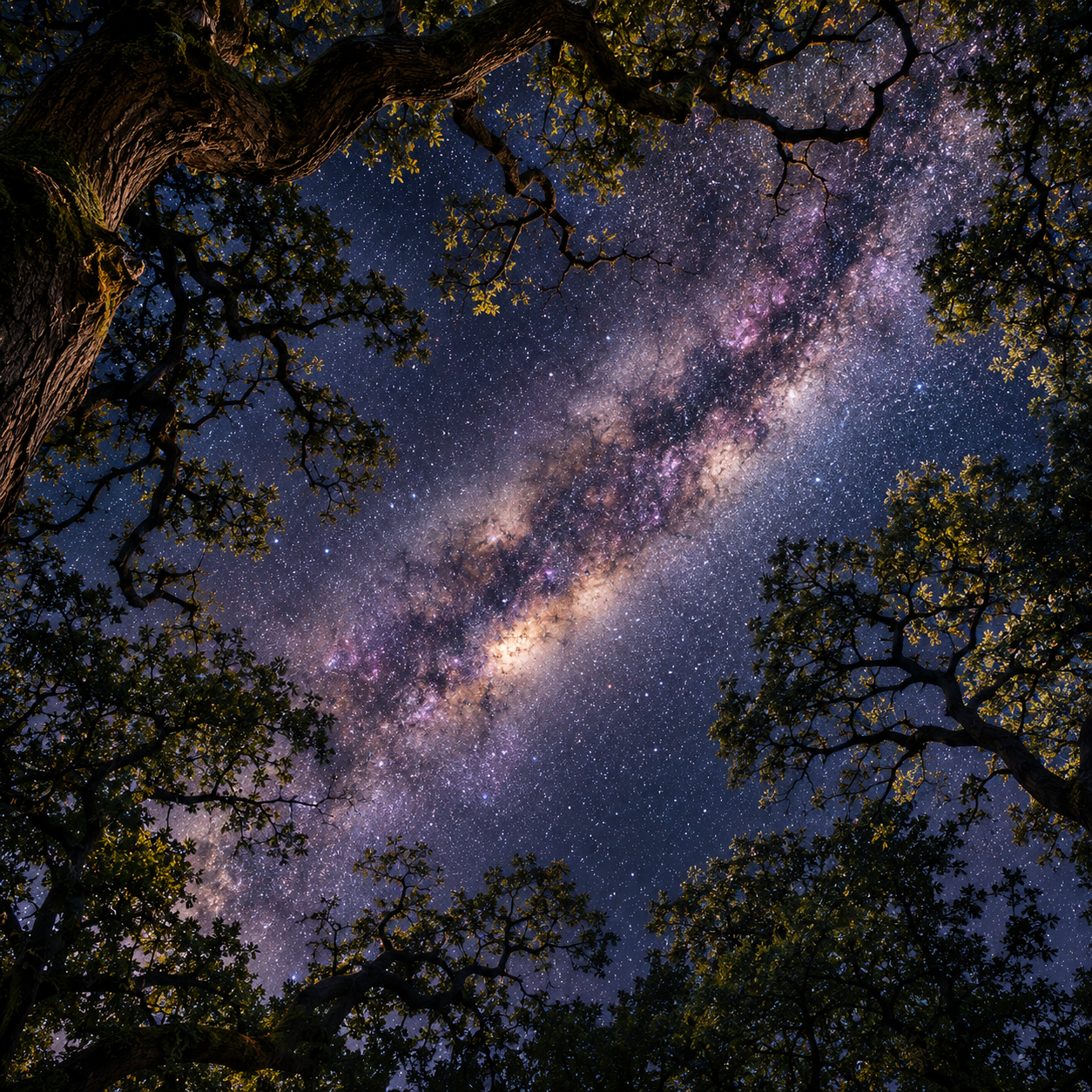
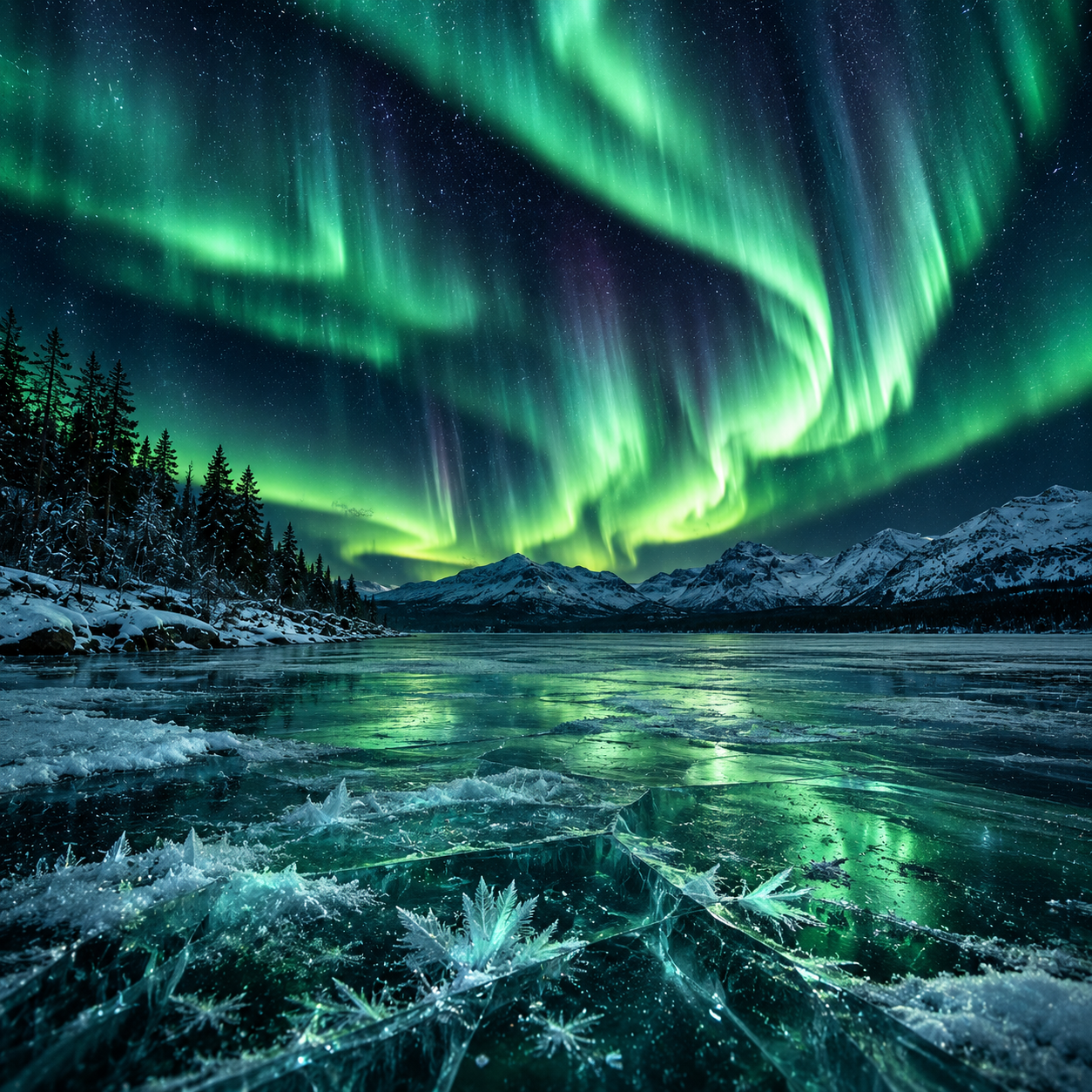
What do you notice?
What immediately draws your attention in this scene?
Which details help create the strongest atmosphere?
How do the colours, light, or shadows influence the mood?
What small details could make your description feel more realistic?
What do you think happened just before this moment?
Sensory Questions
What sounds might you hear in this scene?
What smells or scents might fill the air?
What textures or surfaces would you notice if you touched your surroundings?
How might the temperature or weather feel?
What emotions does this place make you experience?
Language Challenge
Write your description using at least one simile, one example of personification, and one piece of sensory imagery.
Writing Task
Write a vivid descriptive paragraph inspired by this image, using rich sensory detail, precise vocabulary, and figurative language to bring the scene to life. Focus on creating atmosphere rather than telling a story.
Go Deeper: How to Write Vivid Night Sky Descriptions
A memorable description of the night sky does more than identify the moon, stars or constellations. It captures the extraordinary relationship between light and darkness, distance and perspective, movement and stillness. The same celestial landscape can feel peaceful, mysterious, romantic or deeply unsettling depending on the details a writer chooses to emphasise.
Whether you're describing a familiar evening sky, a spectacular astronomical event or the heavens above an imagined world, the following techniques will help you create more precise, atmospheric and immersive descriptive writing.
Establish a Clear Viewpoint and Sense of Scale
The night sky is so immense that describing it without a clear perspective can leave readers struggling to visualise the scene. Before beginning, decide where your observer is positioned and what they can realistically see.
A sky viewed from a city balcony offers a very different experience from one observed on a remote mountainside. Buildings might restrict the view to a narrow strip of darkness, while an open landscape allows the heavens to stretch uninterrupted from horizon to horizon.
Compare:
There were thousands of stars in the enormous night sky.
Beyond the mountain ridge, the Milky Way stretched from one horizon to the other, its pale clusters of light gathering above the black silhouettes of the peaks.
The second description establishes a recognisable viewpoint and uses the mountains to communicate the apparent scale of the heavens.
Writing tip: Include one earthly reference point, such as a tree, rooftop, mountain or distant shoreline, to help readers understand the position and apparent size of celestial objects. Then direct their attention upwards towards the wider sky.
For more practice with scale, perspective and observation, explore Descriptive Writing Prompts or use Descriptive Writing Sparks to generate fresh descriptive challenges.
Describe Celestial Light Through Its Effects
Moonlight and starlight become more convincing when readers can observe how they interact with the surrounding landscape. Rather than repeatedly describing the moon as bright or the stars as beautiful, consider which surfaces catch their light and which remain concealed in darkness.
Moonlight might reveal the uneven surface of a frozen lake, illuminate the edges of drifting clouds or cast delicate shadows across a deserted garden. Even faint starlight can influence the appearance of distant hills, water and snow.
Compare:
The moon shone brightly over the forest.
Moonlight gathered along the frost-covered branches, leaving the narrow spaces between the trees untouched by its pale glow.
The second description reveals the quality of the light through its effect on a specific environment.
Writing tip: Choose two or three surfaces and consider how celestial light behaves differently upon each. Water reflects and distorts light, snow scatters it across the landscape, and dense foliage creates intricate patterns of shadow.
For more precise vocabulary, explore Darkness Vocabulary, which includes words and original examples for moonless landscapes, celestial darkness, twilight and shifting shadows.
Capture Movement in an Apparently Motionless Sky
Although the night sky often appears perfectly still, it contains countless forms of subtle and dramatic movement. Clouds drift across the moon, stars gradually change position as the hours pass, meteors briefly illuminate the darkness and the Northern Lights unfold in constantly changing formations.
Movement can give a celestial description rhythm and direction, helping readers experience a particular moment rather than simply visualise a static scene.
Compare:
The Northern Lights were green and beautiful above the mountains.
Pale green bands gathered above the northern peaks, then slowly unfolded into luminous curtains that rippled across the stars.
The second description uses a sequence of precise verbs to communicate how the display changes.
Writing tip: Consider the speed and duration of different movements. A meteor might flash across the heavens in an instant, while the moon's progress behind a distant mountain unfolds almost imperceptibly. Allow your sentence structure to reflect these differences.
For further inspiration involving celestial movement, extraordinary skies and imagined astronomical phenomena, explore Celestial Fantasy and its collection of starlit kingdoms, living constellations and magical heavens.
Use Darkness and Negative Space to Create Atmosphere
The absence of light can be just as important as its presence. A night sky concealed by thick cloud creates a different impression from one filled with thousands of stars, while the dark spaces between constellations can emphasise the apparent depth and vastness of the universe.
Consider what cannot be seen. A distant mountain range might disappear into the darkness, the boundary between sea and sky could become indistinguishable, or a familiar landscape might be reduced to a handful of silhouettes.
Compare:
The night sky was dark, and the surrounding hills were difficult to see.
Beyond the last visible ridge, the hills dissolved into the moonless horizon until earth and sky became almost impossible to distinguish.
The second description uses restricted visibility to create a stronger sense of depth and uncertainty.
Writing tip: Rather than treating darkness as a single uniform condition, explore its different qualities. Is it transparent enough to reveal distant stars, softened by clouds, interrupted by moonlight or so complete that familiar shapes disappear?
For additional techniques, explore Darkness Vocabulary, particularly its examples of impenetrable darkness, celestial night skies and atmospheric shadow.
Create Emotional Atmosphere Without Naming the Emotion
The night sky can evoke wonder, loneliness, tranquillity, romance or fear, but directly announcing these emotions often weakens the description. Instead, allow the arrangement of celestial light, surrounding landscape and sensory details to suggest how the scene feels.
A crescent moon above a quiet harbour might create a gentle, contemplative atmosphere. The same moon glimpsed through fast-moving storm clouds above an abandoned building could appear distant and unsettling.
Compare:
The starry sky made the observer feel lonely.
Above the deserted hillside, the stars burned with indifferent clarity, their distant light untouched by the silence of the landscape below.
The second description creates an impression of isolation through distance, stillness and carefully chosen vocabulary.
Writing tip: Decide which emotional quality you want the reader to experience, then select details that support it. Avoid combining too many conflicting impressions unless the contrast itself serves a clear purpose.
For more atmospheric writing inspiration, explore Celestial Poetry Prompts, which uses stars, planets, eclipses and moonlight to develop imagery around wonder, memory, mystery and the passage of time. Alternatively, Dark Poetry Prompts offers opportunities to explore isolation, uncertainty and emotional symbolism.
Make Figurative Language Reveal Something Specific
The night sky naturally invites similes, metaphors and personification, but familiar comparisons can quickly make celestial descriptions feel predictable. Stars do not always need to resemble diamonds, the moon does not have to become a silver coin, and the heavens need not be described as a velvet blanket.
Effective figurative language should reveal something distinctive about the appearance, movement or atmosphere of the scene.
Compare:
The stars sparkled like diamonds across the night sky.
Above the darkened valley, the stars gathered in uneven clusters, like distant settlements scattered across an otherwise uninhabited landscape.
The second comparison emphasises the irregular arrangement of the stars and creates an impression of immense distance.
Writing tip: Before introducing a simile or metaphor, identify the precise quality you want to communicate. Is it brightness, movement, fragility, distance, shape or scale? Choose a comparison that makes that quality easier to imagine rather than simply making the sentence more decorative.
For additional practice with figurative language, try the Creative Writing Challenge Wheel, which includes interactive exercises exploring imagery, descriptive techniques, writing constraints and sentence structure.
A Night Sky Descriptive Writing Challenge
Choose a night sky setting, real or imagined, and write a 300-word description that captures one distinctive celestial moment.
Your description must include:
A clearly established viewpoint, such as a mountain summit, bedroom window, deserted beach or remote observatory.
Three carefully selected sensory details, including at least one nonvisual sensation.
A celestial feature, such as the moon, Milky Way, meteor shower, aurora or unusual cloud formation.
A contrast between two elements of the scene, such as light and darkness, movement and stillness, or the vastness of the heavens and the smallness of the landscape.
One original example of figurative language that contributes meaningfully to the atmosphere.
Begin by establishing where the observer is positioned, then guide the reader through the scene using a deliberate sequence of details. Consider how the celestial light changes the appearance of the surrounding environment, and experiment with sentence length to reflect the pace and atmosphere of the moment.
Once you've finished, reread your description and remove any details that do not contribute to the overall impression. Replace vague descriptions of beauty or brightness with more precise observations, and consider whether the reader can recognise the atmosphere without being explicitly told how to feel.
The aim is not to describe the entire universe in 300 words. It is to capture one extraordinary moment beneath the night sky so vividly that the reader can imagine standing there, looking upwards and experiencing it for themselves.
Final Thoughts
The night sky offers endless possibilities for descriptive writing, from the delicate appearance of the first evening stars to the spectacular movement of the Northern Lights across a frozen landscape. Whether you're describing a familiar moonlit evening or an extraordinary celestial phenomenon, the most memorable writing comes from careful observation, precise vocabulary and an understanding of how light, darkness and perspective shape atmosphere.
Use these 70 night sky descriptive writing prompts to experiment with different settings, viewpoints, sensory details and language techniques. Challenge yourself to move beyond familiar descriptions of glittering stars and beautiful moons, discovering the subtle colours instead, shifting shadows and fleeting moments that make each celestial scene distinctive.
For more inspiration, explore the Descriptive Writing Hub for atmospheric prompts and practical writing exercises covering a wide variety of settings, or try Descriptive Writing Sparks, a free interactive generator designed to challenge your observation skills and descriptive vocabulary. You can also browse the Creative Writing Archive for hundreds of imaginative writing ideas, genre collections and creative challenges to inspire your next piece of writing.
Choose Your Next Adventure