Gothic literature has been unsettling readers for centuries. From the decaying mansions of Edgar Allan Poe to the haunted corridors of Shirley Jackson's Hill House, the genre has produced some of fiction's most memorable settings, disturbing characters and enduring psychological mysteries. Yet the greatest Gothic writers achieve something far more sophisticated than simply frightening their readers. They transform grief, guilt, obsession, desire and isolation into stories that linger long after the final page.
But what makes Gothic writing so effective?
How does Mary Shelley turn a scientific experiment into an exploration of ambition and moral responsibility? Why does the crumbling House of Usher feel inseparable from its inhabitants' psychological deterioration? And how does Daphne du Maurier make a dead woman an overwhelming presence throughout Rebecca?
The answer lies in understanding how Gothic authors combine atmosphere, symbolism, suspense and psychological complexity to explore the darker dimensions of human experience.
In this guide, we'll explore 10 essential writing lessons from some of Gothic literature's most influential authors, including Mary Shelley, Edgar Allan Poe, Bram Stoker, Shirley Jackson and Angela Carter.
For each author, we'll examine the techniques that make their fiction so compelling, explore what contemporary writers can learn from their work and provide a practical creative writing exercise to help you apply those lessons to your own stories.
Whether you're writing Gothic fiction, developing a supernatural mystery or experimenting with psychological horror, these literary case studies will help you create more atmospheric settings, complex characters and unsettling narratives.
The goal isn't to imitate the Gothic masters. It's to understand why their writing works — and use those lessons to create something entirely your own.
Affiliate Disclosure: This article contains affiliate links. Ink & Insights may earn a small commission from qualifying purchases at no additional cost to you.
As an Amazon Associate I earn from qualifying purchases.
What Makes Great Gothic Writing?
Great Gothic writing creates a sense of unease that extends far beyond the appearance of ghosts, monsters or supernatural events. Its power lies in the relationship between atmosphere, psychological conflict and uncertainty, transforming familiar places, ordinary experiences and recognisable human emotions into sources of fear.
A Gothic story doesn't necessarily need a crumbling castle, an isolated mansion or a terrifying apparition to be effective. A seemingly ordinary family home can become deeply unsettling when its inhabitants conceal a disturbing secret. A character's growing obsession can be more frightening than any supernatural creature, while an unexplained sound or an unanswered question can sustain tension long after a more obvious threat has disappeared.
What matters is how the different elements of Gothic fiction work together to create an emotional experience that feels both disturbing and meaningful.
1. Atmosphere Creates Emotional Unease
Atmosphere is one of the defining characteristics of Gothic literature, but effective atmospheric writing involves more than describing dark corridors, stormy weather or decaying buildings.
The strongest Gothic authors use setting to influence how readers interpret events and understand the characters experiencing them.
In Edgar Allan Poe's The Fall of the House of Usher, the decaying mansion reflects the physical and psychological deterioration of the Usher family. Its oppressive architecture, unsettling surroundings and visible structural damage contribute to an atmosphere in which the building itself seems inseparable from the story's central horror.
Similarly, Shirley Jackson's The Haunting of Hill House transforms an isolated mansion into a psychologically disturbing environment through its unusual architecture, oppressive interiors and the increasingly uncertain experiences of its inhabitants.
In both works, setting becomes an active influence upon the narrative rather than a decorative backdrop.
For Gothic writers, the important question is not simply what a location looks like, but how it makes characters and readers feel. Consider how darkness obscures familiar objects, how silence draws attention to unexpected sounds or how a seemingly welcoming room might contain one detail that feels inexplicably wrong.
The most effective Gothic settings create unease before anything overtly frightening occurs.
2. Psychological Conflict Drives Gothic Horror
Some of Gothic literature's most disturbing stories are rooted in recognisable human emotions: guilt, jealousy, grief, obsession, shame, desire and the fear of losing control.
These internal conflicts become especially powerful when they influence how characters perceive and respond to the world around them.
In Mary Shelley's Frankenstein, Victor Frankenstein's ambition and desire to overcome the limitations of human knowledge lead him to create a living being. Yet his horror at his own achievement, followed by his rejection of the creature, transforms an extraordinary scientific experiment into a tragedy driven by responsibility, isolation and moral failure.
In Daphne du Maurier's Rebecca, the unnamed narrator's insecurity and growing obsession with her husband's deceased first wife create an atmosphere of psychological oppression. Rebecca's continued influence is felt through memories, possessions, relationships and the imposing domestic environment of Manderley.
Neither story depends entirely upon supernatural terror. Instead, the characters' emotional vulnerabilities become central to the unfolding horror.
This is an important distinction for writers developing Gothic characters.
A frightening event becomes more compelling when it threatens something the character already fears losing. A mysterious visitor might exploit someone's guilt, an isolated house could intensify an existing obsession, or an apparently supernatural encounter might force a character to confront a truth they have spent years avoiding.
Great Gothic fiction doesn't simply place characters in frightening situations. It explores why those situations are particularly frightening to them.
3. Uncertainty Makes the Familiar Frightening
One of the most effective techniques in Gothic literature is the deliberate withholding of certainty.
Readers may struggle to determine whether a supernatural presence is genuine, whether a narrator can be trusted or whether an apparently innocent character is concealing something sinister.
This uncertainty encourages readers to question their own interpretations, creating a form of suspense that can be more disturbing than an explicitly revealed threat.
Henry James's The Turn of the Screw demonstrates the power of ambiguity through a governess whose experiences raise questions about supernatural encounters, psychological instability and the reliability of her interpretation of events.
In The Haunting of Hill House, Shirley Jackson similarly blurs the boundaries between supernatural phenomena and psychological experience. Eleanor's increasingly complicated relationship with the house makes it difficult to separate external events from her emotional vulnerabilities.
These narratives are compelling because they resist simple explanations.
For Gothic writers, uncertainty can emerge through small, carefully controlled details. A character might hear footsteps in an empty house, discover an object that appears to have moved or encounter someone who remembers an event differently.
Rather than immediately explaining what happened, allow competing possibilities to develop.
Perhaps the character is mistaken. Perhaps someone is deliberately deceiving them. Or perhaps something genuinely impossible has occurred.
The important principle is that uncertainty should deepen the story's emotional and psychological tensions rather than simply confuse the reader.
Ultimately, great Gothic writing emerges when atmosphere, psychological conflict and uncertainty reinforce one another. A disturbing setting becomes more powerful when it reflects a character's fears. A supernatural mystery becomes more compelling when its explanation threatens the character's understanding of themselves. And a seemingly ordinary event can become terrifying when the reader no longer knows what to believe.
The following ten Gothic authors demonstrate different approaches to these techniques, offering practical lessons in everything from constructing morally complicated monsters and psychologically oppressive settings to developing unreliable narrators, haunting symbolism and unforgettable supernatural suspense.
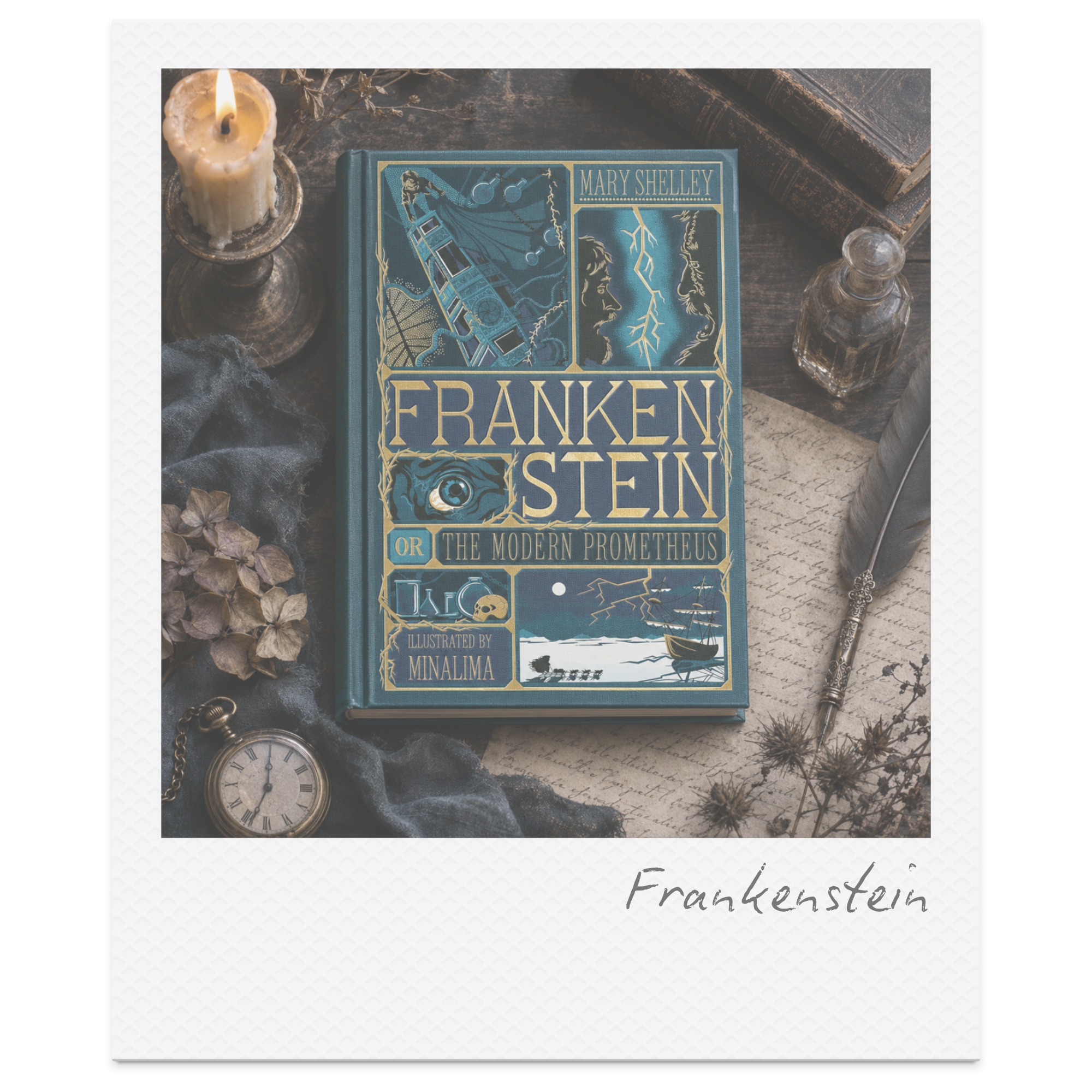
1. Mary Shelley — Frankenstein: Make Your Monsters Morally Complicated
What Is Frankenstein About?
Mary Shelley's Frankenstein; or, The Modern Prometheus follows Victor Frankenstein, an ambitious young scientist whose obsession with discovering the secret of life leads him to create a living being from assembled human remains. However, when his experiment succeeds, Victor is horrified by his creation's appearance and abandons it, refusing to accept responsibility for the life he has brought into existence.
Left to navigate an unfamiliar and hostile world alone, the creature initially seeks companionship, affection and acceptance. Yet his frightening appearance provokes fear and rejection, gradually transforming his loneliness into resentment and a desire for revenge. As creator and creation become trapped in an increasingly destructive relationship, Shelley explores the consequences of unchecked ambition, isolation and moral irresponsibility, raising the disturbing question of whether monstrosity is determined by physical appearance or human behaviour.
Exploring Frankenstein: The Monster as a Reflection of Human Failure
One of Shelley's greatest achievements in Frankenstein is her refusal to present monstrosity as a simple distinction between good and evil. Victor initially appears to embody the respectable, educated scientist, driven by intellectual curiosity and the desire to overcome the limitations of human knowledge. Yet his ambition gradually overwhelms his moral judgement, leading him to neglect his relationships and ultimately abandon the being he has created. His rejection is particularly disturbing because the creature has done nothing to deserve it; Victor recoils from its appearance rather than its behaviour, revealing a profound contradiction between his scientific achievements and his capacity for compassion.
The creature, meanwhile, initially demonstrates qualities that readers might associate with humanity rather than monstrosity. Through his observations of the De Lacey family, he develops language, empathy and an understanding of human relationships, longing for the affection and companionship he witnesses. However, his attempts to approach others repeatedly end in fear and violence, exposing the cruelty that can emerge when individuals judge others according to appearance. Shelley challenges readers to reconsider their assumptions about what makes someone monstrous, presenting a frightening figure whose earliest desires are recognisably human.
As the creature experiences further rejection, his suffering develops into bitterness and revenge. Shelley does not excuse his increasingly violent actions, but she allows readers to understand the experiences that have contributed to his transformation. Victor is similarly complicated, capable of grief and remorse despite his profound irresponsibility. Both characters become consumed by isolation and obsession, creating a disturbing parallel between creator and creation. Their conflict becomes more than a struggle between a scientist and a monster; it exposes the destructive consequences of abandonment, prejudice and the refusal to accept responsibility.
Shelley's use of multiple narrators reinforces this moral uncertainty. By allowing the creature to recount his own experiences alongside Victor's account, she presents competing perspectives that complicate the reader's judgement. The result is a Gothic novel in which neither character can be classified as entirely innocent or entirely monstrous. The true horror of Frankenstein lies not simply in the creation of unnatural life, but in the recognisably human failures that transform suffering into cruelty.
What Can Gothic Writers Learn from Shelley?
The central lesson from Frankenstein is that Gothic monsters become more compelling when their frightening qualities exist alongside understandable motivations, recognisable emotions and genuine moral contradictions. Rather than creating an antagonist who is simply evil, writers can develop characters whose experiences and desires complicate the reader's response.
Give your monster a recognisable emotional need.
Shelley's creature initially desires companionship and acceptance rather than destruction. Gothic writers can create similar emotional complexity by giving frightening characters understandable motivations. A ghost might desperately want to be remembered, an immortal figure could fear abandonment, or a sinister recluse might conceal a terrible secret to protect someone they love. These desires do not make a character harmless, but they allow readers to recognise the vulnerability beneath their threatening behaviour.
Create a contradiction between appearance and behaviour.
The creature's frightening exterior conceals an initially compassionate nature, while Victor's respectable appearance disguises his capacity for cruelty and neglect. Writers can challenge similar assumptions by creating beautiful characters who behave monstrously, intimidating figures who demonstrate unexpected kindness or respected authority figures whose actions reveal disturbing moral weaknesses. Such contradictions encourage readers to question their initial judgements and create opportunities for unsettling revelations.
Allow suffering to explain behaviour without excusing cruelty.
The creature's experiences of rejection help explain his eventual violence, but they do not justify the suffering he inflicts upon others. This distinction is essential when developing morally complicated antagonists. Consider how betrayal, grief or abandonment might influence a character's decisions while allowing them to remain responsible for their actions. A tragic history becomes more meaningful when it creates genuine moral conflict rather than serving as an automatic explanation for evil.
Connect the monster to the protagonist's own weaknesses.
Victor and his creation are bound together by ambition, abandonment, responsibility and revenge, and their increasingly similar behaviour makes their conflict psychologically compelling. Gothic writers can use antagonists to expose uncomfortable truths about their protagonists. A haunting might reflect concealed guilt, a supernatural creature could embody a suppressed desire, or a monstrous figure might represent the consequences of a terrible decision. By connecting external horror to internal conflict, writers can create stories in which the monster threatens more than the protagonist's physical safety.
Ultimately, Shelley demonstrates that the most memorable Gothic monsters reveal something disturbing about human nature. Their power comes not simply from their frightening appearances or violent actions, but from the uncomfortable recognition that their desires, weaknesses and moral failures are often deeply human.
Try It Yourself: Create a Morally Complicated Gothic Monster
Imagine a Gothic story featuring a character or supernatural being whom the surrounding community considers monstrous.
Your character might be a disfigured recluse, an artificial creation, a ghost, an immortal figure, a mysterious stranger or an ordinary person whose behaviour has inspired disturbing rumours.
Rather than beginning with their frightening appearance or supernatural abilities, develop the emotional and moral contradictions that make them interesting.
Answer the following questions:
What makes the character frightening? Consider their appearance, abilities, reputation, behaviour or the disturbing circumstances surrounding their existence.
What do they desperately want? Identify a recognisable emotional need, such as companionship, freedom, recognition, forgiveness, belonging or revenge.
What experience shaped their behaviour? Develop a significant event involving rejection, abandonment, betrayal, grief, humiliation or injustice.
What admirable quality do they possess? Give the character an unexpected capacity for tenderness, loyalty, intelligence, generosity, courage or compassion.
What genuinely terrible choice have they made? Introduce an action that cannot be dismissed simply because the character has suffered.
Who bears responsibility for their circumstances? Consider whether another character, family, institution or community contributed to their transformation.
How does the protagonist resemble the monster? Identify a shared fear, desire, weakness or moral failing that connects the two characters.
Once you've established these details, write two short scenes.
In the first, introduce your monstrous character through the perspective of someone who fears them. Use appearance, atmosphere, rumours and unsettling behaviour to establish a threatening impression.
In the second, describe the same character during a private moment when nobody is watching.
Perhaps they carefully preserve a damaged photograph, attempt to repair a broken toy, speak to someone who has died or perform an unexpected act of kindness.
Avoid making the character suddenly harmless or revealing that their frightening reputation is entirely undeserved.
Instead, introduce a contradiction that complicates the reader's initial judgement.
The aim is to create a Gothic figure who can inspire fear and sympathy simultaneously, encouraging readers to question whether monstrosity is determined by appearance, circumstance, intention or choice.
Explore the Book
Discover the ambition, tragedy and moral complexity of Mary Shelley's Frankenstein, one of Gothic literature's most influential novels and an extraordinary example of how a frightening creation can become a vehicle for exploring responsibility, rejection and human nature.
The beautifully illustrated MinaLima edition offers a distinctive way to experience this Gothic classic, with intricate artwork and interactive design elements that complement Shelley's unsettling story.
Explore Frankenstein: MinaLima Edition on Amazon — paid link
Explore Further with Ink & Insights
Inspired by Mary Shelley's morally complicated creature? Explore our How to Describe a Sinister Character guide for practical techniques to develop unsettling appearances, disturbing behaviour, psychological contradictions and characters whose true intentions remain uncertain.
For more inspiration, discover Figurative Language for Death and Decay, featuring atmospheric language and original examples for describing physical deterioration, mortality, corruption and the unsettling boundary between life and death.
You can also explore The Resurrection Collection, an immersive Gothic Storyworld Archive inspired by nineteenth-century Edinburgh, anatomical investigation and the disturbing relationship between scientific ambition and human mortality. Through historical documents, mysterious artefacts and conflicting accounts, writers can investigate a world where the pursuit of knowledge raises troubling moral questions — and where every discovery offers the possibility of an entirely new story.
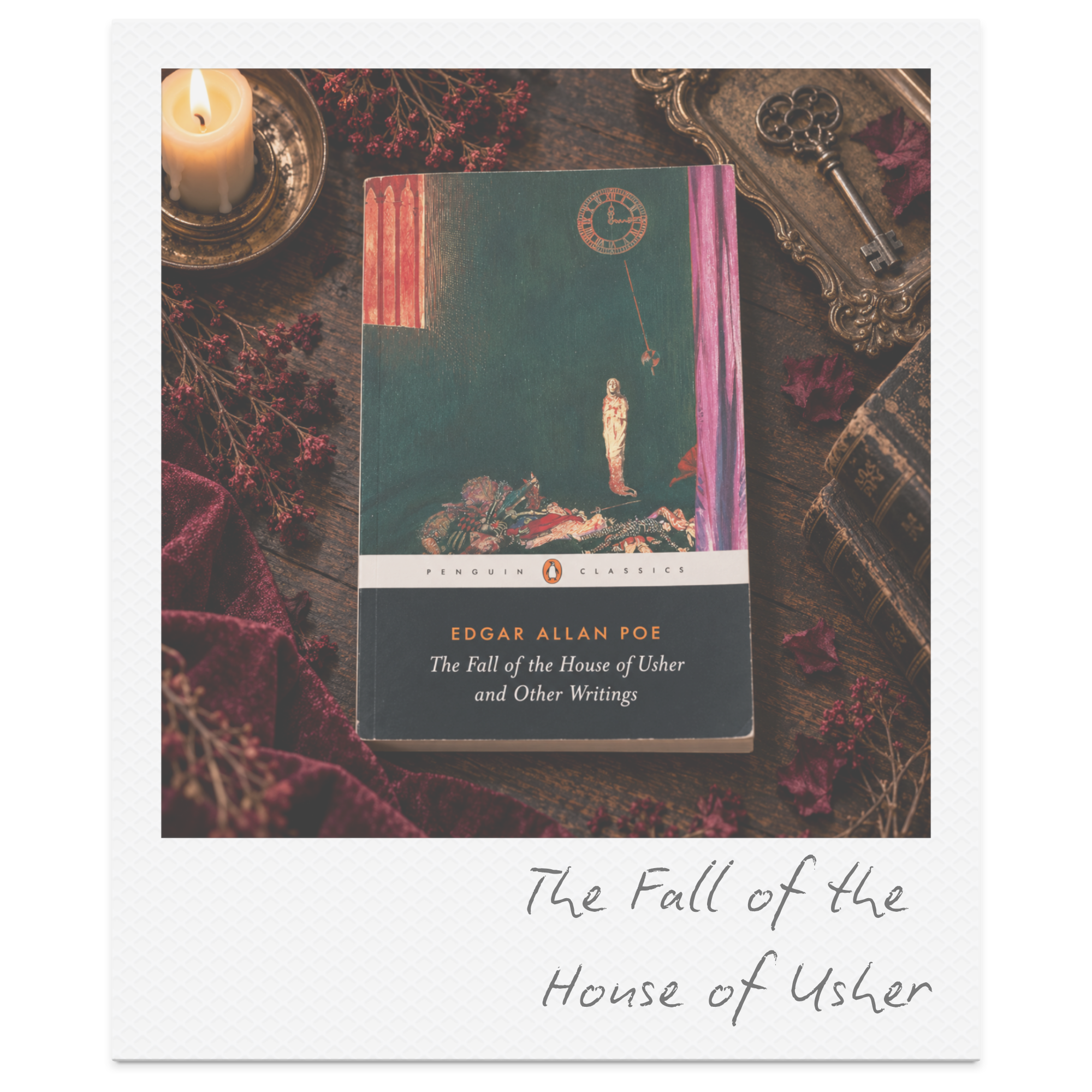
2. Edgar Allan Poe — The Fall of the House of Usher: Make Setting Reflect Psychological Deterioration
What Is The Fall of the House of Usher About?
Edgar Allan Poe's The Fall of the House of Usher follows an unnamed narrator who visits his childhood friend, Roderick Usher, after receiving a troubling letter describing his deteriorating health. Upon arriving at the ancestral mansion, the narrator is immediately disturbed by its decaying appearance, oppressive atmosphere and dark reflection in the surrounding tarn. Inside, he discovers that Roderick is suffering from extreme nervous sensitivity and psychological distress, while his twin sister, Madeline, is gravely ill.
As the narrator attempts to comfort his friend, he becomes increasingly affected by the house's unsettling atmosphere and Roderick's conviction that the building itself possesses a mysterious influence over its inhabitants. Following Madeline's apparent death and temporary entombment beneath the mansion, strange sounds and disturbing events culminate in a terrifying revelation. Poe's story explores the relationship between isolation, inherited decline and psychological deterioration, transforming a decaying ancestral home into a powerful symbol of the family's approaching destruction.
Exploring The Fall of the House of Usher: When Setting Reflects the Mind
One of Poe's greatest achievements in The Fall of the House of Usher is his transformation of the Gothic mansion into a reflection of its inhabitants' psychological condition. From the opening paragraphs, the building appears to possess an oppressive emotional influence, with its vacant windows, crumbling stonework, decaying surroundings and dark reflection in the tarn creating an atmosphere of profound melancholy. The narrator experiences an immediate sensation of dread that he struggles to explain, suggesting that the setting affects him on a psychological level before anything explicitly supernatural occurs. Rather than functioning as a decorative backdrop, the mansion becomes inseparable from the story's central horror.
Poe strengthens this connection through the relationship between Roderick Usher and his ancestral home. Roderick's extreme sensitivity to light, sound and other sensory experiences makes ordinary surroundings almost unbearable, while his conviction that the mansion possesses a form of consciousness reflects his increasingly unstable state of mind. The building's oppressive interiors, isolated location and atmosphere of decay mirror his emotional deterioration, creating uncertainty about whether the house genuinely influences its inhabitants or whether Roderick's psychological condition shapes his interpretation of the environment. This ambiguity allows the setting to function simultaneously as a physical location, a symbolic representation of mental distress and a possible supernatural presence.
The mansion also represents the decline of the Usher family itself. Poe's title carries a deliberate double meaning, referring to both the ancestral building and the hereditary line associated with it. Roderick and Madeline, the last surviving members of the direct family line, are closely connected through illness, isolation and their shared inheritance. The narrow fissure visible in the mansion's exterior becomes particularly significant, foreshadowing the family's eventual destruction. When the building finally collapses into the tarn, its physical deterioration mirrors the extinction of the Usher bloodline, bringing the story's architectural and psychological symbolism together in a single catastrophic image.
Poe also uses the narrator's changing perception to intensify the atmosphere. Initially disturbed by Roderick's unusual beliefs, the narrator gradually becomes susceptible to the same sense of dread, particularly as strange sounds and unexplained events begin to occur. During the climactic storm, his reading of a fictional romance appears to correspond with noises emerging from elsewhere in the mansion, blurring the boundaries between imagination and reality. The true power of Poe's setting lies in its uncertainty: readers cannot entirely determine whether the house is a supernatural force, a reflection of psychological deterioration or both. By connecting architecture, atmosphere and character so closely, Poe creates a Gothic environment that seems to embody the fears of those trapped within it.
What Can Gothic Writers Learn from Poe?
The central lesson from The Fall of the House of Usher is that Gothic settings become more powerful when their physical characteristics reflect the emotional and psychological conflicts within the story. Rather than relying solely upon darkness, decay or isolation to create atmosphere, writers can develop environments that reveal something meaningful about their characters.
Make the physical environment reflect a character's inner state.
The Usher mansion's decaying architecture and oppressive atmosphere mirror Roderick's psychological deterioration. Writers can create similar connections by identifying a character's dominant emotional conflict and developing a setting that reflects it. A character overwhelmed by guilt might inhabit a house filled with concealed rooms and inaccessible spaces, while someone struggling with grief could live among neglected possessions and rooms that have remained untouched for years. These details allow the environment to communicate emotional information without requiring direct explanation.
Use sensory details to create psychological discomfort.
Poe's descriptions combine visual decay with oppressive silence, unsettling sounds and Roderick's extreme sensitivity to ordinary sensations. Gothic writers can use sensory details to reveal how a character's emotional state influences their experience of a location. Someone experiencing paranoia might become unusually aware of distant footsteps or irregular tapping, while a grieving character could find the scent of an old perfume almost unbearable. When sensory experiences connect to personal memories or fears, ordinary environmental details become sources of psychological tension.
Allow setting to influence character behaviour and perception.
Roderick's belief that the mansion possesses a mysterious influence contributes to his growing distress, while the narrator gradually becomes affected by the same atmosphere. This demonstrates how a setting can shape the choices and interpretations of characters within a story. An isolated building might intensify suspicion, unfamiliar corridors could undermine someone's sense of direction, or a particular room might provoke memories a character has attempted to suppress. By allowing the environment to influence behaviour, writers can make their settings active elements of the narrative.
Use recurring details to foreshadow psychological collapse.
The narrow fissure in the mansion's exterior initially appears insignificant but becomes a powerful symbol when the building finally collapses. Gothic writers can introduce similar details that gradually acquire greater meaning as the story progresses. A small stain might spread across a bedroom ceiling, a locked door could begin opening without explanation, or a crack in a mirror might widen whenever a character confronts a disturbing memory. These recurring details create anticipation while reinforcing the connection between physical deterioration and psychological conflict.
Ultimately, Poe demonstrates that a Gothic setting becomes most unsettling when it appears to reflect, intensify or expose the fears of its inhabitants. By making the Usher mansion inseparable from Roderick's psychological condition, he transforms an isolated house into a powerful expression of the story's central themes.
Try It Yourself: Create a Gothic Setting That Reflects Psychological Deterioration
Imagine a Gothic story in which a character returns to a place associated with a painful memory, unresolved conflict or deeply concealed secret. The location might be an ancestral mansion, an abandoned school, a neglected family home, a remote hotel or an isolated coastal property.
Rather than beginning with a frightening event, develop the relationship between the character's emotional condition and the physical environment. Consider how the setting might reflect their fears, influence their behaviour or gradually undermine their understanding of reality.
Answer the following questions:
What psychological conflict is your character experiencing? Identify a dominant emotion or unresolved experience, such as guilt, grief, paranoia, obsession or fear.
What location reflects this conflict? Choose a building or environment connected to the character's past, identity or emotional state.
Which physical details symbolise their deterioration? Consider cracked walls, warped floors, inaccessible rooms, damaged windows or other signs of neglect.
What sensory details create discomfort? Develop unsettling sounds, smells, textures, temperatures or lighting conditions that intensify the character's emotional vulnerability.
How does the setting influence their behaviour? Consider whether the character avoids particular rooms, experiences disturbing memories or begins to believe the building possesses intentions of its own.
What recurring detail will foreshadow the climax? Introduce a seemingly minor feature that gradually changes or acquires greater significance.
What remains uncertain about the setting? Decide whether the building genuinely possesses supernatural qualities or whether its apparent influence might be explained through the character's psychological condition.
Once you've established these details, write two short scenes.
In the first, introduce your character as they approach or enter the location. Describe the setting through their perspective, allowing architectural features and sensory details to establish an atmosphere of unease. Avoid revealing their psychological conflict immediately; instead, suggest it through the details they notice and their emotional reactions to apparently ordinary features of the environment.
In the second, return to the same location after the character's psychological condition has worsened. Use several of the same descriptive details, but alter their significance through changes in the character's perception or the building itself. Perhaps a previously unnoticed crack has spread across a wall, an ordinary sound has become threatening or a familiar room now appears subtly different.
Avoid explaining whether these changes are genuinely occurring or whether the character's emotional state has transformed their perception. Instead, allow the uncertainty to deepen the reader's sense of unease.
The aim is to create a Gothic environment that communicates psychological deterioration without relying upon direct statements about the character's mental condition. Your reader should begin to wonder whether the building is reflecting the character's fears, intensifying them or somehow bringing them into existence.
Explore the Book
Discover Edgar Allan Poe's extraordinary use of atmosphere, symbolism and psychological horror in The Fall of the House of Usher and Other Writings, published as part of the Penguin Classics collection. This edition brings together some of Poe's most influential Gothic writing, offering an opportunity to explore the techniques that helped establish his reputation as one of the genre's defining authors.
For writers interested in developing oppressive settings, psychologically complex characters and unsettling narrative ambiguity, Poe's stories provide invaluable examples of how carefully controlled description can transform ordinary physical details into sources of extraordinary dread.
Explore The Fall of the House of Usher and Other Writings on Amazon — paid link
Explore Further with Ink & Insights
If Poe's oppressive mansion has inspired you to develop a more psychologically disturbing setting, explore How to Describe a Haunted House: Sensory Writing Guide, which examines how sight, sound, smell, touch and other sensory details can transform an ordinary building into an unsettling Gothic environment. Discover original descriptive examples and practical techniques for developing haunted interiors, abandoned mansions and settings that reflect a character's emotional vulnerability.
For more atmospheric inspiration, discover How to Create an Eerie Atmosphere in Gothic Writing, featuring ten techniques for developing psychological unease, manipulating sensory information and creating the impression that something is profoundly wrong before any explicit threat appears. You can also explore Gothic Descriptive Writing: 30 Atmospheric Examples with Analysis for original passages demonstrating how architecture, symbolism and carefully controlled description can establish suspense and emotional tension.
If you want to develop an original setting inspired by Poe's ancestral mansion, explore Gothic Manor Names for atmospheric estates, ruined halls and decaying family homes, or browse Cursed Families for story ideas involving inherited secrets, doomed bloodlines and the lingering consequences of the past. Both collections offer inspiration for creating Gothic environments where architecture and family history become inseparable.
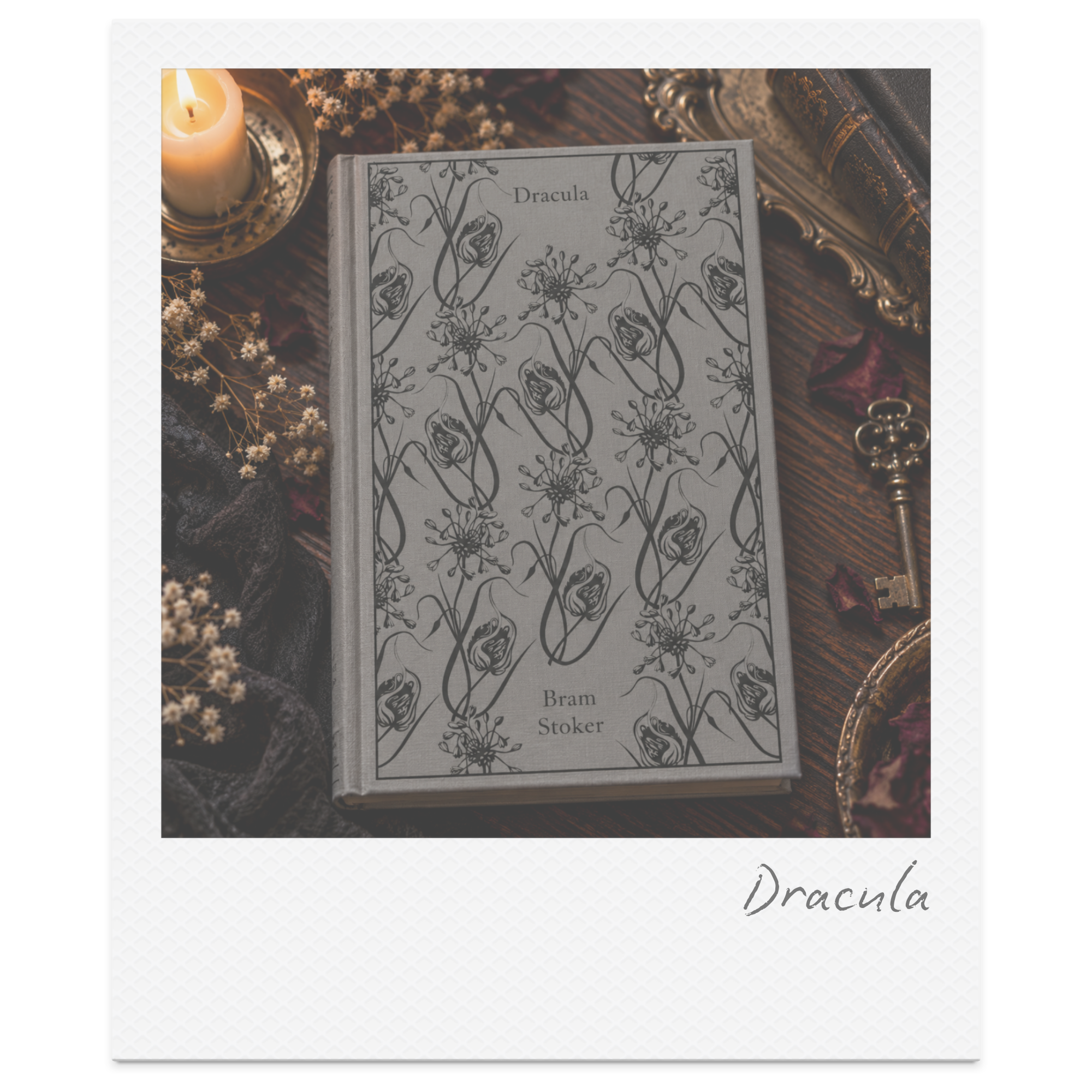
3. Bram Stoker — Dracula: Build Suspense Through Fragmented Narratives
What Is Dracula About?
Bram Stoker's Dracula follows Jonathan Harker, a young English solicitor who travels to Transylvania to assist the mysterious Count Dracula with a property purchase in England. Initially impressed by his aristocratic host, Jonathan gradually discovers that he is a prisoner in Dracula's castle and that the Count possesses terrifying supernatural abilities. Meanwhile, back in England, a series of disturbing events begins to unfold, including the mysterious illness of Lucy Westenra and the arrival of a strange ship on the coast of Whitby.
As Dracula's influence spreads, a group of characters led by Professor Abraham Van Helsing begins investigating the supernatural threat. However, no single character possesses a complete understanding of events. Instead, the story unfolds through diaries, letters, newspaper reports, telegrams and other documents, gradually revealing connections between seemingly unrelated experiences. Stoker's innovative narrative structure transforms the novel into a Gothic mystery in which readers must assemble fragments of evidence alongside the characters.
Exploring Dracula: Suspense Through Fragmented Narratives
One of Stoker's greatest achievements in Dracula is his use of an epistolary narrative, constructing the novel through a collection of personal documents rather than a single continuous narrator. Jonathan Harker's diary initially introduces readers to the disturbing events unfolding in Transylvania, but the narrative subsequently shifts between characters whose experiences appear only loosely connected. Mina Murray's correspondence, Lucy Westenra's letters, Dr Seward's phonograph diary and newspaper accounts of mysterious events gradually reveal different aspects of Dracula's activities. This fragmented structure creates suspense because readers recognise patterns and connections before the characters themselves fully understand the danger.
Stoker uses these shifting perspectives to create dramatic irony, particularly during Lucy's mysterious illness. Readers already know that Dracula is a supernatural predator, having witnessed Jonathan's experiences in the castle, but Lucy's friends and medical attendants initially struggle to explain her deteriorating condition. Their uncertainty becomes increasingly disturbing because readers can recognise the significance of details that the characters overlook. Rather than revealing the threat through a single dramatic confrontation, Stoker allows tension to accumulate through incomplete observations, unexplained symptoms and the growing discrepancy between what readers suspect and what individual characters understand.
The documentary format also lends the extraordinary events an appearance of authenticity. Personal diaries record immediate emotional reactions, while newspaper reports, medical observations and correspondence provide seemingly independent evidence of supernatural activity. These different forms of testimony make the story feel like an investigation assembled from surviving records, encouraging readers to examine details and question the reliability of individual accounts. Mina's careful organisation and transcription of the documents becomes especially significant because bringing the fragmented evidence together allows the characters to recognise Dracula's movements and develop a coordinated response.
However, the same structure that eventually helps the characters confront Dracula initially makes them vulnerable. Important information remains scattered between individuals, while delays in communication and misunderstandings allow the Count to operate without detection. Stoker therefore transforms the act of collecting, interpreting and sharing information into a central source of narrative tension. The horror emerges not simply from Dracula's supernatural abilities, but from the terrifying possibility that the evidence needed to recognise a threat already exists, scattered among people who have not yet realised its significance.
What Can Gothic Writers Learn from Stoker?
The central lesson from Dracula is that suspense can be created by controlling how information is distributed between characters and readers. Rather than revealing events through a single narrator, writers can use multiple documents, perspectives and incomplete accounts to develop mystery, dramatic irony and uncertainty.
Reveal different pieces of the mystery through different perspectives.
Stoker allows each narrator to witness only part of Dracula's activities, forcing readers to recognise connections between otherwise separate experiences. Gothic writers can use a similar approach by giving characters different fragments of information. A housekeeper might describe unexplained noises, a doctor could record an unusual illness, and a missing person's diary might reveal a disturbing encounter. Individually, these accounts appear incomplete, but together they suggest a much larger and more frightening mystery.
Use dramatic irony to make ordinary events threatening.
Readers of Dracula often recognise the significance of supernatural events before the characters understand them. Writers can create similar tension by allowing readers to possess information that particular characters lack. A seemingly harmless invitation might become disturbing if readers have already encountered a warning about the host, while an innocent conversation could acquire sinister meaning when placed alongside an earlier confession. This technique allows suspense to develop through anticipation rather than relying entirely upon sudden revelations.
Experiment with different documentary forms.
Stoker's combination of diaries, letters, newspaper reports and recorded observations gives the novel the appearance of a collection of authentic evidence. Gothic writers can experiment with similar forms, including police reports, medical records, photographs, transcripts, handwritten notes or digital messages. Each document should contribute something distinctive, whether revealing a character's private fears, presenting an apparently objective observation or contradicting information supplied elsewhere. The differences between these forms can make the mystery feel more convincing while encouraging readers to question what has been recorded, omitted or misunderstood.
Make missing information part of the suspense.
Throughout Dracula, the characters' inability to share and interpret evidence immediately allows the supernatural threat to develop. Writers can use gaps in communication to create similar uncertainty. A letter might arrive too late, a diary could contain missing pages, or two witnesses might describe the same event in contradictory ways. Rather than withholding information arbitrarily, consider why the evidence is incomplete and how those omissions affect the characters' decisions. Suspense becomes more compelling when the consequences of misunderstanding or delayed discovery are genuinely significant.
Ultimately, Stoker demonstrates that a Gothic mystery becomes more engaging when readers participate in uncovering the truth. By distributing information across multiple perspectives and documentary forms, writers can transform an ordinary sequence of events into a layered investigation filled with anticipation, uncertainty and increasingly disturbing connections.
Try It Yourself: Create a Gothic Mystery Through Fragmented Narratives
Imagine a Gothic story centred around a mysterious event that several characters have witnessed or experienced without fully understanding its significance.
Your mystery might involve a disappearance from an isolated manor, a series of unexplained deaths, a strange illness affecting a small community, an inherited family curse or an unsettling discovery within a collection of historical documents.
Rather than telling the story through a single narrator, develop a series of documents that reveal different fragments of the mystery. Each account should contain useful information, but none should explain the entire situation.
Answer the following questions:
What mysterious event connects the documents? Establish the central disappearance, supernatural disturbance, unexplained death or disturbing discovery.
Who are your three witnesses or narrators? Create characters with different relationships to the event, such as a family member, an investigator, a servant, a doctor or an outsider.
What does each character know? Give every narrator a distinctive piece of information that the others do not possess.
Which documentary forms will you use? Consider diary entries, letters, newspaper articles, medical reports, police statements, telegrams or recorded conversations.
What important detail does one character misunderstand? Introduce an observation whose true significance becomes apparent only when compared with another document.
What information is missing or deliberately concealed? Develop a gap, contradiction or omission that prevents the characters from recognising the complete truth.
What revelation emerges when the documents are combined? Identify a disturbing connection that transforms the reader's understanding of the mystery.
Once you've established these details, write three short documents.
In the first, introduce the mystery through a personal diary entry written by someone directly affected by the event. Allow their emotional response to influence the details they record, revealing their fears, assumptions and uncertainties.
In the second, present an apparently objective account of the same circumstances, perhaps through a newspaper report, medical record or police statement. Include information that contradicts or complicates the first document without fully explaining what has happened.
In the third, introduce a letter, confession or recovered journal entry that reveals an unexpected connection between the earlier accounts. This final document should allow readers to recognise something that the individual narrators have overlooked.
Avoid explaining the entire mystery through the final document. Instead, reveal enough information to transform the significance of earlier details while leaving at least one disturbing question unanswered.
The aim is to create a Gothic narrative in which the suspense emerges from the relationship between the documents, encouraging readers to investigate contradictions, recognise patterns and assemble a story that none of the individual narrators fully understands.
Explore the Book
Discover Bram Stoker's Dracula, one of Gothic literature's most influential novels and an extraordinary example of how fragmented narratives can transform supernatural horror into a compelling mystery. Through its collection of diaries, letters, newspaper reports and recorded testimony, the novel demonstrates how carefully controlled information can sustain suspense across an entire story.
This beautiful Penguin Clothbound Classics edition offers an elegant way to experience Stoker's Gothic masterpiece, making it a wonderful addition to a collection of classic horror literature.
Explore Dracula: Penguin Clothbound Classics on Amazon — paid link
Explore Further with Ink & Insights
Inspired by Stoker's use of mysterious documents and incomplete evidence? Explore Gothic Secrets for atmospheric story ideas involving hidden identities, cryptic letters, concealed family histories and disturbing revelations. You can also discover Gothic Mystery for writing prompts built around suspicious deaths, missing heirs, unexplained events and the gradual discovery of secrets buried within apparently respectable households.
For more inspiration drawn directly from Stoker's novel, explore our Dracula Inspired Writing Prompts, featuring Gothic story ideas inspired by invasion, secrecy, supernatural danger and the fear of the unknown. If you want to develop your own vampire mythology, our Gothic Vampires collection offers further inspiration for immortal bloodlines, ancient curses, forbidden desires and mysterious figures whose true identities remain concealed.
You can also step into The Hemlock Collection, an immersive Gothic Storyworld Archive constructed around mysterious documents, fragmented histories and unreliable evidence. Through letters, records and other narrative artefacts, writers can explore conflicting accounts, investigate concealed relationships and develop original stories from the gaps between surviving documents. Like Stoker's documentary approach, the archive encourages you to piece together the evidence while deciding which accounts deserve to be believed.
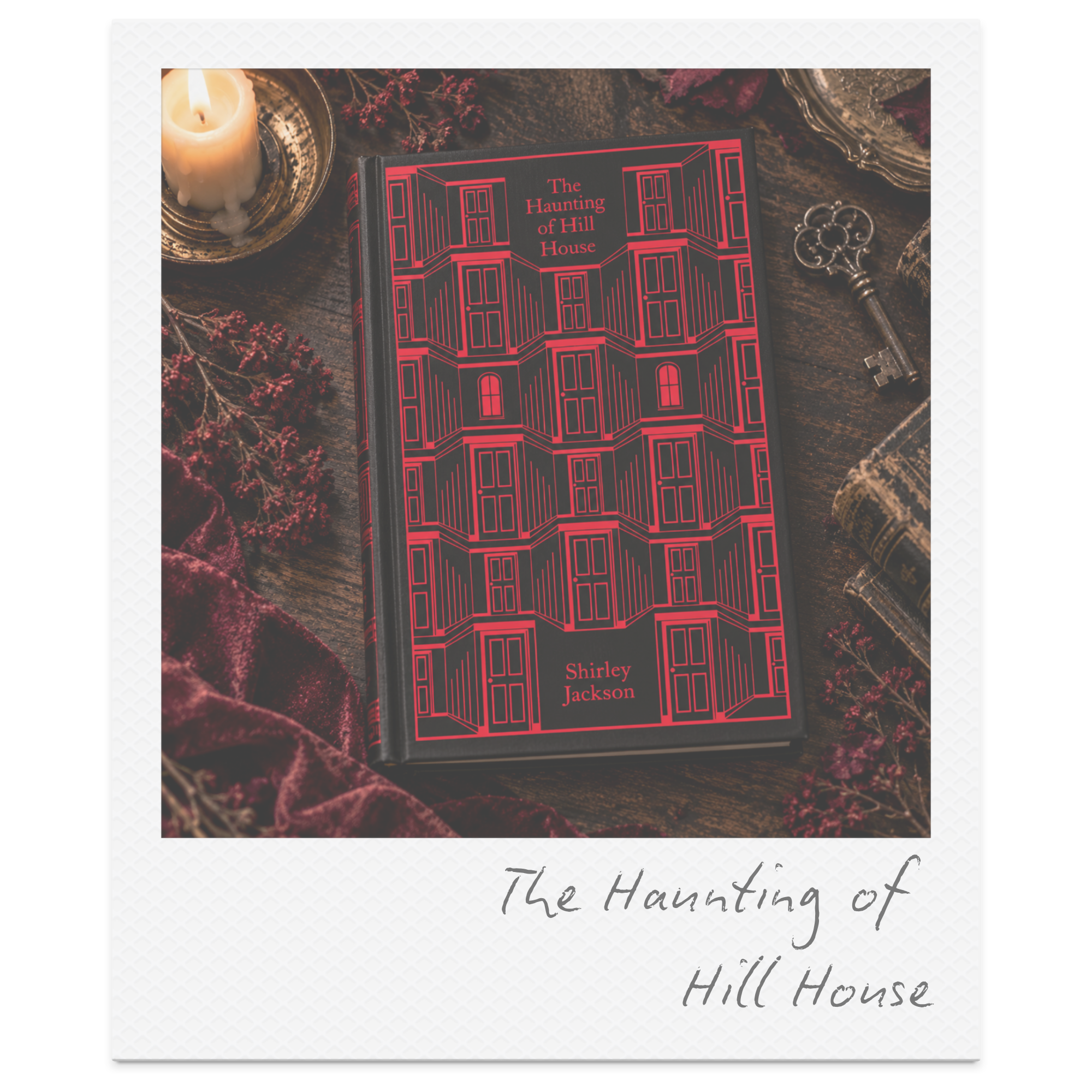
4. Shirley Jackson — The Haunting of Hill House: Use Ambiguity to Create Psychological Terror
What Is The Haunting of Hill House About?
Shirley Jackson's The Haunting of Hill House follows Eleanor Vance, a lonely young woman who joins a small group investigating supernatural activity at an isolated mansion. Led by Dr John Montague, the investigation brings Eleanor together with Theodora, a perceptive and unconventional woman, and Luke Sanderson, the future heir to Hill House. The building has a disturbing history, strange architectural features and an atmosphere that immediately unsettles its visitors.
As the group settles into the mansion, unexplained events begin to occur, including violent knocking, mysterious messages and terrifying disturbances that seem increasingly directed towards Eleanor. However, as her emotional condition deteriorates, the distinction between supernatural activity and psychological experience becomes increasingly uncertain. Jackson transforms the traditional haunted-house narrative into a disturbing exploration of loneliness, belonging and the possibility that the most terrifying hauntings may emerge from within the human mind.
Exploring The Haunting of Hill House: The Terror of Uncertainty
One of Jackson's greatest achievements in The Haunting of Hill House is her refusal to provide a definitive explanation for the disturbing events within the mansion. Strange noises, inexplicable cold spots and mysterious messages suggest that Hill House possesses a supernatural presence, yet the narrative remains closely connected to Eleanor's increasingly unstable perceptions. Readers experience much of the story through her thoughts and emotional reactions, making it difficult to separate external events from her interpretation of them. This uncertainty creates a distinctive form of psychological terror because neither the supernatural nor the psychological explanation can be comfortably dismissed.
Eleanor's personal history makes this ambiguity particularly effective. Having spent years caring for her demanding mother, she arrives at Hill House desperate for independence, companionship and a place where she might finally belong. Her longing for acceptance gradually becomes entangled with the mansion's apparent attempts to communicate with her. When messages addressing Eleanor appear upon the walls, they can be interpreted as evidence that the house has deliberately chosen her, but they also reflect her deepest emotional desires. Jackson makes the haunting disturbing precisely because it appears to understand Eleanor's vulnerabilities, transforming the possibility of belonging into something threatening.
The novel's supernatural disturbances are equally unsettling because they frequently resist clear interpretation. During one terrifying night, Eleanor believes she is holding Theodora's hand while strange noises and apparent supernatural activity surround them. Only afterwards does she realise that Theodora was not holding her hand at all. Jackson never reveals whose hand Eleanor experienced, leaving readers to confront the implications without offering a reassuring explanation. Similarly, the mysterious writing on the walls raises questions about whether an external presence is communicating with Eleanor or whether the disturbances might be connected to her own psychological condition.
As Eleanor becomes increasingly attached to Hill House, the boundary between herself and the building appears to dissolve. She begins to experience an unsettling sense of intimacy with the mansion, while her relationships with the other visitors become strained by suspicion and emotional dependence. Jackson never establishes whether the house is deliberately manipulating Eleanor or whether her desperate desire for belonging has transformed the way she understands her surroundings. The horror lies in the impossibility of knowing whether Eleanor is being haunted, whether she is somehow creating the haunting or whether both possibilities are true. By refusing to resolve this uncertainty, Jackson allows the story's psychological implications to remain disturbing long after its conclusion.
What Can Gothic Writers Learn from Jackson?
The central lesson from The Haunting of Hill House is that Gothic horror often becomes more frightening when readers cannot determine exactly what is happening. Rather than explaining every supernatural event, writers can create uncertainty through limited perspectives, contradictory evidence and experiences that possess more than one plausible interpretation.
Give supernatural events more than one possible explanation.
Jackson's mysterious messages, unexplained sounds and disturbing encounters can be interpreted as evidence of a haunting or as manifestations connected to Eleanor's psychological condition. Gothic writers can create similar ambiguity by developing events that support competing explanations. A character might hear footsteps in an empty corridor while experiencing severe sleep deprivation, or discover a message that appears supernatural but contains information known only to someone within the household. Both interpretations should remain convincing enough to prevent readers from settling comfortably upon a single answer.
Connect the haunting to a character's emotional vulnerability.
Hill House becomes particularly frightening because its apparent supernatural activity reflects Eleanor's loneliness and desire for belonging. Writers can strengthen psychological horror by connecting unexplained events to a character's fears, memories or unresolved conflicts. A grieving character might hear the voice of someone they have lost, while a person consumed by guilt could encounter disturbing reminders of a concealed wrongdoing. These experiences become more unsettling when the character desperately wants to believe one explanation while fearing another.
Use limited perspectives to create uncertainty.
Jackson's close connection to Eleanor's perspective prevents readers from gaining an entirely objective understanding of Hill House. Writers can achieve similar effects by restricting the information available through their narrator. A character might misinterpret another person's behaviour, overlook contradictory evidence or become increasingly convinced of an explanation that other characters question. Rather than making the narrator deliberately dishonest, allow their emotional experiences and personal assumptions to influence what they notice and how they interpret it.
Resist the temptation to explain everything.
Jackson leaves important questions unanswered, allowing readers to continue considering the relationship between Eleanor and Hill House after the novel ends. Gothic writers can use unresolved mysteries to create a similar lingering effect, particularly when the uncertainty is central to the story's themes. Instead of revealing whether a ghost genuinely exists, consider ending with an event that supports several interpretations or introduces a final disturbing contradiction. The aim is not to confuse readers through missing information, but to leave them with meaningful possibilities that remain equally unsettling.
Ultimately, Jackson demonstrates that psychological horror becomes most powerful when readers are forced to question their own interpretation of events. By allowing supernatural phenomena and emotional vulnerability to overlap, she creates a haunting whose uncertainty becomes more disturbing than any definitive explanation.
Try It Yourself: Create a Gothic Haunting with Two Possible Explanations
Imagine a Gothic story in which a character begins experiencing disturbing events that could be supernatural, psychological or the result of deliberate human interference.
Your story might take place in an isolated manor, a recently inherited house, an abandoned institution, a remote hotel or an ordinary home associated with a painful memory. The location should contain something personally significant to your protagonist, making it difficult for them to interpret events without being influenced by their emotions.
Rather than deciding immediately whether the haunting is genuine, develop two competing explanations that remain plausible throughout the story.
Answer the following questions:
Who is experiencing the haunting? Create a protagonist with a personal history, emotional vulnerability or unresolved conflict that influences their perception.
What is the first unexplained event? Introduce a subtle disturbance, such as an unfamiliar sound, a mysterious message, a displaced object or an impossible encounter.
What is the supernatural explanation? Consider whether a ghost, curse, malevolent building or other unexplained presence might be responsible.
What is the alternative explanation? Develop a psychological, environmental or human explanation that could account for the same event.
What evidence supports both possibilities? Identify details that encourage readers to consider competing interpretations without conclusively proving either.
How does the protagonist's emotional condition influence their response? Consider whether fear, grief, guilt, loneliness or obsession makes one explanation particularly appealing or frightening.
What final event will preserve the uncertainty? Develop a disturbing discovery or experience that complicates the mystery rather than resolving it completely.
Once you've established these details, write two short scenes.
In the first, describe your protagonist experiencing an apparently supernatural event. Use sensory details, emotional reactions and limited information to create an atmosphere of uncertainty. Allow the character to develop an explanation, but introduce at least one detail that makes their interpretation questionable.
In the second, have another character challenge the protagonist's understanding of what happened. Perhaps they offer a rational explanation, reveal contradictory evidence or suggest that the protagonist has misunderstood an important detail. However, introduce a new discovery that prevents either explanation from becoming entirely convincing.
Avoid revealing whether the haunting is genuinely supernatural. Instead, allow the protagonist's emotional vulnerability and the unexplained events to become increasingly connected, encouraging readers to question which interpretation they believe.
The aim is to create a Gothic mystery in which uncertainty becomes the primary source of fear, leaving readers with competing explanations that remain disturbing even after the story ends.
Explore the Book
Discover Shirley Jackson's The Haunting of Hill House, one of the most influential works of twentieth-century Gothic horror and an extraordinary example of how ambiguity can transform a haunted-house narrative into a deeply unsettling psychological experience. Jackson's careful control of perspective, atmosphere and uncertainty makes the novel essential reading for writers interested in creating horror that resists straightforward explanation.
This Penguin Modern Classics edition offers an excellent opportunity to explore Jackson's distinctive approach to supernatural fiction, where the boundaries between haunting, loneliness and psychological vulnerability remain deliberately uncertain.
Explore The Haunting of Hill House: Penguin Modern Classics on Amazon — paid link
Explore Further with Ink & Insights
If Jackson's unsettling mansion has inspired you to experiment with supernatural uncertainty, explore How to Describe a Haunted House: Sensory Writing Guide, featuring original examples and practical techniques for developing eerie interiors, unexplained sounds, disturbing sensory experiences and environments that seem to possess intentions of their own. You can also discover Haunted Houses for Gothic writing prompts involving forgotten rooms, strange disturbances, family secrets and buildings where the past refuses to remain buried.
For more psychological inspiration, explore Gothic Madness, a collection of writing prompts and story ideas centred on unreliable perception, fractured memories, paranoia, obsession and the unsettling possibility that reality is not what it appears. Our Gothic Suspense Writing Exercises also offer practical challenges involving unseen presences, mysterious sounds, contradictory evidence and delayed revelations, helping writers create tension without immediately revealing the source of a threat.
If you want to experiment with Gothic storytelling where the truth remains uncertain, explore The Hemlock Collection, an immersive Storyworld Archive filled with mysterious documents, fragmented histories and conflicting accounts. Rather than providing a single definitive explanation, the archive invites writers to investigate the evidence, question unreliable perspectives and develop their own interpretations of a haunting mystery.
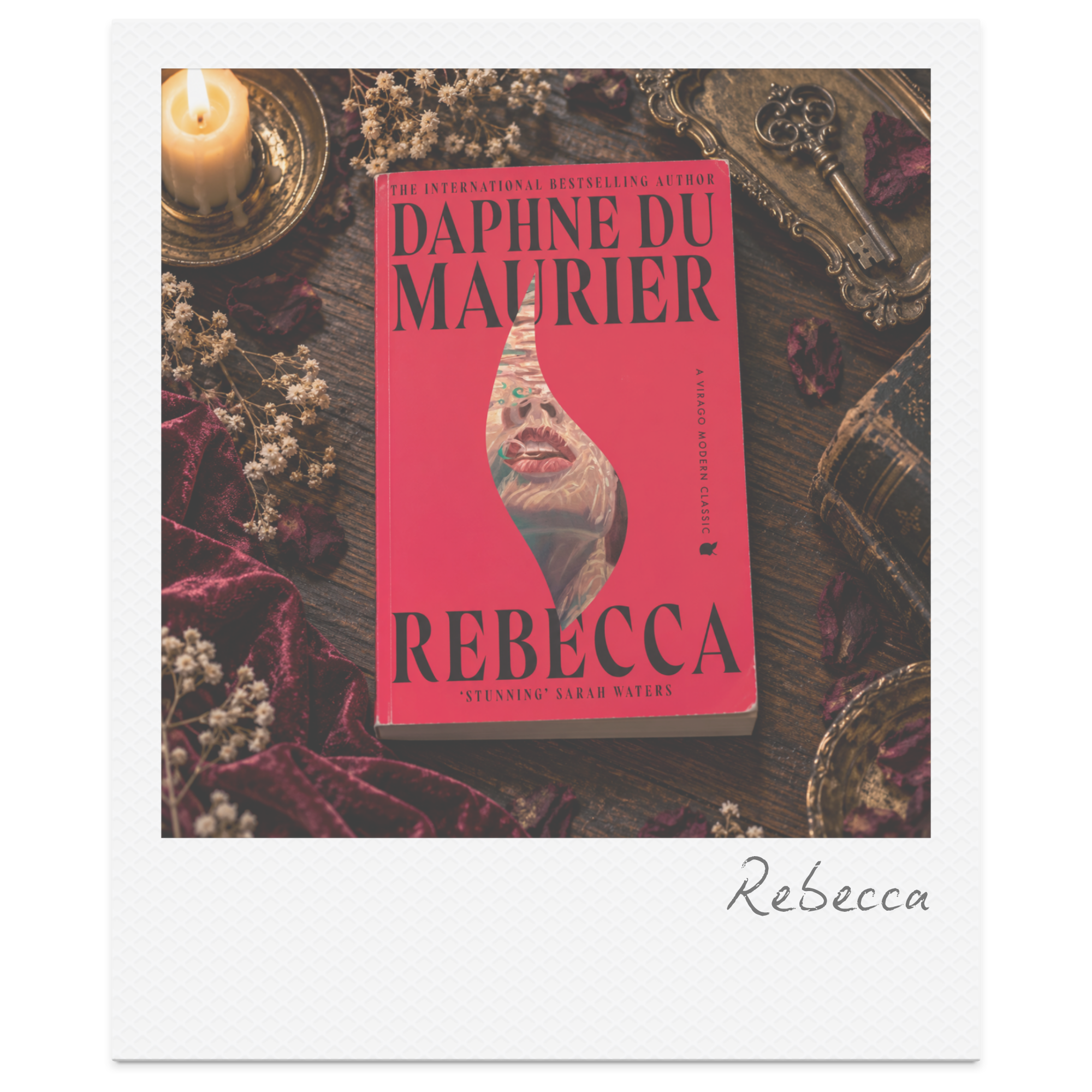
5. Daphne du Maurier — Rebecca: Make Absence and Memory Haunting Presences
What Is Rebecca About?
Daphne du Maurier's Rebecca follows an unnamed young woman who marries the wealthy widower Maxim de Winter after a whirlwind romance on the French Riviera. When she arrives at Manderley, his magnificent country estate in Cornwall, she discovers that the household remains dominated by the memory of Maxim's first wife, Rebecca, who died under mysterious circumstances. Beautiful, sophisticated and apparently adored by everyone who knew her, Rebecca seems impossible for her inexperienced successor to escape.
As the new Mrs de Winter struggles to establish her place at Manderley, she becomes increasingly intimidated by Rebecca's lingering influence, particularly through the devotion of the sinister housekeeper, Mrs Danvers. The dead woman's possessions, reputation and carefully preserved rooms create an atmosphere of psychological oppression, while the circumstances surrounding her death gradually emerge as the novel's central mystery. Du Maurier transforms an apparently romantic story into a Gothic exploration of jealousy, identity, obsession and the destructive power of the past.
Exploring Rebecca: The Haunting Power of Absence
One of du Maurier's greatest achievements in Rebecca is her ability to make a character who is already dead feel more powerful than many of the living characters. Rebecca never appears directly within the novel's present-day action, yet her influence permeates Manderley through possessions, memories, conversations and the reactions of those who knew her. Her handwriting remains visible, her belongings occupy familiar spaces, and her reputation seems to define the standards against which the new Mrs de Winter is constantly judged. Rather than relying upon a supernatural ghost, du Maurier creates a psychological haunting in which absence becomes an almost tangible presence.
This haunting is particularly effective because the narrator constructs much of her understanding of Rebecca through imagination rather than direct knowledge. Insecure about her youth, inexperience and social position, she assumes that Rebecca possessed everything she herself lacks: beauty, confidence, sophistication and the ability to command admiration. Ordinary details within Manderley become evidence of her supposed inadequacy, while Rebecca's continued presence in the household reinforces her fear that she can never truly replace Maxim's first wife. Du Maurier allows readers to experience this growing obsession through the narrator's limited perspective, demonstrating how an imagined version of another person can become more intimidating than reality.
Mrs Danvers intensifies this psychological conflict by deliberately preserving Rebecca's influence. Her devotion to the former mistress transforms Manderley into something resembling a shrine, particularly within Rebecca's bedroom, where clothing, personal possessions and furnishings remain carefully maintained. These objects acquire an unsettling significance because they suggest that the dead woman's place within the household has never been surrendered. Mrs Danvers uses Rebecca's memory as a means of exercising power over the new Mrs de Winter, turning ordinary domestic spaces into sources of humiliation and emotional manipulation. The resulting atmosphere is distinctly Gothic, despite the absence of conventional supernatural activity.
As the mystery surrounding Rebecca's death unfolds, the narrator's idealised understanding of her predecessor becomes increasingly unstable. The contrast between Rebecca's public reputation and the private accounts of her marriage reveals how memory can conceal, distort or deliberately manipulate the truth. Du Maurier's achievement lies in making the reader's understanding of Rebecca change alongside the narrator's, demonstrating that a dead character can continue to influence the plot through the competing stories others tell about them. The true haunting of Rebecca is not a supernatural apparition, but the power of memory, reputation and imagination to dominate the lives of those who remain.
What Can Gothic Writers Learn from du Maurier?
The central lesson from Rebecca is that a character does not need to appear directly within a story to exert a powerful influence over its events. Through carefully chosen objects, conflicting memories and the emotional reactions of other characters, writers can create an absent figure whose presence shapes relationships, generates suspense and drives the central conflict.
Make an absent character visible through the things they leave behind.
Rebecca's possessions, handwriting and preserved bedroom make her continued influence impossible to ignore. Gothic writers can use similar details to establish the presence of someone who has disappeared or died. A family home might contain portraits of a missing heir, a locked room could preserve the belongings of a former occupant, or a collection of letters might reveal the personality of someone the protagonist never met. These objects become especially powerful when they influence the behaviour of living characters rather than serving as decorative reminders of the past.
Use memory and reputation to create an unreliable portrait.
The narrator initially imagines Rebecca as a flawless woman because she relies upon fragments of information and her own insecurities. Writers can create similar uncertainty by allowing different characters to remember an absent figure in contradictory ways. A deceased relative might be remembered as generous by one person and cruel by another, while a missing aristocrat could possess a reputation that conceals a disturbing private history. These conflicting accounts encourage readers to question whether they are discovering the truth or merely encountering different versions of the same person.
Allow absence to influence living relationships.
Rebecca's memory shapes the narrator's marriage, her relationship with Mrs Danvers and her understanding of her own identity. Gothic writers can use an absent character to create tension between people who remain. A widower might constantly compare his new partner with someone he has lost, siblings could disagree about a parent's legacy, or a family might organise its entire existence around a disappearance nobody will discuss. The absent figure becomes central to the story because their influence continues to determine how other characters behave.
Turn familiar spaces into reminders of the past.
Manderley becomes oppressive because its rooms, furnishings and routines continually remind the narrator of Rebecca's former position. Writers can create similar effects by giving ordinary locations emotional significance. A dining room might preserve an empty place at the table, a nursery could remain untouched decades after a tragedy, or a garden might be maintained according to instructions left by someone long dead. When these details become connected to grief, jealousy or concealed guilt, familiar domestic environments can acquire an unsettling Gothic atmosphere.
Ultimately, du Maurier demonstrates that some of the most powerful Gothic hauntings are created by the people who are no longer present. By allowing Rebecca's memory to shape the emotions, relationships and surroundings of the living, she transforms absence into a compelling source of psychological suspense.
Try It Yourself: Create a Gothic Character Who Haunts the Story Through Absence
Imagine a Gothic story centred around someone who has died, disappeared or abandoned a particular place, yet continues to influence the people who remain.
Your absent character might be a deceased spouse, a missing family member, a disgraced aristocrat, a vanished child, a former owner of an ancestral estate or someone whose identity has been deliberately erased from the household's history.
Rather than introducing this character directly, develop their personality and influence through the memories, possessions and conflicting accounts of others.
Answer the following questions:
Who is the absent character? Establish their relationship to the protagonist and the circumstances surrounding their death, disappearance or departure.
What reputation have they left behind? Decide whether they are remembered as beautiful, cruel, generous, mysterious, dangerous or almost impossibly perfect.
Which possessions preserve their presence? Choose meaningful objects, such as letters, photographs, clothing, portraits, jewellery or personal belongings.
Who is determined to preserve their memory? Create a character whose loyalty, grief, guilt or obsession prevents the past from being forgotten.
Who feels threatened by their absence? Consider how the protagonist's insecurity, jealousy or curiosity influences their understanding of the missing figure.
What conflicting accounts complicate their reputation? Develop contradictory memories or revelations that challenge the accepted version of events.
What secret would transform the protagonist's understanding? Identify a discovery that changes the meaning of the absent character's possessions, relationships or reputation.
Once you've established these details, write two short scenes.
In the first, introduce your protagonist to a room, collection of possessions or household tradition associated with the absent character. Use sensory details and carefully chosen objects to establish their lingering influence. Allow the protagonist to develop an impression of the person they never knew, drawing conclusions from the way others speak about them and the evidence they have left behind.
In the second, introduce another character who challenges that impression. Perhaps they reveal a contradictory memory, react unexpectedly to a particular possession or suggest that the absent figure's reputation was carefully constructed. Allow the protagonist to recognise that their understanding of the past may be incomplete or deliberately misleading.
Avoid revealing the entire truth immediately. Instead, introduce a contradiction that makes the absent character more intriguing and unsettling, encouraging readers to reconsider the significance of details established earlier.
The aim is to create a Gothic figure who dominates the narrative without appearing directly within it, demonstrating how memory, reputation and unresolved emotion can become as haunting as any supernatural presence.
Explore the Book
Discover Daphne du Maurier's Rebecca, a masterpiece of twentieth-century Gothic fiction and an extraordinary example of how memory, jealousy and psychological manipulation can create an atmosphere of haunting unease without relying upon supernatural events. Through its unforgettable setting, unreliable assumptions and mysterious absent figure, the novel offers invaluable inspiration for writers exploring the influence of the past.
This Virago Modern Classics edition is a beautiful way to experience du Maurier's atmospheric novel, making it a wonderful addition to any collection of Gothic literature.
Explore Rebecca: Virago Modern Classics on Amazon — paid link
Explore Further with Ink & Insights
If Rebecca has inspired you to create a Gothic story dominated by the past, explore Gothic Secrets for atmospheric writing prompts involving concealed family histories, mysterious inheritances, hidden identities and revelations that transform the meaning of earlier events. You can also discover Cursed Families for story ideas centred on inherited guilt, doomed bloodlines and the destructive influence of previous generations.
For more inspiration drawn from du Maurier's unforgettable setting, explore Gothic Manor Names, featuring atmospheric ancestral estates, decaying family homes and mysterious country houses that could conceal generations of secrets. Our Gothic Romance collection also offers prompts exploring dangerous attraction, obsessive devotion, forbidden relationships and the unsettling tension between love and control.
You can also explore The Victoriana Collection, an immersive Gothic Storyworld Archive filled with mysterious documents, forgotten photographs and fragments of lives shaped by secrecy and the darker possibilities of the past. Through conflicting accounts and evocative historical artefacts, writers can investigate relationships, uncover concealed histories and imagine the stories of people whose influence continues long after they have disappeared.
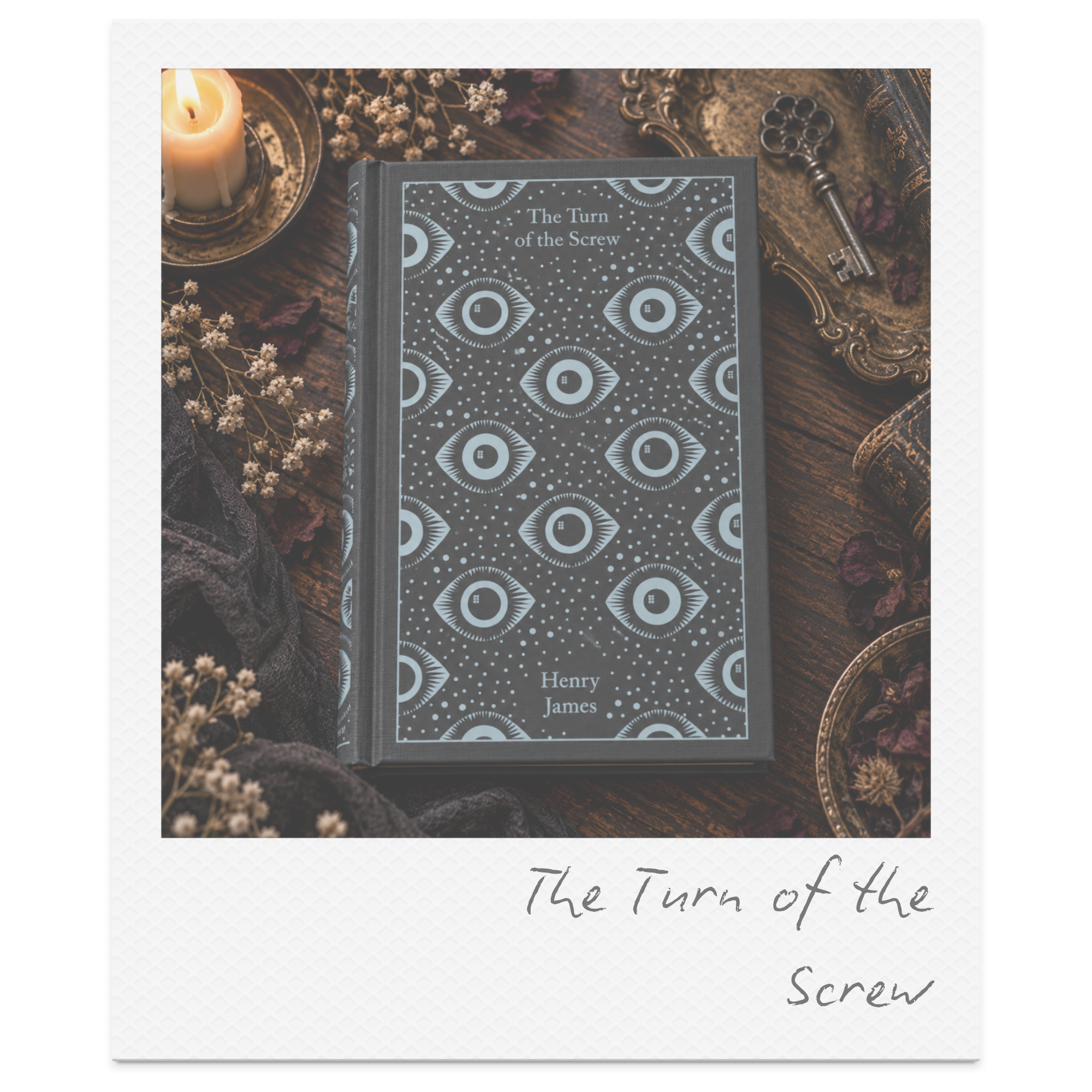
6. Henry James — The Turn of the Screw: Create Uncertainty Through Unreliable Narration
What Is The Turn of the Screw About?
Henry James's The Turn of the Screw follows a young, inexperienced governess employed to care for two orphaned children, Miles and Flora, at Bly, a secluded English country estate. Her wealthy employer insists that she must never contact him about the children, leaving her with considerable responsibility and little guidance. Initially enchanted by her surroundings and the children's apparently innocent behaviour, the governess soon begins experiencing disturbing encounters with mysterious figures around the estate.
She becomes convinced that the apparitions are the ghosts of Peter Quint, a former servant, and Miss Jessel, the children's previous governess, both of whom died before her arrival. Believing that the spirits intend to corrupt or possess the children, she becomes increasingly determined to protect them. However, the children never clearly confirm her interpretation, and the governess's growing obsession raises questions about whether the supernatural threat is genuine or whether her own fears and assumptions are shaping the events she describes. James transforms a traditional ghost story into a deeply unsettling exploration of perception, innocence and the dangers of unquestioned certainty.
Exploring The Turn of the Screw: When the Narrator Cannot Be Trusted
One of James's greatest achievements in The Turn of the Screw is his use of a narrator whose account appears sincere but whose interpretations become increasingly questionable. The governess describes her experiences with conviction, presenting herself as a devoted protector confronting a terrible supernatural threat. Yet readers receive almost everything through her perspective, leaving them dependent upon her observations, assumptions and emotional responses. James never provides an independent account that conclusively confirms or disproves the existence of the ghosts, creating uncertainty about whether the governess is accurately describing events or interpreting them through her own psychological anxieties.
This uncertainty becomes particularly effective through the contrast between what the governess observes and what she believes those observations mean. When she encounters mysterious figures around Bly, she interprets their appearances as evidence of supernatural danger. Her descriptions become more troubling after Mrs Grose identifies the figures from the governess's accounts, apparently confirming their connection to the estate's past. However, the governess subsequently assumes that the children are secretly communicating with the spirits, despite possessing little direct evidence of their involvement. James encourages readers to distinguish between observable events and the increasingly elaborate conclusions the narrator draws from them.
The governess's emotional circumstances further complicate her reliability. Young, isolated and eager to fulfil her employer's expectations, she appears determined to prove herself capable of protecting the children. Her admiration for their beauty and innocence gradually develops into an intense concern that hidden corruption threatens them. Yet her efforts to uncover this supposed corruption become increasingly intrusive, particularly as she interprets ordinary behaviour, silences and evasions as signs of supernatural influence. The more convinced she becomes of her own righteousness, the more readers may question whether her determination to save the children is itself becoming dangerous.
James also uses the reactions of other characters to sustain uncertainty. Mrs Grose frequently accepts the governess's conclusions without independently witnessing the apparitions, while the children's behaviour can be interpreted as either suspicious concealment or understandable distress at the governess's increasingly alarming accusations. The novel's devastating conclusion refuses to resolve these competing possibilities, leaving readers uncertain about the true nature of the threat. The horror emerges not simply from the possibility that ghosts are haunting Bly, but from the possibility that the person attempting to protect the children may be the source of their greatest danger. By making the narrator's certainty increasingly unsettling, James demonstrates how unreliable narration can transform a supernatural mystery into a disturbing psychological conflict.
What Can Gothic Writers Learn from James?
The central lesson from The Turn of the Screw is that a narrator does not need to lie deliberately to become unreliable. Personal fears, emotional vulnerabilities, mistaken assumptions and an overwhelming belief in one's own interpretation can all influence how events are described. Gothic writers can exploit the distance between what a character experiences and what they believe those experiences mean.
Create a narrator who genuinely believes their interpretation.
The governess appears convinced that she is protecting Miles and Flora from supernatural corruption, even as her behaviour becomes increasingly disturbing. Writers can develop similar narrators by giving them a sincere but potentially mistaken understanding of events. A character might believe their neighbour is concealing a terrible secret, interpret an unexplained illness as evidence of a curse or become convinced that a family member has been replaced by something inhuman. Their certainty becomes more compelling when readers understand the emotional experiences that have shaped their beliefs.
Separate observation from interpretation.
James frequently presents events that can be understood in several ways, allowing the governess to impose increasingly sinister explanations upon them. Gothic writers can create similar uncertainty by distinguishing between what a narrator actually witnesses and the conclusions they draw. A character might observe someone standing outside their window and immediately assume they are being watched, or discover a locked door and interpret it as evidence of imprisonment. By allowing readers to recognise alternative explanations, writers can create tension between the narrator's confidence and the evidence available.
Use other characters to challenge the narrator's reliability.
The reactions of Mrs Grose, Miles and Flora complicate the governess's account without providing a definitive explanation. Writers can introduce similar uncertainty through characters who question, contradict or appear confused by the narrator's interpretation. A witness might remember an event differently, a family member could deny hearing a disturbing sound, or someone accused of concealing information might react with genuine bewilderment. These conflicting perspectives encourage readers to question whose understanding of events is most trustworthy.
Make the narrator's certainty increasingly dangerous.
The governess's determination to protect the children gradually becomes inseparable from her obsession with exposing the supposed supernatural threat. Gothic writers can create powerful psychological horror by allowing a narrator's beliefs to influence their decisions in increasingly destructive ways. A character convinced that their house is haunted might begin dismantling its walls, while someone certain that a loved one is possessed could attempt a dangerous intervention. The resulting tension comes from the possibility that the protagonist's actions may cause greater harm than the threat they believe they are confronting.
Ultimately, James demonstrates that an unreliable narrator becomes most unsettling when their intentions appear sincere but their understanding of reality remains uncertain. By allowing the governess's convictions to shape the narrative, he creates a Gothic story in which readers must continually question whether they are witnessing supernatural horror or the consequences of a dangerously mistaken interpretation.
Try It Yourself: Create a Gothic Story with an Unreliable Narrator
Imagine a Gothic story told by a character who becomes convinced that something sinister is happening within their home, family or community.
Your narrator might be a governess caring for mysterious children, a grieving relative returning to an ancestral estate, a caretaker working in an isolated institution, a suspicious neighbour or someone investigating a series of unexplained events.
Rather than making the narrator deliberately dishonest, develop a character whose emotional experiences and personal assumptions influence their interpretation of events.
Answer the following questions:
Who is your narrator? Establish their background, circumstances and relationship to the people or location at the centre of the mystery.
What do they believe is happening? Give them a disturbing explanation involving a supernatural presence, concealed crime, dangerous individual or unexplained phenomenon.
What personal experience influences their beliefs? Consider grief, guilt, isolation, jealousy, fear, obsession or a previous traumatic event.
What evidence supports their interpretation? Introduce observations that appear convincing when presented through the narrator's perspective.
What alternative explanation might readers recognise? Develop another interpretation that accounts for the same events without confirming the narrator's suspicions.
Who challenges the narrator's understanding? Create another character whose behaviour, memories or testimony contradicts the narrator's account.
How might the narrator's certainty become dangerous? Identify a decision that could cause harm if their interpretation proves mistaken.
Once you've established these details, write two short scenes.
In the first, describe your narrator witnessing an apparently supernatural or sinister event. Present their observations alongside their immediate interpretation, allowing their emotional response to influence the language they use. Include enough concrete detail to make their explanation convincing, but introduce subtle contradictions that readers might recognise.
In the second, have another character question the narrator's account. Perhaps they remember the event differently, offer a rational explanation or reveal information that undermines the narrator's assumptions. Rather than reconsidering their beliefs, allow your narrator to interpret this contradiction as further evidence that something is wrong.
Avoid revealing whether the narrator's suspicions are correct. Instead, allow their growing certainty to influence their behaviour, creating tension between their desire to uncover the truth and the possibility that they have misunderstood the situation.
The aim is to create a Gothic narrative in which readers begin to question the person guiding them through the story, recognising that the narrator's sincere convictions may be concealing a far more disturbing reality.
Explore the Book
Discover Henry James's The Turn of the Screw, one of Gothic literature's most enduring psychological ghost stories and an extraordinary example of how unreliable narration can transform a supernatural mystery into an unsettling exploration of perception, innocence and obsession. James's careful manipulation of perspective makes the novella essential reading for writers interested in creating ambiguity and psychological suspense.
This beautiful Penguin Clothbound Classics edition, The Turn of the Screw and Other Stories, offers an elegant way to experience James's haunting fiction and explore the narrative techniques that continue to inspire Gothic and psychological horror writers.
Explore The Turn of the Screw and Other Stories: Penguin Clothbound Classics on Amazon — paid link
Explore Further with Ink & Insights
If James's unreliable governess has inspired you to experiment with distorted perception and psychological uncertainty, explore Gothic Madness, featuring writing prompts and story ideas centred on fractured memories, paranoia, obsession, unreliable narrators and characters whose understanding of reality becomes increasingly unstable. You can also discover Gothic Suspense Writing Exercises, which includes practical challenges involving contradictory evidence, unseen presences, delayed revelations and psychological dread.
For more inspiration drawn directly from James's novella, explore our The Turn of the Screw Inspired Writing Prompts, featuring Gothic story ideas inspired by ambiguous hauntings, isolated estates, mysterious children and the unsettling possibility that a narrator's interpretation cannot be trusted. Our Imprisoned Heroines collection also offers inspiration for characters struggling against isolation, restricted freedom, controlling authority figures and circumstances that leave them vulnerable to manipulation.
You can also explore The Hemlock Collection, an immersive Gothic Storyworld Archive filled with fragmented documents, conflicting accounts and mysterious evidence. By investigating contradictory perspectives and questioning the reliability of surviving records, writers can develop original Gothic stories in which the truth remains uncertain and every new discovery raises further questions.
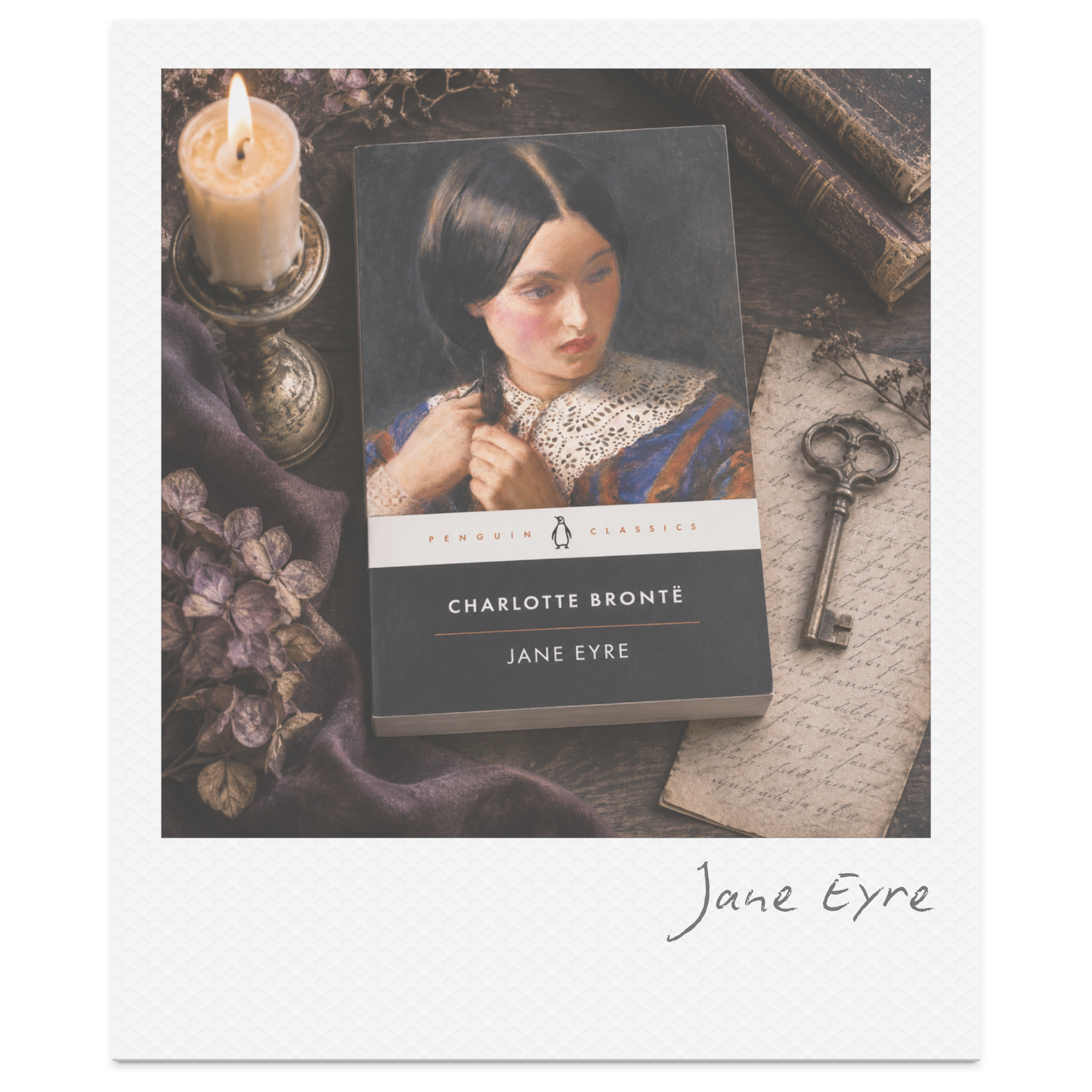
7. Charlotte Brontë — Jane Eyre: Use Gothic Conventions to Explore Hidden Desires and Repression
What Is Jane Eyre About?
Charlotte Brontë's Jane Eyre follows an orphaned young woman who struggles against cruelty, poverty and the restrictive expectations of Victorian society. After an unhappy childhood with her aunt and a difficult education at Lowood School, Jane becomes a governess at Thornfield Hall, an imposing country estate owned by the mysterious Edward Rochester. As she develops feelings for her employer, she becomes increasingly troubled by strange laughter, unexplained disturbances and secrets concealed within the house.
Jane's growing attraction to Rochester is complicated by their unequal social positions, his troubled past and the mysterious presence hidden within Thornfield. When the truth about his marriage to Bertha Mason emerges, Jane must choose between her passionate feelings and her determination to preserve her independence and moral integrity. Brontë combines Gothic mystery, romance and psychological conflict to explore the tension between personal desire and the social expectations imposed upon women.
Exploring Jane Eyre: Gothic Horror as an Expression of Repressed Desire
One of Brontë's greatest achievements in Jane Eyre is her ability to transform familiar Gothic conventions into expressions of psychological and social conflict. The novel contains many recognisable Gothic elements, including an isolated mansion, mysterious sounds, concealed rooms, a brooding romantic hero and disturbing secrets. However, these devices do more than create suspense. They reflect Jane's struggle to reconcile her passionate emotional nature with a society that expects women, particularly those without wealth or status, to remain obedient, restrained and dependent. The Gothic atmosphere therefore becomes inseparable from the novel's exploration of freedom, desire and repression.
Brontë establishes this connection during Jane's childhood through the terrifying red-room episode. Punished for resisting her cousin's cruelty, Jane is imprisoned in a room associated with the death of her uncle. Its oppressive furnishings, sombre atmosphere and associations with the supernatural transform an ordinary domestic space into a place of psychological terror. Jane's fear reflects more than a childish belief in ghosts: the room embodies her powerlessness within a household that refuses to recognise her feelings or individuality. The Gothic convention of imprisonment becomes a powerful expression of the social restrictions that Jane will continue to confront throughout her life.
At Thornfield Hall, the connection between Gothic mystery and emotional repression becomes increasingly complex. Jane's attraction to Rochester challenges the boundaries of class, employment and conventional femininity, while the strange disturbances within the house suggest that powerful emotions and concealed histories exist beneath its respectable exterior. Bertha Mason's confinement in the attic becomes particularly significant because her presence exposes the consequences of secrecy, control and the denial of personal freedom. Critics have frequently interpreted Bertha as a Gothic double of Jane, representing forms of anger and passion that Jane must struggle to control. Although the two women occupy very different positions within the novel, their experiences invite readers to consider how society responds to female desire, resistance and independence.
Brontë also uses Gothic imagery to foreshadow the dangers associated with Jane's romantic desires. When lightning splits the chestnut tree beneath which Rochester proposes marriage, the violent disturbance of nature suggests that their apparent happiness conceals a deeper conflict. Similarly, the mysterious laughter, unexplained fire and destruction of Jane's wedding veil transform the domestic spaces of Thornfield into reminders that Rochester's past cannot remain hidden indefinitely. The Gothic elements become powerful because they give physical form to the emotional and social tensions that Jane cannot simply ignore. Through these symbols and disturbances, Brontë demonstrates how supernatural imagery, concealed spaces and threatening environments can reveal conflicts that characters struggle to express openly. <Cite refs={["turn807425search0","turn807425search3","turn807425search2"]}/>
What Can Gothic Writers Learn from Brontë?
The central lesson from Jane Eyre is that Gothic conventions become more meaningful when they reflect a character's internal conflicts and the pressures imposed upon them. Rather than using haunted houses, locked rooms and mysterious figures solely to create fear, writers can transform these familiar elements into symbols of desire, repression and the struggle for personal freedom.
Use Gothic settings to represent emotional confinement.
The red-room and Thornfield Hall both reflect Jane's experiences of restriction, vulnerability and uncertainty. Gothic writers can create similar connections by designing environments that embody a character's emotional circumstances. A young woman trapped within an ancestral estate might struggle against family expectations, while a character confined to an isolated institution could experience the building's locked doors as reminders of their lack of control. The setting becomes more significant when its physical restrictions mirror the protagonist's psychological or social limitations.
Transform hidden rooms into symbols of concealed truths.
The secrets hidden within Thornfield represent more than an intriguing Gothic mystery. They expose the consequences of Rochester's past and the unequal power that shapes his relationship with Jane. Writers can use concealed rooms, forbidden corridors or inaccessible spaces to represent emotions, histories or relationships that characters refuse to acknowledge. A locked attic might contain evidence of a family's shame, while an abandoned nursery could preserve memories of a tragedy that nobody is permitted to discuss. The eventual discovery should reveal something meaningful about the characters, not simply provide a dramatic surprise.
Connect supernatural imagery to forbidden emotions.
Brontë frequently uses unsettling sounds, threatening weather and mysterious disturbances to reflect emotional tensions within the narrative. Gothic writers can develop similar symbolism by associating supernatural imagery with feelings that characters struggle to express. A protagonist suppressing anger might repeatedly encounter unexplained fires, while someone denying their romantic desires could experience disturbing dreams or apparitions associated with intimacy and vulnerability. These connections become most effective when the imagery develops alongside the character's emotional conflict.
Give Gothic conflicts personal and social consequences.
Jane's discovery of Rochester's secret forces her to confront a genuine moral dilemma between love and independence. Writers can strengthen Gothic narratives by ensuring that supernatural mysteries and concealed histories affect the protagonist's relationships, identity or freedom. Discovering a family curse might threaten a character's inheritance, while uncovering a hidden marriage could transform a seemingly romantic relationship into a dangerous struggle for autonomy. The revelation should require the protagonist to make a difficult choice rather than merely solve a mystery.
Ultimately, Brontë demonstrates that Gothic horror can become a powerful language for expressing emotions and conflicts that society demands remain hidden. By connecting mysterious settings, concealed secrets and supernatural imagery to Jane's struggle for independence, she transforms familiar Gothic conventions into a compelling exploration of identity, desire and personal freedom.
Try It Yourself: Use Gothic Symbolism to Explore a Forbidden Desire
Imagine a Gothic story centred around a protagonist who desperately wants something they believe they cannot openly pursue.
Their desire might involve a forbidden relationship, independence from a controlling family, escape from an unwanted marriage, freedom from a restrictive community or the opportunity to pursue an ambition that others consider unacceptable.
Rather than describing this conflict through dialogue alone, develop a Gothic setting and a series of unsettling events that symbolically reflect the protagonist's suppressed emotions.
Answer the following questions:
Who is your protagonist, and what do they secretly desire? Establish an ambition, relationship or personal freedom that conflicts with their circumstances.
What prevents them from pursuing this desire? Consider family expectations, social position, financial dependence, religious restrictions or a controlling relationship.
What Gothic setting reflects their confinement? Create an isolated mansion, ancestral estate, convent, boarding school or other location associated with authority and restriction.
Which forbidden space symbolises their suppressed emotions? Introduce a locked room, abandoned wing, concealed passage or inaccessible chamber that reflects something the protagonist cannot openly acknowledge.
What unsettling event mirrors their internal conflict? Develop a mysterious sound, supernatural disturbance, recurring dream or threatening natural phenomenon connected to their emotional state.
What secret is concealed within the setting? Identify a revelation that exposes the consequences of repression, control or forbidden desire.
What difficult choice will the discovery force them to make? Create a conflict between personal happiness, social expectations, loyalty and independence.
Once you've established these details, write two short scenes.
In the first, introduce your protagonist to the Gothic setting while establishing the restrictions governing their life. Use descriptions of locked doors, oppressive interiors, unfamiliar sounds or threatening landscapes to reflect their sense of confinement. Allow their forbidden desire to emerge indirectly through their reactions to the environment, rather than explaining their feelings immediately.
In the second, introduce a mysterious disturbance associated with the forbidden space. Perhaps the protagonist hears movement behind a locked door, discovers evidence of a concealed relationship or witnesses an event that reflects their own suppressed emotions. As they investigate, allow the mystery to expose a connection between the building's secrets and the restrictions shaping their life.
Avoid treating the supernatural disturbance as an isolated source of horror. Instead, ensure that its significance develops alongside the protagonist's emotional conflict, gradually revealing how the setting embodies the desires and fears they have been forced to conceal.
The aim is to create a Gothic narrative in which the mysteries of the external world reflect the struggles taking place within the protagonist, allowing setting, symbolism and supernatural imagery to explore the consequences of repression.
Explore the Book
Discover Charlotte Brontë's Jane Eyre, one of the most influential novels in Gothic and Victorian literature and an extraordinary example of how mysterious settings, concealed histories and supernatural imagery can illuminate complex emotional and social conflicts. Through Jane's struggle for independence and her experiences at Thornfield Hall, Brontë demonstrates how Gothic conventions can deepen characterisation while exploring desire, repression and personal freedom.
This Penguin Classics edition offers a wonderful opportunity to experience Brontë's atmospheric storytelling and explore the literary techniques that continue to influence Gothic romance, psychological fiction and stories centred around mysterious ancestral estates.
Explore Jane Eyre: Penguin Classics on Amazon — paid link
Explore Further with Ink & Insights
If Brontë's exploration of forbidden desire and emotional confinement has inspired you, discover Imprisoned Heroines, featuring Gothic writing prompts centred around restricted freedom, controlling relationships, isolated estates and characters struggling to escape the expectations imposed upon them. You can also explore Byronic Heroes for inspiration drawn from mysterious, emotionally conflicted figures whose troubled histories and dangerous attractions complicate romantic relationships.
For more atmospheric inspiration, explore Gothic Romance, featuring writing prompts involving forbidden relationships, brooding estates, concealed identities and the tension between passion and personal independence. Our Gothic Manor Names collection also offers evocative settings for stories involving ancestral secrets, inaccessible rooms and households whose respectable appearances conceal disturbing histories.
You can also step into Victoriana: The Cabinet of Curiosities, an immersive Gothic writing experience filled with mysterious artefacts, historical documents and fragments of forgotten lives. Through atmospheric materials and concealed histories, writers can develop original narratives involving Victorian society, secrecy, obsession and the darker possibilities lurking beneath apparently respectable surroundings.
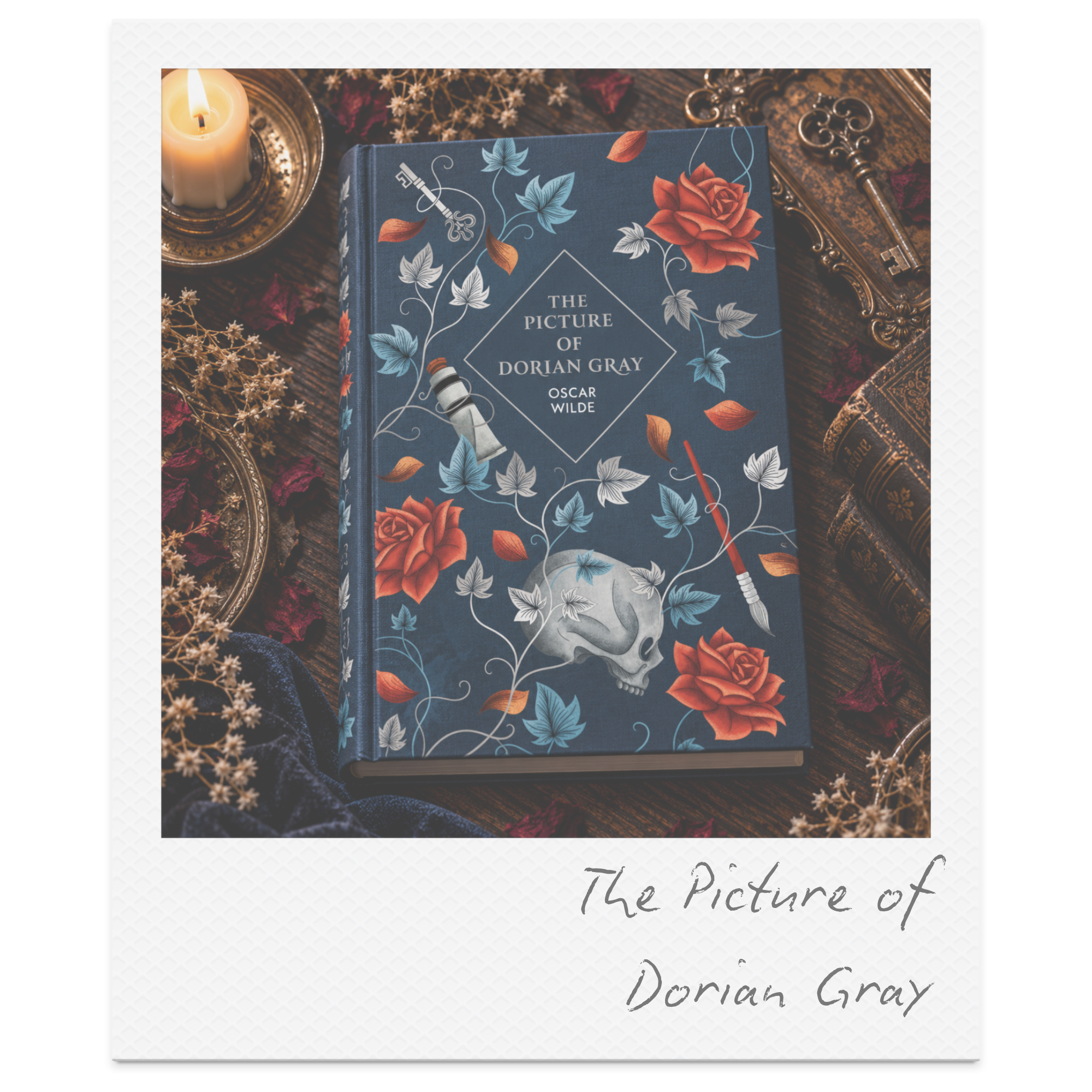
8. Oscar Wilde — The Picture of Dorian Gray: Turn Symbolism into a Source of Horror
What Is The Picture of Dorian Gray About?
Oscar Wilde's The Picture of Dorian Gray follows a beautiful young man whose portrait is painted by the artist Basil Hallward. After meeting the charismatic and cynical Lord Henry Wotton, Dorian becomes increasingly fascinated by youth, beauty and the pursuit of pleasure. Terrified by the prospect of growing old, he wishes that his portrait could age in his place, allowing him to preserve his youthful appearance forever.
When Dorian begins behaving cruelly, he discovers that his portrait has mysteriously changed, revealing the moral consequences of his actions while his own face remains untouched. As he pursues an increasingly destructive existence, the painting becomes a grotesque reflection of his hidden corruption. Wilde transforms a seemingly simple supernatural premise into a disturbing Gothic exploration of vanity, temptation, secrecy and the relationship between outward appearances and inner morality.
Exploring The Picture of Dorian Gray: When Symbolism Becomes Supernatural Horror
One of Wilde's greatest achievements in The Picture of Dorian Gray is his transformation of an ordinary artistic object into a supernatural representation of psychological and moral corruption. The portrait initially celebrates Dorian's extraordinary beauty, capturing the youthful appearance that makes him an object of admiration. However, once his wish is apparently granted, the painting begins to register the consequences of his behaviour, acquiring increasingly disturbing physical characteristics while Dorian remains outwardly unchanged. The portrait therefore functions as both a Gothic object and a symbolic representation of the hidden self, exposing the corruption that society cannot recognise beneath Dorian's attractive exterior.
This symbolism becomes particularly effective because the painting changes in response to Dorian's actions rather than through an arbitrary supernatural curse. Following his cruel rejection of Sibyl Vane, Dorian notices that the portrait's expression has altered, suggesting that his behaviour has left a visible mark upon his character. As his moral deterioration continues, the painting becomes increasingly grotesque, reflecting the consequences of choices that Dorian refuses to acknowledge publicly. Wilde gives abstract concepts such as guilt, corruption and conscience a tangible physical form, allowing readers to witness the transformation of Dorian's inner life through the changing appearance of the artwork.
The portrait also becomes a source of psychological horror because Dorian attempts to conceal it from the world. He eventually hides the painting in a locked room, separating the disturbing evidence of his behaviour from the respectable appearance he maintains in society. This concealment transforms an ordinary domestic space into a Gothic chamber of secrets, where the physical manifestation of Dorian's corruption remains hidden from public scrutiny. Yet the painting's continued existence makes genuine escape impossible. Dorian may avoid visible ageing and preserve his social reputation, but he cannot prevent the portrait from recording the consequences of his actions.
Wilde deepens the symbolism by making Dorian's relationship with the painting increasingly obsessive. Rather than encouraging genuine repentance, the portrait frequently becomes an object of fascination, revulsion and fear. Dorian alternates between examining its transformations and attempting to distance himself from the evidence it contains. Even when he considers reforming his behaviour, the painting challenges the sincerity of his motives, suggesting that outwardly virtuous actions do not necessarily reflect genuine moral change. The portrait becomes terrifying because it reveals a truth Dorian cannot control, transforming his desire to escape the consequences of his actions into a permanent confrontation with them. Through this supernatural symbol, Wilde demonstrates how a single object can carry the psychological, thematic and narrative weight of an entire Gothic story.
What Can Gothic Writers Learn from Wilde?
The central lesson from The Picture of Dorian Gray is that symbolism becomes especially powerful when it influences the events of the story rather than remaining purely decorative. Wilde transforms an abstract idea into a supernatural object whose changing appearance reveals character development, generates suspense and drives the central conflict.
Give an ordinary object a disturbing symbolic meaning.
Dorian's portrait begins as a beautiful work of art before becoming a physical representation of his corruption. Gothic writers can create similar effects by selecting familiar objects and connecting them to a character's hidden fears, desires or wrongdoing. A mirror might reveal the person someone fears becoming, a family heirloom could deteriorate whenever a secret is concealed, or an antique clock might record moments of betrayal rather than the passage of time. The object becomes more compelling when its supernatural behaviour reflects something meaningful about the protagonist.
Allow the symbol to change alongside the character.
The portrait's gradual deterioration makes Dorian's moral decline visible, transforming internal character development into a sequence of increasingly disturbing images. Writers can use a similar technique by allowing a symbolic object to respond to important decisions. A photograph might gradually lose the faces of people a character has betrayed, while a beautiful garden could decay as its owner becomes increasingly cruel. Each transformation should correspond to a significant development, allowing readers to recognise the relationship between the character's behaviour and the object's changing appearance.
Create tension between outward appearances and hidden realities.
Dorian's youthful beauty conceals the corruption recorded within his portrait, exposing the difference between public reputation and private behaviour. Gothic writers can explore similar contrasts by giving characters respectable appearances that conceal disturbing secrets. An admired philanthropist might possess an object that reveals their cruelty, while a seemingly perfect family could hide evidence of a supernatural bargain within their ancestral home. The tension becomes particularly effective when the character's greatest fear is not the object itself, but the possibility that someone else might discover what it reveals.
Make the symbol impossible to escape.
Dorian attempts to conceal the portrait, yet its continued existence forces him to confront the consequences of his actions. Writers can strengthen symbolic horror by ensuring that the supernatural object cannot simply be discarded without consequences. A cursed necklace might return whenever its owner attempts to abandon it, while a mysterious manuscript could continue recording a character's thoughts despite being destroyed. The object should become increasingly connected to the protagonist's choices, transforming the attempt to escape responsibility into a central source of suspense.
Ultimately, Wilde demonstrates that Gothic symbolism becomes most powerful when an object makes an invisible psychological or moral truth impossible to ignore. By transforming Dorian's portrait into a physical record of his corruption, he creates a supernatural horror that is inseparable from the novel's exploration of vanity, conscience and the consequences of unchecked desire.
Try It Yourself: Create a Gothic Object That Reveals a Hidden Truth
Imagine a Gothic story centred around an ordinary object that begins behaving in an impossible and increasingly disturbing way.
Your object might be an antique mirror, a family portrait, a piece of jewellery, a handwritten diary, a musical instrument, an old photograph or an inherited possession with a mysterious history.
Rather than introducing a supernatural object simply because it appears frightening, connect its unusual behaviour to something your protagonist desperately wants to conceal, change or escape.
Answer the following questions:
Who is your protagonist, and what do they desire? Establish an ambition, obsession or personal longing that influences their behaviour.
What object becomes the centre of the mystery? Choose something meaningful to the protagonist, such as a portrait, mirror, heirloom or personal possession.
What hidden truth does the object represent? Consider guilt, corruption, jealousy, grief, betrayal, vanity or a concealed identity.
How does the object change? Develop a supernatural transformation that reflects the protagonist's emotions, decisions or wrongdoing.
What event triggers its first transformation? Connect the initial disturbance to a significant choice or action that reveals something about the protagonist.
How does the protagonist attempt to conceal or control the object? Consider whether they hide it, destroy it, abandon it or attempt to reverse its supernatural behaviour.
What final transformation will force them to confront the truth? Develop a disturbing revelation that makes the consequences of their actions impossible to ignore.
Once you've established these details, write two short scenes.
In the first, introduce the object before its supernatural transformation. Establish its appearance, history and personal significance, allowing readers to understand why the protagonist values or fears it. Then introduce a subtle alteration connected to something the character has recently done. The change should initially seem small enough to dismiss, but significant enough to disturb the protagonist.
In the second, return to the object after the protagonist has made another important decision. This time, make the transformation more dramatic, using unsettling sensory details to reveal the connection between the object's appearance and the character's hidden behaviour. Allow the protagonist to recognise the symbolism while struggling to accept what it suggests about them.
Avoid explaining the supernatural mechanism immediately. Instead, focus on how the object's changing appearance influences the protagonist's emotions and decisions, gradually transforming it from a mysterious possession into something they cannot escape.
The aim is to create a Gothic narrative in which symbolism becomes an active source of horror, allowing a physical object to reveal the psychological or moral consequences of a character's choices.
Explore the Book
Discover Oscar Wilde's The Picture of Dorian Gray, a masterpiece of Gothic literature and an extraordinary example of how symbolism can transform a supernatural premise into a disturbing exploration of vanity, temptation and moral corruption. Through Dorian's increasingly grotesque portrait, Wilde demonstrates how a single object can reveal the hidden consequences of a character's behaviour while sustaining suspense throughout an entire novel.
This Collector's Classics edition offers a beautiful way to experience Wilde's unforgettable Gothic novel, making it an excellent addition to a collection of classic horror and Victorian literature.
Explore The Picture of Dorian Gray: Collector's Classics on Amazon — paid link
Explore Further with Ink & Insights
If Wilde's supernatural portrait has inspired you to experiment with Gothic symbolism, explore Gothic Secrets for writing prompts involving concealed identities, disturbing discoveries, mysterious inheritances and objects that expose the darker truths hidden beneath respectable appearances. You can also discover Gothic Character Prompts, featuring ideas for morally complicated protagonists, obsessive personalities and characters whose desires gradually lead them towards destruction.
For more inspiration involving psychological and moral deterioration, explore How to Describe a Sinister Character: 10 Techniques with Examples, a practical guide to creating unsettling figures through appearance, behaviour, dialogue and carefully chosen descriptive details. Our Figurative Language for Death and Decay guide also offers atmospheric imagery and original examples that can help you describe supernatural transformations, physical corruption and the disturbing contrast between beauty and deterioration.
You can also explore Victoriana: The Cabinet of Curiosities, an immersive Gothic writing experience filled with mysterious artefacts, forgotten histories and unsettling objects whose significance may not be immediately apparent. Through evocative historical materials and imaginative storytelling possibilities, writers can create original narratives involving obsession, secrecy, moral corruption and the supernatural consequences of forbidden desires.
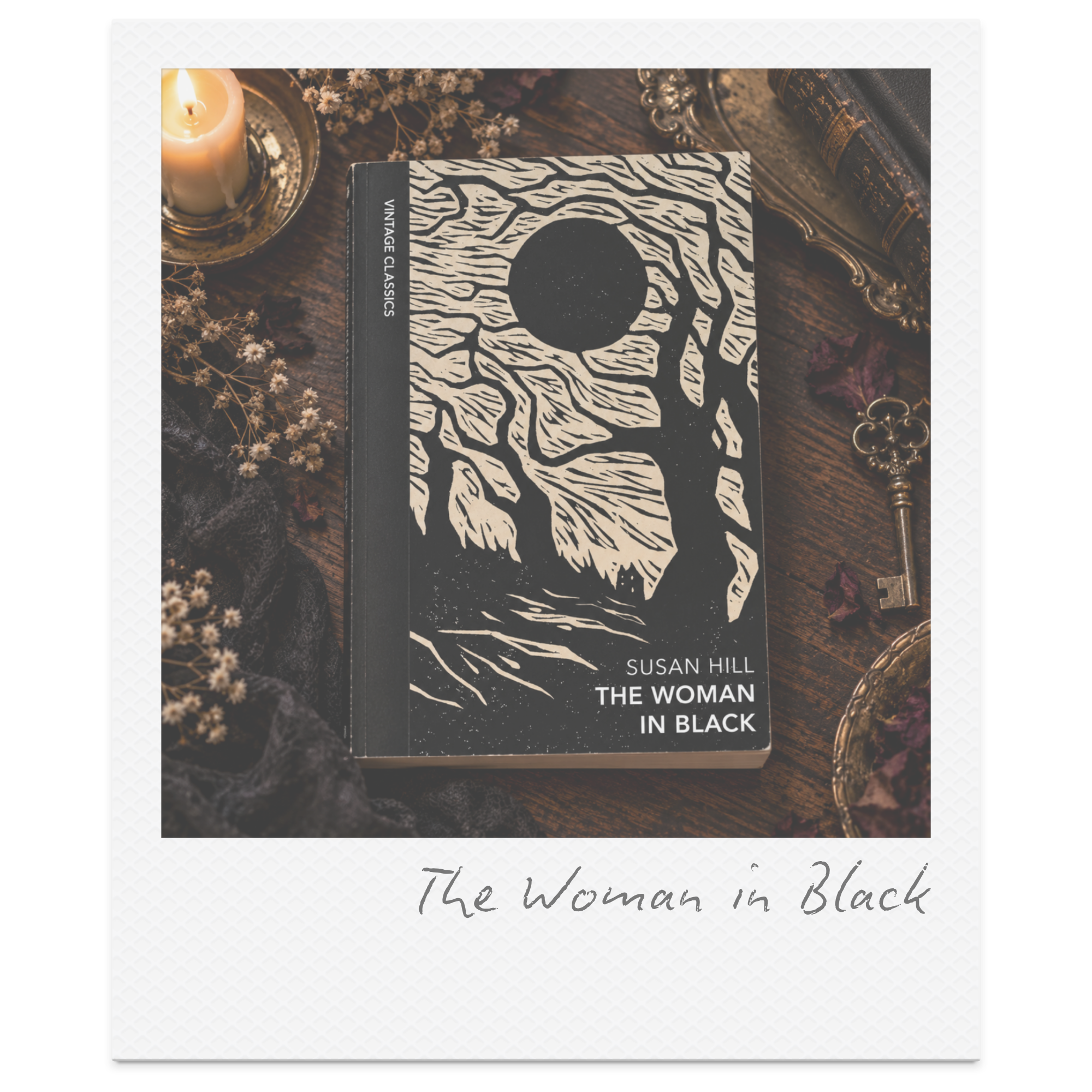
9. Susan Hill — The Woman in Black: Build Dread Through Isolation, Atmosphere and Restraint
What Is The Woman in Black About?
Susan Hill's The Woman in Black follows Arthur Kipps, a young solicitor sent to the remote coastal town of Crythin Gifford to settle the affairs of the recently deceased Mrs Alice Drablow. His work takes him to Eel Marsh House, an isolated property surrounded by desolate marshland and accessible only by a narrow causeway that disappears beneath the rising tide. Although Arthur initially dismisses the local villagers' reluctance to discuss the house, he soon encounters a mysterious woman dressed in black whose appearance inspires an almost overwhelming sense of dread.
As Arthur investigates the abandoned estate, he experiences increasingly disturbing supernatural events, including unexplained sounds, terrifying apparitions and the haunting cries of a child. The surrounding marshes, unpredictable weather and physical isolation make escape difficult, while the villagers' evasive behaviour suggests that the house conceals a terrible history. Hill combines traditional Gothic ghost-story conventions with psychological suspense, demonstrating how isolation, anticipation and carefully controlled revelations can create a sustained atmosphere of terror.
Exploring The Woman in Black: The Power of Atmosphere and Restraint
One of Hill's greatest achievements in The Woman in Black is her ability to create terror through anticipation rather than constant supernatural activity. From Arthur's arrival in Crythin Gifford, the behaviour of the local inhabitants establishes an atmosphere of unease. Their reluctance to discuss Eel Marsh House and their visible discomfort whenever the woman in black is mentioned suggest that something terrible has occurred, yet Hill initially withholds the explanation. Readers recognise that Arthur is approaching a danger he does not understand, allowing suspense to develop through warnings, silences and the unsettling discrepancy between his confidence and the villagers' fear.
The physical setting intensifies this dread by making isolation an unavoidable part of Arthur's experience. Eel Marsh House stands beyond a tidal causeway, surrounded by shifting marshland that becomes increasingly treacherous when the mist descends or the tide rises. These geographical features are more than atmospheric decoration: they determine when Arthur can leave, restrict his access to assistance and create the terrifying possibility that he may become trapped. Hill transforms the landscape into an active source of suspense, using natural conditions to make the protagonist's vulnerability both believable and immediate.
Hill's use of sound is equally important. Some of the novel's most disturbing moments involve events Arthur cannot clearly see, particularly the haunting sounds of a pony and trap struggling in the marshes and the desperate cries of a child. Because the source of these sounds remains inaccessible, Arthur is forced to imagine the suffering taking place beyond his sight. The darkness, fog and surrounding emptiness prevent him from intervening or confirming what he has heard, allowing his imagination to intensify the horror. By focusing upon sounds rather than explicit visual descriptions, Hill encourages readers to construct their own terrifying images.
The appearances of the woman in black are especially effective because they are relatively infrequent and surrounded by uncertainty. Her gaunt appearance, hostile expression and inexplicable presence become increasingly disturbing as Arthur discovers more about the tragedy associated with Eel Marsh House. Hill allows each encounter to acquire greater significance without relying upon elaborate supernatural spectacle. Even when the history of the haunting becomes clearer, the danger associated with the apparition remains deeply unsettling. The novel demonstrates that Gothic horror often becomes more powerful when writers reveal just enough to make readers anticipate something terrible, while withholding the precise moment and nature of the threat. Through isolation, sensory suggestion and carefully controlled supernatural encounters, Hill sustains dread without overwhelming the narrative with constant action.
What Can Gothic Writers Learn from Hill?
The central lesson from The Woman in Black is that suspense depends as much upon what readers anticipate as upon what actually happens. Hill demonstrates how atmospheric settings, limited sensory information and carefully spaced supernatural encounters can create a sustained sense of danger without relying upon graphic horror or repeated dramatic revelations.
Make isolation a practical obstacle rather than a decorative feature.
Eel Marsh House becomes frightening because its geographical isolation genuinely restricts Arthur's ability to escape or obtain assistance. Gothic writers can create similar effects by designing locations where physical circumstances influence the plot. A remote lighthouse might become inaccessible during a storm, a mountain retreat could be cut off by heavy snowfall, or an abandoned estate might be surrounded by dangerous woodland. The setting becomes more threatening when its isolation creates specific consequences for the protagonist's decisions.
Use sound and suggestion to encourage readers to imagine the horror.
Hill frequently relies upon unexplained noises and distant cries to create fear without immediately revealing their source. Writers can develop similar suspense through footsteps in an empty corridor, scratching beneath the floorboards, voices carried across a deserted landscape or the repeated sound of something moving behind a locked door. Rather than describing the supernatural presence in detail, focus upon the protagonist's attempts to interpret what they hear and the disturbing possibilities their imagination produces.
Build anticipation through warnings and withheld information.
The villagers' reluctance to discuss Eel Marsh House establishes danger before Arthur fully understands what threatens him. Gothic writers can create similar tension by introducing characters who appear frightened by a particular location, object or event but refuse to explain their reactions. A caretaker might insist that a room remain locked, a village could avoid a particular stretch of road after dark, or a family might refuse to acknowledge an inherited superstition. These warnings become more effective when the protagonist has a convincing reason to ignore them.
Use restraint to make supernatural encounters more significant.
Hill does not allow the woman in black to dominate every scene. Instead, her appearances become increasingly disturbing because they interrupt long periods of uncertainty and anticipation. Writers can use a similar approach by limiting the frequency of supernatural manifestations and ensuring that each encounter changes the protagonist's understanding of the threat. A ghost might appear only at particular moments, while a mysterious figure could be glimpsed briefly before disappearing. Carefully controlled appearances allow the supernatural presence to retain its mystery and impact.
Ultimately, Hill demonstrates that the anticipation of horror can be more frightening than the horror itself. By combining physical isolation, unsettling sensory details and carefully measured revelations, she creates a Gothic narrative in which silence, distance and uncertainty become powerful sources of dread.
Try It Yourself: Create a Gothic Scene Built Around Isolation and Unseen Horror
Imagine a Gothic story in which a protagonist becomes isolated in a location associated with a mysterious disappearance, unexplained death or disturbing supernatural event.
Your setting might be a remote coastal house, an abandoned railway station, a secluded manor, a lighthouse, a snowbound hotel or a forgotten village surrounded by dangerous countryside.
Rather than introducing an obvious supernatural threat immediately, develop suspense through the environment, the protagonist's growing vulnerability and a series of unsettling sensory experiences.
Answer the following questions:
Who is your protagonist, and why have they travelled to this location? Give them a practical reason to remain despite the unsettling circumstances.
What makes the setting physically isolated? Consider tidal waters, dangerous weather, difficult terrain, unreliable transport or the absence of communication.
What warning do they receive before arriving? Introduce a local superstition, an unexplained reaction or a mysterious instruction that suggests something is wrong.
What is the first subtle sign of danger? Develop an unusual sound, unexplained movement, sudden silence or disturbing environmental change.
What prevents the protagonist from investigating or escaping? Establish a believable obstacle that increases their vulnerability.
What supernatural presence might be responsible? Create a ghost, apparition or unexplained force whose nature remains partially concealed.
What final sensory detail will intensify the dread? Choose an unsettling sound, glimpse or physical sensation that suggests the threat has moved closer.
Once you've established these details, write two short scenes.
In the first, describe your protagonist arriving at the isolated location. Focus upon the surrounding landscape, the practical difficulties of reaching the property and the unsettling behaviour of anyone they encounter. Introduce a warning or unexplained detail, but allow the protagonist to dismiss it as superstition or misunderstanding. The aim is to establish vulnerability before any obvious supernatural event occurs.
In the second, place your protagonist alone within the setting as the environment becomes increasingly threatening. Perhaps the tide cuts off the causeway, a storm disrupts communication or darkness makes the surrounding landscape impossible to navigate. Introduce a disturbing sound whose source remains unseen, allowing the protagonist's imagination to suggest several frightening possibilities.
Avoid revealing the supernatural presence immediately. Instead, build tension through the protagonist's attempts to locate the sound, their growing awareness of isolation and the possibility that something is approaching beyond their field of vision.
The aim is to create a Gothic scene in which atmosphere, anticipation and sensory suggestion become more frightening than an explicit supernatural confrontation, demonstrating how carefully controlled information can sustain dread.
Explore the Book
Discover Susan Hill's The Woman in Black, a modern Gothic ghost story that demonstrates the extraordinary power of isolation, atmosphere and restraint. Through the desolate marshes surrounding Eel Marsh House, unexplained supernatural encounters and the terrifying possibilities suggested by unseen sounds, Hill creates a sustained atmosphere of dread that draws upon the finest traditions of classic Gothic fiction.
This Quarterbound Classics edition, The Woman in Black and Other Stories, offers a beautiful way to experience Hill's atmospheric supernatural storytelling, making it a wonderful addition to a collection of Gothic literature and traditional ghost stories.
Explore The Woman in Black and Other Stories: Quarterbound Classics on Amazon — paid link
Explore Further with Ink & Insights
If Hill's isolated marshland and atmospheric ghost story have inspired you, explore How to Create an Eerie Atmosphere in Gothic Writing, featuring practical techniques for developing unsettling settings through sensory description, environmental details and carefully controlled suspense. You can also discover Coastal Gothic for atmospheric writing prompts involving isolated lighthouses, treacherous shorelines, abandoned seaside communities and supernatural mysteries concealed within mist-covered landscapes.
For more inspiration involving unseen presences and supernatural dread, explore How to Describe a Haunted House: Sensory Writing Guide, which demonstrates how to use sounds, textures, smells and subtle environmental disturbances to create frightening interiors. Our Gothic Suspense Writing Exercises also offer practical challenges involving unexplained noises, restricted visibility, approaching threats and the careful withholding of information.
You can also explore Christmas Ghost Stories, a collection of atmospheric writing prompts inspired by Victorian fireside tales, mysterious visitors and supernatural encounters in isolated winter settings. Like Hill's novel, these story ideas encourage writers to experiment with silence, suggestion and the unsettling possibility that something unseen is waiting just beyond the safety of familiar surroundings.
10. Angela Carter — The Bloody Chamber: Reinvent Familiar Stories Through Gothic Imagery and Subversion
What Is The Bloody Chamber About?
Angela Carter's The Bloody Chamber and Other Stories is a collection of dark, imaginative retellings of traditional fairy tales, including Bluebeard, Beauty and the Beast, Little Red Riding Hood and Puss in Boots. Through richly atmospheric settings, unsettling transformations and complex relationships, Carter reimagines familiar narratives to explore desire, violence, power and the expectations imposed upon women.
The title story, The Bloody Chamber, follows a young bride who marries a wealthy, mysterious Marquis and moves into his isolated castle. Surrounded by extraordinary luxury, she gradually discovers that her husband's wealth and sophistication conceal a terrifying history. When she enters a forbidden chamber, she uncovers the fate of his previous wives and realises that she may become his next victim. Drawing upon the traditional tale of Bluebeard, Carter transforms a familiar story about curiosity and forbidden knowledge into a Gothic exploration of sexual power, female agency and the dangers concealed beneath romantic appearances.
Exploring The Bloody Chamber: Gothic Retellings That Challenge Familiar Stories
One of Carter's greatest achievements in The Bloody Chamber is her ability to transform familiar fairy tales without abandoning the elements that make them recognisable. The title story retains the central features of Bluebeard: a wealthy husband, an isolated residence, a forbidden room, a curious bride and the discovery of murdered wives. However, Carter enriches these familiar conventions through Gothic imagery, psychological complexity and a heightened awareness of power within marriage. Rather than presenting the heroine's curiosity as a simple moral failing, she examines the circumstances that place a young woman in the power of a dangerous, experienced husband.
Carter's descriptions are particularly important to this transformation. The Marquis's castle combines extraordinary luxury with an atmosphere of isolation and threat, while its beautiful furnishings, elaborate decorations and precious objects frequently acquire disturbing associations. Sensual imagery exists alongside suggestions of violence, creating an unsettling contrast between attraction and danger. The forbidden chamber itself becomes the ultimate expression of this contradiction, revealing the brutality concealed beneath the Marquis's cultivated appearance. Carter uses Gothic excess deliberately, allowing rich sensory descriptions to expose the darker implications of wealth, possession and desire.
The story also challenges conventional fairy-tale expectations through its treatment of the heroine. Although the young bride initially appears vulnerable and inexperienced, Carter gives considerable attention to her curiosity, conflicted desires and growing understanding of the danger surrounding her. The familiar pattern of a helpless woman awaiting rescue is further disrupted by the intervention of her mother, whose courage and decisive action overturn the expectation that a male hero must defeat the villain. This change is more than an unexpected plot twist: it transforms the story's underlying assumptions about femininity, protection and power.
Across the wider collection, Carter repeatedly uses Gothic imagery to reconsider the roles of monsters, heroines and supposedly civilised characters. In The Company of Wolves, the familiar threat of the wolf becomes entangled with questions of desire and female confidence, while The Tiger's Bride complicates the distinction between human and beast. These stories invite readers to reconsider which characters are truly monstrous and whether transformation must always represent punishment or corruption. Carter demonstrates that the most compelling retellings do not simply make familiar stories darker; they use Gothic conventions to challenge the assumptions upon which those stories were originally built. Through symbolism, sensuality and narrative subversion, she transforms traditional fairy tales into complex explorations of identity, agency and power.
What Can Gothic Writers Learn from Carter?
The central lesson from The Bloody Chamber is that familiar stories can become powerful sources of original Gothic fiction when writers reconsider their underlying assumptions. Rather than merely changing the setting or introducing supernatural horror, Carter transforms traditional narratives by questioning established character roles, exploring hidden power dynamics and giving familiar symbols new meanings.
Begin with a recognisable story, then question its assumptions.
Carter retains enough of Bluebeard for readers to recognise the original tale, but changes how its central conflict is understood. Gothic writers can experiment with similar transformations by selecting a familiar fairy tale, myth or legend and examining the values it appears to promote. Why is a particular character considered innocent or dangerous? Whose behaviour is rewarded, and whose curiosity is punished? What happens when the story is told from the perspective of someone who originally possessed little power? These questions can reveal opportunities for reinterpretations that remain recognisable while offering something genuinely new.
Use Gothic imagery to expose hidden power dynamics.
The Marquis's wealth, castle and luxurious possessions initially suggest sophistication and privilege, yet gradually reveal the violence underlying his authority. Writers can create similar contrasts by associating beautiful or desirable objects with disturbing implications. A magnificent wedding dress might symbolise confinement, a glittering palace could conceal exploitation, or an enchanted gift might establish an obligation that its recipient cannot escape. Gothic imagery becomes more meaningful when its beauty and horror reflect the central relationships within the story.
Challenge traditional character roles.
Carter frequently complicates the familiar distinctions between helpless heroines, dangerous monsters and heroic rescuers. Gothic writers can develop original retellings by changing who possesses knowledge, authority or the ability to act. A supposedly monstrous creature might become the most compassionate figure in the story, while an admired prince could reveal a controlling nature. Alternatively, a heroine traditionally rescued by someone else might discover the means to confront the danger herself. These changes become especially effective when they alter the story's underlying meaning rather than simply reversing expectations.
Give familiar symbols unexpected meanings.
The forbidden chamber, bloodstained key and isolated castle remain recognisable elements of Bluebeard, but Carter develops their psychological and thematic significance. Writers can reinterpret familiar fairy-tale objects by connecting them to different ideas. A poisoned apple might represent the desire for perfection, a glass slipper could become a symbol of social conformity, or a magical mirror might expose the consequences of judging people by their appearance. The strongest transformations preserve enough of the original symbolism to create recognition while encouraging readers to reconsider its significance.
Ultimately, Carter demonstrates that Gothic retellings become most compelling when they transform the meaning of familiar stories, not merely their appearance. By combining recognisable fairy-tale structures with disturbing imagery and unexpected shifts in power, she creates narratives that challenge readers to reconsider what they thought they understood.
Try It Yourself: Transform a Familiar Fairy Tale into Gothic Fiction
Imagine rewriting a familiar fairy tale, myth or traditional story as a Gothic narrative that challenges one of its central assumptions.
You might reinterpret Cinderella as a story about an oppressive household and the dangers of social ambition, transform Sleeping Beauty into a mystery involving imprisonment and lost time, or reimagine Little Red Riding Hood from the perspective of the supposedly monstrous wolf.
Rather than simply introducing darker descriptions, identify something within the original story that deserves to be questioned, complicated or transformed.
Answer the following questions:
Which familiar story will you reinterpret? Choose a fairy tale, myth or traditional narrative with recognisable characters, symbols and conflicts.
What assumption does the original story encourage readers to accept? Consider ideas about innocence, beauty, obedience, power, romance, heroism or monstrosity.
Whose perspective could transform the narrative? Select a character whose experiences, motivations or understanding of events might challenge the traditional version.
Which Gothic setting will intensify the conflict? Develop an isolated castle, decaying palace, enchanted forest, ancestral estate or other location that reflects the story's central themes.
What familiar object will acquire a disturbing new meaning? Reinterpret a mirror, key, apple, slipper, spinning wheel, rose or other recognisable symbol.
How will you challenge the original power dynamics? Consider changing who possesses knowledge, who controls the situation or who ultimately determines the outcome.
What ending will transform the meaning of the story? Develop a conclusion that challenges readers' expectations while remaining consistent with your reinterpretation.
Once you've established these details, write two short scenes.
In the first, introduce a recognisable moment from the original story, but describe it through Gothic imagery and a different emotional perspective. A magnificent ballroom might become an oppressive display of wealth and control, while an enchanted forest could conceal evidence that the supposed monster is not the true source of danger. Retain enough familiar details for readers to recognise the original narrative, but introduce unsettling contradictions that suggest a different interpretation.
In the second, rewrite a significant turning point so that a familiar character makes an unexpected choice. Perhaps the heroine refuses the prince's offer, the monster reveals a concealed truth or the supposed villain becomes the only person willing to challenge an unjust tradition. Allow this decision to transform the meaning of the story rather than simply producing a surprising ending.
Avoid relying entirely upon violence, darkness or supernatural imagery to distinguish your retelling from the original. Instead, use Gothic conventions to explore the hidden fears, desires and power structures beneath the familiar narrative.
The aim is to create a Gothic retelling in which recognisable fairy-tale elements acquire new psychological and symbolic meanings, encouraging readers to question the assumptions they previously accepted.
Explore the Book
Discover Angela Carter's The Bloody Chamber and Other Stories, an extraordinary collection of Gothic fairy-tale retellings that transforms familiar narratives through rich symbolism, sensual imagery and unsettling explorations of power. From the forbidden chamber of Bluebeard to the dangerous forests of Little Red Riding Hood, Carter demonstrates how traditional stories can become the foundations for original, psychologically complex Gothic fiction.
This edition of The Bloody Chamber and Other Stories offers an excellent opportunity to explore Carter's distinctive literary style and discover how familiar fairy tales can be reinvented through atmosphere, symbolism and unexpected shifts in perspective.
Explore The Bloody Chamber and Other Stories on Amazon — paid link
Explore Further with Ink & Insights
If Carter's Gothic reinterpretations have inspired you to experiment with familiar stories, explore Gothic Fairytales, featuring atmospheric writing prompts involving cursed kingdoms, enchanted forests, sinister bargains and familiar characters whose stories take unexpected turns.
For more inspiration involving mysterious creatures and shifting identities, explore Gothic Creatures, featuring writing prompts centred around supernatural beings, monstrous transformations and characters whose appearances conceal unexpected truths. Our Gothic Romance collection also offers opportunities to explore forbidden attraction, dangerous relationships and the complicated boundaries between desire, obsession and control.
You can also explore Briar & Bone: The Cabinet of Unnatural Curiosities, a Gothic Storyworld Archive that invites writers to investigate strange objects, unnatural phenomena and mysterious fragments of forgotten histories. Its unsettling artefacts and imaginative possibilities offer a starting point for original stories involving transformation, forbidden knowledge and the darker side of familiar fairy-tale traditions.
How to Apply These 10 Gothic Writing Lessons to Your Own Stories
The greatest Gothic writers rarely rely upon a single technique to create fear. Instead, they combine atmospheric settings, psychological complexity, disturbing symbolism and carefully controlled revelations to develop stories that unsettle readers on several levels. A haunted house becomes more frightening when it reflects a character's emotional deterioration, while a supernatural mystery becomes more compelling when the narrator's interpretation cannot be trusted.
The ten authors we've explored demonstrate that effective Gothic writing begins with the relationship between external horror and internal conflict. Whether you're developing a traditional ghost story, a Gothic romance, a psychological thriller or a dark fairy-tale retelling, these techniques can help you create narratives that feel atmospheric, emotionally meaningful and genuinely unsettling.
1. Begin with a Character Who Has Something to Hide, Fear or Desire
Before introducing a haunted mansion or supernatural creature, consider the emotional conflict at the centre of your story. Mary Shelley's Frankenstein explores ambition, rejection and responsibility, while Charlotte Brontë's Jane Eyre connects Gothic mysteries to forbidden desire and the struggle for independence.
Give your protagonist a vulnerability that influences how they respond to danger. Perhaps they are desperate for acceptance, concealing a terrible mistake or pursuing something that threatens their moral principles. Their internal conflict should shape the supernatural events they encounter, ensuring that the horror feels personally significant rather than arbitrary.
Ask yourself: What does my protagonist want, what are they afraid of losing, and how could the Gothic elements of my story force them to confront that fear?
2. Create a Setting That Reflects the Story's Central Conflict
Gothic settings become more effective when their physical characteristics influence the narrative. Edgar Allan Poe's The Fall of the House of Usher connects architectural decay to psychological deterioration, while Susan Hill's The Woman in Black uses the isolated landscape surrounding Eel Marsh House to make escape and assistance increasingly difficult.
Consider how your setting can reflect the protagonist's emotional circumstances while creating practical obstacles. A decaying ancestral estate might symbolise a family's collapsing reputation, while a remote coastal house could represent a character's growing isolation. Use architectural details, weather, sounds and surrounding landscapes to reinforce the story's themes.
Ask yourself: How does my setting reflect the protagonist's emotional state, and what dangers or restrictions does it introduce?
3. Decide What Readers Should Know — and What They Should Question
Suspense depends upon controlling information. Bram Stoker's Dracula distributes evidence across multiple documents, allowing readers to recognise connections before individual characters understand them. Henry James's The Turn of the Screw creates uncertainty by presenting events through a narrator whose interpretations may be unreliable.
Decide whether readers should know more than your protagonist, less than your protagonist or possess information that can be interpreted in several ways. You might reveal a threat through conflicting witness accounts, conceal an important detail within an apparently ordinary letter or allow a narrator's emotional assumptions to distort the significance of an event.
Ask yourself: What information am I withholding, who possesses it, and how will its eventual discovery change the reader's understanding?
4. Connect Supernatural Horror to Psychological Vulnerability
The most memorable Gothic hauntings frequently exploit a character's existing fears and emotional needs. Shirley Jackson's The Haunting of Hill House becomes particularly disturbing because Eleanor's longing for belonging appears inseparable from the mansion's supernatural influence. Daphne du Maurier's Rebecca creates a haunting through jealousy, memory and the overwhelming presence of someone who is already dead.
Consider how your protagonist's experiences might influence their interpretation of supernatural events. A grieving character could mistake an unexplained voice for someone they have lost, while a person consumed by guilt might interpret ordinary disturbances as evidence of punishment. Allow readers to question whether the haunting is external, psychological or a disturbing combination of both.
Ask yourself: Why is this particular character vulnerable to this particular form of horror?
5. Give Objects, Symbols and Secrets a Purpose
Gothic objects become more powerful when they reveal something meaningful about the characters. Oscar Wilde's The Picture of Dorian Gray transforms a portrait into a physical representation of moral corruption, while Angela Carter's The Bloody Chamber reinterprets familiar fairy-tale symbols to expose hidden relationships between desire, violence and power.
Choose objects that connect directly to your story's central themes. A locked room might represent a family's refusal to acknowledge its past, a mysterious portrait could reveal concealed guilt, or an inherited piece of jewellery might symbolise an obligation that has passed between generations. Allow these objects to change in significance as the narrative develops.
Ask yourself: What does this object represent, and how can its appearance, history or discovery reveal something the characters would rather conceal?
6. Build Dread Through Escalation Rather Than Constant Horror
A Gothic story does not need supernatural activity on every page. Often, the most frightening moments occur when readers anticipate a threat without knowing when or how it will appear. Hill's restrained supernatural encounters, Poe's increasingly oppressive atmosphere and Stoker's gradual accumulation of evidence demonstrate how suspense can develop through carefully controlled escalation.
Begin with subtle disturbances before introducing more significant revelations. An unexplained sound might become a recurring pattern, a mysterious letter could reveal a contradiction, or a familiar room might gradually acquire disturbing associations. Each development should change what the protagonist understands or increase the consequences of remaining within the situation.
Ask yourself: How does each unsettling event increase the danger, deepen the mystery or force my protagonist towards a difficult decision?
7. Make the Final Revelation Change Something Important
A Gothic revelation should do more than explain the mystery. It should transform the protagonist's understanding of themselves, another character or the world they inhabit. In Rebecca, discoveries about the past challenge the narrator's assumptions, while the revelations within Jane Eyre force Jane to confront the conflict between love and personal independence.
Consider what your protagonist will lose, discover or be forced to acknowledge when the truth emerges. The revelation might expose a terrible family history, reveal that a trusted character has manipulated events or demonstrate that the protagonist has misunderstood the nature of the threat. Even if you choose an ambiguous ending, the experience should leave the character or reader with a fundamentally altered understanding.
Ask yourself: Why does the truth matter beyond solving the mystery, and what emotional or moral consequences will follow its discovery?
Putting It All Together: A Gothic Story Blueprint
Imagine a young archivist who inherits an isolated manor after the death of a relative she barely knew. She arrives hoping to uncover information about her family's history, but discovers that one room has been sealed for decades. At night, she hears someone moving behind its locked door, although the household insists that the room has remained empty since a mysterious disappearance.
You could develop this premise by combining several techniques from the authors we've explored:
Mary Shelley: Give the archivist a morally complicated connection to the mystery, perhaps involving an ancestor whose actions were both understandable and unforgivable.
Edgar Allan Poe: Allow the manor's physical deterioration to reflect the gradual collapse of the family's carefully maintained reputation.
Bram Stoker: Reveal the mystery through letters, diaries, estate records and contradictory witness accounts.
Shirley Jackson: Introduce disturbances that could be supernatural or connected to the archivist's growing obsession.
Daphne du Maurier: Make the missing relative's influence visible through preserved belongings, family traditions and conflicting memories.
Henry James: Allow the archivist's assumptions to influence how she interprets the evidence.
Charlotte Brontë: Connect the sealed room to a history of repression, restricted freedom or forbidden desire.
Oscar Wilde: Introduce an inherited portrait that changes as disturbing truths emerge.
Susan Hill: Use the manor's isolation, unreliable electricity and approaching winter storms to intensify the danger.
Angela Carter: Challenge the familiar Gothic expectation that the imprisoned figure is necessarily helpless or innocent.
You would not need to incorporate every technique into the finished story. Instead, select the elements that best support your central conflict and allow them to develop naturally alongside the characters.
The result could be a supernatural mystery, psychological ghost story or Gothic family drama, depending upon which possibilities you choose to emphasise.
The most important lesson is that Gothic techniques should work together. Atmosphere creates unease, characterisation gives the horror emotional significance, suspense encourages readers to investigate, and symbolism allows the story's deeper meanings to emerge through its most disturbing details.
When these elements reinforce one another, Gothic fiction becomes more than a collection of frightening images. It becomes a way of exploring the secrets, desires and fears that characters — and sometimes entire societies — struggle to confront.
Go Deeper: Extra Tips for Writing Gothic Fiction
The ten authors we've explored demonstrate that Gothic fiction is most effective when atmosphere, characterisation and psychological tension work together. But understanding these techniques is only the beginning. The real challenge is knowing how to apply them without falling into familiar clichés or overwhelming your story with unnecessary horror.
Here are a few additional techniques to consider as you develop your own Gothic fiction.
Let the Ordinary Become Unsettling
Not every Gothic scene needs a crumbling castle, violent storm or ghostly apparition. Sometimes, the most disturbing details are those that interrupt an otherwise familiar environment. A family photograph that has been turned towards the wall, a freshly made bed in an abandoned house or a dinner table set for someone who died years ago can create immediate unease.
Begin with something recognisable, then introduce one detail that doesn't belong. Allow readers to notice the disturbance before your characters fully understand its significance.
Give Your Characters a Reason to Stay
One of the most common problems in Gothic fiction is a protagonist who remains somewhere dangerous without a convincing explanation. Rather than relying upon curiosity alone, establish practical or emotional reasons why leaving would be difficult.
Perhaps your protagonist cannot afford to abandon an inherited property, feels responsible for someone vulnerable or desperately needs to uncover a family secret. The stronger their reason for staying, the more believable their decisions become as the danger increases.
Make Every Revelation Change the Story
A mysterious noise, concealed letter or supernatural encounter should contribute something beyond momentary suspense. Each discovery can reveal a new aspect of the setting, challenge a character's assumptions or increase the consequences of their choices.
Think about how information accumulates. A locked room might initially suggest an eccentric family tradition, but a recovered diary could transform it into evidence of something far more disturbing. The best revelations encourage readers to reconsider details they've already encountered.
Use Contrasts to Intensify the Horror
Gothic fiction becomes particularly effective when beauty and corruption, innocence and danger, or comfort and terror exist alongside one another. A magnificent ballroom can conceal a violent history, while a seemingly compassionate character might possess deeply troubling motivations.
Experiment with moments of warmth, tenderness or ordinary happiness before introducing unsettling details. These contrasts make the horror more meaningful because readers understand what is threatened.
Know When to Leave Something Unexplained
Not every mystery requires a definitive solution. An unexplained apparition, contradictory account or final disturbing image can remain with readers long after the story ends.
However, ambiguity should feel deliberate rather than unfinished. Resolve the central emotional conflict where appropriate, even if the supernatural explanation remains uncertain. Readers can accept unanswered questions when the story has given those questions genuine significance.
Final Thoughts: Learning from the Masters of Gothic Fiction
From Mary Shelley's morally complicated monsters to Angela Carter's subversive fairy tales, the greatest Gothic authors demonstrate that horror is about far more than frightening imagery. Their stories explore guilt, obsession, desire, isolation, repression and the uncomfortable truths people would rather keep hidden.
What makes these writers so influential is their ability to connect Gothic conventions to meaningful human experiences. A haunted house can become an expression of psychological deterioration, a supernatural object can reveal concealed corruption, and an unreliable narrator can transform an apparently straightforward ghost story into a disturbing exploration of perception.
As you develop your own Gothic fiction, experiment with the techniques that interest you most. You might combine Poe's atmospheric settings with Jackson's psychological ambiguity, borrow Stoker's fragmented storytelling approach or use Carter's methods to transform a familiar fairy tale. The aim isn't to reproduce these authors' stories, but to understand how their techniques can help you create something distinctly your own.
For more inspiration, explore the Gothic Writing Hub for writing guides, atmospheric prompts and practical techniques. If you're looking for an unexpected starting point, try Gothic Story Sparks, our interactive Gothic writing prompt generator. You can also browse the Creative Writing Archive for more story ideas, writing exercises and inspiration across different genres.
The best Gothic fiction doesn't simply make readers afraid of what might be hiding in the darkness. It makes them question what the darkness reveals about the people standing within it.
