Some characters announce their wickedness the moment they enter a room. Others are far more disturbing. They smile at precisely the wrong moment, linger a little too long in a doorway, or speak with a politeness that seems carefully rehearsed. There is nothing obviously monstrous about their appearance, nothing that immediately justifies suspicion, and yet something about their presence makes the atmosphere change. Conversations falter. Familiar rooms become uncomfortable. Even the smallest gesture seems to conceal an intention that nobody can quite identify.
Learning how to describe a sinister character is not simply a matter of giving someone a cruel expression, a threatening voice or a collection of unpleasant physical features. The most memorable sinister characters are often those who resist easy interpretation. Their behaviour contradicts their appearance, their kindness carries an inexplicable sense of danger, or their ordinary habits gradually acquire disturbing significance. They unsettle the reader not necessarily through what they do, but through what they might be capable of doing.
Gothic literature has long understood the power of this uncertainty. From the disturbing presence of Edward Hyde in Robert Louis Stevenson's Strange Case of Dr Jekyll and Mr Hyde to the aristocratic courtesy of Count Dracula, Gothic writers have created unforgettable figures by allowing menace to emerge through suggestion, contradiction and the reactions of others. A character does not need to commit an act of violence to become frightening. Sometimes, the way they stand perfectly still while everyone else is afraid tells us far more than an explicit description of their cruelty ever could.
This approach to characterisation is closely connected to the wider techniques of Gothic Writing and Descriptive Writing, where atmosphere, sensory detail and carefully chosen language help transform ordinary people and places into sources of unease. A sinister character can make a brightly lit drawing room feel threatening, turn an innocent conversation into an interrogation, or introduce a disturbing tension into an otherwise peaceful scene. Writers exploring the Creative Writing Archive will find that these techniques are equally effective in psychological thrillers, mysteries, horror stories and dark fantasy.
In this guide, we'll explore ten techniques for describing sinister characters, from unsettling physical details and unnatural body language to psychological manipulation, disturbing contradictions and the careful withholding of information. You'll also find original descriptive writing examples, useful character vocabulary, literary recommendations and practical writing exercises designed to help you create characters who remain in the reader's imagination long after they have disappeared from the page.
Because the most frightening thing about a sinister character is not always what you know about them.
Sometimes, it is what you cannot explain.
What Makes a Character Sinister?
A sinister character is someone whose appearance, behaviour or presence suggests that something is wrong, even when the precise nature of the threat remains unclear. Unlike a conventional villain, whose intentions may be immediately apparent, a sinister character often creates discomfort through uncertainty. Their words seem to carry a second meaning. Their expressions reveal too little. Their actions appear perfectly reasonable until the reader begins to question the intentions behind them.
The word sinister is particularly useful in Gothic and psychological fiction because it describes an impression rather than a fixed personality trait. A character does not have to be cruel, violent or even genuinely dangerous to appear sinister. What matters is the atmosphere of suspicion surrounding them and the subtle details that encourage readers to anticipate something unpleasant.
Consider the difference between these two descriptions:
The man was cruel and dangerous. His dark eyes were filled with hatred, and his threatening expression frightened everyone who approached him.
Now compare it with:
Mr Vale greeted each visitor with the same mild smile, although he never seemed particularly pleased to see anyone. When a guest spoke, he listened without interruption, his hands folded neatly upon his knees. Only when the conversation turned to the missing girl did his expression change. The smile remained, but his fingers began to move, slowly smoothing an invisible crease from the fabric of his trousers.
The first description tells the reader exactly what to think. The second invites suspicion without confirming it. Mr Vale's behaviour is outwardly courteous, yet the carefully controlled smile and almost imperceptible movement of his fingers suggest that the conversation has disturbed him. The reader begins to wonder what he knows, why he is concealing his reaction and whether his pleasant manner is entirely genuine.
This is the central principle of sinister characterisation: the most effective descriptions create questions before they provide answers.
The Difference Between Sinister, Frightening and Villainous Characters
Although these descriptions frequently overlap, they produce different effects in fiction.
A frightening character inspires fear through an identifiable threat. They may possess extraordinary strength, behave violently or demonstrate an obvious willingness to harm others. The reader understands why they should be afraid.
A villainous character is defined primarily by their actions, motivations and moral choices. Their cruelty, selfishness or destructive ambitions may be obvious, although a sophisticated villain can also possess sympathetic or admirable qualities.
A mysterious character conceals information. Their background, intentions or identity may be uncertain, but secrecy alone does not necessarily make them threatening.
A sinister character, however, creates the impression of concealed danger. Their behaviour suggests that something disturbing exists beneath the surface, even when the reader cannot identify precisely what it might be.
A sinister character may eventually be revealed as a villain, but this is not essential. They might be misunderstood, morally ambiguous or entirely innocent. What makes them sinister is the uneasy relationship between what the reader observes and what those observations appear to suggest.
Why Subtlety Makes Sinister Characters More Disturbing
Human beings instinctively search for patterns in behaviour. We notice when someone's expression does not match their words, when a gesture seems inappropriate or when an apparently harmless person behaves in a way that contradicts our expectations.
Fiction can exploit this sensitivity by introducing small disturbances into otherwise ordinary interactions.
A housekeeper who refuses to enter one particular room might initially seem superstitious. A doctor who never asks patients about their symptoms might appear merely eccentric. A kindly neighbour who knows the contents of a letter before it has been opened introduces a far more troubling possibility.
None of these details establishes that the character is evil. Instead, each creates a gap between what should be happening and what actually happens.
That gap is where sinister characterisation becomes most effective.
Writers can intensify this effect by surrounding a disturbing detail with ordinary behaviour. A character who smiles while describing a tragedy may seem unsettling, but a character who smiles, notices the inappropriate expression and carefully rearranges their face can become considerably more disturbing. The second description suggests self-awareness, concealment and deliberate control.
Similarly, a character who threatens another person openly creates immediate conflict. Someone who delivers the same threat through a seemingly innocent observation may produce a more sustained sense of dread.
'Your daughter has such a lovely singing voice,' Mrs Harrow remarked, setting down her teacup. 'I can hear her practising from my garden every evening. Even on the nights when you've told everyone she's away.'
The words are polite. The implication is not.
The sinister quality emerges from the contradiction between the character's pleasant manner and the disturbing knowledge she possesses.
Sinister Characters in Gothic and Psychological Fiction
Gothic literature frequently uses sinister characters to explore the uncomfortable relationship between outward respectability and hidden corruption. A wealthy gentleman may conceal monstrous appetites beneath impeccable manners. A devoted servant may exercise disturbing control over a household. A respected professional may use their authority to conceal experiments, secrets or acts of cruelty.
These figures are particularly effective because they challenge assumptions about appearances, status and trustworthiness. Their threatening qualities are not always visible, and their social positions may make other characters reluctant to question them.
Psychological fiction often develops this uncertainty further by making readers doubt their own interpretations. Is the character deliberately manipulating someone, or has their behaviour been misunderstood? Is their apparent kindness genuine, or does it conceal a calculated intention? Are the warning signs real, or are they being exaggerated by an anxious narrator?
Such questions can sustain tension across an entire story.
Ultimately, describing a sinister character involves more than choosing unsettling adjectives or inventing an unusual appearance. It requires the careful arrangement of details that encourage readers to notice, interpret and question what they are seeing.
The goal is not simply to make a character look dangerous. It is to make the reader feel that danger may exist beneath something entirely ordinary.
In the following section, we'll explore ten practical techniques for creating that impression through physical description, body language, dialogue, psychological contradiction and carefully controlled revelations.
10 Techniques for Describing a Sinister Character
Creating a genuinely sinister character requires more than an unsettling appearance or a collection of threatening mannerisms. The most memorable figures in Gothic fiction often possess qualities that would seem perfectly ordinary in another context: impeccable manners, a gentle voice, an attentive gaze or a habit of standing very still. Their menace emerges through the careful arrangement of these details, particularly when something about their behaviour contradicts what the reader expects.
The following ten techniques explore different ways to introduce unease into character description. Each includes an original example, an explanation of how the technique works and a practical challenge to help you apply it to your own writing.
1. Use Small, Unsettling Physical Details
A sinister character does not need an obviously monstrous appearance. In fact, concentrating on one or two peculiar physical details can be considerably more effective than describing someone as grotesque, frightening or unnatural.
The key is to select a feature that appears ordinary at first but becomes disturbing when examined more closely. Perhaps a character's smile never reaches the rest of their face, their hands remain unnaturally still, or they seem to blink only when someone looks away.
Rather than overwhelming readers with unpleasant features, allow one carefully chosen observation to suggest that something is wrong.
Descriptive example
The gentleman was handsome in the conventional sense, with neatly parted silver hair and a face that might have belonged to a retired schoolmaster. His smile was pleasant enough, although it arrived a moment after everyone else's, as though he had been waiting for a signal. When he laughed, a small muscle moved beneath his left eye. The rest of his face remained perfectly composed.
Why this works
The description establishes an ordinary, respectable appearance before introducing details that subtly contradict it. The delayed smile suggests imitation rather than genuine emotion, while the isolated facial movement makes his laughter seem strangely mechanical. Neither detail proves that the gentleman is dangerous, but together they encourage readers to question the authenticity of his behaviour.
Try it yourself: Describe an apparently respectable character using three ordinary physical features and one small detail that makes their appearance unsettling. Avoid words such as evil, creepy, terrifying or sinister.
2. Create a Mismatch Between Appearance and Behaviour
One of the most effective ways to make a character disturbing is to create a contradiction between how they look and how they behave.
A delicate elderly woman might speak with unexpected cruelty. A cheerful shopkeeper might display a peculiar fascination with local disappearances. A well-dressed gentleman might treat a serious injury as a minor inconvenience.
These contradictions challenge the reader's expectations. Instead of presenting danger through conventional signs of aggression, they suggest that the character's outward appearance cannot be trusted.
Descriptive example
Miss Bellamy wore pale blue dresses embroidered with tiny flowers and carried a little silver box of sugared almonds wherever she went. She offered them freely to children, servants and visitors, always insisting that people take two. When the gardener's boy fell from the orchard wall and broke his wrist, she knelt beside him, brushed the dirt from his cheek and told him what a brave little fellow he was. Then she asked, with genuine curiosity, whether he thought the bone had made a sound when it snapped.
Why this works
Miss Bellamy's gentle appearance and apparently maternal behaviour establish an expectation of kindness. Her final question disrupts that impression without completely overturning it. She does not behave violently or express pleasure in the boy's suffering, but her curiosity seems disturbingly detached from his pain.
The contrast makes her more unsettling than a character whose cruelty is immediately obvious.
Try it yourself: Invent a character whose appearance suggests warmth, innocence or vulnerability. Give them one reaction that contradicts this impression, but make sure their behaviour remains plausible rather than exaggerated.
3. Make Their Eyes and Expressions Difficult to Read
Facial expressions provide important clues about emotion, intention and sincerity. When a character's expression becomes difficult to interpret, readers lose one of their most familiar ways of understanding another person.
This does not mean relying on descriptions of cold eyes, evil smiles or dead expressions. Instead, consider what happens when a character's face reveals too little, changes at an inappropriate moment or appears to communicate an emotion that their words deny.
An unreadable expression can suggest restraint, concealment, emotional detachment or deliberate manipulation.
Descriptive example
The magistrate listened to the widow's account without once interrupting her. His eyes remained fixed upon her face, attentive and apparently sympathetic. When she described finding her husband's coat beside the river, something passed across his expression so briefly that she could not identify it. Recognition, perhaps. Or satisfaction. By the time she looked again, his features had settled into their former arrangement of patient concern.
Why this works
The magistrate's expression is disturbing because its meaning remains uncertain. The widow notices a reaction but cannot interpret it, leaving the reader to consider several troubling possibilities.
The phrase patient concern also becomes suspicious once the reader begins to question whether his sympathy is genuine. A previously reassuring expression acquires a second, potentially threatening meaning.
Try it yourself: Write a short exchange in which one character notices an expression they cannot explain. Suggest two possible interpretations without confirming which is correct.
4. Use Body Language to Suggest Hidden Intentions
Body language can reveal a character's relationship with power, personal boundaries and emotional control.
Sinister characters often become disturbing through gestures that are too deliberate, movements that seem strangely economical or an unusual disregard for another person's discomfort.
A character might stand slightly too close during a conversation, block a doorway without appearing to notice, or remain seated while everyone else rises in alarm.
The most effective details are not necessarily dramatic. Small movements can suggest considerable menace when placed within an otherwise ordinary interaction.
Descriptive example
Mr Ashcroft moved his chair closer while she was speaking. The movement was so quiet that she barely noticed it. A few minutes later, he adjusted it again, bringing one polished shoe against the leg of her own chair. He continued discussing the weather in a mild, conversational voice. When she shifted away, he reached across the table and straightened the crooked picture frame behind her, his sleeve brushing her shoulder.
Why this works
Mr Ashcroft never openly threatens the other character. Instead, his gradual intrusion into her personal space creates an increasingly uncomfortable power dynamic.
His polite conversation contrasts with his physical behaviour, while the apparently innocent adjustment of the picture frame allows him to approach even closer without acknowledging her discomfort.
The reader recognises a pattern of boundary violations that the character herself may struggle to challenge.
Try it yourself: Describe a conversation in which one character gradually establishes control through physical positioning. Use movement, distance and gestures rather than threatening dialogue.
5. Give Their Voice an Unsettling Quality
A sinister voice does not have to be deep, harsh or threatening. Sometimes a gentle voice becomes disturbing precisely because it remains gentle when the situation demands another response.
Consider the effect of excessive politeness, unusual pauses, carefully rehearsed phrases or a character who speaks about terrible events with the calm detachment of someone discussing household arrangements.
The relationship between what a character says and how they say it can reveal more than either element alone.
Descriptive example
'You mustn't worry about the cellar,' Mrs Vane said pleasantly. 'Old houses make all sorts of noises.'
She pronounced each word with the patient clarity of someone addressing a particularly slow child.
'And if you hear anyone calling from downstairs, it is best not to answer. Sound travels strangely through these walls.'
She paused to straighten the lace cuff at her wrist.
'Especially at night.'
Why this works
Mrs Vane's composed, reassuring manner clashes with the disturbing implications of her instructions. Her refusal to acknowledge anything unusual about voices calling from the cellar suggests either that she knows more than she admits or that she has become accustomed to something deeply abnormal.
The small pause before especially at night also gives the final warning greater significance without requiring an explicit threat.
Try it yourself: Write five lines of dialogue in which a character delivers disturbing information in a perfectly ordinary, reassuring voice. Use pauses and small actions to control the tension.
6. Reveal Their Sinister Nature Through Other Characters
Sometimes the most effective way to describe a sinister character is to show how other people behave in their presence.
A room that falls silent when someone enters, a servant who avoids meeting their employer's eyes or a child who instinctively hides behind a parent can suggest a disturbing reputation without requiring the narrator to explain it.
This technique is particularly effective when the character being described behaves pleasantly while everyone around them becomes uncomfortable.
The contrast encourages readers to wonder what the other characters know.
Descriptive example
When Sir Edmund entered the dining room, the conversation did not stop immediately. It faltered in stages. Mrs Fenwick abandoned her account of the harvest. The footman lowered his eyes and moved his hand away from the silver tray. Even the youngest daughter, who had been laughing moments before, sat very straight and folded her hands beneath the table.
Sir Edmund appeared not to notice.
'What a cheerful gathering,' he remarked, taking his usual place at the head of the table.
Why this works
Sir Edmund's sinister presence is established almost entirely through the reactions of others. Their behaviour suggests familiarity with a threat that the reader has not yet witnessed.
The gradual silence feels more natural than an exaggerated collective reaction, while Sir Edmund's cheerful observation introduces the possibility that he either enjoys their discomfort or has deliberately chosen to ignore it.
Try it yourself: Introduce a character without describing their face, clothing or personality. Establish their unsettling presence entirely through changes in the behaviour of three other people.
7. Use Contradictions to Create Psychological Unease
Sinister characters become particularly compelling when they possess qualities that appear incompatible.
They might demonstrate genuine affection towards one person while treating another with calculated cruelty. They may be generous, intelligent and charming, yet display a disturbing lack of remorse. Their behaviour might suggest both vulnerability and an extraordinary capacity for manipulation.
Such contradictions make characters difficult to categorise, encouraging readers to question their motives rather than dismissing them as straightforward villains.
Descriptive example
Doctor Harrow kept a wounded blackbird in a little wicker cage beside his study window. Every morning, he fed it by hand, speaking softly as he examined the healing wing. He could not bear to see the creature frightened.
When the housemaid confessed that her brother had disappeared after visiting the surgery, the doctor listened with the same tender expression.
'My dear,' he said, 'you must learn not to become attached to things you cannot keep.'
Then he turned back to the bird and began humming.
Why this works
The doctor's apparent compassion is not necessarily false. His tenderness towards the injured bird may be entirely genuine, making his response to the housemaid more disturbing.
The reader encounters a character whose moral boundaries appear selective and unpredictable. His final remark also carries an ambiguous implication that becomes more threatening because it is delivered without obvious hostility.
Try it yourself: Create a character who demonstrates genuine kindness in one situation and disturbing indifference in another. Avoid explaining the contradiction. Allow readers to decide what it reveals.
8. Introduce One Distinctive, Recurring Detail
A repeated gesture, habit or object can become a powerful element of sinister characterisation, particularly when its meaning changes throughout a story.
An apparently harmless behaviour might initially appear eccentric, then become suspicious as the reader encounters it in increasingly troubling circumstances.
The repetition allows a writer to build unease gradually. Each appearance of the detail reminds readers of earlier moments while suggesting that they may have overlooked something important.
Descriptive example
Mr Pritchard always removed his gloves before delivering bad news. He did so when the mill closed, when the vicar died and when the old bridge collapsed during the winter floods. He would draw each finger free with extraordinary care, fold the gloves together and place them on the nearest surface.
So when he arrived at the cottage one bright September morning and began unbuttoning his left glove, Margaret felt the blood drain from her face.
He had not yet spoken.
Why this works
The gloves are not inherently frightening. Their significance emerges through repetition and association.
By establishing a connection between the gesture and previous misfortunes, the description transforms an ordinary habit into a warning. The final moment becomes threatening because Margaret recognises the pattern before the reader learns what has happened.
Try it yourself: Give a character an innocuous habit involving an everyday object. Describe three occasions on which it appears, allowing its significance to become progressively more disturbing.
9. Show How They Exercise Power and Control
Not every sinister character relies on physical intimidation. Some establish control through social authority, carefully selected information, emotional manipulation or an ability to make others question their own judgement.
A character may appear generous while creating obligations that cannot easily be repaid. They might use intimate knowledge to make another person feel exposed, or present unreasonable demands as acts of kindness.
This kind of menace is particularly effective in psychological Gothic fiction, where danger frequently emerges through relationships rather than overt violence.
Descriptive example
Lady Whitmore had paid for Clara's education, arranged her employment and provided the black silk dress she wore to dinner. She reminded Clara of none of these kindnesses directly. Instead, whenever the girl expressed a wish to leave the house, Lady Whitmore would grow very quiet.
'Of course you must do what makes you happy,' she would say, turning her wedding ring slowly around her finger. 'I should never wish you to remain here out of gratitude.'
Then she would ask whether Clara had remembered to write to the aunt who could no longer afford to support her.
Why this works
Lady Whitmore's control depends upon obligation rather than direct threats. Her apparent generosity gives her influence over Clara, while her carefully worded responses transform ordinary independence into a source of guilt.
The reference to Clara's impoverished aunt reinforces the imbalance of power without explicitly forbidding her departure.
The sinister quality lies in the gap between Lady Whitmore's professed kindness and the restrictions her behaviour creates.
Try it yourself: Write a conversation in which one character manipulates another without issuing a command, raising their voice or making an explicit threat. Use implication, obligation or carefully chosen personal information.
10. Leave Something About Them Unexplained
One of the greatest temptations when describing a sinister character is to explain every disturbing detail.
Writers may reveal why a character behaves strangely, identify the source of their threatening appearance or provide an immediate explanation for an unsettling encounter. Although these revelations can become important later, offering them too soon may weaken the character's mystery.
Sometimes the most effective description is one that ends with an observation the reader cannot fully interpret.
Descriptive example
The new governess arrived shortly before dusk, carrying a narrow leather suitcase and wearing a travelling coat several decades out of fashion. She was a pleasant woman, if somewhat reserved, and the children took to her immediately.
At supper, she asked whether the nursery still overlooked the eastern gardens.
'Still?' their father repeated.
The governess looked briefly confused.
'I beg your pardon. I meant to ask whether it overlooks the gardens.'
Later that evening, when the housekeeper carried her luggage upstairs, she found the governess standing before the nursery door.
The woman had removed her gloves and was tracing the scratches in the wood with one finger.
'They never repaired it,' she whispered.
Why this works
The governess's knowledge of the house suggests a connection that has not been explained. Her outdated clothing and peculiar choice of words introduce further uncertainty, but none of these details confirms whether she is deceptive, supernatural or simply familiar with the property.
The final observation deepens the mystery by suggesting personal recognition. Rather than resolving the reader's questions, the passage introduces a new and more troubling possibility.
Try it yourself: Introduce a stranger into a familiar setting. Allow them to reveal one piece of knowledge they should not possess, then end the scene with a small action or remark that raises another question.
Bringing the Techniques Together
These ten techniques are most effective when they work in combination rather than appearing as a checklist of sinister qualities.
A character might possess an unusually controlled expression, speak with excessive courtesy and cause other people to become visibly uncomfortable. Another might appear entirely ordinary but gradually reveal a pattern of manipulative behaviour and inexplicable knowledge.
The important distinction is between accumulating frightening details and developing a coherent impression of concealed danger.
A character who possesses every unsettling characteristic at once may quickly become predictable. By contrast, a character with one memorable contradiction, a distinctive mannerism and an unexplained connection to the story's central mystery can remain disturbing across many scenes.
Choose the details that reveal something meaningful about the character's personality, relationships or possible intentions. Allow some observations to appear innocent at first, then acquire new significance as the story develops.
Above all, remember that sinister characterisation depends upon the reader's participation. A carefully placed detail invites suspicion; a contradiction encourages interpretation; an unanswered question allows unease to linger.
The writer provides the evidence. The reader begins to imagine what it might mean.

Edinburgh, 1828.
The anatomy schools are expanding.
The demand for bodies is growing.
And the dead are not resting peacefully.
Across the city, churchyards are watched through the night. Coffins are reinforced. Graves are guarded. Rumours spread between mourners, surgeons, students, and those willing to make a profit from the recently buried.
Somewhere between the cemetery and the lecture hall, a quiet trade flourishes.
The Resurrection Collection is an immersive archive inspired by the real history of body snatching, anatomical study, and institutional silence in nineteenth-century Edinburgh. Inside you'll discover letters, diaries, advertisements, ledgers, archive records, paintings, newspaper reports, and personal accounts that reveal fragments of a story hidden beneath the city's pursuit of knowledge.
Some documents appear trustworthy.
Others raise uncomfortable questions.
Who supplied the bodies?
Who looked the other way?
And how many people knew more than they were willing to admit?
There is no official explanation.
No single narrative.
Only evidence.
What's Inside?
◆ 50+ printable documents and artefacts inspired by the world of nineteenth-century Edinburgh
◆ Letters, diaries, ledgers, advertisements, archive records, textbook extracts, silhouettes, paintings, and more
◆ A document-based experience designed for exploration, interpretation, and storytelling
◆ Instant digital download in PDF format
Who Is It For?
Perfect for:
◆ Writers and worldbuilders
◆ History enthusiasts
◆ Mystery lovers and curious minds
◆ Teachers and students
◆ Anyone fascinated by gothic realism, historical crime, and hidden stories
What Makes This Different?
This isn't a guided story or a puzzle with a solution.
It's an archive.
The documents don't agree. Some voices are missing. Others speak too clearly.
Every piece reveals part of a larger story, but none reveal the whole truth.
What happened depends on what you trust, what you question, and what connections you choose to make.
Every reader uncovers a different version of events.
Step Inside a Storyworld: A Million Stories in One Download
What if you could step inside a fictional world, uncover its secrets and decide for yourself whose story deserves to be told?
At Ink & Insights, our Storyworld Archives are immersive fictional worlds to escape to and explore, filled with mysterious characters, hidden histories, conflicting accounts and extraordinary storytelling possibilities. Rather than following a predetermined plot, you're invited to investigate the evidence, discover unexpected connections and imagine the stories waiting between the pages.
A million stories in one download.
For writers interested in sinister characters, Gothic mysteries and the darker corners of human nature, The Resurrection Collection offers a particularly compelling world to explore.
Edinburgh, 1828.
The anatomy schools are expanding. The demand for bodies is growing. And beneath the respectable streets of the city, a disturbing trade is flourishing.
Inspired by the real history of nineteenth-century body snatching, this immersive digital archive contains more than 50 printable documents and artefacts, including private letters, diaries, newspaper reports, advertisements, anatomical records, ledgers and illustrations.
Among these fragments are people with secrets to protect, reputations to preserve and uncomfortable truths to conceal. Who can be trusted? Who is manipulating the evidence? And who might be hiding something far more sinister behind a respectable appearance?
There is no prescribed storyline, no single correct interpretation and no predetermined ending. The characters, mysteries and possibilities are yours to investigate.
Whether you're developing a Gothic protagonist, inventing a morally ambiguous villain or simply searching for a fictional world to lose yourself in, the Storyworld Archives offer an invitation to explore, imagine and create.
Explore The Resurrection Collection and uncover the stories hidden within.

Sinister Character Vocabulary: Words for Appearance, Behaviour and Personality
The vocabulary you choose when describing a sinister character can transform an ordinary observation into something deeply unsettling. A man who walks slowly might simply be tired, but one who moves deliberately suggests a degree of control that invites closer attention. A woman with an expressionless face may appear distracted, while an inscrutable expression suggests thoughts or intentions that cannot easily be understood.
Effective sinister description depends upon precision rather than an abundance of dark adjectives. Words such as evil, creepy, terrifying and menacing communicate a general impression, but they rarely explain what makes a character disturbing. More specific vocabulary allows writers to establish unease through appearance, movement, speech and behaviour without explicitly announcing that someone should be feared.
The following 32 words offer a starting point for creating distinctive Gothic villains, mysterious strangers, psychologically disturbing figures and morally ambiguous characters. Each includes a definition and an original example demonstrating how the word might be incorporated into descriptive prose.
1. Words for Sinister Appearance and Facial Expressions
Physical description can establish an immediate impression of a character, but the most effective details often suggest emotional concealment, unnatural composure or a disturbing contradiction between appearance and behaviour.
1. Inscrutable — Impossible to interpret or understand, particularly when describing someone's expression or intentions.
The physician regarded her with an inscrutable expression, his fingers resting lightly upon the sealed envelope she had come to retrieve.
2. Cadaverous — Extremely thin, pale or corpse-like in appearance.
His cadaverous face emerged from the candlelight, the hollows beneath his cheekbones deepening whenever he smiled.
3. Impassive — Showing no visible emotion or reaction.
Lady Harcourt remained impassive throughout the confession, although the silver spoon in her hand had slowly bent beneath the pressure of her fingers.
4. Gaunt — Thin and angular, often suggesting exhaustion, illness or prolonged suffering.
The gaunt stranger stood beneath the archway, his sharp features almost indistinguishable from the weathered stone behind him.
5. Sallow — Having an unhealthy yellowish or pale complexion.
The solicitor's sallow complexion seemed almost luminous beneath the green-shaded lamp, giving his otherwise ordinary features a sickly appearance.
6. Vacant — Appearing empty of thought, emotion or awareness.
For several seconds, her expression became utterly vacant, as though she had forgotten the conversation, the room and the people gathered around her.
7. Austere — Severe, restrained or lacking warmth and softness.
The headmistress possessed an austere beauty, her narrow mouth and immaculate clothing suggesting a woman who had long ago abandoned the habit of forgiveness.
8. Unblinking — Maintaining a fixed gaze without blinking.
The child watched the visitor with an unblinking stare, his small hands folded neatly upon the table long after the other children had fled.
Writing tip: Avoid treating physical appearance as proof of moral corruption. A pale complexion, thin face or unusual feature does not make someone sinister. The effect becomes more sophisticated when appearance interacts with behaviour, context and the perceptions of other characters.
2. Words for Sinister Movement and Body Language
Movement can reveal a character's relationship with power, personal space and emotional restraint. An ordinary gesture may become disturbing when performed with excessive precision, inappropriate confidence or an apparent disregard for another person's discomfort.
9. Deliberate — Carefully considered, controlled or performed with conscious intention.
Every movement Mr Wren made was deliberate, from the placement of his walking stick to the slow arrangement of his gloves beside the untouched supper.
10. Furtive — Secretive or attempting to avoid attention, often suggesting concealed intentions.
The servant cast a furtive glance towards the locked cabinet before returning his attention to the gentleman seated beside the fire.
11. Predatory — Suggesting the behaviour of a hunter observing or approaching prey.
There was something predatory in the way he followed the conversation, waiting patiently for the youngest guest to contradict herself.
12. Rigid — Stiff, inflexible or unnaturally controlled.
The governess stood rigid beside the nursery door, her hands pressed against her skirts while something heavy moved across the floor above.
13. Stealthy — Moving quietly and carefully to avoid detection.
His stealthy approach was betrayed only by the faint displacement of air as he passed behind her chair.
14. Mechanical — Performed with repetitive precision, as though without conscious feeling.
She greeted each mourner with the same mechanical inclination of her head, repeating the appropriate words without once looking towards the coffin.
15. Unhurried — Moving without haste, even when circumstances might demand urgency.
While the household struggled to extinguish the flames, the master descended the staircase with an unhurried step, pausing to straighten a crooked portrait.
16. Invasive — Intruding upon another person's space, privacy or boundaries.
His invasive manner revealed itself in small gestures: a hand upon an unfamiliar shoulder, an unnecessary adjustment of someone's collar, a tendency to lean closer whenever a question went unanswered.
Writing tip: Body language is particularly effective when it contradicts the surrounding situation. A character who remains perfectly composed during a crisis, moves closer when someone retreats or performs an ordinary action with excessive care can create unease without displaying obvious aggression.
3. Words for Sinister Voices and Speech
A character's voice can reveal hidden intentions through tone, rhythm, volume and the relationship between their words and emotions. Sinister dialogue often becomes most effective when a pleasant manner conceals an unpleasant implication.
17. Measured — Carefully controlled in pace, tone or expression.
The inspector spoke in measured sentences, allowing a long silence to follow each question until the prisoner began answering things he had never been asked.
18. Silken — Smooth, soft and seemingly pleasant, sometimes suggesting concealed manipulation.
Her silken voice carried across the drawing room, gentle enough to disguise the cruelty of what she had just suggested.
19. Clipped — Brief, sharply articulated or abruptly delivered.
His clipped instructions left no room for disagreement, although he never raised his voice above a conversational murmur.
20. Insinuating — Suggesting something indirectly, particularly an accusation or unpleasant implication.
The lawyer's insinuating questions gradually transformed an innocent recollection into something that sounded remarkably like a confession.
21. Monotonous — Lacking variation in pitch, rhythm or emotional expression.
The caretaker described the previous tenant's disappearance in a monotonous voice, as though reciting the household inventory.
22. Sibilant — Characterised by prominent hissing sounds, particularly the consonants s and sh.
His sibilant whisper slipped through the darkness, each softly drawn syllable seeming to emerge from a different corner of the room.
23. Sardonic — Mocking, bitterly amused or expressing cynical contempt.
A sardonic smile accompanied his congratulations, although everyone present understood that he considered the victory a temporary inconvenience.
24. Unctuous — Excessively flattering, ingratiating or insincerely polite.
The landlord's unctuous assurances became increasingly elaborate whenever the tenants mentioned the noises beneath the floorboards.
Writing tip: Consider the emotional mismatch between dialogue and delivery. A character who describes a tragedy in a monotonous voice, offers a threat with silken courtesy or responds to genuine distress with sardonic amusement may be more disturbing than someone who openly snarls or shouts.
4. Words for Sinister Personality and Temperament
While appearance and mannerisms establish an initial impression, a character's personality determines how that impression develops. These words are particularly useful when describing individuals whose threatening qualities emerge through manipulation, deception, cruelty or emotional detachment.
25. Calculating — Carefully planning actions to achieve a particular advantage, often without regard for others.
There was something calculating about Mrs Blackwood's generosity; every kindness seemed to arrive precisely when someone had something she wished to obtain.
26. Duplicitous — Deliberately deceptive, particularly by presenting different intentions or loyalties to different people.
The steward's duplicitous nature became apparent only when the two sisters compared the contradictory promises he had made to each of them.
27. Malevolent — Wishing harm or misfortune upon others.
Beneath his courteous manner lay a malevolent satisfaction in discovering the private fears of those who trusted him.
28. Manipulative — Seeking to influence or control others through indirect, deceptive or emotionally coercive methods.
Her manipulative affection made every disagreement seem like an act of betrayal and every attempt at independence an unforgivable cruelty.
29. Remorseless — Showing no regret or guilt for harmful actions.
The captain remained remorseless even after the wreckage was discovered, expressing greater irritation over the damaged cargo than the missing crew.
30. Callous — Emotionally insensitive or indifferent to another person's suffering.
His callous response to the child's disappearance was to complain that the search parties had trampled his newly planted garden.
31. Obsessive — Dominated by a persistent, excessive or consuming preoccupation.
The archivist's obsessive devotion to the missing manuscript had led him to catalogue every visitor, record every conversation and sleep beside the locked cabinet.
32. Vindictive — Determined to punish someone for a perceived injury, insult or wrongdoing.
Lady Mercer possessed a vindictive patience, remembering the smallest slight for years before arranging a punishment that appeared entirely accidental.
Writing tip: Personality vocabulary is often most powerful when the trait is demonstrated rather than directly stated. Instead of describing someone as manipulative, show how they exploit another person's guilt. Rather than calling a character vindictive, reveal the extraordinary lengths they will go to avenge a seemingly insignificant insult.
How to Use Sinister Vocabulary Without Overwriting
A rich vocabulary can strengthen Gothic characterisation, but using too many descriptive words at once may weaken the effect.
Consider this description:
The gaunt, cadaverous, malevolent gentleman approached with a stealthy, predatory movement, his inscrutable expression concealing his calculating and duplicitous intentions.
Although the individual words are appropriate to sinister characterisation, the sentence becomes overloaded. Several adjectives repeat similar impressions, while others announce personality traits that the reader has not yet been allowed to observe.
A more restrained version might read:
The gentleman approached without a sound. His gaunt face remained impassive as he extended one pale hand towards the child, although his attention had already shifted to the open doorway behind her.
The revised description uses fewer adjectives but introduces more meaningful information. His silent approach, controlled expression and attention to the doorway suggest a possible intention that remains unexplained.
For effective sinister description, try combining:
One precise physical detail that establishes a memorable impression.
One revealing action or mannerism that suggests something about the character's behaviour.
One contradiction or unanswered question that encourages readers to suspect a concealed intention.
Not every character needs all three elements in every scene. Sometimes a single carefully chosen word, supported by an unexpected action, can create more unease than an entire paragraph of threatening description.
The strongest sinister vocabulary does not simply tell readers that a character is dangerous. It helps them notice the small, disturbing details through which that danger might gradually reveal itself.
How to Suggest Evil Without Calling a Character Evil
One of the most effective techniques in Gothic characterisation is allowing readers to recognise a character's cruelty, corruption or dangerous intentions without explicitly identifying them as evil. Rather than announcing a character's moral nature, the writer presents carefully selected evidence and allows the reader to reach their own conclusions.
This approach is particularly powerful when describing characters who occupy positions of trust or authority. A respected physician, charitable benefactor, devoted parent or apparently gentle stranger may possess qualities that make others reluctant to question their behaviour. Their sinister nature emerges not through an obvious transformation into a villain, but through small inconsistencies between their public appearance and private conduct.
Consider the difference between telling readers that a character is wicked and allowing them to witness an apparently insignificant act of cruelty.
Lord Fenwick was an evil man who enjoyed making others suffer.
The statement communicates his personality, but gives the reader little to discover.
Now consider:
Lord Fenwick listened patiently as the elderly gardener explained that his wife was gravely ill. He expressed his sympathy, asked whether the poor woman had received proper medical attention and promised to remember her in his prayers. Only when the gardener had gone did he turn to the steward.
'See that he's dismissed before Friday,' he said. 'I cannot have sentiment interfering with the upkeep of the grounds.'
The second passage establishes cruelty through contradiction. Lord Fenwick's apparent sympathy is revealed as an empty social performance, while his final instruction exposes the cold calculation beneath his respectable manner.
The reader does not need to be told that he is heartless. His behaviour provides the evidence.
Let Small Acts Reveal a Character's Morality
A character's moral nature often becomes most apparent in moments when they believe their behaviour carries little consequence.
How do they treat someone who cannot benefit them? What happens when another person's suffering interrupts their plans? Do they respond differently to misfortune when nobody important is watching?
These seemingly minor interactions can reveal a disturbing imbalance between outward respectability and private values.
For example:
Mrs Ellery was beloved throughout the village for her charitable work. Every Christmas, she distributed blankets to the poor and arranged baskets of food for families in need. When a young servant accidentally broke a porcelain dish, Mrs Ellery assured her that accidents were perfectly understandable.
She deducted the cost from the girl's wages nevertheless.
'It is important,' she explained gently, 'that kindness should never interfere with discipline.'
The contradiction between Mrs Ellery's public generosity and private severity suggests that her kindness may depend upon the recognition and power it provides.
This is particularly effective in Gothic fiction, where respectable households, religious institutions and established social hierarchies frequently conceal exploitation or moral hypocrisy.
Writing application: Give a seemingly admirable character an opportunity to show compassion when there is no audience. Allow their response to complicate the reader's understanding of their public reputation.
Use Selective Detail to Imply Hidden Intentions
Writers can also suggest malevolence through the details a character notices, ignores or considers important.
Two people witnessing the same event may respond very differently. One notices the suffering of those involved; another becomes interested in the opportunity the situation presents.
These differences can reveal a character's priorities without requiring an explicit description of their personality.
Consider a wealthy collector inspecting a house after its elderly owner has died.
Mr Thorne stepped carefully over the broken glass and surveyed the drawing room. The furniture had been overturned, the curtains torn from their hooks and a dark stain had spread across the carpet beside the fireplace.
'A dreadful business,' he murmured.
He crouched beside the mantelpiece, examining the pale rectangle where a painting had once hung.
'Do we know who inherited the collection?'
The unsettling quality of this passage lies in what Mr Thorne chooses to notice. His attention settles upon the missing painting rather than the circumstances of the death or the damage surrounding him.
His behaviour might indicate greed, prior knowledge or something more disturbing. The reader is encouraged to consider these possibilities without being given a definitive explanation.
Selective detail is particularly useful when writing morally ambiguous characters because it can establish suspicion while preserving uncertainty.
Make Kindness Feel Conditional
Kindness becomes sinister when it is used to establish dependence, demand obedience or conceal an expectation of repayment.
A character may offer assistance that another person desperately needs, only to introduce increasingly unreasonable conditions. They might insist that every decision is motivated by love or concern, even as their behaviour restricts someone else's freedom.
The resulting tension emerges from the uncomfortable relationship between generosity and control.
'You must think of this house as your own,' Aunt Beatrice told her niece, drawing the curtains against the afternoon light. 'Everything I have is yours to enjoy.'
She crossed the room and turned the little brass key in the door.
'Of course, I should prefer you not to go wandering after supper. The grounds are terribly unsafe, and I would never forgive myself if anything happened to you.'
She slipped the key into her pocket.
'You understand, don't you, darling?'
Aunt Beatrice frames her restrictions as affection and protection. Yet the locked door and her possession of the key reveal a degree of control that contradicts her reassuring words.
The reader recognises the threat because the character's actions undermine her stated intentions.
Writing application: Write a scene in which one character offers another a gift, favour or opportunity. Introduce a condition that gradually transforms the apparent generosity into a means of control.
Allow Other Characters to Misinterpret the Warning Signs
A sinister character becomes especially compelling when the people around them explain away troubling behaviour.
A servant may dismiss an employer's cruelty as eccentricity. A family might describe a relative's controlling habits as protectiveness. A community may excuse a respected individual's disturbing conduct because of their wealth, reputation or generosity.
These explanations create dramatic irony: the reader begins to recognise a pattern that the characters themselves refuse to acknowledge.
Everyone agreed that Mr Larkin was devoted to his wife. He accompanied her everywhere, answered questions on her behalf and insisted upon supervising her correspondence. When she failed to attend the village concert, he explained that her nerves had become delicate.
'Such a considerate husband,' the vicar's wife remarked.
Only the postmistress remembered that Mrs Larkin had once written a letter every Thursday, and that no letters had arrived for her in nearly six months.
The description does not directly accuse Mr Larkin of wrongdoing. Instead, it presents a pattern of control disguised as devotion, then introduces an observation that challenges the community's interpretation.
This technique can sustain an entire Gothic mystery, particularly when readers are encouraged to question whether a character's reputation has protected them from scrutiny.
Preserve Uncertainty Until the Revelation Matters
Suggesting evil does not mean every unsettling detail must eventually reveal a monstrous secret. Sometimes the ambiguity itself is what makes a character memorable.
A character may appear threatening because they possess knowledge that others lack, because their intentions are difficult to interpret or because the narrator has misunderstood their behaviour. In these circumstances, revealing their true nature too early can diminish the tension.
However, withholding information should not become a substitute for meaningful characterisation.
A mysterious smile, an unexplained remark or a disturbing habit is most effective when it contributes to a developing impression. Repeatedly suggesting that something is wrong without allowing the reader to discover anything new can make a character feel artificially mysterious.
Instead, consider how each unsettling observation might change the reader's understanding.
At first, a physician's reluctance to discuss a former patient may suggest professional discretion. Later, the discovery of an altered medical record introduces suspicion. When another patient disappears under similar circumstances, the earlier reluctance acquires a far more troubling significance.
Each detail adds something to the developing mystery while leaving room for interpretation.
The essential principle is to reveal enough for the reader to suspect, but not so much that there is nothing left to discover.
A convincing sinister character does not need to announce their cruelty, confess their intentions or display an obviously monstrous appearance. Their morality can emerge through the choices they make, the people they exploit, the details they notice and the explanations others construct around them.
And sometimes the most disturbing moment in a Gothic story is not when a character finally reveals what they are capable of doing.
It is when the reader realises how many warning signs were present from the beginning.
Five Original Sinister Character Description Examples
Understanding the techniques behind sinister characterisation is one thing; bringing them together in a convincing piece of descriptive writing is another. The most effective Gothic characters rarely depend upon a single frightening feature. Instead, their unsettling qualities emerge through a combination of physical details, carefully controlled behaviour, ambiguous dialogue and the reactions of those around them.
The following five original examples explore different approaches to sinister character description, from the outwardly respectable Victorian gentleman to the apparently ordinary neighbour whose behaviour gradually becomes impossible to explain.
Each passage is followed by an analysis of the techniques used, demonstrating how subtle details can establish psychological tension, suggest concealed intentions and create memorable characters without relying upon exaggerated villainous stereotypes.
1. The Benevolent Gentleman
Victorian Gothic · False Kindness · Concealed Cruelty
Mr Alderton was considered the kindest gentleman in the parish. He contributed generously to the church restoration fund, paid for the education of several deserving children and never allowed a beggar to leave his doorstep without a coin. His manners were impeccable, his clothing modestly expensive, and his handsome silver-haired appearance inspired immediate confidence in those who met him.
He had a habit of remembering the smallest details about people. He knew which servants had elderly parents, which tradesmen were struggling with debts and which young women had been disappointed in love. Such attentiveness was generally regarded as evidence of his extraordinary compassion.
Only those who had accepted his assistance seemed reluctant to speak of him.
When Mrs Fenwick arrived to request another month's employment for her son, Mr Alderton welcomed her into his study and offered her tea. He listened with his customary patience, occasionally inclining his head as though her distress caused him genuine pain.
'You mustn't upset yourself, my dear lady,' he said at last. 'Your son has always been a favourite of mine.'
Mrs Fenwick began to thank him.
'Although I was disappointed to learn that he has been asking questions about the accounts.'
His smile did not alter. He reached for the teapot and carefully filled her cup.
'I should hate for his curiosity to affect your family's circumstances. Your husband is still recovering, I believe?'
She nodded.
'Then we understand one another perfectly.'
He placed two lumps of sugar into her tea, although she had asked for none.
Why this description works
Mr Alderton's sinister nature emerges through the gradual corruption of apparently admirable qualities. His generosity initially establishes him as a respected benefactor, but his detailed knowledge of other people's circumstances becomes disturbing once readers recognise how easily it can be used against them.
The contrast between his reassuring dialogue and implied threat creates psychological tension. He never raises his voice or explicitly threatens Mrs Fenwick, yet his reference to her husband's illness reveals that he understands the family's vulnerability.
The final detail involving the sugar reinforces his controlling personality. Even an insignificant act of hospitality becomes an opportunity to disregard another person's wishes.
Techniques demonstrated: Contradictory behaviour, psychological manipulation, excessive politeness, selective detail and implied threats.
2. The Woman at the Window
Uncanny Gothic · Unnatural Stillness · Unexplained Knowledge
The woman appeared at the upstairs window every afternoon at precisely four o'clock.
She was neither particularly old nor especially remarkable in appearance. Her hair was arranged in a neat dark coil, and she wore a high-necked grey dress that seemed rather old-fashioned for the neighbourhood. From the pavement, her features were difficult to distinguish, although the children insisted that she was always smiling.
At first, Eleanor assumed she was watching the street.
Then she began to notice that the woman's attention never followed the passing carriages, the delivery boys or the neighbours returning from their errands. Her gaze remained fixed upon the same point, somewhere beyond the opposite houses.
Even when it rained, she stood there.
One November afternoon, Eleanor stopped beneath the window and looked up. The woman was standing in her customary position, her pale hands resting upon the sill.
For several seconds, neither moved.
Then the woman raised one hand and beckoned.
Eleanor glanced behind her. The street was empty.
When she looked back, the woman's smile had widened. Her hand remained extended, one finger curling slowly towards her.
The following morning, Eleanor asked the baker whether he knew who lived in the house.
'Nobody now,' he replied. 'The last tenant died in the spring.'
'There was a woman at the window yesterday.'
The baker stopped wrapping her bread.
'Which window?'
'The one on the first floor. Above the front door.'
He looked at her for a long moment.
'That room was bricked up after the fire,' he said.
Why this description works
The woman initially appears ordinary, and her sinister quality develops through repetition, unnatural stillness and behaviour that cannot easily be explained.
Her fixed position at the window establishes a pattern, while the gradual revelation that she is watching something beyond the visible street introduces uncertainty. The beckoning gesture transforms her from a passive observer into a figure who appears to possess a specific interest in Eleanor.
The final exchange complicates the reader's understanding of the scene without providing a complete explanation. The woman's identity, intentions and even physical existence remain uncertain.
The description also demonstrates how a sinister character can become disturbing through their relationship with a setting. The window, initially an ordinary architectural feature, becomes associated with surveillance, isolation and possible supernatural danger.
Techniques demonstrated: Recurring details, unreadable expressions, unnatural stillness, withheld explanations and the uncanny.
3. The Unwelcome Visitor
Gothic Mystery · Intrusion · Disturbing Familiarity
The stranger arrived shortly after the household had retired for the evening.
He was a tall, narrow-shouldered man in a dark travelling coat, carrying a leather case polished almost white at the corners. Rain had soaked the brim of his hat, yet his gloves were perfectly dry.
He introduced himself as Mr Sallow and apologised for the lateness of the hour.
'I was passing through the village,' he explained, 'and thought it would be discourteous not to call.'
Thomas had never seen him before.
Nevertheless, the stranger stepped across the threshold with the easy confidence of someone returning to a familiar home. He paused beside the staircase, glanced towards the drawing room and smiled faintly at the portrait hanging above the fireplace.
'You have moved your mother's painting,' he observed.
Thomas felt a sudden irritation.
'My mother died twenty years ago.'
'Yes,' Mr Sallow replied. 'I remember.'
He removed his hat and placed it upon the hall table.
Thomas had not invited him to stay.
'I'm afraid you've mistaken the house,' he said.
The stranger looked genuinely surprised.
'Have I?'
He glanced towards the corridor leading to the servants' quarters.
'Then perhaps you would explain why the little room at the back is locked again.'
Thomas said nothing.
Mr Sallow's expression softened.
'You were always such a nervous child,' he murmured.
Then, without waiting for an answer, he began to climb the stairs.
Why this description works
Mr Sallow's menace comes from the contradiction between his polite manner and his apparent familiarity with a household whose owner does not recognise him.
Several small details establish uncertainty before the stranger reveals his disturbing knowledge. His dry gloves contradict his rain-soaked appearance, while his confident movements suggest that he knows the house intimately.
His remarks about Thomas's mother and childhood introduce an unexplained personal connection. The word again is especially significant because it implies knowledge of a previous event that Thomas would prefer to conceal.
The final action transforms the stranger's apparent courtesy into an assertion of control. By climbing the stairs without permission, he demonstrates that he does not recognise Thomas's authority within his own home.
Techniques demonstrated: Unexplained knowledge, subtle physical contradictions, controlled dialogue, boundary violations and withheld information.
4. The Perfectly Ordinary Neighbour
Psychological Suspense · Domestic Unease · Obsessive Behaviour
Daniel Mercer lived at number fourteen, watered his hanging baskets every morning and worked in the accounts department of a small insurance company.
He was the sort of neighbour people described as helpful. He brought parcels inside when it rained, collected bins left at the roadside and occasionally offered to repair loose fence panels. He remembered birthdays, asked after elderly relatives and never complained about noise.
When Sophie moved into the adjoining house, he introduced himself with a packet of biscuits and a handwritten list of useful telephone numbers.
'It's good to have someone looking out for you,' he said.
Over the following weeks, she began to notice how frequently he appeared.
He was trimming his hedge when she left for work. He was washing his car when she returned. If she came home late, his kitchen light would illuminate the shared driveway moments after her headlights appeared.
One evening, she mentioned that she was considering taking a few days away.
'Cornwall would be lovely,' Daniel suggested.
She stared at him.
'How did you know I was thinking about Cornwall?'
He laughed.
'Lucky guess.'
The following afternoon, a small parcel appeared on her doorstep. Inside was a travel guide to the Cornish coast.
There was no note.
When she knocked at number fourteen to thank him, Daniel answered almost immediately.
'You really ought to keep your curtains closed after dark,' he said pleasantly.
Sophie had not mentioned the parcel.
Why this description works
Daniel's threatening qualities develop from ordinary neighbourly behaviour that gradually becomes intrusive.
His helpfulness initially appears reassuring, but the repeated coincidence of his movements with Sophie's routine introduces the possibility that he is monitoring her. His knowledge of her travel plans intensifies this suspicion, while the unexplained parcel suggests that he is deliberately revealing how much he knows.
The final remark about her curtains creates an implied invasion of privacy without confirming exactly what Daniel has seen or how he obtained his information.
Unlike a supernatural Gothic figure, Daniel is disturbing because his behaviour remains plausible within an ordinary contemporary setting. His menace emerges through the gradual erosion of personal boundaries.
Techniques demonstrated: Recurring behaviour, surveillance, psychological manipulation, excessive helpfulness and implied intrusion.
5. The Keeper of the House
Traditional Gothic · Decaying Manor · Buried Secrets
Mrs Crowthorne had served at Blackthorn Hall for forty-seven years, although nobody could remember precisely when she had first arrived.
She was a small woman with iron-grey hair, a narrow face and hands that appeared permanently stained by the polish she applied to the furniture. Her movements were economical and almost noiseless. She rarely spoke unless addressed, and when she did, her answers were brief, respectful and delivered without expression.
The new master of the house found her indispensable.
She knew which windows rattled in the winter storms, which chimneys required careful attention and which rooms remained damp even during the summer. She could identify every portrait in the long gallery and remembered the dates of deaths, marriages and births with remarkable accuracy.
There was only one subject upon which she refused to speak.
The eastern nursery had been locked for as long as anyone could remember.
When the master announced his intention to reopen it, Mrs Crowthorne continued polishing the silver candlesticks.
'That would be unwise, sir.'
'Why?'
'The room has been neglected.'
'Then it can be cleaned.'
She examined a dark mark upon the silver and rubbed it with her cloth.
'Some things are better left as they are.'
He laughed.
'You sound like my grandmother.'
Mrs Crowthorne stopped polishing.
For the first time since his arrival, she looked directly into his face.
'Your grandmother said much the same thing,' she replied.
He was about to ask what she meant when she added, almost thoughtfully:
'Although she was considerably younger when we buried her.'
The master stared at her.
His grandmother had died only three years earlier.
Mrs Crowthorne lowered her eyes and resumed her work.
Why this description works
Mrs Crowthorne's sinister presence is established through her long association with Blackthorn Hall and her apparently unquestionable knowledge of its history.
Her controlled movements, restrained speech and refusal to discuss the eastern nursery suggest that she is concealing information, but her behaviour remains consistent with that of a dutiful, traditional housekeeper.
The final exchange introduces a disturbing contradiction in the household's history. Her reference to the grandmother's burial implies either an impossible memory, a concealed event or a deliberate attempt to unsettle the new master.
Her return to polishing the silver reinforces the impression that she considers the revelation entirely ordinary.
The character's menace is inseparable from the setting: she appears to belong to the house more completely than its owner, and her knowledge suggests that Blackthorn Hall contains secrets extending beyond the family's accepted history.
Techniques demonstrated: Restrained body language, disturbing familiarity, concealed knowledge, ambiguous dialogue and the relationship between character and Gothic setting.
What These Five Examples Reveal About Sinister Characterisation
Although these characters inhabit different settings and represent different forms of menace, they share an important quality: none requires an explicit declaration of evil to become unsettling.
Mr Alderton uses generosity as a means of control. The woman at the window disturbs through unnatural repetition and an unexplained presence. Mr Sallow violates the boundaries of a household through knowledge he should not possess. Daniel Mercer transforms ordinary neighbourly attentiveness into an increasingly invasive pattern of behaviour. Mrs Crowthorne suggests that the history of Blackthorn Hall is far more disturbing than its inhabitants realise.
Each description establishes an initial impression before introducing details that challenge it.
This is one of the most useful principles to remember when developing your own sinister characters: begin with what appears ordinary, then introduce something that makes the reader question that impression.
The unsettling detail might be physical, behavioural, psychological or supernatural. What matters is that it feels meaningful within the scene and encourages the reader to anticipate a revelation that has not yet arrived.
A sinister character becomes memorable not simply because they are frightening, but because their presence changes the way readers interpret everything around them.
Common Mistakes When Describing Sinister Characters
Creating a sinister character requires a careful balance between revelation and restraint. Too little information, and the character may feel vague or unconvincing. Too much, and the reader loses the uncertainty that makes their presence disturbing.
One of the most common problems in Gothic characterisation is the temptation to make every detail frightening. A character enters with a malicious grin, speaks in a threatening whisper, possesses unnaturally dark eyes and immediately inspires terror in everyone they encounter. Although these details might establish an obvious villain, they leave very little room for psychological complexity or suspense.
The following mistakes can weaken sinister character descriptions, particularly when writers rely upon familiar Gothic conventions without considering what those details reveal about the individual.
1. Relying on Obvious Villainous Features
Dark clothing, sharp teeth, sinister smiles, scarred faces and piercing eyes are familiar features of Gothic villains. There is nothing inherently wrong with using them, but they become predictable when they serve as shortcuts for establishing evil.
A character's physical appearance should contribute to their individuality rather than function as proof of their morality.
Less effective:
The evil-looking stranger had cruel black eyes, a twisted smile and a long scar across his frightening face. Everyone knew immediately that he was dangerous.
More effective:
The stranger was pleasantly dressed and rather handsome, with a warm expression that encouraged conversation. Only when he thought himself unobserved did his smile disappear, leaving behind an expression of such complete indifference that Margaret wondered whether he had been listening to her at all.
The revised description creates unease through a change in expression rather than a collection of stereotypically threatening features. It also introduces uncertainty about the stranger's genuine feelings.
How to improve: Replace one obvious villainous feature with a subtle contradiction between the character's appearance and behaviour.
2. Telling Readers That a Character Is Sinister
Describing someone as evil, creepy, malevolent or terrifying can communicate an impression, but it does not necessarily help readers experience that impression.
This becomes particularly noticeable when the narrator repeatedly insists that a character is frightening without providing convincing evidence.
Less effective:
Mrs Blackwood was a sinister woman who made everyone uncomfortable. There was something deeply evil about her.
More effective:
Mrs Blackwood greeted the new maid with a kiss upon each cheek and assured her that she would soon feel quite at home. Then she took the girl's little travelling bag, removed the key from its outer pocket and placed it inside her own purse.
'We keep everything safe here,' she explained.
The second passage allows readers to identify the disturbing behaviour themselves. Mrs Blackwood's apparent kindness contrasts with her quiet assumption of control over the maid's possessions.
How to improve: Whenever you describe a character using an abstract judgement, ask what observable action, gesture or decision might communicate the same impression.
3. Making Every Gesture Unnatural or Threatening
A sinister character who constantly stares, whispers, smiles strangely, moves without sound and behaves suspiciously can quickly become a caricature.
When every movement signals danger, the reader stops distinguishing between meaningful details and ordinary behaviour. The character becomes predictably sinister rather than genuinely unsettling.
A more convincing approach is to establish a recognisable pattern of normal behaviour before introducing something unusual.
Less effective:
The sinister doctor crept across the room with a terrifying smile, his cold eyes glittering as he rubbed his hands together and whispered ominously.
More effective:
The doctor washed his hands before examining the patient, as he always did. He dried each finger carefully, folded the towel and placed it beside the basin.
Only when the patient mentioned the previous occupant of the room did he stop.
For several seconds, the towel remained suspended between his hands.
The revised passage concentrates upon one interruption in an otherwise ordinary routine. Because the doctor's behaviour has been established as controlled and methodical, the momentary pause becomes significant.
How to improve: Give your sinister character ordinary habits, natural reactions and moments of genuine emotion. Reserve unusual behaviour for moments when it contributes to tension or character development.
4. Confusing Physical Difference with Moral Corruption
Traditional Gothic fiction frequently associates unusual physical features with monstrosity, corruption or hidden evil. While these conventions are historically significant, reproducing them uncritically can result in shallow characterisation.
Scars, disabilities, facial differences, illness and unconventional appearances do not inherently indicate cruelty or dangerous intentions.
A character can be unsettling because of what they do, how they treat others or what they appear to conceal, without relying upon physical difference as evidence of wickedness.
For example, rather than presenting a character's scar as the reason others fear them, a writer might establish that the character responds with disturbing pleasure when someone else is injured.
The threatening quality then emerges from behaviour rather than appearance.
How to improve: Examine whether a physical description reveals something meaningful about the character or simply relies upon an assumption that unfamiliar appearances are frightening.
5. Explaining the Character's Intentions Too Early
Sinister characters often depend upon uncertainty. When writers immediately explain every disturbing action, the reader no longer needs to interpret the evidence.
Consider a character who refuses to enter a particular room.
Less effective:
Mr Ellison refused to enter the nursery because he had murdered a child there twenty years earlier and feared that someone might discover his terrible secret.
More effective:
Mr Ellison stopped at the nursery threshold. His hand tightened around the brass doorknob, but he made no attempt to turn it.
'The room is perfectly suitable,' he said.
'Then why won't you go inside?'
He released the handle.
'Because I remember what it looked like before.'
The second passage suggests a disturbing history without identifying its precise nature. The reader is given enough information to become suspicious, but not enough to resolve the mystery.
How to improve: Reveal the consequences of a character's secret before explaining the secret itself. Allow behaviour, avoidance and contradictory statements to suggest what might be concealed.
6. Using Too Many Dark Adjectives
Gothic writing often benefits from rich descriptive language, but excessive adjectives can overwhelm the details that matter.
A sentence filled with words such as sinister, malevolent, ominous, ghastly and terrifying may sound dramatic without creating a convincing image.
Less effective:
The sinister, malevolent gentleman gave a ghastly, terrifying smile as his ominous shadow stretched across the gloomy room.
More effective:
The gentleman smiled as he closed the door. He turned the key twice, tested the handle and slipped the key into his waistcoat pocket before asking whether she would prefer tea or coffee.
The revised description relies upon a sequence of actions rather than an accumulation of threatening adjectives.
The polite question becomes disturbing because it follows an unmistakable restriction of the other character's freedom.
How to improve: Choose one or two precise descriptive words, then allow actions, dialogue and meaningful details to carry the tension.
7. Making Sinister Characters Evil in Every Situation
A character who behaves cruelly towards everyone, enjoys every misfortune and possesses no recognisable human qualities may become difficult to believe.
More sophisticated sinister characters often demonstrate genuine affection, loyalty, generosity or vulnerability alongside their disturbing behaviour.
These qualities do not excuse cruelty, but they can make the character psychologically convincing.
A ruthless physician might care tenderly for an elderly parent. A manipulative aristocrat might possess genuine courage. A dangerous stranger might demonstrate unexpected compassion towards someone who cannot offer them anything in return.
Such contradictions introduce complexity and prevent the character from becoming a simple embodiment of evil.
However, the contrast should emerge naturally from personality and motivation rather than being added merely to make a villain appear sympathetic.
How to improve: Give your character at least one quality that complicates the reader's judgement. Consider how this quality influences their relationships, decisions and understanding of themselves.
8. Withholding Information Without Developing the Mystery
There is an important difference between creating uncertainty and refusing to provide meaningful information.
A character who repeatedly makes cryptic remarks, disappears without explanation and behaves suspiciously for no discernible reason may initially intrigue readers. But if these incidents never develop into a recognisable pattern, the mystery can begin to feel artificial.
Effective sinister characterisation allows readers to make progress. Each new observation should deepen, challenge or alter their understanding of the character.
For example, a housekeeper's refusal to discuss a locked room might initially suggest superstition. The discovery that she possesses a key introduces a more specific question. When the protagonist later finds her name in a household ledger dated a century earlier, the mystery acquires an entirely different dimension.
The reader still lacks a complete explanation, but the evidence has become increasingly meaningful.
How to improve: Make each unsettling detail contribute something new. Ask whether the reader's understanding of the character has changed, rather than simply whether another mystery has been introduced.
Finding the Balance Between Subtlety and Suspense
The most convincing sinister characters occupy a space between the familiar and the disturbing. They possess enough recognisable human qualities to feel believable, yet their actions introduce doubts that the reader cannot easily dismiss.
Rather than making every feature threatening, select a few details that reveal something significant about their personality or intentions. Allow ordinary behaviour to establish expectations, then introduce a contradiction that makes those expectations unreliable.
A sinister character does not need to frighten the reader in every scene. Sometimes their most unsettling moments occur when they appear perfectly harmless.
A courteous question, an unnecessary kindness or a brief hesitation can become deeply disturbing when the reader understands that something important is being concealed.
The aim is not to make every detail sinister. It is to make the reader wonder which details they should have been paying attention to all along.
Recommended Reading: 3 Gothic Novels with Unforgettable Sinister Characters
Some of literature's most disturbing characters are memorable not because of the violence they commit, but because of the uncertainty surrounding their appearance, behaviour and intentions. Gothic writers have long explored the unsettling contrast between outward respectability and concealed corruption, creating figures whose presence challenges the reader's understanding of morality, identity and human nature.
Reading these characters closely offers valuable lessons in descriptive writing. How does an author make an apparently ordinary individual seem threatening? Which physical details encourage suspicion? How can dialogue, reputation and the reactions of others reveal something that the character refuses to acknowledge?
The following three Gothic classics demonstrate different approaches to sinister characterisation. Robert Louis Stevenson explores the disturbing physical presence and moral ambiguity of Edward Hyde; Bram Stoker transforms aristocratic courtesy into an instrument of predatory menace; and Oscar Wilde examines the terrifying distance between outward beauty and inner corruption.
Each offers practical inspiration for writers developing Gothic villains, psychologically unsettling figures and characters whose darkest qualities emerge gradually rather than announcing themselves upon introduction.
This section contains Amazon affiliate links. As an Amazon Associate, I earn from qualifying purchases at no extra cost to you.
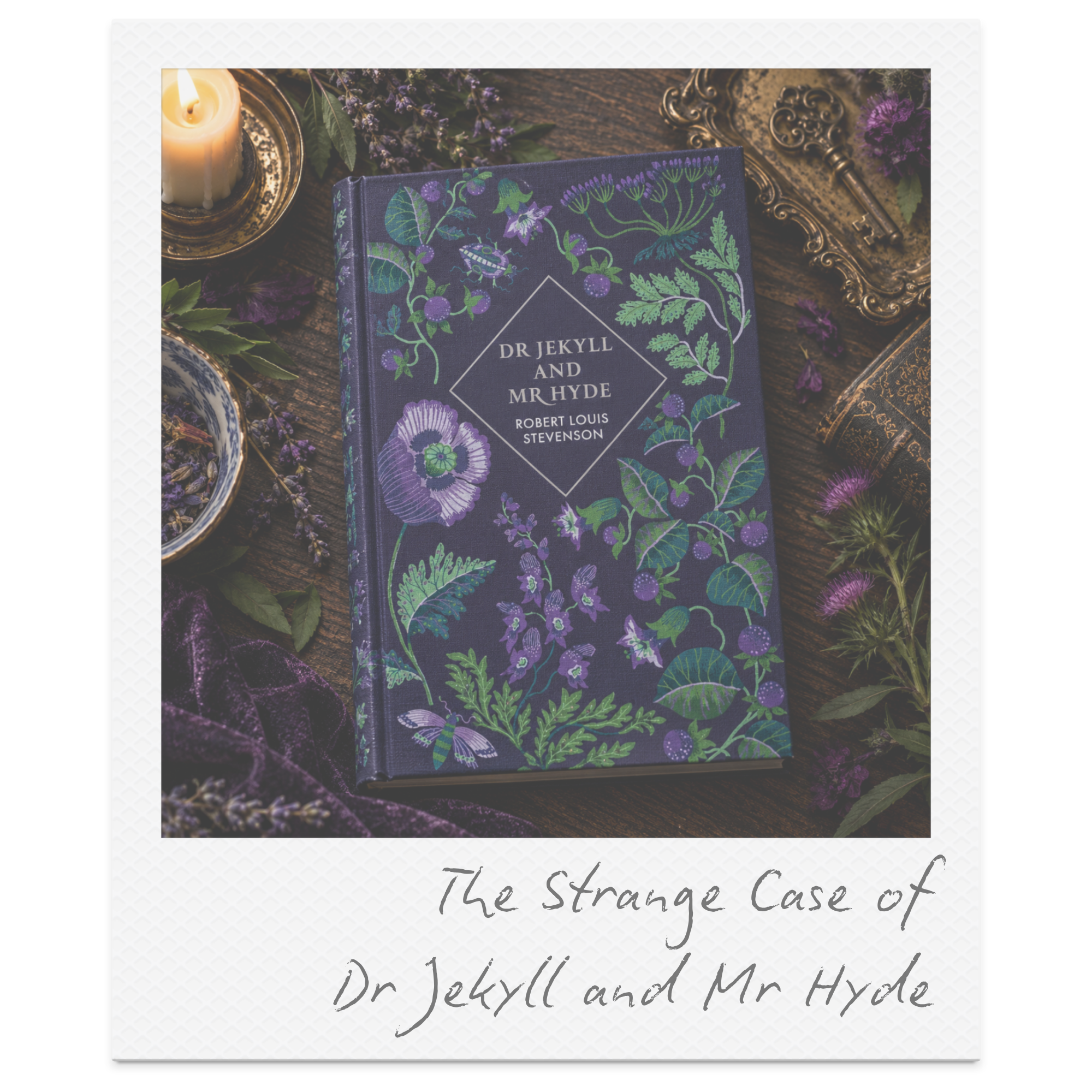
1. Strange Case of Dr Jekyll and Mr Hyde — Robert Louis Stevenson
Few Gothic characters demonstrate the power of unsettling description as effectively as Edward Hyde in Robert Louis Stevenson's Strange Case of Dr Jekyll and Mr Hyde (1886). Rather than presenting Hyde as a conventionally monstrous figure, Stevenson creates a character whose appearance inspires an almost instinctive revulsion that other people struggle to explain.
Hyde's disturbing quality lies partly in the difficulty of describing him. Those who encounter him sense that something is profoundly wrong, yet cannot identify a single physical feature that adequately accounts for their reaction. This uncertainty is central to his characterisation. The reader is encouraged to imagine a disturbing presence that resists precise definition, making Hyde's appearance more psychologically unsettling than a detailed catalogue of grotesque features might have been.
Stev at nson also establishes Hyde's sinister nature through the reactions of other characters. Their discomfort, disgust and suspicion become part of his description, demonstrating how a writer can create menace indirectly. The contrast between Hyde and the respectable Dr Jekyll further develops the novella's exploration of duality, repression and the disturbing possibility that outward civilisation may conceal destructive impulses.
What Gothic writers can learn: Stevenson demonstrates that an unforgettable sinister character does not require an elaborate physical description. Ambiguity, the reactions of others and the suggestion of something indefinably wrong can be far more effective. When creating your own characters, consider withholding one crucial element of their appearance or allowing different observers to struggle with conflicting impressions. Sometimes the reader's imagination can create a more disturbing figure than any explicit description.
Read Strange Case of Dr Jekyll and Mr Hyde by Robert Louis Stevenson on Amazon
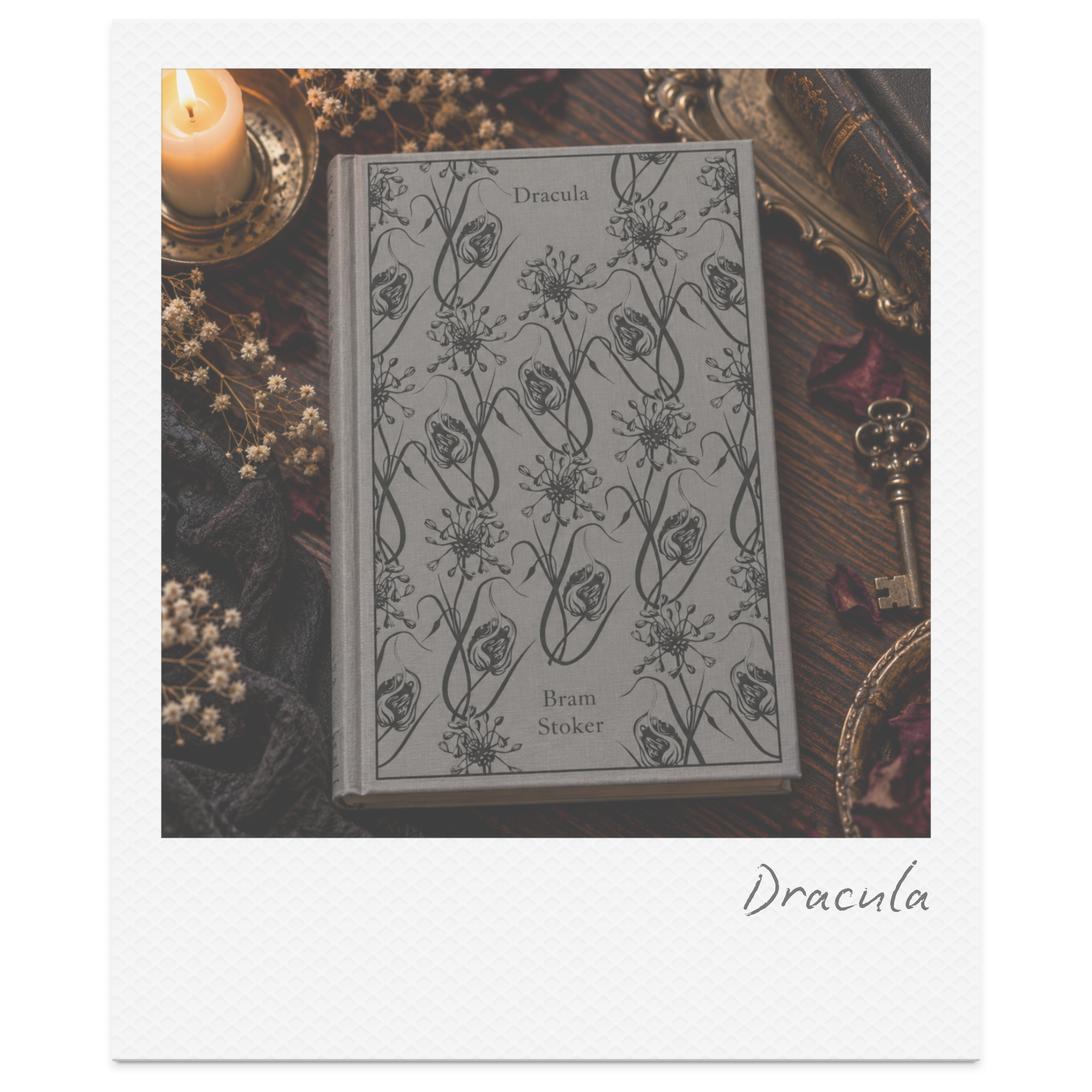
2. Dracula — Bram Stoker
Bram Stoker's Dracula (1897) offers one of Gothic literature's most compelling examples of a sinister character whose outward courtesy conceals something profoundly threatening. Count Dracula is not introduced as a mindless monster, but as an aristocratic host who welcomes Jonathan Harker into his Transylvanian castle with elaborate politeness, formal manners and an apparently genuine interest in his guest's comfort.
Yet beneath this cultivated exterior, Stoker gradually reveals a disturbing collection of physical peculiarities and behavioural contradictions. Dracula's extraordinary strength, sharp teeth, unusually cold touch and unsettling physical presence begin to undermine his respectable appearance. His hospitality becomes increasingly oppressive as Harker discovers that the castle offers neither freedom nor safety, transforming the Count's courteous attentions into an instrument of imprisonment and control.
What makes Dracula particularly effective is the gradual transformation of familiar social conventions into sources of dread. A host should protect his guest, yet Dracula becomes his captor. Aristocratic manners should suggest refinement, yet his behaviour reveals predatory intentions. Even ordinary gestures acquire sinister significance as Harker begins to recognise the danger concealed beneath the Count's elaborate performance of civility.
Stoker also uses Jonathan Harker's observations to control the reader's understanding of Dracula. The Count's disturbing qualities emerge through increasingly suspicious details, allowing readers to experience Harker's transition from polite curiosity to genuine terror. Rather than revealing Dracula's true nature immediately, Stoker allows the evidence to accumulate until his apparent humanity becomes impossible to trust.
What Gothic writers can learn: Dracula demonstrates how sinister characterisation can emerge through the gradual collapse of a respectable disguise. Writers can create a similar effect by introducing a character whose manners, social position or apparent generosity initially inspire confidence, then revealing small contradictions that challenge those expectations. Pay particular attention to the relationship between politeness and power: a character who remains perfectly courteous while restricting another person's freedom can be considerably more disturbing than one who openly threatens violence.
3. The Picture of Dorian Gray — Oscar Wilde
Oscar Wilde's The Picture of Dorian Gray (1890; revised 1891) offers a fascinating exploration of sinister characterisation through the contrast between outward beauty and concealed moral corruption. Unlike traditional Gothic villains whose threatening qualities may be suggested through disturbing physical features, Dorian Gray retains his extraordinary youthful appearance even as his actions become increasingly destructive. His handsome face remains an apparently convincing expression of innocence, while the portrait hidden in his home reveals the consequences of his moral deterioration.
This contradiction lies at the heart of Wilde's Gothic characterisation. Dorian's appearance initially inspires admiration, affection and trust, allowing him to move through fashionable society without displaying the physical consequences of his behaviour. Yet beneath his cultivated charm, Wilde gradually reveals vanity, cruelty, manipulation and an increasing willingness to sacrifice others in pursuit of his own desires. The reader becomes aware of the disturbing distance between the person Dorian appears to be and the person he has become.
The portrait provides an especially powerful example of how Gothic writers can externalise a character's hidden nature through an object. Rather than allowing Dorian's face to reveal his corruption, Wilde transfers its visible consequences onto the painted image. As the portrait changes, it becomes a disturbing record of actions that Dorian refuses to acknowledge publicly. The painting is not simply a supernatural device; it creates an unsettling division between appearance, reputation and conscience.
Wilde also demonstrates how a sinister character can become increasingly frightening without losing their social charm. Dorian's danger does not depend upon an immediately threatening presence. Instead, it emerges through the reader's growing knowledge of his actions, the damage he causes to others and his determination to preserve the beautiful exterior that protects him from suspicion.
What Gothic writers can learn: The Picture of Dorian Gray demonstrates the power of contrast between a character's outward appearance and inner morality. Writers can use a similar approach by creating characters whose beauty, charm, innocence or respectable reputation conceals disturbing intentions. Consider using a symbolic object, private possession or recurring visual detail to reveal aspects of a character that their public behaviour carefully conceals. A sinister character becomes particularly compelling when the reader understands the truth about them long before the other characters do.
Read The Picture of Dorian Gray by Oscar Wilde on Amazon
Discover More Sinister Characters with Kindle Unlimited and Audible
Reading widely is one of the best ways to develop your ability to create convincing, unsettling characters. From charming Gothic villains and mysterious strangers to manipulative aristocrats and morally ambiguous protagonists, Gothic literature offers countless opportunities to study how authors reveal hidden intentions through appearance, dialogue, behaviour and psychological tension.
If you're looking for more inspiration, Kindle Unlimited offers a changing selection of eligible ebooks, while Audible allows you to experience Gothic fiction through atmospheric audiobook performances.
Discover Gothic Characters with Kindle Unlimited
Explore Gothic novels, psychological thrillers, supernatural mysteries and dark historical fiction within the Kindle Unlimited catalogue. Pay particular attention to how authors introduce suspicious characters, establish contradictions between appearance and behaviour, and gradually reveal the secrets concealed beneath respectable exteriors.
Explore Kindle Unlimited on Amazon
Experience Sinister Characters with Audible
Listening to Gothic fiction offers another way to appreciate the subtleties of sinister characterisation. Notice how narrators use changes in tone, deliberate pauses, excessive politeness and apparently innocent dialogue to suggest concealed threats. A softly spoken warning or an unnaturally calm response can become considerably more disturbing when heard aloud.
As an Amazon Associate, I earn from qualifying purchases. Free trials and promotional offers are subject to eligibility and availability. Subscriptions renew automatically at the applicable rate unless cancelled. Available titles and membership terms may change.
Five Sinister Character Writing Exercises
The most effective way to develop sinister characterisation is to experiment with the relationship between what a character reveals and what they conceal. An unsettling figure does not need to possess supernatural abilities, commit an act of violence or announce their intentions through threatening dialogue. Sometimes a small contradiction, an inappropriate reaction or a carefully controlled gesture can communicate far more than an elaborate description of wickedness.
The following five creative writing exercises are designed to help you apply the techniques explored throughout this guide. Each focuses on a different aspect of sinister characterisation, from deceptive appearances and recurring mannerisms to psychological manipulation and the unsettling power of suggestion.
These exercises can be used independently as short descriptive writing challenges or developed into longer Gothic stories, psychological mysteries and character-driven narratives.
1. The Perfectly Pleasant Stranger
Focus: Contradictory behaviour, subtle physical description and concealed intentions
A stranger arrives at a small village inn during a violent winter storm. They are beautifully dressed, exceptionally polite and apparently delighted to find somewhere warm to spend the night. They compliment the innkeeper's cooking, remember everyone's names and offer to help an elderly guest carry her luggage upstairs.
Yet something about their behaviour gradually becomes difficult to explain.
Perhaps they know the names of people who have never introduced themselves. Perhaps they recognise an object hidden behind the bar. Or perhaps their smile disappears whenever someone mentions the neighbouring village.
Your writing challenge
Write a 300–400-word scene introducing this stranger through the observations of another character.
Begin by establishing at least three qualities that make the stranger appear trustworthy or likeable. Introduce one small inconsistency that the observing character notices but initially dismisses.
As the scene develops, allow that detail to acquire greater significance. The stranger should remain courteous throughout, even when their behaviour begins to suggest something disturbing.
End the scene with a seemingly innocent remark that changes the reader's interpretation of an earlier detail.
Additional challenge: Do not use the words sinister, evil, creepy, frightening or suspicious. Create unease entirely through description, dialogue and implication.
2. The Gesture That Gives Them Away
Focus: Recurring details, body language and gradual revelation
An elderly solicitor has a peculiar habit of removing his spectacles whenever someone mentions a particular family. He performs the gesture so casually that nobody initially considers it significant.
However, as a young clerk begins examining the firm's old records, the gesture acquires a more troubling meaning.
The clerk discovers that the solicitor removed his spectacles during an inquiry into a missing inheritance. Later, the same gesture appears in a witness's account of a suspicious death. Eventually, the clerk realises that the solicitor has repeated it during conversations about events he should know nothing about.
Your writing challenge
Create a sinister character with one distinctive but apparently harmless mannerism.
Write three short scenes, approximately 100–150 words each, in which the gesture appears.
In the first scene, present it as an ordinary personal habit. In the second, introduce a circumstance that makes the gesture seem unusual. In the third, allow the gesture to reveal or suggest something deeply disturbing.
The character should not explain the habit, and the narrator should not explicitly identify its significance.
Additional challenge: Make the gesture appear in the final sentence of the third scene, allowing readers to recognise its meaning before the observing character fully understands it.
3. Everyone Knows Something You Don't
Focus: Indirect characterisation, social tension and the reactions of others
A new schoolteacher arrives at an isolated country estate to educate the children of a wealthy family.
During her first evening, she hears the family speaking warmly about an elderly relative who is expected to join them for dinner. They describe him as generous, intelligent and deeply devoted to the household.
Yet when the relative finally enters the dining room, the atmosphere changes.
The youngest child stops speaking. A servant quietly removes a glass from the table. The housekeeper moves closer to the doorway, and the eldest daughter carefully conceals something beneath her napkin.
The relative himself appears perfectly pleasant.
Your writing challenge
Write a 350-word scene introducing this character entirely through the reactions of the people around him.
You may describe his clothing and ordinary movements, but you must not directly explain his personality, reputation or intentions.
Instead, use changes in posture, interrupted conversations, small acts of concealment and carefully controlled expressions to suggest that the household shares a disturbing knowledge.
The observing character should recognise that something is wrong without understanding precisely what everyone fears.
Additional challenge: Include one person who behaves differently from the others. Perhaps a child appears delighted to see the relative, or a servant refuses to acknowledge him. Use this contradiction to complicate the reader's interpretation.
4. A Conversation with Two Meanings
Focus: Psychological manipulation, subtext and implied threats
A young woman visits a respected physician to request the return of her late father's private journals.
The physician welcomes her into his study, offers refreshments and expresses sympathy for her loss. He assures her that the journals are perfectly safe and that he has no intention of keeping anything that rightfully belongs to her.
However, as the conversation continues, his questions become increasingly personal.
He asks whether she still lives alone. He mentions the precise time she returned home the previous evening. He refers to a childhood incident that she has never discussed with anyone outside her family.
At no point does he openly threaten her.
Your writing challenge
Write a dialogue-driven scene of approximately 400 words in which the physician gradually establishes psychological control.
Use polite language, carefully chosen questions and small physical actions to create an increasingly uncomfortable atmosphere.
The young woman should attempt to maintain her composure, but her responses should reveal that she is beginning to recognise the danger.
Avoid direct accusations, explicit threats and dramatic confrontations. The tension should emerge from what the physician appears to know and what he chooses not to explain.
Additional challenge: End the conversation with a sentence that could be interpreted as either a sincere expression of concern or a carefully disguised warning.
5. The Portrait and the Person
Focus: Appearance versus reality, symbolism and concealed corruption
A wealthy collector commissions a portrait to commemorate his appointment as the new governor of a remote coastal town.
The finished painting is magnificent. It captures his handsome features, distinguished bearing and apparently benevolent expression with extraordinary precision.
Yet the artist has included one detail that the governor does not recognise.
Perhaps his shadow falls in the wrong direction. Perhaps a second figure appears reflected in the polished surface of his desk. Or perhaps the painted hands are positioned as though concealing an object that does not exist in the room.
The governor demands that the detail be removed.
The artist refuses.
Your writing challenge
Write a 400–500-word passage contrasting the governor's public appearance with the disturbing suggestion contained within the portrait.
Begin by describing him as an admired and respectable figure. Establish why the townspeople trust him and how carefully he maintains his reputation.
Then introduce the portrait and its unexplained detail.
Allow the governor's reaction to reveal something that his appearance has successfully concealed. He might become unusually anxious, display unexpected anger or attempt to purchase the painting before anyone else can see it.
The supernatural element should remain ambiguous. The reader should not know whether the portrait possesses an extraordinary quality or whether the artist has deliberately exposed a secret.
Additional challenge: End the passage with the governor performing a small gesture that mirrors something depicted in the painting.
Developing Your Sinister Characters Beyond the Exercise
Once you have completed one of these exercises, consider how the character might develop across a longer narrative.
A single unsettling detail can introduce suspicion, but sustained Gothic tension requires that the reader's understanding changes as the story progresses. A peculiar habit might eventually reveal a concealed memory. An apparently generous benefactor might become increasingly controlling. A stranger's unexplained knowledge could suggest an extraordinary connection to the protagonist's past.
Try returning to your original passage and asking three questions:
What does the reader currently suspect? Identify the impression created by the character's appearance, behaviour and dialogue.
What does the character want to conceal? Consider whether their secrecy protects a crime, a personal vulnerability, a hidden identity or something more complicated.
What new detail would change the reader's interpretation? Introduce a revelation that deepens or challenges the original suspicion rather than simply confirming it.
You might also rewrite the same scene from another character's perspective. Someone who fears the sinister figure may interpret their behaviour very differently from someone who admires, loves or depends upon them.
This is particularly valuable when developing morally ambiguous characters, because it reveals how reputation, personal experience and incomplete information shape the way people perceive one another.
Ultimately, the purpose of these exercises is not simply to create characters who appear frightening. It is to develop figures whose behaviour invites questions, whose intentions resist easy interpretation and whose presence continues to influence the story even when they are absent.
A truly memorable sinister character does not need to occupy every scene. Sometimes the knowledge that they might return is enough to make an entire story feel unsafe.
Go Deeper: Explore Gothic Characters, Secrets and Atmospheric Writing
A compelling sinister character is rarely frightening in isolation. Their secrets, relationships, surroundings and influence upon others all contribute to the unease they create. A charming stranger becomes more disturbing when their history refuses to make sense. A respectable aristocrat becomes more threatening when the people closest to them appear terrified. Even an ordinary house can take on a sinister quality when its inhabitants seem determined to conceal something.
If you're ready to develop your characters further, explore these Gothic writing resources for inspiration, practical techniques and original storytelling possibilities.
Develop Unforgettable Gothic Characters
Gothic Character Prompts — Discover atmospheric character ideas featuring brooding aristocrats, haunted heirs, mysterious children, grieving widows, eccentric scholars and figures whose respectable appearances conceal dangerous obsessions or unsettling secrets.
Byronic Hero — Explore charismatic, rebellious and morally complicated characters shaped by troubled histories, forbidden desires, self-destructive tendencies and the uneasy relationship between attraction and danger.
Gothic Madness — Experiment with unreliable narrators, fractured memories, obsession, paranoia and distorted perception to create psychologically complex characters whose understanding of reality cannot always be trusted.
Build Secrets, Suspense and Psychological Unease
Gothic Secrets — Develop the hidden identities, buried crimes, family betrayals and disturbing revelations that give sinister characters something to conceal. Use these ideas to create mysteries in which apparently insignificant details gradually acquire a more threatening meaning.
Gothic Suspense Writing Exercises — Practise building tension through unreliable perception, unsettling silences, unseen presences and delayed revelations. These exercises are particularly useful for introducing sinister characters without revealing their intentions too early.
How to Create an Eerie Atmosphere in Gothic Writing — Discover ten techniques for creating psychological unease through disturbing sounds, shifting shadows, decaying interiors and inexplicable details. Explore how atmospheric description can make an already unsettling character feel even more threatening.
Turn Your Character into a Gothic Story
Gothic Story Sparks — Use the random Gothic writing prompt generator to combine unsettling characters with eerie settings, mysterious objects, secrets, conflicts, unexpected discoveries and haunting plot twists.
For even more inspiration, explore the Gothic Writing Hub, where you'll find character ideas, atmospheric settings, Gothic tropes, supernatural creatures, writing guides and story generators to help you develop your next dark and unforgettable tale.
Final Thoughts: Creating Sinister Characters That Linger in the Imagination
The most memorable sinister characters are not necessarily the most monstrous. They are the figures who make us question our instincts: the kindly gentleman whose generosity feels strangely calculated, the beautiful stranger whose expression never quite matches their words, or the respected neighbour whose presence causes an entire room to fall silent.
Effective sinister characterisation depends upon contradiction, restraint and carefully controlled revelation. A character's appearance might suggest innocence while their behaviour reveals something darker. Their dialogue might remain perfectly courteous while communicating an unmistakable threat. Even the smallest gesture can become disturbing when the reader begins to understand what it conceals.
As you develop your own Gothic characters, resist the temptation to explain every unsettling detail. Allow uncertainty to remain. Give your characters motivations that extend beyond simple cruelty, histories that influence their behaviour and relationships that complicate the reader's judgement. The most compelling figures often possess recognisably human qualities alongside their darker impulses.
Above all, remember that sinister characters are shaped as much by the people around them as by their own actions. Fear, admiration, loyalty, suspicion and silence can reveal aspects of a character that no physical description could communicate alone.
Whether you're creating a manipulative aristocrat, an enigmatic stranger, a morally corrupted protagonist or an apparently ordinary person hiding an extraordinary secret, aim to leave your reader with the sense that something important remains undiscovered.
Because sometimes the most frightening thing about a character is not what they have revealed, but what they are still keeping to themselves.
Choose Your Next Adventure