Edinburgh, 1828.
The anatomy schools are expanding.
The demand for bodies is growing.
And the dead are not resting peacefully.
Across the city, churchyards are watched through the night. Coffins are reinforced. Graves are guarded. Rumours spread between mourners, surgeons, students, and those willing to make a profit from the recently buried.
Somewhere between the cemetery and the lecture hall, a quiet trade flourishes.
The Resurrection Collection is an immersive archive inspired by the real history of body snatching, anatomical study, and institutional silence in nineteenth-century Edinburgh. Inside you'll discover letters, diaries, advertisements, ledgers, archive records, paintings, newspaper reports, and personal accounts that reveal fragments of a story hidden beneath the city's pursuit of knowledge.
Some documents appear trustworthy.
Others raise uncomfortable questions.
Who supplied the bodies?
Who looked the other way?
And how many people knew more than they were willing to admit?
There is no official explanation.
No single narrative.
Only evidence.
What's Inside?
◆ 50+ printable documents and artefacts inspired by the world of nineteenth-century Edinburgh
◆ Letters, diaries, ledgers, advertisements, archive records, textbook extracts, silhouettes, paintings, and more
◆ A document-based experience designed for exploration, interpretation, and storytelling
◆ Instant digital download in PDF format
Who Is It For?
Perfect for:
◆ Writers and worldbuilders
◆ History enthusiasts
◆ Mystery lovers and curious minds
◆ Teachers and students
◆ Anyone fascinated by gothic realism, historical crime, and hidden stories
What Makes This Different?
This isn't a guided story or a puzzle with a solution.
It's an archive.
The documents don't agree. Some voices are missing. Others speak too clearly.
Every piece reveals part of a larger story, but none reveal the whole truth.
What happened depends on what you trust, what you question, and what connections you choose to make.
Every reader uncovers a different version of events.
Edinburgh, 1828.
The anatomy schools are expanding.
The demand for bodies is growing.
And the dead are not resting peacefully.
Across the city, churchyards are watched through the night. Coffins are reinforced. Graves are guarded. Rumours spread between mourners, surgeons, students, and those willing to make a profit from the recently buried.
Somewhere between the cemetery and the lecture hall, a quiet trade flourishes.
The Resurrection Collection is an immersive archive inspired by the real history of body snatching, anatomical study, and institutional silence in nineteenth-century Edinburgh. Inside you'll discover letters, diaries, advertisements, ledgers, archive records, paintings, newspaper reports, and personal accounts that reveal fragments of a story hidden beneath the city's pursuit of knowledge.
Some documents appear trustworthy.
Others raise uncomfortable questions.
Who supplied the bodies?
Who looked the other way?
And how many people knew more than they were willing to admit?
There is no official explanation.
No single narrative.
Only evidence.
What's Inside?
◆ 50+ printable documents and artefacts inspired by the world of nineteenth-century Edinburgh
◆ Letters, diaries, ledgers, advertisements, archive records, textbook extracts, silhouettes, paintings, and more
◆ A document-based experience designed for exploration, interpretation, and storytelling
◆ Instant digital download in PDF format
Who Is It For?
Perfect for:
◆ Writers and worldbuilders
◆ History enthusiasts
◆ Mystery lovers and curious minds
◆ Teachers and students
◆ Anyone fascinated by gothic realism, historical crime, and hidden stories
What Makes This Different?
This isn't a guided story or a puzzle with a solution.
It's an archive.
The documents don't agree. Some voices are missing. Others speak too clearly.
Every piece reveals part of a larger story, but none reveal the whole truth.
What happened depends on what you trust, what you question, and what connections you choose to make.
Every reader uncovers a different version of events.
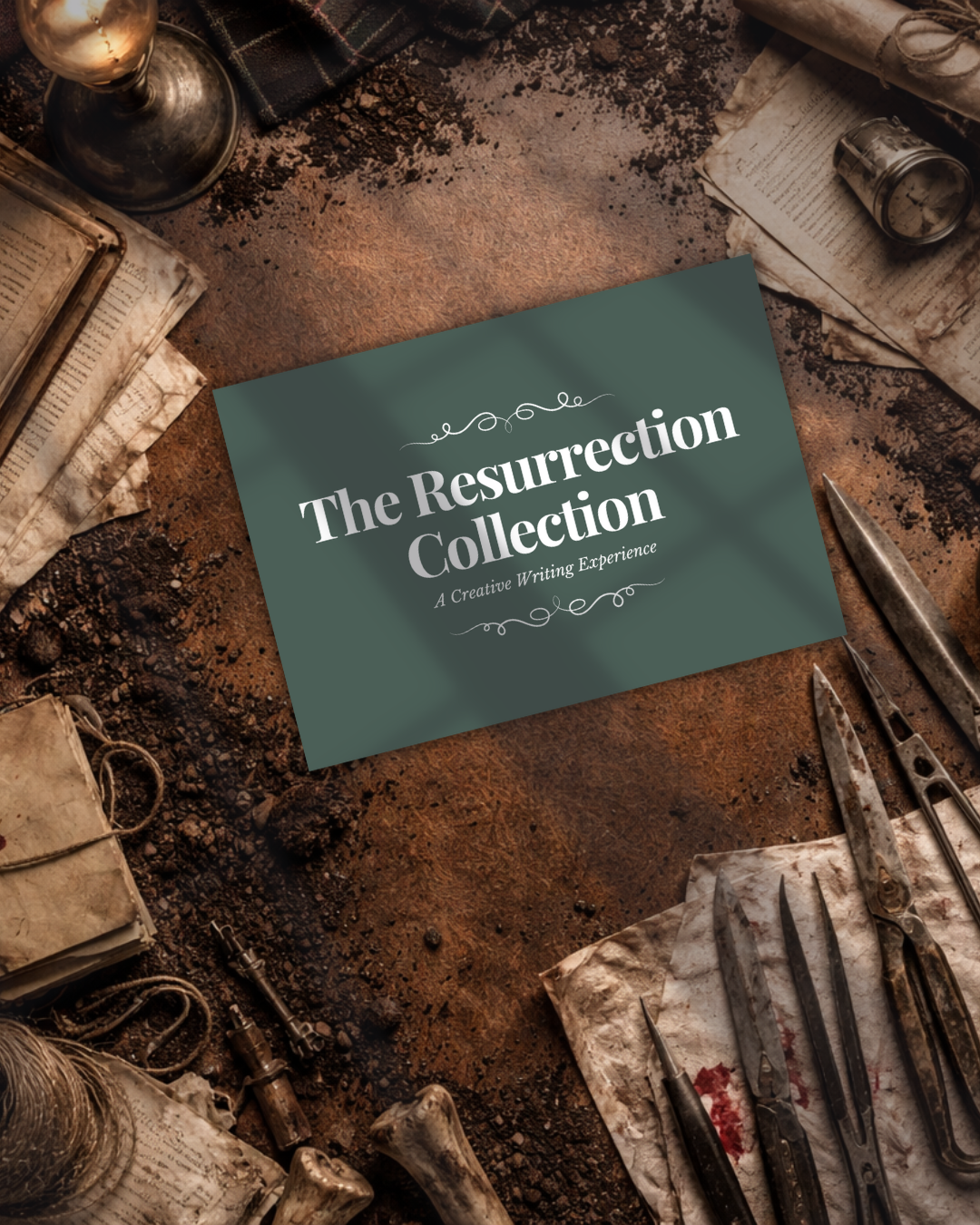 Image 1 of 6
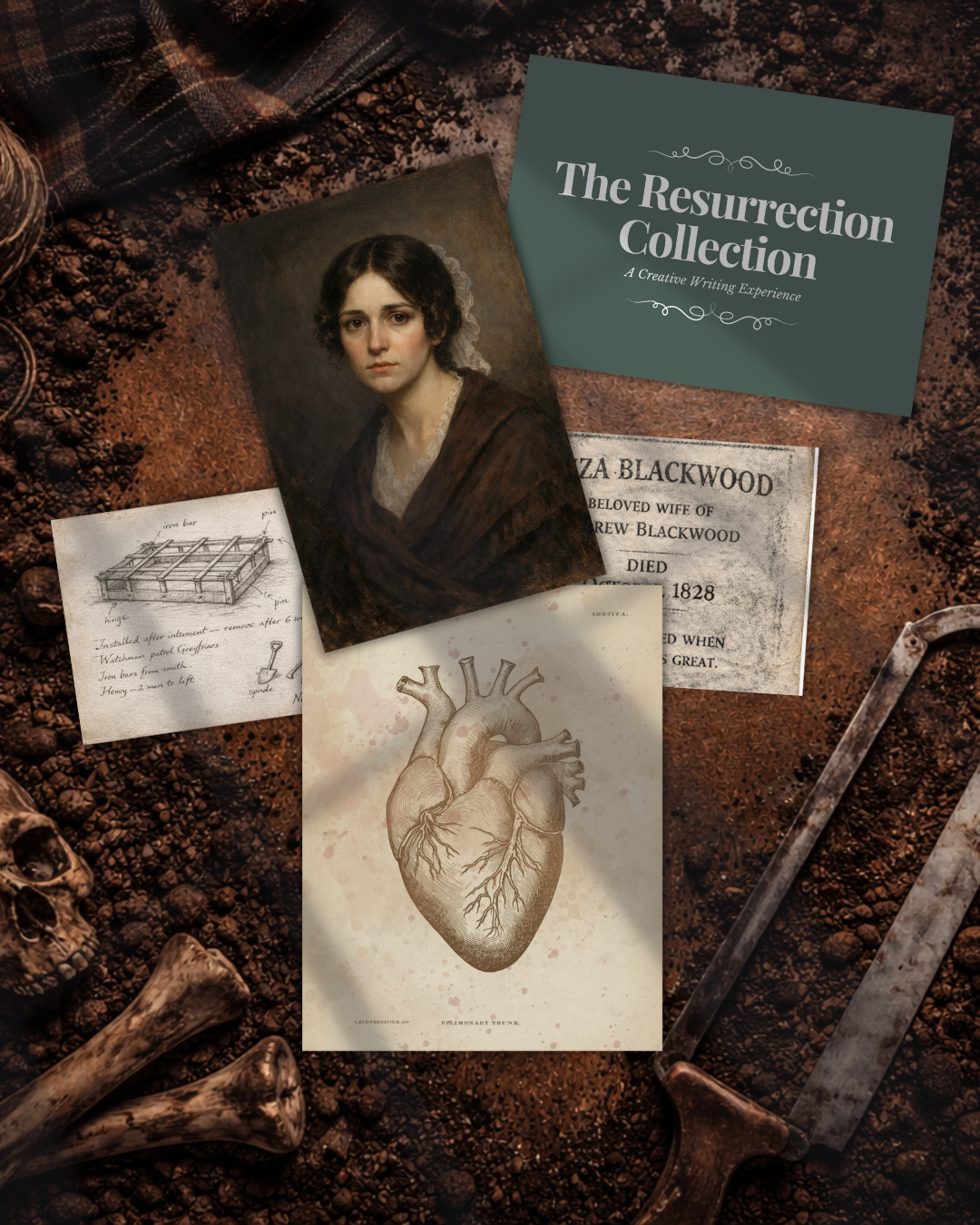 Image 2 of 6
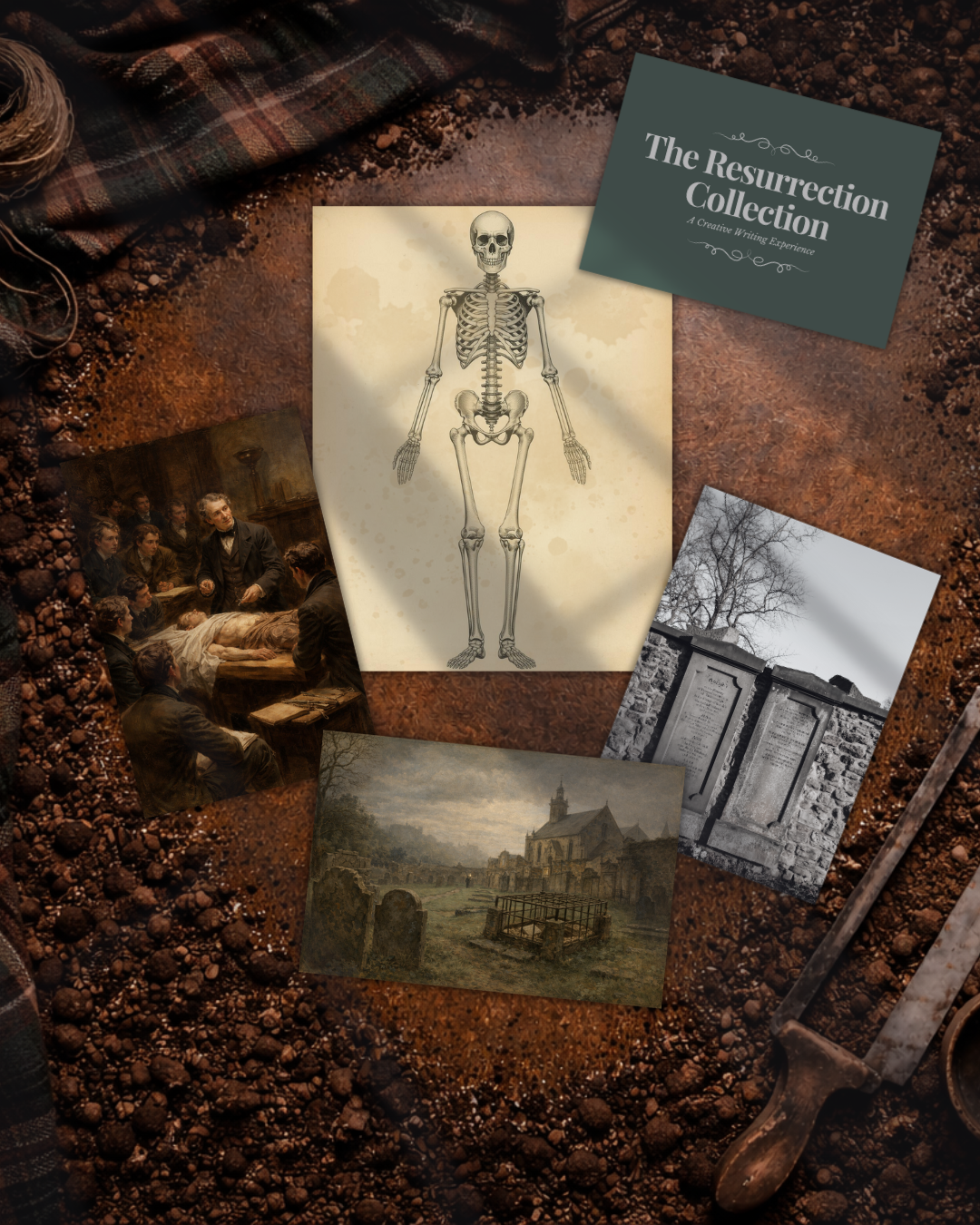 Image 3 of 6
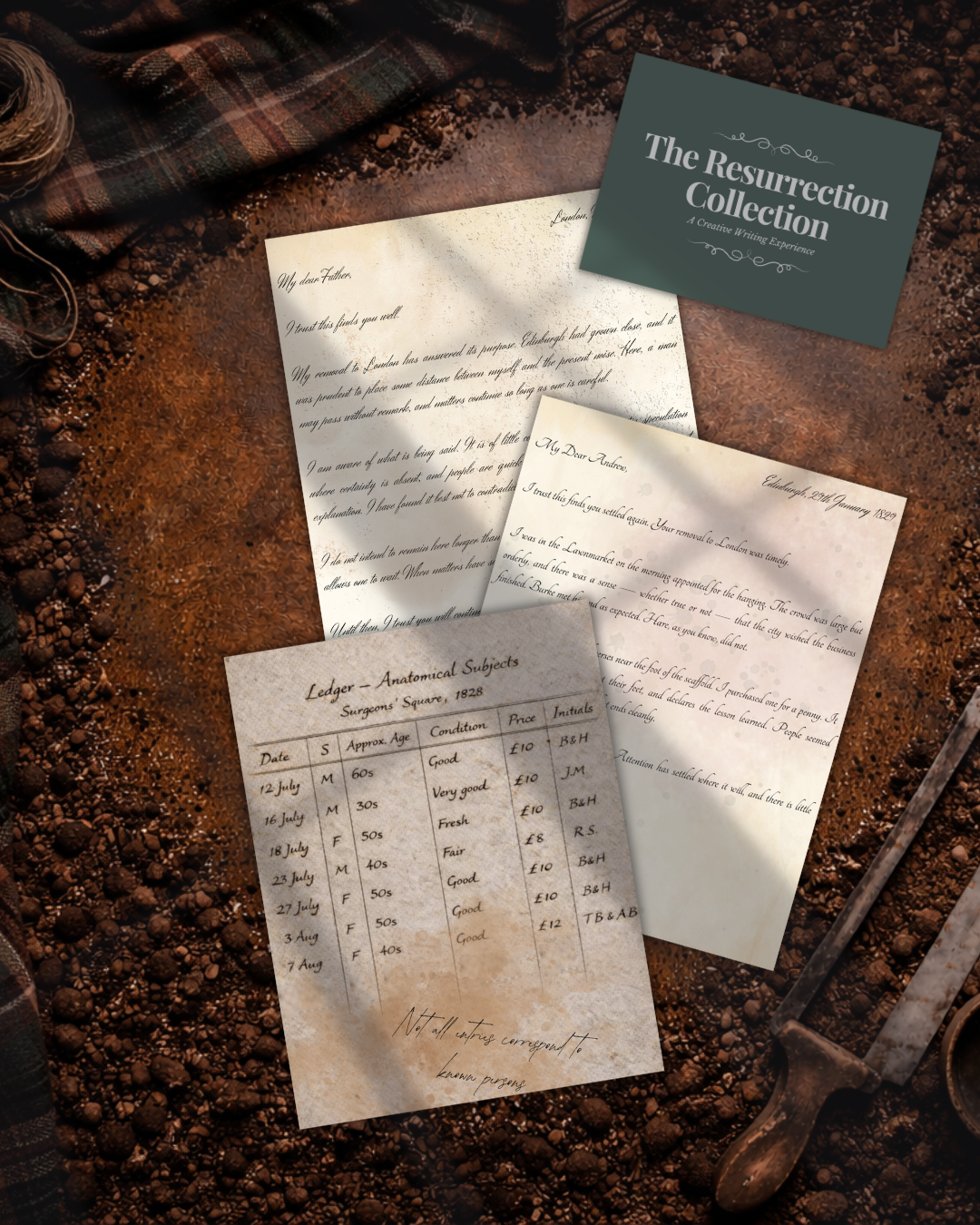 Image 4 of 6
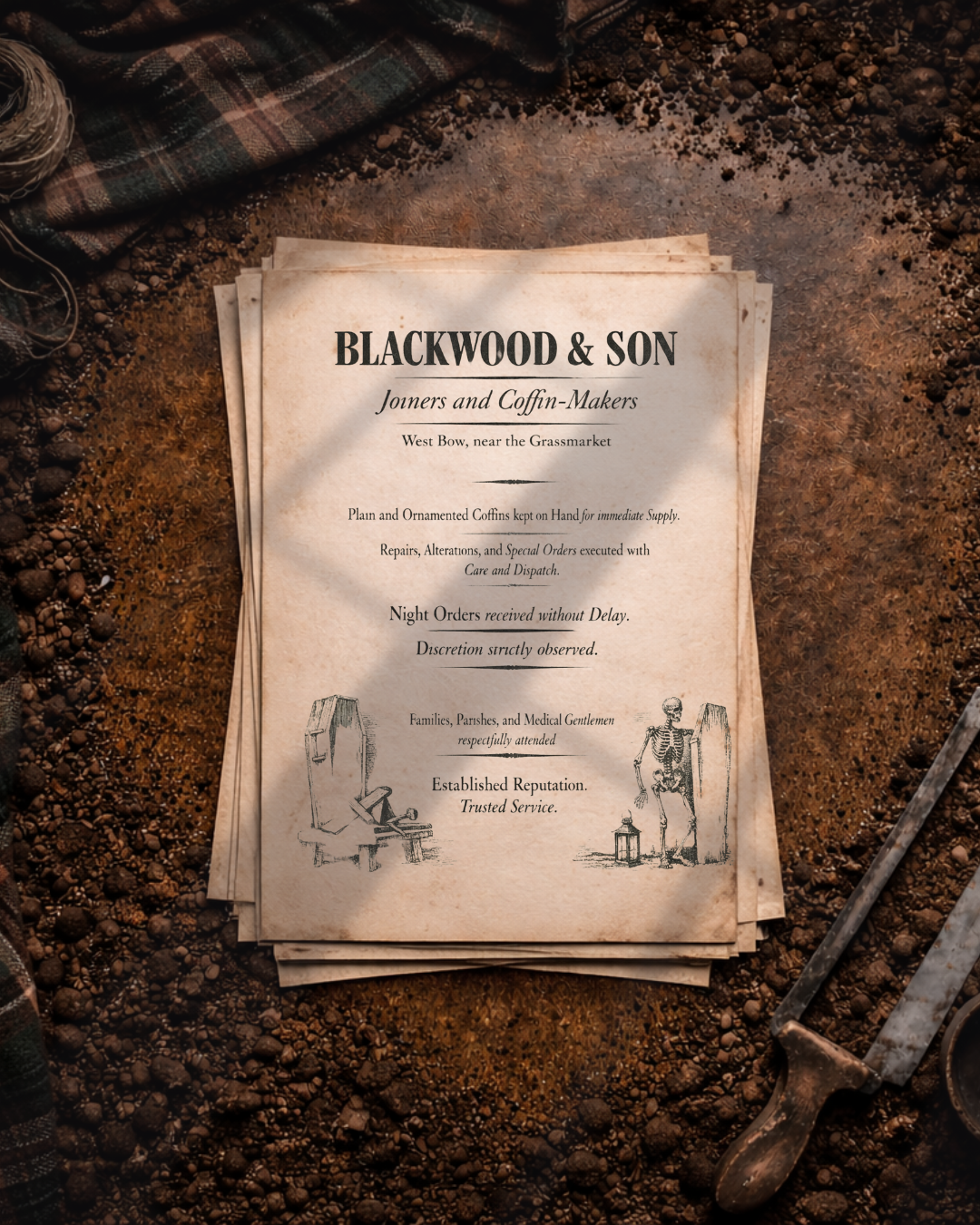 Image 5 of 6
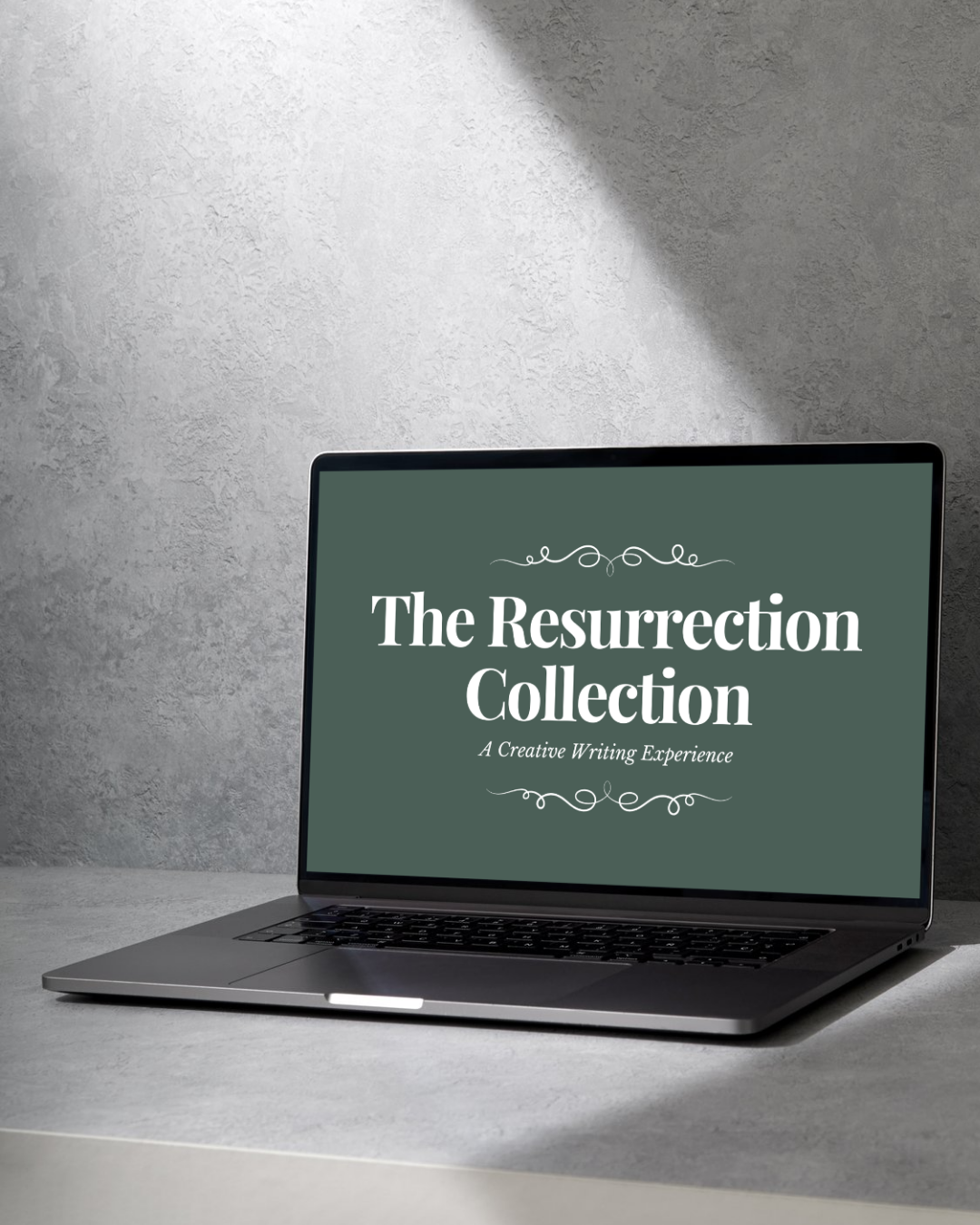 Image 6 of 6