Notes from the Inkpot
Writing, teaching, creating - one ink-stained idea at a time.



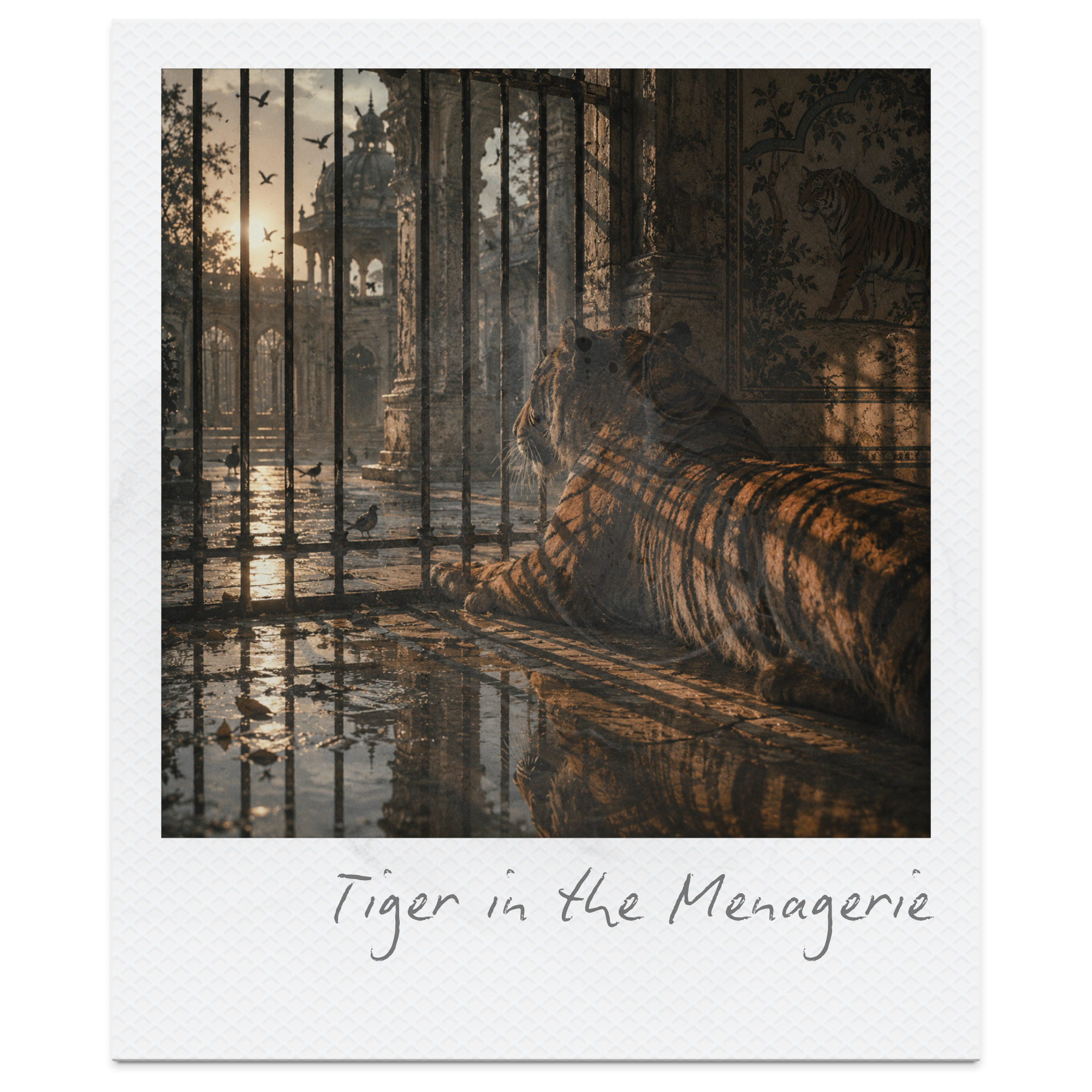
Tiger in the Menagerie by Emma Jones: Analysis of Captivity, Transformation and Identity
Emma Jones’s Tiger in the Menagerie is a surreal and psychologically unsettling poem that explores captivity, identity, and the fragile boundary between civilisation and instinct. Through shifting imagery, dreamlike transformations, and symbolic ambiguity, Jones gradually dissolves the distinction between the tiger and the cage itself, creating a world where reality becomes unstable and impossible to fully control. The poem’s recurring focus on observation, fear, and transformation allows the tiger to become both a literal creature and a haunting symbolic presence. This detailed analysis of Tiger in the Menagerie explores the poem’s structure, symbolism, surreal imagery, and emotional tension, alongside its exploration of psychological fear and unstable identity. It includes close stanza analysis, key quotations, literary techniques, alternative interpretations, anthology comparisons, and exam-ready insights.
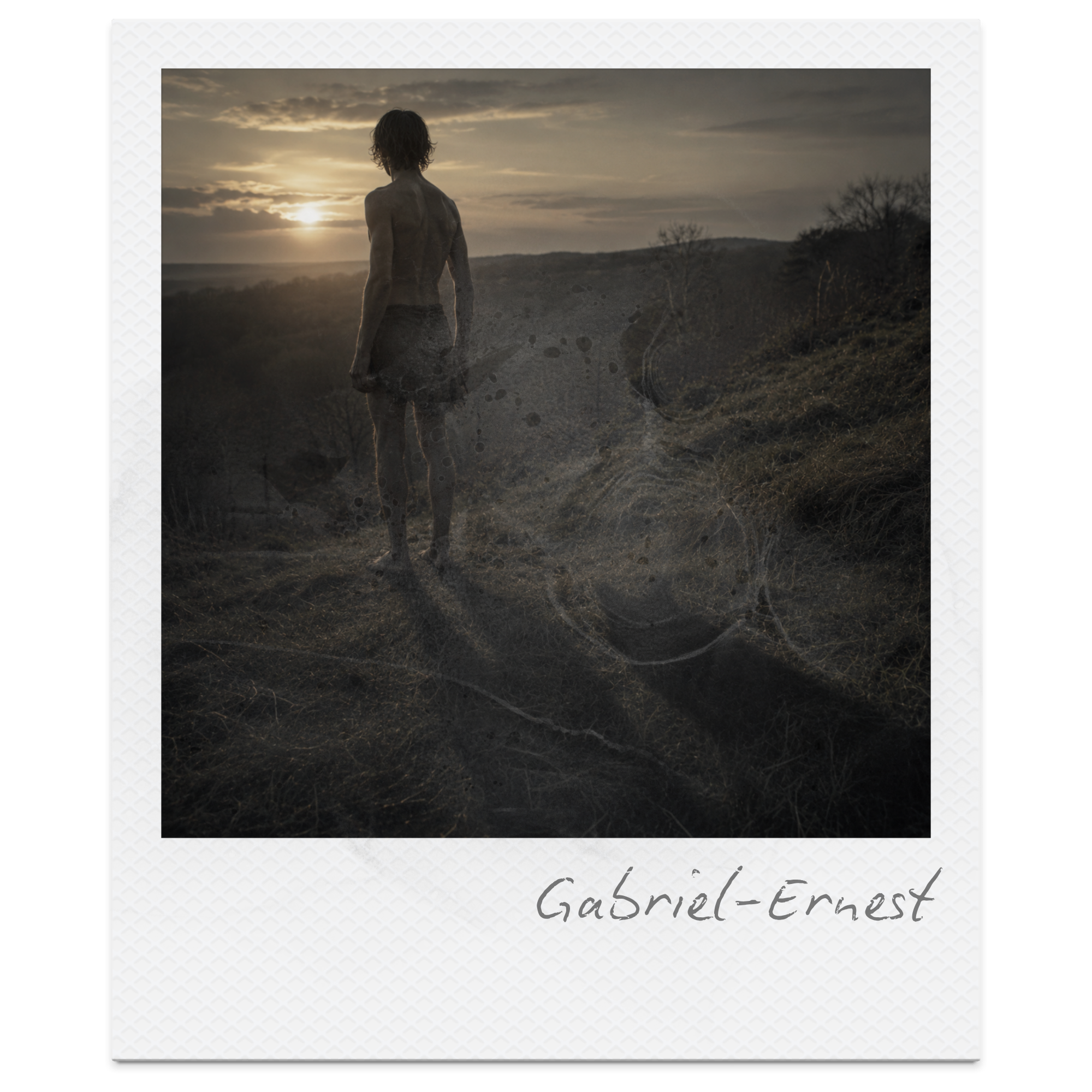
Gabriel-Ernest by Saki: Summary, Themes & Analysis
Saki’s Gabriel-Ernest is a dark and unsettling Gothic short story exploring civilisation versus savagery, hidden violence, fear of the unknown, and the dangerous instincts lurking beneath respectable society. Through the mysterious figure of Gabriel-Ernest, Saki gradually transforms an apparently ordinary rural setting into a landscape filled with supernatural tension, psychological unease, and growing horror. This detailed analysis for CIE IGCSE World Literature (0408) explores the story’s themes, symbolism, narrative voice, structure, and key quotations, while examining how Saki uses animalistic imagery, irony, and ambiguity to create suspense and fear. The guide also includes alternative interpretations, exam-ready insights, and classroom-focused teaching ideas designed to support deeper literary analysis and discussion.