10 Back-to-School Poetry Prompts: New Beginnings, Friendship, and Change
Back-to-school season is full of mixed emotions. Some people feel excited to reunite with friends and begin a new chapter, while others experience nerves, uncertainty, or the pressure of new expectations.
Poetry offers a powerful way to explore these emotions through imagery, memory, rhythm, and reflection. Rather than simply describing the first day back, poems can capture the small moments that make the start of a school year memorable: the quiet corridors before lessons begin, the smell of new books, the hope of a fresh start, or the fear of walking into an unfamiliar classroom.
These back-to-school poetry prompts are designed for classrooms, creative writing groups, homeschool settings, and independent writers. Each prompt encourages thoughtful, expressive writing while developing poetic techniques such as imagery, symbolism, repetition, and voice.
If you're looking for more writing inspiration, check out the Poetry Writing Hub or the Creative Writing Archive.
Short on Time?
Scroll down for the 10 back-to-school poetry prompts, or keep reading for writing techniques and poetic examples that can help you create more vivid and meaningful poems.
How to Approach Back-to-School Poetry
Back-to-school poetry is about more than the first day in a new classroom. It captures moments of change, growth, anticipation, and reflection, turning everyday experiences into something memorable through carefully chosen language.
Start by thinking about a specific moment rather than an entire school year. It might be walking through the school gates, opening a brand-new exercise book, waiting outside a classroom, or saying goodbye to summer. Small moments often reveal the strongest emotions.
Voice matters. Decide who is speaking in your poem. You might write as yourself, a fictional student, a nervous teacher, a forgotten school object, or even the school building itself. Changing perspective can lead to surprising ideas.
Sensory imagery helps readers experience the moment alongside you. Think about the squeak of trainers on polished floors, the smell of fresh textbooks, the chatter in busy corridors, or the weight of a backpack after the holidays.
Symbolism can add deeper meaning. A sharpened pencil might represent possibility, an empty desk could symbolise loneliness, while a school bell may represent both opportunity and pressure.
Finally, allow your emotions to emerge naturally. Rather than simply telling readers that someone feels anxious or excited, show those emotions through actions, images, and carefully chosen details.
Techniques to Try
Back-to-school poetry often feels personal because it focuses on familiar experiences. These techniques can help transform ordinary school memories into vivid, engaging poems.
◆ Sensory Imagery
Appeal to all five senses to bring your poem to life. Describe the smell of new books, the sound of lockers slamming, the scratch of pencils on paper, or the warmth of late summer sunshine on the journey to school.
◆ Symbolism
Let everyday school objects represent larger ideas. A timetable might symbolise structure or pressure, a backpack responsibility, a classroom window possibility, or autumn leaves the beginning of change.
◆ Contrast
Compare opposing emotions or experiences. Juxtapose excitement with nervousness, noisy corridors with silent classrooms, summer freedom with classroom routines, or childhood with growing independence.
◆ Repetition
Repeat a key word, phrase, or image throughout the poem. This creates rhythm while reinforcing an important emotion, memory, or idea.
◆ Personification
Give school places or objects human qualities. Perhaps the school bell demands attention, the classroom waits patiently through the holidays, or the library whispers forgotten stories.
◆ Free Verse
Experiment with free verse to mirror natural thoughts and memories. Without a fixed rhyme scheme, you can focus on imagery, pacing, and emotional honesty.
◆ Extended Metaphor
Compare the new school year to something larger. It could become a journey, a blank page, a mountain to climb, a growing tree, or the opening chapter of a new story.
◆ Specific Memories
Rather than writing about school in general, focus on one unforgettable moment. Small details often create the strongest emotional impact and help readers connect with your experiences.
Read for Inspiration: Back-to-School and Growing Up in Poetry
Reading poetry before writing helps you notice how other poets use imagery, structure, and voice to capture ordinary moments in meaningful ways. While not every poem is directly about school, each explores themes of learning, childhood, change, identity, or new beginnings that work beautifully alongside back-to-school writing.
◆ Roger McGough – First Day at School
A humorous yet thoughtful poem that captures the uncertainty, excitement, and confusion of beginning school through the eyes of a child. Notice how McGough balances humour with genuine emotion while using a child's perspective to make familiar experiences feel fresh.
◆ Billy Collins – Introduction to Poetry
Rather than focusing on school itself, Collins encourages readers to explore poetry with curiosity and imagination rather than searching for a single correct meaning. It is an excellent reminder that poetry should be experienced as well as analysed.
◆ Langston Hughes – Dreams
A short but powerful poem about hope, ambition, and holding onto aspirations. Its simple language demonstrates how a few carefully chosen images can carry profound meaning.
◆ Naomi Shihab Nye – Selected Poems
Many of Nye's poems celebrate everyday moments, relationships, and small observations that might otherwise go unnoticed. Her work reminds writers that ordinary experiences often make the strongest poetry.
◆ Valerie Bloom – Selected Poems
Bloom's poetry frequently explores childhood, family, identity, and school life with warmth, rhythm, and vivid imagery. Her accessible style demonstrates how familiar experiences can become memorable through carefully crafted language.
Choose one or two of these poems before writing your own. Pay attention to how the poet creates atmosphere, builds emotion through imagery, and transforms ordinary experiences into something meaningful. You do not need to imitate their style—simply notice the techniques that make each poem memorable.
Back-to-School Poetry Writing Prompts
The prompts below encourage writers to explore the excitement, uncertainty, friendships, memories, and fresh beginnings that come with returning to school. Whether you're writing from personal experience or imagining a fictional student, each prompt focuses on turning everyday school moments into thoughtful, expressive poetry.
You can work through them in order or choose the prompt that speaks to you most.
Back-to-School Poetry Prompt 1: The First Bell
Write about the moment the first bell rings after the summer holidays. Capture the excitement, nerves, or anticipation that comes with stepping into a new school year. Focus on the sights, sounds, and emotions that make this ordinary moment feel significant.
Possible opening line:
The bell echoed louder than I remembered.
Techniques to try:
Sensory imagery, onomatopoeia, repetition.
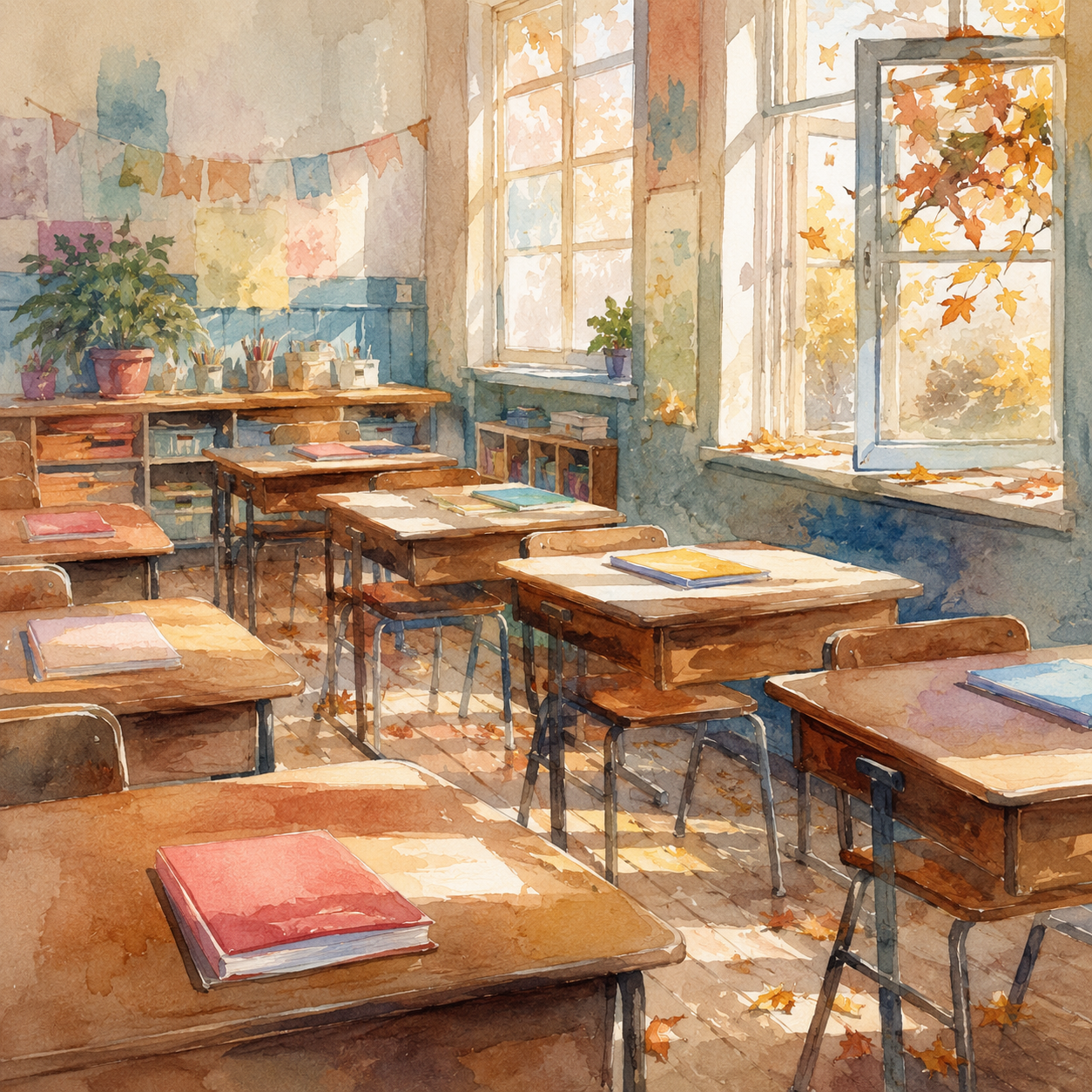
Back-to-School Poetry Prompt 2: An Empty Classroom
Write about entering a silent classroom before anyone else arrives. The desks, chairs, books, and whiteboard all seem to be waiting. Explore what the room represents at the beginning of a new chapter.
Possible opening line:
The desks waited more patiently than I did.
Techniques to try:
Personification, symbolism, vivid imagery.
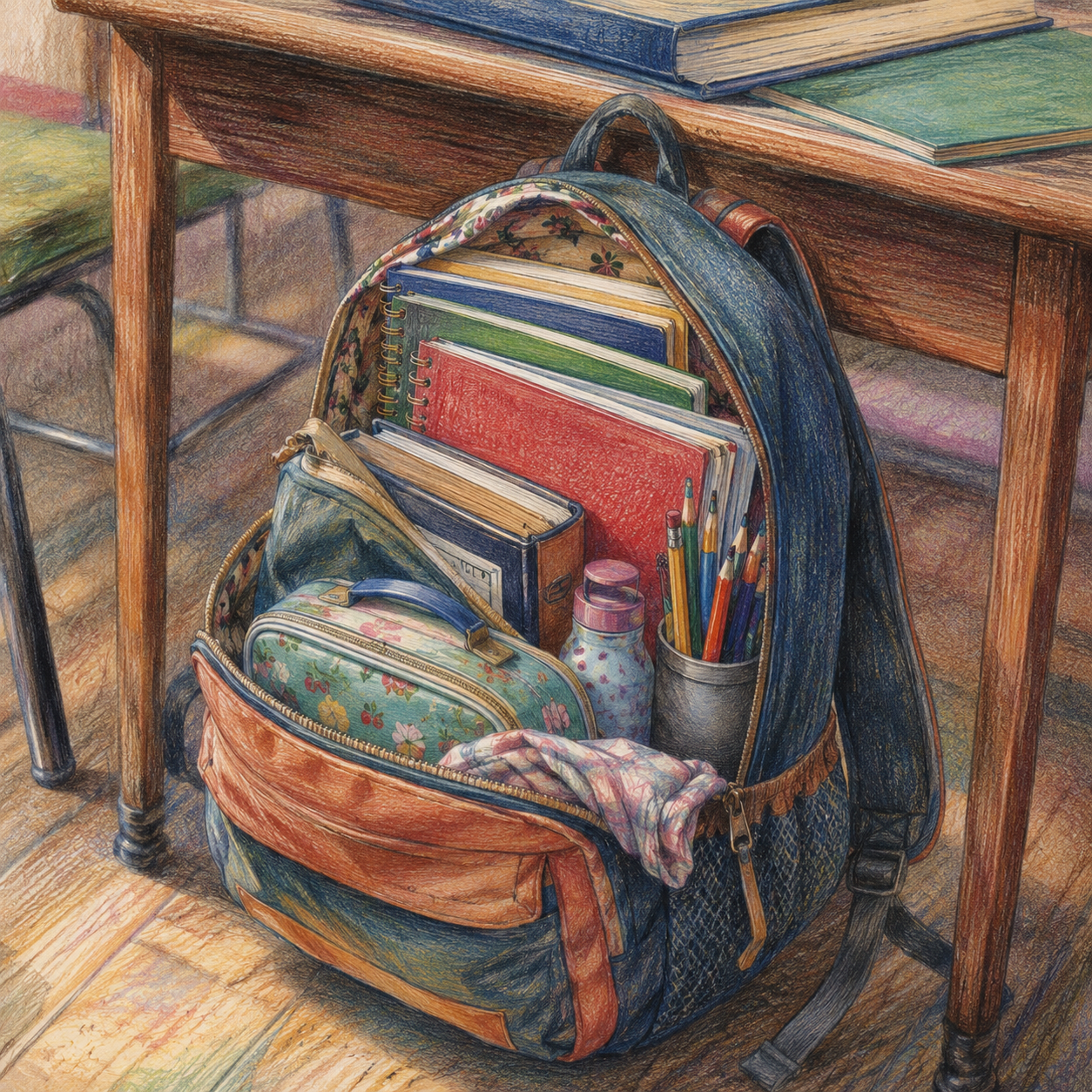
Back-to-School Poetry Prompt 3: Everything in My Backpack
Choose several objects inside a school bag and let each one represent a hope, fear, memory, or goal for the year ahead.
Possible opening line:
Everything I needed fit between two zips.
Techniques to try:
Symbolism, extended metaphor, listing.
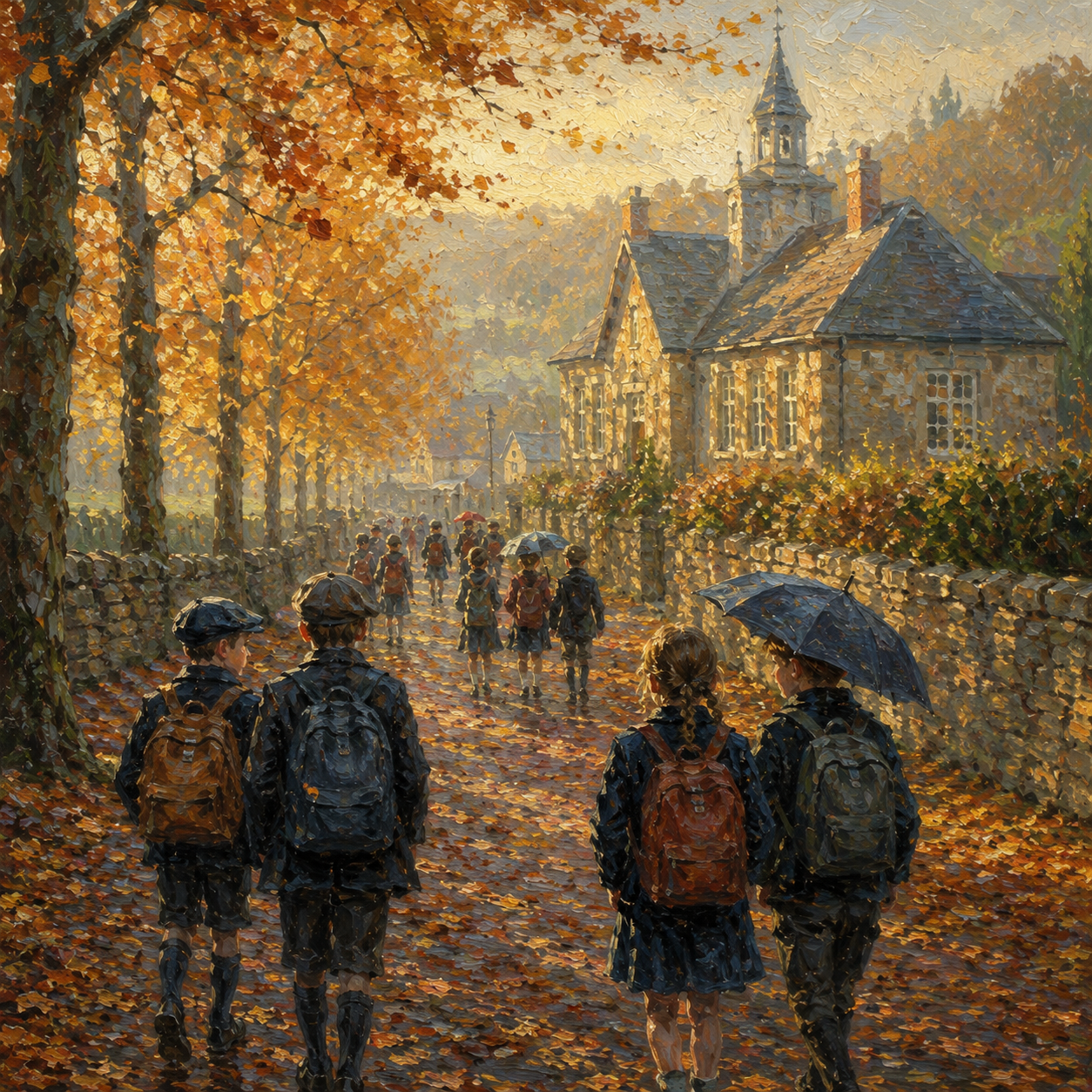
Back-to-School Poetry Prompt 4: The Journey Back
Write about travelling to school after the holidays. Notice how familiar streets, buses, or footpaths feel different after weeks away.
Possible opening line:
The road remembered me before I remembered it.
Techniques to try:
Sensory imagery, contrast, reflection.
Back-to-School Poetry Prompt 5: Summer Says Goodbye
Personify summer as it reluctantly gives way to autumn and the return to school.
Possible opening line:
Summer packed its bags before I did.
Techniques to try:
Personification, symbolism, seasonal imagery.
Back-to-School Poetry Prompt 6: The Desk by the Window
Write from the perspective of someone sitting beside the classroom window. Contrast the lesson inside with the world beyond the glass.
Possible opening line:
The lesson stayed inside while my thoughts wandered out.
Techniques to try:
Contrast, imagery, first-person voice.
Back-to-School Poetry Prompt 7: Dear Future Me
Write a poem as a letter to yourself at the end of the school year.
Possible opening line:
I hope you still remember today.
Techniques to try:
Direct address, repetition, free verse.
Back-to-School Poetry Prompt 8: The New Face
Write about meeting someone new during the first week of school. Reveal their personality through small observations rather than direct description.
Possible opening line:
You smiled before either of us knew what to say.
Techniques to try:
Characterisation, specific detail, imagery.
Back-to-School Poetry Prompt 9: After the Last Bell
Imagine the school after everyone has gone home. Explore the atmosphere of the empty building.
Possible opening line:
The silence arrived before the caretaker.
Techniques to try:
Atmosphere, personification, symbolism.
Back-to-School Poetry Prompt 10: A Blank Page
Use the image of a fresh notebook or blank page as a metaphor for the year ahead.
Possible opening line:
Nothing had been written, but everything had begun.
Techniques to try:
Extended metaphor, symbolism, hopeful imagery.
Ekphrastic Back-to-School Poetry: Writing from Images
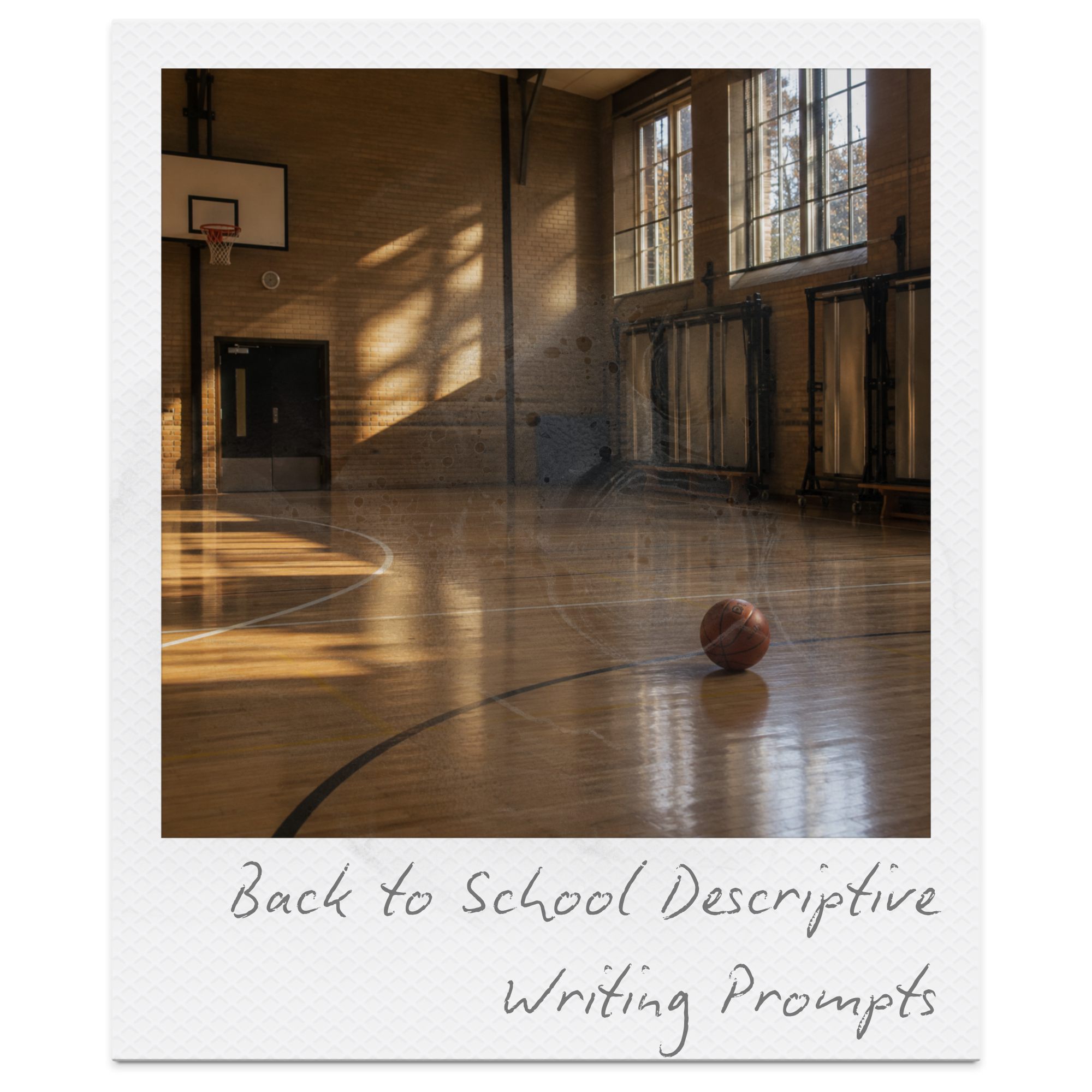
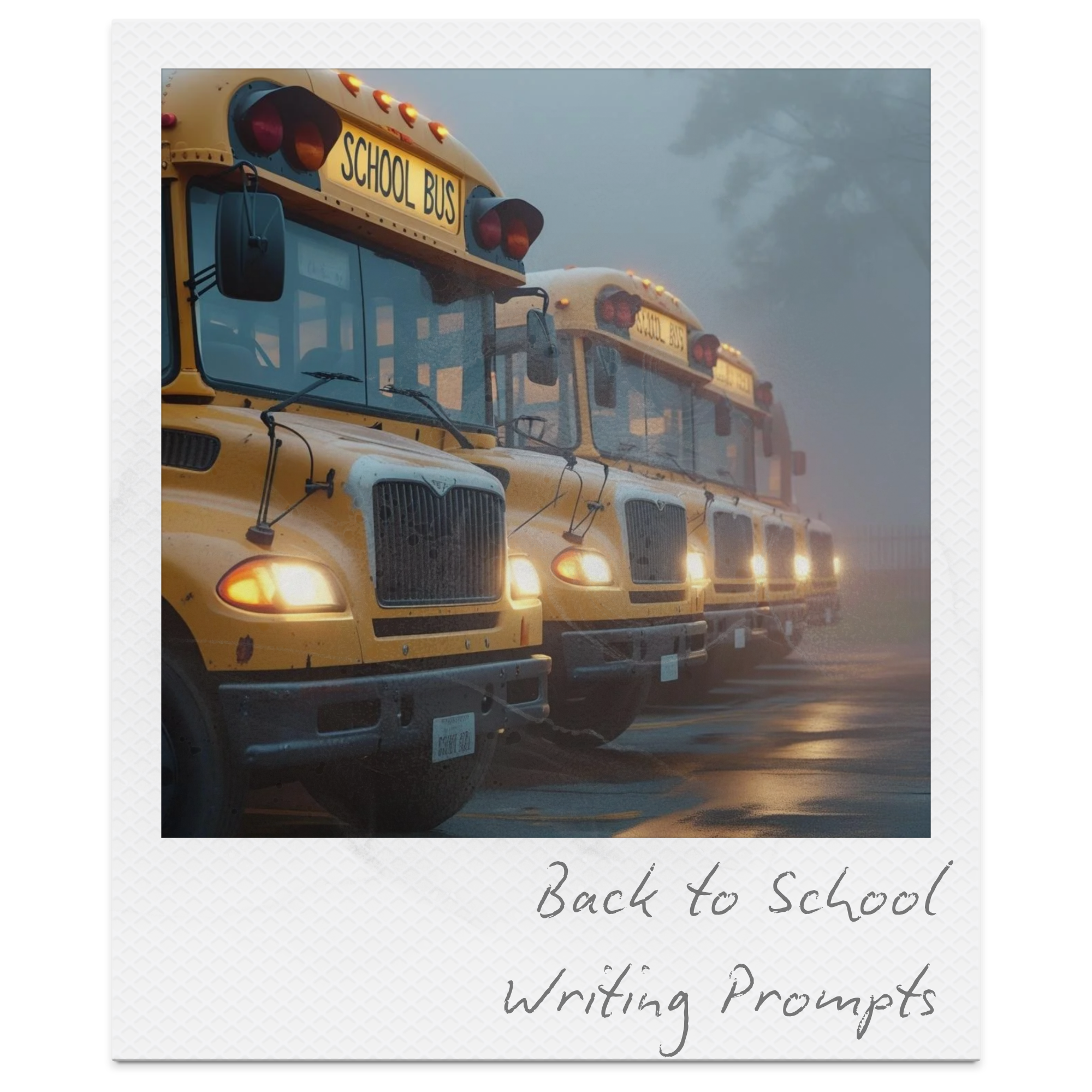
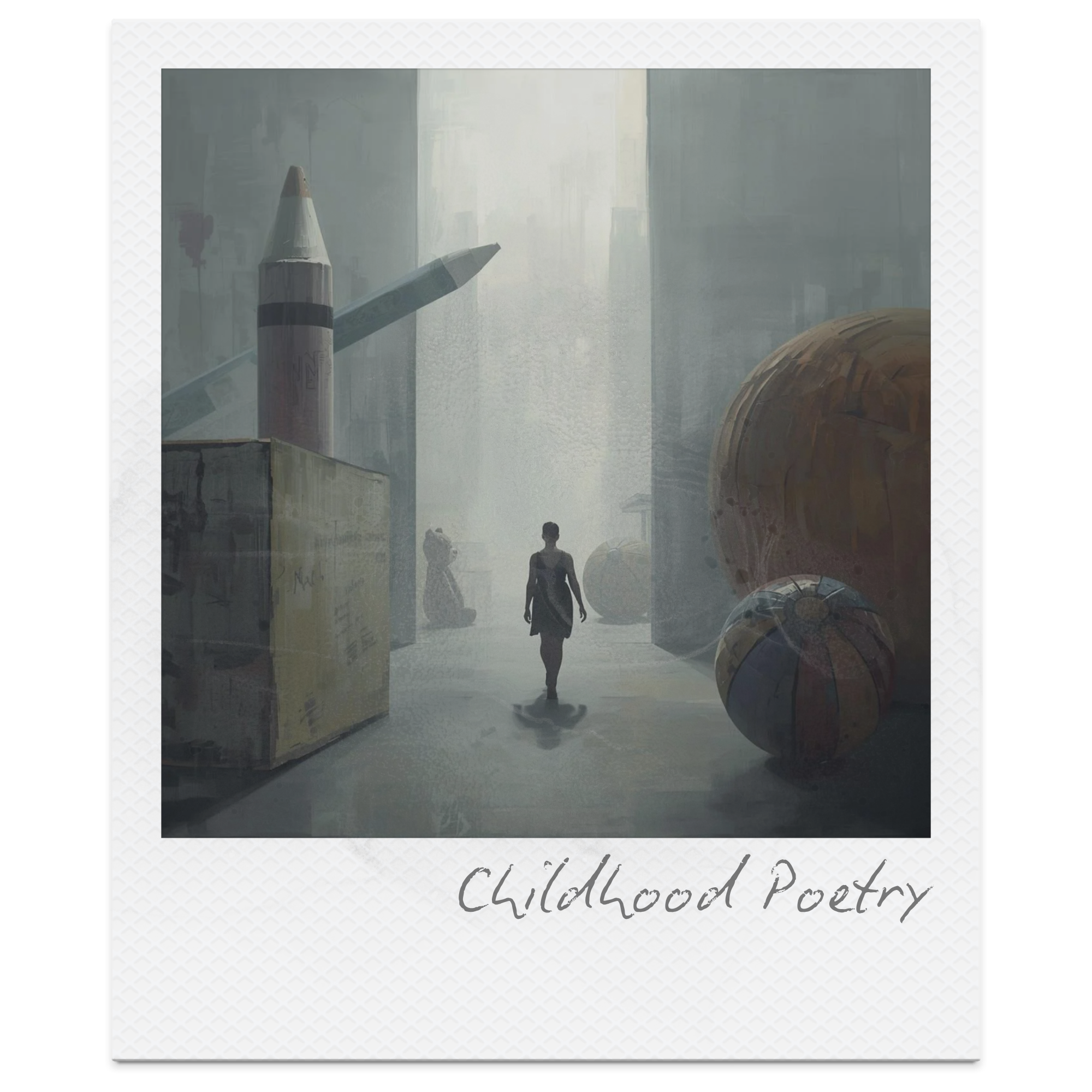
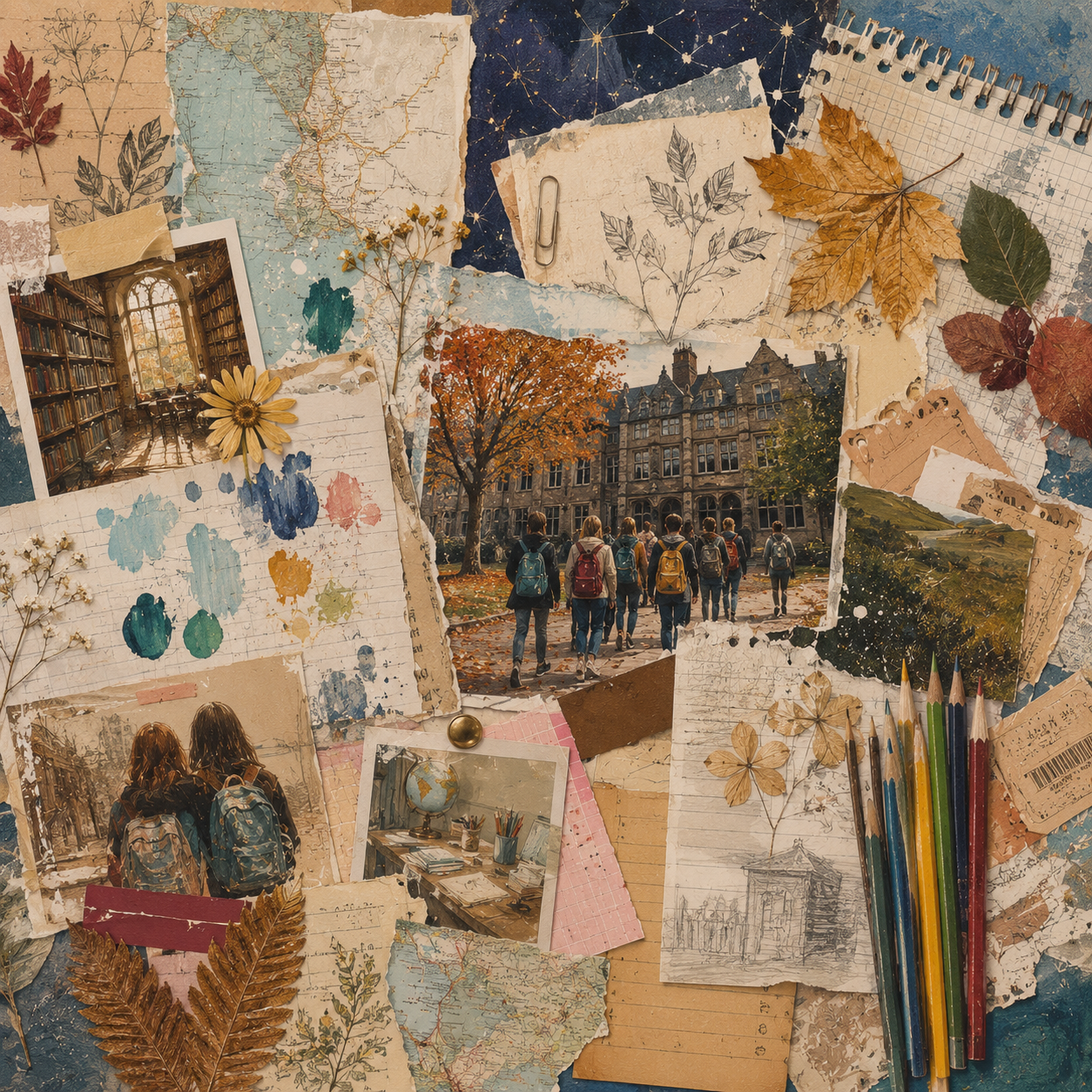
Ekphrastic poetry offers a creative way into back-to-school writing by beginning with a single image. Instead of starting with an idea or memory, allow a photograph or illustration to spark your imagination and shape the emotions, voice, and atmosphere of your poem.
Images of empty classrooms, school corridors, playgrounds, backpacks, autumn leaves, busy libraries, or students beginning a new school year can inspire poems about change, friendship, growth, hope, and belonging.
When writing ekphrastic back-to-school poetry, focus on what the image suggests:
◆ Who is at the centre of this moment?
◆ What emotions are hidden beneath the surface?
◆ What has just happened—or what is about to happen?
◆ What hopes, fears, or memories does this scene hold?
You might try:
◆ Writing from the perspective of someone in the image.
◆ Giving a voice to a school object, such as a desk, backpack, or notebook.
◆ Using colours, sounds, and small details to build atmosphere.
◆ Imagining the story that unfolds before or after the moment captured.
The image becomes the starting point for a poem that explores new beginnings, memories, and the everyday moments that shape the school experience.

Go Deeper into Back-to-School Poetry
If these prompts sparked ideas, extend your writing further:
◆ Write a series of poems that follows the same student through an entire school year.
◆ Rewrite the same school day from the perspectives of different people, such as a student, teacher, parent, or caretaker.
◆ Explore how one place, such as a classroom or playground, changes across the seasons or over several years.
◆ Transform an ordinary school object into a symbol of hope, change, friendship, or growing up.
Back-to-school poetry rewards careful observation and honest reflection. By focusing on small details, vivid imagery, and authentic emotions, you can create poems that capture experiences readers immediately recognise and connect with.
Final Thoughts
Back-to-school poetry is about more than classrooms and homework.
It is about fresh beginnings, changing friendships, growing confidence, and the moments that shape who we become.
Focus on everyday experiences.
Let imagery reveal emotion.
Allow ordinary moments to become extraordinary through your words.
If you'd like to explore this further, the Creative Writing Archive brings together poetry prompts, techniques, and image-based exercises designed to inspire writers across a wide range of genres and themes.
Every school year begins with a blank page—
and every poem is another chance to tell its story.
If you're looking for more writing inspiration, then check out the Poetry Writing Hub or the Creative Writing Archive.
Choose Your Next Adventure