10 Epic Fantasy Poetry Prompts: Quests, Battles, Fate & Heroic Journeys
Epic fantasy is often associated with vast worlds, powerful conflicts, and legendary figures — but at its core, it is driven by moments. A choice made too late. A journey that changes the traveller. A battle that reveals something irreversible. Poetry allows writers to isolate these moments, slowing them down and exploring the emotional and symbolic weight they carry.
From ancient epics to modern fantasy, the genre has long explored themes of fate, sacrifice, power, and identity. Texts like Beowulf and The Lord of the Rings present journeys shaped by conflict and transformation, where characters are tested not only by external forces but by the limits of their own endurance and belief.
These epic fantasy poetry prompts for teens and adults are designed to capture those moments through imagery, structure, and voice. Rather than retelling full narratives, they focus on fragments — the instant before a battle, the silence after a decision, the weight of a prophecy that cannot be avoided.
If you would like to explore more worldbuilding prompts, fantasy settings, and genre-based writing ideas, you can also visit the Fantasy Writing Hub, Poetry Writing Hub. or browse the full Creative Writing Archive, where prompts are organised by genre, theme, and storytelling focus.
Short on time?
Scroll down for the 10 epic fantasy poetry prompts, or keep reading for writing techniques and inspiration.
How to Approach Epic Fantasy Poetry
Writing epic fantasy poetry is not about summarising a quest or retelling a battle. It is about narrowing the focus — choosing a single moment, image, or voice and allowing it to carry the weight of a much larger story.
Start with scale, then reduce it. A war, a prophecy, or a journey can all be condensed into a single image — a sword left behind, a map marked with one final destination, a voice repeating something that cannot be changed.
Consider perspective. Epic fantasy often centres heroes, but poetry allows you to explore other viewpoints: the messenger, the witness, the defeated, or even the landscape itself.
Think carefully about movement. Journeys and battles involve progression, but poetry can disrupt this. Slow the action. Pause the moment. Let the structure reflect hesitation, inevitability, or repetition.
Resist resolution. Epic fantasy narratives often resolve conflict. Your poem does not need to. Ending before the outcome can create greater tension.
Above all, focus on control. Let imagery, rhythm, and structure suggest meaning rather than explaining it.
Techniques to Try in Epic Fantasy Poetry
Epic fantasy poetry benefits from techniques that reflect scale, movement, and inevitability, while still maintaining precision and restraint.
◆ Enjambment
Use line breaks to carry momentum forward, mirroring movement through landscapes or the progression of a journey.
◆ Repetition as Prophecy
Repeat key phrases or images to suggest fate, inevitability, or a cycle that cannot be broken.
◆ Elevated Diction
Use slightly formal or archaic language to evoke a mythic or epic tone without overcomplicating meaning.
◆ Symbolic Objects
Focus on objects such as swords, maps, crowns, or relics to carry emotional and narrative weight.
◆ Fragmented Narrative
Present the poem as a fragment of a larger story — a record, a memory, or a prophecy.
◆ Shifts in Scale
Move between large and small details (a battlefield to a single hand, a kingdom to a single voice) to create contrast.
◆ Landscape as Character
Treat the setting — mountains, oceans, ruins — as active forces influencing the narrative.
◆ Controlled Imagery
Limit imagery to a consistent set of motifs to maintain tone and clarity.
◆ Unresolved Ending
End before the outcome of a journey or battle is known, leaving tension intact.
Read for Inspiration: Epic Fantasy & Mythic Poetry
◆ Beowulf – explores heroism, fate, and legacy through elevated language and structured narrative.
◆ The Iliad – captures the emotional intensity of battle, honour, and loss.
◆ The Odyssey – focuses on journey, endurance, and the pull of home.
◆ The Lord of the Rings – blends mythic structure with detailed worldbuilding and symbolic objects.
◆ The Earthsea Cycle – uses restraint, balance, and language to explore power and identity.
Choose one or two texts to read before writing. Focus on how they handle scale, voice, and structure.
Epic Fantasy Poetry Writing Prompts
The prompts below are designed to explore epic fantasy themes through atmosphere, imagery, and voice. Focus on a single moment rather than the full narrative.
Epic Fantasy Poetry Prompt 1: The Map That Ends Too Soon
Write a poem centred on a journey map that stops before the destination is reached.
Possible opening line:
The path ends here, but not the story.
Craft focus:
Use enjambment and symbolic objects to emphasise movement and uncertainty.
Epic Fantasy Poetry Prompt 2: The Battle Before It Begins
Write about the moment just before a battle starts.
Possible opening line:
No one speaks, but everything is already decided.
Craft focus:
Use repetition as prophecy and controlled imagery to build tension.
Epic Fantasy Poetry Prompt 3: The Prophecy You Cannot Escape
Write from the perspective of someone who knows their fate.
Possible opening line:
They told me long before I understood.
Craft focus:
Use repetition and fragmented narrative to suggest inevitability.
Epic Fantasy Poetry Prompt 4: The Sword That Remembers
Write a poem from the perspective of a weapon that has witnessed multiple battles.
Possible opening line:
I have been lifted too many times.
Craft focus:
Use symbolic objects and elevated diction to create tone.
Epic Fantasy Poetry Prompt 5: The Journey That Changed You
Write about a character reflecting on a journey after it has ended.
Possible opening line:
I am not who left.
Craft focus:
Use shifts in scale and landscape as character to show transformation.
Epic Fantasy Poetry Prompt 6: The Messenger Who Arrived Too Late
Write about a message that fails to change the outcome.
Possible opening line:
I carried it across everything.
Craft focus:
Use enjambment and unresolved ending to maintain tension.
Epic Fantasy Poetry Prompt 7: The Kingdom After the Fall
Write about a ruined kingdom after a conflict has ended.
Possible opening line:
No one remains to rule this.
Craft focus:
Use controlled imagery and landscape as character.
Epic Fantasy Poetry Prompt 8: The Crown That Refuses You
Write about a character who rejects or cannot accept power.
Possible opening line:
It was never meant for me.
Craft focus:
Use symbolic objects and repetition to explore identity and power.
Epic Fantasy Poetry Prompt 9: The Companion Who Stayed Behind
Write from the perspective of a character who does not complete the journey.
Possible opening line:
I stopped where you continued.
Craft focus:
Use shifts in scale and fragmented narrative to create emotional distance.
Epic Fantasy Poetry Prompt 10: The Ending You Cannot See
Write about a journey that continues beyond the poem.
Possible opening line:
This is not where it ends.
Craft focus:
Use unresolved ending and enjambment to resist closure.
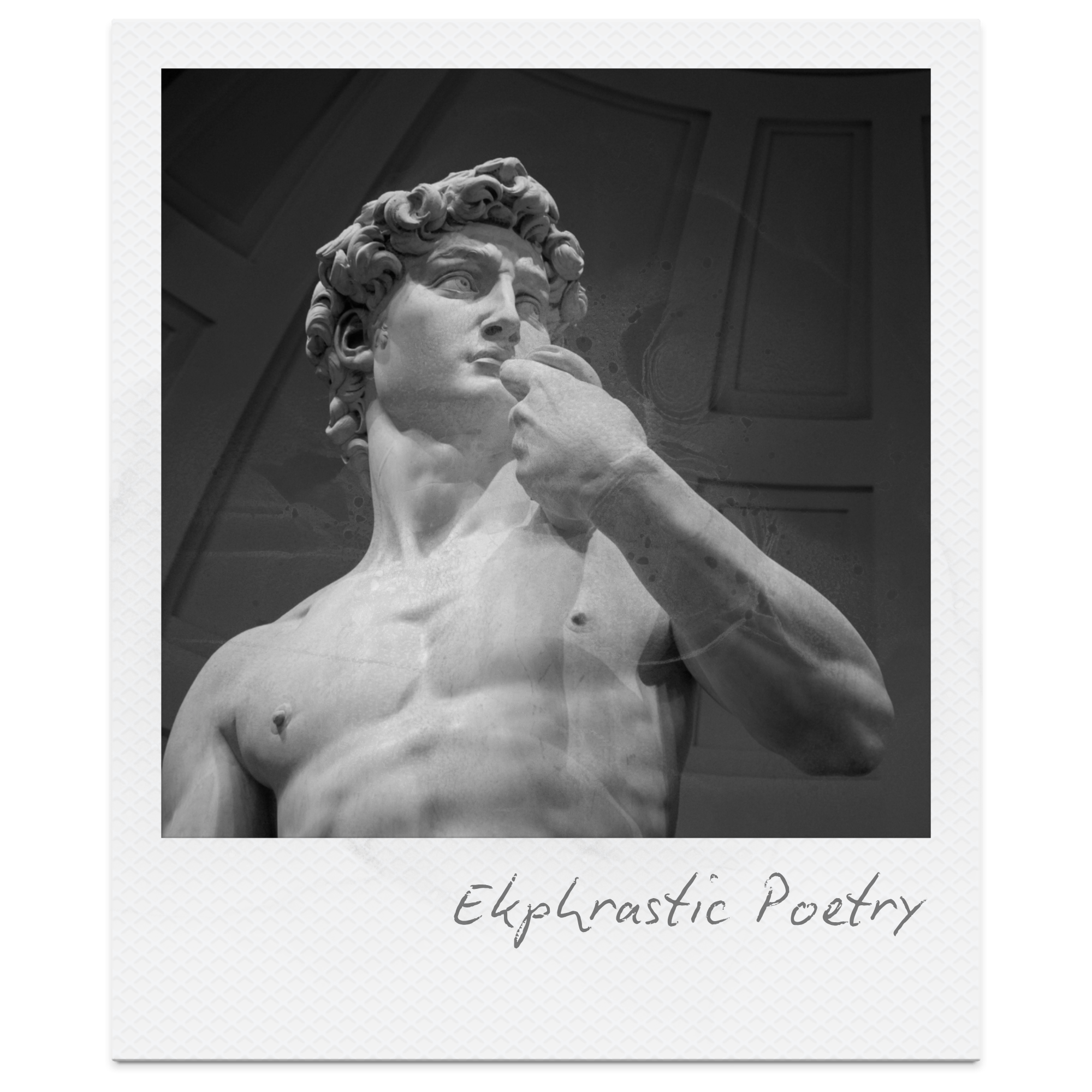
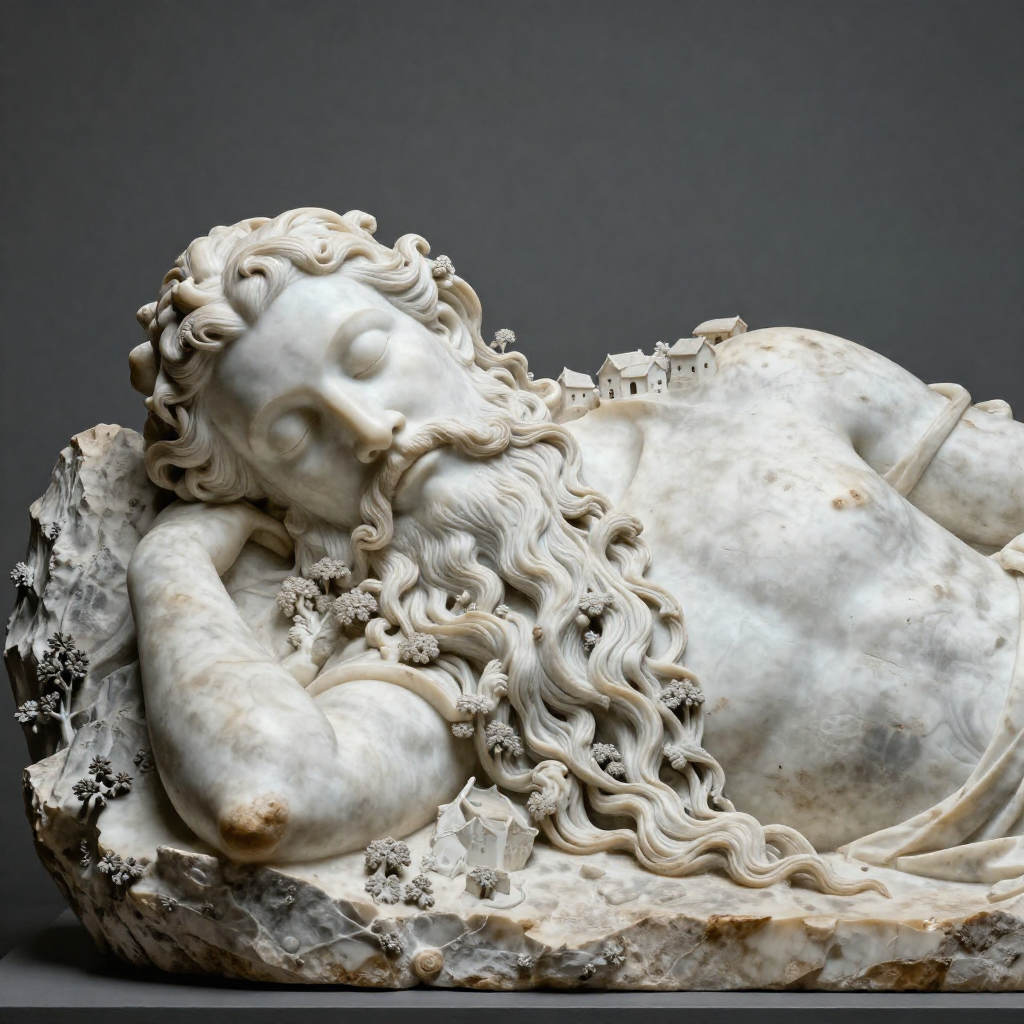
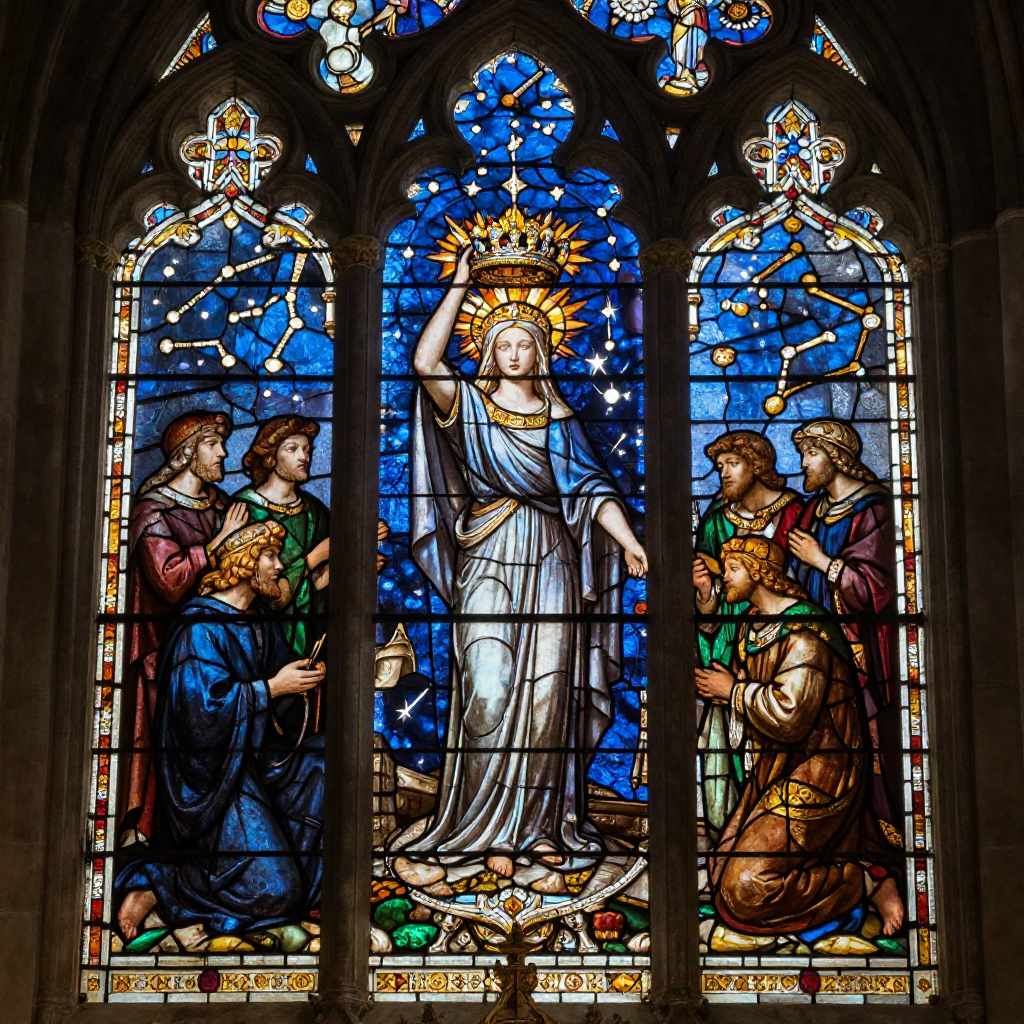
Ekphrastic Poetry: Writing From Images
Ekphrastic poetry uses visual imagery as a starting point, focusing on interpretation rather than description.
When working with epic fantasy imagery, try:
◆ Focus on a single object (a sword, map, crown, or ruin)
◆ Write the moment before or after action
◆ Let scale shift within the poem
◆ Use structure to mirror movement or hesitation
◆ Suggest a larger story without fully revealing it
The goal is not to retell the image, but to respond to it.



Go Deeper into Fantasy Poetry Writing
If these prompts resonated, you can extend your work by experimenting with form and perspective:
◆ Rewrite a prompt from the perspective of a secondary character
◆ Focus on a single object across multiple drafts
◆ Explore how prophecy shapes voice and structure
◆ Write a poem that exists as part of a larger imagined text
Epic fantasy often operates on a large scale. Poetry allows you to slow it down and examine it more closely.
Final Thoughts
Epic fantasy is often defined by scale — but its power lies in moments. A decision, a journey, a silence before something irreversible.
Poetry allows you to remain within those moments, to explore their weight without resolving them.
Write with restraint. Focus on one image. Let the poem end before the story does.
And if something remains unfinished — let it.
If you would like to explore more fantasy prompts, worldbuilding ideas, and genre-based writing collections, you can visit the Fantasy Writing Hub, Poetry Writing Hub, or browse the Creative Writing Archive for further inspiration.
Choose Your Next Theme