70 Mermaid & Siren Writing Prompts for Teens: Mythic Story Starters, Characters, Settings & Visual Ideas
Mermaid and siren stories have existed for centuries, long before they became visual aesthetics or fantasy tropes. Rooted in mermaid mythology, siren myths, and folklore from coastal cultures, these stories explore longing, transformation, danger, and the power of voice. They often unfold at the edge of the world — where land meets sea, where desire carries consequences, and where beauty is inseparable from risk.
Mermaid and siren writing prompts invite teen writers to explore underwater fantasy storytelling that prioritises atmosphere, emotion, and symbolism over spectacle. Rather than focusing on fairytale glamour, these prompts draw on ocean fantasy, mythical creature lore, and sea witch magic, encouraging stories about identity, isolation, forbidden choices, and the cost of being seen or heard. Many of these narratives reflect mermaidcore aesthetics — tidal landscapes, moonlit water, salt-soaked ruins, and quiet, dangerous beauty — while remaining grounded in character and theme.
This collection of 70 Mermaid & Siren Writing Prompts for Teens is designed as a complete creative toolkit, combining story starters, plot hooks, character ideas, setting prompts, opening and closing lines, and cinematic visual prompts inspired by oceans, myths, and folklore. The prompts work equally well for creative writing lessons, English classrooms, writing clubs, journaling, or longer YA fantasy projects, offering young writers a structured way to explore mermaid mythology, siren lore, and underwater fantasy worlds with depth and restraint.
If you’re looking for more inspiration, you can explore the Fantasy Writing Hub, the Fairytale and Folklore Writing Prompts Hub or browse the Creative Writing Archive for a wider range of atmospheric and genre-based ideas.
1. Plot Hooks
Mermaid and siren plot hooks often centre on thresholds — between land and sea, silence and song, freedom and captivity. These stories draw on mermaid mythology and siren myth, using folklore and ocean fantasy to explore identity, longing, transformation, and the consequences of desire. Each prompt below is designed to offer immediate atmosphere while leaving space for interpretation, making them ideal for fantasy writing prompts for teens that prioritise mood and meaning over action-heavy plots.
Write about a coastal village where no one is allowed to sing near the shoreline, and the teenager who discovers the rule exists to keep something ancient asleep beneath the tide.
Write about a siren whose song has stopped working, and the first human who realises she is no longer trying to lure anyone — only to be heard.
Write about a mermaid who guards a shipwreck filled with objects taken from people who never returned to shore, and what happens when one of those people comes back for what was lost.
Write about a character who begins to hear music in the ocean at night, only to realise the melody changes depending on what they are afraid to admit.
Write about a sea witch who offers protection rather than power, demanding a memory, a name, or a future in exchange.
Write about a lighthouse keeper who discovers the light was never meant to guide ships away from danger, but toward something waiting beneath the waves.
Write about a mermaid raised close to the surface who has never seen the deep ocean, and the forbidden journey that forces her to choose between safety and truth.
Write about a siren who falls in love with someone immune to her song, and the danger this immunity creates for them both.
Write about a town that celebrates the sea every year, unaware that the festival is part of an ancient bargain meant to keep the shoreline intact.
Write about a character who survives a shipwreck and realises the sea spared them for a reason — one that will not let them return to ordinary life.
2. Title Ideas
Mermaid and siren story titles often draw on mermaid mythology and siren myth, using the language of the sea to suggest longing, danger, and transformation rather than spelling out plot details. These titles reflect the influence of ocean fantasy and mermaidcore aesthetics, where meaning is shaped by mood, symbolism, and folklore. They work particularly well for YA fantasy stories, short fiction, and visual writing prompts inspired by underwater worlds and mythic creatures.
Daughters of the Sea
Saltwater Secrets
The Sea Witch’s Bargain
The Shipwreck Guardian
What the Siren Promised
Cursed by the Tide
The Ocean Kept Her Voice
Born of Salt and Shadow
The Girl the Waves Refused
Songs That Sink Ships
3. Opening Lines
Strong mermaid and siren opening lines establish atmosphere before explanation, drawing on mermaid mythology, siren myth, and ocean fantasy to suggest danger, longing, and transformation. Rather than introducing action immediately, these openings rely on voice, sensory detail, and subtle unease — allowing the sea to feel present even when it is not fully seen. For teen writers, these lines model how to begin fantasy stories with mood and tension, letting meaning surface gradually through image and implication rather than exposition.
The sea started calling my name the night I realised I didn’t belong on land anymore.
No one warned me that listening too closely to the tide could change what you are.
The first thing the siren took from me wasn’t my life, but my certainty.
I was meant to guard the shipwreck, not remember who I had been before it sank.
The sea witch didn’t ask for my voice — she asked for something I wasn’t ready to lose.
Every time the waves pulled back, they left something behind that didn’t belong to the ocean.
I learned the song by accident, humming it to myself before I understood what it could do.
The water recognised me long before I understood why.
They told us sirens were monsters, but no one explained what made them sing.
I crossed into the sea willingly, believing the hardest part would be leaving the shore.
4. Closing Lines
Mermaid and siren stories rarely end with certainty. Drawing on mermaid mythology, siren myth, and ocean fantasy, these endings suggest transformation, loss, or return without fully resolving the world. Rather than offering neat conclusions, strong closing lines allow the sea to remain present — shaping what comes after the story ends. For teen writers, these examples model how to conclude mythic or atmospheric fantasy stories with restraint, ambiguity, and emotional resonance.
When the tide receded, I understood that something had been claimed, and it would not be returned.
The shore looked the same by morning, but I knew I would never stand there as the same person again.
The song faded with the light, leaving behind a silence I could not cross.
I watched the waves close over her, unsure whether I had just witnessed a farewell or a beginning.
By the time the sea released me, I no longer remembered what I had once asked of it.
The ocean kept its promise, even if I no longer understood the cost.
Nothing followed me back to land, except the knowledge that the sea was still listening.
I turned away from the water, carrying a truth I would never be able to explain.
The tide erased every trace of what had happened, but not the choice I had made.
As the horizon darkened, I realised the sea had never meant to let me go.
5. Character Ideas
Mermaid and siren characters are often shaped by contradiction — between freedom and captivity, voice and silence, land and sea. Drawing on mermaid mythology, siren myth, and ocean fantasy, these character ideas focus on identity, transformation, and moral tension rather than simple good-versus-evil archetypes. They are designed to support fantasy writing prompts for teens, encouraging character-driven storytelling rooted in folklore, emotion, and choice.
A mermaid raised close to shore who has never learned the songs of the deep, and begins to question what knowledge has been deliberately kept from her.
A siren whose voice no longer lures ships, forcing her to confront whether her power came from the song itself or from those who chose to listen.
A sea witch who does not trade in voices or beauty, but in futures — offering protection from the ocean at a cost that cannot be undone.
A shipwreck guardian bound to a single stretch of coastline, tasked with protecting what the sea has taken and deciding who deserves to reclaim it.
A human who can hear siren songs without being drawn toward them, becoming a danger to both the land and the sea.
A mermaid scholar who records the histories of drowned kingdoms, slowly realising her own story has been erased from the records.
A coastal villager chosen as an offering in an ancient bargain, who begins to understand the sea’s rules better than the people who worship it.
A siren born without a song, navigating a society where silence is seen as weakness rather than restraint.
A hybrid sea-born character caught between merfolk and humans, belonging fully to neither world and trusted by neither.
An ocean oracle who interprets tides, currents, and storms as language, struggling to decide when knowledge should remain unspoken.
6. Setting Ideas
Mermaid and siren settings often exist at thresholds — between land and sea, safety and danger, myth and reality. Drawing on mermaid mythology, siren myth, and ocean fantasy, these locations are shaped by tide, depth, and memory rather than fixed geography. They allow teen writers to explore atmosphere, symbolism, and emotional change through place, making setting an active force in the story rather than a backdrop.
A fogbound coastal village built around an ancient bargain with the sea, where the shoreline subtly shifts depending on whether the terms are being honoured.
An underwater kingdom hidden beneath a reef, its architecture grown rather than built, and slowly collapsing as its rulers lose control of the tides.
A stretch of ocean known for repeated shipwrecks, guarded by a shipwreck guardian whose presence keeps the wrecks intact but prevents their stories from being told.
A tidal cave that only opens during specific lunar phases, used by sea witches as a meeting place for bargains and covenants.
A drowned city resting just beyond the light, its streets still intact and echoing with songs that no living person should hear.
A rocky shoreline where sirens gather at dusk, their voices carrying differently depending on who is listening and what they want.
A bioluminescent deep-sea trench believed to be an oracle, responding to questions with shifting light rather than words.
A lighthouse positioned above a dangerous reef, built not to warn ships away, but to draw certain vessels closer.
A chain of small islands that appear and disappear with the tide, each one marking a different stage of transformation for those who land there.
A submerged forest preserved beneath clear water, where the boundary between land memory and sea magic begins to blur.
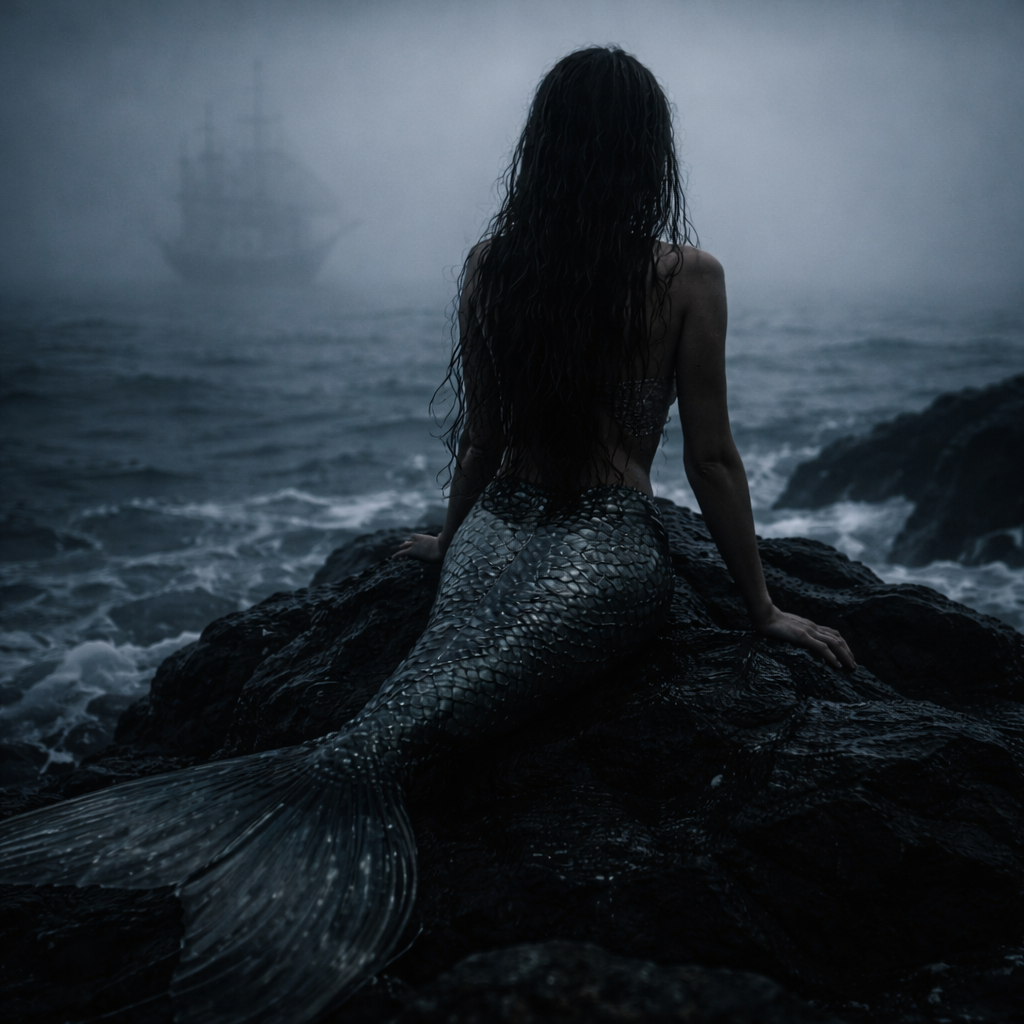
7. Picture Prompts
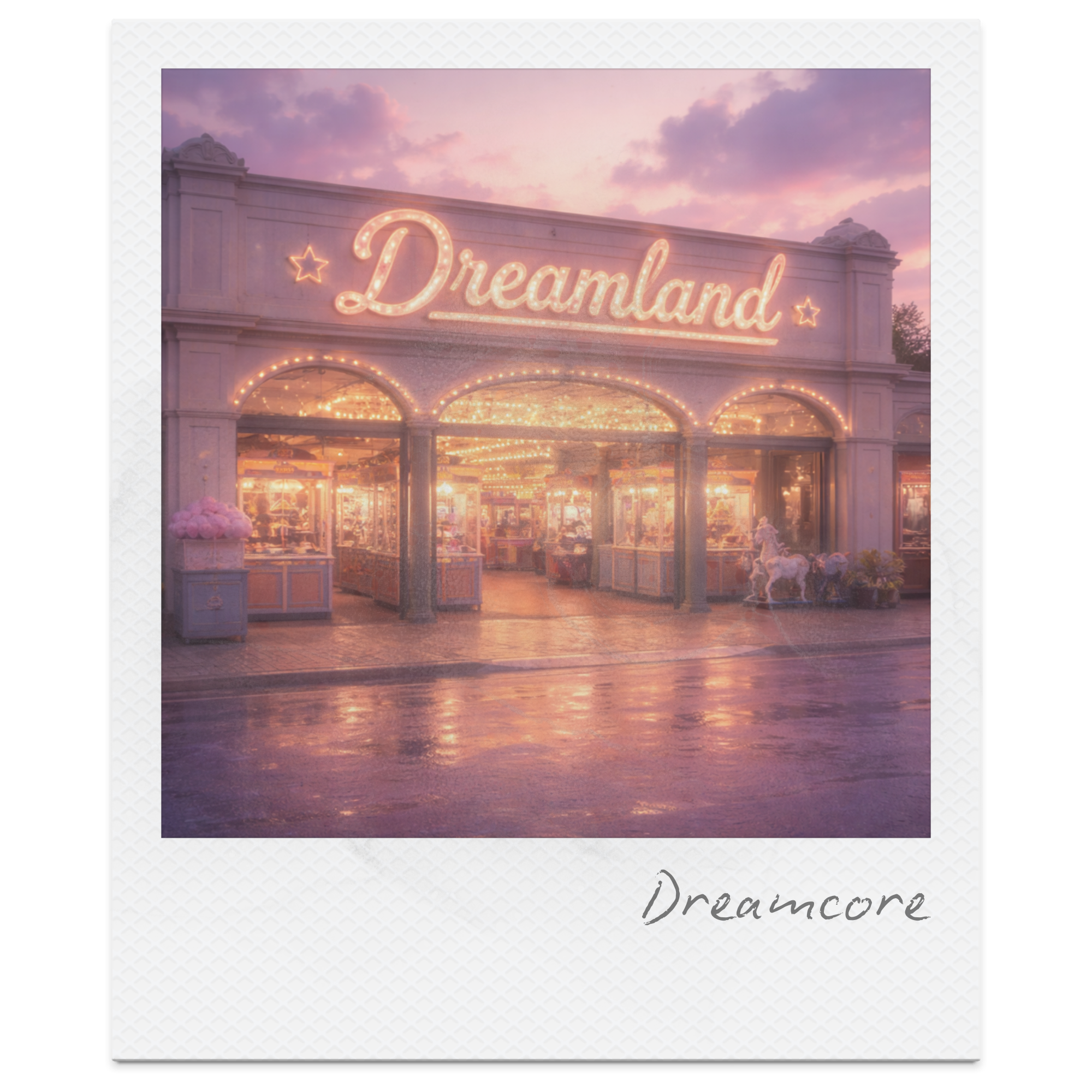
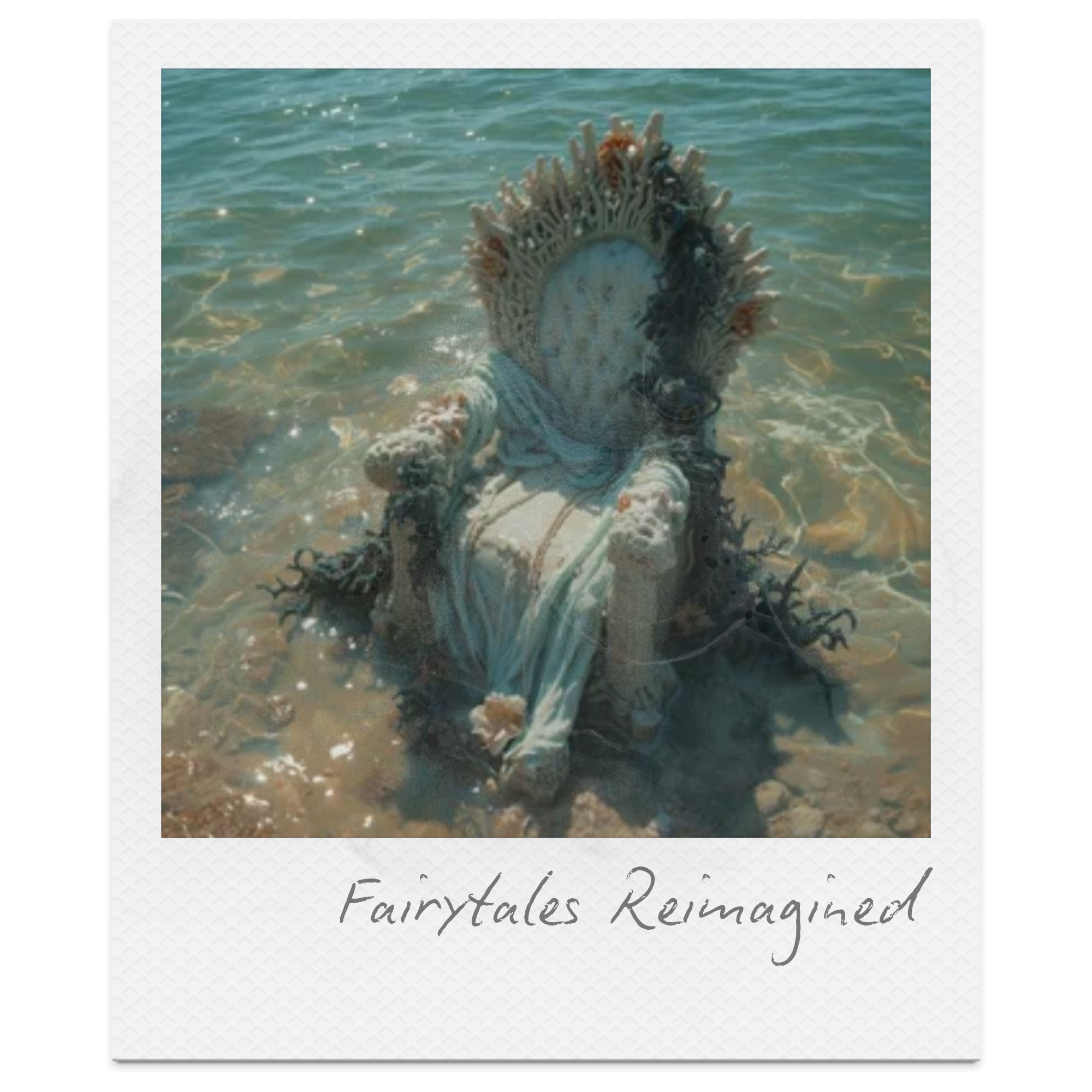
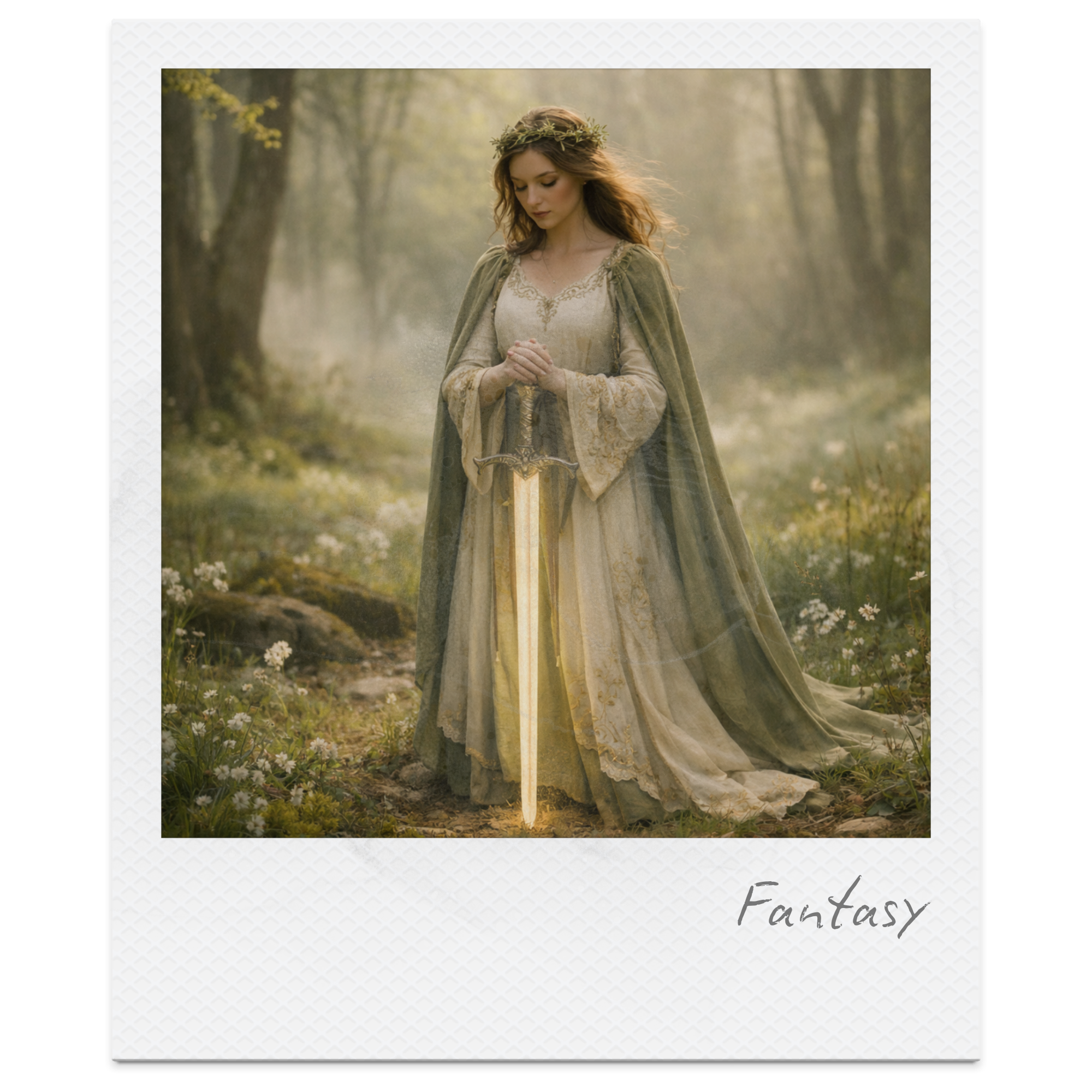
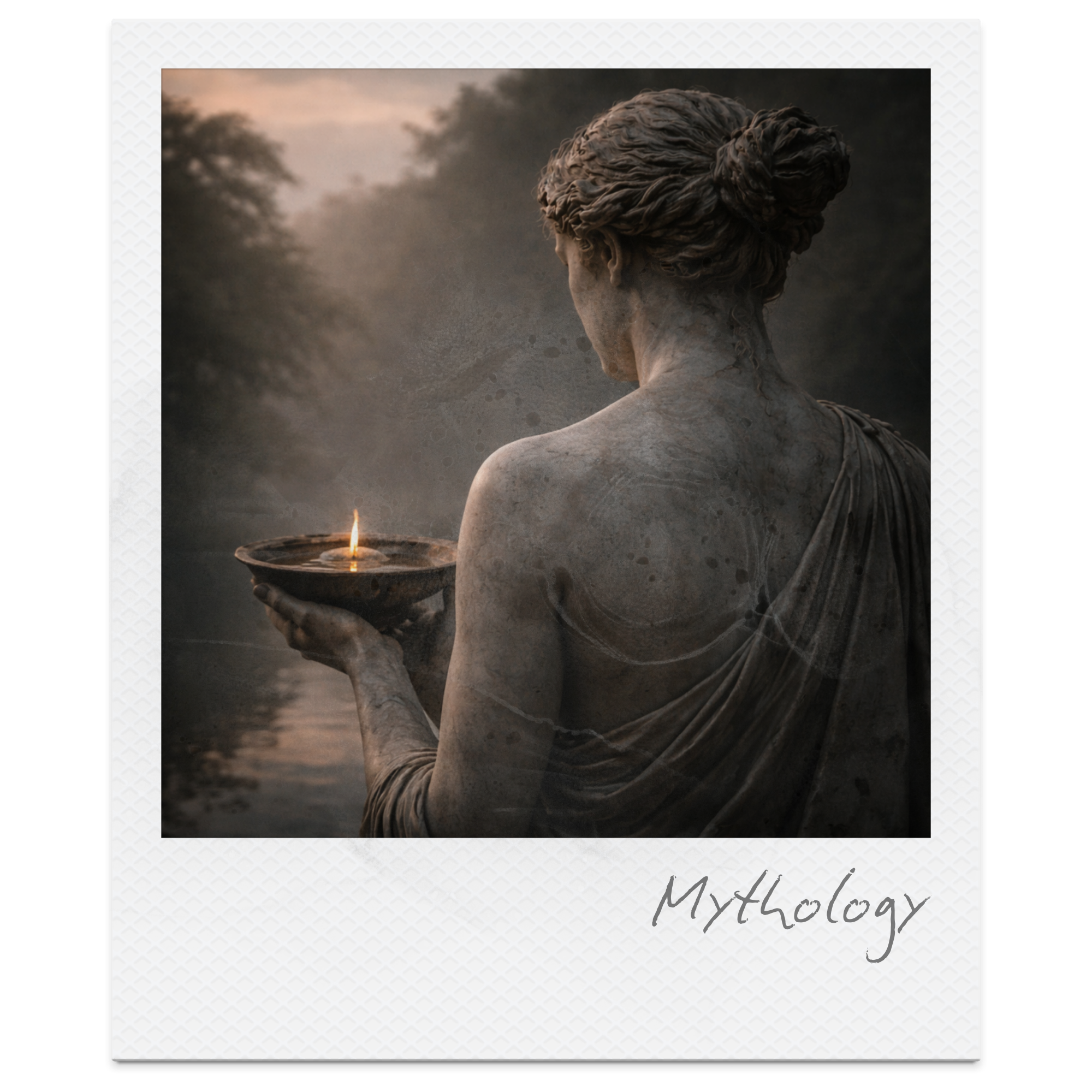
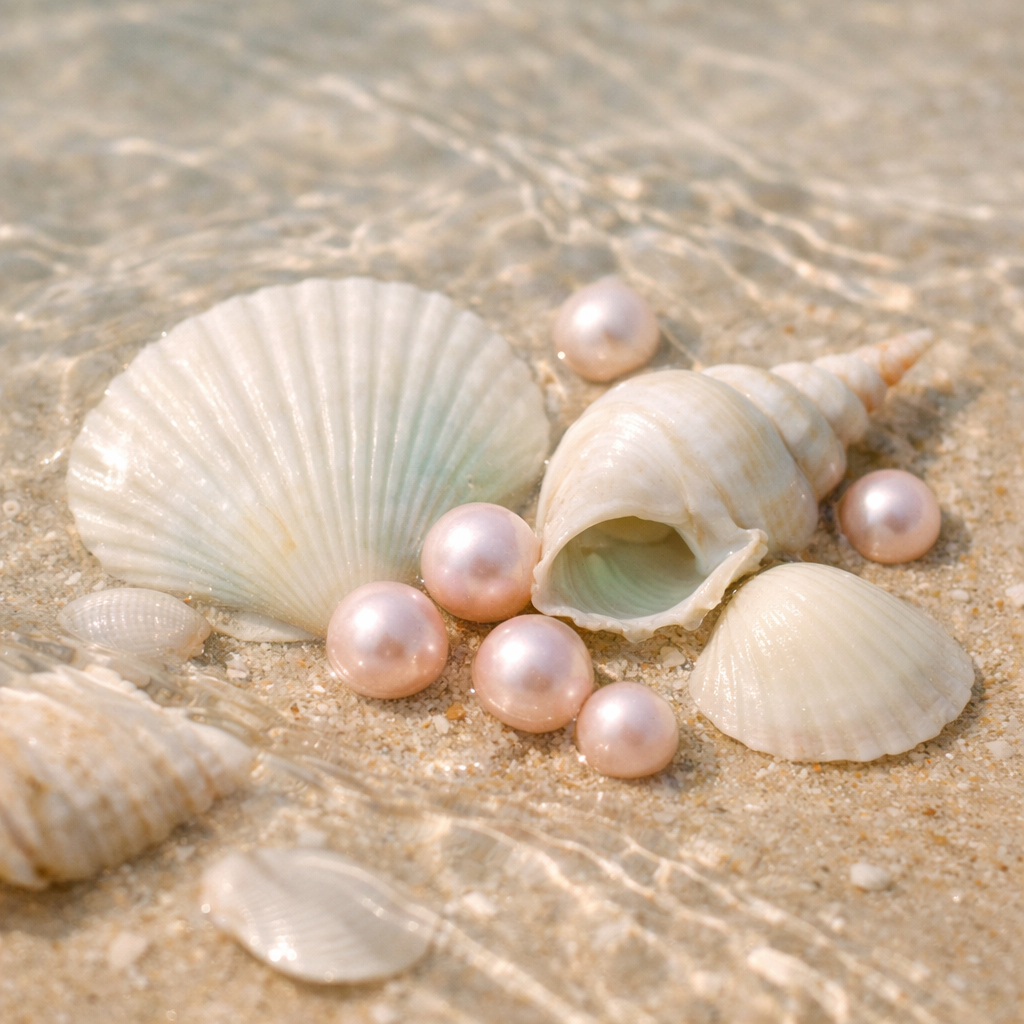
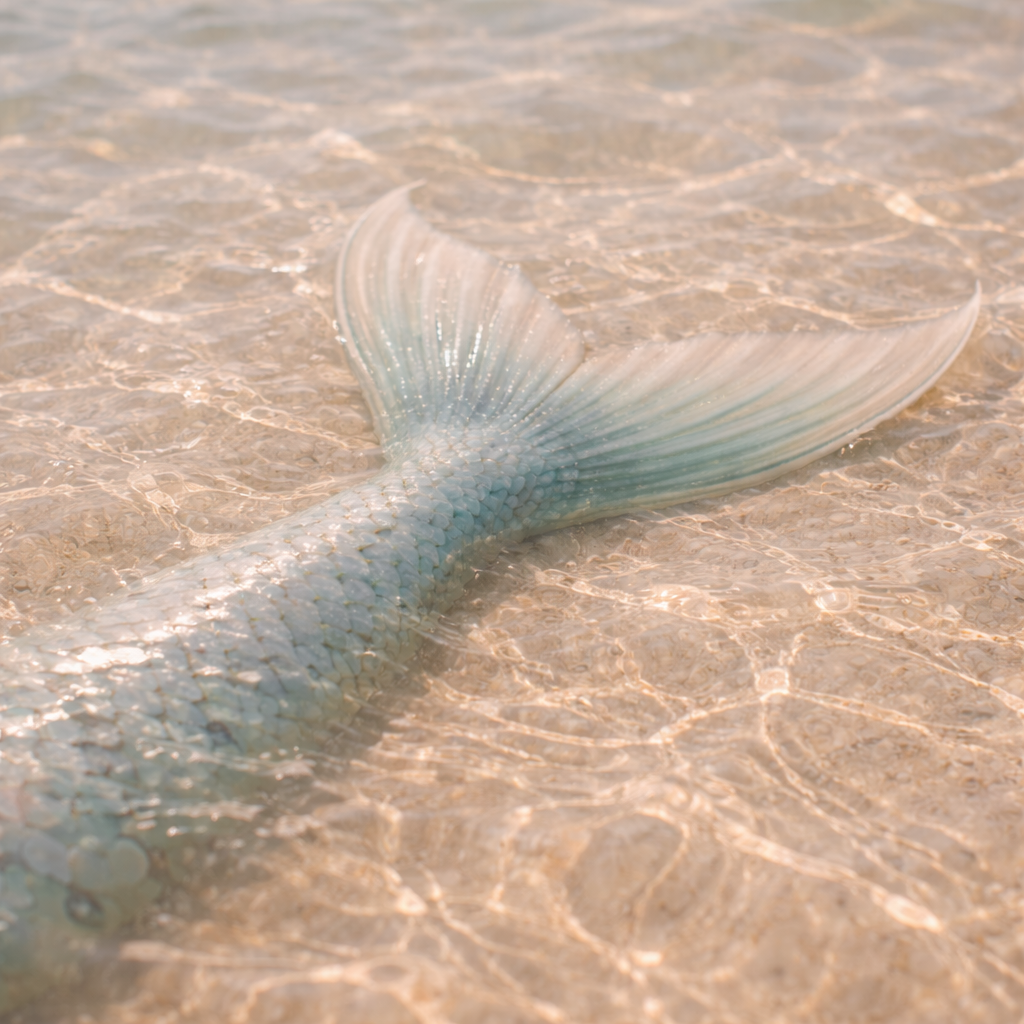
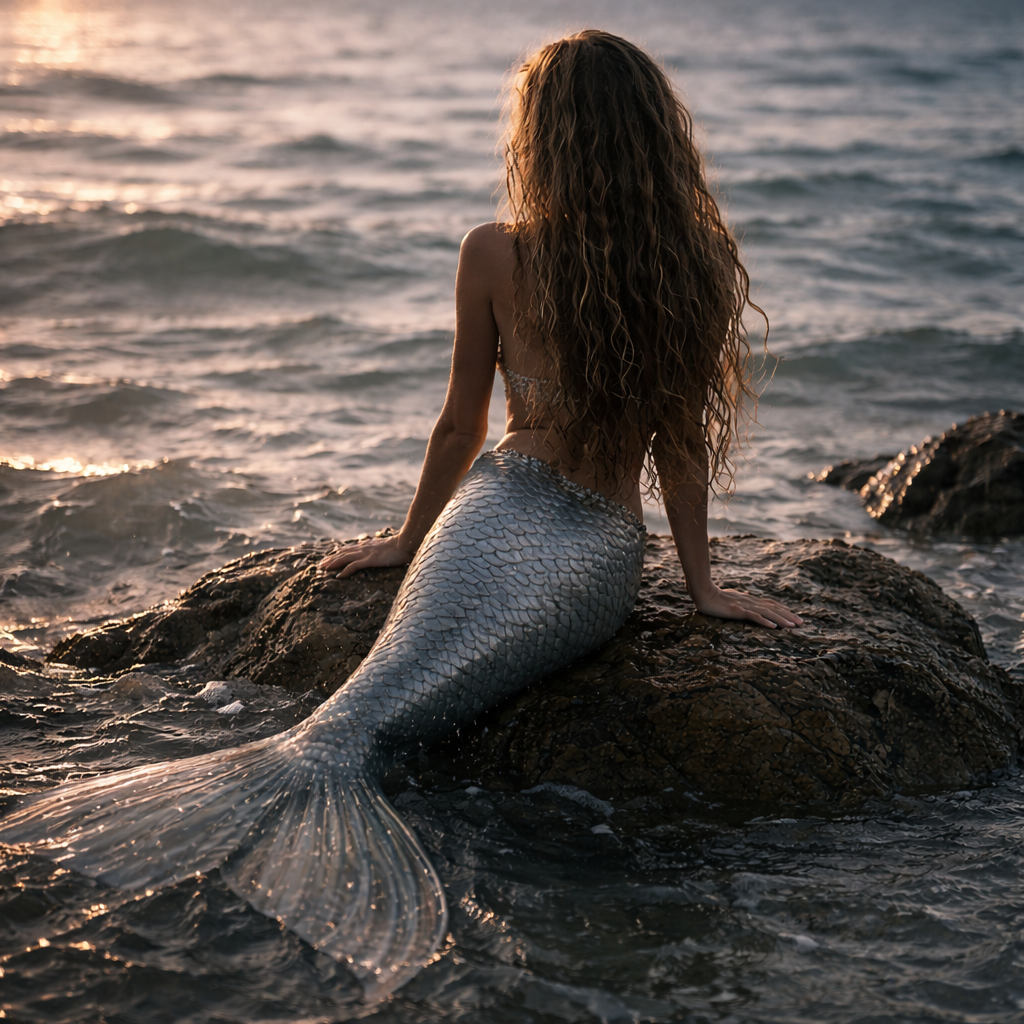
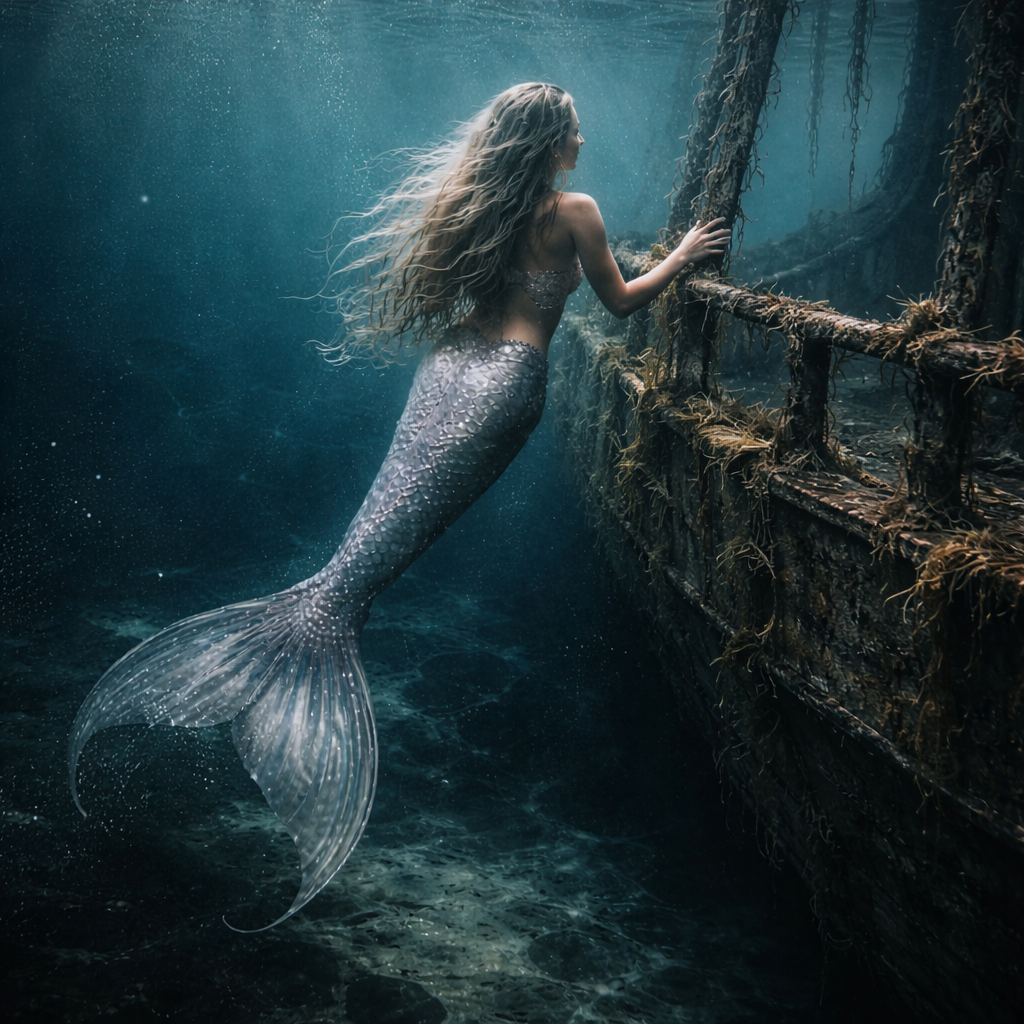
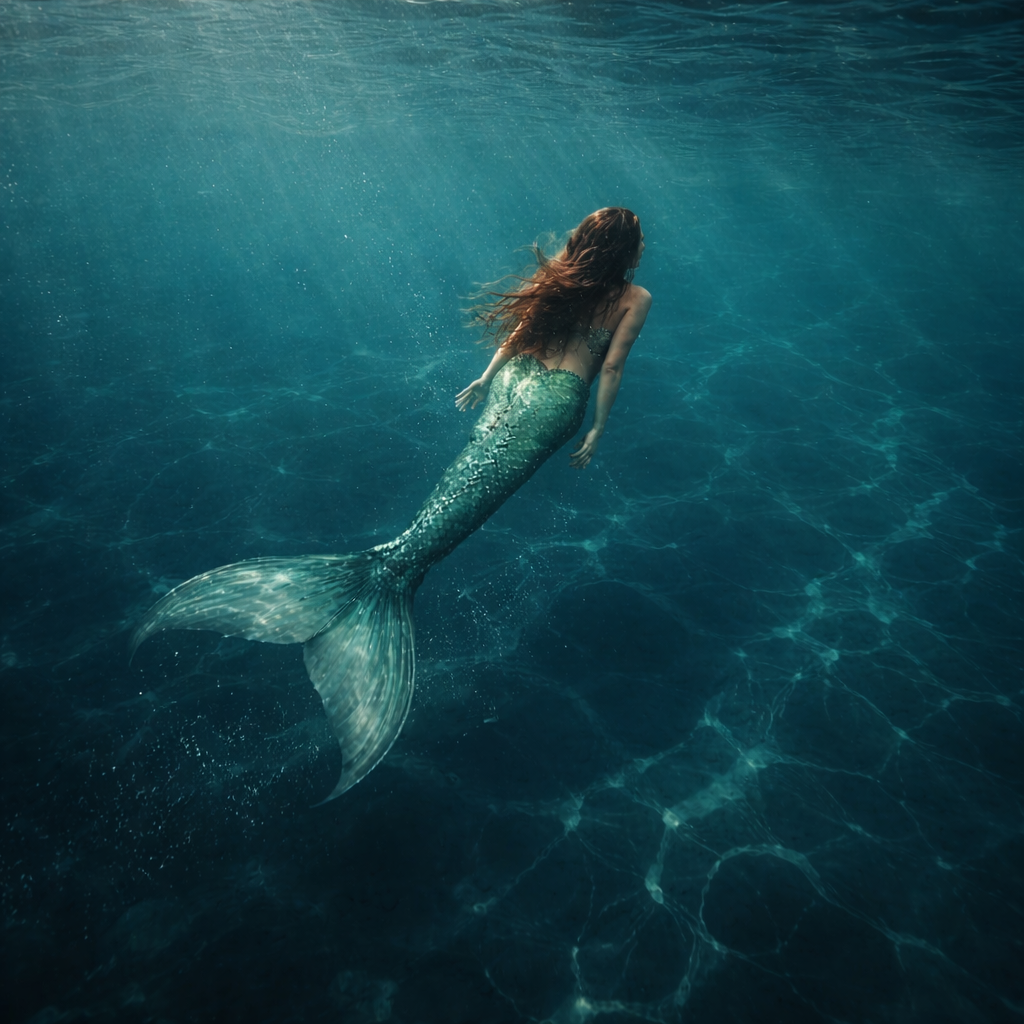
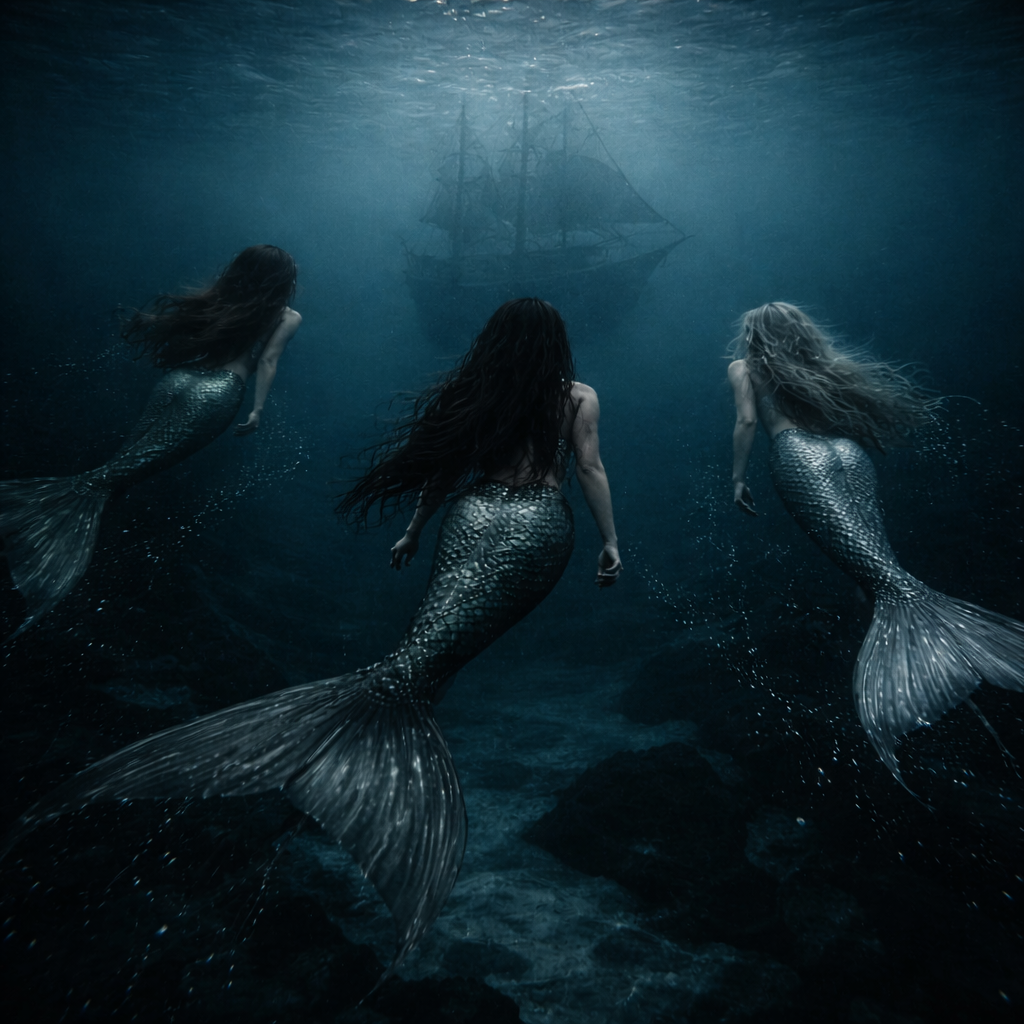
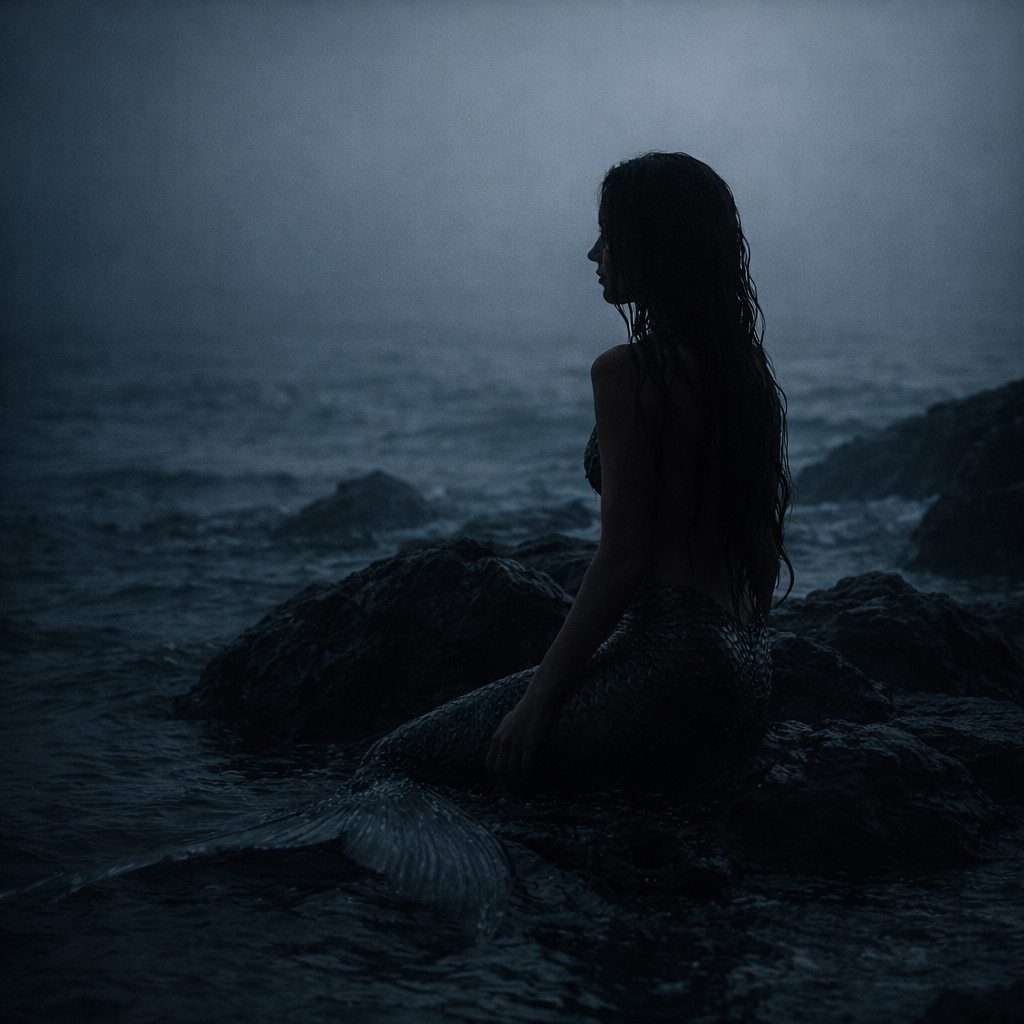
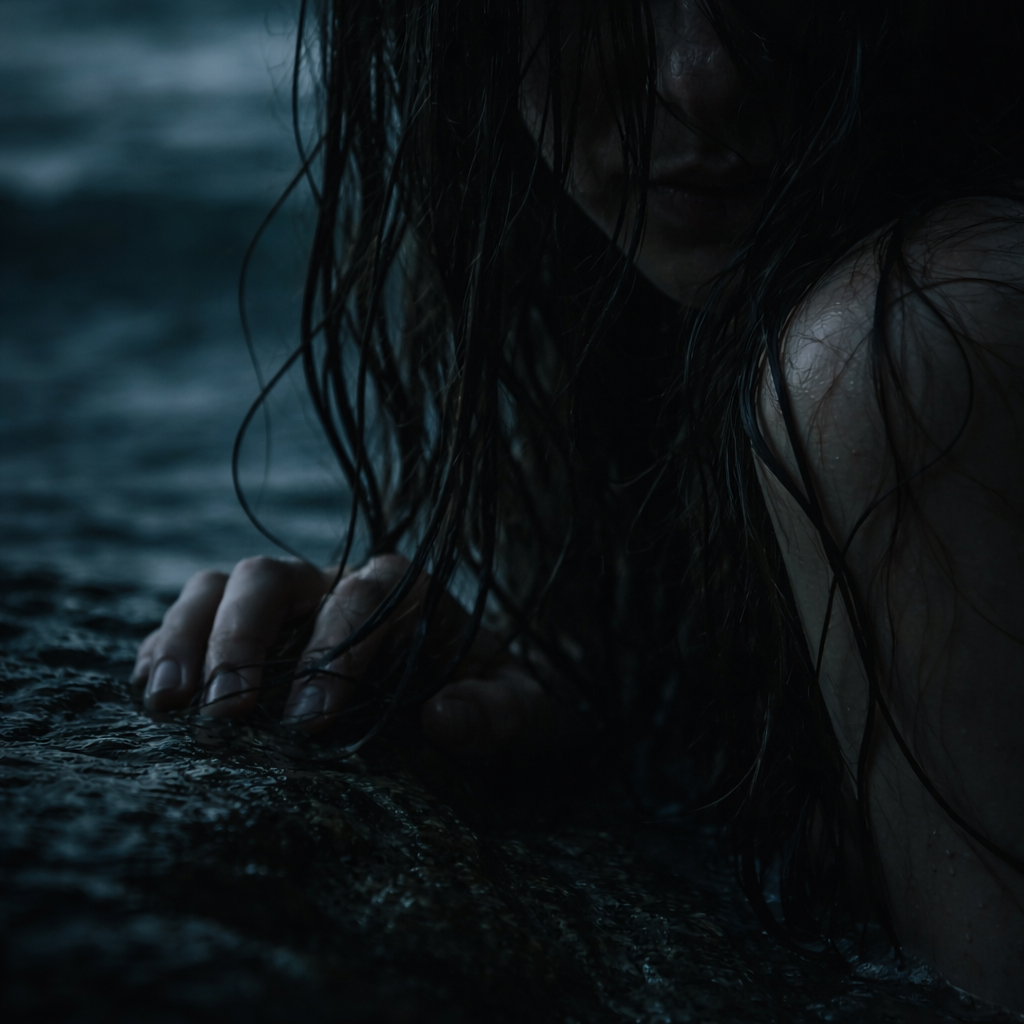
Visual prompts are especially powerful for mermaid and siren storytelling, where mood, texture, and atmosphere often matter more than explanation. Inspired by mermaid mythology, siren myth, and ocean fantasy, these images are designed to suggest story rather than define it — allowing writers to interpret meaning through light, water, colour, and space.
Each picture prompt in this collection reflects elements of mermaidcore aesthetics and underwater fantasy worlds, drawing on coastal landscapes, submerged ruins, shifting tides, and mythic sea imagery. Rather than illustrating a single plot, the visuals encourage teen writers to explore symbolism, emotion, and perspective, making them ideal for descriptive writing, short stories, or longer fantasy projects.
Writers can use the images as story starters, setting inspiration, or mood anchors — asking what happened before the moment captured, what might follow, and whose voice is missing from the frame. Used alongside the prompts above, these visual cues support fantasy writing prompts for teens that prioritise atmosphere, imagination, and interpretive thinking over literal realism.

Go Deeper into Mermaid & Siren Writing
To develop mermaid and siren stories beyond surface-level fantasy, encourage writers to lean into myth, symbolism, and restraint rather than spectacle. Stories inspired by mermaid mythology and siren myth are most effective when the sea is treated as a force with memory and intention, shaping character and choice rather than simply providing a setting.
◆ Rewrite a prompt by focusing on a single sensory detail — the pull of the tide, the sound of a distant song, the weight of water, or the taste of salt — and allow that detail to shape the emotional direction of the scene.
◆ Experiment with silence as power. Write a scene where a siren refuses to sing, or where a mermaid’s voice carries consequences rather than control, and explore how absence can be as meaningful as action.
◆ Lower the stakes of external conflict and raise the emotional stakes. Instead of battles or rescues, focus on moments of choice — a bargain made, a truth withheld, or a return delayed — and let the tension emerge quietly.
◆ Write the same moment twice: once from the perspective of the land, and once from the sea. Notice how memory, loyalty, and meaning shift depending on where the story is anchored.
Final Thoughts
Mermaid and siren stories endure because they speak to moments of in-between — between freedom and belonging, voice and silence, safety and risk. Rooted in mermaid mythology, siren myth, and ocean fantasy, these narratives explore what it means to be shaped by forces larger than ourselves, and what is lost or gained when we cross the boundaries set for us.
These 70 Mermaid & Siren Writing Prompts for Teens are designed to help young writers practise atmosphere-driven storytelling, experiment with folklore-inspired fantasy, and build confidence in stories that prioritise mood, symbolism, and emotional depth over explanation. Whether used for short creative warm-ups, classroom lessons, writing clubs, or longer YA fantasy projects, the prompts encourage thoughtful risk-taking and imaginative restraint.
If you’re looking for more inspiration, you can explore the Fantasy Writing Hub, the Fairytale and Folklore Writing Prompts Hub or browse the Creative Writing Archive for a wider range of atmospheric and genre-based ideas.
Choose Your Next Adventure