70 January Writing Prompts for Teens: New Beginnings, Aftermaths, and Turning Points
January is not the start of the story — it’s what comes after. The celebrations are over, the noise has faded, and what remains is choice. Across cold mornings, empty streets, unfinished resolutions, and quiet determination, January stories are about thresholds: who we were, who we might become, and what we’re finally ready to face.
These 70 January writing prompts are designed for teen writers and classrooms, offering a mix of plot hooks, titles, opening and closing lines, character ideas, settings, and visual prompts. They suit a wide range of genres, including contemporary fiction, mystery, gothic, fantasy, magical realism, and quiet realism.
If you’re looking for more genres, tropes or seasonal collections, you can browse the full master list of 2000+ creative writing prompts here.
1. Plot Hooks
January stories thrive on aftermath, reflection, and forward motion. These plot hooks place characters at moments where something must change.
Write about a character who returns to school after something life-changing happened over the holidays.
Write about a town where everyone wakes up on January 1st to find one rule has disappeared.
Write about a character who breaks a promise they made to themselves on New Year’s Day — and why.
Write about someone who finds an unopened letter dated December 31st.
Write about a resolution that turns out to be dangerous.
Write about a character who decides not to start over, but to finish something instead.
Write about an empty house that feels different after the decorations come down.
Write about a quiet rebellion that begins in January, not in anger but in resolve.
Write about a character who realises January is when the real consequences arrive.
Write about someone who chooses to walk away from the past rather than rewrite it.
2. Title Ideas
January titles often hint at renewal, aftermath, and the tension between old and new.
The Quiet Month
After the Fireworks
What Remains
The Longest Resolution
Between Years
The First Ordinary Day
Ashes of December
The Turning Point
Cold Mornings, Clear Choices
The Year That Waited
3. Opening Lines
January openings should feel restrained, reflective, or quietly charged.
“The calendar changed, but nothing else felt different.”
“January arrived without asking what we were ready for.”
“The house felt too quiet once the decorations were gone.”
“Everyone talked about new beginnings, but I was still standing in the aftermath.”
“On the first morning of the year, I realised what I couldn’t carry anymore.”
“The cold wasn’t the worst part — it was the silence.”
“January doesn’t shout; it waits.”
“The promises felt heavier once the year actually began.”
“I stood at the edge of the year, unsure which way to step.”
“Nothing dramatic happened on January first, and that scared me.”
4. Closing Lines
January endings often resolve quietly, with acceptance, determination, or unresolved hope.
“I didn’t know what the year would bring, but I knew what I would no longer accept.”
“January taught me that beginnings don’t need applause.”
“The cold remained, but I finally felt steady.”
“This time, I chose myself — and that was enough.”
“Not everything was fixed, but something had shifted.”
“The year opened slowly, like a door I was finally ready to walk through.”
“I stopped waiting for permission and took the next step.”
“Some endings arrive disguised as quiet starts.”
“The promise wasn’t perfect, but it was mine.”
“January didn’t change me — I changed myself.”
5. Character Ideas
January characters are often reflective, determined, or standing at a crossroads.
A student returning with a secret they didn’t have before.
A sibling trying to keep a family together after the holidays exposed cracks.
A teenager determined to reinvent themselves — quietly.
A character who refuses to make resolutions but still changes everything.
Someone starting the year in a place they never planned to be.
A character facing consequences delayed by celebration.
A teacher noticing subtle shifts in their students after the break.
A friend group slowly drifting as routines resume.
A character choosing honesty over comfort for the first time.
Someone who decides January is the month they stop pretending.
6. Setting Ideas
January settings heighten stillness, reflection, and emotional clarity.
An empty school corridor on the first morning back.
A bus stop before dawn in freezing weather.
A town square stripped of decorations.
A bedroom packed with unresolved memories from last year.
A coastal town in off-season quiet.
A kitchen late at night, lights low, calendar open.
A fog-covered park at sunrise.
A train platform where someone leaves instead of arriving.
A gym, library, or classroom filled with quiet determination.
A street at dawn on January 1st, untouched and silent.
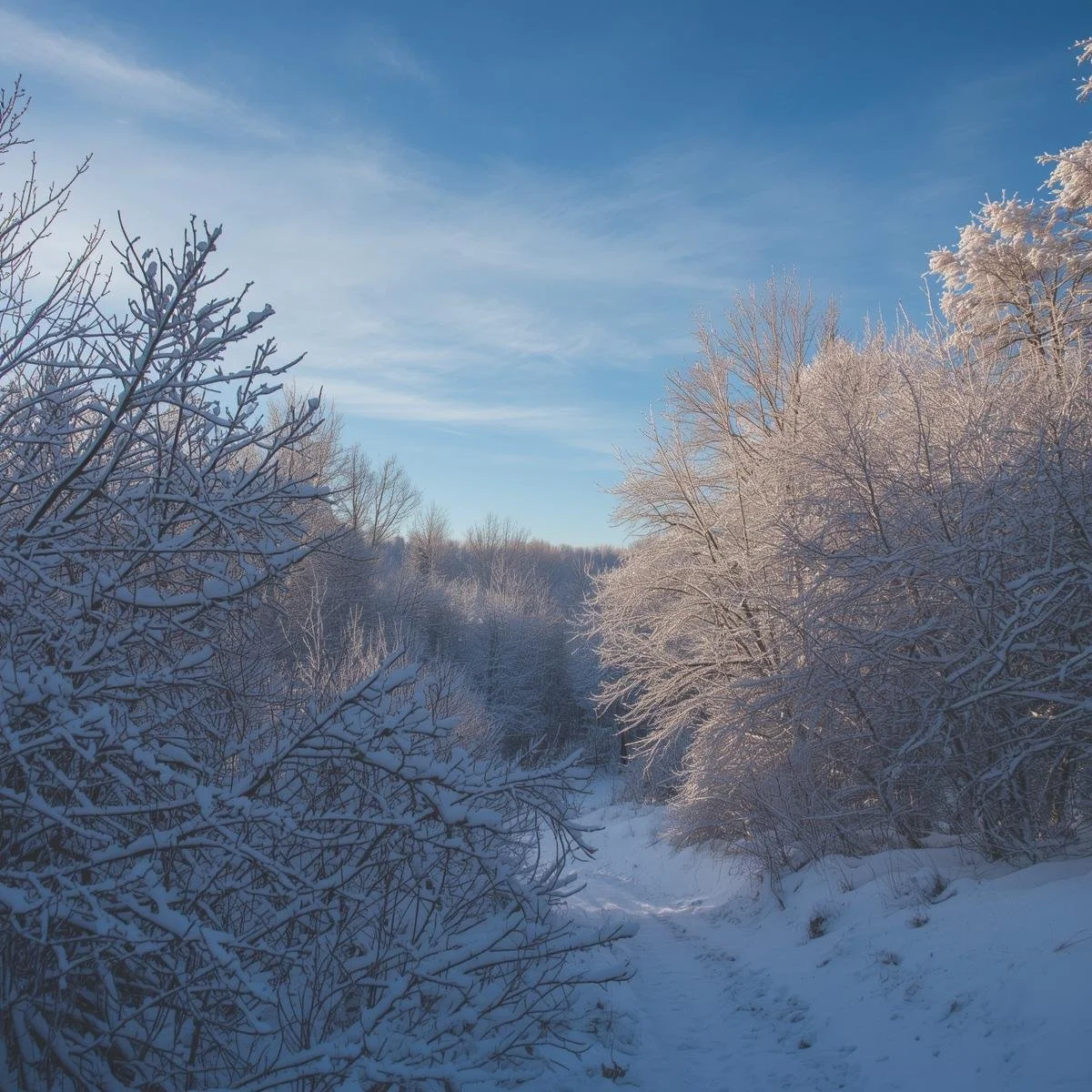
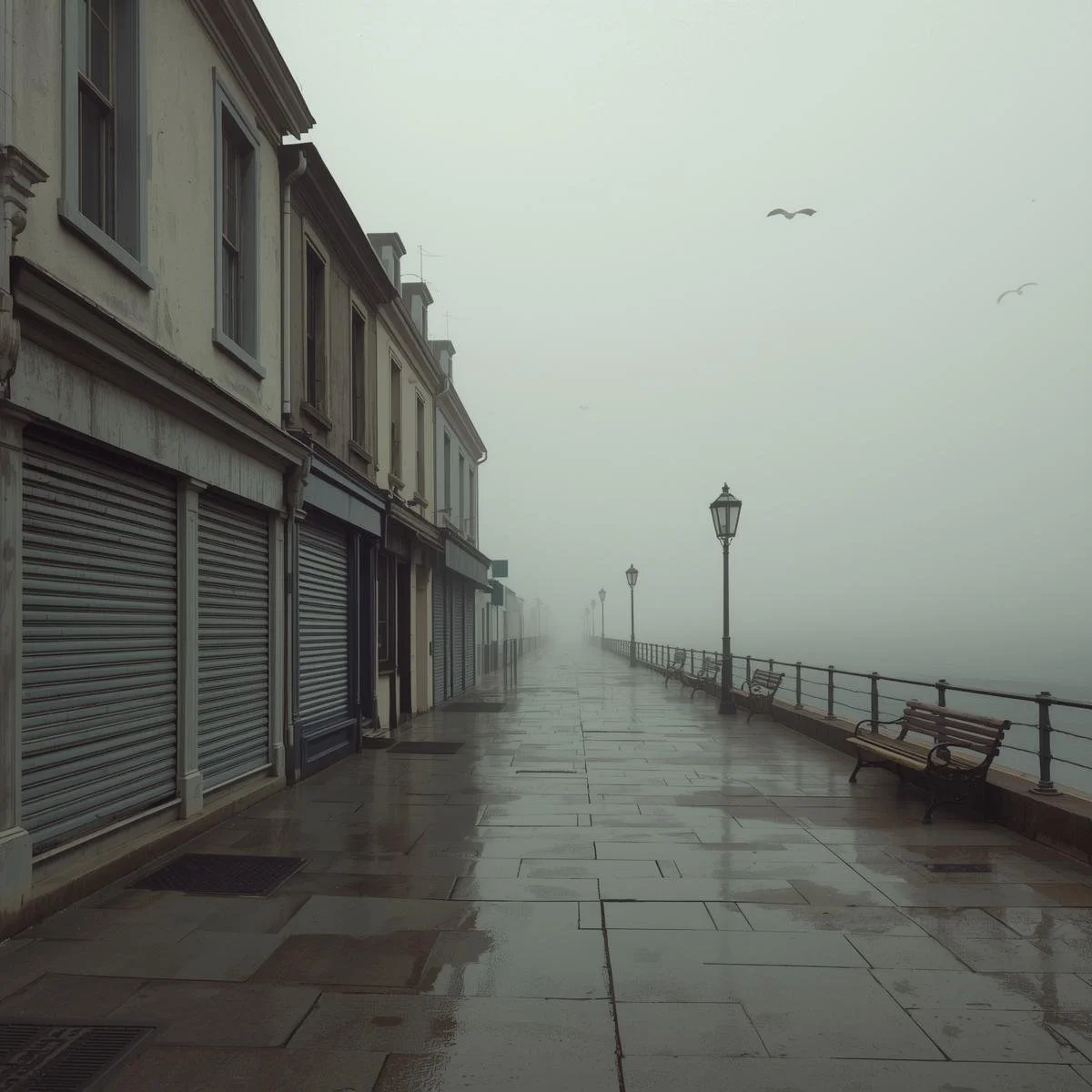
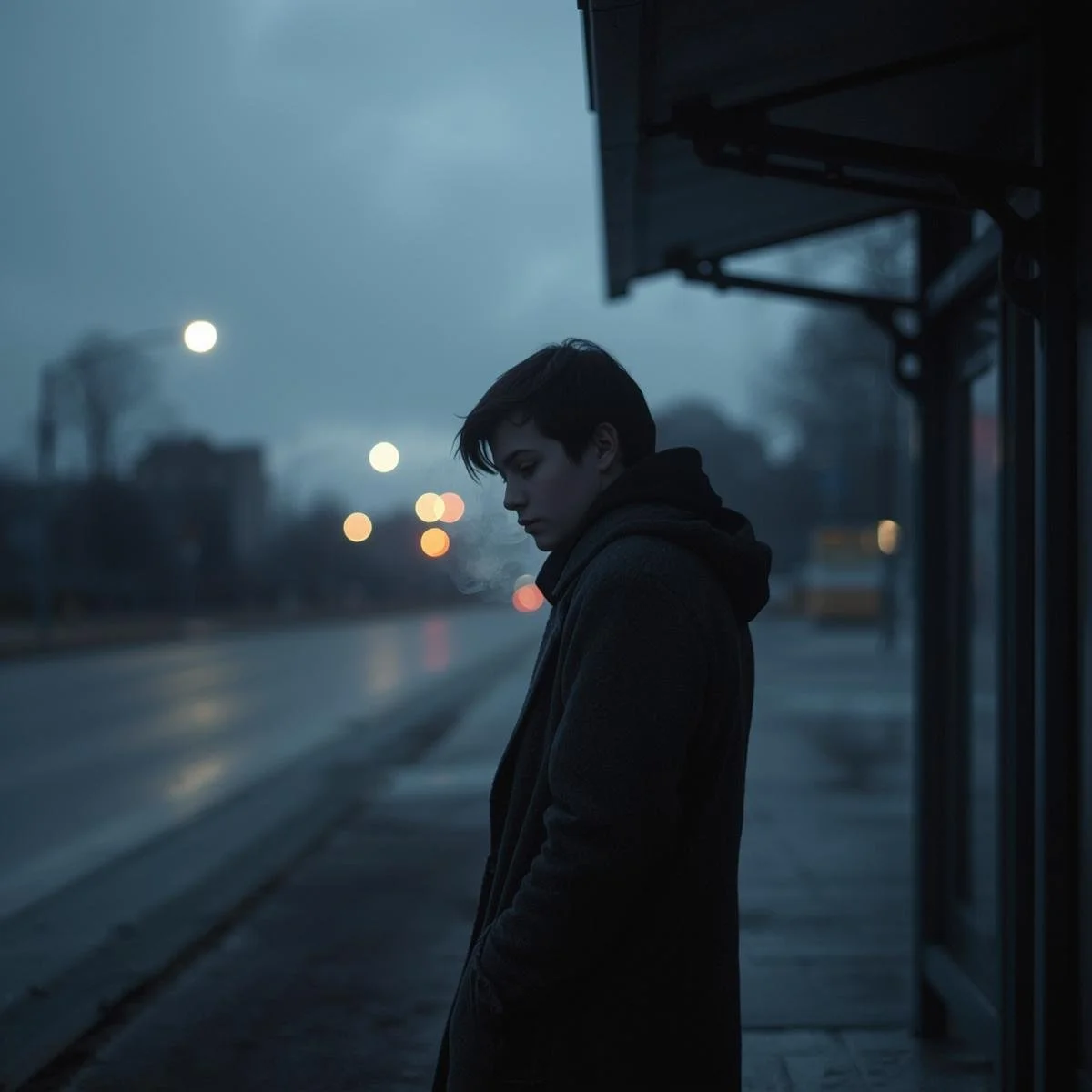
7. Picture Prompt Ideas
These visual ideas reflect January’s mood: quiet, reflective, restrained, and forward-looking.





Final Thoughts
January is a month of quiet power. It doesn’t demand transformation — it invites it. These 70 prompts encourage teen writers to explore aftermath, resolve, reflection, and choice, offering space for both subtle realism and imaginative storytelling.
If you’re looking for more genres, tropes or seasonal collections, you can browse the full master list of 2000+ creative writing prompts here.
