Notes from the Inkpot
Writing, teaching, creating - one ink-stained idea at a time.



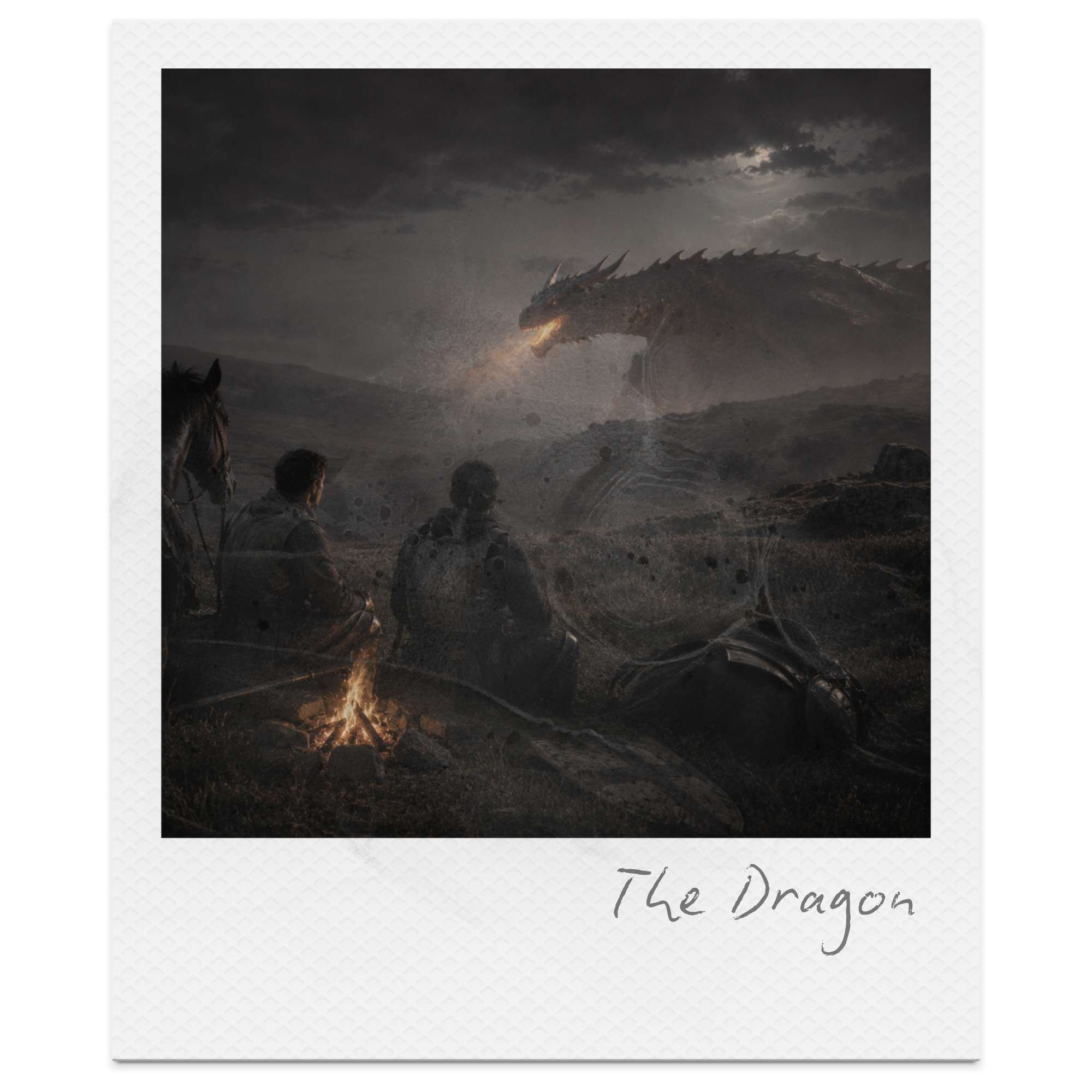
The Dragon by Ray Bradbury: Summary, Themes, Meaning & Analysis
Discover our complete analysis of The Dragon by Ray Bradbury, including a clear summary, detailed exploration of its themes, symbolism, characters, structure, narrative voice, and important quotes. Uncover how Bradbury uses a brilliant twist ending to examine perception, fear, time, technology, and the limits of human understanding, while exploring why this thought-provoking science fiction story continues to resonate with modern readers. You'll also find alternative interpretations, classroom teaching ideas, essay inspiration, and further reading to deepen your understanding of one of Bradbury's most ingenious short stories.
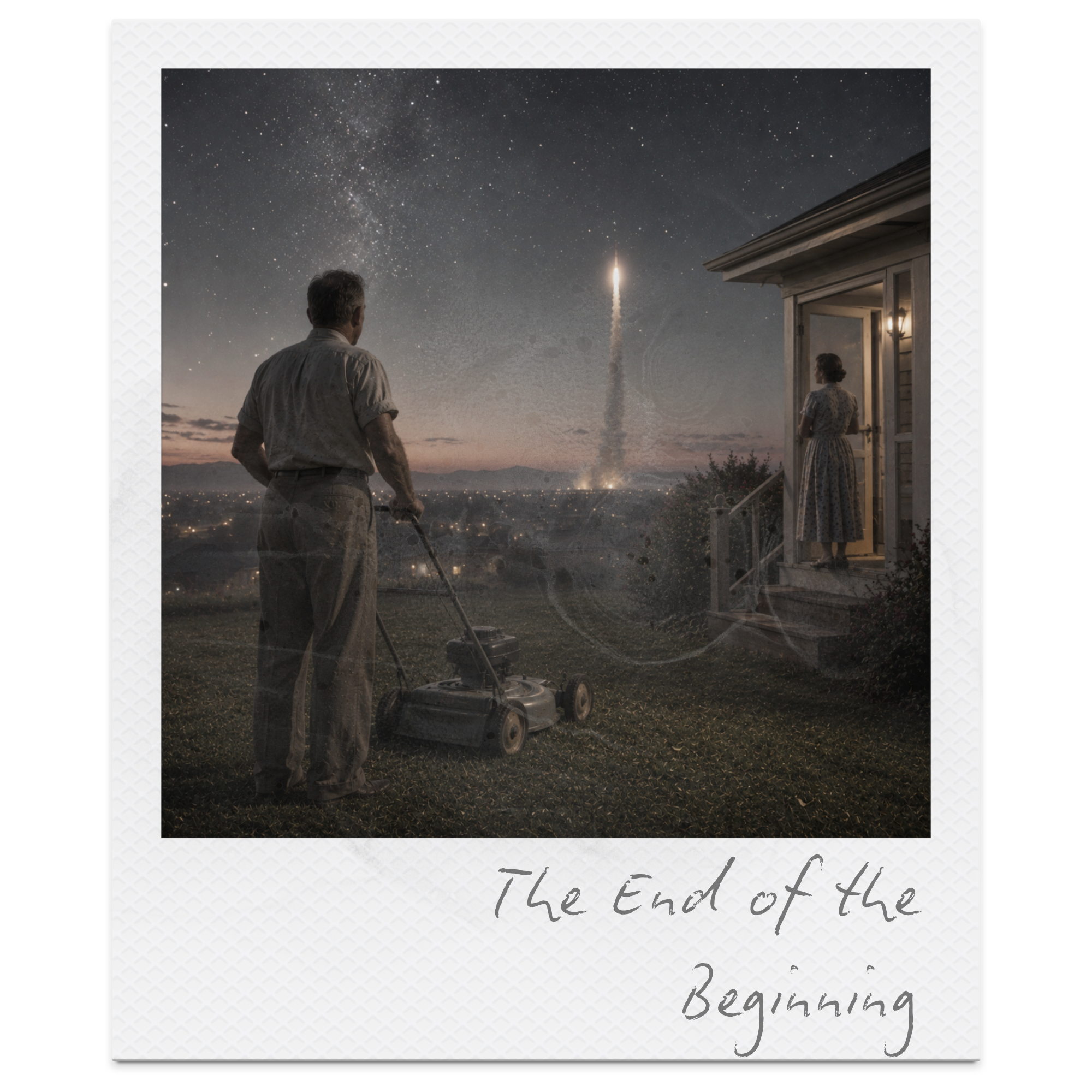
The End of the Beginning by Ray Bradbury: Summary, Themes, Meaning & Analysis
Explore our comprehensive analysis of The End of the Beginning by Ray Bradbury, including a detailed summary, themes, symbolism, important quotes, character analysis, narrative voice, structure, setting, alternative interpretations, and exam-focused teaching ideas. Discover how Bradbury transforms an ordinary evening into a profound reflection on space exploration, human progress, hope, and humanity's first steps towards an endless future among the stars.

70 Body Horror Writing Prompts: Transformation, Mutation & Physical Terror
Body horror explores fear through physical transformation, mutation, disease, infection, and the terrifying loss of control over the human body. From Frankenstein and The Fly to Annihilation and The Thing, body horror uses flesh, anatomy, and biological corruption to create stories shaped by physical dread and psychological unease. These 70 Body Horror Writing Prompts explore mutation, parasitic infection, surgical horror, experimental science, bodily distortion, and the terrifying collapse of bodily autonomy through plot hooks, title ideas, opening lines, character concepts, settings, and cinematic visual prompts designed for unsettling horror storytelling.
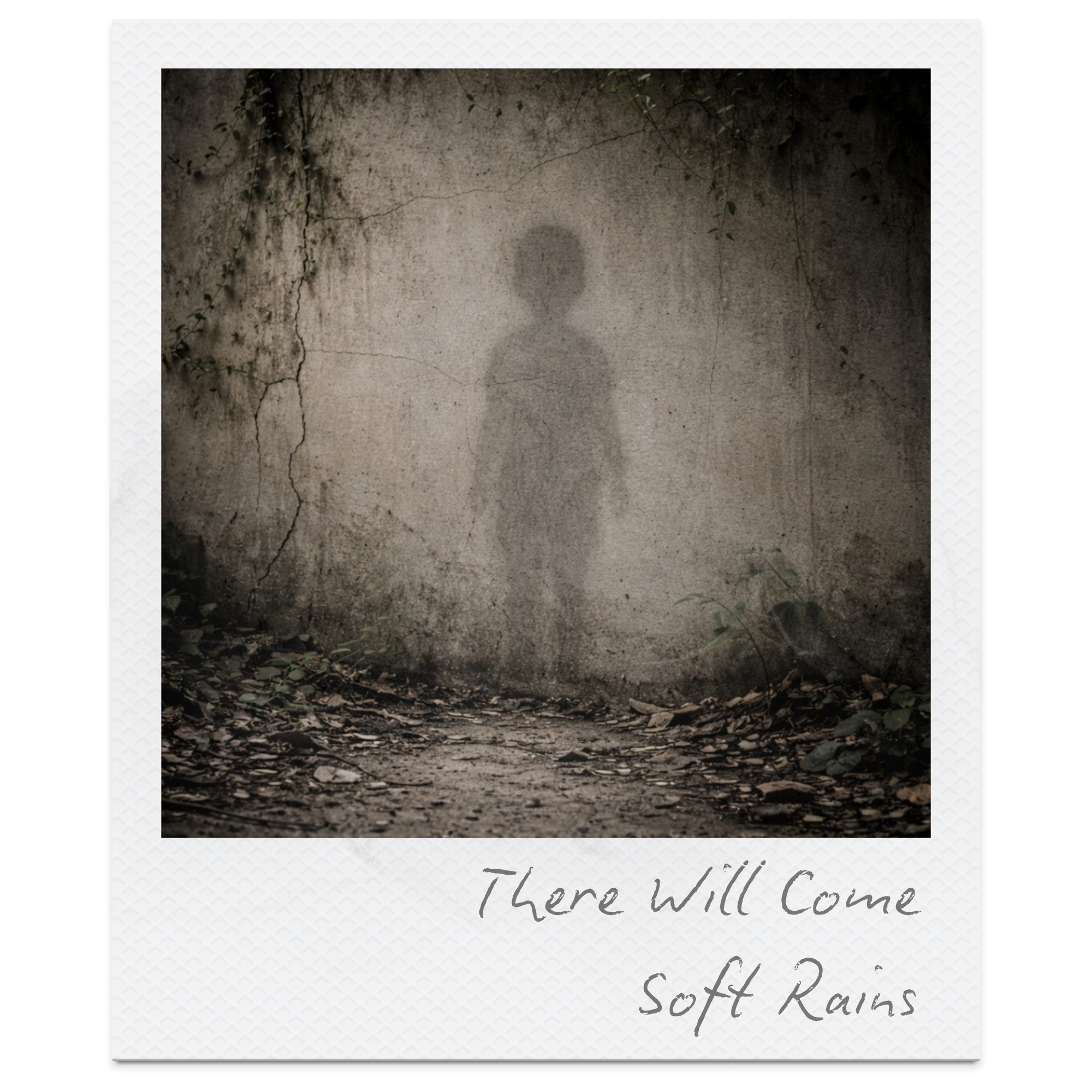
There Will Come Soft Rains by Ray Bradbury: Summary, Themes, Meaning & Analysis
There Will Come Soft Rains by Ray Bradbury is a haunting work of science fiction that explores a world where technology continues after human extinction. Set in an automated house that carries out its daily routines—cooking, cleaning, and organising—Bradbury presents a chilling vision of mechanisation without purpose, where systems persist despite the complete absence of human life. Through its eerie atmosphere and powerful imagery, the story examines isolation, environmental destruction, and the illusion of control. As the house continues its routines in a devastated world, Bradbury raises unsettling questions about what remains when humanity is gone, and whether progress without responsibility ultimately leads to emptiness and collapse.
A Sound of Thunder by Ray Bradbury: Summary, Themes, Meaning & Analysis
A Sound of Thunder by Ray Bradbury is a gripping work of science fiction that explores the dangers of time travel, human interference, and unintended consequences. When a group of hunters travel back in time to kill a dinosaur, they are given one strict rule: stay on the Path. But when Eckels panics and steps off it, a seemingly small action triggers a chain reaction that alters the future in subtle but devastating ways. Through its famous exploration of the butterfly effect, the story reveals how fragile and interconnected reality truly is. Bradbury presents a powerful warning about cause and effect, responsibility, and the illusion of control, showing that even the smallest mistake can reshape entire systems. The story’s unsettling ending lingers long after reading, reminding us that once a choice is made, its consequences cannot be undone.

Zero Hour by Ray Bradbury: Summary, Themes, Meaning & Analysis
Ray Bradbury’s Zero Hour explores childhood innocence and hidden power, revealing how easily trust can be manipulated when adults underestimate what they do not understand. Through the children’s seemingly harmless game of “Invasion,” Bradbury presents a world where imagination becomes a vehicle for real danger, blurring the line between play and reality. As the story unfolds, this illusion collapses into something far more unsettling. The adults’ confidence in their own control gives way to panic as they realise too late that the threat has already taken hold. Bradbury exposes the dangers of complacency, misjudgement, and unseen influence, showing how quickly stability can be replaced by chaos when warning signs are ignored.

The Illustrated Man by Ray Bradbury: Summary, Stories, Themes & Analysis
The Illustrated Man by Ray Bradbury is a powerful science fiction short story collection that explores technology, isolation, and the consequences of human behaviour through a series of interconnected narratives. Framed by the image of a man whose tattoos come alive to tell each story, the collection moves beyond simple speculation to present a series of unsettling futures that feel increasingly close to reality. This guide explores the key stories, recurring themes, and structural design of the collection, with clear links to deeper analysis of each text. From The Veldt to The Rocket Man, Bradbury’s work reveals how progress, when left unchecked, can reshape relationships, identity, and the future itself.

The Fox and the Forest by Ray Bradbury: Summary, Themes, Symbolism & Analysis
Ray Bradbury’s The Fox and the Forest is a powerful science fiction and dystopian short story that explores escape, surveillance, and the illusion of freedom. Set between a vibrant 1938 Mexico and a war-torn future, the story follows a couple attempting to flee a society built on control, militarisation, and destruction—only to discover that even time itself cannot protect them. Bradbury uses vivid contrasts, shifting tension, and symbolic imagery to create a narrative where hope and fear exist side by side. This analysis explores the story’s themes, symbolism, structure, and key ideas, revealing how Bradbury presents a world in which authority is inescapable and freedom is fragile. From the relentless pursuit of the Searchers to the devastating final twist, The Fox and the Forest raises unsettling questions about responsibility, resistance, and the cost of survival.
The Flying Machine by Ray Bradbury: Summary, Themes, Symbolism & Analysis
Ray Bradbury’s The Flying Machine explores the uneasy relationship between innovation and fear, presenting a world where beauty and progress are not always welcomed. Set in ancient China, the story follows an inventor who achieves the impossible—human flight—only to face the Emperor’s growing concern about what such a discovery might become. Through this encounter, Bradbury examines the fragile balance between creativity and control, raising questions about whether all knowledge should be allowed to exist. At its core, the story reflects a deeper anxiety about the consequences of progress, particularly when invention can be replicated and misused. The Emperor’s decision to destroy both the machine and its creator reveals a chilling logic: that protecting the future may require the sacrifice of something extraordinary in the present. Blending speculative fiction with philosophical insight, The Flying Machine leaves readers questioning whether humanity can truly be trusted with its own creations—and what might be lost when fear takes precedence over wonder.