Notes from the Inkpot
Writing, teaching, creating - one ink-stained idea at a time.





The Fox and the Forest by Ray Bradbury: Summary, Themes, Symbolism & Analysis
Ray Bradbury’s The Fox and the Forest is a powerful science fiction and dystopian short story that explores escape, surveillance, and the illusion of freedom. Set between a vibrant 1938 Mexico and a war-torn future, the story follows a couple attempting to flee a society built on control, militarisation, and destruction—only to discover that even time itself cannot protect them. Bradbury uses vivid contrasts, shifting tension, and symbolic imagery to create a narrative where hope and fear exist side by side. This analysis explores the story’s themes, symbolism, structure, and key ideas, revealing how Bradbury presents a world in which authority is inescapable and freedom is fragile. From the relentless pursuit of the Searchers to the devastating final twist, The Fox and the Forest raises unsettling questions about responsibility, resistance, and the cost of survival.
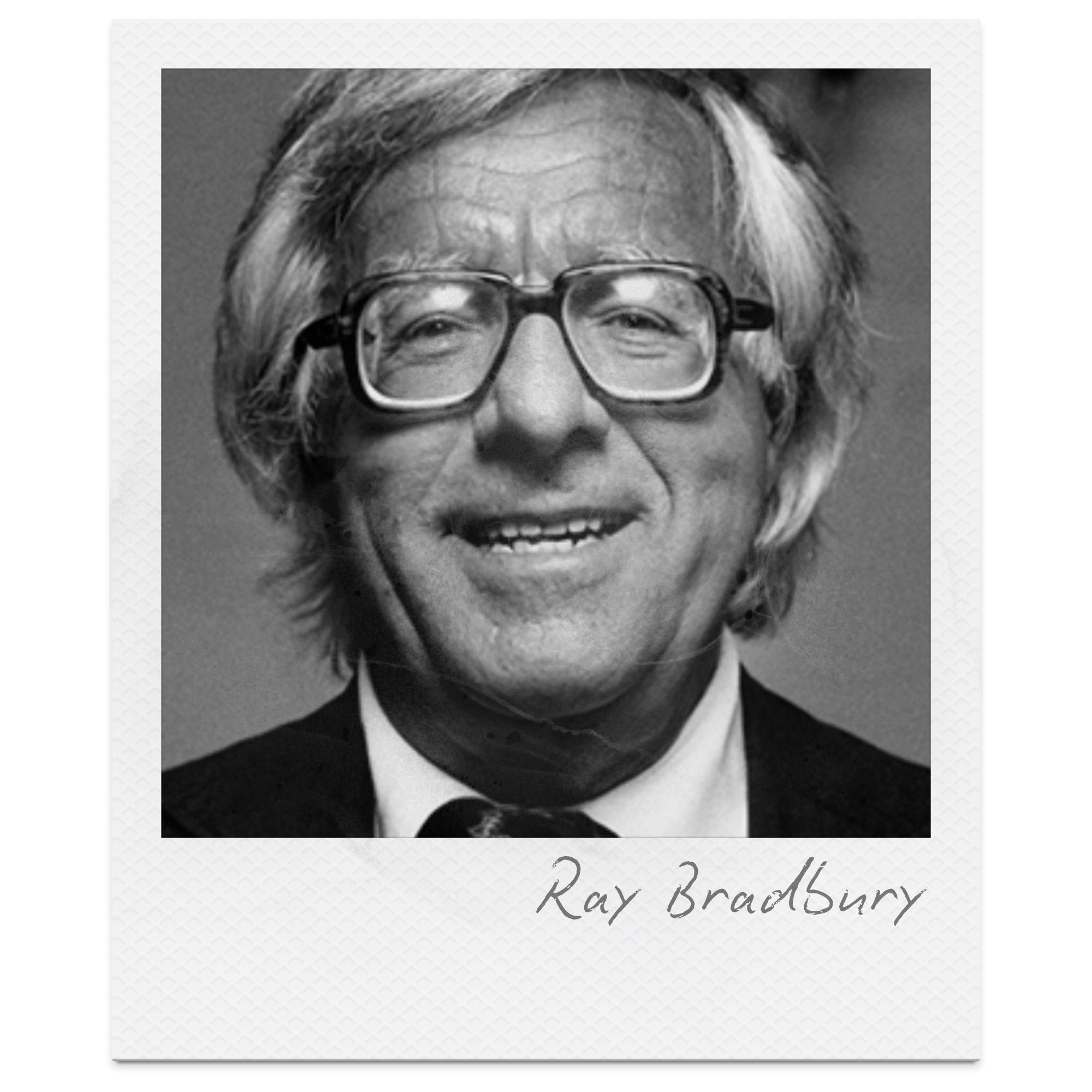
Ray Bradbury: Context, Themes, Works & Literary Significance
Ray Bradbury’s fiction is often associated with dystopian futures and speculative technologies, but his work is best understood through the historical and cultural context in which it was written. Emerging in mid-twentieth-century America, Bradbury wrote during a period shaped by war, Cold War paranoia, mass media expansion, and growing anxieties about conformity and control. His stories use speculative settings not to predict the future, but to expose how fear, censorship, and emotional detachment operate within ordinary domestic and social spaces. This context-focused overview explores the key themes that define Ray Bradbury’s work, including technology versus humanity, media and passive living, parental responsibility, childhood and power, and moral failure. Rather than offering close analysis of individual texts, it provides a broader framework for understanding how Bradbury uses speculative fiction to examine human behaviour, ethical responsibility, and the consequences of choosing comfort over connection.