Notes from the Inkpot
Writing, teaching, creating - one ink-stained idea at a time.


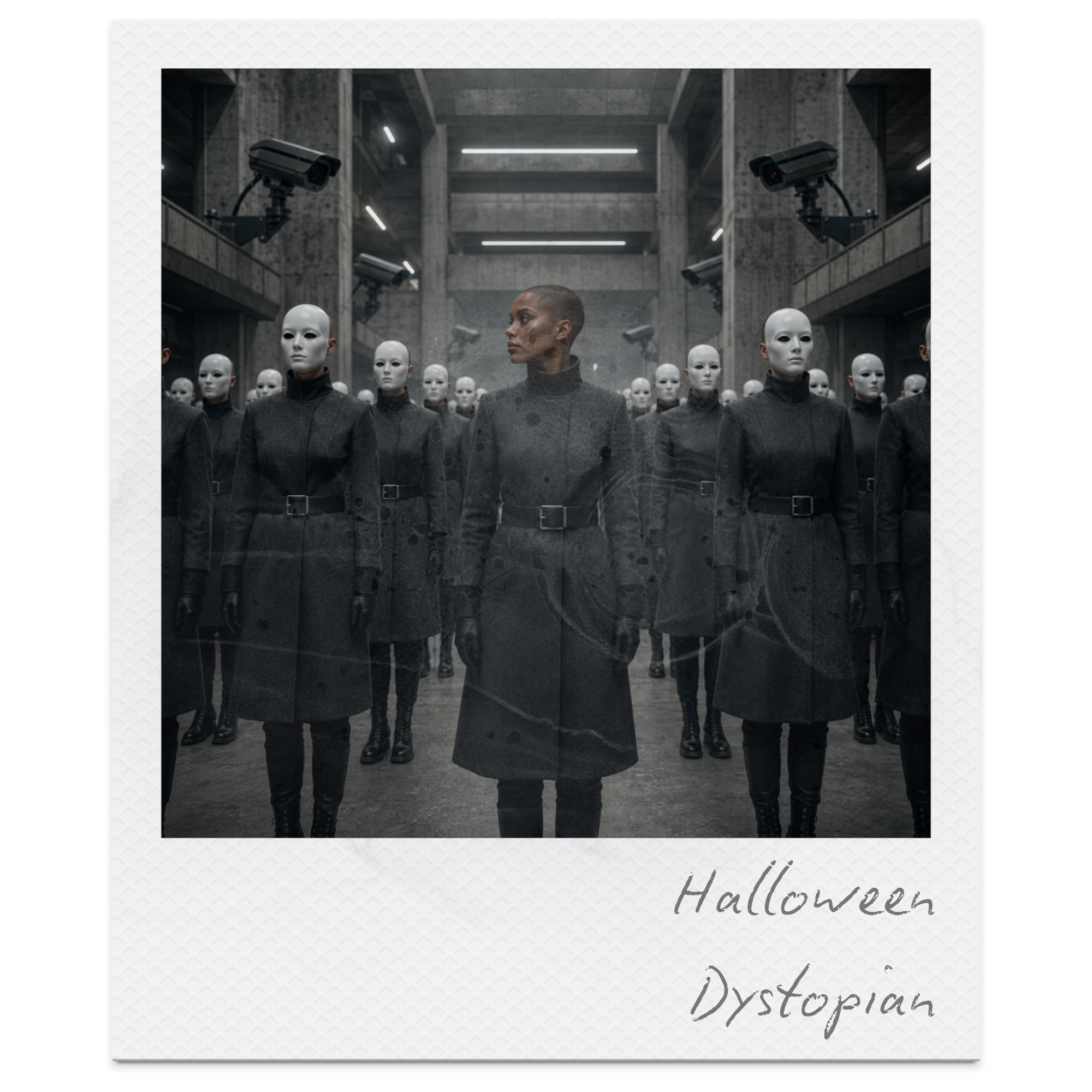
70 Halloween Dystopian Writing Prompts: Dark Futures, Control & Rebellion
Explore 70 Halloween Dystopian Writing Prompts featuring masked societies, government-controlled celebrations, surveillance, censorship and temporary freedom. Discover plot ideas, story titles, opening and closing lines, characters, unsettling settings and cinematic picture prompts exploring authoritarian futures where Halloween becomes a night of rebellion, hidden identities and dangerous choices.
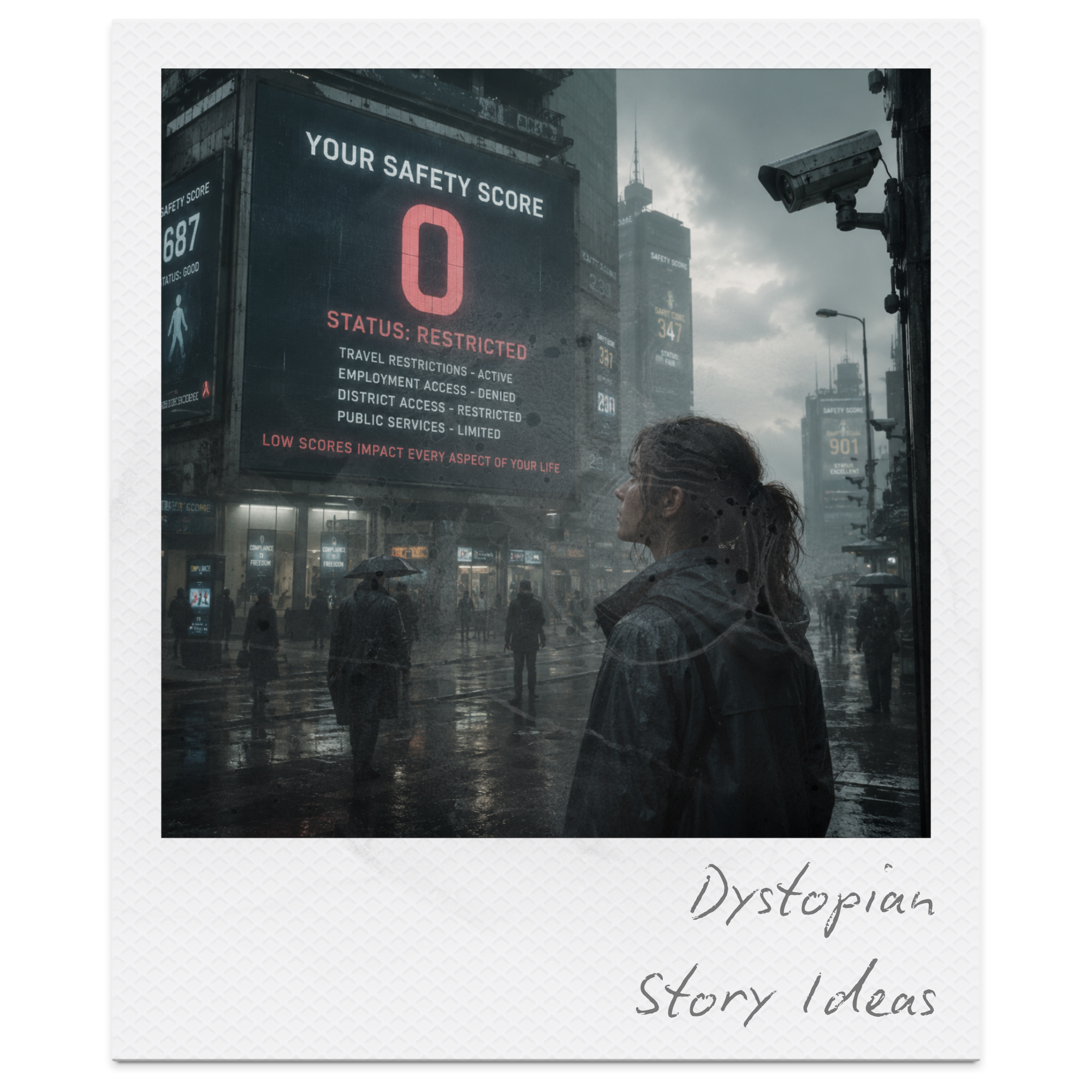
100 Dystopian Story Ideas: Dark Futures, Broken Societies & Rebellion Writing Prompts
Explore 100 dystopian story ideas filled with surveillance, authoritarian governments, artificial intelligence, environmental collapse, inequality, censorship, social control and rebellion. Each prompt takes a different element of society and pushes it into an unsettling future where safety, progress and perfection often come with an unexpected cost. From citizens whose lives are controlled by algorithms to perfect communities hiding uncomfortable truths, these dystopian writing prompts are designed to inspire original stories, complex societies and speculative worlds that ask difficult questions about power, freedom, identity and what we might sacrifice for a better future.
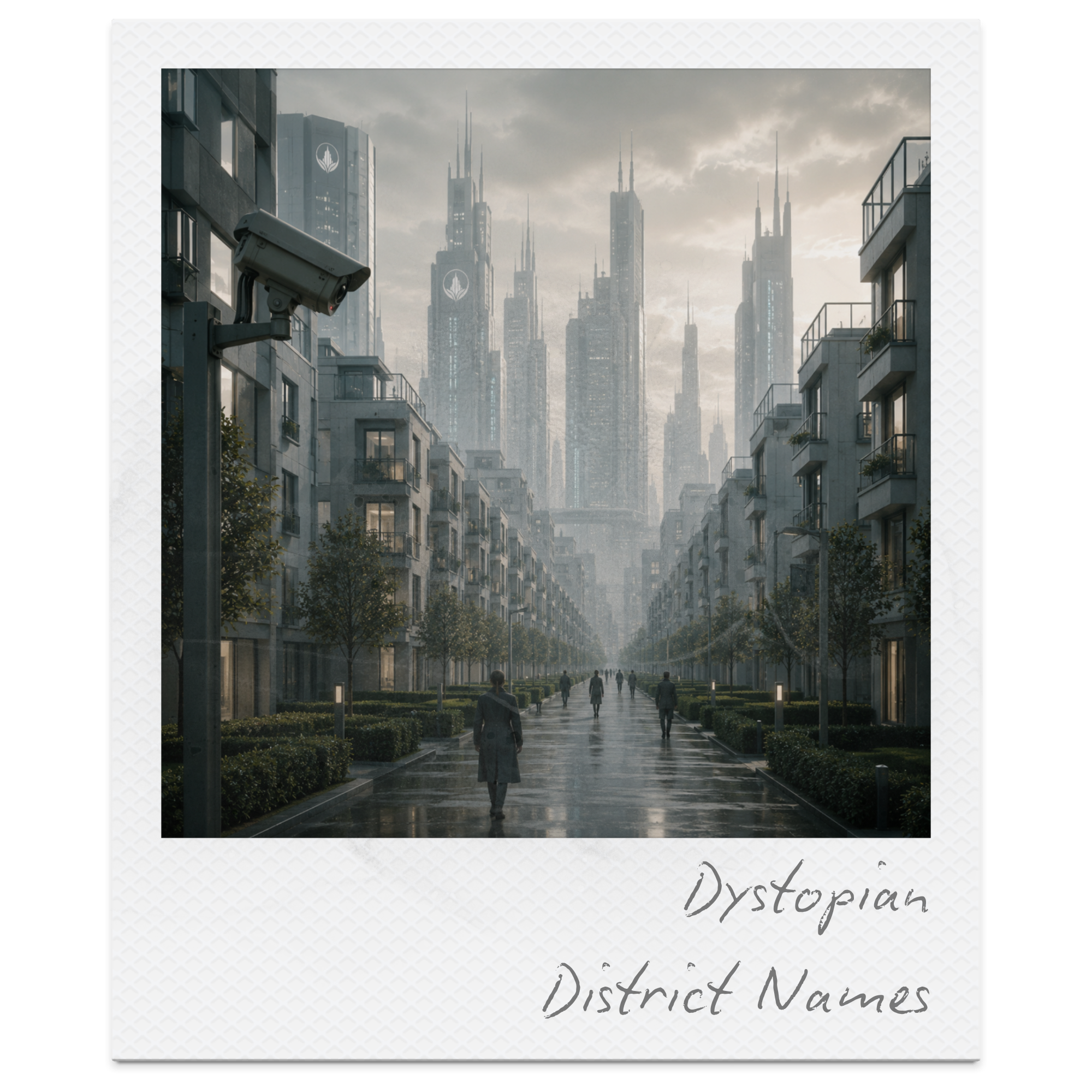
100 Dystopian District & Sector Names (With Meanings and Story Ideas)
From government headquarters and corporate zones to underground resistance sectors and abandoned quarantine districts, these 100 dystopian district and sector names are designed to bring your fictional cities to life. Each name includes its meaning and a story idea to help you create immersive settings filled with surveillance, propaganda, inequality, rebellion, and the hidden histories that define unforgettable dystopian worlds.
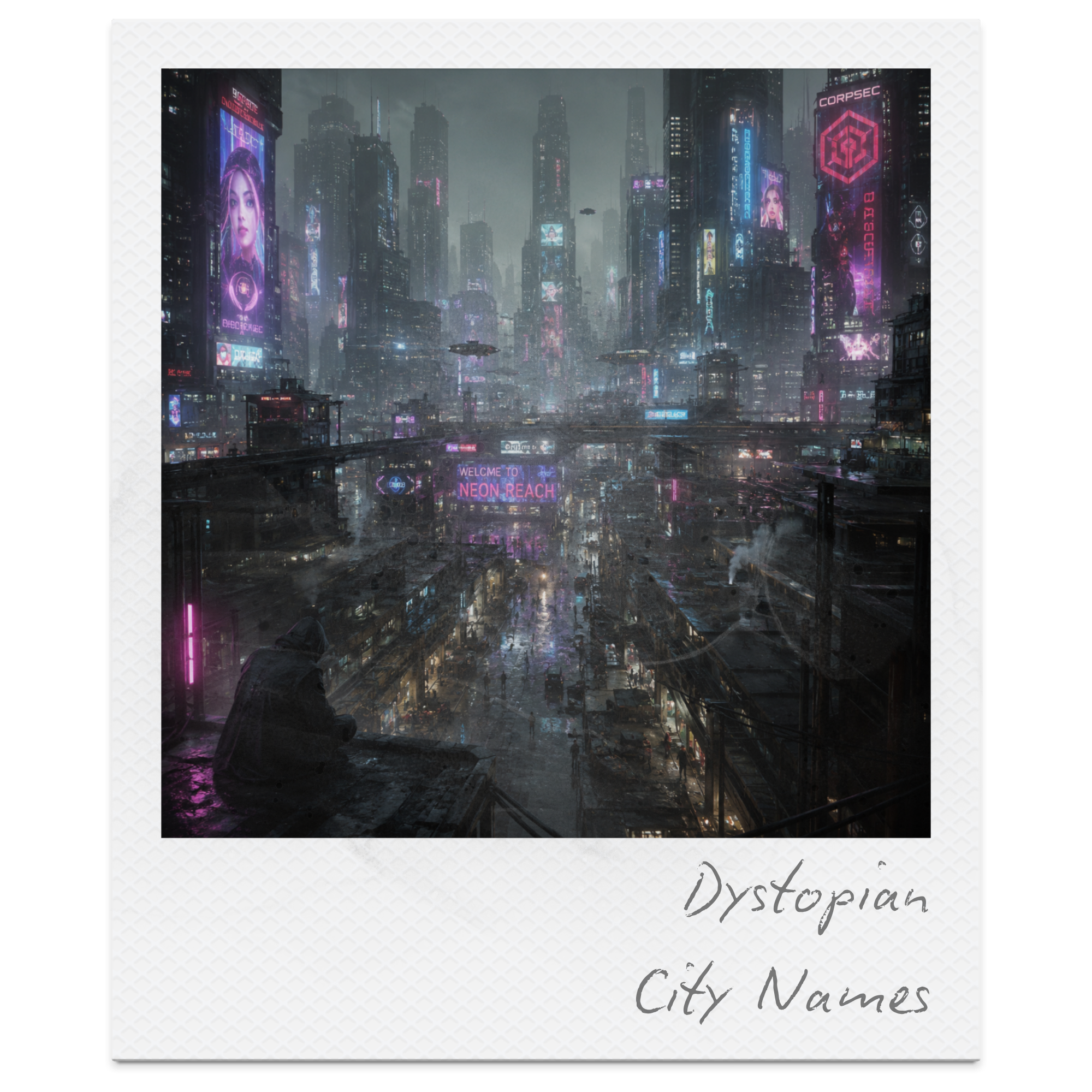
100 Dystopian City Names (With Meanings and Story Ideas)
Whether you're designing an authoritarian capital, a neon-lit cyberpunk metropolis, a fortified city hidden behind towering walls, or the last surviving settlement after civilisation has fallen, the right city name can instantly establish the tone of your world. These 100 dystopian city names are designed to inspire immersive settings across speculative fiction, with meanings and story ideas to help you create memorable locations that feel rich with history, conflict, and possibility.
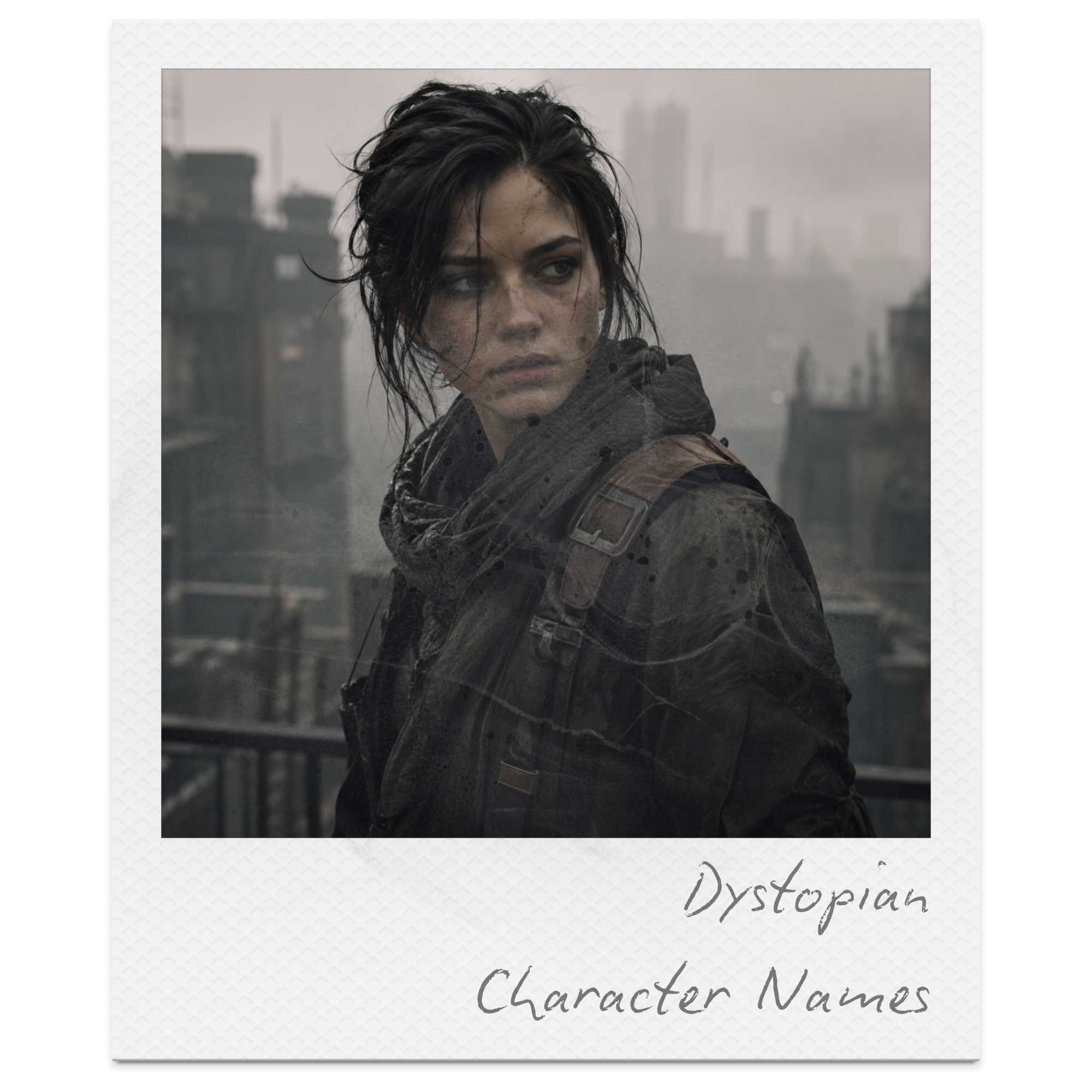
100 Dystopian Character Names (With Meanings and Story Ideas)
Discover 100 unique dystopian character names complete with meanings, symbolism, and story ideas. From rebels and resistance fighters to government officials, scientists, corporate executives, hackers, and ordinary citizens, these names are designed to help you create memorable characters for dystopian, cyberpunk, post-apocalyptic, speculative fiction, and sci-fi stories.
The Fox and the Forest by Ray Bradbury: Summary, Themes, Symbolism & Analysis
Ray Bradbury’s The Fox and the Forest is a powerful science fiction and dystopian short story that explores escape, surveillance, and the illusion of freedom. Set between a vibrant 1938 Mexico and a war-torn future, the story follows a couple attempting to flee a society built on control, militarisation, and destruction—only to discover that even time itself cannot protect them. Bradbury uses vivid contrasts, shifting tension, and symbolic imagery to create a narrative where hope and fear exist side by side. This analysis explores the story’s themes, symbolism, structure, and key ideas, revealing how Bradbury presents a world in which authority is inescapable and freedom is fragile. From the relentless pursuit of the Searchers to the devastating final twist, The Fox and the Forest raises unsettling questions about responsibility, resistance, and the cost of survival.
The Exiles by Ray Bradbury: Summary, Themes, Symbolism & Analysis
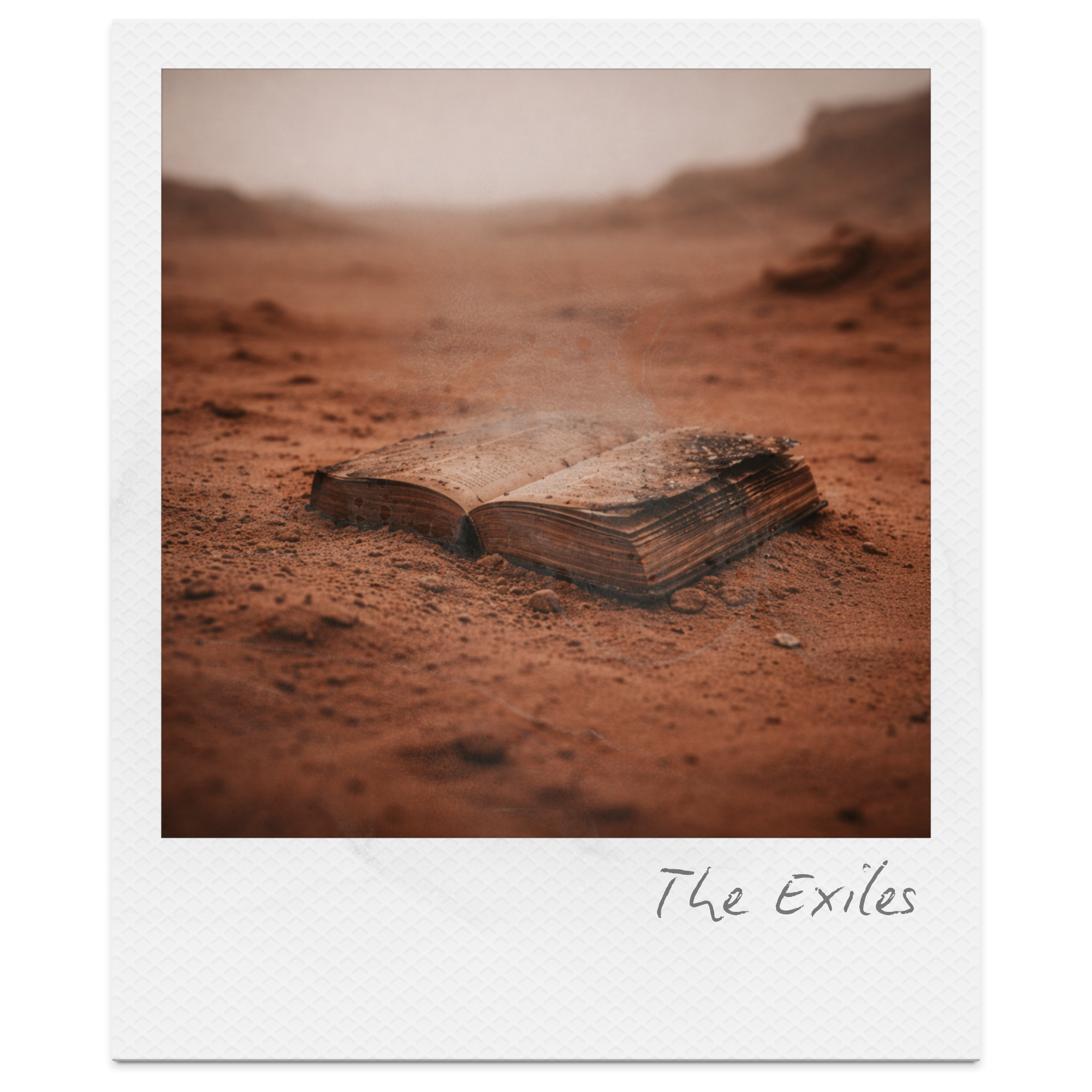
Bradbury’s The Exiles is a haunting exploration of censorship, imagination, and the fragility of stories, set on a dying Mars where forgotten authors and their creations struggle to survive. As books are banned and burned on Earth, the figures they once sustained begin to fade, turning the story into a powerful reflection on what happens when culture is erased and memory is lost. Blending science fiction, gothic atmosphere, and a deeply meta-literary perspective, the story challenges readers to consider the true cost of suppressing imagination. Through its unsettling imagery and quiet, devastating ending, The Exiles asks a central question: if stories disappear, what happens to the parts of ourselves they once held together?
70 Dystopian Writing Prompts for Teen Writers
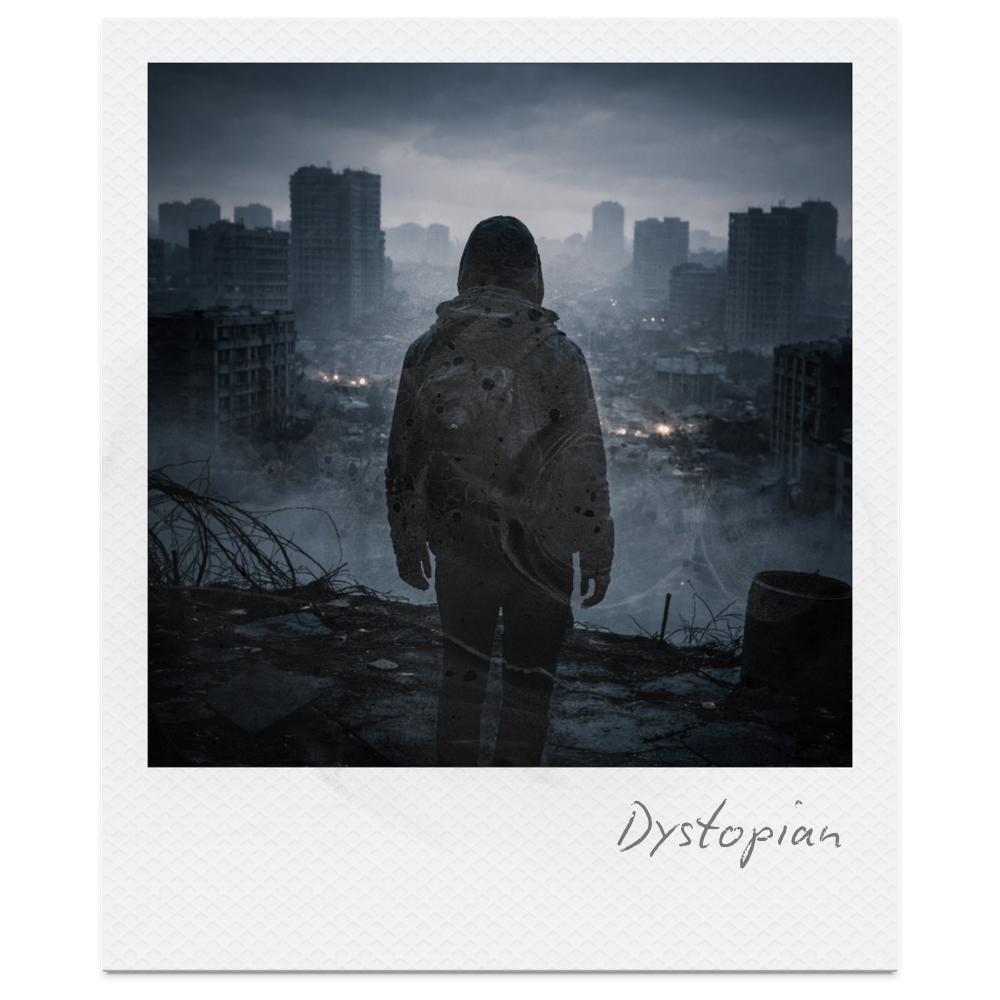
Dystopian writing prompts give teen writers a powerful way to explore control, resistance, survival, and imagined futures shaped by fear or authority. This collection of 70 dystopian story ideas includes picture prompts, opening lines, titles, and speculative scenarios designed to support creative writing lessons, independent writing, and classroom discussion. Ideal for students studying dystopian fiction or learning how to write a dystopian story, these prompts encourage critical thinking, worldbuilding, and meaningful storytelling.

How to Teach 1984: Context, Classroom Activities, and Real-World Connections
George Orwell’s 1984 remains one of the most powerful texts for exploring power, surveillance, and truth in the classroom. This teaching guide examines the novel’s political context, the totalitarian system of Oceania, and the mechanisms of control that shape Orwell’s dystopian world — from language manipulation to constant observation. Blending classroom experience with practical teaching strategies, this post explores how 1984 can be taught thoughtfully through discussion, real-world connections, and creative responses. It also includes a classroom social experiment, guidance on why the novel is often banned or challenged, and ideas for extending learning beyond the text — making 1984 accessible, relevant, and deeply engaging for students.