Notes from the Inkpot
Writing, teaching, creating - one ink-stained idea at a time.




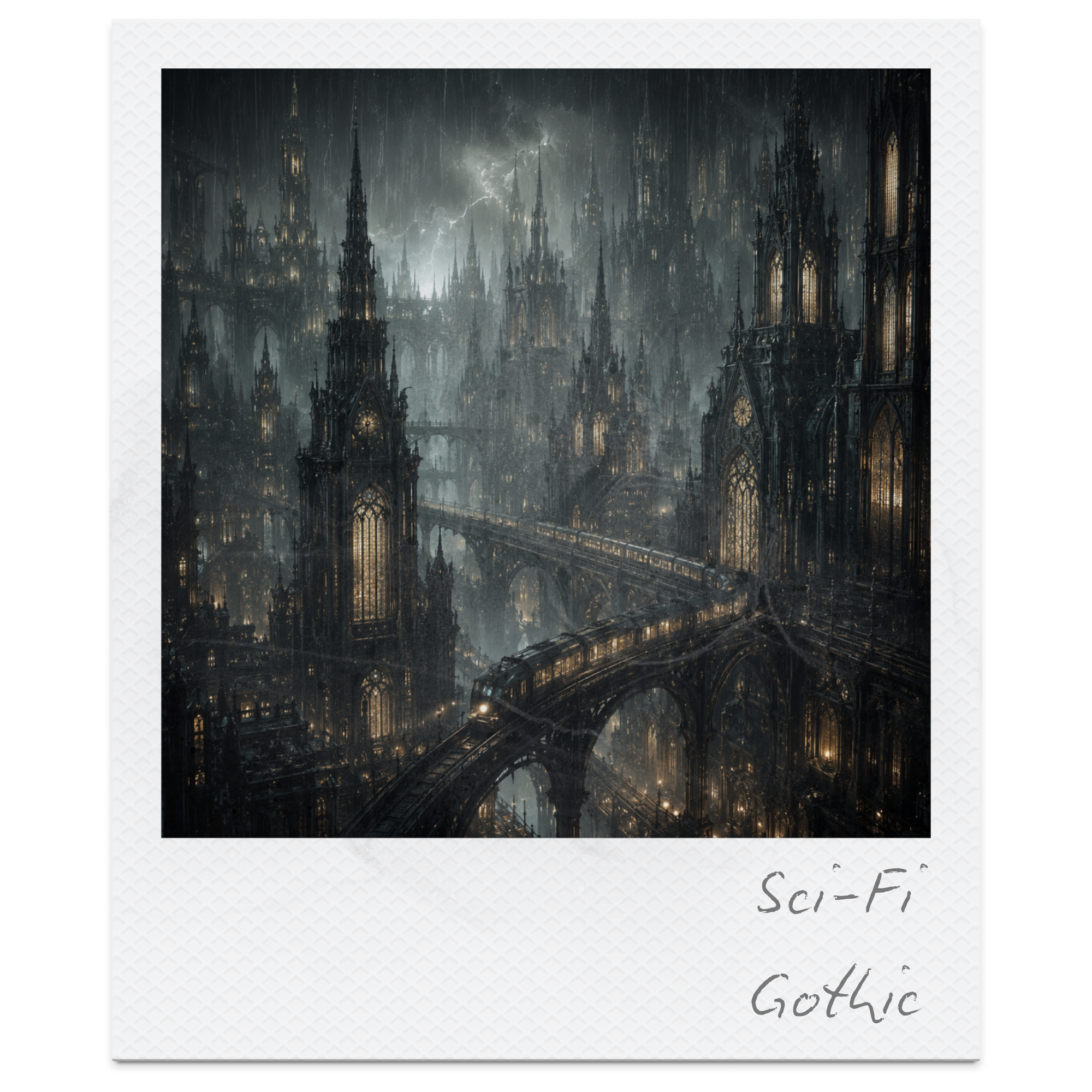
70 Sci-Fi Gothic Writing Prompts: Cosmic Cathedrals, Sacred Technology & Ruined Futures
Science fiction gothic fiction blends the scale and imagination of speculative science fiction with the atmosphere, symbolism, and emotional darkness of gothic literature. These stories often explore sacred technology, collapsing empires, forbidden knowledge, cosmic isolation, and humanity’s search for meaning within vast and indifferent universes. Unlike sleek futuristic science fiction focused on progress and innovation, sci-fi gothic worlds are frequently ancient, ceremonial, and haunted by decay — filled with cathedral observatories, drifting monastery ships, cloaked astronomers, biomechanical saints, and dying stars illuminating ruined civilizations. This collection of 70 Sci-Fi Gothic Writing Prompts explores cosmic cathedrals, interdimensional gateways, aristocratic space empires, ritualistic AI, sacred astronomy, and forgotten worlds suspended between science and mythology.

The Illustrated Man by Ray Bradbury: Summary, Stories, Themes & Analysis
The Illustrated Man by Ray Bradbury is a powerful science fiction short story collection that explores technology, isolation, and the consequences of human behaviour through a series of interconnected narratives. Framed by the image of a man whose tattoos come alive to tell each story, the collection moves beyond simple speculation to present a series of unsettling futures that feel increasingly close to reality. This guide explores the key stories, recurring themes, and structural design of the collection, with clear links to deeper analysis of each text. From The Veldt to The Rocket Man, Bradbury’s work reveals how progress, when left unchecked, can reshape relationships, identity, and the future itself.
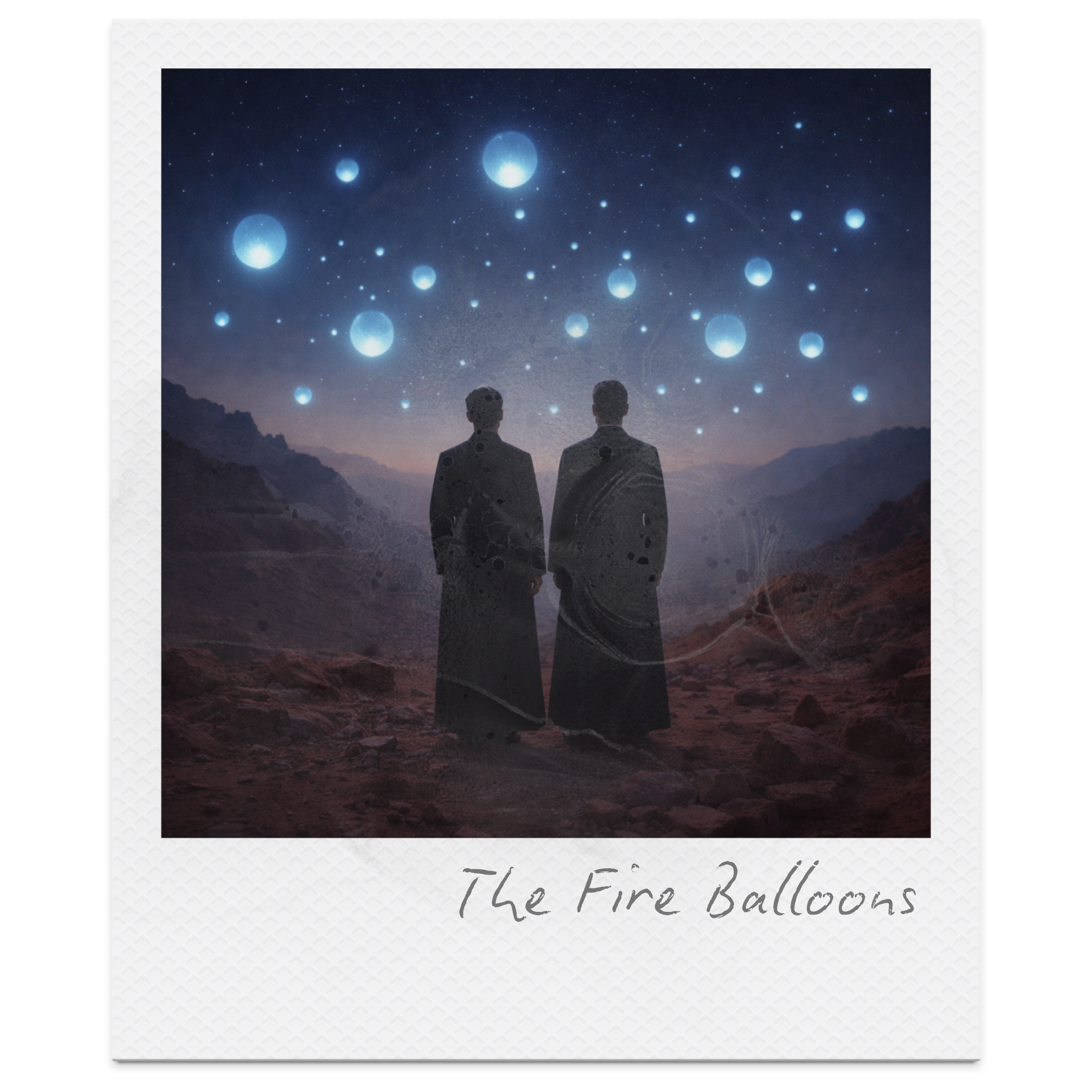
The Fire Balloons by Ray Bradbury: Summary, Themes, Symbolism & Analysis
The Fire Balloons explores faith, missionary zeal, and the limits of human understanding through the story of priests who travel to Mars expecting to bring salvation, only to encounter beings who may not need it. When Father Peregrine becomes fascinated by mysterious blue spheres living in the Martian hills, he begins to question whether traditional ideas of sin and morality apply beyond Earth, setting up a powerful conflict between certainty and curiosity. As the story unfolds, Bradbury challenges assumptions about religion, the body, and what it means to be truly human. The Martians’ revelation—that they exist beyond desire, conflict, and sin—forces a shift from confidence to humility, leaving both characters and readers to reconsider the nature of truth itself.