Notes from the Inkpot
Writing, teaching, creating - one ink-stained idea at a time.


Who's for the Game? by Jessie Pope: Summary, Themes & Analysis
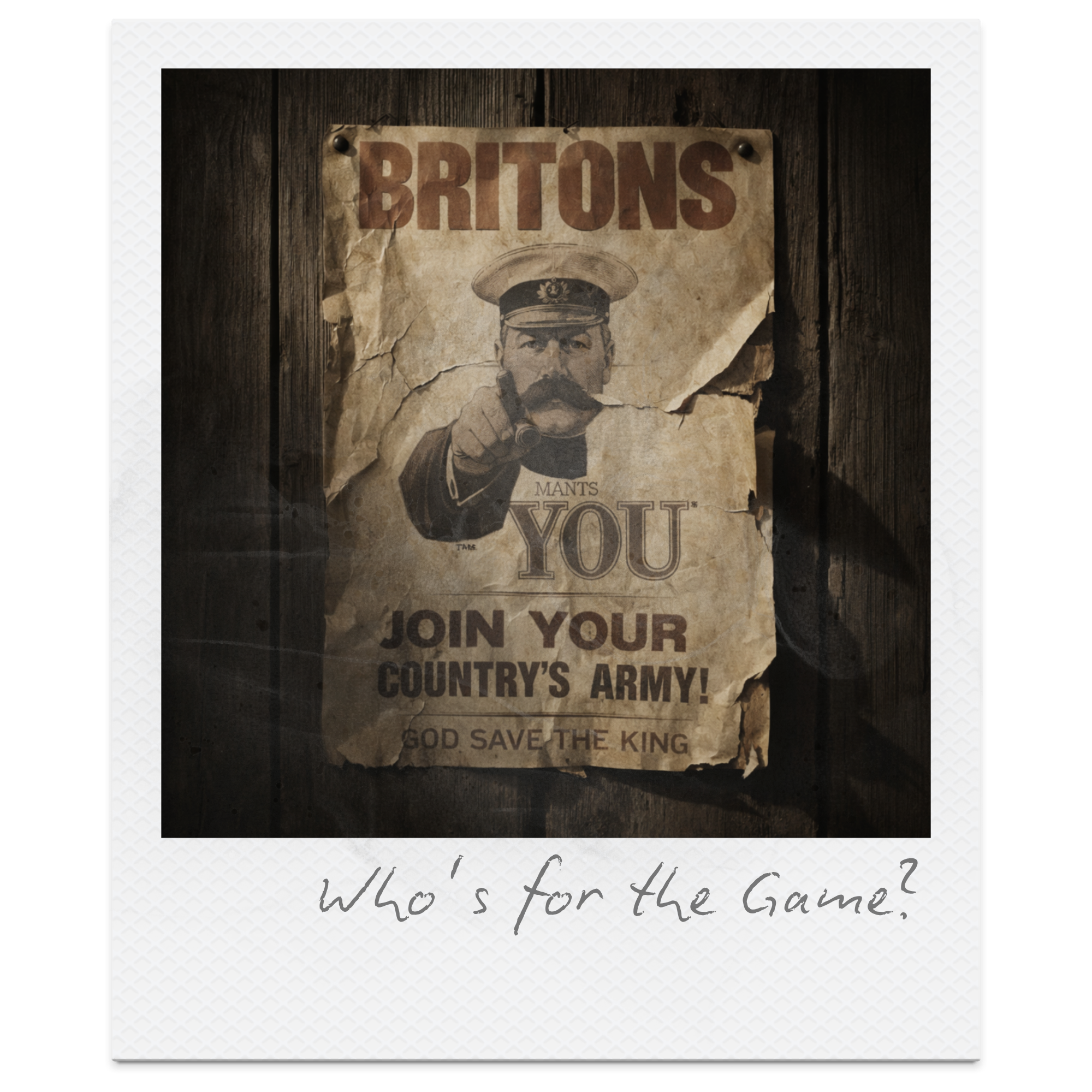
Jessie Pope’s Who’s for the Game? uses sporting imagery, rhetorical questions and direct appeals to patriotism to encourage young British men to enlist during the First World War. Explore how Pope transforms war into “the biggest” game, linking military service with masculinity, courage and national duty while using social pressure to make remaining at home increasingly difficult to defend.
War Girls by Jessie Pope: Summary, Themes & Analysis
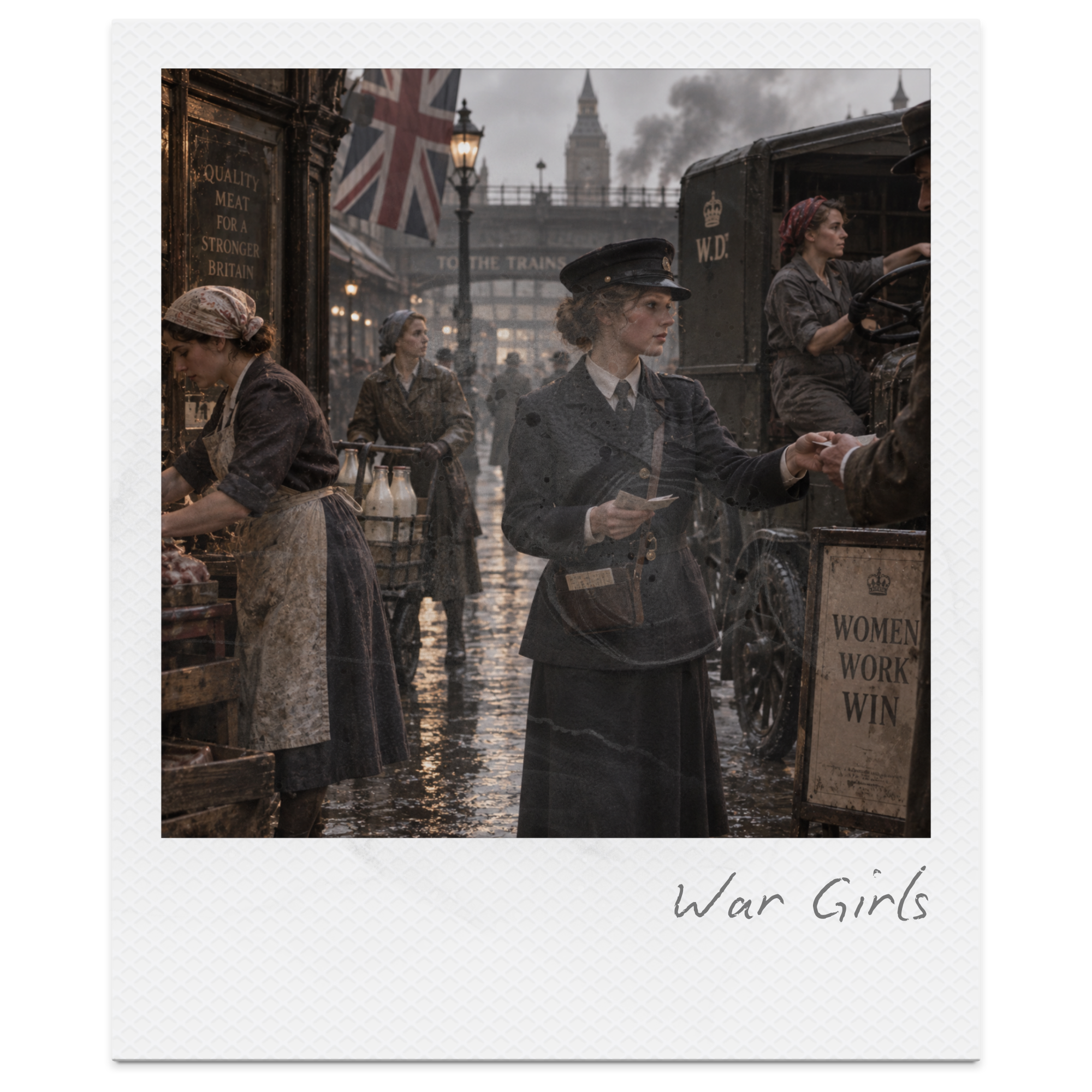
Jessie Pope’s War Girls explores how the First World War transformed women’s roles on the British Home Front. Through energetic imagery of female workers, changing gender expectations and the striking contrast between being “caged and penned up” and entering public life, the poem celebrates women’s independence while questioning whether these new freedoms can survive the soldiers’ return.
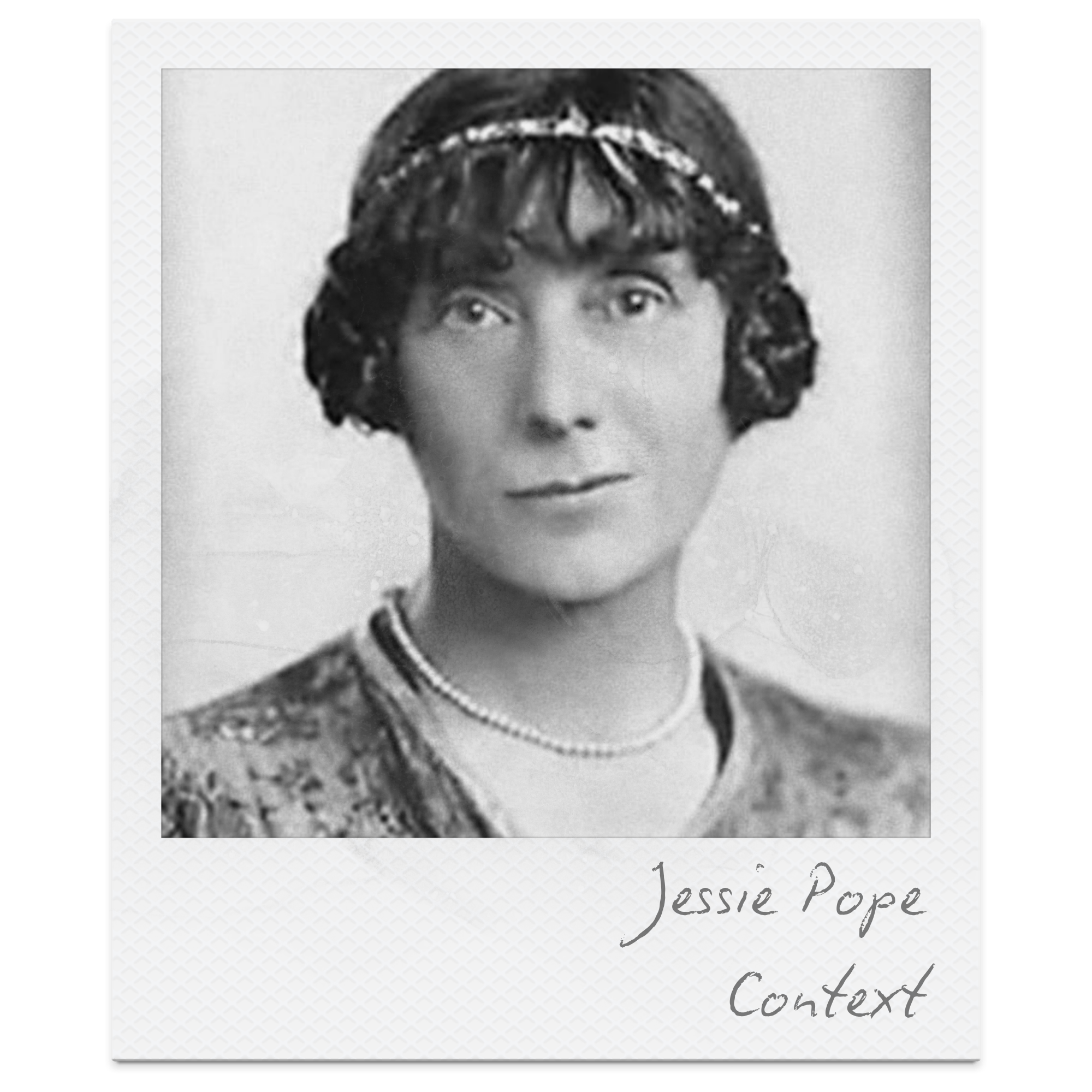
Jessie Pope: Context, War Poetry, and Literary Significance
Explore the life, historical context, poetry, and literary significance of Jessie Pope, one of the most controversial voices of First World War literature. Discover how patriotism, recruitment, propaganda, gender expectations, sporting imagery, and popular culture shaped her writing, and why reading Pope alongside poets such as Wilfred Owen and Siegfried Sassoon reveals the competing ways the First World War was represented through poetry.
20 Conflict Poems to Teach: A Timeline from WW1 to Modern Warfare
Looking for conflict poems to teach? This teacher-friendly guide brings together 20 powerful poems about war and conflict, spanning World War One, Vietnam, modern warfare, and media-driven violence. Each poem includes a brief overview and practical classroom ideas, making it easy to dip in and out when planning lessons on ethics, trauma, protest, responsibility, and witnessing conflict from afar.
10 Best WWI Poems to Teach (And How to Teach Them)
World War One poetry is a powerful and enduring part of secondary English literature, offering students a direct literary response to war, trauma, memory, and loss. This post explores 10 of the best WWI poems to teach, with clear teaching focuses, classroom-ready ideas, and suggestions for discussion and creative response. The poems are grouped thematically to support comparative study and flexible unit planning. Designed for global classrooms, this guide supports close reading, empathy-building discussion, and analytical writing, while linking to deeper teaching resources and the wider Literature Library. Whether you’re planning a full World War One poetry unit or selecting individual poems to complement a wider literature course, this post offers practical guidance rooted in strong literary foundations.