War Girls by Jessie Pope: Summary, Themes & Analysis
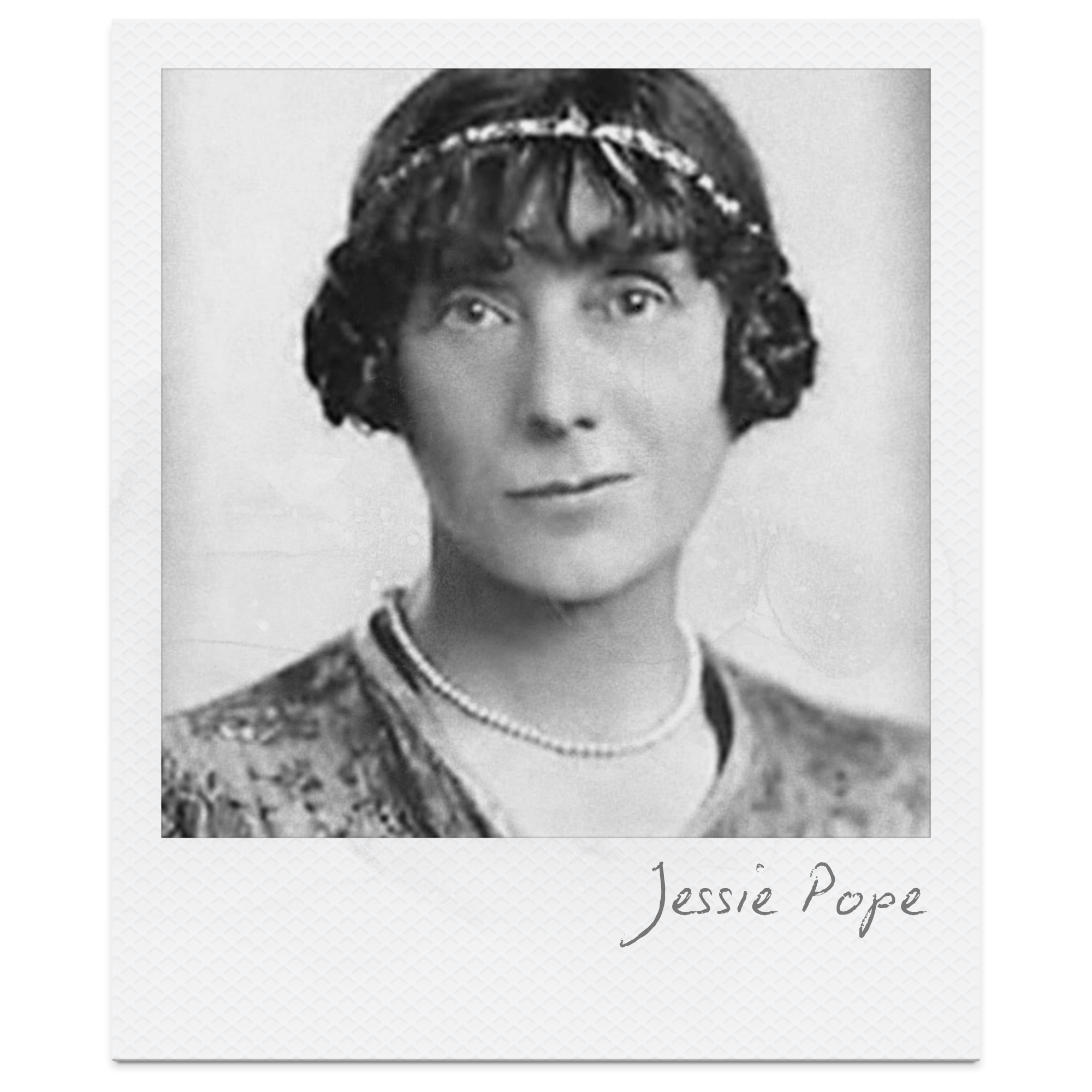
Jessie Pope’s “War Girls” presents a lively portrait of British women taking on new forms of work during the First World War as men left civilian employment for military service. Moving through images of women working on trains, operating lifts, delivering milk, driving vans and collecting fares, Pope celebrates their strength, adaptability and growing visibility in public life, while also revealing the complicated attitudes surrounding changing gender roles. Through repetition, rhyme, colloquial language, contrasts between traditionally masculine and feminine qualities, and the recurring image of the “khaki soldier-boys”, the poem explores women and war, gender roles, independence, patriotism and social change. Yet its celebration of female freedom is qualified by the expectation that this transformation may only last until the soldiers return, creating an important tension between progress and restoration. This makes War Girls particularly valuable within First World War poetry because it shifts attention away from the battlefield and towards the ways war transformed everyday life on the Home Front. For more on Pope and the world in which she was writing, explore Jessie Pope: Historical, Social & Literary Context Post, the WWI Poetry Hub and the wider Literature Library.
Context ◆ Full Poem ◆ At a Glance ◆ Summary ◆ Form & Structure ◆ Speaker & Setting ◆ Stanza Analysis ◆ Key Quotes ◆ Techniques ◆ Symbolism ◆ Meaning & Impact ◆ Themes ◆ Alternative Interpretations ◆ Teaching Ideas ◆ Go Deeper

Context of War Girls
Jessie Pope’s War Girls was published in 1916, at a point when the First World War had dramatically altered everyday life in Britain. As increasing numbers of men entered the armed forces, women were needed to fill jobs that had previously been performed predominantly by men, creating a much greater female presence in paid employment and public life. Although many working-class women had worked outside the home before 1914, the war significantly expanded the range and visibility of women's employment. Women became conductors on buses and trams, worked on the railways, drove vehicles, delivered goods and entered factories and other industries connected to the war effort. This distinction is important: War Girls does not depict women entering work for the first time, but instead captures the rapid expansion of women's roles into occupations and public spaces traditionally associated with men. Pope's repeated catalogue of the “girl” clipping train tickets, operating lifts, delivering milk and driving a “heavy van” therefore reflects a recognisable transformation taking place on the British Home Front.
The poem also reveals the tensions surrounding this social change. Wartime necessity offered many women greater independence, responsibility and opportunities outside conventional domestic roles, and Pope enthusiastically celebrates them as “Strong, sensible, and fit”. Yet these changes existed within a society in which traditional expectations of femininity remained powerful. Pope reassures the reader that beneath the women's uniforms still beat hearts that are “soft and warm”, while the repeated promise that their new roles will continue only “Till the khaki soldier-boys come marching back” suggests that this expansion of female independence may be temporary. Written while the war was still ongoing, War Girls therefore captures both the excitement of women demonstrating their capability and the uncertainty surrounding what would happen to those newly expanded roles when men returned from military service. For a wider exploration of Pope's wartime writing, public reputation and literary position, see Jessie Pope: Historical, Social & Literary Context Post.
War Girls: Full Poem
Jessie Pope’s War Girls presents a series of women performing the jobs that kept everyday life moving on the British Home Front during the First World War.
There's the girl who clips your ticket for the train,
And the girl who speeds the lift from floor to floor,
There's the girl who does a milk-round in the rain,
And the girl who calls for orders at your door.
Strong, sensible, and fit,
They're out to show their grit,
And tackle jobs with energy and knack.
No longer caged and penned up,
They're going to keep their end up
Till the khaki soldier boys come marching back.
There's the motor girl who drives a heavy van,
There's the butcher girl who brings your joint of meat,
There's the girl who cries 'All fares, please!' like a man,
And the girl who whistles taxis up the street.
Beneath each uniform
Beats a heart that's soft and warm,
Though of canny mother-wit they show no lack;
But a solemn statement this is,
They've no time for love and kisses
Till the khaki soldier-boys come marching back.
War Girls — Jessie Pope (1916)
War Girls: At a Glance
Poet: Jessie Pope
Written: During the First World War, c. 1916
Published: 1916
Form: Two ten-line stanzas with a strongly patterned, song-like structure
Speaker: An enthusiastic third-person observer celebrating women working on the British Home Front
Mood: Energetic, upbeat and celebratory, with an underlying tension surrounding the temporary nature of women's changing roles
Central tension: Women's growing independence and capability versus the expectation that traditional gender roles will return when the soldiers come home
Core themes: Women and war, gender roles, female independence, social change, patriotism, duty and femininity
Key symbols: Uniforms, traditionally male occupations, confinement in “caged and penned up”, and the returning “khaki soldier-boys”
One-sentence meaning: War Girls celebrates women proving themselves capable, resilient and independent in traditionally male roles during the First World War, while simultaneously revealing contemporary assumptions that their expanded freedom would be temporary and that conventional ideas of femininity would ultimately remain intact.
Quick Summary of War Girls
Jessie Pope’s War Girls describes the new and increasingly visible roles women are performing on the British Home Front during the First World War. The speaker moves rapidly between different examples: women clip railway tickets, operate lifts, deliver milk, take orders, drive heavy vans, deliver meat, work as conductors and hail taxis. Rather than presenting these responsibilities as burdens women struggle to manage, Pope portrays them as “Strong, sensible, and fit”, capable of approaching unfamiliar work with “energy and knack”. Women who were previously more restricted by conventional expectations are now “No longer caged and penned up”, suggesting that wartime necessity has opened spaces and opportunities that had previously been difficult for many women to access.
In the second stanza, however, Pope complicates this celebration of changing gender roles. Although the women perform work associated with men and wear uniforms that visually represent their new public identities, the speaker insists that “Beneath each uniform / Beats a heart that's soft and warm”, preserving conventional ideas about female tenderness and femininity. Both stanzas ultimately return to the soldiers who are absent from civilian life: the women will continue their work and put aside “love and kisses” until the “khaki soldier-boys come marching back”. The poem therefore celebrates women's contribution to wartime Britain while leaving their longer-term position uncertain, presenting their expanded independence as both a striking social transformation and, potentially, a temporary consequence of war.
Title, Form, Structure and Metre in War Girls
The formal qualities of War Girls reinforce the poem's energy, confidence and sense of purposeful activity. Pope uses two closely patterned stanzas, prominent rhyme, repetition and a lively rhythmic movement to create a poem that feels almost song-like. This regularity reflects the women's competence: although wartime society has been disrupted, the women themselves appear capable of keeping everyday life moving. At the same time, the repeated endings of the two stanzas continually return their new independence to the anticipated homecoming of the soldiers.
Title
The title War Girls immediately connects women with the experience of war, but notably not through combat. These are not nurses tending wounded soldiers or women waiting passively at home; they are workers whose labour has become necessary because of the conflict. The noun “Girls” also establishes the informal, energetic language that Pope uses throughout the poem. Rather than presenting these women as distant heroic figures, the title makes them seem youthful, familiar and recognisable.
There is also an interesting parallel between “War Girls” and the poem's repeated “soldier-boys”. Both women and men are described using youthful terms, placing them within different but interconnected parts of the same national wartime experience. Yet “War Girls” also creates a striking juxtaposition: “War” carries associations of violence, masculinity and military conflict, while “Girls” would have carried more conventionally feminine associations. Bringing the words together reflects the wider disruption of established gender expectations that the poem explores.
Form and Structure
War Girls consists of two ten-line stanzas that closely mirror one another. Each begins by cataloguing women performing different occupations before moving towards broader statements about their character and concluding with the anticipated return of the soldiers. This parallel structure gives the poem a sense of order and accumulation: Pope does not present one exceptional woman breaking convention, but repeatedly introduces another and another — “There's the girl…”, “And the girl…”, “There's the motor girl…”. The effect is to suggest that female participation in wartime work has become widespread and visible across ordinary British life.
There is also a noticeable structural movement within each stanza from specific examples to general conclusions. The opening lines show women actively working, while the shorter lines that follow interpret what those examples supposedly reveal about women themselves. In stanza one, they demonstrate “grit” and “energy”; in stanza two, the speaker turns towards their emotional and traditionally feminine qualities. This creates an important shift in emphasis. The first stanza concentrates predominantly on what women can do, whereas the second becomes increasingly concerned with what women remain beneath their new public identities.
Both stanzas then converge on almost the same final line: “Till the khaki soldier boys come marching back” and “Till the khaki soldier-boys come marching back.” The repetition acts almost like a refrain, giving the poem a circular quality. However far women's lives appear to have moved beyond previous restrictions, the structure repeatedly brings the reader back to the absent men. The phrase therefore places a potential time limit around the freedom celebrated elsewhere in the poem: women will “keep their end up” until the soldiers return. Structurally, the poem can consequently be read as both celebrating social change and containing it within the temporary conditions created by war.
Rhyme Scheme and Poetic Pattern
Both stanzas follow the same underlying rhyme pattern:
ABABCCDDEE
In the first stanza, “train / rain” and “floor / door” establish the alternating ABAB pattern. The shorter lines then form rhyming pairs — “fit / grit” and “penned up / end up” — while “knack / back” creates the final enclosing rhyme across lines seven and ten. The second stanza closely reproduces this arrangement through “van / man”, “meat / street”, “uniform / warm”, “this is / kisses” and “lack / back”.
The strong rhyme gives the poem a buoyant, memorable and almost musical quality, appropriate to Pope's enthusiastic presentation of wartime activity. Its regularity can also reinforce the impression that these women are handling their responsibilities with ease: there is little formal chaos despite the enormous social disruption caused by war.
The repeated rhyme on “back” is especially significant. In both stanzas, the rhyme pattern ultimately resolves on the soldiers coming “back”, meaning that the sound as well as the structure directs the poem towards their return. The women's wartime activity may dominate most of each stanza, but the formal destination remains the homecoming of the men.
Metre and Rhythmic Movement
The metre of War Girls is deliberately lively but not completely uniform, and it is more useful to examine its rhythmic movement than to force every line into a single metrical pattern. The opening lines are comparatively long and move quickly through lists of occupations:
There's the girl who clips your ticket for the train,
And the girl who speeds the lift from floor to floor,
The repeated “There's the girl” / “And the girl” creates a strong forward pulse, while the accumulation of active verbs — “clips”, “speeds”, “does”, “calls”, “drives”, “brings”, “cries” and “whistles” — keeps the rhythm energetic. The reader is moved rapidly from one working woman to another, reproducing the sense of activity that characterises the wartime Home Front.
Pope then contrasts these longer lines with noticeably shorter statements such as:
Strong, sensible, and fit,
They're out to show their grit,
The shortened lines create greater rhythmic emphasis, allowing the description of the women's qualities to stand out from the catalogue surrounding it. A similar contraction occurs with “Beneath each uniform / Beats a heart that's soft and warm”, where the rhythm temporarily slows as the poem shifts from public action towards the women's supposed private emotional nature.
The final lines expand again towards the recurring “Till the khaki soldier-boys come marching back.” The word “marching” is particularly suggestive because the line's strong rhythmic movement evokes the ordered movement of soldiers themselves. As a result, the poem's rhythm participates in its central tension: it celebrates the speed and energy of women at work, but repeatedly redirects that movement towards the imagined moment when the men return.
Speaker and Setting in War Girls
Speaker
The speaker in War Girls is an enthusiastic observer of the changes taking place on the British Home Front, rather than one of the working women herself. Pope repeatedly uses the third person — “the girl”, “they” and “they've” — while addressing the reader indirectly through phrases such as “your ticket” and “your door”. This makes the women's work feel embedded in ordinary civilian experience: these are the women readers might encounter on a train, in a lift, on the street or arriving at their homes. The repeated construction “There's the girl…” creates an almost conversational tone, as though the speaker is pointing out examples wherever she looks. Her attitude is strongly admiring, describing the women as “Strong, sensible, and fit” and praising their “grit”, “energy” and “knack”. However, the speaker should not automatically be treated as identical to Jessie Pope herself. The voice performs a particular role within the poem, celebrating women's wartime contribution while also expressing contemporary assumptions about femininity when it insists that beneath their uniforms their hearts remain “soft and warm”.
Setting
There is no single fixed setting in War Girls. Instead, Pope moves through a series of ordinary civilian spaces transformed by wartime circumstances: trains, lifts, streets, doorsteps, delivery rounds and public transport. Importantly, the poem remains away from the battlefield. War is nevertheless present everywhere through its consequences: the absence of male workers has helped create the circumstances in which women now clip tickets, drive vans and call “All fares, please!”. The Home Front therefore becomes another space in which the effects of war can be seen, even though there are no trenches, weapons or scenes of combat.
Movement through these public spaces is especially significant because it contrasts with the image of women being “caged and penned up”. The metaphor suggests restriction and confinement, while the poem repeatedly shows women travelling through streets, operating transport and entering occupations that make them highly visible beyond the domestic sphere. The setting consequently reflects the poem's wider interest in expanded female freedom and mobility. Yet the absent battlefield remains indirectly connected to every civilian scene through the repeated image of the “khaki soldier-boys” who will eventually come “marching back”. The poem therefore links two wartime worlds — men away in military service and women occupying newly expanded roles at home — while anticipating the moment when those worlds will meet again.
Stanza-by-Stanza Analysis of War Girls
Across its two stanzas, War Girls moves from a lively celebration of women's new visibility, capability and freedom in wartime Britain towards a more complicated attempt to reconcile those changes with traditional expectations of femininity. The first stanza concentrates primarily on action: women are working, moving through public spaces and proving that they possess the “grit” and “knack” required to perform jobs previously associated with men. The second stanza continues this catalogue but increasingly turns beneath the women's new public identities, reassuring the reader that beneath each “uniform” remains a heart that is “soft and warm”. Both stanzas ultimately return to the same anticipated event — the moment when the “khaki soldier-boys come marching back” — meaning that Pope repeatedly places this apparent transformation of women's lives against the possibility that it is conditional upon the war and therefore temporary. The poem's progression is consequently more complex than simple celebration: women demonstrate that they can move beyond established gender restrictions, while the structure repeatedly asks what will become of that freedom once wartime necessity disappears.
Stanza 1: Women Step into Public Life
The first stanza opens by immediately placing women within the ordinary working life of wartime Britain:
“There's the girl who clips your ticket for the train,
And the girl who speeds the lift from floor to floor,
There's the girl who does a milk-round in the rain,
And the girl who calls for orders at your door.”
Pope builds these opening lines through anaphora and accumulation. The repeated phrases “There's the girl” and “And the girl” create the impression that working women can now be encountered everywhere. Rather than focusing upon one extraordinary individual, the speaker moves rapidly from one woman to another, making the change appear widespread. The repeated noun “girl” also creates a familiar, conversational tone: these women are not presented as distant heroines but as recognisable figures encountered during everyday life.
The occupations themselves are significant. Pope places women on trains, in lifts, on delivery rounds and at people's doors, creating a landscape filled with female movement. The active verbs “clips”, “speeds”, “does” and “calls” reinforce this impression of purposeful activity. Particularly striking is “speeds”, which conveys rapid movement and energy, while the woman completing a “milk-round in the rain” is associated with physical endurance and persistence. Together, these images challenge assumptions that women's appropriate sphere was primarily domestic. The women of the poem are not confined to private interiors: they are working, travelling and interacting with the public.
Pope then interrupts the longer catalogue with the emphatic declaration:
“Strong, sensible, and fit,
They're out to show their grit,
And tackle jobs with energy and knack.”
The adjective sequence “Strong, sensible, and fit” is particularly important. “Strong” and “fit” emphasise physical capability, directly challenging ideas that women were too physically delicate for demanding work, while “sensible” suggests reliability and practical judgement. The women are therefore praised not simply for filling vacancies but for possessing the qualities necessary to perform their jobs effectively.
The phrase “show their grit” develops this celebration. “Grit” suggests courage, resilience and determination — qualities strongly associated with the demands of wartime service. Pope effectively transfers part of the language of wartime endurance from soldiers to women on the Home Front. Similarly, “tackle jobs” presents work almost as something to be confronted energetically, while “knack” suggests practical skill. Importantly, the women do not merely attempt these occupations: the confident language implies that they prove themselves capable of performing them.
The stanza's most striking image of changing gender expectations appears in:
“No longer caged and penned up,”
The metaphor of being “caged” evokes an animal physically prevented from moving freely, making previous restrictions upon women's lives seem unnatural and confining. “Penned up” intensifies this image of enclosure. In contrast with the stanza's earlier images of women travelling on trains, moving between floors and completing rounds through the streets, the phrase establishes a powerful opposition between confinement and mobility. Wartime employment has not simply given these women work; within the speaker's celebratory presentation, it has allowed them access to a wider public world.
However, the line also creates one of the poem's most interesting tensions. If women are “No longer” imprisoned by earlier expectations, the metaphor implicitly criticises the pre-war restrictions from which they have escaped. Pope's language therefore allows a potentially more radical interpretation than the poem's cheerful tone initially suggests: once women have demonstrated that they are capable of performing these roles, the idea that they should naturally remain confined becomes increasingly difficult to sustain.
Yet the final two lines begin to place limits around this apparent liberation:
“They're going to keep their end up
Till the khaki soldier boys come marching back.”
The idiomatic expression “keep their end up” suggests doing one's share and refusing to let others down. Women become active participants in the national wartime effort, maintaining civilian life while men serve elsewhere. The possessive “their” gives them a distinct responsibility within this collective endeavour: the Home Front and battlefield are different spaces, but both contribute to the functioning of a country at war.
The conjunction “Till”, however, is crucial. It establishes an explicit endpoint to the situation the stanza has spent nine lines celebrating. Women may be “No longer caged and penned up”, but their new roles are presented as lasting until the male soldiers return. This creates a contradiction between the language of liberation and the assumption that women's expanded position in public life is temporary.
The phrase “khaki soldier boys” also shifts attention towards the absent men. “Khaki” immediately identifies military uniform and therefore brings the battlefield indirectly into a stanza otherwise located entirely on the Home Front. Meanwhile, “boys” echoes Pope's repeated “girl”, creating a parallel between the young men serving abroad and the young women working at home.
Finally, “come marching back” gives the stanza a confident image of return. “Marching” suggests organised military movement and carries an upbeat, almost parade-like quality rather than evoking wounded or traumatised soldiers returning from industrial warfare. The line therefore fits the stanza's broadly optimistic wartime perspective. Structurally, however, its significance is more complicated: after celebrating women's movement out of confinement and into public life, Pope ends by imagining the return of the men whose absence helped make that movement possible. The stanza consequently celebrates women's wartime emancipation while simultaneously raising the question of whether that freedom can survive peace.
Stanza 2: New Uniforms, Traditional Femininity
The second stanza initially continues the energetic catalogue of working women established in stanza one, but Pope now places them in occupations that more explicitly challenge traditional divisions between male and female work:
“There's the motor girl who drives a heavy van,
There's the butcher girl who brings your joint of meat,
There's the girl who cries 'All fares, please!' like a man,
And the girl who whistles taxis up the street.”
The repeated “There's” maintains the poem's accumulative structure, again creating the impression that working women have become a normal and highly visible feature of wartime life. The compound expressions “motor girl” and “butcher girl” are particularly revealing. The familiar noun “girl” is attached to occupations and activities conventionally associated with men, linguistically bringing together traditional femininity and newly expanded forms of female labour.
The “motor girl” driving a “heavy van” provides an especially striking image of physical capability. The adjective “heavy” matters because Pope could simply have described a van; instead, she emphasises the physical demands of the work. The woman is therefore not merely occupying a male worker's position but successfully performing labour that might previously have been regarded as unsuitable for women. Similarly, the “butcher girl” occupies another traditionally masculine commercial role, while the possessive pronoun in “your joint of meat” again directly connects these social changes to the reader's everyday life. Women are helping to sustain the ordinary routines of civilian Britain.
The third line makes the challenge to gender expectations explicit:
“There's the girl who cries 'All fares, please!' like a man,”
The direct speech “All fares, please!” momentarily allows the working woman's voice to enter the poem. She is no longer merely being described: the reader effectively hears her performing her public role. Yet the simile “like a man” is revealing. On one level, it acknowledges how dramatically gender expectations have shifted: a woman now performs a role so strongly associated with male workers that her behaviour is compared directly with theirs. On another, the comparison suggests that masculinity remains the standard against which her performance is measured. She can do the job successfully, but her authority is still described through resemblance to a man.
The image of the woman who “whistles taxis up the street” continues the stanza's emphasis on confidence, visibility and movement. “Whistles” is an assertive verb: rather than waiting passively, she commands attention within the public space around her. The street itself becomes significant because it is another environment far removed from the confinement suggested by stanza one's “caged and penned up”. Across both stanzas, Pope repeatedly places women in motion.
The poem then turns sharply from women's public behaviour towards their private emotional nature:
“Beneath each uniform
Beats a heart that's soft and warm,”
“Beneath” establishes a distinction between outward appearance and supposed inner identity. The “uniform” symbolises women's changed wartime roles: it gives them a professional identity and visually places them within organised public labour. Yet Pope immediately looks underneath it, reassuring the reader that this transformation has not erased conventional femininity.
The image of the “heart” draws upon familiar associations with emotion, affection and love, while the adjectives “soft and warm” contrast noticeably with the physical strength and assertiveness celebrated elsewhere. Earlier the women were “Strong, sensible, and fit”; now they are “soft and warm”. Crucially, Pope does not necessarily present these qualities as incompatible. The women can be physically capable and emotionally tender at the same time. In this sense, the poem may challenge the assumption that performing traditionally masculine work requires women to surrender their femininity.
However, the need to reassure the reader that a feminine heart exists “Beneath each uniform” also exposes the limitations of contemporary gender expectations. The uniform can apparently alter how a woman is perceived sufficiently that the speaker feels compelled to insist upon what remains underneath it. A feminist reading might therefore ask why women's competence must be accompanied by reassurance that they are still appropriately “soft”.
Pope continues this balancing of strength and conventional femininity through:
“Though of canny mother-wit they show no lack;”
The adjective “canny” suggests practical intelligence, shrewdness and good judgement, while “mother-wit” refers to natural or innate common sense rather than literally indicating motherhood. The phrase therefore praises the women's instinctive practical intelligence: once again, they do not merely occupy these roles but possess the judgement necessary to perform them effectively. At the same time, the word “mother” inevitably carries feminine associations for a modern reader, fitting the stanza's wider attempt to combine female capability with recognisable ideas of femininity.
The tone then becomes deliberately mock-serious:
“But a solemn statement this is,
They've no time for love and kisses”
The adjective “solemn” is humorous in context because the supposedly grave announcement is simply that the women are too busy for romance. The inversion of the conventional syntax — rather than the more natural “this is a solemn statement” — also gives the declaration a slightly theatrical quality. Pope's light tone prevents the poem from becoming a heavy political statement, while nevertheless making an important point: these women have work, responsibilities and priorities beyond romantic relationships.
The phrase “no time for love and kisses” is especially interesting when placed beside “soft and warm”. The capacity for affection remains, but romance has temporarily been displaced by work and wartime duty. The women are not defined primarily by relationships with men; for the duration of the war, their attention is directed towards the practical demands of the Home Front.
Yet once again, Pope closes the stanza with the refrain:
“Till the khaki soldier-boys come marching back.”
The repeated “Till” makes the temporary nature of this situation explicit. The women have demonstrated strength, practical intelligence and independence, but the poem still imagines a future organised around the return of men. The hyphenated “soldier-boys” also creates a revealing parallel with compounds such as “motor girl” and “butcher girl”: wartime circumstances have created new identities for both sexes, with men defined by military service and women increasingly defined by their wartime occupations.
Because this line repeats the ending of stanza one almost exactly, it becomes the poem's structural destination. Both catalogues of female achievement eventually lead back to the absent soldiers. The phrase “marching back” again imagines their return confidently and collectively, with little suggestion here of death, injury or psychological trauma. The emphasis remains on anticipated reunion and restoration.
The second stanza therefore exposes the central contradiction running through War Girls. Pope clearly admires women who are capable, independent, practical and publicly visible, and the poem demonstrates that they can successfully perform work previously associated with men. Yet it simultaneously reassures readers that these women remain conventionally feminine and anticipates a future in which “love and kisses” resume when the soldiers return. The result is a poem poised between social transformation and traditional expectation: war has changed what women are permitted to do, but the ending leaves unresolved whether society is prepared for those changes to become permanent.
Key Quotes and Methods in War Girls
The most useful quotations from War Girls reveal both Pope's enthusiastic celebration of women's wartime contribution and the tensions surrounding their changing social position. Particularly important are the repeated images of female movement and competence, the contrast between public strength and conventional femininity, and the refrain that anticipates the soldiers' return.
“There's the girl”
◆ Technique: Anaphora / repetition
◆ Meaning: Pope repeatedly introduces another working woman, making female participation in wartime employment appear widespread rather than exceptional.
◆ Purpose: The repeated phrase allows Pope to build a catalogue of women occupying different public and professional roles.
◆ Impact: The reader gains the impression that women are suddenly visible everywhere in civilian life. The singular “girl” is repeatedly replaced by another “girl”, creating a collective portrait through individual examples.
“speeds the lift from floor to floor”
◆ Technique: Dynamic verb / movement imagery
◆ Meaning: The verb “speeds” presents the woman as energetic, confident and efficient in her work.
◆ Purpose: Pope emphasises active female movement rather than passivity or domestic confinement.
◆ Impact: The movement “from floor to floor” contributes to the poem's wider pattern of women travelling through and controlling public spaces, anticipating the later contrast with being “caged and penned up”.
“Strong, sensible, and fit”
◆ Technique: Tricolon / adjective sequence
◆ Meaning: Women are characterised through physical strength, practical judgement and capability.
◆ Purpose: Pope directly challenges assumptions that women lack the qualities required for demanding forms of employment.
◆ Impact: The short, emphatic line makes these characteristics particularly memorable. Rather than praising women simply for helping, Pope presents them as genuinely equipped to perform their new responsibilities.
“show their grit”
◆ Technique: Idiom / language of resilience
◆ Meaning: “Grit” suggests courage, determination and endurance in difficult circumstances.
◆ Purpose: Pope associates women on the Home Front with qualities of resilience that are also strongly connected with wartime service.
◆ Impact: The phrase elevates everyday civilian labour into part of the wider national war effort: women's contribution requires determination as well as practical skill.
“tackle jobs with energy and knack”
◆ Technique: Dynamic verb / colloquial diction
◆ Meaning: “Tackle” suggests confronting something actively, while “knack” implies practical skill and natural competence.
◆ Purpose: Pope presents women as doing more than temporarily occupying empty positions: they are capable of performing the work successfully.
◆ Impact: The informal language contributes to the poem's buoyant tone while reinforcing its celebration of female adaptability.
“No longer caged and penned up”
◆ Technique: Metaphor / imagery of confinement
◆ Meaning: Previous restrictions upon women's lives are compared to the confinement of animals in cages or pens.
◆ Purpose: Pope creates a dramatic contrast between restriction before the war and women's increased movement through public and professional spaces during it.
◆ Impact: This is one of the poem's potentially most radical lines. If women's previous position amounted to being “caged”, their wartime employment can be understood as a form of liberation rather than simply patriotic duty.
“keep their end up”
◆ Technique: Colloquial idiom
◆ Meaning: The women will do their share and fulfil their responsibilities while male workers are absent.
◆ Purpose: Pope places women's labour within the collective national effort, suggesting that maintaining civilian life is an important contribution to wartime Britain.
◆ Impact: The phrase conveys determination and equality of responsibility, although “their end” may also imply that men and women continue to occupy distinct parts of the war effort.
“the motor girl who drives a heavy van”
◆ Technique: Compound expression / physical imagery
◆ Meaning: The “motor girl” occupies a role involving machinery, mobility and physically demanding work.
◆ Purpose: The adjective “heavy” deliberately emphasises the demands of the occupation, demonstrating women's physical capability.
◆ Impact: The phrase undermines assumptions that certain jobs are naturally unsuitable for women: she is not merely driving a vehicle but confidently controlling a “heavy” one.
“‘All fares, please!’ like a man”
◆ Technique: Direct speech / simile
◆ Meaning: The woman's working voice enters the poem directly as she performs a public-facing role traditionally associated with men.
◆ Purpose: The direct speech gives the working woman a moment of audible authority, while the simile acknowledges the crossing of established gender boundaries.
◆ Impact: The phrase is also revealingly limited. Her successful performance is measured by her resemblance to “a man”, suggesting that masculine behaviour remains the assumed standard for this kind of public authority.
“Beneath each uniform”
◆ Technique: Symbolism / visual imagery
◆ Meaning: The uniform represents women's new professional identities and their participation in organised wartime labour.
◆ Purpose: “Beneath” introduces a distinction between women's changed outward appearance and what the speaker believes remains internally unchanged.
◆ Impact: The phrase marks a significant turn in the poem. Having demonstrated what women can do, Pope now becomes concerned with reassuring the reader about who these women still are.
“Beats a heart that's soft and warm”
◆ Technique: Symbolism / conventional romantic imagery
◆ Meaning: The “heart” represents emotion and affection, while “soft and warm” draws upon conventional ideas of feminine tenderness.
◆ Purpose: Pope suggests that strength and traditionally feminine emotional qualities can coexist: employment has not made these women less capable of tenderness.
◆ Impact: The line can also expose the limitations of contemporary attitudes. The apparent need to reassure readers that working women remain “soft” suggests anxiety about whether greater independence might be perceived as making women less feminine.
“canny mother-wit”
◆ Technique: Colloquial language / characterisation
◆ Meaning: “Mother-wit” means natural practical intelligence or common sense, while “canny” reinforces ideas of shrewdness and good judgement.
◆ Purpose: Pope continues to establish that the women possess the mental as well as physical qualities required by their new responsibilities.
◆ Impact: The phrase complicates any simplistic division between masculinity and femininity: the women can possess practical intelligence and independence without the poem presenting these qualities as incompatible with being female.
“no time for love and kisses”
◆ Technique: Romantic imagery / humorous understatement
◆ Meaning: Wartime work has temporarily displaced romance from the women's immediate priorities.
◆ Purpose: Pope humorously presents women as too occupied by responsibilities to centre their lives upon romantic relationships.
◆ Impact: The phrase reinforces their independence, but the following refrain makes that independence conditional: “love and kisses” have been postponed rather than permanently rejected.
“Till the khaki soldier-boys come marching back”
◆ Technique: Refrain / symbolism / military imagery
◆ Meaning: “Khaki” symbolises the absent soldiers and military service, while “marching back” imagines their eventual return to civilian Britain.
◆ Purpose: Repeating the line at the end of both stanzas keeps the absent men structurally present throughout a poem ostensibly focused upon women.
◆ Impact: The word “Till” is crucial because it places a potential endpoint on the social transformation the poem celebrates. Women may have escaped being “caged and penned up”, but their new roles are imagined within the temporary conditions of wartime. The refrain therefore captures the poem's central tension between female liberation and an anticipated restoration of the pre-war social order.
Poetic Techniques and Literary Devices in War Girls
Pope uses repetition, accumulation, dynamic verbs, contrast, metaphor, symbolism and direct speech to create the energetic tone of War Girls. Many of these techniques emphasise movement and female capability, while others expose the poem's central tension between women's newly expanded public roles and the traditional expectations of femininity that remain beneath them.
Anaphora and Repetition
One of the poem's most noticeable techniques is the repeated introduction of women through variations of “There's the girl”:
“There's the girl who clips your ticket for the train,”
“There's the girl who does a milk-round in the rain,”
“There's the motor girl who drives a heavy van,”
This anaphoric pattern gives the poem momentum while creating a cumulative picture of wartime society. Pope does not focus upon one exceptional woman; each example is followed by another, suggesting that female workers have become increasingly visible across everyday life.
The repetition of “girl” also connects women performing very different kinds of labour. Railway workers, delivery workers, conductors and drivers become part of a collective wartime identity. The technique therefore helps Pope transform individual examples into evidence of a much broader social change.
Listing and Accumulation
Closely connected to the repetition is Pope's use of listing. Much of the opening half of each stanza consists of occupations and activities:
“clips your ticket”
“speeds the lift”
“does a milk-round”
“drives a heavy van”
“brings your joint of meat”
The accumulation makes women's contribution seem extensive. Rather than making an abstract claim that women are helping the war effort, Pope demonstrates their presence through a succession of specific, recognisable forms of work.
There is also significance in how ordinary these activities are. The poem focuses on transport, deliveries and services rather than spectacular acts of heroism. Pope therefore suggests that wartime society depends upon the continuous performance of everyday civilian labour.
Dynamic Verbs
The poem contains a dense concentration of active verbs: women “clips”, “speeds”, “does”, “calls”, “tackle”, “drives”, “brings”, “cries” and “whistles”.
These verbs create an impression of constant activity and prevent the women from becoming passive objects of the speaker's admiration. They are repeatedly shown doing something. “Speeds” conveys particularly rapid movement, while “tackle” suggests approaching a challenge directly and energetically.
This vocabulary also works against the later image of women having once been “caged and penned up”. The poem's language is dominated by action and movement, making confinement seem incompatible with the capable women Pope actually depicts.
Metaphor
The most powerful metaphor in the poem appears in:
“No longer caged and penned up”
Women are implicitly compared with animals confined within cages or pens. Both verbs carry associations of restricted movement, suggesting that conventional gender expectations had limited women's freedom before wartime circumstances expanded their opportunities.
The metaphor is especially striking because it follows descriptions of women moving through trains, lifts, streets and delivery routes. Pope therefore establishes a contrast between physical confinement and newly acquired mobility.
However, the phrase creates a tension that the poem never entirely resolves. If the women's previous position was equivalent to being “caged”, the repeated suggestion that their new situation will last only “Till” the soldiers return raises an uncomfortable question: does peace mean returning them to the cage?
Contrast and Juxtaposition
Pope repeatedly places apparently different qualities beside one another. Women are:
“Strong, sensible, and fit”
but also possess:
“a heart that's soft and warm”
The contrast allows the poem to challenge a simple opposition between strength and femininity. Women can perform physically demanding work without losing their capacity for tenderness and affection.
Yet the juxtaposition can also reveal contemporary anxieties about gender. After spending much of the poem proving that women can perform supposedly masculine work, the speaker appears to reassure the reader that they remain “soft and warm” underneath their uniforms. The contrast therefore simultaneously expands and preserves traditional ideas of womanhood.
Direct Speech
Pope briefly allows one of the working women to be heard directly:
“‘All fares, please!’”
The direct speech injects a woman's voice into the poem rather than allowing women to remain entirely described by an external speaker. Her words are functional and authoritative: she is performing her job and addressing members of the public.
The moment also makes the scene vivid and immediate. A contemporary reader might recognise the familiar call of a conductor, but here that familiar public voice belongs to a woman.
Simile
The direct speech is followed by the simile:
“‘All fares, please!’ like a man”
The comparison explicitly acknowledges that the woman is performing a role culturally associated with masculinity. Her confidence and authority make her sound “like a man” according to the expectations reflected by the speaker.
However, the simile also exposes the assumptions against which these women are judged. Successful public authority is still measured against a male standard. Pope celebrates the woman's ability to cross a gender boundary while simultaneously revealing how firmly that boundary remains embedded in contemporary language.
Tricolon
The description:
“Strong, sensible, and fit”
forms an emphatic three-part list. The combination is important because it encompasses different kinds of capability. “Strong” suggests physical power, “sensible” indicates practical judgement and “fit” implies health and physical readiness.
Together, the adjectives construct a compact argument about women's suitability for wartime employment. They possess not one but multiple qualities necessary for effective work, making the line a concise rejection of assumptions about female fragility or incapacity.
Colloquial Language and Idiom
Pope frequently uses accessible, conversational expressions such as:
“show their grit”
“energy and knack”
“keep their end up”
The informal diction contributes to the poem's light, popular and energetic voice. Rather than treating women's changing social position through abstract political language, Pope describes it using expressions that would have been readily understandable to a broad readership.
The idiom “keep their end up” is particularly significant because it presents women as doing their share. Their labour becomes part of a collective wartime effort in which different members of society have responsibilities to fulfil.
Symbolism
The “uniform” operates as more than an item of clothing:
“Beneath each uniform
Beats a heart that's soft and warm”
It represents women's new professional and public identities. Uniforms visually associate these women with organised work and responsibility, marking their movement into roles from which they had previously been excluded or in which women had been far less visible.
The word “Beneath”, however, encourages the reader to look beyond that changed exterior. Pope suggests that the uniform may alter women's social appearance without fundamentally altering their femininity. This makes clothing an important symbol of the poem's tension between external social transformation and presumed internal continuity.
Humour and Mock-Solemnity
Pope introduces a deliberately exaggerated seriousness towards the end of the poem:
“But a solemn statement this is,
They've no time for love and kisses”
Calling this a “solemn statement” creates gentle humour because the revelation that busy working women have little time for romance hardly warrants such grave language. The unusual inverted syntax adds to the mock-formal effect.
The humour keeps the poem playful while making a significant point. Romance has ceased to be the women's immediate priority: work and responsibility occupy their time instead.
Refrain
Both stanzas end with almost exactly the same line:
“Till the khaki soldier boys come marching back.”
The repeated line functions as a refrain, giving the poem its song-like quality and providing structural closure. Yet its meaning complicates the celebration that precedes it.
The subordinating conjunction “Till” establishes a temporal boundary. Again and again, the women's independence is imagined as continuing only until the soldiers return. The refrain therefore prevents the reader from seeing their new position as straightforwardly permanent.
Military Imagery
Although War Girls never enters the battlefield, war intrudes into its civilian setting through “khaki” and “marching”. Khaki represents military uniform and immediately evokes the absent soldiers, while “marching” suggests discipline, collective movement and military organisation.
The image of soldiers “marching back” is notably optimistic. It imagines return rather than death, injury or trauma, maintaining the poem's buoyant tone. At the same time, their return carries social consequences: the men are not simply coming home to the women but potentially returning to the jobs and public positions the women currently occupy.
Parallelism
The two stanzas are constructed in closely parallel ways. Each begins with examples of women working, moves towards a broader description of female qualities and finishes with the soldiers “coming back”.
This structural parallelism reinforces the poem's confidence and regularity, but it also makes its central contradiction impossible to escape. No matter how many examples of women's capability Pope accumulates, each stanza returns to the same anticipated endpoint.
The pattern therefore encapsulates the central tension of War Girls: war has demonstrated that women can successfully occupy a much wider social and economic sphere, while the poem continues to imagine those opportunities within the temporary boundaries of wartime necessity.
Tone
The dominant tone of War Girls is energetic, approving and playfully celebratory. Pope's repeated catalogue of working women, lively rhyme and active verbs create enthusiasm around the changes occurring on the Home Front. Descriptions such as “Strong, sensible, and fit”, “show their grit” and “energy and knack” communicate genuine admiration for women's competence. Rather than portraying wartime work as an unfortunate burden, the speaker presents these women as embracing their responsibilities with confidence and capability.
There is also a strongly conversational and humorous tone. Expressions such as “keep their end up” and “knack” avoid elevated or solemn poetic language, while the declaration “But a solemn statement this is” is deliberately mock-serious when followed by the revelation that the women have “no time for love and kisses”. This lightness makes the poem accessible and contributes to its sense of optimism despite the wartime circumstances surrounding it.
However, the tone becomes more complicated when Pope discusses femininity. The reassurance that “Beneath each uniform / Beats a heart that's soft and warm” introduces an affectionate but also somewhat protective tone. The speaker appears eager to reassure the reader that employment, uniforms and traditionally masculine responsibilities have not fundamentally changed the women themselves. This creates a tension between the poem's progressive excitement about what women can do and its more conventional assumptions about what women should remain.
The refrain “Till the khaki soldier-boys come marching back” maintains the poem's upbeat confidence. The soldiers are imagined “marching” home rather than returning wounded, traumatised or not returning at all, giving the ending an optimistic and almost celebratory quality. For a poem written during an enormously destructive war, there is remarkably little darkness in its emotional register.
This matters when War Girls is placed within the wider landscape of First World War poetry. Pope's tone reflects a Home Front perspective focused upon adaptation, contribution and anticipated reunion, rather than the physical horror of combat that dominates some later-famous trench poetry. Yet the modern reader may also detect an unintended tension beneath that optimism: the cheerful expectation that the soldiers will return simultaneously suggests that the unusual freedoms women have gained may come to an end. The poem's buoyant tone therefore sits alongside a more complicated question that it never fully resolves — what happens to the “War Girls” when the war is over?
Symbolism in War Girls
Although War Girls describes recognisable aspects of everyday wartime life, several of its objects and images develop a wider symbolic significance. Uniforms, cages, public transport and khaki clothing become ways of exploring women's changing position within society. Together, these symbols create a tension between movement and confinement, new identities and traditional expectations, and wartime transformation and the anticipated return of the pre-war social order.
The Cage and Pen
The clearest symbol of female restriction appears in:
“No longer caged and penned up”
The cage represents the social restrictions that had limited women's freedom and opportunities. Literally, a cage prevents movement; symbolically, Pope uses it to suggest a world in which women's lives were constrained by expectations about where they should go, what work they should perform and what roles were considered appropriate for them.
The additional image of being “penned up” strengthens the symbolism. Both cages and pens are spaces used to contain animals, making the imagery surprisingly forceful within an otherwise light-hearted poem. Women are not merely described as having fewer opportunities: their previous condition is associated with physical enclosure.
This symbolism becomes particularly powerful when contrasted with the rest of the poem. These women now travel through streets, operate lifts, work on trains, complete delivery rounds and drive vehicles. The movement surrounding them makes the cage represent not simply the past but the opposite of their new wartime experience.
There is also an unresolved tension within the symbol. If war has opened the cage, the repeated “Till” at the end of each stanza raises the possibility that the soldiers' return might close it again. Pope does not explicitly explore that consequence, but the symbolism allows the reader to question whether freedoms once experienced can easily be withdrawn.
The Uniform
The uniform is one of the poem's most important symbols of women's changing public identity:
“Beneath each uniform
Beats a heart that's soft and warm”
On a literal level, uniforms identify women according to their wartime occupations. Symbolically, however, the uniform represents professional identity, responsibility and women's entry into organised public work. Clothing makes the transformation visible: women now occupy roles that society can immediately recognise as forms of employment and public service.
The word “Beneath” complicates this symbolism. Pope distinguishes between the woman's outward identity and the person supposedly existing underneath it. The uniform may make her look different and give her a new social role, but the speaker insists that her emotional nature remains unchanged.
The uniform therefore becomes a symbol of both transformation and continuity. Women can change what they do without, according to the speaker, ceasing to possess conventionally feminine qualities. At the same time, the need to look “Beneath” the uniform may suggest contemporary anxiety about whether professional independence threatens traditional femininity.
Khaki
Colour enters the poem primarily through the soldiers' “khaki”:
“Till the khaki soldier-boys come marching back.”
Khaki immediately symbolises military service and the absent male population. The men themselves remain outside the poem's civilian scenes, but their uniforms make the war continually present in the background.
There is an important parallel between the men's “khaki” and the women's “uniform”. Both men and women have acquired new wartime identities partly represented through clothing. Men become “soldier-boys”, while women become workers, conductors and drivers.
However, these uniforms carry different implications. Khaki represents the men's movement away from civilian life and into military service, while the women's uniforms represent their movement into areas of civilian employment previously dominated by men. War has therefore altered the identities and responsibilities of both sexes.
The soldiers' khaki also symbolises the potential end of women's wartime transformation. Their uniforms are associated with women's expanded opportunities; the returning khaki uniforms may signal the moment when those opportunities are reconsidered.
Trains, Lifts, Vans and Streets
The repeated forms of transport and movement operate collectively as a symbolic pattern throughout the poem. Women clip railway tickets, operate lifts, drive vans and move through streets.
These images repeatedly associate women with mobility. The lift travels “from floor to floor”, the van moves through public space, trains connect different places and the women themselves conduct rounds and work on streets. This mobility directly contrasts with being “caged and penned up”.
Transport can therefore be read as symbolic of social movement as well as physical movement. Women are not simply travelling through geographical spaces; they are entering areas of employment and public life that had previously been less accessible to them.
The lift is particularly suggestive. Although Pope does not explicitly turn it into an extended metaphor, its movement “from floor to floor” can support a symbolic reading of women moving beyond previously imposed boundaries. The poem repeatedly places female characters in environments defined by motion rather than stillness.
The Heart
Pope's image of the heart carries conventional symbolic associations:
“Beats a heart that's soft and warm”
The heart represents emotion, affection and the private self. Pope uses it to reassure the reader that the women's new occupations have not eliminated their capacity for tenderness or romantic feeling.
Its position “Beneath” the uniform establishes an important symbolic opposition between external and internal identity. Outwardly, the women may appear transformed: they wear professional uniforms and perform jobs associated with men. Inwardly, the speaker insists, something recognisably feminine remains.
However, the symbolism can be read in different ways. It may suggest that strength and tenderness are not opposites, allowing women to possess both. Alternatively, the need to emphasise a “soft” heart may reveal how difficult it remained to imagine female strength without simultaneously reassuring readers about conventional femininity.
The Returning Soldiers
The repeated image of the soldiers who will “come marching back” becomes symbolic of more than military homecoming.
On one level, their return represents reunion, survival and the hoped-for end of war. The image is optimistic: soldiers march home collectively and confidently, with none of the physical or psychological damage associated with combat entering Pope's description.
Yet within a poem about women's changing roles, their return also symbolises the anticipated restoration of normality. The word “Till” suggests that women's unusual wartime position exists within a defined period that ends when the men return.
The symbolism therefore contains an important contradiction. Peace should represent liberation from war, yet for some of the women Pope depicts, it may also threaten the loss of freedoms and responsibilities acquired because of war. The soldiers' homecoming can consequently represent both something eagerly anticipated and the potential reassertion of the social order that existed before their departure.
Taken together, the symbols in War Girls create a pattern of opening and possible closure. The cage has opened; women move through streets and transport systems; uniforms give them new public identities; and wartime necessity allows them to demonstrate their strength and intelligence. Yet the repeated image of the returning soldiers places a boundary around that transformation. Pope's symbolism therefore captures one of the poem's central tensions: war creates opportunities for women to move beyond established restrictions, but the poem remains uncertain about whether those freedoms belong only to wartime or can survive into the peace that follows.
Meaning and Impact of War Girls
At its centre, War Girls is a poem about what happens when war disrupts established social roles. Pope celebrates women responding successfully to that disruption, but the poem becomes more complex because it simultaneously imagines their expanded freedom as something connected specifically to wartime. Women have demonstrated that they can perform demanding work, move confidently through public spaces and take greater responsibility for civilian life; nevertheless, the repeated expectation that this will continue only “Till the khaki soldier-boys come marching back” leaves the permanence of that transformation unresolved.
War Changes Life Far Beyond the Battlefield
One of the most significant aspects of War Girls is that war itself never appears directly as combat. There are no trenches, weapons, casualties or battlefields. Instead, Pope shows its effects through railway tickets, milk rounds, lifts, vans, buses and streets.
This broadens the meaning of wartime experience. The First World War is presented as something capable of reorganising ordinary civilian life, altering who performs particular jobs and who occupies public spaces. The absent soldiers shape everything that happens in the poem precisely because their absence has created opportunities and responsibilities for women.
The poem therefore reminds the reader that the consequences of war extend beyond those who fight it. The Home Front is also transformed, and women's changing employment becomes one of the most visible signs of that transformation.
Women Prove Their Capability Through Action
Pope does not simply tell the reader that women are capable. She repeatedly shows them performing work successfully. They “clip”, “speed”, “drive”, “bring”, “cry” and “whistle”, while the speaker explicitly characterises them as:
“Strong, sensible, and fit”
and capable of tackling work with:
“energy and knack.”
The accumulation matters because the poem's argument is effectively built through evidence. One woman performing an unusual job might be treated as an exception; Pope instead supplies example after example.
This gives the poem a potentially significant social implication. Once women have demonstrated that they can successfully perform occupations previously associated with men, assumptions about their natural inability to perform such work become harder to sustain. Wartime necessity has inadvertently provided an opportunity for women to demonstrate abilities that social convention had previously restricted.
Work Becomes a Form of Liberation
The description:
“No longer caged and penned up”
moves the poem beyond simple praise for women's wartime service. The metaphor suggests that expanded employment has given women access to a degree of freedom that they previously lacked.
This changes how the reader might understand the jobs listed throughout the poem. Driving a van or working as a conductor matters not merely because somebody must perform the work; these occupations take women into streets, transport systems and public interactions. Employment becomes connected to mobility, independence and visibility.
The emotional impact of this metaphor is unusually strong compared with the poem's generally cheerful language. “Caged” suggests that previous restrictions were not simply traditional but actively confining. Pope may not develop an explicit argument for permanent social reform, but her own imagery makes returning entirely to previous gender restrictions difficult to imagine as uncomplicated.
Strength and Femininity Are Not Necessarily Opposites
The second stanza complicates the poem's representation of female independence through the contrast between:
“Strong, sensible, and fit”
and:
“a heart that's soft and warm”
One possible meaning is that Pope rejects the assumption that female strength requires women to become masculine. A woman can drive a “heavy van”, command passengers and demonstrate “grit” while simultaneously possessing tenderness and emotional warmth.
In this reading, the poem expands rather than abandons femininity. Women do not need to choose between competence and tenderness, strength and affection, public responsibility and private emotion.
However, the passage also exposes the limits of the poem's challenge to conventional gender roles. The speaker apparently feels it necessary to reassure readers that beneath women's uniforms they remain “soft”. Their ability to perform traditionally male work can be celebrated, but their conventional femininity must also be protected.
The impact is therefore deliberately or unintentionally double-edged: Pope challenges assumptions about what women can do without entirely challenging assumptions about what women should be.
Independence Temporarily Displaces Romance
The declaration that the women have:
“no time for love and kisses”
is humorous, but it also contributes to the poem's changing representation of women's priorities. These women are busy. Their lives contain work, responsibility, movement and public purpose, leaving romance temporarily pushed aside.
This is particularly significant because women in popular literature were often defined through romantic or domestic relationships. Pope instead spends most of War Girls defining them through what they do.
Yet “love and kisses” have been postponed rather than rejected. The word “Till” again establishes the anticipated return of the soldiers as the point at which the current arrangement may change. Female independence therefore exists alongside the expectation of eventual heterosexual reunion and a possible return to more conventional social roles.
The Poem Celebrates Change While Containing It
The most important tension in War Girls lies between the apparent liberation of:
“No longer caged and penned up”
and the repeated limitation:
“Till the khaki soldier-boys come marching back.”
The first phrase appears to announce a lasting transformation. “No longer” suggests that an old condition has ended. “Till”, however, suggests that the new condition has an expiry date.
These two temporal expressions pull the poem in different directions. “No longer” looks forward; “Till” looks towards restoration.
This contradiction gives the poem much of its continuing analytical interest. Pope celebrates evidence that women can thrive beyond traditional restrictions while simultaneously imagining the circumstances that enable that freedom as temporary.
The poem consequently captures a society in transition without fully knowing where that transition will lead.
The Returning Soldiers Represent Both Hope and Uncertainty
The refrain:
“Till the khaki soldier-boys come marching back”
initially appears reassuring. In a wartime poem, imagining soldiers returning home carries obvious associations with survival, reunion and the eventual end of conflict.
Pope's language is notably optimistic. The soldiers “march” home collectively rather than returning wounded or traumatised, and the poem does not acknowledge the possibility that many will not return at all.
However, within the poem's discussion of female employment, the homecoming has another implication. The return of male workers potentially means the displacement of the women who have taken their places.
This creates an unusual tension in the poem's emotional impact. The event that represents the hoped-for ending of war may simultaneously represent the ending of some women's newly expanded opportunities. Peace and female liberation are therefore not presented as automatically moving in the same direction.
The Overall Meaning of War Girls
War Girls celebrates the strength, intelligence, adaptability and contribution of women on the British Home Front, showing how wartime necessity expanded women's participation in forms of work and public life traditionally associated with men. Pope's women are not reluctant substitutes struggling to imitate male workers: they possess “grit”, “energy” and “knack”, and their success exposes the limitations of assumptions about what women are capable of doing.
Yet the poem does not simply present an uncomplicated vision of female emancipation. Its insistence that women remain “soft and warm”, its comparison of female authority with behaving “like a man”, and above all its repeated anticipation of the soldiers' return reveal the continuing power of traditional gender expectations. War Girls therefore captures a significant historical contradiction: war disrupts the social order enough to demonstrate that different possibilities exist, while the poem simultaneously anticipates the restoration of the very world that has been disrupted. Its lasting impact lies partly in that unresolved question — once the “cage” has been opened and women have demonstrated what they can do outside it, can society simply put them back?
Themes in War Girls
The central themes of War Girls emerge from the enormous social disruption created by the First World War. Pope celebrates women's contribution to the Home Front, but she also captures a society negotiating new forms of female independence alongside deeply established ideas about gender and femininity. The poem is therefore not simply about women doing men's jobs: it explores what wartime change reveals about capability, freedom, duty and the possibility of lasting social transformation.
Women and War
Although War Girls contains no battlefield scenes, war shapes every aspect of the poem. The women's new occupations exist within a society transformed by the absence of men who have entered military service.
Pope focuses on the civilian consequences of conflict:
“There's the girl who clips your ticket for the train”
and:
“There's the motor girl who drives a heavy van”
These ordinary activities demonstrate that war depends upon far more than soldiers. Transport must continue, food must be delivered and public services must operate. Women therefore become participants in the functioning of wartime Britain beyond the battlefield.
The repeated reference to the:
“khaki soldier-boys”
keeps military conflict present even though the soldiers themselves never enter the poem's immediate setting. Their absence has helped create the women's new roles, while their anticipated return may bring those roles to an end.
Pope consequently presents war as a force capable of transforming the lives of combatants and civilians alike. The battlefield remains geographically distant, but its effects reach directly into trains, streets, shops and workplaces.
Gender Roles
Gender roles form one of the poem's most important tensions. Pope repeatedly places women in occupations culturally associated with men, including driving heavy vehicles and working on public transport.
The clearest acknowledgement of this boundary occurs when the conductor calls:
“‘All fares, please!’ like a man”
The simile reveals how strongly authority and particular forms of work remain associated with masculinity. The woman is successfully performing the job, yet her competence is still understood through comparison with male behaviour.
At the same time, Pope repeatedly challenges assumptions about female weakness:
“Strong, sensible, and fit”
The adjectives give women physical, intellectual and practical capability. The poem therefore demonstrates that the division between supposedly male and female work is not necessarily based upon what women are actually capable of doing.
However, Pope does not completely abandon conventional gender expectations. The reassurance that:
“Beneath each uniform
Beats a heart that's soft and warm”
preserves a traditionally feminine identity underneath women's new professional roles. War Girls therefore captures gender expectations being challenged without being entirely dismantled.
Female Independence
Women's wartime employment is repeatedly associated with movement, activity and greater independence. Pope's women operate lifts, work on trains, travel through streets and drive vans. They occupy public spaces rather than remaining confined to private or domestic environments.
This theme reaches its clearest expression in:
“No longer caged and penned up”
The metaphor transforms restricted female lives into a form of physical confinement. Being “caged” suggests a lack of freedom, while “No longer” appears to announce that this condition has ended.
The poem's constant movement strengthens this idea. The women are not merely outside the cage; they are actively travelling through and participating in the wider world.
Their independence also appears in the humorous declaration:
“They've no time for love and kisses”
For the duration of the poem, women are not primarily defined through romantic relationships with men. Work, responsibility and purpose occupy their attention instead.
However, the repeated “Till” prevents this independence from appearing completely secure. The poem celebrates women experiencing greater freedom while simultaneously anticipating the moment when the conditions that produced that freedom may disappear.
Social Change
War Girls captures a society undergoing rapid social transformation. The jobs listed throughout the poem matter partly because they would make that transformation visible within everyday life.
Pope repeatedly draws attention to recognisable public spaces. The reader might encounter these women when buying a train ticket, receiving a delivery, travelling on public transport or walking through a city street. Social change is therefore not presented as an abstract political development; it has become something that can be seen and experienced in ordinary daily life.
The uniforms are particularly significant because they make women's new identities externally visible. A woman wearing a professional uniform becomes evidence that assumptions about appropriate female employment are changing.
Yet the poem also raises questions about whether social change produced by crisis will become permanent. The repeated refrain:
“Till the khaki soldier-boys come marching back”
places women's transformation within a wartime timeframe.
This creates one of the poem's central contradictions. War has demonstrated that society can organise itself differently, but the poem still anticipates the return of the previous order. War Girls therefore captures a transitional moment in which social conventions have been disrupted without their long-term replacement being certain.
Patriotism
Pope's patriotism is expressed less through explicit declarations of national loyalty than through her celebration of usefulness, resilience and participation in the collective war effort.
The women are:
“out to show their grit”
and:
“keep their end up”
The idiomatic expression “keep their end up” presents women's labour as their contribution to a shared national responsibility. While soldiers fulfil military roles, women help maintain the society those soldiers have temporarily left behind.
This creates a form of Home Front patriotism centred upon practical action. Patriotism is not limited to enlistment or combat; it can involve continuing essential work and adapting to whatever responsibilities wartime conditions require.
The poem's optimistic image of the “khaki soldier-boys” eventually “marching back” also contributes to its patriotic tone. Rather than dwelling upon military suffering, Pope imagines a future in which the men return and wartime separation ends.
At the same time, this optimism distinguishes War Girls from war poetry that foregrounds death, trauma or disillusionment. Pope's patriotic perspective is focused primarily upon collective contribution and confident endurance on the Home Front.
Duty
Closely connected to patriotism is the theme of duty. The women in War Girls are presented as responding practically to circumstances that require them to take on new responsibilities.
Pope praises their:
“energy and knack”
and their determination to:
“tackle jobs”
The verb “tackle” suggests that work is something to be actively confronted. These women do not merely occupy empty positions; they approach their responsibilities with enthusiasm and competence.
Duty also temporarily overrides personal concerns. The declaration that they have:
“no time for love and kisses”
places work before romance. However humorous the line may be, it reinforces the idea that wartime circumstances demand a reordering of priorities.
Importantly, Pope's presentation of duty is not sombre. The women appear energetic rather than burdened by their responsibilities. Their work becomes evidence of both service and personal capability, allowing duty to function as a source of empowerment as well as obligation.
Femininity
One of the most revealing aspects of War Girls is Pope's attempt to reconcile women's new responsibilities with established ideas about femininity.
The poem initially emphasises characteristics that contemporary readers might have associated more readily with masculinity:
“Strong, sensible, and fit”
Women display physical strength, practical judgement and resilience. They drive “heavy” vehicles and speak with public authority.
Yet Pope later turns inward:
“Beneath each uniform
Beats a heart that's soft and warm”
The image insists that professional transformation has not destroyed traditionally feminine qualities. “Soft” and “warm” introduce emotional tenderness into a poem previously dominated by action, work and physical movement.
This can be interpreted positively: the poem refuses the assumption that strength and femininity are incompatible. A woman does not cease to be feminine simply because she is independent, physically capable or professionally authoritative.
However, the lines can also expose the limits of contemporary attitudes. The speaker appears to feel that female workers must be reassuringly feminine underneath their uniforms, as though strength alone might make them socially unsettling.
The references to “love and kisses” reinforce this expectation. Romance has been postponed, but it remains part of the future imagined for these women once the soldiers return.
Femininity in War Girls is therefore neither simply rejected nor preserved unchanged. Instead, Pope presents women expanding what femininity can contain: strength, independence and public responsibility exist alongside tenderness and romantic feeling. The tension lies in whether this expanded identity will continue after the extraordinary circumstances of war have ended.
Alternative Interpretations of War Girls
War Girls can support significantly different interpretations because its celebration of female independence exists alongside repeated attempts to preserve conventional gender expectations. The poem can therefore be read as progressive, conservative, patriotic or quietly contradictory, depending upon how much emphasis is placed on women's new freedoms and how much is placed on the expectation that wartime society will eventually return to normal.
Feminist Interpretation: War Exposes the Artificial Limits Placed on Women
A feminist reading can interpret War Girls as demonstrating that many restrictions placed upon women were socially constructed rather than based upon genuine incapability.
Before the war, certain occupations had been treated as unsuitable for women. Yet when male workers leave for military service, Pope's women successfully perform precisely those roles:
“Strong, sensible, and fit”
They possess physical strength, practical judgement, resilience and skill. Nothing about their performance suggests that they were naturally incapable of this work before the war.
The metaphor:
“No longer caged and penned up”
becomes especially powerful through this lens. A cage is an external structure imposed upon its occupant. The women themselves have not suddenly acquired new abilities; rather, wartime necessity has altered the restrictions surrounding them.
A feminist interpretation might therefore argue that war inadvertently exposes the weakness of traditional gender assumptions. Once women are allowed beyond the “cage”, they demonstrate that the boundaries previously placed around their lives were never inevitable.
The repeated “Till”, however, makes this liberation precarious. The poem consequently raises a larger feminist question: if women have proved that they can perform these roles successfully, on what basis can those opportunities legitimately be removed when men return?
Feminist Interpretation: The Poem Still Contains Female Independence
A different feminist reading might focus less on the poem's celebration of female capability and more on the ways in which that capability is carefully contained within traditional gender expectations.
The line:
“‘All fares, please!’ like a man”
still treats masculine behaviour as the standard for public authority. The woman can successfully perform the role, but her success is understood through comparison with a man.
Similarly:
“Beneath each uniform
Beats a heart that's soft and warm”
appears to reassure the reader that employment has not made these women insufficiently feminine. Their strength is acceptable partly because underneath their professional identities they remain emotionally “soft”.
Most significantly, women's independence exists:
“Till the khaki soldier-boys come marching back.”
From this perspective, the poem may celebrate temporary female empowerment without fully imagining permanent equality. Women are permitted to cross gender boundaries because national circumstances require it, but the repeated refrain anticipates the restoration of men to civilian life.
A feminist reading can therefore see War Girls as revealing both the possibilities and the limitations of wartime emancipation.
Historical Interpretation: A Society Discovering New Possibilities
A historical reading can place the poem within a society experiencing rapid changes in women's employment during the First World War.
The occupations Pope lists would have made changing gender roles highly visible within everyday life. The poem captures this through encounters with ticket collectors, conductors, drivers and delivery workers rather than through abstract discussion of women's rights.
From this perspective, War Girls can be understood as documenting a transitional social moment. The old expectations have not disappeared, but wartime necessity has forced society to operate differently.
This may explain some of the poem's apparent contradictions. Women can be simultaneously “strong” and “soft”; they can behave “like a man” while remaining recognisably feminine; they can escape confinement while their independence remains linked to the duration of war.
Rather than presenting a fully developed argument about women's liberation, the poem may therefore capture a society trying to make sense of changes occurring faster than its attitudes can completely adapt.
Patriotic Interpretation: Women's Work Is Another Form of War Service
A patriotic interpretation can emphasise the poem's presentation of women as participants in a collective national effort.
The women:
“show their grit”
and:
“keep their end up”
Their contribution is civilian rather than military, but Pope's language gives their labour qualities associated with wartime endurance: resilience, responsibility and determination.
The poem can therefore broaden the idea of what it means to serve during wartime. Soldiers fight abroad while women help maintain the transport, deliveries and services upon which civilian society depends.
The repeated image of the:
“khaki soldier-boys”
connects these two forms of service. Men and women occupy different wartime roles, but both contribute to a society reorganised around the demands of conflict.
Through this interpretation, War Girls becomes a celebration of Home Front patriotism, presenting useful work and social adaptability as meaningful contributions to the national war effort.
Conservative Interpretation: Wartime Change Does Not Necessarily Mean Permanent Change
The poem can also be read as ultimately reassuring rather than revolutionary.
Although women temporarily perform traditionally masculine work, Pope repeatedly signals that conventional social identities remain intact. Beneath their uniforms they are still:
“soft and warm”
and their apparent rejection of romance lasts only:
“Till the khaki soldier-boys come marching back.”
From this perspective, wartime employment does not necessarily represent the beginning of a permanent restructuring of gender relations. Instead, women temporarily assume additional responsibilities because extraordinary circumstances require them to do so.
The refrain is particularly important to this interpretation because it repeatedly restores men to the poem's imagined future. The wartime arrangement has an anticipated endpoint.
The poem could therefore reassure contemporary readers that women entering traditionally masculine occupations does not necessarily threaten the existing gender order: war has changed what women must temporarily do without necessarily changing what society expects them eventually to be.
Modern Interpretation: The Poem's Contradictions Are Its Most Revealing Feature
A modern reader may find the poem most interesting not because it can be classified simply as progressive or conservative, but because both impulses exist simultaneously.
Pope gives women strength, intelligence, mobility and professional responsibility. She describes their previous restrictions through the strikingly negative metaphor of being “caged and penned up”. Yet she also measures female authority against men, reassures the reader about women's softness and repeatedly anticipates the return of male soldiers.
These contradictions can be understood as evidence of a society caught between established expectations and rapidly changing realities.
The poem therefore records something more complicated than straightforward liberation. Women have already demonstrated that the boundaries surrounding them can be crossed. The unresolved question is whether society will interpret that experience as a temporary wartime exception or as evidence that the boundaries themselves should permanently change.
From this perspective, the most revealing words in War Girls may be “No longer” and “Till”. “No longer” suggests that an old restriction has ended; “Till” suggests that the new freedom remains temporary. Much of the poem's meaning exists in the tension between those two possibilities.
Teaching Ideas for War Girls
War Girls works particularly well for teaching gender, the Home Front, social change and contrasting perspectives on the First World War. Its accessible language makes the poem relatively easy to enter, while the contradictions between female independence and traditional femininity create opportunities for much deeper interpretation.
Track Movement and Confinement
Ask students to identify every word or image connected with either movement or restriction. These might include “train”, “speeds”, “floor to floor”, “milk-round”, “drives”, “caged”, “penned up”, “whistles taxis” and “marching”.
Students can organise these into two groups before considering why movement dominates the poem.
Useful questions include:
How does physical movement reflect women's changing social position?
Why is “caged and penned up” particularly striking within a poem filled with movement?
This activity provides a useful route into analysing the relationship between imagery, symbolism and female independence.
Explore “No Longer” Versus “Till”
Place the phrases:
“No longer caged and penned up”
and:
“Till the khaki soldier-boys come marching back”
side by side.
Ask students to examine the implications of “No longer” and “Till”. The first sounds permanent, while the second establishes an endpoint.
Students can then develop an interpretation of the contradiction between them. Does Pope imagine women's new freedom as permanent, temporary, or leave the question unresolved?
This is particularly useful for demonstrating how individual word choices can create tensions that complicate the apparent message of an entire poem.
Investigate Changing Gender Roles
Give students the different occupations mentioned in the poem and ask them to consider why Pope deliberately includes such a wide range of work.
They can then examine:
“Strong, sensible, and fit”
alongside:
“a heart that's soft and warm”
The aim is to explore the different qualities Pope associates with women and whether the poem genuinely rejects traditional gender expectations or simply expands the range of qualities women are permitted to possess.
Students could finish by constructing two interpretations: one arguing that the poem challenges conventional gender roles and another arguing that it ultimately preserves them.
Analyse the Significance of the Uniforms
Focus on the relationship between the women's:
“uniform”
and the soldiers described through:
“khaki”
Ask students what each form of clothing represents. Both groups have acquired visible wartime identities, but those identities involve very different forms of service.
Students can create a comparison between the female civilian uniform and male military uniform, considering work, duty, gender, identity and social expectations.
This provides a useful way of showing how apparently ordinary objects can develop symbolic significance through context and repetition.
Examine “Like a Man”
Use the line:
“‘All fares, please!’ like a man”
as the basis for close language analysis.
Rather than immediately explaining its significance, ask students what assumptions must exist for this comparison to make sense. They might consider authority, confidence, public speech, employment and expectations surrounding masculine and feminine behaviour.
The activity can then move towards a wider question: does the simile challenge gender stereotypes, or does it accidentally reinforce them by treating male behaviour as the standard?
This is particularly useful for introducing the idea that a single quotation can support more than one defensible interpretation.
Read the Poem Through a Feminist Lens
Ask students to collect evidence supporting the argument that War Girls presents female employment as liberating. They might select “Strong, sensible, and fit”, “grit”, “energy and knack” and especially “No longer caged and penned up”.
Then ask them to find evidence that limits or complicates that interpretation, such as “like a man”, “soft and warm”, “love and kisses” and the repeated “Till”.
Students can use the evidence to explore a central interpretive question:
Does the poem challenge the restrictions placed upon women, or does it simply allow women temporary freedom while men are away?
The purpose is not to force one conclusion but to demonstrate how a feminist interpretation can recognise both the progressive and restrictive elements of the poem.
Compare the Two Stanzas
Divide the poem into its two stanzas and ask students to identify the primary focus of each.
The first stanza largely emphasises what women do: they work, move, demonstrate strength and escape confinement. The second increasingly considers what women are, particularly through the reassurance that beneath their uniforms they remain “soft and warm”.
Students can then consider why Pope makes this shift. One useful interpretation is that the poem moves from demonstrating female capability towards reconciling that capability with conventional femininity.
This activity helps students recognise that stanza divisions can reflect the development of an argument rather than simply separating different pieces of information.
Explore Tone Beneath the Cheerfulness
Ask students initially to identify evidence creating the poem's energetic, humorous and optimistic tone. They might consider the rhyme, repetition, active verbs, colloquial expressions and mock-serious “solemn statement”.
Then introduce the darker implications of particular phrases, especially:
“caged and penned up”
and:
“Till the khaki soldier-boys come marching back.”
Students can consider whether the poem's cheerful tone makes these implications less noticeable and whether a modern reader might respond differently from the enthusiastic speaker.
This provides a useful way to demonstrate that tone and meaning do not always point in exactly the same direction.
Rewrite the Final Refrain
Ask students to experiment with replacing the final line:
“Till the khaki soldier-boys come marching back.”
They could alter only one or two words while keeping the approximate rhythm and structure.
For example, changing “Till” to a word suggesting permanence would fundamentally alter the poem's attitude towards women's independence.
Students should then explain how their alteration changes the poem's meaning. The purpose is not creative rewriting for its own sake, but to reveal how much of the poem's interpretation depends upon a very small number of structural and linguistic choices.
Place War Girls Within the Wider Story of WWI Poetry
Use War Girls alongside a poem focused more directly upon soldiers, combat or wartime suffering. Ask students to identify what becomes visible when the battlefield is removed from the centre of war poetry.
They can consider how War Girls expands the subject by focusing upon employment, gender, civilian life and social transformation.
This is also an opportunity to challenge the idea that First World War poetry presents one unified perspective. Different writers experienced and represented the conflict from different positions, and War Girls demonstrates how war poetry can explore the social consequences of conflict as well as combat itself.
Go Deeper with War Girls
To develop your interpretation of War Girls, compare Pope's representation of women, duty, patriotism and the Home Front with other First World War poems that approach the conflict from very different perspectives. Pay particular attention to how ideas that appear positive in one poem — service, sacrifice, patriotism or waiting for soldiers to return — can become far more complicated when viewed from another perspective.
◆ Compare different forms of wartime service. Read Jessie Pope's “Who's for the Game?” alongside War Girls and examine how Pope represents participation in the war effort. Consider the different expectations placed upon men and women, and how energetic language is used to make both military and civilian contribution appear purposeful.
◆ Explore Pope's treatment of patriotism. Compare War Girls with “The Call” and examine Pope's use of direct, accessible language to present duty and participation. Look closely at how gender affects what kinds of wartime contribution are expected from different members of society.
◆ Contrast the Home Front with the battlefield. Read Wilfred Owen's “Dulce et Decorum Est” alongside War Girls. Consider the enormous difference in tone, imagery and setting between Pope's energetic civilian world and Owen's representation of exhausted soldiers and violent death. Rather than treating one poem as simply correcting the other, explore how their different positions produce radically different representations of wartime experience.
◆ Compare expectations of soldiers' return. Place Pope's optimistic image of the “khaki soldier-boys” who will come “marching back” beside poetry concerned with death, injury, trauma or remembrance. Laurence Binyon's “For the Fallen” provides a particularly revealing comparison because the soldiers it commemorates will never participate in the homecoming Pope imagines.
◆ Investigate women after the war. Compare War Girls with May Wedderburn Cannan's “Women Demobilized”, which explores women's position after wartime responsibilities have begun to disappear. This creates a particularly valuable comparison with Pope's repeated word “Till”: what happens when the soldiers actually do come back, and what becomes of the women whose lives and expectations have changed while they were away?
◆ Track changing ideas of freedom and sacrifice. When reading other poems from the WWI Poetry Hub, look for moments when war creates opportunities at the same time as it causes restriction, suffering or loss. War Girls is especially useful for exploring this contradiction because war is simultaneously the force that removes men from civilian society and the force that allows women to become “No longer caged and penned up.”
Reading War Girls alongside these poems helps reveal why First World War poetry cannot be reduced to a single story of patriotism followed by disillusionment. Writers experienced the conflict from radically different positions, and Pope's focus on female employment, social mobility and changing gender roles adds an important Home Front perspective to the wider literary record of the war.
Final Thoughts
Jessie Pope's War Girls captures a remarkable moment of social disruption and possibility created by the First World War. Through its energetic catalogue of conductors, drivers, delivery workers and other women entering increasingly visible public roles, the poem celebrates female strength, competence, resilience and adaptability. Its lively rhythm and conversational tone make this transformation appear exciting, while the striking declaration that women are “No longer caged and penned up” suggests that wartime employment has provided more than an opportunity to contribute to the national effort: it has also offered a new experience of freedom.
Yet War Girls becomes most interesting where that celebration meets the limits of contemporary gender expectations. Women can be “Strong, sensible, and fit”, but the speaker still reassures the reader that beneath their uniforms they remain “soft and warm”; they can escape the cage, but only “Till the khaki soldier-boys come marching back.” The poem therefore preserves an unresolved tension between female independence and traditional femininity, social change and restoration, “No longer” and “Till”. Rather than presenting a simple account of women's liberation, Pope records a society discovering that women can successfully occupy spaces previously restricted to them while remaining uncertain about what should happen when the conditions of war disappear. Explore more writing from the period in the WWI Poetry Hub, or visit the Literature Library for poetry, context and literary analysis from across different periods and traditions.
Choose Your Next Text