Who's for the Game? by Jessie Pope: Summary, Themes & Analysis
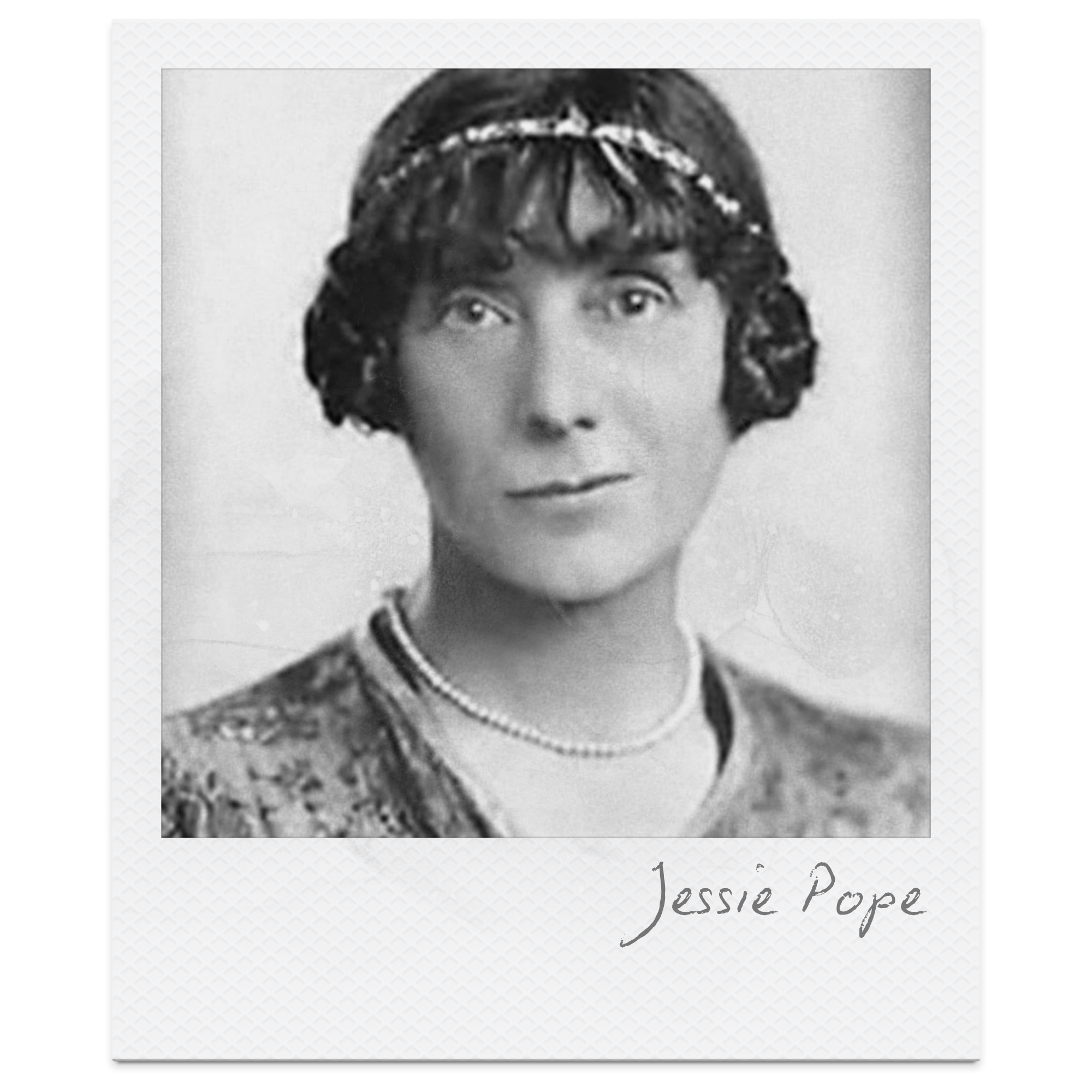
Jessie Pope’s Who’s for the Game? is a First World War recruitment poem that presents enlistment through the extended metaphor of war as a competitive game, challenging young men to prove their courage by joining the fight rather than remaining safely at home. Through a rapid sequence of rhetorical questions, sporting vocabulary, direct address and contrasts between participation and spectatorship, Pope creates an energetic, pressuring voice in which military service becomes associated with courage, patriotism, masculinity, duty and social expectation. Yet the poem’s cheerful language sits uneasily beside its glimpses of physical injury and danger: even the possibility of returning “with a crutch” is presented as preferable to being “out of the fun”. This tension makes the poem particularly valuable within First World War poetry, both as an example of persuasive wartime writing and as a text that can be compared with later or combatant perspectives on the realities concealed by idealised language about service. For wider background on Pope’s writing and wartime position, explore Jessie Pope: Historical, Social & Literary Context Post, then continue through the WWI Poetry Hub and Literature Library.
EXPLORE THIS POEM
Context ◆ Full Poem ◆ At a Glance ◆ Summary ◆ Form & Structure ◆ Speaker & Setting ◆ Stanza Analysis ◆ Key Quotes ◆ Techniques ◆ Symbolism ◆ Meaning & Impact ◆ Themes ◆ Alternative Interpretations ◆ Teaching Ideas ◆ Go Deeper

Context of Who's for the Game?
Jessie Pope wrote Who’s for the Game? during the voluntary recruitment period of the First World War, before conscription was introduced in Britain in 1916. The British Army therefore depended heavily upon persuading men to enlist, and recruitment culture surrounded civilians with appeals to patriotism, courage, masculinity, duty and social belonging. Posters, newspapers, speeches and popular writing encouraged eligible men to view military service not simply as a personal choice but as evidence that they were prepared to do their share for their country. These appeals crossed class boundaries, but Pope's language draws particularly upon accessible forms of popular masculine culture: sport, competition, physical courage, comradeship and the distinction between those who participate and those who merely watch. Her questions — “Who’ll give his country a hand?”, “Who wants a turn to himself in the show?” and “who wants a seat in the stand?” — transform enlistment into a highly public test of character. A man can “grip and tackle” the challenge, “toe the line” and join the collective effort, or he can “sit tight” and “lie low” while other men take part. The poem therefore reflects a wartime atmosphere in which genuine patriotic feeling could operate alongside intense social pressure to enlist, particularly for young men whose courage and masculinity could be questioned if they remained at home.
The poem's publication through the Daily Mail is especially important to understanding how that persuasion works. Pope's wartime verse appeared in the mass press, including the Daily Mail, one of Britain's enormously successful popular newspapers, which appealed particularly to a lower-to-middle-class mass readership while participating in a much broader popular culture of wartime recruitment. Who’s for the Game? consequently belongs not only to literary history but to the world of mass-media wartime persuasion. Its colloquial “lads”, sporting expressions such as “grip and tackle” and “toe the line”, rapid rhetorical questions and simple opposition between the players and those sitting safely in the “stand” make its message immediate and accessible rather than intellectually or poetically remote. Even the possibility of serious injury is absorbed into this persuasive language when Pope suggests that returning “with a crutch” would be preferable to being “out of the fun”. The sporting metaphor therefore turns industrial warfare into something familiar, competitive and socially desirable while reducing the distance between newspaper reader and potential recruit. Understanding this context does not mean assuming that everyone in Britain was uniformly enthusiastic about the war: patriotism existed alongside fear, hesitation and opposition. Instead, Who’s for the Game? shows how popular wartime writing could harness existing ideas about country, class, masculinity, sport and belonging to make enlistment appear the only respectable choice. For the wider background to Pope's wartime writing and reception, explore the Jessie Pope: Historical, Social & Literary Context Guide.
Who's for the Game? Full Poem
Jessie Pope uses the language of sport, competition and participation to present enlistment as a challenge that young men are expected to accept.
Who’s for the game, the biggest that’s played,
The red crashing game of a fight?
Who’ll grip and tackle the job unafraid?
And who thinks he’d rather sit tight?
Who’ll toe the line for the signal to ‘Go!’?
Who’ll give his country a hand?
Who wants a turn to himself in the show?
And who wants a seat in the stand?
Who knows it won’t be a picnic – not much –
Yet eagerly shoulders a gun?
Who would much rather come back with a crutch
Than lie low and be out of the fun?
Come along, lads –
But you’ll come on all right –
For there’s only one course to pursue,
Your country is up to her neck in a fight,
And she’s looking and calling for you.
Who’s for the Game? — Jessie Pope (1915)
Who's for the Game?: At a Glance
Poet: Jessie Pope
Written: During the First World War, c. 1915
Published: 1915; originally published in the Daily Mail
Form: Recruitment poem structured around two eight-line stanzas, dominated by rhetorical questions and sporting imagery
Speaker: A confident, persuasive recruitment voice directly challenging young British men to enlist
Mood: Energetic, competitive and patriotic, with an increasingly pressuring and coercive undertone
Central tension: Voluntary enlistment presented as a free choice versus the social and emotional pressure that makes refusal appear cowardly, selfish or shameful
Core themes: Patriotism, propaganda and persuasion, masculinity, courage and cowardice, duty, social pressure, war as a game, sacrifice and recruitment
Key symbols: The game, the playing field and stands, the gun, the crutch, and Britain personified as a woman in need of help
One-sentence meaning: Who’s for the Game? uses sporting language, direct address and social pressure to transform military enlistment into a test of courage, masculinity and patriotic duty, presenting participation in war as the only honourable response when the country calls.
Quick Summary of Who's for the Game?
Jessie Pope’s Who’s for the Game? presents military enlistment as though it were participation in a competitive sporting match. The speaker repeatedly challenges young men to decide whether they will join “the biggest” game being played or remain safely on the sidelines. Through a rapid series of rhetorical questions, men are divided into those willing to “grip and tackle” the challenge, “toe the line” and “give his country a hand”, and those who would rather “sit tight” or take “a seat in the stand”. War is therefore transformed into a test of courage, patriotism and participation, while refusing to enlist becomes associated with passivity and exclusion.
In the second half, the poem briefly acknowledges that war “won’t be a picnic” and may result in serious injury, represented by the possibility of returning “with a crutch”. However, even this consequence is presented as preferable to staying safely at home and being “out of the fun”. The speaker then abandons the sequence of questions for the direct appeal “Come along, lads”, before insisting that there is “only one course to pursue”. Finally, Britain is personified as a woman who is “up to her neck in a fight” and personally “calling for you”. The poem therefore moves from apparently asking young men whether they will enlist to suggesting that there is only one socially and patriotically acceptable answer: they must join the war.
Title, Form, Structure and Metre in Who's for the Game?
The form of Who’s for the Game? is central to its persuasive power. Pope uses regular rhyme, strong rhythmic movement, repeated questions and a clear structural progression from apparent choice to direct instruction. The poem sounds lively, memorable and easy to follow — qualities that suit both its sporting metaphor and its original existence within popular wartime culture. Crucially, however, the apparent simplicity of the form disguises the pressure of the argument: the reader is repeatedly offered a choice until the poem finally reveals that, according to the speaker, there is really only “one course to pursue.”
Title
The title immediately introduces the poem's controlling metaphor:
“Who’s for the Game?”
Rather than naming war, battle or military service, Pope calls the conflict a “Game”. The noun carries associations of sport, competition, teams, rules, excitement and voluntary participation. Before the poem has even begun, warfare has therefore been translated into something familiar and potentially enjoyable.
The interrogative “Who’s” is equally important. The title does not simply announce a subject; it directly challenges an audience. It resembles the kind of question someone might use when gathering players for a football or rugby match — who is willing to join in?
Yet the question also creates social pressure. To answer “no” is not simply to reject war but, within the metaphor Pope constructs, to refuse to participate while everybody else plays. The title therefore begins the poem's distinction between participants and spectators, courage and passivity, belonging and exclusion.
After reading the poem, “Game” becomes increasingly uncomfortable. The “game” can leave participants returning “with a crutch”, while the country itself is “up to her neck in a fight”. The enormous disparity between the harmless associations of sport and the consequences of warfare makes the title central to understanding the poem's persuasive strategy.
Form and Structure
The poem is often presented as four quatrains, although textual presentation varies, particularly around “Come along, lads – / But you’ll come on all right –”, which can appear as separate lines. Rather than allowing that variation to obscure the structure, the more important point is that Pope builds the poem around four closely patterned groups of thought, supported by alternating rhyme and strong rhythmic regularity.
The poem also divides structurally into two larger movements.
For approximately the first three quarters, the speaker bombards the reader with rhetorical questions:
“Who’s for the game…?”
“Who’ll grip and tackle…?”
“Who’ll give his country a hand?”
“Who would much rather come back with a crutch…?”
This creates the appearance that the reader is being offered a series of choices. Will he play or watch? Act or wait? Help or remain passive? Risk injury or avoid involvement?
However, the alternatives are deliberately unequal. One side is consistently associated with courage, action, patriotism and participation, while the other is associated with sitting, hiding and missing the “fun”. The questions therefore function less as genuine enquiries than as a persuasive mechanism designed to make one response socially acceptable.
The structural turning point arrives with:
“Come along, lads –”
The interrogative structure suddenly gives way to an imperative invitation. The speaker no longer asks what the reader intends to do; she begins telling him what to do.
This change becomes explicit in:
“For there’s only one course to pursue,”
The line retrospectively exposes the earlier questions as false choices. Despite repeatedly asking “Who?”, the speaker has never regarded refusal as a legitimate answer. Structurally, the poem therefore moves from question → pressure → instruction → obligation.
The final two lines intensify that pressure by moving from sporting competition to national emergency:
“Your country is up to her neck in a fight,
And she’s looking and calling for you.”
The poem begins with an apparently voluntary invitation to join a “game” and ends with the reader being personally summoned by his country. The structural movement therefore progressively narrows the reader's freedom to refuse.
Rhyme Scheme and Poetic Pattern
When the poem is arranged into its underlying four-line units, it follows a highly regular alternating rhyme scheme:
ABAB / CDCD / EFEF / GHGH
For example:
played (A)
fight (B)
unafraid (A)
tight (B)
and:
gun (E)
crutch (F)
fun (E)
much (F)
The exact letters are less important than the consistent pattern: every quatrain alternates its rhymes.
This regularity creates a strong sense of control. The argument moves forward without formal hesitation, mirroring the speaker's confidence that enlistment is the obvious course of action.
The rhyme also contributes to the poem's light, catchy and almost song-like quality. Words associated with serious consequences — “fight”, “gun” and “crutch” — are absorbed into a neat and predictable pattern. War therefore becomes formally manageable: even injury fits comfortably into the poem's cheerful movement.
That effect is particularly significant in a persuasive recruitment poem. Regular rhyme makes the language memorable and immediately accessible, helping the poem sound closer to popular verse, a chant or sporting song than to a solemn meditation upon death.
There is consequently an important tension between form and subject. The poem discusses armed conflict and potentially disabling injury, yet its rhymes remain buoyant and controlled. The violence of war never disrupts the pattern.
Metre and Rhythmic Movement
The rhythm of Who’s for the Game? is strongly anapaestic in tendency, frequently moving towards an unstressed-unstressed-stressed pattern, but Pope uses enough substitutions and variations that it is better not to describe every line as mechanically regular anapaestic metre.
More important is the poem's clearly audible alternation between longer and shorter rhythmic lines, often producing approximately four strong beats followed by three. This creates a driving, forward-moving cadence.
For example, the opening can be heard through its prominent stresses:
Who’s for the game, the biggest that’s played,
The red crashing game of a fight?
The exact division into metrical feet can reasonably vary depending upon pronunciation and emphasis, but the strong beats are difficult to miss. Pope prioritises energetic spoken rhythm over perfect metrical uniformity.
This matters because the rhythm evokes several of the activities contained within the poem. Its forward propulsion can resemble running, marching, chanting or the momentum of competitive sport. The reader is carried rapidly from one question to another, leaving little space for hesitation or reflection.
The numerous monosyllabic sporting expressions strengthen that effect:
“grip and tackle”
“toe the line”
“‘Go!’”
These phrases have a physical immediacy. Particularly important is the isolated command “Go!”, which resembles both the starting signal for a sporting event and an instruction to leave for military service. The poem's rhythm consequently participates in the recruitment message: everything seems to push the reader forward into action.
The shorter:
“Come along, lads –”
creates a particularly noticeable rhythmic interruption. After the longer rhetorical questions, the phrase sounds immediate and conversational, almost as though the speaker has stepped out of the poem to address the potential recruits directly.
Overall, the poem's metre is therefore most significant not because it conforms perfectly to one classical pattern, but because it creates speed, confidence and momentum. Combined with regular rhyme, it makes Pope's argument sound deceptively simple: joining the war becomes something almost instinctive — hear the signal, step forward and play. The smoothness of the rhythm leaves remarkably little formal space for the reader to stop and consider what participation in the “game” might actually mean.
Speaker and Setting in Who's for the Game?
The speaker and setting of Who’s for the Game? are carefully constructed around the poem's recruitment purpose. Rather than placing the reader on a realistic battlefield, Pope creates an enthusiastic persuasive voice speaking from the civilian Home Front and transforms warfare into an imagined sporting contest. This distance from actual combat allows the speaker to emphasise participation, courage and patriotic duty, while keeping the physical realities of war largely outside the poem.
Speaker
The speaker of Who’s for the Game? is an unnamed, confident recruitment voice addressing young British men directly. It is important to distinguish this constructed speaker from Jessie Pope herself: within the poem, the voice functions almost like a recruiter, teammate or enthusiastic supporter urging the audience towards enlistment. The repeated “Who’s”, “Who’ll” and “Who wants” create the impression of an open invitation, but the questions quickly become pressuring. Men willing to participate are associated with courage and action — they “grip and tackle”, “toe the line” and “give [their] country a hand” — while those who hesitate “sit tight”, take “a seat in the stand” or “lie low”. The speaker therefore controls the available choices through language, making enlistment appear active, masculine and socially admirable while presenting non-participation as passive and potentially cowardly. This becomes increasingly explicit when questioning gives way to the direct appeal “Come along, lads” and finally to the assertion that there is “only one course to pursue”. The speaker's apparent invitation has become an expectation.
The relationship between speaker and reader is therefore crucial. The repeated second-person “you” makes the poem feel personally directed at whoever encounters it, while the colloquial “lads” creates an impression of familiarity and camaraderie. Rather than sounding like an official military command, the speaker adopts the language of someone encouraging companions to join a team. Yet this friendliness intensifies the social pressure: refusing the invitation risks separating the individual from the group. By the final line — “she’s looking and calling for you” — the appeal becomes intensely personal. The potential recruit is no longer merely one spectator among many; his country appears to have singled him out and requires his response.
Setting
Unlike many poems now associated with the First World War, Who’s for the Game? is not situated on an identifiable battlefield. There are no trenches, shells, corpses, ruined landscapes or geographical locations. Instead, Pope constructs an imagined sporting environment through references to the “game”, “tackle”, “toe the line”, the signal to “Go!”, a “turn” in the “show” and a “seat in the stand”. The effect is to replace the physical landscape of warfare with the familiar world of competitive sport and spectatorship. The potential recruit is encouraged to imagine himself not as a soldier entering industrialised warfare but as a player deciding whether to step onto a field while others watch.
This imagined setting also creates a symbolic division between the field and the stands. The field represents action, participation, courage and belonging, while the “stand” represents safety, spectatorship and exclusion. The poem therefore makes remaining at home seem equivalent to watching other people take part in something exciting. Only near the end does the sporting setting begin to give way to the reality underneath it: there is a “gun”, the possibility of returning “with a crutch”, and finally a country “up to her neck in a fight”. Even then, Pope never transports the reader onto an actual battlefield. Instead, the poem operates most powerfully in the imaginative space between the newspaper and its reader, asking a civilian man to picture himself choosing between participation and spectatorship. The absence of a realistic battlefield is therefore not simply an omission; it is central to the poem's persuasive method, allowing the dangers of war to remain distant while the social consequences of refusing to participate feel immediate.
Stanza-by-Stanza Analysis of Who's for the Game?
Across Who’s for the Game?, Pope gradually transforms what initially sounds like an invitation into an obligation. The opening lines establish the extended metaphor of war as a competitive game before repeatedly dividing young men into opposing categories: players and spectators, the courageous and the hesitant, those willing to act and those who remain safely behind. As the poem develops, glimpses of the genuine consequences of warfare begin to intrude through the “gun” and “crutch”, but these dangers are immediately absorbed into the language of excitement and participation. In the final movement, the rhetorical questions disappear altogether. “Come along, lads” replaces apparent choice with direct encouragement, while the declaration that there is “only one course to pursue” reveals how little choice the speaker has actually allowed. The poem therefore progresses from sporting invitation → social pressure → acknowledgement of danger → direct patriotic appeal, steadily narrowing the distance between the civilian reader and the decision to enlist.
Stanza 1: Players, Spectators and the Pressure to Participate
The opening stanza establishes the poem's central extended metaphor immediately:
“Who’s for the game, the biggest that’s played,
The red crashing game of a fight?”
The opening rhetorical question sounds like an invitation to participate in a sporting event. The colloquial contraction “Who’s” creates an informal, conversational voice, while the superlative “biggest” makes the conflict sound extraordinary and exciting. War is not merely another “game”: it is presented as the greatest possible opportunity for participation, giving enlistment a sense of scale, importance and prestige.
However, the second line begins to reveal what this “game” actually involves. The adjective “red” introduces associations with blood, violence and injury, while “crashing” evokes noise, collision and physical force. These are unusually violent words within the sporting metaphor, briefly allowing the reality of warfare to intrude upon Pope's playful language. Yet rather than abandoning the metaphor, the speaker absorbs that violence into it: even a “red crashing” fight remains a “game”. The potential horrors of combat are therefore acknowledged but reframed as part of its excitement.
The next question develops the sporting vocabulary:
“Who’ll grip and tackle the job unafraid?”
Both “grip” and “tackle” are dynamic verbs associated with physical effort and competitive sport. “Tackle” has particularly obvious sporting associations, while also meaning to confront or deal with a difficult task. Pope therefore makes military service sound like a challenge that a physically capable young man should be eager to confront.
The noun “job” is equally revealing. War is reduced to something practical and manageable — a task that simply needs doing. Combined with “unafraid”, the line links participation directly with courage. The ideal recruit is not merely willing to fight but apparently without fear.
Pope immediately establishes the alternative:
“And who thinks he’d rather sit tight?”
The contrast between “tackle” and “sit” is crucial. One man acts; the other remains stationary. “Sit tight” ordinarily means to remain where one is and wait, but within Pope's persuasive framework it becomes associated with passivity and avoidance.
The rhetorical question also contains an element of mockery. After the speaker has presented war as “the biggest” game and praised the man willing to tackle it “unafraid”, admitting that one would “rather sit tight” becomes socially uncomfortable. The poem never directly calls the reluctant man a coward; instead, it constructs the comparison so that the reader is encouraged to reach that judgement for himself.
The stanza continues its sporting imagery:
“Who’ll toe the line for the signal to ‘Go!’?”
To “toe the line” evokes competitors positioned at a starting line, waiting for the beginning of a race or contest. It can also mean conforming to an expected standard or accepting discipline, giving the phrase a second significance within a recruitment poem. The potential soldier is simultaneously imagined as an athlete ready to begin and a man prepared to fulfil what society expects of him.
The isolated command “Go!” intensifies the sense of action. It resembles a sporting starting signal, but within the wartime context it can also be understood as an instruction to go to war. The exclamation mark gives the word urgency and excitement, while its brevity creates a sharp burst of energy within the line.
Pope then shifts explicitly towards patriotism:
“Who’ll give his country a hand?”
The idiom “give … a hand” makes military service sound like a straightforward act of assistance. The understatement is striking: enlistment may involve leaving home, enduring combat, suffering injury or dying, yet the speaker reduces it to simply helping one's country.
The possessive “his country” personalises the relationship between individual and nation. Britain is not presented as a distant political institution but as something belonging to the potential recruit and therefore deserving his assistance. This anticipates the final lines of the poem, where the country itself will become personified and directly call upon him.
The final pair of questions develops one of the stanza's most important oppositions:
“Who wants a turn to himself in the show?
And who wants a seat in the stand?”
The metaphor shifts slightly from sport towards spectacle and performance. A “turn” traditionally suggests an individual's opportunity to participate or perform, while the “show” makes the war sound like an exciting event in which the young man can play his own part.
The phrase “to himself” is particularly persuasive because it offers the recruit an individual moment of significance. Enlistment becomes an opportunity not merely to serve but to take one's own place within an important national event.
By contrast, a “seat in the stand” belongs to the spectator. The image completes the division that has developed throughout the stanza: some men enter the game while others merely watch it happen.
On the surface, the speaker repeatedly asks the reader which role he prefers. In reality, the language makes the alternatives profoundly unequal. The participant is active, courageous, patriotic and involved; the spectator sits safely outside the action. Pope therefore uses rhetorical questions to create what is effectively a false choice. A young man can technically choose either position, but only one has been presented as socially admirable.
The first stanza consequently establishes the poem's central persuasive strategy. War is transformed into a familiar world of games, tackles, starting lines, shows and spectators, while enlistment becomes a test of whether the reader is willing to participate. Instead of describing what fighting actually involves, Pope asks a much more emotionally pressuring question: when the biggest game imaginable is being played, what kind of man would choose merely to sit in the stands?
Stanza 2: Injury, Social Pressure and the Call to Enlist
The second stanza begins by acknowledging that the experience of war will not be entirely pleasurable:
“Who knows it won’t be a picnic – not much –
Yet eagerly shoulders a gun?”
The idiom “won’t be a picnic” admits that military service will involve hardship, but its casual, colloquial quality dramatically understates the realities of warfare. A “picnic” represents comfort, leisure and enjoyment; saying that war will not be one acknowledges difficulty without naming death, terror, physical suffering or psychological trauma. The parenthetical-sounding “not much”, enclosed by dashes, makes the admission sound almost humorous. The speaker recognises danger only to immediately diminish its seriousness.
The conjunction “Yet” is therefore crucial. Any hesitation created by the acknowledgement of hardship is instantly overridden:
“Yet eagerly shoulders a gun?”
The adverb “eagerly” tells the reader what the desirable emotional response should be. The potential recruit should not simply accept military service reluctantly or dutifully; he should actively want it. Pope therefore transforms willingness to fight into evidence of enthusiasm and courage.
The verb “shoulders” is similarly effective because it makes taking up a weapon sound like a smooth, uncomplicated physical action. The “gun” is one of the poem's clearest intrusions of actual warfare into the sporting metaphor, yet Pope does not describe what that gun will be used to do. The weapon appears primarily as something the enthusiastic recruit picks up, rather than an instrument capable of killing or causing catastrophic injury.
The next question contains the poem's most startling acknowledgement of war's physical consequences:
“Who would much rather come back with a crutch
Than lie low and be out of the fun?”
The “crutch” symbolises serious and potentially permanent physical injury. For the first time, Pope explicitly imagines the possibility that the young man who leaves for war may return physically altered by it. The phrase “come back” is nevertheless optimistic in one important respect: even the injured soldier imagined here survives and returns home. Death remains conspicuously absent from the alternatives the poem offers.
More strikingly, the comparative construction “much rather” establishes a hierarchy in which disability is presented as preferable to remaining safely at home. The poem does not simply ask whether the reader is willing to risk injury; it suggests that returning injured would be more desirable than avoiding the war altogether.
That pressure becomes particularly clear through:
“Than lie low and be out of the fun?”
The phrasal verb “lie low” carries associations of hiding or deliberately avoiding attention. It is far more judgemental than simply saying that a man chooses not to enlist. Once again, Pope controls the reader's response by attaching negative associations to non-participation.
The noun “fun” is perhaps even more unsettling. War has already been called a “game” and a “show”; now it becomes entertainment. The juxtaposition of “crutch” and “fun” exposes the extraordinary gap between the physical consequences Pope briefly acknowledges and the language through which she frames them. Serious injury is absorbed into an atmosphere of excitement, as though the greater misfortune would be missing the experience.
The rhetorical questions then abruptly give way to direct address:
“Come along, lads –”
This is a significant structural turning point. The speaker is no longer asking who will participate. The imperative “Come along” actively encourages the audience to move towards enlistment.
The colloquial noun “lads” creates familiarity and camaraderie. Rather than sounding like an official military authority, the speaker sounds almost like a friend, teammate or supporter calling a group of young men to join in. This makes the recruitment appeal feel socially intimate: the reader is invited to become part of a collective group rather than simply obey an impersonal command.
Pope immediately follows this with reassurance:
“But you’ll come on all right –”
The phrase “all right” is strikingly vague. It offers confidence without explaining what survival or success might actually involve. This reassurance also sits uneasily beside the “crutch” only a few lines earlier. The poem has admitted the possibility of disabling injury and then rapidly returns to the confident suggestion that things will somehow turn out satisfactorily.
The second-person pronoun “you” is important here. Earlier questions frequently refer to an unspecified “who”; now the speaker addresses the reader personally. As the poem approaches its conclusion, the distance between recruitment message and potential recruit narrows.
The apparent freedom contained within the earlier questions then disappears completely:
“For there’s only one course to pursue,”
This line reveals the logic that has governed the poem from the beginning. Although the speaker has repeatedly asked the reader whether he wants to participate, she now explicitly declares that there is “only one” acceptable choice.
The noun “course” can suggest a direction or path, reinforcing the poem's emphasis upon forward movement. The recruit is expected to move towards action rather than remain stationary. More importantly, the phrase transforms voluntary enlistment into something approaching moral inevitability. Technically, the reader can refuse; rhetorically, the poem has removed that option.
The final two lines abandon the sporting metaphor almost entirely:
“Your country is up to her neck in a fight,
And she’s looking and calling for you.”
Britain is personified as female, transformed from an abstract nation into a vulnerable figure requiring assistance. The idiom “up to her neck” suggests being deeply involved in difficulty or danger, but it also produces a physical image of someone almost overwhelmed by what surrounds her.
This personification changes the emotional basis of the appeal. Earlier, the young man was encouraged to enlist because war was exciting and participation demonstrated courage. Now he is encouraged to enlist because his country needs him.
The possessive “Your country” strengthens this relationship by presenting national identity as personal. Britain belongs to the reader, and therefore her danger becomes his responsibility. The female personification can also interact with contemporary expectations of masculinity: the young male reader is implicitly placed in the position of someone capable of responding to, defending or rescuing a woman in danger.
The final phrase intensifies that appeal:
“she’s looking and calling for you.”
The paired verbs “looking and calling” make the country appear actively to seek the individual recruit. Britain does not issue a general appeal to an anonymous population; she seems to search specifically for “you”.
Ending on the second-person pronoun gives the poem's final word extraordinary persuasive importance. The reader becomes the destination of the entire argument. The poem began by asking the general question “Who’s for the game?” but ends by supplying its own answer: you are.
The second stanza therefore completes the poem's movement from invitation to pressure and finally obligation. Pope briefly acknowledges hardship, weaponry and disabling injury, but repeatedly reframes these dangers through humour, excitement and social belonging. By the conclusion, even the pretence of an open choice has disappeared. There is “only one course”, and the country herself is calling. The persuasive force of the stanza lies precisely in this narrowing of possibilities: to enlist is associated with courage, participation, patriotism and belonging, while refusing means hiding, missing the “fun” and ignoring the personal call of a country presented as needing your help.
Key Quotes and Methods in Who's for the Game?
The most important quotations in Who’s for the Game? reveal how Pope turns enlistment into a test of courage, masculinity, patriotism and social belonging. Sporting language makes war appear exciting and familiar, while rhetorical questions repeatedly contrast the active recruit with the passive spectator. As the poem progresses, however, references to guns and physical injury expose the much more serious reality hidden beneath the metaphor of the “game”.
“Who’s for the game”
◆ Technique: Rhetorical question / extended metaphor / direct address
◆ Meaning: War is immediately presented as a competitive sporting “game” in which young men are invited to participate.
◆ Purpose: Pope replaces the unfamiliar dangers of military service with the familiar language of sport, making enlistment appear exciting, communal and accessible.
◆ Impact: The question creates the illusion of voluntary choice while immediately placing social pressure upon the reader: if other men are willing to play, refusing risks appearing cowardly or passive.
“the biggest that’s played”
◆ Technique: Superlative / sporting metaphor
◆ Meaning: War is presented as the greatest and most important contest available to young men.
◆ Purpose: The superlative “biggest” gives enlistment prestige and transforms participation into an extraordinary opportunity.
◆ Impact: Rather than emphasising the unprecedented scale of destruction, Pope uses scale to make war sound more exciting and significant.
“The red crashing game of a fight”
◆ Technique: Colour imagery / auditory imagery / metaphor
◆ Meaning: “Red” suggests blood and violence, while “crashing” evokes the noise, collision and physical force of battle.
◆ Purpose: Pope briefly allows the violence underlying the sporting metaphor to become visible without abandoning the idea that war remains a “game”.
◆ Impact: The phrase creates an important tension between genuine danger and playful presentation. Violence becomes part of the excitement rather than a reason to reject participation.
“grip and tackle the job unafraid”
◆ Technique: Sporting diction / dynamic verbs / characterisation
◆ Meaning: The potential recruit is imagined physically confronting war with confidence and courage.
◆ Purpose: “Grip” and “tackle” associate military service with athletic strength, while “unafraid” establishes fearlessness as the expected masculine response.
◆ Impact: Enlistment becomes a test of character. A man who accepts the challenge can demonstrate courage, while hesitation becomes increasingly difficult to admit.
“rather sit tight”
◆ Technique: Colloquial idiom / contrast
◆ Meaning: The alternative to joining the war is presented as remaining safely and passively at home.
◆ Purpose: Pope contrasts the physical action of “grip and tackle” with the inactivity of “sit”, creating an opposition between participation and passivity.
◆ Impact: The phrase subtly shames the non-combatant without explicitly calling him cowardly. Remaining at home is linguistically reduced to simply sitting while others act.
“toe the line”
◆ Technique: Idiom / sporting imagery / double meaning
◆ Meaning: The phrase evokes competitors waiting at a starting line, but it can also suggest obeying rules or conforming to expectations.
◆ Purpose: Pope combines the excitement of sporting participation with the social expectation that eligible men should fulfil their wartime duty.
◆ Impact: The phrase captures the poem's tension between voluntary participation and social conformity: the recruit appears to choose to play while simultaneously being expected to “toe the line”.
“the signal to ‘Go!’”
◆ Technique: Imperative / direct speech / exclamation
◆ Meaning: The command resembles the starting signal of a race while also suggesting the instruction to leave home and go to war.
◆ Purpose: Pope compresses sporting competition and military departure into the same energetic command.
◆ Impact: The isolated monosyllable “Go!” creates urgency and forward momentum, leaving little imaginative space for hesitation.
“give his country a hand”
◆ Technique: Idiom / understatement / patriotic language
◆ Meaning: Enlisting is presented as simply helping one's country during a difficult moment.
◆ Purpose: The casual idiom makes military service appear ordinary, useful and manageable rather than potentially life-threatening.
◆ Impact: The understatement dramatically reduces the apparent cost of enlistment. Fighting a war becomes equivalent to lending assistance when someone needs help.
“a seat in the stand”
◆ Technique: Sporting metaphor / symbolism / contrast
◆ Meaning: A man who does not enlist becomes a spectator watching others participate.
◆ Purpose: Pope creates a clear division between the players and the audience, turning military participation into a question of whether the reader wants to belong inside or outside the action.
◆ Impact: Safety becomes associated with exclusion. The “stand” may protect the spectator from danger, but within the poem it also separates him from courage, participation and collective purpose.
“it won’t be a picnic – not much –”
◆ Technique: Idiom / understatement / humour
◆ Meaning: The speaker acknowledges that war will involve hardship but does so through deliberately casual language.
◆ Purpose: Pope admits difficulty without describing its actual forms, such as fear, wounds or death.
◆ Impact: The humorous “not much” prevents the acknowledgement from seriously disrupting the poem's energetic tone. The realities of warfare are recognised only to be immediately minimised.
“eagerly shoulders a gun”
◆ Technique: Adverb / military imagery / dynamic verb
◆ Meaning: The ideal recruit enthusiastically takes up a weapon and accepts military service.
◆ Purpose: “Eagerly” establishes enthusiasm rather than reluctant duty as the desired response, while “shoulders” makes taking up the gun seem physically straightforward.
◆ Impact: One of the poem's clearest symbols of lethal warfare is incorporated seamlessly into its language of action and excitement.
“come back with a crutch”
◆ Technique: Symbolism / foreshadowing / physical imagery
◆ Meaning: The “crutch” represents the possibility of serious and permanent injury during combat.
◆ Purpose: Pope acknowledges that participation may carry severe physical consequences while still presenting those consequences as preferable to remaining at home.
◆ Impact: The quotation is particularly striking because injury is acknowledged but death is not. Even the poem's wounded soldier still “comes back”, allowing the recruitment message to recognise danger without confronting its worst possible outcome.
“lie low and be out of the fun”
◆ Technique: Colloquial idiom / juxtaposition / euphemistic language
◆ Meaning: Avoiding enlistment is presented as hiding and missing an enjoyable experience.
◆ Purpose: “Lie low” gives non-participation associations of avoidance or cowardice, while “fun” continues the presentation of warfare as entertainment.
◆ Impact: The juxtaposition with the preceding “crutch” is deeply revealing: serious physical injury is presented as preferable to missing the supposed excitement of war.
“Come along, lads”
◆ Technique: Imperative / direct address / colloquial language
◆ Meaning: The speaker directly invites young men to join the collective war effort.
◆ Purpose: The informal “lads” creates camaraderie and familiarity, making the recruitment appeal sound like encouragement from a companion rather than an official command.
◆ Impact: This marks a structural shift from rhetorical questioning to direct persuasion. The speaker is no longer merely asking who wants to participate — she is calling the audience forward.
“there’s only one course to pursue”
◆ Technique: Declarative statement / absolute language
◆ Meaning: The speaker insists that enlistment is the only legitimate response available to the young man.
◆ Purpose: The adjective “one” removes the appearance of choice created by the earlier rhetorical questions.
◆ Impact: The line exposes the coercive logic beneath the poem's apparent invitation. The reader has repeatedly been asked to choose, but the speaker now reveals that only one answer will be accepted.
“Your country is up to her neck in a fight”
◆ Technique: Personification / idiom / patriotic appeal
◆ Meaning: Britain becomes a female figure deeply involved in danger and needing assistance.
◆ Purpose: Personification transforms an abstract nation into something emotionally immediate and potentially vulnerable.
◆ Impact: The potential recruit is encouraged to view enlistment as a personal responsibility towards “his” country, while the female personification may also activate contemporary expectations surrounding masculine protection and duty.
“she’s looking and calling for you”
◆ Technique: Personification / direct address / second-person pronoun
◆ Meaning: Britain appears personally to seek and summon the individual reader.
◆ Purpose: Pope narrows a national recruitment campaign into an apparently individual appeal: the country does not merely need soldiers; she needs “you”.
◆ Impact: Ending on the second-person pronoun makes the reader the final target of the poem's argument. The opening asks “Who’s for the game?”, but the conclusion effectively supplies the answer: the person being called is you.
Poetic Techniques and Literary Devices in Who's for the Game?
Pope uses extended metaphor, rhetorical questions, direct address, repetition, colloquial language, personification and carefully controlled contrasts to make enlistment appear exciting, courageous and socially desirable. The poem's persuasive power comes partly from how these techniques work together: war becomes a sporting contest, the reader becomes a potential player, and refusing to participate becomes increasingly associated with passivity and exclusion. Even when Pope acknowledges guns, injury and hardship, her energetic tone and informal language prevent these realities from seriously disrupting the recruitment message.
Tone
The dominant tone of Who’s for the Game? is energetic, challenging and enthusiastically persuasive. From the opening “Who’s for the game?”, the speaker sounds less like someone contemplating the seriousness of warfare and more like somebody encouraging players to join an exciting competition.
This tone is created through short questions, active verbs and sporting expressions such as:
“grip and tackle”
and:
“toe the line”
The poem consequently creates a sense of movement and momentum. The reader is repeatedly encouraged to act rather than stop and consider the potential consequences of enlistment.
There is also a teasing and pressuring quality to the tone. Men who do not participate “sit tight”, occupy “a seat in the stand” or “lie low”. The speaker never explicitly calls them cowards, but the contrast between energetic participation and passive avoidance makes the judgement clear.
Even serious danger is treated with a remarkably casual and upbeat tone. War “won’t be a picnic – not much –”, while returning “with a crutch” is presented as preferable to missing the “fun”. The lightness of this language prevents injury from becoming emotionally disruptive.
By the final lines, however, the tone becomes more urgent and patriotic. “Come along, lads” directly summons the audience, while the personified country is “looking and calling for you”. The poem therefore moves from playful challenge towards moral obligation without abandoning its confidence.
Extended Metaphor
The central technique in the poem is the extended metaphor of war as a competitive game.
It begins immediately:
“Who’s for the game, the biggest that’s played”
and continues through expressions including:
“grip and tackle”
“toe the line”
“a seat in the stand”
Military service is therefore translated into the familiar language of organised sport. Soldiers become players, enlistment becomes participation and those remaining at home become spectators.
This metaphor makes war appear structured, exciting and comprehensible. A sporting game has rules, teams and a recognisable objective; warfare is considerably more chaotic and destructive. By describing one through the language of the other, Pope reduces the psychological distance between civilian life and combat.
The metaphor also transforms refusal. Someone who does not enlist is not simply a civilian choosing not to fight: he becomes the person sitting in the stands while everybody else participates.
Rhetorical Questions
Rhetorical questions dominate the first part of the poem:
“Who’ll grip and tackle the job unafraid?”
“Who’ll give his country a hand?”
“And who wants a seat in the stand?”
The repetition creates the impression that the reader is repeatedly being asked to make a decision. However, these are loaded rather than genuinely open questions.
Each question attaches desirable qualities to enlistment and undesirable qualities to remaining at home. One man is “unafraid”; another would “sit tight”. One participates in the “show”; another merely watches from the “stand”.
The technique therefore creates a false choice. Grammatically, the reader is free to answer either way. Rhetorically, Pope makes one answer increasingly difficult to choose without appearing cowardly, selfish or passive.
The questions can even acquire an interrogative quality through their accumulation. The reader is challenged again and again until the poem eventually declares that there is “only one course to pursue”.
Anaphora and Repetition
Pope repeatedly begins questions with “Who”, “Who’ll” and “Who wants”:
“Who’ll grip and tackle…”
“Who’ll toe the line…”
“Who’ll give his country a hand?”
“Who wants a turn…”
This anaphora gives the poem a chant-like momentum while continually returning attention to the identity of the potential recruit.
The repeated “Who?” also turns enlistment into a question of personal character. The issue is not simply what should Britain do? but what kind of person are you?
By the ending, this repeated uncertainty is resolved through:
“she’s looking and calling for you.”
The poem effectively moves from “Who?” to “you”. The anonymous potential recruit becomes the individual reader.
Direct Address
Pope progressively reduces the distance between speaker and audience through direct address.
Early in the poem, the speaker repeatedly refers to an unspecified “who”. Later she addresses:
“lads”
before finally arriving at:
“you”
This progression makes the recruitment appeal increasingly personal. The reader begins as one possible participant among many but ends as the person Britain herself appears to be calling.
The second-person pronoun is particularly powerful as the poem's final word. It prevents the reader from treating the issue as somebody else's responsibility: the call has reached him personally.
Colloquial Language and Idiom
Much of the poem's language is deliberately informal and conversational:
“sit tight”
“give his country a hand”
“won’t be a picnic”
“lie low”
“Come along, lads”
These expressions make the speaker sound familiar rather than authoritative. The recruitment appeal resembles everyday conversation between companions rather than official military propaganda.
The colloquial noun “lads” is especially important. It creates a sense of camaraderie and collective masculine identity, making enlistment sound like something a group of friends might undertake together.
The simplicity of the language also suits the poem's original popular audience. Pope does not construct an elaborate philosophical argument for military service; she makes the decision sound ordinary, obvious and socially familiar.
Sporting Semantic Field
Closely connected to the extended metaphor is Pope's sustained semantic field of sport and competition:
“game”
“tackle”
“toe the line”
“‘Go!’”
“seat in the stand”
These words belong to a recognisable world of players, spectators, physical courage and competition.
The semantic field makes military service appear to offer many of the qualities associated with sport: excitement, camaraderie, challenge and an opportunity to prove oneself.
It also creates a particularly powerful binary. There are essentially only two positions available within this imagined world: on the field or in the stands. This simplifies a complex decision about military service into a much easier social question — do you participate, or merely watch?
Imperatives
The clearest imperative arrives when the speaker declares:
“Come along, lads –”
This marks an important shift in the poem's persuasive strategy. The earlier rhetorical questions at least create the appearance of choice; the imperative directly encourages action.
The command is softened by “lads”, which makes it sound friendly and inclusive rather than authoritarian. Yet its position near the conclusion reveals that the poem is becoming increasingly directive.
The earlier:
“‘Go!’”
also carries imperative force. Within the sporting metaphor it resembles a starting signal, but within the recruitment context it simultaneously sounds like an instruction to go and enlist.
Juxtaposition and Contrast
Pope repeatedly constructs contrasts between action and passivity:
“grip and tackle” / “sit tight”
“turn to himself in the show” / “seat in the stand”
“come back with a crutch” / “lie low”
These oppositions structure the poem's argument. The potential recruit is associated with movement, courage and participation, while the man who remains at home is associated with sitting, hiding and watching.
Perhaps the most disturbing juxtaposition is:
“come back with a crutch
Than lie low and be out of the fun”
The physical reality of disability sits beside the trivialising noun “fun”. The contrast exposes how aggressively the poem reframes danger: even serious injury becomes preferable to social exclusion.
Euphemism and Understatement
Pope repeatedly softens the realities of warfare through understatement and euphemistic language.
The clearest example is:
“it won’t be a picnic – not much –”
Rather than describing trenches, shellfire, wounds or death, the speaker simply admits that the experience will not be easy or pleasurable.
Similarly:
“give his country a hand”
reduces enlistment and combat to the familiar act of helping somebody.
Even “fight” is less specific than the realities of modern warfare that the recruit could encounter. These expressions make the decision to enlist seem manageable by controlling how much danger enters the reader's imagination.
Personification
In the final lines, Britain is personified as female:
“Your country is up to her neck in a fight,
And she’s looking and calling for you.”
The country becomes a living figure who is endangered, searching and asking for assistance. This transforms patriotic duty into something emotionally personal.
The female pronoun “her” may also interact with contemporary ideas of masculinity and protection. The male recruit is implicitly placed in the position of someone able to respond when a female figure needs help.
Most importantly, personification allows the speaker to make the national call to arms appear intimate. It is no longer an army or government demanding soldiers: the country herself needs the reader.
Alliteration and Sound
Pope uses alliteration selectively rather than building the poem around it. Examples include:
“seat in the stand”
and:
“lie low”
The repeated initial sounds give these phrases additional cohesion and memorability. Significantly, both describe non-participation, helping the language associated with remaining at home stand out within the poem.
The final movement also contains a noticeable recurrence of the hard /k/ sound across:
“Come”
“course”
“country”
“calling”
These words contain some of the poem's most important persuasive ideas: come forward, follow the course, respond to your country and answer its call. The repeated consonant sound helps give the conclusion firmness and emphasis.
However, these sound patterns are best treated as reinforcing devices rather than evidence that a particular sound automatically represents cowardice or courage.
Caesura and Dashes
Pope uses dashes to interrupt the otherwise rapid movement of the poem:
“it won’t be a picnic – not much –”
and:
“Come along, lads –
But you’ll come on all right –”
In the first example, the interruption creates an almost conversational aside. “Not much” sounds like an afterthought or joking qualification, helping the speaker acknowledge hardship without dwelling upon it.
Later, the pauses around “Come along, lads” and “you’ll come on all right” create the impression of a speaker addressing recruits directly and spontaneously.
The caesura therefore contributes to the poem's spoken, conversational quality, making persuasion sound natural rather than carefully constructed.
Exclamation and Punctuation
The exclamation in:
“‘Go!’”
injects sudden urgency into the poem. The word is short, forceful and visually isolated within quotation marks, resembling the command that begins a race.
Question marks dominate much of the poem, reinforcing the repeated challenge to the reader. As the poem approaches its conclusion, however, the interrogative structure disappears and is replaced by declarative certainty.
This punctuation pattern mirrors the poem's persuasive movement: it begins by apparently asking the reader and ends by effectively telling him.
Imagery
Although Pope avoids sustained realistic battlefield imagery, several vivid images briefly expose the violence beneath the sporting metaphor.
The phrase:
“red crashing game”
combines visual and auditory imagery. “Red” can evoke blood, while “crashing” suggests violent noise and collision.
The “gun” introduces a concrete weapon, while the “crutch” provides the poem's clearest image of physical consequence.
Yet these images remain isolated. Pope never develops them into sustained descriptions of suffering. Instead, each is quickly absorbed back into the poem's energetic argument. The selective imagery therefore allows the speaker to acknowledge danger without allowing danger to dominate the reader's imagination.
Masculine and Competitive Language
Throughout the poem, courage is implicitly connected with a particular model of masculine behaviour. The ideal young man is active, fearless, physically capable and willing to participate.
Words such as:
“unafraid”
and the contrast with men who “sit tight” or “lie low” create a social test in which willingness to fight becomes evidence of courage.
Pope never needs to say explicitly that refusing to enlist is unmanly. Instead, the sporting metaphor and repeated contrasts allow contemporary expectations surrounding masculinity to exert the pressure indirectly.
Propagandistic Persuasion
Many of the poem's techniques ultimately combine into a broader strategy of persuasive recruitment rhetoric. Pope simplifies the choice, creates an attractive metaphor, establishes a collective identity, minimises danger, appeals to patriotism and directly addresses the individual reader.
The sequence is particularly effective:
Who will play? → Are you brave enough? → Will you help your country? → Would you really choose to sit and watch? → Even injury is better than missing out → Come along → There is only one choice → Your country is calling you.
The poem's persuasive power therefore does not depend upon any single device. Its techniques work cumulatively to make enlistment appear exciting, courageous, socially expected and ultimately unavoidable. The most revealing feature of Who’s for the Game? is that a poem apparently built around the question of whether a man wants to participate eventually admits that, from the speaker's perspective, there was never supposed to be more than one acceptable answer.
Symbolism in Who's for the Game?
Although Who’s for the Game? uses simple, accessible language, several of its central images carry a much wider symbolic significance. The game, the playing field and stands, the gun, the crutch and the personified figure of Britain all contribute to Pope's persuasive presentation of enlistment. Together, these symbols divide the world into participants and spectators while repeatedly transforming the dangers of warfare into familiar images of sport, duty, courage and national belonging.
The Game
The poem's most important symbol is established in its opening words:
“Who’s for the game”
The “game” symbolises the First World War itself, but the associations carried by the word fundamentally reshape how that war is imagined. Games suggest rules, competition, teamwork, excitement and the possibility of winning. They are also normally entered voluntarily and associated with recreation rather than death.
By turning war into “the biggest” game ever played, Pope presents enlistment as an extraordinary opportunity to participate. The potential recruit becomes a player rather than simply a soldier, and military service becomes something active and exciting.
Yet the symbolism becomes increasingly uncomfortable as genuine consequences enter the poem. This particular “game” involves a “gun” and may leave its participants dependent upon a “crutch”. The enormous gap between the harmless associations of a game and the realities briefly acknowledged within the poem reveals how powerfully the metaphor softens and repackages warfare.
The Playing Field and the Stand
Although Pope never explicitly describes a complete playing field, the sporting vocabulary constructs an imagined division between those taking part in the game and those watching from outside it.
This becomes clearest through:
“who wants a seat in the stand?”
The “stand” symbolises non-participation. A spectator remains physically safe while other people enter the contest, but Pope makes that safety appear undesirable. The man in the stand does not experience the excitement, courage or collective identity associated with the players.
The symbolic contrast is therefore not simply between danger and safety. Pope transforms it into a contrast between participation and exclusion.
This is central to the poem's social pressure. Remaining at home might objectively protect a young man from the dangers of combat, but within the symbolic world Pope creates, it also means accepting the identity of a spectator while other men become players.
The Starting Line
The sporting image continues through:
“Who’ll toe the line for the signal to ‘Go!’?”
The line symbolises the boundary between waiting and participation. Before the signal, the potential recruit remains in position; after “Go!”, he enters the action.
Within the wartime context, crossing that symbolic starting line can represent the decision to enlist and leave civilian life behind.
However, “toe the line” also carries another meaning: to conform to rules or expectations. The symbolism therefore captures one of the poem's central contradictions. The young man appears to be a voluntary player choosing to enter the game, yet he is also being encouraged to conform to a social expectation about what patriotic and courageous men should do.
The starting line consequently becomes the boundary between apparent personal choice and collective obligation.
The Gun
The:
“gun”
is one of the few objects in the poem that belongs unmistakably to actual warfare rather than the sporting metaphor.
It symbolises the reality concealed beneath the language of games and competition. However exciting the speaker makes participation sound, the recruit is ultimately being asked to take up a weapon.
Significantly, Pope writes that the young man:
“eagerly shoulders a gun”
The weapon is not presented through images of shooting, killing or being fired upon. Instead, it becomes something the enthusiastic recruit simply places upon his shoulder.
The gun therefore has a double symbolic function. It briefly exposes the lethal reality behind the “game”, while the casual treatment of it demonstrates how quickly that reality is absorbed into the poem's recruitment message.
The Crutch
The crutch is perhaps the poem's most disturbing symbol:
“come back with a crutch”
It represents serious physical injury and permanent disability caused by war. Unlike the sporting language surrounding it, the crutch points directly towards the lasting consequences that combat can have upon the body.
Yet Pope places the image within an extraordinary comparison. Returning with a crutch is presented as preferable to:
“lie low and be out of the fun”
The symbolism therefore demonstrates the intensity of the poem's social pressure. Physical injury becomes more acceptable than the shame associated with refusing to participate.
There is also a significant absence behind the crutch. The injured soldier still “come[s] back”. Pope imagines disability but does not introduce an equivalent symbol of death. The crutch allows the poem to acknowledge sacrifice while still preserving the possibility of homecoming.
For a modern reader, this can make the crutch especially unsettling: it simultaneously represents the reality of wartime suffering and the poem's determination to contain that suffering within an optimistic recruitment narrative.
The Show and the Spectator
Pope briefly shifts from sporting imagery towards theatrical imagery when she asks:
“Who wants a turn to himself in the show?”
The “show” symbolises war as spectacle — something dramatic, important and worthy of participation.
Having a “turn” gives the potential recruit the possibility of playing his own role within this enormous national event. War therefore becomes an opportunity for individual significance as well as collective participation.
The image also strengthens the contrast with the man sitting in the “stand”. One man performs; another watches. Once again, Pope reduces the complex decision of whether to enlist into a symbolic choice between being part of history and observing it from outside.
The Crutch and the Stand
The contrast between the “crutch” and the “stand” creates one of the poem's most revealing symbolic oppositions.
The crutch represents the physical cost of participation; the stand represents the physical safety of remaining outside the conflict. Logically, safety might appear preferable.
Pope reverses that hierarchy.
Within the poem's value system, the crutch can become almost a badge of participation: it demonstrates that the man entered the game and accepted its risks. The spectator's seat, meanwhile, becomes a symbol of exclusion and inactivity.
The poem therefore transforms the question from “Would you rather be injured or safe?” into something closer to “Would you rather have participated or hidden?” That symbolic reframing is central to its persuasive power.
Britain as a Woman
In the final lines, the country itself becomes symbolic through personification:
“Your country is up to her neck in a fight,
And she’s looking and calling for you.”
Britain becomes a female figure in danger, replacing the abstract idea of the nation with something more human and emotionally immediate.
The phrase “up to her neck” suggests that she is deeply involved in difficulty and potentially overwhelmed by it. The potential recruit is therefore no longer simply being invited to enjoy the excitement of the “game”; he is being asked to respond to someone who needs assistance.
The gendering of the country as “her” can also carry significance within the poem's construction of masculinity. A young male reader living within conventional ideas of masculine duty could be encouraged to see himself as someone expected to protect and defend a vulnerable female figure.
The personification therefore combines patriotism with gender expectations, making national service feel like a personal moral responsibility.
The Call
The poem ends with Britain:
“looking and calling for you.”
The call symbolises the demand for enlistment, but Pope presents it as something far more personal than an official recruitment campaign.
The country appears actively to search for the individual man. He is not merely one potential soldier among millions; Britain seems to be calling specifically for him.
This symbol completes the transformation begun by the title. At first, enlistment appears to be an optional game — “Who’s for” it? By the ending, participation has become a personal summons.
The movement from game to call therefore reflects the poem's wider persuasive structure: what begins as an exciting invitation gradually becomes an obligation that the individual reader is expected to answer.
Taken together, the symbols in Who’s for the Game? create a carefully controlled version of wartime choice. The game represents participation, the stand represents exclusion, the starting line represents commitment, the gun represents military action, the crutch represents sacrifice, and the personified country represents patriotic obligation. Their cumulative effect is to make remaining outside the conflict increasingly difficult to imagine as an honourable option. Pope's symbolism therefore supports the poem's central persuasive movement: war begins as a game the reader might choose to join, but ends as a national call he is expected to answer.
Meaning and Impact of Who's for the Game?
At its centre, Who’s for the Game? is a poem about persuasion, participation and the social pressures surrounding military enlistment. Pope presents the First World War through the familiar language of sport, repeatedly encouraging young men to see fighting as an opportunity to demonstrate courage, patriotism and masculine identity. Yet the poem's meaning becomes more complicated when its cheerful language is placed beside the dangers it briefly acknowledges. Guns, serious injury and national crisis are all present, but they are repeatedly absorbed into an energetic argument in which joining the war remains the only socially acceptable choice.
War Is Transformed into a Game
The poem's central idea is established immediately:
“Who’s for the game”
By describing warfare as a “game”, Pope transforms something frightening and unfamiliar into an activity governed by familiar ideas of teams, competition, courage and participation. The metaphor gives the potential recruit an understandable role: he does not have to imagine himself entering industrial warfare; he can imagine himself joining a team and stepping onto a playing field.
This has a powerful persuasive effect because sport carries positive associations that war does not necessarily possess. Games can be exciting, enjoyable and socially rewarding. Participation offers belonging, while spectatorship means watching others experience the action.
The metaphor consequently changes the question being asked. Instead of asking “Are you prepared to kill, suffer or die in war?”, the poem effectively asks “Are you willing to join in while other men participate?”
That reframing is fundamental to the poem's meaning.
Enlistment Becomes a Test of Courage
Throughout the poem, Pope associates participation with physical courage and decisive action.
The ideal recruit will:
“grip and tackle the job unafraid”
while the alternative is someone who would:
“rather sit tight”
The contrast creates a moral distinction between the two men. One acts; the other sits. One confronts the challenge “unafraid”; the other remains safely outside it.
Importantly, Pope rarely needs to describe the non-participant explicitly as cowardly. The poem encourages the reader to make that judgement through contrast.
This makes the recruitment pressure particularly effective. Refusing military service becomes more than a practical decision about danger or personal circumstances; it risks becoming evidence about what kind of man the reader is.
Masculinity Becomes Part of the Recruitment Appeal
The poem's understanding of courage is closely connected to contemporary expectations of masculinity.
Sporting ability, physical courage, willingness to take risks and participation within a male group all contribute to the image of the desirable recruit. The informal address:
“Come along, lads”
strengthens this collective masculine identity.
The word “lads” suggests camaraderie. The speaker appears to address a group of young men who should naturally want to participate together. This can make refusal socially difficult because declining the invitation means separating oneself from the group.
The poem therefore uses more than patriotism to encourage enlistment. It also draws upon the potential recruit's desire to be recognised as courageous, active and properly masculine.
The Poem Creates the Illusion of Choice
For much of Who’s for the Game?, Pope appears to ask the reader what he wants:
“Who’ll…?”
“Who wants…?”
“And who wants…?”
The repeated rhetorical questions create the grammatical appearance of choice. There seem to be two possibilities: participate or remain outside the conflict.
However, the poem carefully controls how those alternatives are presented. Joining means courage, excitement, helping one's country and having a role in the “show”. Remaining at home means sitting, hiding and being “out of the fun”.
Eventually, Pope makes the imbalance explicit:
“there’s only one course to pursue”
This line is crucial to the overall meaning. The poem has spent much of its length asking questions before finally declaring that only one answer is legitimate.
The movement exposes the coercive element beneath the friendly invitation. Enlistment may technically be voluntary within the historical moment of the poem, but the speaker uses social and emotional pressure to make refusal appear unacceptable.
The Dangers of War Are Acknowledged but Minimized
Pope does not completely pretend that military service is harmless. The speaker admits:
“it won’t be a picnic”
and introduces both a:
“gun”
and:
“crutch”
These details matter because the poem clearly possesses some awareness that participation carries serious consequences.
However, each danger is immediately controlled by the surrounding language. “Won’t be a picnic” is an enormous understatement for warfare, while the gun is something the recruit “eagerly shoulders”.
Most strikingly, Pope imagines a man who would:
“much rather come back with a crutch”
than remain outside the “fun”.
The poem therefore acknowledges injury while simultaneously reframing it as evidence of preferable participation. The reader is encouraged to fear exclusion more than physical harm.
There is also a revealing limit to this acknowledgement. The soldier with the crutch still “come[s] back”. Serious injury enters the poem, but death remains absent from the choice Pope constructs.
Participation Is More Important Than Safety
One of the poem's most powerful underlying ideas is that taking part is more valuable than protecting oneself.
This is established through the opposition between the participant and the spectator. The man who joins receives a “turn” in the “show”; the other occupies:
“a seat in the stand”
Within ordinary sport, there is nothing shameful about being a spectator. Pope's rhetoric, however, makes the position appear inadequate because the spectator watches while other men prove themselves.
The same hierarchy becomes even more extreme when the poem contrasts the “crutch” with being “out of the fun”.
The poem consequently reverses an intuitive calculation of risk. Physical safety becomes potentially shameful, while physical danger becomes evidence of participation and courage.
That reversal demonstrates how strongly the poem relies upon social identity rather than rational consideration of personal risk.
Patriotism Turns Participation into Duty
The poem gradually shifts from the excitement of sport towards the more serious language of national obligation.
Early in the poem, the recruit can:
“give his country a hand”
The expression makes military service sound like a simple act of assistance. By the conclusion, however, the country's need has become urgent:
“Your country is up to her neck in a fight”
Britain is no longer merely the beneficiary of the recruit's help. She becomes a personified female figure in danger.
This transforms enlistment from an opportunity into a moral responsibility. If the country needs assistance and the individual has the ability to provide it, refusing becomes harder to justify within the poem's value system.
The possessive “Your” intensifies that obligation. This is not an abstract conflict belonging to politicians or generals; the speaker insists that it concerns the reader's own country.
The Individual Reader Becomes Personally Responsible
The poem's final movement narrows from a broad appeal to an intensely personal one:
“she’s looking and calling for you.”
The final pronoun “you” matters because the poem began with the indefinite:
“Who’s”
At first, the speaker appears to be looking for volunteers among a large group. By the ending, that uncertainty has disappeared. The country herself appears to have identified the individual reader.
The movement from “Who?” to “you” encapsulates the poem's persuasive structure. The reader begins by watching the recruitment appeal and ends by becoming its target.
This directness would have been especially significant within the poem's original mass-media context. The individual encountering the poem could be made to feel that the question of enlistment was not about some anonymous group of young men elsewhere: it demanded his own answer.
The Poem Demonstrates How Propaganda Can Work Through Familiarity
One of the lasting impacts of Who’s for the Game? lies in its usefulness for understanding persuasive wartime writing.
Pope does not construct her argument through complicated political claims. Instead, she draws upon ideas already familiar to her audience: sport, courage, teamwork, friendship, helping others and loyalty to country.
War is attached to these positive concepts until enlistment begins to appear like their natural expression.
At the same time, alternatives are associated with less attractive ideas: sitting, hiding, watching and missing out.
The poem therefore demonstrates that propaganda does not necessarily operate by simply providing false information. It can work by controlling the emotional framework through which a decision is understood.
The reader is technically presented with two options, but the language ensures that those options never carry equal emotional weight.
The Overall Meaning of Who's for the Game?
Who’s for the Game? presents military enlistment as an exciting test of courage, patriotism and masculine participation, using the extended metaphor of competitive sport to make warfare appear familiar and socially desirable. Through rhetorical questions, colloquial language and direct address, Pope repeatedly divides young men into those willing to enter the “game” and those who remain passive spectators.
Yet the poem's most revealing feature is the way this apparent invitation gradually becomes an obligation. The speaker begins by asking “Who’s for the game?”, but later insists that there is “only one course to pursue” before ending with the declaration that the country is personally “calling for you”.
The poem therefore moves from choice to pressure, and from pressure to duty.
Its impact is intensified by the contrast between the seriousness of what it asks and the lightness of the language through which it asks it. A “gun” becomes something eagerly shouldered; disability becomes a “crutch”; warfare becomes “fun”; and the potential recruit becomes a player deciding whether to join the biggest game of all. For a modern reader familiar with the enormous human cost of the First World War, that disparity can be deeply uncomfortable. Yet it is precisely this tension that makes the poem historically and analytically valuable: Who’s for the Game? demonstrates how the language of sport, masculinity, patriotism and belonging could be used to make an extraordinarily dangerous decision appear not only attractive, but almost impossible to honourably refuse.
Themes in Who's for the Game?
The major themes of Who’s for the Game? all contribute to Pope's presentation of military enlistment as both an exciting opportunity and a patriotic obligation. Sport, masculinity, courage and national duty are repeatedly connected, while the alternatives — hesitation, spectatorship and remaining at home — are presented far less attractively. As a result, the poem provides a revealing example of how wartime recruitment writing could use familiar cultural values and social expectations to influence individual behaviour.
Patriotism
Patriotism becomes increasingly important as Who’s for the Game? develops. Although the poem begins with the apparently light-hearted metaphor of war as sport, Pope gradually reframes participation as something the individual owes to his country.
The first explicit patriotic appeal asks:
“Who’ll give his country a hand?”
The colloquial expression “give … a hand” makes military service sound like a simple act of assistance. Rather than focusing on government policy, military objectives or international politics, Pope reduces patriotism to an easily understood principle: your country needs help, so you should help it.
This becomes considerably more emotional in the final lines:
“Your country is up to her neck in a fight,
And she’s looking and calling for you.”
The possessive “Your” establishes a personal relationship between reader and nation, while personification transforms Britain into a female figure actively seeking assistance.
Patriotism therefore develops from general national loyalty into personal responsibility. By the final word, “you”, the reader is encouraged to feel individually answerable to the country that needs him.
Propaganda and Persuasion
The poem can be studied as an example of persuasive wartime recruitment writing because Pope carefully controls how the reader is encouraged to understand enlistment.
War is described through attractive or familiar concepts:
“game”
“show”
“fun”
while enlistment is associated with being:
“unafraid”
and helping one's country.
By contrast, non-participation means to:
“sit tight”
occupy:
“a seat in the stand”
or:
“lie low”
The alternatives are therefore never presented neutrally. The poem repeatedly associates enlistment with positive qualities and refusal with negative ones.
Pope also minimises danger through phrases such as:
“it won’t be a picnic – not much –”
Even when serious injury appears through the “crutch”, it is presented as preferable to being excluded from the “fun”.
The poem consequently demonstrates how persuasion can work through emotional framing rather than detailed argument. The speaker does not explain why Britain entered the war or debate whether enlistment is justified. Instead, she makes participation feel courageous and socially desirable while making refusal emotionally uncomfortable.
Masculinity
The poem repeatedly draws upon contemporary expectations surrounding masculine identity.
The ideal recruit is physically active and fearless:
“grip and tackle the job unafraid”
The sporting verbs “grip” and “tackle” associate the potential soldier with strength and physical competition, while “unafraid” establishes courage as an expected characteristic.
The colloquial:
“Come along, lads”
also creates a collective masculine identity. The reader is invited to become one of the “lads” participating together rather than remain isolated outside the group.
Pope never explicitly states that a man who refuses to enlist is unmanly, but the poem repeatedly encourages that implication. The contrast between the active player and passive spectator turns military participation into a way of demonstrating masculinity publicly.
The final personification of Britain as female may intensify this theme further. The young male recruit is implicitly positioned as someone capable of responding when “she” is in danger, connecting national defence with conventional expectations of masculine protection.
Courage and Cowardice
Closely connected to masculinity is the poem's repeated contrast between courage and implied cowardice.
The recruit is explicitly:
“unafraid”
while the man who does not participate would:
“rather sit tight”
or:
“lie low”
These phrases are carefully chosen. “Sit tight” suggests inactivity, while “lie low” can imply hiding or deliberately avoiding attention. Neither expression directly calls the non-combatant a coward, but both encourage the reader to associate refusal with avoidance and fear.
The sporting metaphor strengthens this contrast. Courage means stepping onto the field; cowardice is implicitly associated with remaining safely in the stand.
The poem therefore places enormous psychological pressure upon the reader. The question is no longer simply whether he wants to fight. It becomes whether he is willing to risk being perceived — by others or by himself — as the kind of man who remained seated while others acted.
Duty
The poem gradually transforms enlistment from an opportunity into a duty.
Initially, participation appears voluntary:
“Who’s for the game”
The speaker seems simply to be asking who wants to take part.
However, the language becomes increasingly directive until Pope declares:
“there’s only one course to pursue”
The absolute “only one” removes the possibility that refusing military service could be an equally legitimate choice.
Duty is then reinforced through the personified country:
“she’s looking and calling for you.”
The reader is no longer simply invited to participate because war might be exciting. He is told that his country requires his response.
The poem therefore demonstrates how a voluntary action can be framed as a moral obligation. Legally, the target reader may still possess a choice; within the poem's moral framework, however, that choice has effectively disappeared.
Social Pressure
Social pressure operates throughout Who’s for the Game?, particularly through Pope's distinction between participants and spectators.
The question:
“who wants a seat in the stand?”
is especially significant. The spectator is physically safe, but he is also outside the collective experience. Other men play while he watches.
Similarly, someone who avoids participation will:
“be out of the fun”
The phrase exploits the fear of exclusion and missing out. The reader is encouraged to imagine war not primarily as a danger to escape but as an important shared experience from which he could be absent.
The repeated rhetorical questions intensify this pressure because they make the reader repeatedly confront the same underlying choice. Would he really admit that he wants to sit? Watch? Hide? Miss what everybody else is doing?
Social pressure therefore allows Pope to make enlistment feel voluntary in form but compulsory in expectation.
War as a Game
The theme of war as a game dominates the poem from its title onwards.
Pope describes the conflict as:
“the biggest that’s played”
before introducing sporting language such as:
“grip and tackle”
“toe the line”
“the signal to ‘Go!’”
and:
“a seat in the stand”
This extended comparison makes warfare appear competitive, organised and exciting. It also gives young men familiar roles: they can either become players or remain spectators.
However, the metaphor becomes increasingly uneasy as genuine consequences intrude. The “game” involves a “gun”, and one of its players may return “with a crutch”.
This creates a significant tension between the metaphor and its subject. Games are normally temporary and recreational; war can produce permanent injury and death.
For a modern reader, the disparity can expose how dramatically language can reshape perceptions of violence. By calling war a game, Pope makes participation easier to imagine while pushing many of its most frightening realities to the edges of the poem.
Sacrifice
Although the poem largely avoids graphic descriptions of suffering, the theme of sacrifice emerges through:
“come back with a crutch”
The crutch represents the possibility that military service may permanently alter the recruit's body. Pope therefore acknowledges that participation can demand a substantial personal cost.
Yet the poem presents that sacrifice as preferable to remaining outside the war:
“Than lie low and be out of the fun?”
This establishes a hierarchy in which sacrifice becomes evidence of participation and courage. The injured soldier has at least played his part, whereas the physically unharmed non-combatant has supposedly failed to do so.
However, Pope places limits upon the sacrifice she depicts. The wounded man still “come[s] back”. Death is not offered as an equivalent possibility.
The poem therefore acknowledges enough sacrifice to make enlistment appear brave while stopping short of fully confronting the ultimate cost that military service could demand.
Recruitment
Ultimately, Who’s for the Game? is structured around the theme of recruitment. Almost every major technique contributes to moving the potential recruit towards enlistment.
The poem begins:
“Who’s for the game”
and ends:
“she’s looking and calling for you.”
Between those two points, Pope systematically removes reasons to remain outside the conflict. War is exciting; participants are courageous; the country needs help; the alternative is passive spectatorship; even injury is preferable to exclusion.
The structural progression is particularly important. The opening question implies voluntary participation, but the later declaration that there is “only one course to pursue” reveals that the speaker does not truly accept refusal as an equal possibility.
The final “you” completes the recruitment process. The poem no longer addresses an anonymous population of potential soldiers. It singles out the individual reader.
Recruitment in Who’s for the Game? therefore operates through more than straightforward patriotic appeal. Pope combines sport, masculinity, courage, duty, social belonging and fear of exclusion until enlistment appears to be the natural answer to every question the poem asks. The central tension is that the poem repeatedly presents war as something the reader freely chooses to join while simultaneously constructing a world in which choosing not to join has been made almost impossible to defend.
Alternative Interpretations of Who's for the Game?
Who’s for the Game? can produce very different interpretations depending upon whether it is approached as wartime recruitment writing, patriotic poetry, propaganda, a construction of masculinity or a text viewed through later knowledge of the First World War. Modern readers may find its description of warfare as a “game” disturbing, but understanding the poem also requires considering the historical audience Pope originally addressed and the cultural values upon which her persuasive language depends.
Propaganda Interpretation: The Poem Manipulates Its Audience
One interpretation views Who’s for the Game? primarily as recruitment propaganda designed to pressure young men into military service.
The poem repeatedly appears to offer its audience a choice:
“Who’s for the game”
Yet the alternatives are constructed so unevenly that refusal becomes difficult. The recruit is “unafraid”, helps his country and participates in the “show”, while the non-participant would “sit tight”, occupy “a seat in the stand” or “lie low”.
From this perspective, Pope deliberately creates a false choice. A young man may technically decide not to enlist, but the poem associates that decision with cowardice, passivity and exclusion.
The later declaration:
“there’s only one course to pursue”
makes this strategy particularly visible. The speaker ultimately admits that there was never intended to be more than one acceptable answer.
Through this interpretation, the poem demonstrates how propaganda can operate through social pressure and emotional framing, encouraging readers to make a particular choice while preserving the appearance that they have chosen freely.
Patriotic Interpretation: A Sincere Appeal to National Duty
A different interpretation can place greater emphasis upon the poem as an expression of genuine wartime patriotism rather than viewing its persuasive techniques only as manipulation.
The speaker asks:
“Who’ll give his country a hand?”
and ultimately explains:
“Your country is up to her neck in a fight”
From this perspective, the poem presents Britain as facing a serious national emergency in which individual citizens have a responsibility to contribute.
The personification of the country as “she” makes that responsibility emotional and personal. Britain is not an abstract state demanding obedience but a figure who needs assistance.
The final:
“she’s looking and calling for you”
can therefore be interpreted as an appeal to collective responsibility and service. A contemporary reader who genuinely believed Britain and its allies were fighting a necessary war might have regarded the poem's urgency not as cynical manipulation but as an appropriate response to national crisis.
This reading reminds us that the poem should not automatically be reduced to deliberate deception. Its rhetoric can simultaneously be propagandistic in method and sincerely patriotic in outlook.
Gender Interpretation: Enlistment as a Test of Masculinity
A gender-based reading can focus upon the way Pope connects military participation with expectations of masculine identity.
The ideal recruit will:
“grip and tackle the job unafraid”
while the alternative is to:
“sit tight”
or:
“lie low”
The contrast implicitly defines the desirable man as active, physically capable, courageous and willing to take risks. The reluctant man is associated with stillness, avoidance and spectatorship.
The address:
“Come along, lads”
strengthens this masculine group identity. Joining the army becomes a way of joining the other “lads”, while refusing potentially means separating oneself from them.
The personification of Britain as female may deepen this interpretation:
“she’s looking and calling for you.”
Within conventional gender expectations of the period, a male reader could be encouraged to imagine himself as the person expected to protect a woman in danger.
From this perspective, the poem recruits not only through patriotism but through gendered social expectations, suggesting that military participation can demonstrate what kind of man the reader is.
Psychological Interpretation: The Poem Exploits Fear of Exclusion
Another interpretation can focus upon belonging and fear of missing out rather than patriotism alone.
Pope repeatedly contrasts participation with spectatorship:
“Who wants a turn to himself in the show?
And who wants a seat in the stand?”
The distinction is psychologically powerful because the undesirable outcome is not initially death or defeat but being left outside an important collective experience.
This becomes even clearer through:
“be out of the fun”
The phrase suggests that everyone else is participating in something exciting while the reluctant man remains behind.
Through this reading, the poem's persuasive power depends upon a fundamental human desire to belong to the group. The recruit is offered camaraderie, participation and significance; the non-recruit faces exclusion.
The sporting metaphor is therefore psychologically effective because sport naturally divides people into players and spectators, allowing Pope to turn the complex question of enlistment into a much simpler fear: will everyone else take part without you?
Contemporary Interpretation: The Sporting Metaphor May Have Felt Less Shocking
A reader encountering Who’s for the Game? during the First World War might have responded differently from a modern reader who approaches the poem with extensive historical knowledge of trench warfare, mass casualties and long-term physical and psychological trauma.
Sporting language was culturally familiar and could provide a vocabulary for discussing courage, teamwork, discipline, endurance and collective effort. A contemporary reader might therefore have understood the “game” metaphor primarily through these associations rather than immediately regarding it as grotesquely inappropriate.
Similarly, phrases such as:
“grip and tackle”
and:
“toe the line”
could make an unfamiliar military experience understandable through activities already associated with masculine character and teamwork.
This interpretation does not remove the poem's persuasive function. Instead, it helps explain why that persuasion may have worked. Pope draws upon cultural ideas already familiar to her audience rather than inventing an entirely new understanding of courage and duty.
Modern Interpretation: The Language Tragically Understates War
For a modern reader, the poem's sporting metaphor can produce a much darker effect because the historical consequences of the First World War are already known.
The contrast becomes especially disturbing in:
“Who would much rather come back with a crutch
Than lie low and be out of the fun?”
Knowledge of the scale of wartime death and disability can make “fun” seem painfully inadequate, while the “crutch” represents only a fraction of the suffering experienced by combatants.
The poem's omissions can become as important as its statements. There are no corpses, trenches, shell-shocked soldiers or grieving families. Even the injured man imagined by Pope still:
“come[s] back”
Death itself remains outside the poem.
Through this interpretation, Who’s for the Game? can become an example of the enormous distance between idealised recruitment language and the realities later associated with industrial warfare.
Critical Interpretation: The Crutch Complicates the Idea That Pope Completely Ignores War's Dangers
It would nevertheless be too simple to argue that Pope presents war as entirely harmless.
The poem explicitly introduces:
“a gun”
and:
“a crutch”
while admitting:
“it won’t be a picnic”
The speaker therefore recognises that war involves hardship and potentially permanent injury.
A more nuanced interpretation might argue that Pope's persuasive method depends not upon completely concealing danger, but upon acknowledging it and then controlling how the reader responds to it.
The “crutch” becomes evidence that the recruit has accepted sacrifice. Injury does not undermine participation; within the poem's argument, it can almost validate it.
This makes the rhetoric potentially more sophisticated than simply claiming war is safe. The message becomes: war is dangerous, but a courageous man should participate despite that danger.
Ironic Modern Reading: The Metaphor Can Collapse Against the Reality It Tries to Hide
Although the poem itself does not present war ironically, later readers may experience an unintended irony because of the enormous gap between its language and historical reality.
Words such as:
“game”
“show”
and:
“fun”
can sound increasingly unstable when placed beside:
“gun”
and:
“crutch”
The sporting metaphor is supposed to make war appear manageable, but knowledge of the conflict can cause that metaphor to collapse under the weight of what it cannot adequately describe.
The poem can therefore have an impact Pope may not have intended. Language originally designed to make enlistment attractive may now expose the limitations of attempting to represent warfare through cheerful sporting vocabulary.
This is particularly valuable when comparing Pope with poets whose work depicts combat directly. The contrast can reveal how dramatically perspective and purpose shape representations of the same war.
Alternative Reading: The Poem Is About Choice — and the Removal of Choice
One of the richest interpretations focuses on the poem's changing treatment of choice.
It begins with a question:
“Who’s for the game”
and continues with variations of:
“Who’ll…?”
“Who wants…?”
Grammatically, the reader appears free to decide.
Yet the poem gradually makes one response increasingly unacceptable until the speaker declares:
“there’s only one course to pursue”
and concludes that the country is:
“calling for you.”
The poem can therefore be read as staging the progressive disappearance of individual choice.
At first, enlistment is a game the reader might choose to join. Then it becomes a test of courage. Next it becomes an opportunity to avoid exclusion. Finally, it becomes a duty owed to a country in danger.
This interpretation brings together many of the poem's central themes. Who’s for the Game? may appear to ask whether the reader wants to fight, but its rhetorical structure steadily transforms “Do you want to?” into “What kind of man would refuse?” and finally into “Your country needs you.”
The most revealing tension in the poem may therefore lie between its opening and its conclusion: “Who’s?” suggests a choice; “you” supplies the answer.
Teaching Ideas for Who's for the Game?
Who’s for the Game? is particularly useful for teaching persuasive language, propaganda, masculinity, patriotism and the difference between representation and reality. Its apparently simple sporting metaphor gives students an accessible starting point, while closer analysis reveals a sophisticated pattern of rhetorical pressure. The poem also works especially well in comparison with combat poetry, allowing students to explore how purpose, audience and personal experience can produce radically different representations of the same war.
Map the Extended Sporting Metaphor
Ask students to identify every word or phrase connected with sport, games and spectatorship, including:
“game”
“grip and tackle”
“toe the line”
“‘Go!’”
“seat in the stand”
Students can then consider what associations each expression transfers from sport onto warfare: competition, teamwork, excitement, physical courage, rules, participation and winning.
The key question is not simply Where is the metaphor? but what does describing war as a game encourage the reader to forget or overlook?
Students could finish by listing aspects of warfare that do not fit comfortably within Pope's sporting metaphor.
Track the Disappearance of Choice
Give students the opening:
“Who’s for the game”
and the later declaration:
“there’s only one course to pursue”
Ask them to trace what happens between these two statements.
Students can highlight every rhetorical question before identifying the positive qualities associated with enlistment and the negative qualities attached to remaining at home.
They can then explore the central contradiction: why ask the reader to choose if the speaker believes there is only one acceptable answer?
This provides an effective introduction to the idea of a loaded question or false choice and shows how persuasive writing can influence an audience without issuing an explicit command.
Players Versus Spectators
Create two columns headed Player and Spectator.
Students can sort the poem's language between them. The player “grip[s] and tackle[s]”, is “unafraid”, takes a “turn” and “eagerly shoulders a gun”. The spectator “sit[s] tight”, takes “a seat in the stand” and “lie[s] low”.
Students should then identify the values attached to each category.
The activity makes Pope's persuasive strategy visually obvious: the poem does not present two neutral alternatives. One identity is repeatedly made attractive while the other is diminished.
Analyse “Who?” to “You”
Ask students to track the poem's pronouns and forms of address.
It begins repeatedly with:
“Who”
but eventually reaches:
“Come along, lads”
before ending:
“she’s looking and calling for you.”
Students can consider how the audience becomes progressively more specific. The potential recruit begins as an anonymous hypothetical person but eventually becomes “you”.
A useful challenge question is: At what exact point does the reader stop being an observer of the recruitment message and become its target?
This activity links grammatical analysis directly to the poem's persuasive purpose.
Examine How the Poem Constructs Masculinity
Ask students to collect words associated with the ideal recruit and the man who remains at home.
They might compare:
“unafraid”
with:
“sit tight”
and:
“lie low”
Then introduce:
“Come along, lads”
Students can consider what kind of masculine identity the poem rewards. What is a young man expected to be? Active? Brave? Competitive? Physically capable? Willing to take risks?
The class can then discuss why these expectations might have been particularly powerful within recruitment writing. Pope does not need to explicitly call anyone a coward: the contrast encourages the reader to apply that judgement himself.
Put “Crutch” Beside “Fun”
Place these two words on the board:
CRUTCH — FUN
Ask students to explain why their proximity within the poem is so striking.
Return to the complete lines:
“Who would much rather come back with a crutch
Than lie low and be out of the fun?”
Students can analyse how Pope makes serious physical injury appear preferable to non-participation.
Useful questions include:
What does the “crutch” force the poem to acknowledge?
What does “fun” minimise?
Why does Pope imagine an injured soldier who returns rather than a soldier who dies?
What does this reveal about the limits of the poem's representation of sacrifice?
This provides a strong route into juxtaposition, euphemism, propaganda and omission.
Investigate What the Poem Leaves Out
Ask students to create two lists:
What Pope shows us
What Pope does not show us
The first might include a gun, a crutch, a fight and the possibility of hardship.
The second could include battlefield death, trenches, shellfire, fear, bereavement and psychological trauma.
Students should then consider an important analytical distinction: Pope does not completely ignore the dangers of war, but she controls which dangers enter the poem and how long the reader is allowed to consider them.
This avoids the oversimplified argument that Pope presents war as completely harmless and encourages more nuanced analysis of persuasive writing.
Analyse the Personification of Britain
Focus on:
“Your country is up to her neck in a fight,
And she’s looking and calling for you.”
Ask students to identify how an abstract nation is transformed into a human figure.
They can then explore the importance of:
“Your” — personal ownership and responsibility
“her” — female personification
“looking” — the country actively searches
“calling” — enlistment becomes a summons
“you” — responsibility becomes individual
Students can then consider whether presenting Britain as female interacts with the poem's ideas about masculinity, protection and duty.
Rewrite the Metaphor
Ask students to replace the sporting metaphor with a different controlling metaphor while keeping the poem's basic recruitment purpose.
For example, war might become a journey, job, debt or rescue mission.
Students should then explain how their chosen metaphor changes the emotional associations surrounding enlistment.
The purpose is not simply creative rewriting. It demonstrates that metaphors are not neutral descriptions: the metaphor selected determines which aspects of an experience become prominent and which disappear.
Students can then return to Pope's choice of a “game” and evaluate what that metaphor allows her recruitment message to achieve.
Compare Contemporary and Modern Responses
Ask students to construct two hypothetical responses to the poem:
A British reader encountering the poem during the First World War
and:
A modern reader studying the poem with knowledge of the war's casualties and consequences
Students should avoid assuming that every historical reader responded identically. Instead, they can consider what cultural associations surrounding sport, patriotism, masculine duty and national service might have influenced different responses.
They can then examine why phrases such as:
“game”
“fun”
and:
“come back with a crutch”
may produce a very different emotional reaction for later readers.
This is an effective way to introduce the idea that historical context can change literary interpretation without changing the words of the text itself.
Compare Pope with Wilfred Owen
Place Who’s for the Game? alongside Wilfred Owen's “Dulce et Decorum Est” and ask students to compare how each poet presents the relationship between patriotism and physical reality.
Students might compare Pope's:
“eagerly shoulders a gun”
with Owen's exhausted soldiers, or Pope's sporting “game” with Owen's graphic representation of combat.
The comparison should go beyond simply deciding that one poet is “right” and the other “wrong”. Instead, ask students to consider speaker, audience, purpose, historical position and experience.
Why might a recruitment poem published for civilians sound fundamentally different from poetry written from the perspective of a combatant?
Build a Propaganda Toolkit
Ask students to identify every persuasive strategy Pope uses and create a “recruitment toolkit” from the poem.
This might include:
Turn danger into something familiar.
Associate participation with positive qualities.
Associate refusal with negative qualities.
Use direct address.
Create group belonging.
Appeal to patriotism.
Minimise undesirable consequences.
Make the audience fear exclusion.
Present the desired action as the only reasonable choice.
Students can then find textual evidence for each strategy.
This moves analysis beyond identifying isolated techniques and helps students understand how multiple literary methods work together towards a single persuasive purpose.
Debate the Central Question
Finish with the statement:
“Who’s for the Game? persuades through patriotism more than social pressure.”
Divide students between the two interpretations and require both sides to use quotations from across the poem.
The aim is not necessarily to establish a single correct answer. Students should recognise that the poem's effectiveness comes partly from the fact that patriotism and social pressure are intertwined. The reader is encouraged to enlist because his country needs him, but also because refusing threatens his identity as courageous, masculine and part of the group.
A final extension question can push the interpretation further:
If Pope truly gives the reader a choice, why does the poem eventually insist that there is “only one course to pursue”?
Go Deeper into Who's for the Game?
Who’s for the Game? becomes even more revealing when read alongside other First World War poems exploring recruitment, patriotism, masculinity, sacrifice and the realities of combat. Start with Wilfred Owen's Dulce et Decorum Est, which has a particularly important connection to Pope's recruitment poetry, before exploring Pope's other wartime writing and contrasting voices from across the period.
◆ Read Wilfred Owen's “Dulce et Decorum Est” first – this is the essential comparison. An early version of Owen's poem was dedicated to Jessie Pope, directly connecting his attack on idealised patriotic rhetoric with the kind of recruitment poetry for which she had become known. Compare Pope's “game”, “fun” and enthusiastic young recruit with Owen's exhausted soldiers, gas attack and condemnation of telling young people that dying for one's country is glorious. The two poems provide radically different perspectives on patriotism, recruitment and the realities of combat.
◆ Read Jessie Pope's “The Call” – explore another of Pope's direct recruitment poems and compare how she uses questions, masculine identity, patriotism and social pressure to distinguish between men who answer their country's call and those who remain behind.
◆ Compare with Jessie Pope's “War Girls” – examine how expectations of wartime service change according to gender. Who’s for the Game? encourages men towards military service, while War Girls celebrates women entering new forms of work on the Home Front.
◆ Read Wilfred Owen's “The Send-Off” – compare Pope's energetic encouragement to enlist with Owen's much quieter representation of soldiers departing for war. Look particularly at the difference between public ideas of military departure and uncertainty about whether those soldiers will return.
◆ Read Wilfred Owen's “Anthem for Doomed Youth” – place Pope's enthusiastic call for young men to participate beside Owen's representation of soldiers dying in enormous numbers. Consider how each poet constructs the relationship between youth, patriotism and sacrifice.
◆ Compare with Laurence Binyon's “For the Fallen” – explore another patriotic response to wartime sacrifice. Pope imagines the possibility of a soldier returning “with a crutch”, while Binyon's elegy commemorates those who will never return.
◆ Explore Pope's use of sport – trace games, competition, physical courage, teams and spectatorship through her wartime writing. Consider why sporting language could provide such an effective vocabulary for discussing masculinity, bravery and military participation.
◆ Investigate Pope's persuasive voice – look for rhetorical questions, direct address, colloquial language, imperatives and contrasts between action and passivity across her other poems. Explore how often she makes the reader feel that wartime duty is a personal decision requiring an immediate response.
◆ Explore gender across Pope's war poetry – compare the qualities expected from Pope's male recruits with those celebrated in her female wartime workers. Look at courage, strength, usefulness, duty, masculinity and femininity and how the war temporarily reshapes conventional gender roles.
◆ Explore Pope's changing literary reputation – investigate how later knowledge of trench warfare and the rise of combat poets such as Owen affected the way Pope's patriotic verse was remembered. Consider whether reading her primarily through Owen's criticism risks obscuring what her poetry can reveal about Home Front attitudes and wartime recruitment culture.
Final Thoughts
Jessie Pope’s Who’s for the Game? captures the language of recruitment, patriotism and social expectation during the First World War. Through its extended sporting metaphor, energetic rhythm and relentless rhetorical questions, the poem transforms enlistment into an opportunity to demonstrate courage, masculinity, loyalty and belonging. Young men are invited to imagine themselves as players stepping forward for “the biggest” game, while those who remain at home are pushed symbolically into the “stand”, watching while others participate.
Yet the poem becomes most revealing when its cheerful language encounters the reality it is attempting to contain. War may be a “game” and even “fun”, but its participants shoulder a “gun” and may return “with a crutch”. Pope does not completely erase the dangers of warfare; instead, she acknowledges them and then places them within a persuasive framework in which even serious injury appears preferable to non-participation. The poem's central tension therefore lies between choice and coercion, excitement and danger, patriotic duty and social pressure. It begins by asking “Who’s for the game?” but eventually insists that there is “only one course to pursue” before ending with the intensely personal declaration that the country is “calling for you”.
Reading Who’s for the Game? alongside Wilfred Owen's Dulce et Decorum Est makes that tension particularly significant. An early version of Owen's poem was dedicated to Jessie Pope, connecting his later attack on idealised patriotic rhetoric with the recruitment culture her wartime poetry represents. Together, the poems reveal how radically different perspectives on the same conflict can produce different ideas about honour, sacrifice, patriotism and what it means to send young people to war. Explore more writing from the period in the WWI Poetry Hub, or visit the Literature Library for poetry, historical context and literary analysis from across different periods and traditions.
Choose Your Next Text