Notes from the Inkpot
Writing, teaching, creating - one ink-stained idea at a time.


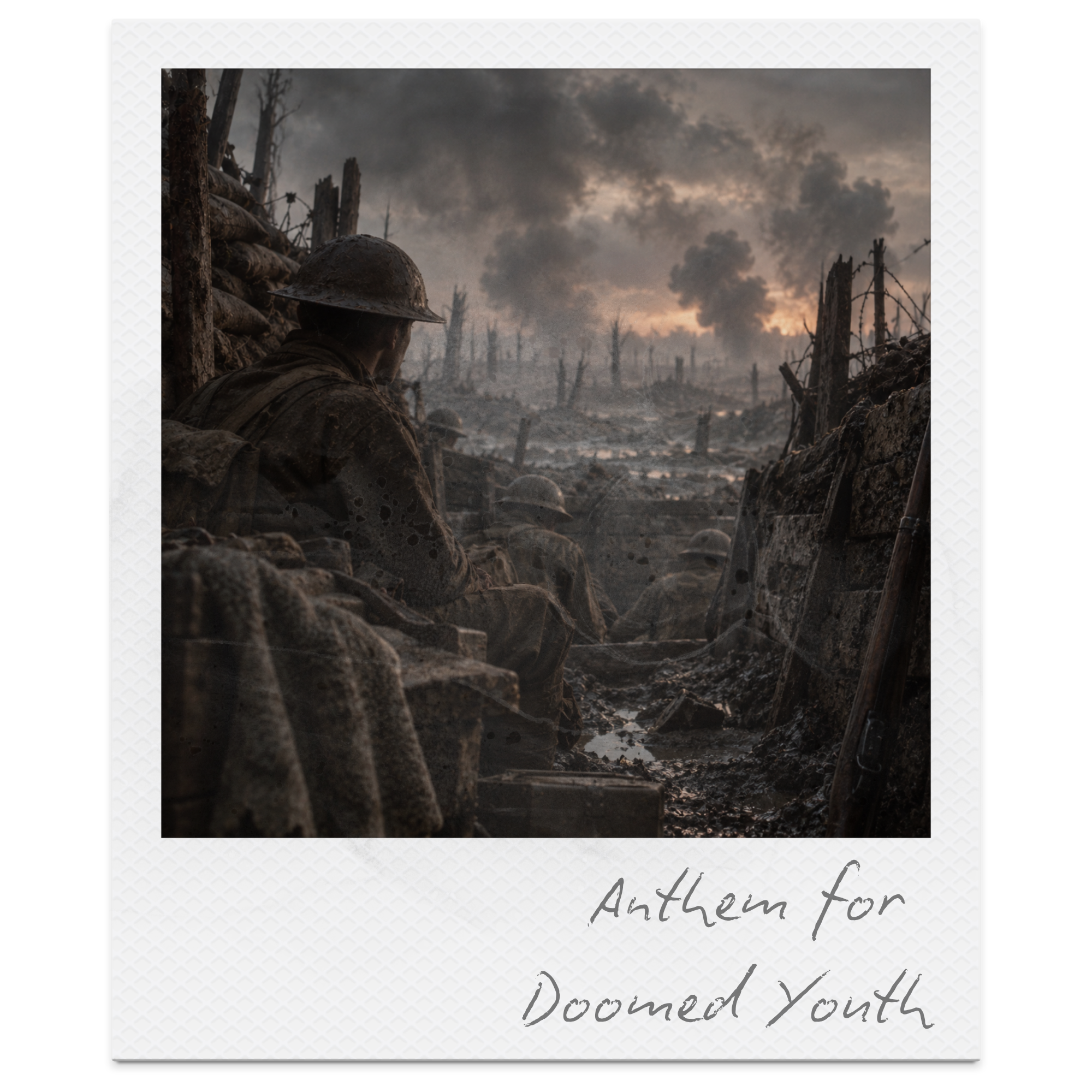
Anthem for Doomed Youth by Wilfred Owen: Summary, Themes & Analysis
Explore Anthem for Doomed Youth by Wilfred Owen with detailed analysis of its meaning, themes, form, structure, metre, symbolism, imagery and poetic techniques. Discover how Owen contrasts the brutal sounds of the battlefield with funeral rituals, private grief and remembrance to expose the human cost of the First World War.
The Soldier by Rupert Brooke: Meaning, Themes, and How to Teach the Poem
The Soldier by Rupert Brooke is one of the most recognisable poems from the early years of the First World War, presenting death in war as meaningful, peaceful, and bound to ideas of home and national identity. Rather than depicting violence or trauma, the poem offers clarity and reassurance, reflecting the confidence and idealism that shaped early attitudes to conflict. This teaching-focused deep dive explores the meaning, themes, form, and structure of The Soldier, examining how patriotism, sacrifice, and legacy are constructed through language and sonnet form. Designed for classroom use, the post offers clear analysis, creative teaching approaches, and guidance on placing the poem within a wider study of conflict poetry.
Futility by Wilfred Owen: Meaning, Themes, and How to Teach the Poem
Futility by Wilfred Owen is one of the most quietly devastating poems in First World War poetry, challenging readers to confront loss, creation, and the possibility that meaning itself may fail under pressure. Rather than depicting the violence of battle, Owen focuses on a single, still moment after death, using restrained language and natural imagery to question whether life, care, and sacrifice were ever guaranteed purpose. This deep dive explores the meaning, themes, form, and structure of Futility, examining how tenderness, love between soldiers, and faith in nature gradually give way to philosophical doubt. Written for teachers, this post moves beyond summary to support classroom discussion, close analysis, and thoughtful teaching, showing why Futility remains one of the most challenging and powerful war poems to study at higher levels.
The Fly by Katherine Mansfield: Post-War Grief, Masculinity, and Trauma (For English Teachers)
The Fly by Katherine Mansfield is often taught as a short, symbolic story — but its real power lies in what it reveals about post-war grief, masculinity, and emotional repression. Written in the aftermath of the First World War, The Fly explores what happens when loss is expected to be over, yet trauma quietly persists beneath ordinary life. This post is designed for English teachers looking to bridge WW1 poetry and post-war prose, showing how lived experience shapes literature long after conflict has ended. It explores Mansfield’s personal connection to war, the symbolism of the fly as repeated trauma, and the story’s unsettling portrayal of power, control, and suppressed emotion. With classroom-ready activity ideas and links to wider conflict poetry, this deep dive helps teachers position The Fly as more than a standalone short story — but as part of a broader conversation about aftermath, memory, and the long shadow of war.
20 Conflict Poems to Teach: A Timeline from WW1 to Modern Warfare
Looking for conflict poems to teach? This teacher-friendly guide brings together 20 powerful poems about war and conflict, spanning World War One, Vietnam, modern warfare, and media-driven violence. Each poem includes a brief overview and practical classroom ideas, making it easy to dip in and out when planning lessons on ethics, trauma, protest, responsibility, and witnessing conflict from afar.
How and Why to Teach Dulce et Decorum Est: Context, Meaning, and Classroom Approach
Dulce et Decorum Est is one of the most widely taught and frequently misunderstood poems of the First World War. This in-depth guide explores how and why to teach Wilfred Owen’s war poem through historical context, changing attitudes to war, and thoughtful classroom practice. From first encounters with the poem to assessment and common teaching pitfalls, this post offers a clear, purposeful approach to teaching Dulce et Decorum Est as more than an exam text — but as a powerful challenge to the language used to glorify war.
10 Best WWI Poems to Teach (And How to Teach Them)
World War One poetry is a powerful and enduring part of secondary English literature, offering students a direct literary response to war, trauma, memory, and loss. This post explores 10 of the best WWI poems to teach, with clear teaching focuses, classroom-ready ideas, and suggestions for discussion and creative response. The poems are grouped thematically to support comparative study and flexible unit planning. Designed for global classrooms, this guide supports close reading, empathy-building discussion, and analytical writing, while linking to deeper teaching resources and the wider Literature Library. Whether you’re planning a full World War One poetry unit or selecting individual poems to complement a wider literature course, this post offers practical guidance rooted in strong literary foundations.
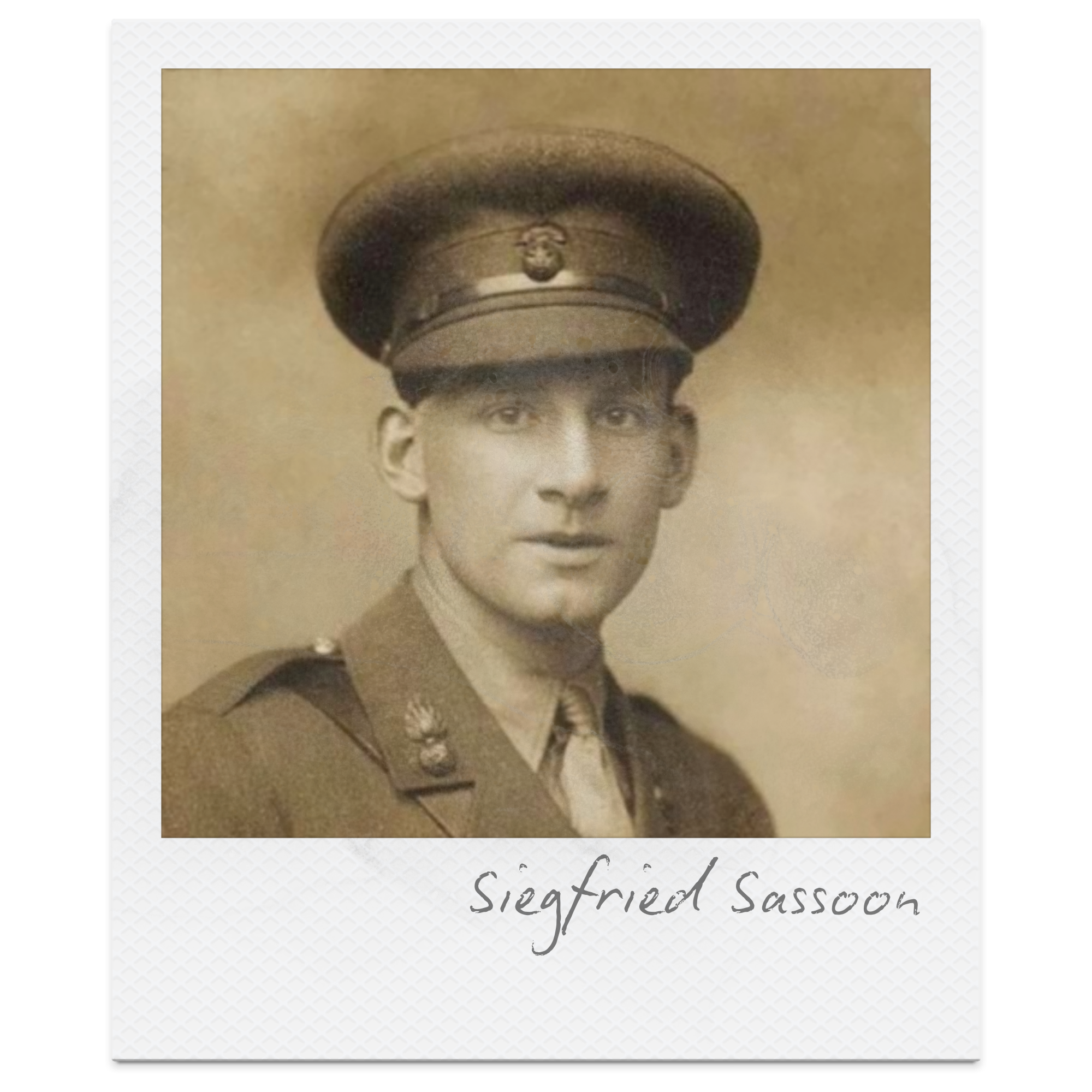
Siegfried Sassoon: Context, War Poetry, and Literary Significance
Siegfried Sassoon is one of the most important voices in First World War poetry, writing not from imagination but from direct experience of trench warfare. His poems expose the brutality, futility, and moral failure of modern war, challenging patriotic narratives that present suffering as noble or necessary. Through irony, anger, and controlled restraint, Sassoon forces readers to confront the gap between those who fight and those who authorise violence from a distance. Understanding Sassoon’s context is essential for reading poems such as “Suicide in the Trenches.” Shaped by frontline combat, public protest, and psychological trauma, his writing interrogates responsibility, authority, and the language used to justify mass death. Rather than offering comfort or heroic sacrifice, Sassoon’s war poetry demands ethical engagement, making it central to the study of WWI literature and modern protest writing.