Notes from the Inkpot
Writing, teaching, creating - one ink-stained idea at a time.

Mistress of My Own Being by Ifi Amadiume: Summary, Themes & Analysis
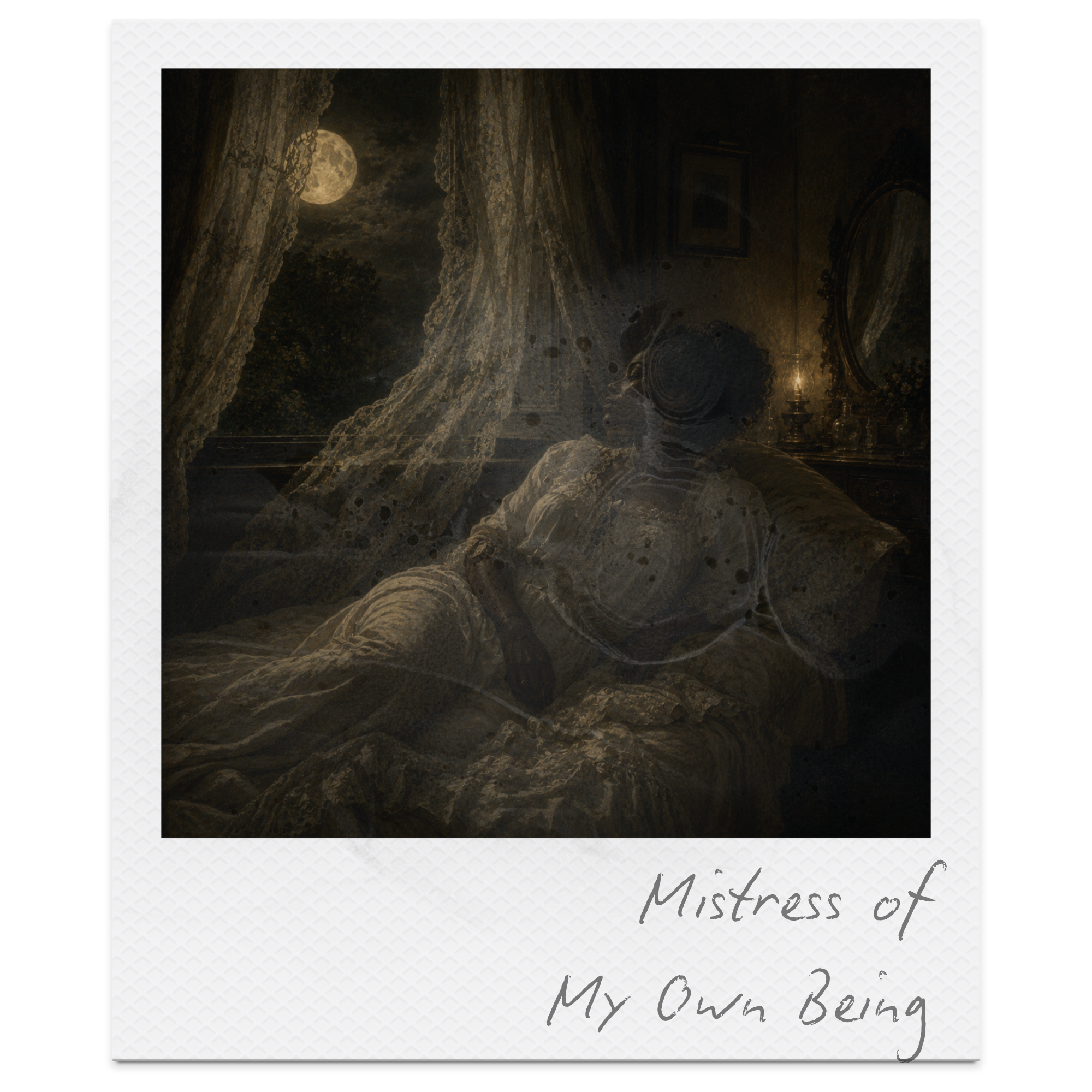
Mistress of My Own Being by Ifi Amadiume is a powerful meditation on selfhood, female autonomy, inner peace, and emotional freedom. Through rich sensory imagery, symbolism, personification, and free verse, Amadiume presents a speaker who finds complete fulfilment within herself, rejecting dependence on the past, on relationships, and on external validation. This detailed analysis explores the poem's summary, themes, stanza-by-stanza analysis, key quotations, literary techniques, and form and structure, examining how Amadiume celebrates self-possession, spiritual fulfilment, and the liberating power of becoming the "Mistress of my own being."
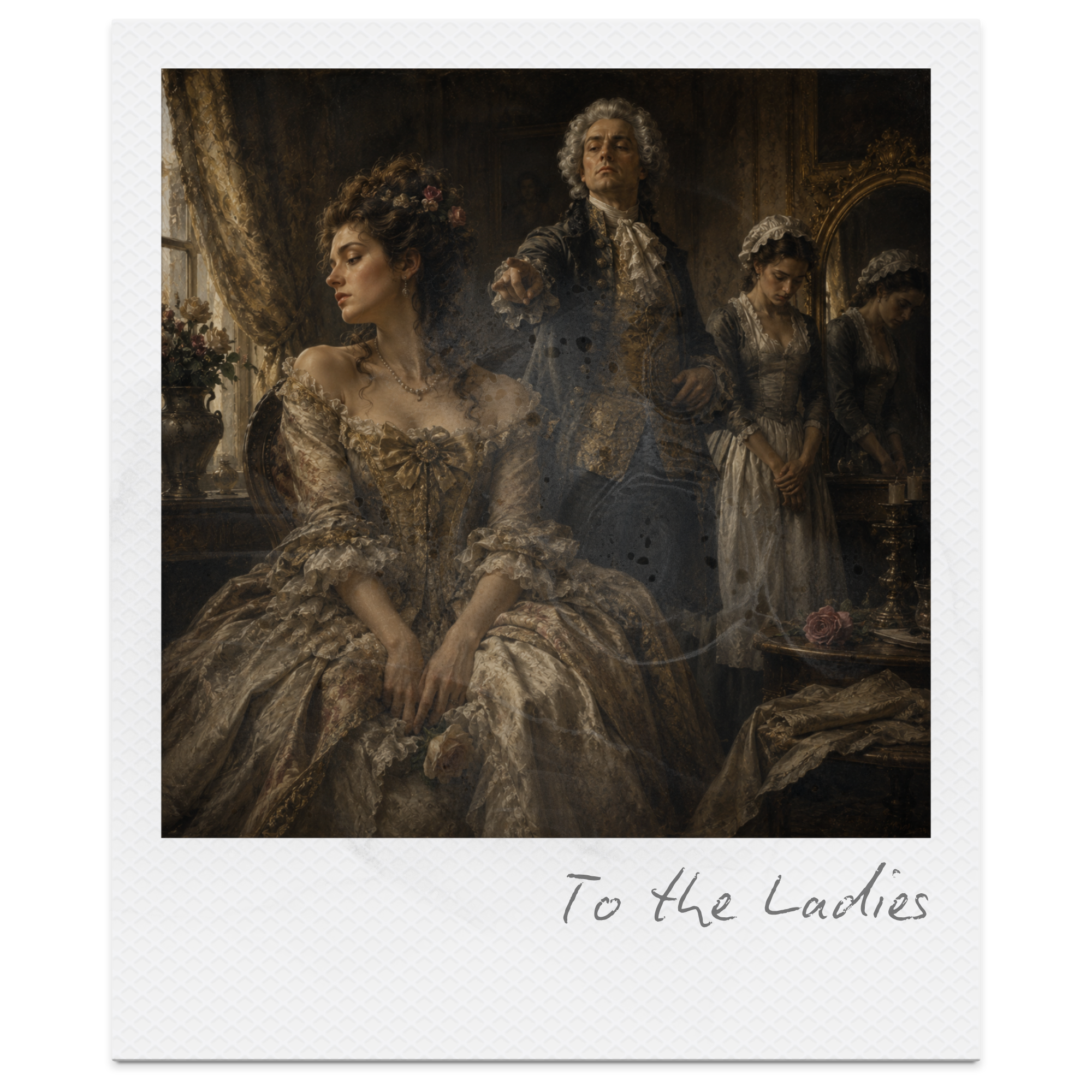
To the Ladies by Lady Mary Chudleigh: Summary, Themes & Analysis
Lady Mary Chudleigh's To the Ladies is a powerful critique of marriage, patriarchal power, and female autonomy, exposing how legal and social systems denied women freedom in the early eighteenth century. Through biting satire, direct address, and persuasive rhetoric, Chudleigh challenges traditional expectations of obedience and encourages women to recognise their own worth. This analysis explores the poem's summary, themes, line-by-line analysis, key quotations, literary techniques, and form and structure, revealing how Chudleigh transforms a personal warning into one of English literature's earliest and most compelling arguments for female independence.
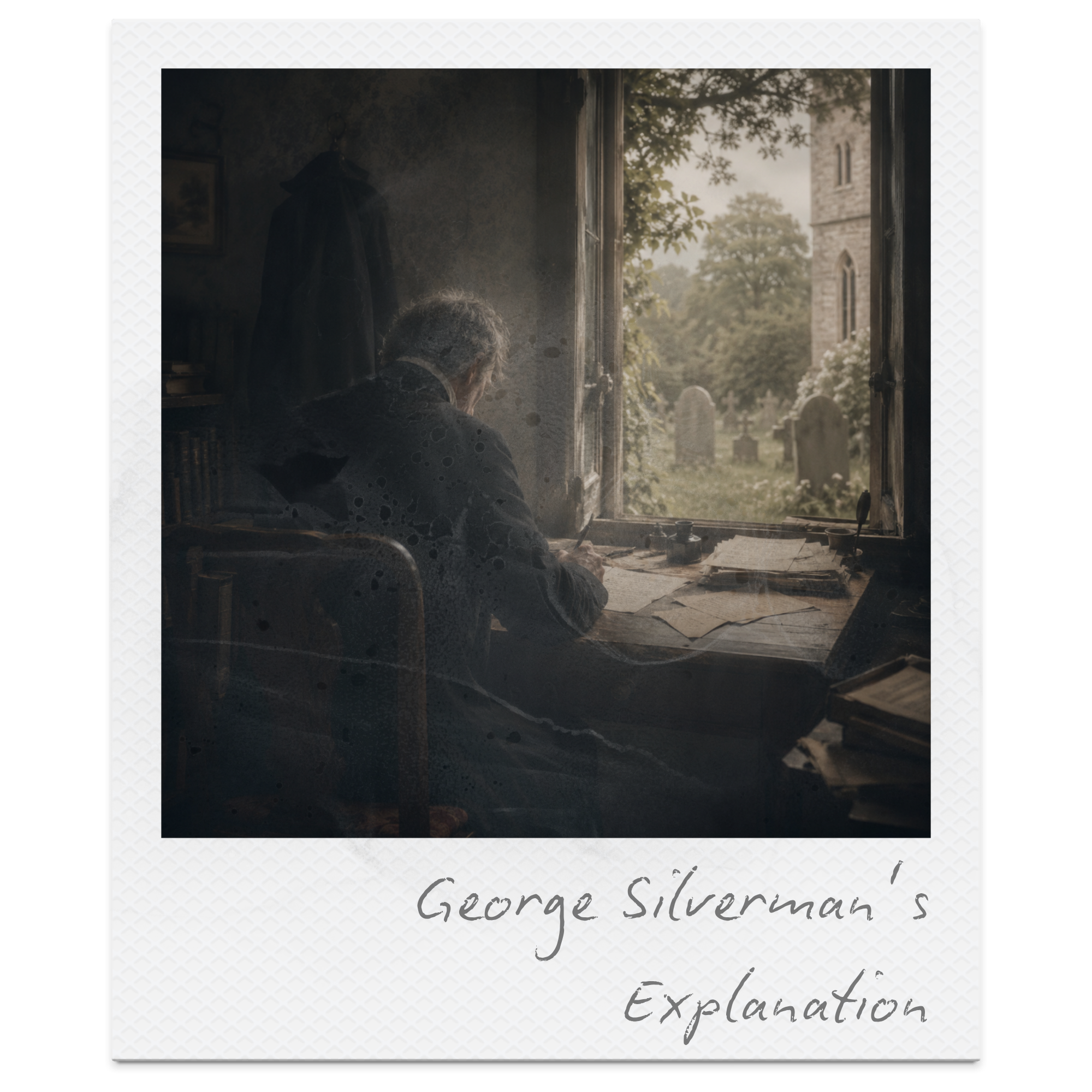
George Silverman’s Explanation by Charles Dickens: Summary, Themes & Analysis
George Silverman’s Explanation by Charles Dickens is a powerful Victorian short story exploring poverty, religious hypocrisy, class prejudice, self-sacrifice, and identity through the reflective narration of George Silverman, a deeply lonely and emotionally damaged protagonist. Written as a first-person “explanation,” the story traces George’s journey from a traumatic childhood in poverty to adulthood shaped by shame, misunderstanding, and quiet moral conflict. This analysis explores how Dickens uses narrative voice, structure, symbolism, and social criticism to create emotional impact and expose the psychological effects of neglect, guilt, and social judgement. Ideal for students studying Stories of Ourselves Volume 2 for CIE IGCSE World Literature (0408), this guide includes key themes, quotes, techniques, symbolism, alternative interpretations, and exam-focused insight.