Mistress of My Own Being by Ifi Amadiume: Summary, Themes & Analysis
Mistress of My Own Being by Ifi Amadiume is a powerful celebration of self-possession, inner peace, female autonomy, sensory imagery, and symbolism. Rather than presenting fulfilment through relationships or external achievement, the poem explores the speaker's complete contentment within herself, creating a vision of emotional independence that challenges traditional expectations of women's identities. Through rich natural imagery, personification, and a calm, reflective voice, Amadiume presents solitude not as loneliness but as liberation, culminating in the speaker's confident declaration that she is the "Mistress of my own being." If you are studying or teaching Songs of Ourselves Volume 3 for CIE Literature in English (0475), explore all the poems in depth in our Songs of Ourselves Volume 3 Hub, or discover a wider range of texts and resources in the Literature Library.

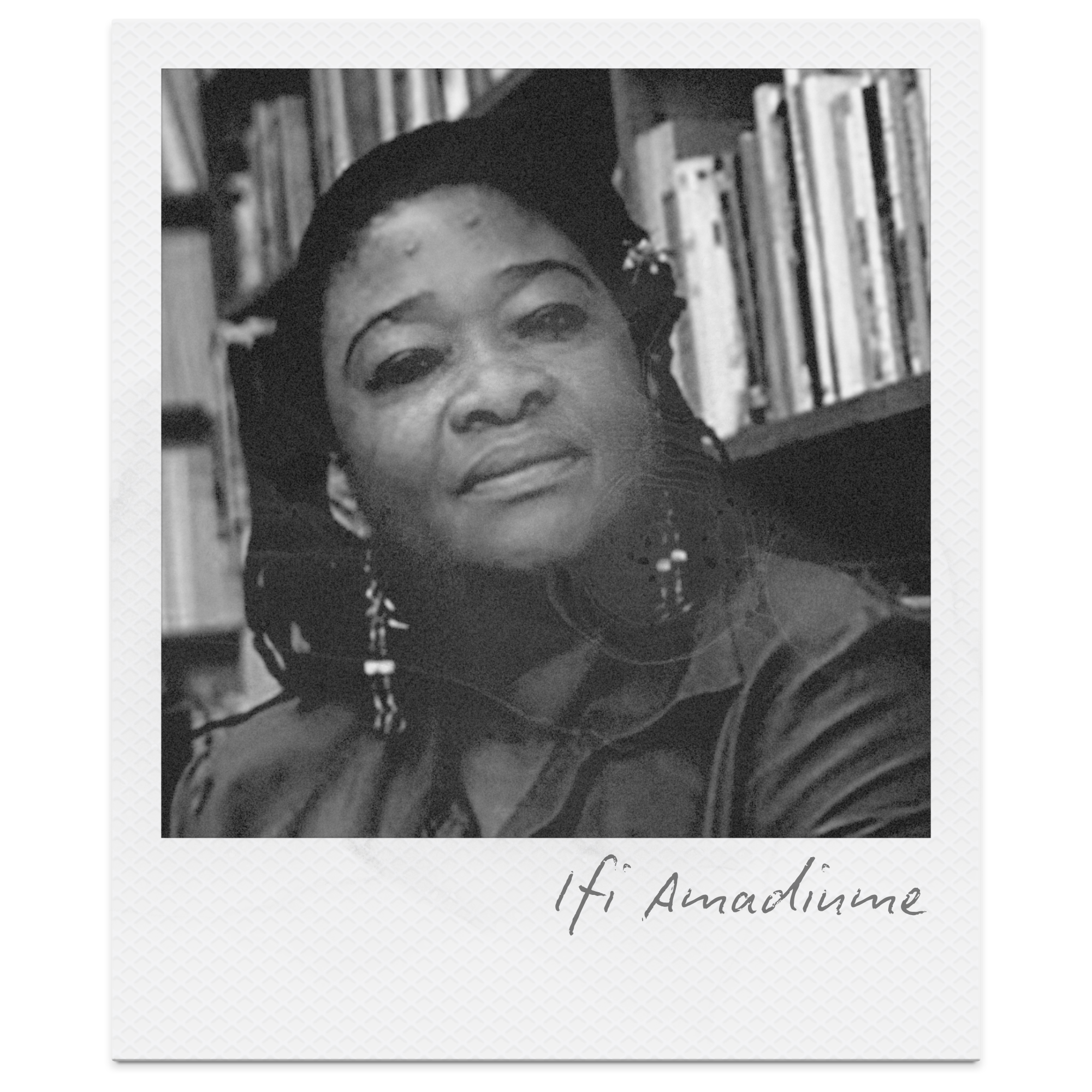
Context of Mistress of My Own Being
Ifi Amadiume (born 1947) is a Nigerian poet, anthropologist, feminist scholar, and social activist whose writing frequently explores gender, identity, power, spirituality, and African women's experiences. Educated in Nigeria before completing her doctorate in Social Anthropology at the School of Oriental and African Studies (SOAS), University of London, Amadiume became internationally recognised for her pioneering research into Igbo society, particularly her influential argument that traditional African understandings of gender were often far more fluid and complex than Western assumptions suggested. Her work consistently challenges restrictive ideas about womanhood, authority, and personal freedom.
Published in 1986, Mistress of My Own Being emerged during a period when African women writers were increasingly reshaping literary discussions about gender, independence, and identity. Rather than presenting liberation solely as resistance to oppression, Amadiume imagines freedom as an internal state achieved through self-knowledge, emotional autonomy, and spiritual contentment. This perspective reflects many of the ideas found throughout her wider academic and creative work, which celebrates women's agency while questioning social expectations surrounding relationships and dependence.
The poem also draws upon imagery associated with the natural world, night, and feminine symbolism, presenting solitude as a source of strength rather than loneliness. Although the speaker briefly acknowledges traditionally romantic imagery, she ultimately rejects the idea that fulfilment depends upon another person, declaring herself "Mistress of my own being." In doing so, Amadiume transforms a quiet moment of reflection into a confident affirmation of self-possession, suggesting that genuine peace comes from within rather than from external validation.
Mistress of My Own Being: At a Glance
Form: Free verse lyric poem, arranged in six irregular stanzas that mirror the speaker's gradual journey towards complete inner peace and self-realisation.
Mood: Peaceful, meditative, sensuous, and quietly triumphant, moving from calm reflection to confident self-affirmation.
Central tension: The tension between external expectations and internal fulfilment, as the speaker rejects dependence on others in favour of emotional autonomy and self-possession.
Core themes: Selfhood, female autonomy, inner peace, freedom, identity, solitude, nature, spiritual fulfilment, sensuality, and self-acceptance.
One-sentence meaning: Through rich sensory imagery, symbolism, personification, and a reflective first-person voice, Amadiume presents true fulfilment as a state of self-mastery, suggesting that lasting peace comes from embracing one's own identity rather than seeking validation from others.
Quick Summary of Mistress of My Own Being
The poem begins with the speaker experiencing a profound sense of release as she becomes "untied of all binding knots", leaving behind painful memories, regrets, and emotional burdens. As feelings of contentment gradually surround her, she embraces a state of peaceful solitude, wrapping herself in warmth, silence, and comfort. Free from external pressures, she feels calm, complete, and entirely at ease within herself.
As the poem develops, the speaker reflects on a sanctuary where she no longer feels dependent on food, companionship, or even the future itself. The moon appears almost as a living presence, reaching into her thoughts with seductive beauty, yet even this powerful force cannot disturb her inner peace. The poem ends with the speaker reaffirming that her greatest virtue is her own contentment, concluding with the powerful declaration that she is "Mistress of my own being." This final affirmation transforms the poem into a celebration of self-possession, emotional independence, and the freedom that comes from finding fulfilment within oneself rather than through external validation.
Title, Form, Structure, and Metre
The formal qualities of Mistress of My Own Being reinforce its celebration of self-possession, inner peace, and female autonomy. Rather than relying on dramatic conflict or narrative progression, Ifi Amadiume uses free verse, rich sensory imagery, and a gradual movement towards stillness to mirror the speaker's journey towards complete emotional independence. The poem's calm rhythm and carefully structured progression allow readers to experience the speaker's growing sense of freedom alongside her.
Title
The title, Mistress of My Own Being, immediately establishes the poem's central concern with identity and self-governance. The word "Mistress" carries several layers of meaning. Most directly, it suggests someone who has authority, mastery, or control, presenting the speaker as the ruler of her own emotional and spiritual life. Historically, the term has often been defined in relation to men, either as the female counterpart to a master or through romantic associations. Amadiume deliberately reclaims the word, transforming it into a declaration of female independence rather than dependence.
The phrase "my own being" broadens the poem beyond personal confidence to encompass the speaker's entire existence. Rather than claiming ownership of possessions, status, or relationships, she claims ownership of herself. By the poem's conclusion, readers understand that the title is not simply descriptive but declarative: it represents the speaker's ultimate affirmation that fulfilment comes through self-knowledge, emotional autonomy, and inner peace rather than external validation.
Form and Structure
The poem is written in free verse, allowing Amadiume's ideas to unfold naturally without the restrictions of fixed poetic conventions. This freedom of form reflects the speaker's emotional liberation, mirroring her rejection of the "binding knots" that once constrained her. The absence of regular metre or rhyme reinforces the poem's celebration of independence, suggesting that true freedom cannot be confined within rigid structures.
The poem is organised into six irregular stanzas, each marking a distinct stage in the speaker's emotional journey. The opening stanza focuses on release, as she frees herself from memories and regrets. The following stanzas gradually deepen her experience of contentment, moving from physical comfort to spiritual fulfilment before culminating in the confident declaration of self-mastery in the final lines. This clear progression gives the poem a sense of emotional ascent, with each stanza bringing the speaker closer to complete self-possession.
Amadiume also structures the poem around a movement from the external world towards the internal self. It begins by rejecting past burdens, then narrows its focus to the speaker's immediate surroundings, before exploring her inner thoughts and finally arriving at a complete affirmation of identity. Even when the moon attempts to draw her attention outward, the speaker remains centred within herself. This inward movement reinforces the poem's central message that fulfilment is discovered internally rather than through external relationships or expectations.
Repetition provides further structural unity. Phrases such as "calm and supreme" appear at significant moments, framing the speaker's emotional state and reinforcing her growing confidence. The final repetition transforms these words from a description of temporary feeling into a permanent statement of identity, giving the poem a satisfying sense of completion.
The concluding line, "Mistress of my own being," functions as both a resolution and a declaration. Structurally, every preceding image and reflection leads towards this final affirmation, making it feel earned rather than merely asserted. The poem therefore ends not with uncertainty or longing but with certainty, self-acceptance, and emotional independence.
Rhyme Scheme and Poetic Pattern
The poem has no fixed rhyme scheme, reflecting its emphasis on freedom and self-determination. Rather than relying on end rhyme, Amadiume creates musicality through repetition, internal echoes, carefully balanced phrases, and flowing sentence patterns. This subtle sound pattern contributes to the poem's meditative atmosphere without imposing a rigid structure.
The repeated use of "no need", "calm and supreme," and "contentment" creates gentle verbal echoes that reinforce the speaker's emotional stability. These repeated ideas become increasingly powerful as the poem progresses, emphasising that peace comes not from acquiring more but from recognising one's own completeness.
Metre and Rhythmic Movement
Amadiume employs flexible free verse, allowing the rhythm to follow the natural cadence of reflective thought. The lines vary in length and stress, creating a conversational flow that mirrors the speaker's gradual movement towards tranquillity. This relaxed rhythm encourages readers to slow down, reflecting the poem's emphasis on stillness and contemplation.
Many lines flow through enjambment, allowing one thought to drift naturally into the next, much like the "soft tidal waves" that symbolise contentment. This smooth progression creates a soothing, almost hypnotic rhythm that reflects the speaker's emotional calm.
Occasionally, shorter declarative phrases interrupt the flowing movement, drawing attention to key moments of certainty. The final line, "Mistress of my own being," is especially powerful because of its rhythmic simplicity and decisiveness. After the gentle, flowing movement of the preceding stanzas, this concluding declaration lands with quiet authority, reinforcing the speaker's complete sense of self-possession.
Overall, Amadiume's use of free verse, progressive structure, subtle repetition, and fluid rhythmic movement mirrors the poem's central journey from emotional release to lasting inner peace. The form itself embodies the freedom the speaker celebrates, allowing readers to experience her growing autonomy through the poem's calm and unforced movement.
The Speaker in Mistress of My Own Being
The speaker of Mistress of My Own Being is a reflective woman who has consciously freed herself from emotional burdens, social expectations, and dependence on others. Speaking in the first person, she presents an intensely personal meditation on selfhood, contentment, and inner freedom, inviting readers to experience her journey towards emotional and spiritual fulfilment. Her voice is calm, confident, and contemplative, revealing someone who has moved beyond regret and external validation to embrace complete self-possession. Although she briefly acknowledges the seductive beauty of the moon and explicitly states that she has "no need of food or man," these external influences never disturb her inner peace. Instead, they reinforce her autonomy by highlighting the strength of her independence. By ending with the declaration that she is "Mistress of my own being," the speaker transforms her personal reflection into a universal affirmation that true fulfilment comes from mastering one's own identity rather than relying on relationships, possessions, or society for a sense of worth.
Stanza-by-Stanza Analysis of Mistress of My Own Being
Throughout Mistress of My Own Being, Ifi Amadiume traces the speaker's gradual movement from emotional release to complete self-possession. Each stanza develops a new stage in this inward journey, revealing how she frees herself from past burdens, embraces solitude, and ultimately discovers fulfilment within herself. Through sensory imagery, symbolism, personification, free verse, and a calm, reflective voice, Amadiume presents independence not as isolation but as a profound source of peace, strength, and personal liberation.
Stanza 1: Releasing the Past and Embracing Inner Peace
The opening stanza establishes the speaker's emotional transformation as she leaves behind the burdens of the past and enters a state of profound tranquillity. Rather than presenting freedom as something achieved through external change, Amadiume portrays it as an internal liberation from emotional pain and attachment. Through metaphor, natural imagery, and gentle sensory language, the stanza introduces the poem's central idea that true fulfilment begins when the individual releases the emotional weight of memory and regret.
The opening declaration, "Untied of all binding knots -", immediately introduces the central metaphor of liberation. The "binding knots" symbolise the emotional, psychological, and perhaps social constraints that have previously restricted the speaker's freedom. Knots are created gradually and require careful effort to untangle, suggesting that the process of achieving inner peace has not been sudden but the result of deliberate emotional release. The passive construction "Untied" also creates the impression that these constraints have finally fallen away, allowing the speaker to exist without limitation.
Amadiume extends this metaphor through the phrase "the tears and ties of time." The alliteration links "tears" and "ties," connecting emotional suffering with the bonds created by past experiences. Time is presented as something that both nurtures and imprisons, accumulating memories, responsibilities, and regrets that can weigh heavily upon the individual. By freeing herself from these "ties," the speaker rejects the idea that her identity should be defined by past pain, suggesting instead that selfhood can be continually renewed.
The description "freed of haunting memories and regrets" reinforces this emotional emancipation. The verb "haunting" personifies memories as ghost-like presences that continue to pursue the speaker long after the events themselves have passed. This supernatural image suggests that unresolved experiences possess an almost oppressive power until consciously released. By stating that she is now "freed," the speaker marks a decisive turning point, indicating that she has moved beyond the emotional hold of the past.
The emotional shift becomes increasingly physical through the image "feelings of contentment rush on / like soft tidal waves." The simile transforms contentment into a force of nature. Unlike violent or destructive waves, these are "soft," suggesting comfort, gentleness, and renewal rather than overwhelming power. Water frequently symbolises cleansing and rebirth in literature, making the incoming tide an appropriate image for emotional healing. The gradual movement of the waves also reflects the speaker's experience of peace as something that grows steadily rather than arriving instantly.
The closing lines, "till slowly, they envelop me," complete this image of immersion. The verb "envelop" suggests being gently surrounded, protected, and embraced. Unlike the restrictive "binding knots" of the opening line, this surrounding force is entirely positive, creating a striking contrast between confinement and liberation. Structurally, the stanza therefore moves from tension to release, reflecting the speaker's emotional journey from entrapment towards serenity.
By ending the stanza with the speaker fully immersed in contentment, Amadiume establishes the poem's central argument: genuine freedom does not come from changing the external world but from transforming one's inner relationship with the past. The stanza lays the emotional foundation for the rest of the poem, presenting peace not as the absence of experience but as the ability to let go of what no longer needs to define us.
Stanza 2: Finding Sanctuary Within the Self
Having released herself from the burdens of the past, the speaker now turns inward, describing a state of complete emotional and physical contentment. The focus shifts away from what she has escaped towards the peace she has discovered, creating an atmosphere of warmth, stillness, and self-sufficiency. Through sensory imagery, metaphor, and a soothing rhythm, Amadiume presents solitude as a nurturing sanctuary where fulfilment comes entirely from within.
The opening phrase, "Thinking of nothing," immediately establishes the speaker's peaceful state of mind. Rather than suggesting emptiness or boredom, the absence of thought represents freedom from anxiety, regret, and external pressures. The simplicity of the phrase creates an immediate pause in the poem's movement, inviting readers to experience the same stillness that the speaker has achieved. By emptying her mind of distractions, she reaches a state of emotional clarity and inner balance.
The speaker then describes herself as "wrapped up in my own warmth," employing a metaphor that suggests both physical comfort and emotional security. The verb "wrapped" evokes images of being protected or embraced, yet significantly, this comfort comes from "my own warmth." Unlike conventional representations of intimacy that depend upon another person, the speaker generates her own comfort, reinforcing the poem's celebration of self-reliance and emotional independence. Warmth therefore becomes symbolic of self-love, self-acceptance, and inner fulfilment.
Amadiume deepens this sensory experience through the image "in scents and steam-blankets." This rich combination of olfactory and tactile imagery immerses the reader in an atmosphere of softness and tranquillity. The compound metaphor "steam-blankets" transforms invisible warmth into something tangible and protective, suggesting a cocoon-like sanctuary where the speaker is shielded from the outside world. The imagery recalls the comfort of a warm bath or peaceful evening, reinforcing the poem's emphasis on healing and restoration through sensory experience.
The line "protected in my contentment," further develops the idea that peace itself acts as a form of shelter. Usually protection comes from external people or physical barriers, but here the speaker's emotional state provides her security. This inversion challenges traditional assumptions that fulfilment depends upon relationships or external support. Instead, Amadiume suggests that genuine strength arises from cultivating inner peace, making contentment an active source of resilience rather than passive happiness.
The stanza concludes with the powerful declaration, "I lie calm and supreme." The adjectives "calm" and "supreme" work together to redefine power. "Calm" conveys serenity and emotional control, while "supreme" suggests authority, mastery, and complete confidence. Importantly, the speaker does not become powerful by dominating others but by mastering herself. This anticipates the poem's final declaration that she is "Mistress of my own being," making this line an important step in her emotional journey. The first-person pronoun also reinforces that this confidence comes entirely from within, independent of external approval.
Structurally, the stanza slows the pace established in the opening section. After the movement of the "soft tidal waves," the imagery becomes increasingly still, reflecting the speaker's arrival at emotional equilibrium. The progression from liberation to peaceful self-possession demonstrates that freedom is not simply the absence of suffering but the presence of lasting inner contentment. Through this deeply sensory and reflective stanza, Amadiume presents solitude not as isolation but as a place of profound personal strength and fulfilment.
Stanza 3: Rejecting Dependence and Embracing Self-Sufficiency
In the third stanza, the speaker's inner peace develops into a confident declaration of complete self-sufficiency. Having freed herself from the past and discovered contentment within herself, she now rejects the idea that fulfilment depends upon physical needs, relationships, or even the passage of time. Through repetition, symbolism, contrast, and auditory imagery, Amadiume presents a radical vision of independence in which silence, solitude, and self-possession become sources of strength rather than loneliness.
The stanza opens with the phrase "In this sweet sanctuary," immediately establishing the speaker's surroundings as both a physical and emotional refuge. The noun "sanctuary" carries strong religious and spiritual connotations, suggesting a sacred place of safety, healing, and peace. This elevates the speaker's solitude beyond mere isolation, presenting it as a space of renewal where she is protected from the demands and expectations of the outside world. The adjective "sweet" further softens the image, reinforcing the atmosphere of comfort and serenity that has been steadily developing throughout the poem.
The striking declaration, "I have no need of food or man," introduces one of the poem's most provocative ideas. Through juxtaposition, Amadiume places a basic physical necessity alongside a human relationship, deliberately challenging conventional assumptions about dependence. The speaker is not literally claiming that she no longer requires food to survive; instead, the statement is symbolic, suggesting that emotional fulfilment cannot be measured by material needs or romantic attachment. The inclusion of "man" is particularly significant, as it rejects the traditional expectation that a woman's identity or happiness should be defined through partnership with a man. Instead, the speaker asserts that she is complete in herself.
Amadiume reinforces this rejection of external dependence through the repeated phrase "no need." The anaphora creates a calm yet resolute rhythm, emphasising the speaker's deliberate refusal to seek fulfilment outside herself. Each repetition strips away another source of external validation—first relationships, then the future, and finally human interaction—creating a gradual movement towards complete emotional autonomy. Structurally, this repetition mirrors the speaker's process of simplifying her existence until only her essential self remains.
The line "I feel no need for tomorrows," expands the poem beyond relationships to explore the speaker's relationship with time itself. "Tomorrows" symbolises expectation, ambition, and the uncertainty of the future. By rejecting the need for tomorrow, the speaker demonstrates complete presence within the current moment. This reflects a deeply meditative philosophy, suggesting that peace is found not through anticipating what comes next but through fully inhabiting the present. The plural noun "tomorrows" also suggests the endless succession of future days, all of which lose their power over someone who has discovered contentment in the here and now.
The following line, "no need for sound or voices," extends this withdrawal from the external world. Voices often symbolise society, conversation, judgement, or relationships, yet the speaker no longer depends upon them for reassurance or identity. Rather than portraying silence as emptiness, Amadiume transforms it into something nourishing and restorative.
This culminates in the beautiful closing image, "only the soothing silence of the night." The alliteration of "soothing silence" creates a gentle musical quality that mirrors the calm it describes. Silence is personified as an active presence that comforts rather than isolates, while night, traditionally associated with darkness or fear, is reimagined as a time of peace, introspection, and spiritual renewal. This reversal challenges conventional symbolism, suggesting that solitude can offer greater fulfilment than constant activity or companionship.
By the end of the stanza, the speaker has rejected every external source of identity, comfort, and validation. Relationships, material needs, future ambitions, and even conversation have all become unnecessary because she has discovered a deeper source of fulfilment within herself. Through carefully controlled repetition and symbolic imagery, Amadiume presents self-sufficiency not as emotional detachment but as the highest expression of freedom, preparing readers for the poem's final affirmation of complete self-mastery.
Stanza 4: The Moon's Gaze and the Testing of Self
Having established her complete inner contentment, the speaker briefly reconnects with the outside world through the image of the night sky. However, rather than disrupting her peace, this encounter becomes a moment of quiet observation that ultimately reinforces her emotional strength. Through extended metaphor, personification, and rich visual imagery, Amadiume transforms the moon into an active, almost feminine presence that seems to examine the speaker's inner self, preparing for the poem's final affirmation of autonomy.
The stanza opens with the beautifully delicate image, "Through the dancing folds / of the lacy petticoat of the window," immediately blurring the boundary between the domestic world and the natural world. The window is personified through the metaphor of a "lacy petticoat," an item traditionally associated with femininity, elegance, and intimacy. This transforms an ordinary object into something soft, decorative, and protective, creating the impression that the speaker views the outside world through a gentle feminine veil. The participle "dancing" adds movement and vitality, suggesting that nature is alive and responsive even while the speaker herself remains calm and still.
The image also reflects the poem's wider concern with female identity. A petticoat is a garment worn close to the body, often hidden beneath outer clothing, making it an appropriate symbol for the private, interior world the speaker has cultivated throughout the poem. Rather than presenting femininity as restrictive, Amadiume reimagines it as something graceful and empowering, framing the speaker's perspective through imagery traditionally associated with women.
The speaker then observes "the yellowness of the night," an unusual description that challenges conventional expectations. Night is more commonly associated with darkness, blackness, or mystery, yet the adjective "yellowness" suggests warmth, illumination, and richness. This striking colour imagery is likely created by the moonlight, transforming the night into something nurturing rather than threatening. By redefining darkness through light, Amadiume reinforces the poem's broader pattern of overturning conventional assumptions—just as solitude becomes fulfilment rather than loneliness.
The moon is then personified as "a huge brilliant eye in heaven." This metaphor gives the celestial body consciousness and agency, suggesting that it watches, observes, or even understands the speaker. Traditionally, the moon is associated with femininity, intuition, emotion, and cycles of renewal, making it a fitting presence within a poem centred on female selfhood. The adjective "brilliant" conveys both physical brightness and symbolic wisdom, elevating the moon from a simple natural object to an almost spiritual force.
The final line, "probing me," introduces a subtle shift in tone. The verb "probing" suggests careful examination or searching beneath the surface, implying that the moon attempts to reach the deepest parts of the speaker's consciousness. Unlike earlier images of protection and enclosure, this moment introduces the possibility of vulnerability. However, the speaker offers no indication of discomfort or fear. Instead, she calmly allows herself to be observed, suggesting that she has nothing left to conceal because she has already confronted and accepted her own inner self.
Structurally, this stanza represents the first significant movement outward since the speaker entered her sanctuary. Yet the outside world does not threaten her newly achieved peace. Instead, nature becomes a witness to her transformation, recognising rather than disrupting her emotional independence. This prepares readers for the following stanza, where even the moon's sensual beauty proves incapable of unsettling the speaker's complete self-possession. Through elegant metaphor and personification, Amadiume demonstrates that true autonomy can withstand both external observation and temptation because it is rooted firmly within the self.
Stanza 5: Temptation, Desire, and the Strength of the Inner Self
In the fifth stanza, the moon becomes an active force, reaching towards the speaker's inner consciousness with beauty, sensuality, and desire. Rather than simply observing her, it attempts to awaken hidden emotions and imagination. However, this moment of temptation ultimately serves to highlight the speaker's emotional independence, demonstrating that even the most alluring external influences cannot disturb the peace she has found within herself. Through personification, extended metaphor, mythic symbolism, and sensuous imagery, Amadiume explores the relationship between external attraction and inner self-mastery.
The opening phrase, "In amorous splendour," immediately transforms the moon into a figure associated with love, beauty, and seduction. The adjective "amorous" evokes romance and desire, while "splendour" suggests magnificence, radiance, and irresistible attraction. Together, these words elevate the moon beyond a natural phenomenon, presenting it as an almost divine embodiment of sensuality. This creates a subtle contrast with the speaker's earlier rejection of dependence on "man," introducing a final external force that seeks to engage her emotions.
The moon is then fully personified as "she throws out hands full of golden arrows." The feminine pronoun "she" reinforces the moon's identity as a powerful female presence, creating an encounter between two feminine figures rather than a traditional romantic relationship. The image of "golden arrows" immediately recalls classical mythology, particularly Cupid's arrows, which inspire love and desire. However, by attributing these arrows to the moon rather than Cupid, Amadiume reimagines desire as something connected to feminine intuition, creativity, and emotional awakening rather than romantic conquest.
The adjective "golden" carries multiple symbolic associations. Gold traditionally represents value, purity, wisdom, and illumination, suggesting that the moon's influence is beautiful rather than threatening. At the same time, arrows imply penetration, movement, and emotional impact. The image therefore combines gentleness with power, suggesting that beauty itself possesses the ability to reach deeply into the human mind.
This idea is developed through the image of the arrows "reaching for the hidden apples / in the folds of my mind." The "hidden apples" function as a rich and ambiguous symbol. They may represent secret desires, memories, imagination, creativity, knowledge, or untapped aspects of the speaker's identity. The allusion to the biblical fruit in the Garden of Eden also introduces ideas of temptation, wisdom, and choice, while apples in mythology frequently symbolise beauty, love, immortality, or hidden truth. Amadiume deliberately leaves the image open, allowing it to encompass both intellectual and emotional possibilities.
The metaphor of the "folds of my mind" extends the poem's recurring imagery of fabric and enclosure. Earlier, the speaker found comfort within "steam-blankets" and looked through the "lacy petticoat of the window." Here, the mind itself possesses "folds," suggesting complexity, depth, and carefully protected inner spaces. Rather than presenting consciousness as something transparent, Amadiume depicts it as layered and intimate, containing aspects of the self that remain hidden even from the outside world.
Importantly, the stanza never suggests that the moon succeeds in reaching these hidden places. Instead, the imagery creates a moment of possibility rather than surrender. Structurally, this represents the poem's greatest test of the speaker's autonomy. Having rejected social expectations and emotional dependence, she must now confront a subtler form of temptation—the seductive beauty of imagination, desire, and external influence itself.
By presenting this encounter through lush, sensual imagery while withholding any emotional collapse, Amadiume demonstrates that genuine self-possession does not require rejecting beauty or desire. Instead, it means remaining in control of one's own inner world. The moon may illuminate and explore the hidden depths of the speaker's mind, but it cannot claim ownership of them. This prepares readers for the poem's final affirmation that the speaker's deepest loyalty remains not to any external force, but to herself.
Stanza 6: Complete Self-Mastery and Inner Fulfilment
The final stanza brings the speaker's emotional journey to its confident conclusion. After releasing the past, embracing solitude, and resisting the seductive pull of the moon, she confirms that her peace cannot be disturbed by any external influence. Through contrast, personification, repetition, and declarative language, Amadiume presents self-possession not simply as independence but as a conscious moral choice. The poem culminates in a triumphant affirmation of identity, where fulfilment is found entirely within the self.
The stanza opens with the emphatic declaration, "Not even the sensuality of the moon / can move me now in my calm." The phrase "Not even" immediately creates a sense of culmination, implying that the moon represents the strongest possible test of the speaker's emotional independence. Throughout the previous two stanzas, the moon has been presented as alluring, feminine, and almost seductive, yet its beauty ultimately proves powerless. The verb "move" is deliberately ambiguous, meaning both to physically shift and to stir emotionally. By stating that she cannot be moved, the speaker asserts complete emotional stability and mastery over her own desires.
The personification of the moon's "sensuality" develops one of the poem's central contrasts. Traditionally, the moon symbolises romance, mystery, femininity, intuition, and emotional intensity. Here, however, these qualities are acknowledged without being rejected or feared. Instead, the speaker simply refuses to be governed by them. Amadiume therefore distinguishes between recognising beauty and becoming dependent upon it, reinforcing the poem's argument that true autonomy allows external experiences to be appreciated without determining one's sense of self.
The central declaration, "Peace and contentment, / let those be my virtue," represents the poem's moral turning point. The abstract nouns "peace" and "contentment" are elevated into guiding principles through the noun "virtue." Traditionally, virtue is associated with moral excellence or the qualities by which a person chooses to live. By identifying inner tranquillity as her greatest virtue, the speaker rejects values based upon social status, romantic fulfilment, ambition, or material success. Instead, she consciously chooses emotional balance and self-knowledge as the foundation of a meaningful life.
The use of the imperative "let those be my virtue" gives the speaker's words the force of a personal manifesto. Rather than passively experiencing peace, she actively claims it as a way of life. This subtle shift from description to declaration demonstrates that her contentment is not accidental but the result of deliberate self-understanding and emotional discipline.
The repetition of "calm and supreme" recalls the conclusion of the second stanza, creating an important structural echo. Earlier, these words described the speaker's emotional state; here they have become permanent qualities that define her identity. The repetition reinforces the sense that she has reached complete fulfilment, while the adjective "supreme" carries connotations of authority, sovereignty, and complete self-governance. Importantly, this supremacy is entirely inward. The speaker seeks no power over others; instead, she has achieved mastery over herself.
The poem reaches its powerful climax with the final line, "Mistress of my own being." Positioned alone at the end of the poem, the line carries immense rhetorical weight. The title is transformed into a definitive statement of identity, giving the ending both symmetry and resolution. The noun "Mistress" is particularly significant because Amadiume reclaims a word historically defined through relationships with men and redefines it as a symbol of female authority and self-possession. The possessive phrase "my own being" reinforces that the speaker's greatest achievement is ownership of herself rather than control over anyone else.
Structurally, every stage of the poem leads naturally towards this declaration. The speaker has moved from being "untied of all binding knots", through sanctuary, silence, temptation, and self-reflection, before finally arriving at complete autonomy. The ending therefore feels both inevitable and deeply satisfying. Rather than presenting independence as isolation, Amadiume portrays it as the highest form of fulfilment, suggesting that genuine freedom is achieved when a person becomes the unquestioned master of their own thoughts, emotions, and identity. The final line leaves readers with a lasting image of quiet strength, transforming a personal meditation into a universal affirmation of self-worth and inner liberation.
Key Quotes and Methods in Mistress of My Own Being
Throughout Mistress of My Own Being, Ifi Amadiume uses symbolism, sensory imagery, personification, metaphor, and free verse to explore the journey towards self-possession and emotional independence. Rather than presenting fulfilment through relationships or external success, the poem celebrates the speaker's discovery of lasting peace within herself.
"Untied of all binding knots"
◆ Technique: Extended metaphor and symbolism.
◆ Meaning: The "binding knots" symbolise emotional burdens, painful memories, and social expectations that have previously restricted the speaker's freedom.
◆ Purpose: Amadiume immediately establishes liberation as the poem's central concern, suggesting that self-discovery begins by releasing the past.
◆ Impact: Readers recognise that the speaker's transformation is psychological rather than physical, encouraging reflection on the emotional constraints people carry throughout life.
"like soft tidal waves"
◆ Technique: Simile and natural imagery.
◆ Meaning: Contentment is compared to gentle waves that gradually surround the speaker, suggesting peace arrives naturally rather than suddenly.
◆ Purpose: The sea imagery presents healing as a slow, restorative process rather than a dramatic emotional breakthrough.
◆ Impact: The gentle movement of the waves creates a calming atmosphere that mirrors the speaker's growing inner tranquillity.
"wrapped up in my own warmth"
◆ Technique: Metaphor and tactile imagery.
◆ Meaning: The speaker finds comfort and security entirely within herself instead of relying on external sources of affection or reassurance.
◆ Purpose: Amadiume challenges traditional ideas that emotional fulfilment depends upon relationships, presenting self-love as a legitimate source of happiness.
◆ Impact: Readers see independence presented positively, redefining solitude as nurturing rather than lonely.
"I have no need of food or man"
◆ Technique: Juxtaposition, hyperbole, and declarative statement.
◆ Meaning: By placing a physical necessity beside human companionship, the speaker symbolically rejects dependence on both material and emotional needs.
◆ Purpose: Amadiume foregrounds female autonomy, arguing that identity and fulfilment should not be defined through relationships.
◆ Impact: The bold declaration challenges conventional expectations and establishes the speaker's complete emotional self-sufficiency.
"only the soothing silence of the night"
◆ Technique: Alliteration, auditory imagery, and symbolism.
◆ Meaning: Silence becomes a comforting presence rather than a sign of emptiness or isolation.
◆ Purpose: Amadiume overturns traditional associations between solitude and loneliness by presenting silence as restorative.
◆ Impact: Readers experience the night as a sanctuary where peace replaces external noise and distraction.
"a huge brilliant eye in heaven"
◆ Technique: Metaphor and personification.
◆ Meaning: The moon becomes a living presence that watches and examines the speaker.
◆ Purpose: The image introduces an external force that appears capable of reaching into the speaker's inner world.
◆ Impact: Readers sense a moment of quiet tension, wondering whether the speaker's inner peace will withstand this symbolic test.
"hands full of golden arrows"
◆ Technique: Personification, mythological allusion, and symbolism.
◆ Meaning: The moon reaches towards the speaker with arrows that symbolise desire, inspiration, temptation, or emotional awakening.
◆ Purpose: Amadiume explores how beauty and attraction continue to exist without necessarily controlling the individual.
◆ Impact: The rich, mythic imagery adds depth to the poem while reinforcing the speaker's emotional resilience.
"Peace and contentment, / let those be my virtue"
◆ Technique: Abstract nouns, declarative language, and moral symbolism.
◆ Meaning: The speaker consciously chooses inner peace as the guiding principle of her life.
◆ Purpose: Amadiume transforms emotional wellbeing into an active ethical choice rather than a passive feeling.
◆ Impact: Readers are encouraged to reconsider success and fulfilment, recognising that inner balance can be a powerful achievement.
"Mistress of my own being."
◆ Technique: Declarative statement, symbolism, and title echo.
◆ Meaning: The speaker fully claims ownership of her identity, emotions, and existence.
◆ Purpose: By repeating the title in the final line, Amadiume brings the poem's emotional journey to a confident and satisfying conclusion.
◆ Impact: The ending leaves readers with a memorable affirmation of female autonomy, self-mastery, and the liberating power of knowing oneself.
Key Techniques in Mistress of My Own Being
In Mistress of My Own Being, Ifi Amadiume combines rich sensory imagery, extended symbolism, personification, and free verse to explore the speaker's journey towards self-possession and emotional fulfilment. Rather than presenting independence as isolation or defiance, the poem portrays it as a peaceful state of self-knowledge in which true freedom comes from releasing the past and embracing one's own identity.
◆ Extended Metaphor – The poem is built around an extended metaphor of emotional liberation. Images such as "binding knots," "soft tidal waves," "steam-blankets," and "sanctuary" represent the speaker's psychological journey from emotional constraint to complete inner peace. These interconnected metaphors create a coherent progression, showing that self-discovery is a gradual process of letting go, healing, and ultimately mastering one's own life.
◆ Symbolism – Amadiume fills the poem with symbolic images that deepen its exploration of identity and autonomy. The "binding knots" symbolise emotional burdens and social expectations, while the moon represents beauty, desire, intuition, and external influence. The "golden arrows" suggest temptation or inspiration, and the "hidden apples" evoke knowledge, desire, creativity, and hidden aspects of the self. Together, these symbols transform the speaker's personal reflection into a universal meditation on freedom and selfhood.
◆ Sensory Imagery – The poem appeals to multiple senses, creating an immersive atmosphere of comfort and tranquillity. Tactile imagery such as "wrapped up in my own warmth" and "steam-blankets" conveys physical security, while olfactory imagery in "scents" and the visual richness of the moonlit night create a deeply comforting environment. These sensory details reinforce the speaker's complete absorption in her own peaceful state.
◆ Personification – Nature is repeatedly given human qualities, strengthening the relationship between the external world and the speaker's inner life. The moon becomes "a huge brilliant eye in heaven" that "probes" the speaker before extending "hands full of golden arrows." This personification transforms the moon into an active participant in the poem, testing the speaker's emotional independence while ultimately highlighting the strength of her self-possession.
◆ Natural Imagery – Images of tidal waves, night, moonlight, and heaven create a calm, expansive atmosphere that reflects the speaker's emotional state. Rather than depicting nature as something to conquer or escape, Amadiume presents it as harmonious with the speaker's inner peace. The natural world becomes both a mirror for her contentment and a symbolic space in which self-discovery can occur.
◆ Repetition – Carefully placed repetition reinforces the poem's central ideas. The recurring emphasis on "contentment," "calm," and "no need" creates a meditative rhythm while demonstrating the speaker's growing certainty. The repeated phrase "calm and supreme" charts her emotional development, culminating in the final declaration of complete self-mastery.
◆ Anaphora – The repeated construction "no need" creates a deliberate, almost mantra-like rhythm in the third stanza. Each repetition strips away another form of dependence—on relationships, the future, and human interaction—emphasising the speaker's movement towards complete emotional autonomy. The cumulative effect reinforces the poem's celebration of self-sufficiency.
◆ Juxtaposition – Amadiume frequently places contrasting ideas alongside one another to challenge conventional expectations. The pairing of "food or man" deliberately places physical survival beside emotional dependence, while the contrast between sensuality and calm demonstrates that external beauty and desire no longer govern the speaker's emotional state. These contrasts reinforce the poem's argument that fulfilment comes from within rather than from external sources.
◆ Free Verse – The poem's free verse form reflects its central theme of liberation. Without the restrictions of regular rhyme or metre, the speaker's thoughts unfold naturally, mirroring her freedom from emotional and social constraints. The fluid movement of the verse reinforces the poem's atmosphere of openness, peace, and self-determination.
◆ Enjambment – Many lines flow smoothly into the next without strong pauses, allowing images and ideas to unfold gradually. This flowing movement mirrors the gentle progression of the speaker's emotional journey and reflects the "soft tidal waves" of contentment that slowly envelop her. The uninterrupted rhythm contributes to the poem's meditative quality and sense of effortless calm.
◆ First-Person Narration – The intimate first-person perspective allows readers to experience the speaker's transformation directly. Because every image and reflection is filtered through her own consciousness, the poem feels deeply personal while remaining universal in its exploration of identity and fulfilment. The repeated use of "I" reinforces that the speaker's authority comes from within, culminating in her confident declaration that she is "Mistress of my own being."
◆ Declarative Language – The poem concludes with confident, unequivocal statements such as "Peace and contentment, let those be my virtue" and "Mistress of my own being." These declarative sentences give the ending the authority of a personal manifesto. Rather than asking questions or expressing uncertainty, the speaker asserts her identity with complete confidence, reinforcing the poem's celebration of self-mastery and emotional independence.
How the Writer Creates Meaning and Impact in Mistress of My Own Being
In Mistress of My Own Being, Ifi Amadiume presents selfhood, female autonomy, and inner peace as the highest forms of fulfilment. Rather than portraying happiness as something gained through love, success, or social acceptance, she argues that lasting contentment comes from mastering one's own thoughts and emotions. Through rich symbolism, sensory imagery, free verse, and a reflective first-person voice, Amadiume transforms a quiet moment of solitude into a powerful declaration of self-possession, inviting readers to reconsider where true freedom and identity originate.
Language: Rich Imagery that Celebrates Inner Freedom
Amadiume's language is deeply sensory, creating an atmosphere of warmth, tranquillity, and emotional security. Images such as "wrapped up in my own warmth," "steam-blankets," and "soft tidal waves" appeal to the senses of touch, smell, and movement, immersing readers in the speaker's peaceful state of mind. These comforting images encourage readers to experience her contentment rather than simply observe it, reinforcing the idea that inner fulfilment is both emotional and physical.
The poem also relies heavily on symbolism. The opening image of "binding knots" represents emotional burdens, social expectations, and painful memories that have previously constrained the speaker. By becoming "untied," she symbolically frees herself from these limitations, establishing liberation as an internal process rather than an external event. Similarly, the recurring images of warmth, sanctuary, and silence symbolise emotional safety and self-acceptance, suggesting that the speaker has found within herself everything she once sought elsewhere.
One of the poem's richest symbols is the moon, which evolves throughout the second half of the poem. Initially appearing as "a huge brilliant eye in heaven," it watches and examines the speaker before becoming a seductive force that throws "golden arrows" towards the "hidden apples" of her mind. The moon may symbolise beauty, desire, creativity, intuition, or external temptation, yet despite its power, it fails to disturb the speaker's serenity. By resisting even this symbolic force, Amadiume demonstrates that genuine self-possession cannot be undermined by external influences.
Structure: A Journey Towards Self-Realisation
The poem's structure reflects the gradual progression of the speaker's emotional transformation. Each stanza represents another stage in her movement towards complete autonomy. The opening stanza focuses on release from the past, the middle sections develop a growing sense of inner sanctuary, while the final stanzas test and ultimately confirm the speaker's emotional independence.
This carefully controlled progression creates a sense of ascent. Rather than beginning with confidence, the speaker gradually earns her final declaration through reflection and self-discovery. Readers therefore experience her transformation alongside her, making the concluding affirmation feel both convincing and emotionally satisfying.
Amadiume also structures the poem around a movement from the external world towards the internal self. It begins by discarding memories and regrets before focusing increasingly on the speaker's own consciousness. Even when attention briefly shifts outward to the moon, the external world ultimately reinforces rather than disrupts her inner stability. This inward movement mirrors the poem's central message that fulfilment is discovered within rather than through relationships, possessions, or social expectations.
The poem concludes by echoing its title in the final line, "Mistress of my own being." This structural circularity provides a strong sense of resolution, transforming the title from an initial idea into a fully realised declaration of identity. Every preceding image and reflection leads naturally towards this final affirmation, giving the ending particular authority and emotional weight.
Voice and Tone: Calm Confidence Rather Than Defiance
The poem's first-person narration creates an intimate connection between speaker and reader while maintaining a remarkably calm tone. The speaker never appears angry or defensive; instead, she quietly reflects upon her own emotional state with confidence and certainty. This restraint is significant because it presents female autonomy as something peaceful rather than confrontational.
The tone develops gradually from relief to quiet triumph. Early references to "haunting memories and regrets" acknowledge previous suffering, but these emotions are never allowed to dominate the poem. Instead, each stanza becomes increasingly peaceful until the speaker reaches complete emotional equilibrium. The measured, reflective voice reinforces the impression that her confidence has been earned through experience rather than asserted impulsively.
The poem's declarative statements, particularly "I have no need of food or man" and "Peace and contentment, let those be my virtue," strengthen this voice of certainty. Rather than asking questions or expressing doubt, the speaker calmly defines her own values and identity. This unwavering confidence encourages readers to see self-knowledge as a form of empowerment rather than isolation.
Sound and Rhythm: The Music of Stillness
Amadiume's use of free verse reflects the poem's central concern with freedom and self-determination. Without a regular rhyme scheme or fixed metre, the speaker's thoughts unfold naturally, mirroring the emotional liberation she describes. The flexible rhythm allows the poem to feel conversational while maintaining a quiet lyrical beauty.
Enjambment plays an important role in sustaining the poem's gentle movement. Many lines flow seamlessly into the next, creating the impression of thoughts unfolding naturally rather than being confined by rigid poetic structure. This fluidity mirrors the "soft tidal waves" that symbolise the speaker's growing contentment, reinforcing the sense of effortless emotional release.
Repetition also contributes significantly to the poem's impact. The recurring emphasis on "contentment," "calm," "no need," and "calm and supreme" creates an almost meditative rhythm. These repeated words resemble affirmations or quiet mantras, reinforcing the speaker's emotional certainty while encouraging readers to share in her sense of tranquillity.
The final line, "Mistress of my own being," is rhythmically simple yet rhetorically powerful. Positioned alone at the end of the poem, its brevity and certainty give it the force of a personal creed. After the flowing movement of the earlier stanzas, this concise declaration provides a memorable conclusion, leaving readers with a lasting impression of confidence, autonomy, and self-mastery.
Through its symbolic imagery, sensory language, gradual structural progression, and calm yet authoritative voice, Mistress of My Own Being presents inner peace as the ultimate expression of freedom. Amadiume suggests that true fulfilment is achieved not through external validation or relationships but through complete ownership of one's own identity. The poem ultimately celebrates the transformative power of self-knowledge, inviting readers to recognise that the deepest form of liberation comes from becoming, in every sense, the master—or mistress—of one's own being.
Themes in Mistress of My Own Being
In Mistress of My Own Being, Ifi Amadiume explores the journey towards complete emotional and spiritual independence. Through symbolism, sensory imagery, personification, and a reflective first-person voice, she presents fulfilment as something that comes from within rather than through relationships, possessions, or social expectations. The poem celebrates the quiet strength of self-knowledge, suggesting that genuine freedom begins when individuals become fully at peace with themselves.
Selfhood
The poem is fundamentally an exploration of selfhood, tracing the speaker's movement towards complete ownership of her identity. Rather than defining herself through family, romance, or society, she constructs an identity rooted in inner peace and emotional autonomy. The final declaration, "Mistress of my own being," represents the culmination of this journey, transforming selfhood into an active achievement rather than an inherited characteristic.
Amadiume suggests that understanding oneself requires releasing external expectations and confronting the inner self honestly. By doing so, the speaker discovers a stable sense of identity that cannot be shaken by outside influences.
Female Autonomy
Female autonomy lies at the heart of the poem. The speaker repeatedly rejects traditional assumptions that women require romantic relationships or social approval to experience fulfilment. The striking declaration "I have no need of food or man" symbolically places emotional independence alongside physical survival, emphasising that her identity is complete without dependence upon another person.
The title itself reinforces this theme. By reclaiming the word "Mistress" as a symbol of authority rather than dependence, Amadiume celebrates women as the authors of their own lives, capable of defining happiness and purpose on their own terms.
Inner Peace
The poem presents inner peace as both the speaker's greatest achievement and her guiding principle. Images of "soft tidal waves," "steam-blankets," and "soothing silence" create an atmosphere of profound tranquillity, suggesting that peace is something that surrounds and protects her.
Importantly, this peace is not simply the absence of conflict but a carefully cultivated emotional state. The speaker consciously chooses "Peace and contentment" as her "virtue," presenting inner harmony as a lifelong practice rather than a temporary feeling.
Freedom
Freedom is presented primarily as psychological and emotional rather than physical. The opening image of becoming "Untied of all binding knots" symbolises liberation from memories, regrets, and restrictive expectations. Throughout the poem, freedom is repeatedly associated with release rather than escape.
Amadiume suggests that genuine freedom cannot be granted by other people because it comes from transforming one's relationship with the self. By releasing emotional burdens, the speaker becomes free to define her own values and identity.
Identity
Identity develops progressively throughout the poem. At first, the speaker defines herself by what she has left behind, but gradually she begins to describe what she has discovered instead: warmth, sanctuary, silence, and contentment. This shift reflects the movement from negative freedom—freedom from constraint—to positive freedom, the ability to determine one's own life.
The poem ends with the strongest possible affirmation of identity. Rather than identifying herself through occupation, family, or relationships, the speaker simply claims ownership of her own existence, suggesting that identity is ultimately self-created.
Solitude
Amadiume completely redefines solitude throughout the poem. Instead of presenting it as loneliness or deprivation, she portrays it as a source of restoration, creativity, and emotional strength. The speaker actively chooses silence and isolation because they provide the conditions necessary for self-understanding.
This challenges conventional literary portrayals of solitude as something to escape. Instead, Amadiume argues that meaningful solitude allows individuals to hear their own thoughts, develop emotional resilience, and discover lasting contentment.
Nature
Nature functions as both companion and symbol throughout the poem. Images of tidal waves, night, and the moon create a peaceful environment that reflects the speaker's emotional transformation. Rather than existing separately from her inner world, nature mirrors and supports her growing sense of calm.
The moon is especially significant because it evolves from observer to active participant. Its attempts to reach into the speaker's mind ultimately demonstrate the strength of her autonomy, reinforcing the idea that even the most beautiful aspects of nature cannot disturb someone who has achieved complete self-possession.
Spiritual Fulfilment
Although the poem contains no explicit religious references, it possesses a deeply spiritual quality. The speaker's "sanctuary", the peaceful silence, and the imagery of heaven all suggest an experience that transcends ordinary physical existence. Her fulfilment appears almost meditative, reflecting a state of complete harmony between mind, body, and spirit.
Rather than locating spiritual fulfilment in organised religion or external authority, Amadiume presents it as something discovered within the self. The speaker achieves transcendence through introspection, emotional release, and self-acceptance.
Sensuality
Sensuality appears throughout the poem, yet it is presented in an unconventional way. The speaker delights in warmth, scents, steam, moonlight, and the beauty of the natural world, creating a rich sensory experience that celebrates physical existence. However, these pleasures never become sources of dependence.
The moon's "amorous splendour" and "golden arrows" represent beauty and desire at their most seductive, yet the speaker remains emotionally centred. Amadiume therefore distinguishes between appreciating sensual experience and allowing it to control one's identity. True fulfilment, she suggests, comes from remaining master of one's own desires rather than suppressing them.
Self-Acceptance
The poem ultimately celebrates self-acceptance as the foundation of all the other themes. The speaker reaches a point where she no longer seeks approval, companionship, or reassurance because she has accepted herself completely. Her confidence is neither arrogant nor defensive; instead, it emerges naturally from genuine self-knowledge.
The final declaration, "Mistress of my own being," encapsulates this acceptance. By fully embracing her own identity, the speaker demonstrates that the deepest form of liberation is not freedom from others but freedom from self-doubt. Amadiume concludes the poem by suggesting that when individuals truly accept themselves, they become capable of experiencing lasting peace, resilience, and emotional independence.
Alternative Interpretations of Mistress of My Own Being
Although Mistress of My Own Being is often read as a celebration of female independence, Ifi Amadiume deliberately leaves many of its symbols open to interpretation. The speaker's experience can be understood as a journey towards psychological healing, a challenge to social expectations surrounding women, or a broader philosophical and spiritual meditation on what it means to achieve inner freedom.
Psychological Interpretation: Healing Through Self-Acceptance
From a psychological perspective, the poem charts the speaker's recovery from emotional pain and her movement towards complete self-acceptance. The opening image of being "Untied of all binding knots" suggests the release of trauma, regret, or unresolved memories, while the gradual arrival of "soft tidal waves" of contentment reflects a process of emotional healing rather than a sudden transformation.
The repeated emphasis on warmth, sanctuary, and silence can be interpreted as the creation of a safe psychological space where the speaker is finally able to exist without fear, anxiety, or external pressure. Even the moon's attempt to "probe" her mind may represent intrusive thoughts or lingering emotional temptations. By remaining "calm and supreme," the speaker demonstrates not emotional detachment but psychological resilience, suggesting that true healing comes through accepting oneself rather than escaping difficult experiences.
Social Interpretation: Rejecting Traditional Expectations of Womanhood
A social reading views the poem as a powerful challenge to traditional expectations surrounding women and fulfilment. Throughout history, women's identities have often been defined through marriage, motherhood, caregiving, or their relationships with men. Amadiume directly questions these assumptions through the striking declaration, "I have no need of food or man," rejecting the idea that female happiness depends upon romantic attachment or social approval.
The title itself reinforces this interpretation. By reclaiming the word "Mistress", Amadiume transforms a term that has often been associated with women through their relationships with men into one that signifies authority, self-governance, and ownership of identity. The poem therefore celebrates a woman who defines herself entirely on her own terms, presenting autonomy not as rebellion but as a natural and empowering state of being.
Philosophical and Spiritual Interpretation: Freedom as Inner Enlightenment
From a philosophical perspective, the poem explores the idea that lasting freedom comes not from changing external circumstances but from transforming one's inner self. The speaker gradually abandons attachment to memories, relationships, future ambitions, and even physical desires, reflecting ideas found in contemplative and spiritual traditions that emphasise inner peace over external achievement.
The recurring images of sanctuary, silence, night, and the moon create an almost meditative atmosphere in which self-awareness becomes a form of enlightenment. The moon's seductive beauty represents the continuing attractions of the external world, yet the speaker remains unmoved because her fulfilment no longer depends upon anything outside herself. From this perspective, the final declaration, "Mistress of my own being," becomes more than a statement of confidence; it represents complete mastery of the self. Amadiume suggests that genuine liberation is achieved when individuals no longer seek validation, identity, or happiness from external sources but discover these qualities within their own consciousness.
Exam-Ready Insight for Mistress of My Own Being
Mistress of My Own Being rewards students who move beyond simply describing the speaker's happiness and instead explore how Ifi Amadiume constructs selfhood through imagery, symbolism, structure, and voice. The strongest responses recognise that the poem is not simply about solitude, but about transforming solitude into a source of freedom, strength, and self-definition. Always focus on how Amadiume's methods shape the reader's understanding of identity rather than simply identifying the poem's themes.
What Strong Responses Do
◆ Analyse the symbolism of the poem's central images, such as the "binding knots," "tidal waves," "sanctuary," moon, and "golden arrows," explaining how each contributes to the speaker's emotional journey.
◆ Explore the poem's gradual structural progression, showing how each stanza moves the speaker closer to complete self-possession before the final declaration.
◆ Comment on the first-person voice, explaining how its calm confidence creates authority and makes the speaker's independence feel authentic rather than defensive.
◆ Examine Amadiume's use of sensory imagery, considering how warmth, silence, light, scent, and movement create an atmosphere of emotional security and fulfilment.
◆ Discuss the significance of the ending, explaining why "Mistress of my own being" represents the culmination of the speaker's emotional, psychological, and spiritual journey rather than simply a statement of confidence.
Common Mistakes
◆ Treating the poem as only a feminist statement without exploring its wider ideas about identity, inner peace, and self-knowledge.
◆ Explaining the imagery without analysing how it develops the speaker's emotional transformation.
◆ Describing the moon simply as a symbol of romance instead of considering its more complex associations with temptation, beauty, intuition, creativity, and external influence.
◆ Ignoring the poem's progression by analysing quotations individually without explaining how each stanza builds towards the final declaration.
◆ Assuming the speaker rejects love or relationships entirely, rather than recognising that she rejects dependence and external validation.
Strong Thesis Statement
In Mistress of My Own Being, Ifi Amadiume uses symbolic imagery, free verse, personification, and a reflective first-person voice to present self-possession as the highest form of freedom, demonstrating that lasting fulfilment comes not through external relationships or social expectations but through complete acceptance and mastery of one's own identity.
Model Analytical Paragraph
Amadiume presents emotional independence through the speaker's declaration, "I have no need of food or man." The deliberate juxtaposition of "food", a basic physical necessity, with "man" challenges conventional assumptions about fulfilment by placing emotional dependence alongside bodily survival. This comparison suggests that society often treats romantic relationships as essential to a woman's identity, yet the speaker calmly rejects that expectation. The declarative tone reinforces her certainty, while the repeated phrase "no need" throughout the stanza creates a rhythmic assertion of self-sufficiency that grows increasingly convincing. Importantly, Amadiume does not portray this rejection as bitterness or isolation. Instead, the surrounding imagery of "sweet sanctuary" and "soothing silence" presents solitude as a positive space of healing and self-discovery. By redefining fulfilment as something generated from within rather than received from others, Amadiume encourages readers to reconsider traditional ideas about identity and happiness, presenting true freedom as the ability to become, in every sense, the "Mistress of my own being."
Teaching Ideas for Mistress of My Own Being
Mistress of My Own Being provides excellent opportunities for students to explore how poets communicate abstract ideas such as identity, freedom, and selfhood through symbolism, imagery, and structure. These activities encourage close analysis while helping students understand how Amadiume transforms a deeply personal reflection into a universal celebration of self-possession.
1. Building an Analytical Paragraph
Give students one of the poem's central quotations, such as "Untied of all binding knots," "I have no need of food or man," or "Mistress of my own being." Working in pairs, students should write a detailed analytical paragraph explaining how Amadiume uses language, symbolism, and imagery to present the speaker's emotional independence. Encourage them to analyse individual words before connecting the quotation to the poem's wider themes of autonomy, identity, and fulfilment.
2. Structured Group Close Analysis
Divide the class into six groups and assign each group one stanza of the poem. Students should investigate how imagery, tone, structure, symbolism, and personification develop the speaker's journey towards self-mastery. Each group should present how their stanza contributes to the poem's overall progression before the class discusses why the final declaration, "Mistress of my own being," feels both inevitable and powerful.
3. Tracking the Journey to Selfhood
Ask students to create a timeline of the speaker's emotional development across the poem. For each stanza, they should identify:
the speaker's emotional state
the key image or symbol
the techniques Amadiume uses
how the speaker moves closer to complete self-possession.
This activity helps students recognise that the poem is carefully structured as a gradual emotional progression rather than a series of disconnected reflections, encouraging them to analyse how form and structure contribute to meaning.
4. Creative Writing Task
Invite students to write a reflective poem or prose piece exploring a moment when they felt completely at peace with themselves. Challenge them to avoid naming emotions directly, instead communicating them through symbolism, natural imagery, sensory description, and personification, following Amadiume's approach. Afterwards, students can annotate their work to explain how their imagery and structural choices reveal their emotional journey. For more activities like this, explore the Creative Writing Archive.
Go Deeper into Mistress of My Own Being
Reading Mistress of My Own Being alongside other poems and literary works allows students to explore how different writers present identity, female autonomy, inner peace, and self-discovery. These comparisons strengthen analytical skills by highlighting how writers use symbolism, voice, imagery, and structure to explore the relationship between the individual and the wider world.
◆ Still I Rise by Maya Angelou – Both poems celebrate female resilience and self-possession, but they achieve this through very different tones. Angelou's speaker openly challenges oppression with confidence and defiance, whereas Amadiume presents empowerment through calm reflection, silence, and emotional self-mastery. Comparing the poems reveals contrasting ways of expressing female strength.
◆ Phenomenal Woman by Maya Angelou – Like Amadiume, Angelou explores confidence that comes from within rather than from external approval. Both speakers reject society's expectations of women, but while Angelou celebrates physical presence and charisma, Amadiume focuses on spiritual fulfilment and inner tranquillity. Together, the poems demonstrate that self-worth can be expressed through both outward confidence and inward peace.
◆ Mirror by Sylvia Plath – Both poems explore identity and self-perception through symbolic imagery. However, Plath presents self-examination as painful and unsettling, while Amadiume portrays it as liberating and restorative. Comparing the two highlights how different writers use introspection to explore the relationship between identity and self-acceptance.
◆ The Awakening by Kate Chopin – Chopin's novel and Amadiume's poem both examine women's search for autonomy beyond traditional social expectations. While Edna Pontellier's pursuit of independence becomes increasingly tragic and conflicted, Amadiume imagines self-possession as peaceful, fulfilling, and spiritually liberating. Comparing these texts encourages discussion about different literary representations of female freedom.
◆ A Room of One's Own by Virginia Woolf – Woolf argues that women require independence, intellectual freedom, and personal space to realise their full potential. Amadiume similarly presents a speaker who finds fulfilment through self-possession rather than dependence on others. Although one is an extended essay and the other a lyric poem, both works explore the importance of women claiming ownership over their own identities.
◆ Wild Geese by Mary Oliver – Both poems reject external judgement in favour of self-acceptance and inner peace. Oliver encourages readers to accept their place within the natural world, while Amadiume focuses on achieving harmony within the self. Together, the poems suggest that freedom comes through recognising one's inherent worth rather than striving to meet society's expectations.
Final Thoughts
Mistress of My Own Being is a quietly powerful celebration of selfhood, female autonomy, and inner peace. Rather than presenting fulfilment through love, status, or external achievement, Ifi Amadiume argues that genuine freedom begins when individuals release the burdens of the past and discover lasting contentment within themselves. Through rich symbolism, sensory imagery, and a calm, reflective voice, the poem transforms solitude into a source of strength, showing that independence is not the absence of connection but the presence of complete self-acceptance.
What makes the poem especially memorable is its refusal to portray empowerment as conflict or rebellion. Instead, Amadiume presents self-mastery as something deeply peaceful, achieved through reflection, emotional healing, and the courage to define one's own identity. The speaker's final declaration, "Mistress of my own being," serves not only as a personal affirmation but also as a universal statement about the liberating power of self-knowledge. By the poem's close, readers are left with the understanding that the greatest form of freedom is not control over others, but complete ownership of oneself.
For more detailed analyses of every anthology poem, visit the Songs of Ourselves Volume 3 Hub, or explore a wider range of texts, authors, and exam resources in the Literature Library.
Choose Your Next Text