To the Ladies by Lady Mary Chudleigh: Summary, Themes & Analysis
Lady Mary Chudleigh's To the Ladies is a powerful critique of marriage, patriarchal power, female autonomy, gender inequality, and social expectations. Addressing women directly, Chudleigh argues that marriage often transforms wives into obedient servants, exposing the imbalance of power created by the laws and attitudes of her time. Through extended metaphor, direct address, satire, and forceful imperative language, the poem challenges accepted ideas about women's roles while encouraging readers to question systems of authority that deny freedom and equality. If you are studying or teaching Songs of Ourselves Volume 3 for CIE Literature in English (0475) Paper 1 (2028–2030), explore all the poems in depth in our Songs of Ourselves Volume 3 Hub, or discover a wider range of texts in the Literature Library.

Context of To the Ladies
Published in 1703, To the Ladies was written during the Restoration and early eighteenth century, a period when English law and society gave husbands extensive legal authority over their wives. Under the principle of coverture, a married woman's legal identity was effectively absorbed into her husband's. She could not independently own most property, enter contracts, or exercise many legal rights, making marriage not only a personal relationship but also a social and legal institution built upon unequal power.
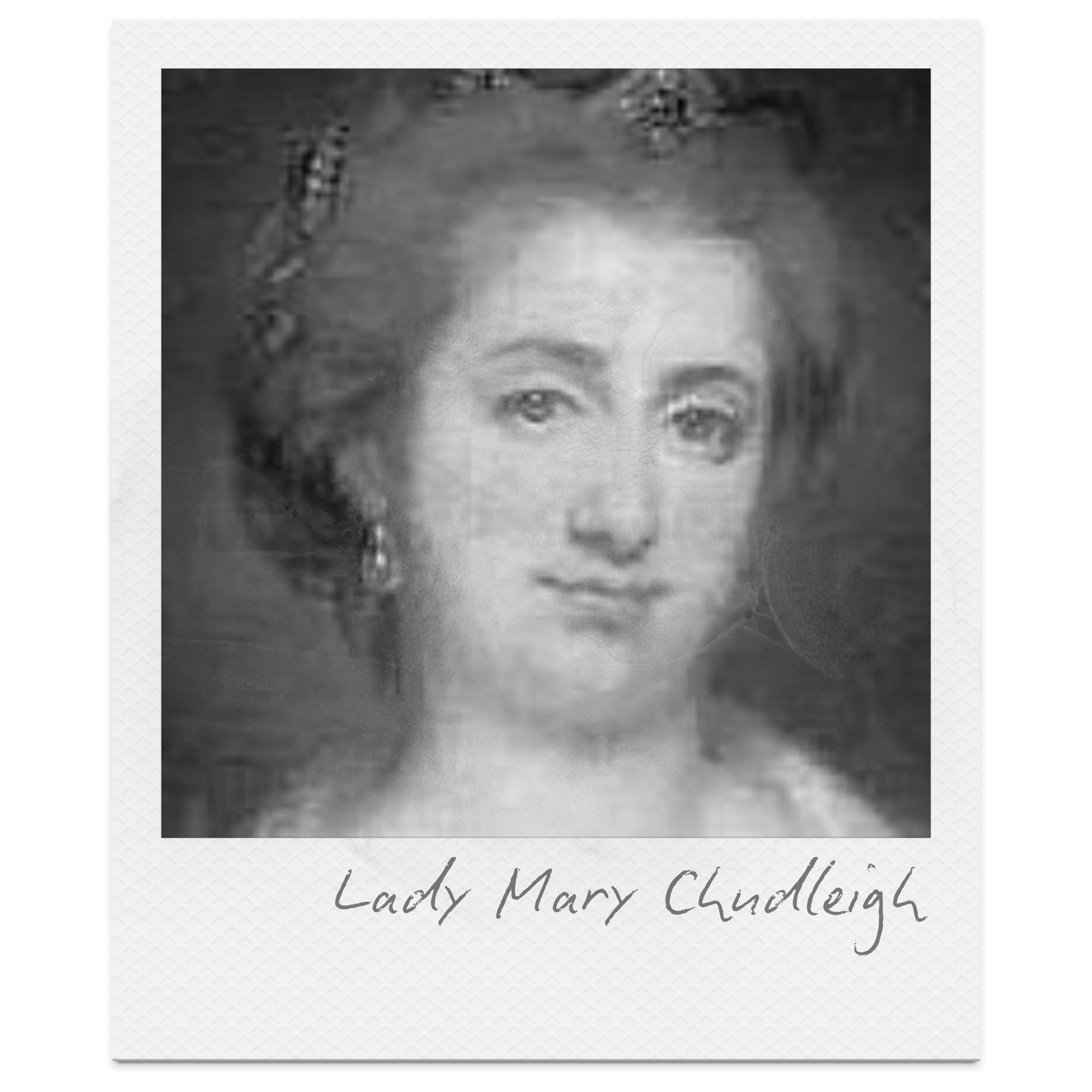
Lady Mary Chudleigh (1656–1710) was one of the earliest English women poets to write openly about the restrictions placed upon women. Influenced by the intellectual debates surrounding women's education and equality, she questioned assumptions that female obedience was natural or desirable. Rather than presenting marriage as a romantic ideal, Chudleigh exposes how social expectations allow affection to be replaced by domination once a husband gains legal authority.
The poem also responds to the conventions of conduct literature—popular books and sermons that instructed women to be modest, silent, obedient, and devoted wives. Chudleigh deliberately overturns these expectations through satire, direct address, and forceful imperatives, encouraging women to think critically about the realities of marriage rather than accepting idealised promises. Her closing advice to "Value your selves" was particularly bold for its time, making the poem an early and influential challenge to patriarchal attitudes and a significant precursor to later feminist writing.
To the Ladies: At a Glance
Form: Rhyming couplets with a regular, balanced structure that mirrors the rigid social rules governing marriage, while allowing Chudleigh to build a sustained and persuasive argument.
Mood: Critical, satirical, and increasingly defiant, shifting from exposing the realities of marriage to urging women to reject oppressive expectations.
Central tension: The ideal of marriage as a loving partnership conflicts with the reality of female subordination, exposing the imbalance of legal and social power between husbands and wives.
Core themes: Marriage, patriarchal power, female autonomy, gender inequality, obedience, freedom, social expectations, and resistance.
One-sentence meaning: Through direct address, biting satire, and powerful metaphor, Chudleigh argues that marriage often reduces women to obedience and servitude, urging her female readers to value their own independence rather than accepting unequal relationships as natural.
Quick Summary of To the Ladies
The poem begins with the provocative claim that a wife and a servant are effectively the same, arguing that marriage changes a woman's position from equal companion to obedient subordinate. Chudleigh explains that once a woman has spoken the marriage vows, the law grants her husband supreme authority, allowing kindness to give way to "state and pride." Through a series of increasingly severe comparisons, she depicts the husband as a tyrannical ruler whose power leaves his wife with little freedom to speak, act, or think independently.
As the poem develops, Chudleigh intensifies her criticism by describing wives as silent, fearful, and entirely governed by their husbands' wishes. However, the closing lines mark an important shift from description to direct advice. Instead of merely exposing the injustices of marriage, the speaker urges women to "shun" such unequal relationships, reject those who encourage female submission, and value their own worth. The poem ends not in despair but in defiance, encouraging women to recognise their dignity and resist social expectations that demand unquestioning obedience.
Title, Form, Structure, and Metre
The formal features of To the Ladies are central to its meaning. Chudleigh combines a highly controlled poetic structure with increasingly forceful language, creating a striking contrast between the poem's orderly appearance and its radical challenge to patriarchal authority. The poem's regular rhythm and tightly linked couplets mirror the restrictive social order it criticises, while its direct progression leads readers towards an uncompromising call for female independence.
Title
The title, To the Ladies, immediately establishes the poem as a direct address to a specific audience. Unlike many poems that describe women from an outside perspective, Chudleigh speaks to women rather than about them, creating an immediate sense of solidarity between speaker and reader. The title therefore signals that the poem is intended as advice, warning, and encouragement rather than private reflection.
The simplicity of the title is also significant. It contains no reference to marriage or conflict, allowing the poem's increasingly severe criticism to emerge gradually. Readers may initially expect a conventional conduct poem offering guidance on feminine behaviour, but Chudleigh deliberately subverts these expectations. Instead of reinforcing traditional ideals of obedience and modesty, she encourages women to question the very institution that society expected them to embrace.
Form and Structure
The poem is written as a sequence of rhyming heroic couplets, a form strongly associated with order, reason, and moral argument during the late seventeenth and early eighteenth centuries. Rather than using the couplets simply for elegance, Chudleigh transforms them into a persuasive rhetorical device. Each pair of lines presents a complete idea before driving the argument relentlessly forwards, giving the poem the logical force of a carefully constructed debate.
The poem's progression is particularly important. It begins with the shocking assertion that "Wife and servant are the same," immediately challenging accepted beliefs about marriage. The following lines explain how legal authority transforms affection into domination, with each example becoming increasingly oppressive. By gradually intensifying the husband's control—from pride, to tyranny, to complete obedience—Chudleigh demonstrates that female subordination is not an isolated problem but a systematic consequence of marriage under patriarchal law.
The final four lines create the poem's most significant structural shift. Having spent much of the poem exposing injustice, the speaker moves decisively from description to instruction through a series of forceful imperatives: "Then shun," "hate," "Value your selves," and "despise." This change transforms the poem from social criticism into a call for resistance. Rather than leaving readers with despair, Chudleigh ends with the possibility of agency, urging women to reject the attitudes that sustain their own oppression.
Rhyme Scheme and Poetic Pattern
The poem follows a continuous pattern of rhyming couplets:
AA BB CC DD EE FF...
This highly regular rhyme scheme creates a strong sense of certainty and authority. Each completed couplet reinforces the speaker's confidence, making the argument appear logical and difficult to challenge. The steady succession of closed couplets also reflects the restrictive social system the poem criticises. Just as each pair of lines is tightly enclosed, women are presented as confined within rigid expectations that leave little room for independence or freedom.
The consistency of the rhyme also contributes to the poem's persuasive tone. There are no significant disruptions or irregularities to distract from the speaker's reasoning. Instead, the predictable pattern gives each accusation additional weight, allowing Chudleigh's criticism to accumulate steadily until it reaches the powerful concluding commands.
Metre and Rhythmic Movement
The poem is written predominantly in iambic tetrameter, with each line generally containing four iambic feet. The regular rhythm creates a measured, almost conversational flow that allows the speaker's argument to unfold with clarity and control.
One representative example appears in the opening line:
wife and | SERV ant | ARE the | SAME
The firm stresses naturally fall on "servant," "are," and "same," reinforcing the poem's startling central claim. The balanced rhythm gives the line the confidence of a factual statement rather than an emotional outburst, making its challenge to conventional ideas even more striking.
Another example appears in the closing advice:
you must | be PROUD | if YOU'LL | be WISE
Here, the repeated stresses on "proud" and "wise" emphasise the poem's concluding message. The rhythm becomes almost aphoristic, giving the final line the memorable quality of a proverb. This reinforces the sense that the speaker is offering practical wisdom rather than merely expressing personal frustration.
Throughout the poem, Chudleigh rarely disrupts the metre because regularity itself strengthens her argument. The controlled rhythm mirrors the disciplined reasoning of the speaker, while the relentless forward movement reflects the systematic nature of the oppression she describes. Rather than relying on emotional excess, Chudleigh persuades through measured logic, allowing the poem's calm certainty to expose the irrationality and injustice of patriarchal authority.
The Speaker in To the Ladies
The speaker of To the Ladies presents herself as an experienced, perceptive, and uncompromising adviser addressing women directly. Rather than speaking as a detached observer, she adopts the role of someone who understands both the legal realities and emotional consequences of marriage, giving her warnings authority and urgency. Her tone shifts between satirical, indignant, and ultimately encouraging, exposing the injustices of patriarchal society before urging women to recognise their own worth. Importantly, the speaker does not attack individual men alone but the social and legal system that allows husbands to exercise unquestioned authority over their wives. By ending with direct imperatives such as "Value your selves" and "You must be proud, if you'll be wise," she transforms her voice from one of criticism into one of empowerment, encouraging female readers to question accepted norms rather than passively accepting them.
Line-by-Line Analysis of To the Ladies
Although To the Ladies is written as a single continuous stanza, its argument develops in clear stages. Rather than presenting one unchanging complaint, Chudleigh carefully builds her critique of marriage, patriarchal authority, and female obedience, moving from a shocking opening claim to increasingly powerful examples before ending with a direct call for women to value their own independence. The analysis below explores how language, imagery, structure, and tone develop across the poem, showing how each section strengthens Chudleigh's central argument and contributes to its persuasive impact.
Lines 1–4: Marriage Recast as Bondage
The poem opens with one of the most provocative statements in the anthology: "Wife and servant are the same." By placing "wife" and "servant" side by side, Chudleigh immediately dismantles the idealised image of marriage as an equal partnership. The blunt declarative sentence leaves no room for qualification, presenting inequality as an unavoidable reality rather than a personal opinion. The following line, "But only differ in the name," intensifies this argument by suggesting that the distinction between marriage and servitude is merely linguistic. Although society uses different labels, the speaker argues that the lived experience is effectively identical.
The metaphor of the "fatal knot" develops this criticism further. Marriage vows were traditionally celebrated as symbols of love and lifelong commitment, yet Chudleigh transforms them into an image of entrapment. The adjective "fatal" carries associations of death, destruction, and irreversible consequences, suggesting that marriage permanently destroys a woman's independence. The repetition in "nothing, nothing can divide" reinforces the permanence of this condition. While Christian marriage often celebrated lifelong unity as a virtue, Chudleigh ironically presents that same permanence as inescapable imprisonment, immediately overturning conventional attitudes towards marriage.
Lines 5–8: Law as the Source of Male Authority
Having established her central claim, Chudleigh explains why wives become servants. The phrase "When she the word obey has said" focuses attention on the marriage vows themselves, suggesting that a single promise becomes the foundation of lifelong submission. Significantly, the speaker isolates the word "obey," highlighting the unequal expectations placed upon women within marriage.
The following line shifts from religion to law: "And man by law supreme has made." Chudleigh deliberately argues that male dominance is not a natural quality but something granted through legal structures. The husband becomes "supreme" not because of personal virtue but because society gives him authority. This distinction is crucial because it transforms inequality from an individual failing into a systemic problem.
The consequences of this legal imbalance quickly become apparent. Once authority has been established, "all that's kind is laid aside," suggesting that affection disappears once power becomes secure. The contrast between "kind" and "state and pride" demonstrates how genuine companionship is replaced by hierarchy and self-importance. Rather than strengthening relationships, marriage becomes an institution that encourages domination over mutual respect.
Lines 9–12: The Husband as a Tyrant
The poem's criticism becomes even sharper as Chudleigh compares the husband to "an Eastern prince." To an eighteenth-century audience, this image would have suggested an absolute ruler possessing unchecked political power. Although modern readers should recognise this as a reflection of contemporary European stereotypes rather than an accurate representation of Eastern societies, the comparison is intended to emphasise despotism rather than geography. By likening an ordinary husband to an absolute monarch, Chudleigh suggests that marriage grants men almost unlimited domestic authority.
The verb "grows" is particularly revealing. The husband is not presented as naturally tyrannical but as someone whose behaviour changes after marriage. His "innate rigour" appears once power has been secured, implying that legal authority encourages increasingly oppressive behaviour.
The consequences extend even to the smallest actions. The list "to look, to laugh, or speak" includes ordinary aspects of everyday life, showing that female freedom has been reduced to such an extent that even harmless behaviour becomes dangerous. The suggestion that these actions "Will the nuptial contract break" is deeply ironic. A contract supposedly founded upon love becomes so fragile that a woman's independence is treated as a threat to its existence. Chudleigh therefore exposes the contradiction at the heart of unequal marriage: harmony depends not upon mutual respect but upon female silence.
Lines 13–20: Silence, Obedience, and the Loss of Identity
The image of wives becoming "Like mutes" introduces one of the poem's most powerful metaphors. Deprived of a public voice, women communicate only through "signs," symbolising the suppression of opinion, identity, and intellectual freedom. Chudleigh is not suggesting that women are naturally silent; rather, society forces them into silence by denying them the authority to speak openly.
The repeated negatives—"never any freedom," "nothing act," "nothing say"—create an overwhelming sense of restriction. Each phrase removes another aspect of personal autonomy until almost every form of independent thought and action has disappeared. The repetition mirrors the relentless nature of patriarchal control, making the oppression feel systematic rather than occasional.
Perhaps the most striking comparison comes when wives are instructed to "fear her husband as a God." The simile deliberately elevates the husband to an almost divine position, exposing the excessive reverence expected within patriarchal marriage. Chudleigh's choice of religious language also questions whether such obedience borders on idolatry, subtly criticising a society that grants human authority almost sacred status.
The description of the husband as a "haughty lord" who possesses "all the wit" is equally satirical. The speaker does not genuinely believe men are naturally wiser; instead, she mocks the assumption that those with political and legal power are automatically considered intellectually superior. In doing so, Chudleigh exposes how authority often creates the illusion of wisdom.
Lines 21–24: From Criticism to Female Empowerment
The final four lines transform the poem from social commentary into a direct call for action. The repeated imperative "Then shun, oh! shun" creates urgency, replacing the detached description of earlier sections with passionate advice. The repetition reflects the speaker's determination to ensure that her warning cannot be ignored.
Chudleigh also widens her criticism by urging women to "hate" the "fawning flatt'rers" who encourage female submission. This suggests that patriarchal values survive not only because of oppressive men but also because society continually reinforces them through comforting myths about marriage and obedience.
The closing commands, "Value your selves" and "You must be proud, if you'll be wise," provide the poem's emotional climax. Throughout the poem, women have been described as denied freedom, speech, and authority. The final lines reverse this pattern by encouraging self-respect and independent judgement. Importantly, Chudleigh redefines pride, traditionally condemned as a feminine fault, as an essential form of wisdom. The poem therefore ends not with despair but with empowerment, urging women to reject inequality by recognising their own value. The transformation from exposing oppression to advocating resistance gives To the Ladies its lasting force and explains why it remains one of the earliest and most powerful critiques of patriarchal marriage in English poetry.
Key Quotes and Methods in To the Ladies
Throughout To the Ladies, Chudleigh combines satire, metaphor, direct address, and forceful rhetoric to expose the inequalities of marriage in eighteenth-century society. Rather than appealing to emotion alone, she carefully constructs a logical argument that reveals how legal authority transforms relationships into systems of domination. Each quotation below illustrates how her methods build this powerful critique.
"Wife and servant are the same"
◆ Technique: Declarative statement, metaphor, and juxtaposition.
◆ Meaning: Chudleigh immediately equates marriage with servitude, collapsing the distinction between a respected social role and one defined by obedience. The blunt comparison shocks readers into questioning assumptions about married life.
◆ Purpose: By opening with such a provocative claim, Chudleigh establishes the poem's central argument and challenges idealised views of marriage from the very first line.
◆ Impact: Readers are encouraged to reconsider the balance of power within marriage, recognising that social status may disguise profound inequality.
"that fatal knot"
◆ Technique: Metaphor and symbolic imagery.
◆ Meaning: Marriage, traditionally symbolised by a knot representing unity and lifelong commitment, is transformed into an image of irreversible entrapment. The adjective "fatal" suggests destruction rather than fulfilment.
◆ Purpose: Chudleigh subverts conventional marriage imagery, exposing what she sees as the dangerous consequences of a legal bond that permanently removes female independence.
◆ Impact: Readers are invited to question whether institutions celebrated by society can also become sources of oppression.
"man by law supreme has made"
◆ Technique: Legal diction and inversion.
◆ Meaning: The speaker emphasises that male authority is created by law, not by natural superiority. The inversion draws attention to the word "supreme," highlighting the extent of the husband's legal power.
◆ Purpose: Chudleigh shifts responsibility away from individual personalities and towards the social and legal systems that create unequal relationships.
◆ Impact: Readers understand that the poem criticises institutional injustice rather than isolated examples of cruel husbands.
"Fierce as an Eastern prince he grows"
◆ Technique: Simile and political imagery.
◆ Meaning: The husband is compared to an absolute ruler whose authority goes unquestioned. The comparison suggests that marriage grants ordinary men excessive domestic power.
◆ Purpose: Chudleigh exaggerates the husband's authority to expose the imbalance created by patriarchal society and to criticise the concentration of power within marriage.
◆ Impact: Readers see the husband less as a loving partner and more as an authoritarian figure, strengthening the poem's condemnation of unequal relationships.
"Like mutes she signs alone must make"
◆ Technique: Simile and symbolism.
◆ Meaning: Comparing wives to people unable to speak symbolises the loss of female voice, agency, and participation within marriage. Silence becomes a metaphor for social exclusion.
◆ Purpose: Chudleigh demonstrates that oppression extends beyond physical control to include the suppression of thought, opinion, and identity.
◆ Impact: Readers recognise that denying someone a voice is one of the most powerful forms of control, making the poem's criticism both political and deeply personal.
"fear her husband as a God"
◆ Technique: Simile, religious imagery, and hyperbole.
◆ Meaning: The husband is elevated to an almost divine status, exposing the excessive obedience expected of wives. The comparison deliberately blurs the boundary between marital authority and religious devotion.
◆ Purpose: Chudleigh criticises a society that demands unquestioning submission to male authority, suggesting that such expectations are both unreasonable and dangerous.
◆ Impact: Readers are encouraged to question systems that place one individual beyond criticism simply because of their social position.
"Value your selves, and men despise"
◆ Technique: Imperative verbs, direct address, and contrast.
◆ Meaning: After exposing female oppression throughout the poem, the speaker finally offers practical advice. The command to value oneself directly opposes the culture of female obedience described earlier.
◆ Purpose: Chudleigh transforms the poem from social criticism into a call for female self-respect and independent judgement.
◆ Impact: The direct commands empower readers, ending the poem with hope and resistance rather than resignation.
"You must be proud, if you'll be wise"
◆ Technique: Aphorism, paradox, and imperative.
◆ Meaning: Pride, often condemned as an undesirable feminine quality, is redefined as a necessary form of self-respect. Chudleigh argues that wisdom begins with recognising one's own value.
◆ Purpose: The poem concludes by overturning traditional expectations of female humility, replacing obedience with confidence as the foundation of good judgement.
◆ Impact: Readers leave with a memorable and thought-provoking conclusion that encapsulates the poem's radical message, reinforcing its enduring significance as one of the earliest challenges to patriarchal authority in English poetry.
Key Techniques in To the Ladies
Chudleigh combines satire, rhetorical persuasion, and controlled poetic form to challenge accepted ideas about marriage and women's roles in society. Rather than expressing private frustration, she constructs a carefully reasoned argument that exposes how legal authority and social expectations combine to restrict female freedom. Each technique strengthens her critique while encouraging readers to question assumptions that many people in her own time accepted without challenge.
◆ Extended Metaphor – Throughout the poem, Chudleigh develops the central metaphor that marriage is a form of servitude. Beginning with the declaration that "Wife and servant are the same," she consistently presents marriage as an institution that deprives women of independence rather than granting companionship. By sustaining this comparison across the poem, she encourages readers to reconsider the true nature of relationships built upon unequal power.
◆ Direct Address – The title and repeated second-person references establish the poem as a direct conversation with women. Instead of discussing female oppression from a distance, Chudleigh speaks to her audience, creating solidarity and making the closing advice feel immediate and personal. This technique transforms the poem into both a warning and a call to action.
◆ Satire – Chudleigh exposes the contradictions within patriarchal society by presenting accepted ideas in ways that reveal their injustice. Describing husbands as figures who possess "all the wit" or comparing them to rulers who must be feared "as a God" is deliberately ironic. Rather than praising male authority, she exaggerates it to expose its absurdity and encourage readers to question the assumptions on which it depends.
◆ Imperative Language – The final section is dominated by commands such as "shun," "hate," and "Value your selves." These forceful imperatives mark a decisive shift from describing oppression to encouraging resistance. By ending with advice rather than complaint, Chudleigh empowers her audience, suggesting that recognising one's own worth is the first step towards challenging inequality.
◆ Religious and Legal Imagery – References to "obey," "law," and fearing a husband "as a God" connect marriage with both legal authority and religious expectation. Chudleigh demonstrates how these powerful institutions reinforce one another, making female submission appear natural or even sacred. By exposing these connections, she challenges readers to distinguish genuine morality from socially constructed power.
◆ Simile and Symbolism – Comparisons such as "Fierce as an Eastern prince" and "Like mutes" vividly illustrate the imbalance of power within marriage. The husband becomes a symbol of unchecked authority, while the silent wife represents the suppression of female identity and voice. These images make abstract ideas about inequality concrete and memorable.
◆ Repetition – Chudleigh repeatedly uses words such as "nothing," "still," and "obey" to emphasise the relentless nature of female oppression. The repeated negatives gradually strip away every aspect of personal freedom, while the repeated commands at the end replace passivity with determination. This contrast reinforces the poem's movement from oppression to empowerment.
◆ Heroic Couplets – The poem's regular rhyming couplets give the argument a calm, logical structure. Rather than sounding emotionally uncontrolled, the speaker appears measured and rational, making her criticism more persuasive. The neatly closed couplets also reflect the rigid social order the poem attacks, creating an effective tension between the poem's controlled form and its radical message.
◆ Contrast – Much of the poem's power comes from the contrast between appearance and reality. Marriage is traditionally associated with love and security, yet Chudleigh presents it as domination and obedience. Similarly, qualities often praised in women—humility, silence, and submission—are revealed as tools of oppression. These contrasts encourage readers to question accepted social values rather than accepting them uncritically.
◆ Accumulation – Chudleigh builds her argument through the steady accumulation of examples rather than relying on a single dramatic image. Each new restriction—from legal authority, to silence, to fear, to complete obedience—adds another layer to the speaker's criticism. This cumulative structure makes the oppression feel systematic and unavoidable, strengthening the poem's final call for women to reject the expectations placed upon them.
How the Writer Creates Meaning and Impact in To the Ladies
In To the Ladies, Chudleigh uses language, structure, voice, and rhythm to dismantle the idealised image of marriage presented by eighteenth-century society. Rather than relying on emotional outbursts, she constructs a measured yet uncompromising argument that exposes how legal authority becomes personal domination. As the poem progresses, its methods become increasingly forceful, guiding readers from recognising injustice to questioning the social values that allow it to continue.
Language: Exposing the Reality Behind Marriage
Chudleigh's language is deliberately direct and uncompromising. The opening declaration that "Wife and servant are the same" immediately rejects polite euphemism, forcing readers to confront an uncomfortable comparison before they have time to question it. Throughout the poem, her diction repeatedly contrasts the ideal language of marriage with the reality of oppression. Words associated with affection, such as "kind," are quickly replaced by terms like "supreme," "rigour," "lord," and "obey," demonstrating how relationships founded on love become governed by authority.
The poem also draws upon the vocabulary of law, religion, and politics. References to "law," "God," and an "Eastern prince" broaden the poem beyond domestic life, suggesting that marriage reflects wider systems of power rather than existing as a private relationship. By placing the household alongside institutions associated with absolute authority, Chudleigh reveals how patriarchal control is reinforced at every level of society.
Perhaps most importantly, her language becomes increasingly active as the poem develops. The closing imperatives—"shun," "hate," and "Value your selves"—replace passive descriptions of female obedience with confident commands. This linguistic shift mirrors the speaker's movement from exposing injustice to encouraging resistance, leaving readers with a sense of possibility rather than defeat.
Structure: From Diagnosis to Defiance
The structure of the poem mirrors the development of a carefully reasoned argument. Rather than presenting isolated complaints, Chudleigh organises her ideas so that each stage naturally leads to the next, creating the impression of an unavoidable conclusion.
The opening establishes the poem's central claim before explaining how marriage creates inequality through legal authority. Having identified the source of the problem, Chudleigh gradually intensifies the consequences. The husband progresses from being legally "supreme" to behaving like an absolute ruler, while the wife's freedoms become steadily more restricted until she is unable to look, laugh, speak, act, or even think independently.
The final four lines create the poem's decisive structural turning point. For most of the poem, the speaker explains what marriage does to women. Suddenly, she begins addressing what women should do in response. This movement from description to instruction transforms the poem from social observation into political persuasion. The ending therefore feels purposeful and empowering, ensuring readers leave not only understanding the problem but also considering how it might be challenged.
Voice and Tone: Controlled Anger and Persuasive Authority
One of the poem's greatest strengths is the control of its voice. Although Chudleigh is clearly condemning injustice, she avoids emotional excess. Instead, the speaker sounds calm, logical, and authoritative, giving her criticism greater credibility. The measured tone suggests that the argument is based upon careful observation rather than personal bitterness.
As the poem progresses, however, subtle changes in tone become apparent. The opening is primarily analytical, exposing the realities of marriage with almost clinical certainty. The central section becomes increasingly satirical, exaggerating the husband's authority to reveal its absurdity, while the closing lines adopt an unmistakably urgent and encouraging tone. This gradual progression allows readers to experience the speaker's growing determination without ever feeling that the poem has abandoned rational argument.
The repeated use of direct address also strengthens the speaker's authority. By speaking directly to "the Ladies," Chudleigh creates the impression of shared experience and mutual understanding. Rather than lecturing from a position of superiority, she positions herself alongside her readers, transforming the poem into an act of collective encouragement.
Sound and Rhythm: Order Reinforcing Argument
The poem's predominantly regular iambic tetrameter and continuous rhyming couplets create a steady, disciplined rhythm that reflects the speaker's careful reasoning. Instead of using irregular metre to convey emotional turmoil, Chudleigh relies on consistency to suggest confidence and intellectual control. The calm rhythm allows even the poem's most radical ideas to sound measured and persuasive.
The continuous AA BB CC rhyme pattern also contributes significantly to meaning. Each completed couplet forms a self-contained step in the argument, giving the impression that every point logically supports the next. This cumulative movement mirrors the systematic nature of the oppression being described. Just as one couplet inevitably leads to another, each restriction imposed upon wives appears to lead naturally to the next stage of subordination.
Chudleigh also uses repetition to shape the poem's sound and emotional impact. Words such as "nothing," "still," and the repeated commands "shun, oh! shun" create rhythmic emphasis while reinforcing the poem's central ideas. The repetition of negatives highlights the gradual erosion of female freedom, whereas the repeated imperatives at the conclusion energise the rhythm, replacing resignation with determination.
The result is a striking contrast between form and message. The poem's controlled structure mirrors the rigid social order it criticises, yet within that disciplined framework, Chudleigh delivers one of the most radical challenges to patriarchal authority of her age. This tension between formal restraint and intellectual rebellion gives To the Ladies much of its enduring power, leaving readers with the sense that reason itself has become a force for social change.
Themes in To the Ladies
To the Ladies explores the unequal power structures that shaped women's lives in the early eighteenth century. While the poem focuses on the institution of marriage, Chudleigh's concerns extend far beyond domestic relationships to examine authority, freedom, identity, and the expectations society places upon women. By combining satire with direct advice, she transforms personal experience into a wider critique of patriarchal culture.
Marriage
Marriage is presented not as a relationship founded upon mutual affection but as a legal institution that transfers power from wife to husband. Chudleigh deliberately overturns the conventional image of marriage as a joyful union by describing it as a "fatal knot," suggesting that the wedding ceremony binds women into a lifetime of dependence rather than companionship.
Importantly, the poem argues that the problem does not lie with marriage itself as an idea but with the unequal power it creates. Once the vows have been spoken, the husband becomes "supreme" by law, allowing kindness to be replaced by authority. By exposing this imbalance, Chudleigh challenges readers to question whether a relationship can truly be loving when one partner possesses almost unlimited control over the other.
Patriarchal Power
Patriarchal power is presented as systematic rather than personal. Although individual husbands are criticised, Chudleigh repeatedly shows that their authority comes from wider social and legal structures rather than natural superiority. The phrase "man by law supreme has made" is particularly significant because it locates power within legislation and custom instead of individual character.
The comparison of the husband to "an Eastern prince" further develops this idea. He is portrayed as an absolute ruler whose authority cannot easily be questioned, transforming the household into a miniature dictatorship. By using political imagery, Chudleigh suggests that domestic inequality reflects broader systems of power operating throughout society.
Female Autonomy
Throughout the poem, Chudleigh presents autonomy as something gradually stripped away through marriage. The repeated restrictions on speaking, acting, and making independent decisions demonstrate that oppression involves far more than physical control. A wife loses not only her freedom of action but also her ability to express opinions and develop her own identity.
However, the final lines offer an alternative vision. By urging women to "Value your selves," Chudleigh argues that autonomy begins with recognising one's own worth. Self-respect becomes an act of resistance, suggesting that genuine independence starts with refusing to accept the belief that female obedience is natural or inevitable.
Gender Inequality
The poem exposes gender inequality as something embedded within everyday life. Chudleigh contrasts the expectations placed upon husbands and wives, showing that only women are required to obey, remain silent, and surrender personal freedom. Men, meanwhile, receive authority simply because society grants it to them.
Rather than presenting these inequalities as unfortunate exceptions, the speaker suggests they are built into the institution of marriage itself. This broader perspective transforms the poem from a complaint about individual relationships into a critique of an entire social system, making its message remarkably radical for the early eighteenth century.
Obedience
Obedience is shown to be the central expectation placed upon married women. The isolated word "obey" becomes symbolic of everything marriage demands, while the repeated commands to serve, fear, and remain silent demonstrate how thoroughly submission shapes a wife's identity.
Yet Chudleigh carefully questions whether obedience is a virtue at all. Instead of presenting it as a sign of love or respect, she depicts it as the mechanism through which women lose their independence. The poem therefore challenges one of the defining ideals of eighteenth-century conduct literature by suggesting that unquestioning obedience enables injustice rather than harmony.
Freedom
Freedom appears throughout the poem largely through its absence. Chudleigh repeatedly emphasises what wives are unable to do, creating an accumulating sense of confinement. Even ordinary activities such as looking, laughing, or speaking become restricted, illustrating how oppression extends into every aspect of daily life.
The repeated negatives—"never," "nothing," and "no freedom"—reinforce this loss, making freedom seem increasingly distant. However, the conclusion restores the possibility of choice by encouraging women to reject oppressive expectations. In this way, freedom emerges not simply as physical independence but as the ability to think, judge, and value oneself.
Social Expectations
One of the poem's most powerful ideas is that society actively teaches women to accept their own subordination. Chudleigh criticises not only husbands but also the "fawning flatt'rers" who encourage women to embrace obedience by presenting marriage as an unquestionable ideal.
This suggests that oppression is maintained through culture as much as through law. Expectations surrounding modesty, silence, and submission become social pressures that persuade women to accept unequal treatment voluntarily. By exposing these expectations, Chudleigh invites readers to distinguish between tradition and justice, encouraging them to question customs that have long gone unchallenged.
Resistance
Although much of the poem describes oppression, its final message is one of resistance rather than resignation. The repeated imperatives—"shun," "hate," and "Value your selves"—mark a decisive shift from analysing injustice to encouraging action.
Significantly, Chudleigh presents resistance not through violence or confrontation but through self-respect, critical thinking, and the refusal to accept oppressive values. Her concluding statement, "You must be proud, if you'll be wise," redefines pride as a form of moral courage. In doing so, the poem ends by offering women an alternative way of understanding themselves—one founded upon dignity, confidence, and independence rather than obedience.
Alternative Interpretations of To the Ladies
Although To the Ladies is rooted in the social and legal realities of the early eighteenth century, its ideas continue to invite a range of interpretations. Chudleigh's critique of marriage extends beyond individual relationships to explore questions of power, identity, and freedom, allowing the poem to resonate with readers from different historical periods and critical perspectives.
Feminist Interpretation: An Early Challenge to Patriarchal Society
A feminist reading views To the Ladies as one of the earliest sustained poetic critiques of patriarchal power in English literature. Chudleigh argues that women's oppression is not the result of individual husbands alone but is built into the legal and social structures governing marriage. The phrase "man by law supreme has made" is particularly significant because it identifies inequality as a product of society rather than nature.
From this perspective, the poem challenges traditional gender roles by exposing how expectations of obedience, silence, and submission benefit men while limiting women's independence. The closing commands to "Value your selves" and "You must be proud, if you'll be wise" reject the ideal of female humility, encouraging women to recognise their own worth and question systems that deny them equality. Read this way, the poem anticipates many of the arguments that would later become central to feminist thought.
Contemporary Interpretation: Questioning Power in Modern Relationships
Although the legal position of women has changed dramatically since 1703, a contemporary reading suggests that the poem continues to speak to modern discussions about power, control, and equality within relationships. Most readers today would reject the legal inequalities Chudleigh describes, yet the poem still raises important questions about emotional manipulation, coercive control, and relationships in which one partner dominates the other.
From this perspective, the poem is less about marriage as a historical institution and more about the dangers of any relationship built upon unequal power. Chudleigh's insistence that respect cannot exist alongside unquestioned authority remains relevant, encouraging readers to reflect on what healthy partnerships should look like. The poem therefore continues to resonate because it explores issues of autonomy and mutual respect that extend beyond its original historical context.
Social Interpretation: Challenging Accepted Social Values
A social interpretation focuses on the poem as a critique of the cultural expectations that shaped women's lives. Chudleigh repeatedly suggests that inequality survives because society teaches women to accept it as natural. Her criticism extends beyond husbands to include the "fawning flatt'rers" who encourage female obedience by presenting marriage as every woman's proper destiny.
From this perspective, To the Ladies becomes a challenge to social conformity itself. Chudleigh exposes how customs, traditions, and accepted beliefs can reinforce injustice simply because they go unquestioned. Her poem therefore encourages readers to examine the values their own societies take for granted, reminding us that social norms should be judged by fairness rather than tradition alone.
Exam-Ready Insight for To the Ladies
To the Ladies is a highly persuasive poem that rewards close analysis of language, structure, and tone. While it is easy to focus on its criticism of marriage, the strongest responses recognise that Chudleigh is also exposing the wider social, legal, and cultural systems that give men authority over women. In the examination, always explore how Chudleigh builds her argument rather than simply explaining what she believes.
What Strong Responses Do
◆ Develop a clear argument about how Chudleigh presents marriage as an unequal institution rather than simply describing the speaker's opinions.
◆ Analyse methods closely, exploring how metaphor, satire, direct address, imperative language, and the poem's regular structure reinforce its message.
◆ Track the progression from exposing oppression in the opening lines to encouraging resistance in the conclusion.
◆ Comment on individual word choices, showing how words such as "fatal," "supreme," "rigour," and "proud" shape readers' responses.
◆ Consider context naturally, explaining how legal and social expectations strengthen the poem's meaning without allowing context to replace textual analysis.
Common Mistakes
◆ Explaining that the poem is simply anti-marriage without recognising that Chudleigh is criticising unequal power rather than love or companionship itself.
◆ Identifying techniques such as metaphor or repetition without explaining why Chudleigh uses them and how they influence the reader.
◆ Treating the poem as an emotional complaint rather than recognising its carefully structured and logical argument.
◆ Ignoring the significance of the final four lines, where the poem shifts from exposing injustice to encouraging women to challenge it.
◆ Allowing historical context to dominate the response instead of using it to support close analysis of the poem.
Strong Thesis Statement
In To the Ladies, Lady Mary Chudleigh uses extended metaphor, satire, direct address, and the disciplined structure of heroic couplets to expose the unequal power embedded within marriage, arguing that social and legal systems deny women autonomy while ultimately encouraging them to recognise their own worth and resist oppression.
Model Analytical Paragraph
From the opening line, Chudleigh challenges conventional ideas about marriage by declaring that "Wife and servant are the same." The blunt declarative statement immediately collapses the distinction between a respected social role and one associated with obedience and dependence. By juxtaposing "wife" and "servant," Chudleigh forces readers to reconsider whether marriage truly offers women equality or merely disguises subordination beneath a more respectable title. The certainty of the speaker's voice leaves little room for debate, while the absence of qualification makes the claim feel universal rather than exceptional. This provocative opening also establishes the poem's argumentative structure, preparing readers for the evidence that follows as Chudleigh explains how legal authority transforms affection into domination. As a result, the poem begins not with sentimental reflection but with a bold challenge to accepted social values, immediately positioning readers to question the relationship between marriage and power.
Teaching Ideas for To the Ladies
Studying To the Ladies encourages students to explore how poetry can challenge accepted social values through language, structure, and persuasive argument. These activities develop close analytical reading while helping students consider how Chudleigh uses poetic methods to question ideas about marriage, authority, and women's roles in society.
1. Building an Analytical Paragraph
Provide students with the quotation "Wife and servant are the same" or "You must be proud, if you'll be wise." In pairs, ask them to write a detailed analytical paragraph exploring how Chudleigh creates meaning through language and structure. Encourage students to move beyond identifying techniques by analysing individual word choices, explaining the writer's purpose, and considering the effect on readers.
2. Structured Group Close Analysis
Divide the class into four groups and assign each one a different section of the poem. Each group should identify how Chudleigh's imagery, tone, structural development, and rhetorical methods contribute to her overall argument. Students should then present their findings, allowing the class to trace how the poem develops from exposing oppression to encouraging female empowerment.
3. Debate Through Evidence
Present students with the statement:
"To the Ladies is more than a criticism of marriage—it is a criticism of society itself."
Ask students to gather evidence supporting or challenging this interpretation using only quotations from the poem. As they explain their choices, encourage them to analyse Chudleigh's methods rather than simply summarising her ideas. This activity develops interpretative thinking while reinforcing the importance of supporting arguments with precise textual evidence.
4. Creative Writing Task
Invite students to write a short persuasive poem or dramatic monologue addressing a modern social issue they believe people accept without questioning. Encourage them to use techniques similar to Chudleigh's, such as direct address, repetition, imperative language, and extended metaphor, before annotating their own work to explain how these methods communicate their message. For more activities like this, explore the Creative Writing Archive.
Go Deeper into To the Ladies
Reading To the Ladies alongside other poems and literary works helps students explore how different writers present marriage, gender roles, power, and female identity. These comparisons strengthen analytical skills by encouraging readers to consider how similar themes can be explored through different forms, voices, and historical contexts.
◆ A Wife in London by Thomas Hardy – Both poems question idealised views of marriage, although from very different perspectives. Hardy explores the emotional consequences of marital loss, while Chudleigh critiques the unequal power structures that can exist within marriage itself. Together, they encourage discussion about love, duty, and the realities behind social expectations.
◆ Remember by Christina Rossetti – Both poems feature female speakers who challenge conventional expectations of women. While Rossetti presents a speaker who prioritises selfless love over possessive remembrance, Chudleigh openly rejects the expectation that women should sacrifice their independence. Comparing the two reveals different ways women writers negotiate identity and agency.
◆ Still I Rise by Maya Angelou – Although separated by nearly three centuries, both poems are acts of resistance against oppression. Angelou celebrates resilience in the face of racial and gender discrimination, while Chudleigh encourages women to reject patriarchal authority. Both writers use confident voices and direct address to empower their readers.
◆ A Vindication of the Rights of Woman by Mary Wollstonecraft – Wollstonecraft's influential prose work develops many of the concerns Chudleigh raises in poetic form. Both argue that women's apparent inferiority is created by society rather than nature and emphasise the importance of self-respect, education, and equality.
◆ The Handmaid's Tale by Margaret Atwood – Atwood's novel explores how legal and social systems can control women's bodies, voices, and identities. Although written in a very different context, it shares Chudleigh's concern with the relationship between authority, obedience, and female autonomy, making it an excellent comparison for discussions of power.
◆ The Chimney Sweeper by William Blake – Like Chudleigh, Blake exposes injustice hidden beneath accepted social institutions. Both writers challenge readers to question customs that appear normal but are built upon inequality, using poetry as a vehicle for social criticism rather than simple description.
Final Thoughts
More than three hundred years after it was published, To the Ladies remains a remarkably bold and thought-provoking poem. Although it reflects the legal realities of the early eighteenth century, Chudleigh's central concerns—power, equality, freedom, and self-worth—continue to resonate because they address questions that extend far beyond their historical moment. Rather than accepting marriage or social hierarchy as unquestionable, the poem encourages readers to examine the assumptions that underpin both.
What makes the poem especially powerful is its combination of measured reasoning and moral courage. Chudleigh does not rely on emotional outrage alone; instead, she patiently dismantles accepted beliefs before replacing them with a compelling alternative built upon dignity and self-respect. The closing injunction to "Value your selves" transforms the poem from a critique of oppression into a statement of empowerment, reminding readers that meaningful social change often begins by questioning ideas that have long been treated as natural or inevitable.
For more detailed analyses of every anthology poem, visit the Songs of Ourselves Volume 3 Hub, or explore a wider range of texts, authors, and exam resources in the Literature Library.
Choose Your Next Text