Lightness by Yvonne Gray: Summary, Themes & Analysis
Yvonne Gray's Lightness explores the relationship between nature, perseverance, hope, and human perception, using a winter landscape to reflect an inward emotional journey. Through refrain, symbolism, vivid natural imagery, and the carefully balanced structure of the villanelle, Gray contrasts the speaker's growing physical exhaustion with the fragile traces of a hare in the snow, suggesting that moments of beauty and purpose can remain visible even in bleak or uncertain circumstances. If you are studying or teaching Songs of Ourselves Volume 3 for CIE Literature in English (0475) Paper 1 (2028–2030), explore every poem in detail in the Songs of Ourselves Volume 3 Hub, or discover a wider collection of analyses, revision resources, and teaching materials in the Literature Library.

Context of Lightness
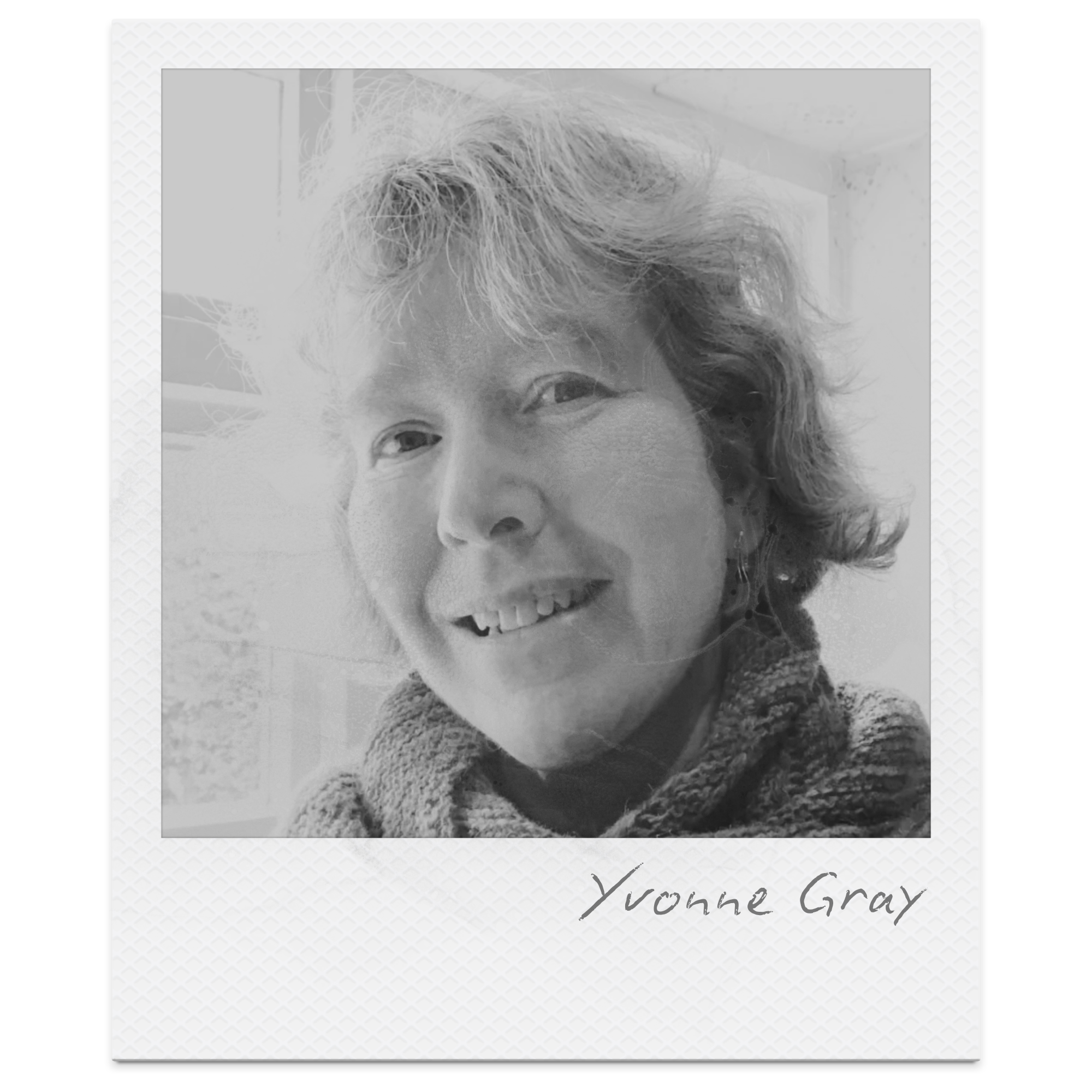
Yvonne Gray is a Scottish poet whose work frequently explores the relationship between people and the natural world, using carefully observed landscapes to reflect emotional and psychological experiences. Rather than presenting nature as a simple backdrop, Gray often allows the physical environment to shape the speaker's thoughts, so that external journeys become reflections of inner emotional states.
Published in 2007, Lightness is firmly rooted in the landscapes of northern Scotland. References to Hoy, an island in Scotland's Orkney Islands; Dounreay, a former nuclear research site on the north coast of Caithness, Scotland; and the distant Faroe Islands, an archipelago in the North Atlantic between Scotland and Iceland, place the speaker within a vast maritime environment shaped by sea, weather, and isolation. These real locations lend the poem geographical authenticity while emphasising both the beauty and harshness of the northern landscape.
Against this setting, Gray contrasts the speaker's increasingly difficult climb with the fleeting tracks of a hare, using the natural world to explore perseverance, hope, and the search for meaning. The poem's carefully controlled villanelle form reinforces this emotional journey, as its repeated refrains mirror the persistence required to continue moving forward despite growing physical and emotional weight.
Lightness: At a Glance
Form: A villanelle made up of five tercets and a final quatrain, shaped by two repeating refrains.
Mood: Bleak, reflective, determined, and quietly hopeful.
Central tension: The speaker’s physical heaviness and exhaustion are contrasted with the elusive lightness represented by the hare’s prints.
Core themes: Nature, perseverance, hope, burden, movement, isolation, human resilience, and the search for meaning.
One-sentence meaning: Through repetition, stark winter imagery, and the recurring symbol of the hare’s tracks, Gray presents a difficult journey in which the speaker continues moving through physical and emotional weight while searching for a fragile sense of lightness, freedom, and hope.
Quick Summary of Lightness
The poem follows a speaker climbing a snowy hillside while pulling a sledge through an increasingly harsh winter landscape. As clouds gather and the sky darkens, the speaker repeatedly notices the delicate prints of a hare in the snow and pauses to observe the wider world, including a stranded whale, a distant container ship, and the familiar landmarks of Scotland's northern coastline. Although the climb demands considerable physical effort, these moments of observation create a sense of wonder and connection with the surrounding landscape.
As the journey continues, the speaker enjoys a brief moment of exhilaration while sledging downhill before returning to the slow, demanding climb. By the final stanza, the hare's tracks have disappeared beneath fresh snow, the sky has become "like lead," and every step feels increasingly heavy. Despite this bleak ending, the speaker continues "seeking light prints of a hare in snow," suggesting that hope, beauty, and purpose remain worth pursuing even when they seem fragile or difficult to find.
Title, Form, Structure, and Metre
The formal choices in Lightness are fundamental to its meaning. Yvonne Gray combines the highly structured villanelle form with vivid natural imagery and subtle shifts in tone to reflect the speaker's emotional and physical journey. The poem's repeating refrains create a sense of persistence and cyclical movement, while its measured rhythm mirrors both the repeated labour of climbing and the continuing search for hope.
Title
The title Lightness immediately establishes a contrast that shapes the reader's expectations. On a literal level, it refers to the delicate "light prints of a hare in snow," whose barely visible tracks become one of the poem's central recurring images. However, as the poem progresses, the word "lightness" develops broader symbolic meanings, suggesting hope, freedom, resilience, and emotional release.
Gray deliberately contrasts the title with images of increasing physical weight. The speaker's "feet fall heavy and deep and slow," the sky becomes "like lead," and the hare's footprints eventually disappear beneath fresh snow. This tension between lightness and heaviness creates the poem's central conflict, suggesting that hope often remains fragile and difficult to maintain in the face of hardship. Rather than representing an achieved state, the title points towards something continually sought but never fully possessed.
Form and Structure
Lightness is written as a villanelle, a demanding poetic form consisting of five tercets followed by a concluding quatrain. Two refrains recur throughout the poem:
"I climb the slope with the sledge in tow."
"I follow light prints of a hare in snow."
Rather than feeling restrictive, the repeated lines reinforce the poem's themes of perseverance and endurance. Like the speaker's repeated steps uphill, the refrains continually return, creating the impression of sustained effort despite increasingly difficult conditions.
The poem develops through a sequence of carefully observed landscapes. Between each repetition of the refrains, Gray introduces new images—the stranded whale, the exhilarating descent on the sledge, the distant container ship, and the familiar landmarks of northern Scotland. These changing observations prevent the repetition from becoming monotonous, suggesting that although the journey itself remains constant, the speaker's perspective continues to evolve.
A significant structural shift occurs in the penultimate stanza when "The prints of the hare are lost in snow." This is the first time the familiar refrain is altered so dramatically, marking the emotional turning point of the poem. The disappearance of the tracks symbolises the temporary loss of direction and hope, making the final stanza noticeably darker in tone.
The concluding quatrain nevertheless restores the refrain in a modified form: "seeking light prints of a hare in snow." The verb "seeking" replaces the earlier certainty of "I see" and "I follow," suggesting that although hope has become less visible, the search itself continues. Gray therefore ends the poem not with resolution, but with quiet determination, reinforcing the idea that resilience often lies in continuing the journey despite uncertainty.
Rhyme Scheme and Poetic Pattern
As a traditional villanelle, Lightness follows the characteristic ABA rhyme scheme, supported by the repetition of its two refrains. Gray uses the recurring "-ow" rhyme (tow, snow, below, go, slow) alongside the "-ay" rhyme (grey, bay, spray, seaway, Dounreay) to create a strong musical pattern that echoes the cyclical nature of the speaker's journey.
The repeated refrains function almost like returning landmarks, providing familiarity even as the surrounding landscape changes. Their predictable recurrence reflects the rhythm of climbing, sledging, and searching, while also reinforcing the persistence that defines the speaker's experience. Rather than simply demonstrating technical skill, the villanelle's repetitive structure embodies the emotional reality of continuing forward despite fatigue and uncertainty.
Gray also introduces subtle variation within the repeated refrains. The progression from "I see" to "I follow" and finally "seeking" charts the speaker's changing relationship with hope. These small but significant alterations ensure that the repetitions convey emotional development rather than remaining mechanically identical.
Metre and Rhythmic Movement
Gray writes predominantly in iambic pentameter, although the rhythm remains flexible enough to sound like natural speech rather than rigid verse. This measured pace mirrors the speaker's repeated physical effort as they climb through the snow, reinforcing the poem's themes of perseverance and endurance.
The opening line establishes this deliberate movement:
as I CLIMB | the SLOPE | with the SLEDGE | in TOW
The rising rhythm reflects the speaker's determined upward progress, while the strong stresses on "CLIMB," "SLOPE," and "TOW" emphasise the physical demands of pulling the sledge uphill.
Gray varies the metre at moments of heightened movement. During the exhilarating descent, the line:
at the BROW | of the HILL | I BRACE | then LET | GO
contains a sequence of energetic monosyllables and closely spaced stresses. The active verbs "brace" and "let go" quicken the rhythm, allowing readers to experience the sudden release of speed and momentum before the poem returns to its slower pace.
The final stanza slows dramatically through both rhythm and diction:
my FEET | fall HEAV | y and DEEP | and SLOW
The accumulation of heavy stresses on "FEET," "HEAV-," "DEEP," and "SLOW" creates a laboured rhythm that mirrors the speaker's exhaustion. Instead of flowing smoothly, the line seems to trudge through the snow, making readers feel the increasing physical and emotional weight of the journey.
Rather than using metre as a purely technical feature, Gray integrates rhythm into the poem's central meaning. The combination of steady iambic movement, subtle rhythmic variation, and the recurring villanelle refrains reflects the balance between persistence and uncertainty. Just as the speaker continues climbing despite mounting difficulty, the poem's rhythm repeatedly moves forward, suggesting that resilience is found through the determination to keep taking the next step.
The Speaker in Lightness
The speaker in Lightness is a first-person traveller undertaking a solitary journey through a winter landscape. Although Gray reveals very little about their identity, the speaker is presented as observant, reflective, and quietly resilient, paying close attention to the natural world even while experiencing increasing physical exhaustion. Their repeated observations of the hare's delicate footprints, the stranded whale, the distant container ship, and the changing sky suggest someone who finds meaning in careful observation rather than dramatic action.
As the poem progresses, the speaker's voice shifts subtly from confidence to determination. The repeated refrain "I climb the slope with the sledge in tow" emphasises persistence, while the final change from "I see" and "I follow" to "seeking light prints of a hare in snow" reveals that certainty has given way to hope sustained through effort. Rather than presenting themselves as defeated, the speaker continues searching despite increasingly harsh conditions, allowing their voice to embody the poem's central message that resilience often lies not in reaching an end point, but in continuing the journey even when the path becomes uncertain.
Stanza-by-Stanza Analysis of Lightness
Gray structures Lightness as a journey through both a physical landscape and an emotional one. Each stanza introduces a new observation, but the recurring villanelle refrains continually return the reader to the speaker's steady climb and their search for the hare's footprints. Through imagery, symbolism, repetition, and contrast, the poem gradually shifts from moments of quiet wonder and exhilaration towards increasing heaviness and uncertainty, while suggesting that hope often survives through persistence rather than certainty.
Stanza 1: Setting Out in Search of Lightness
The opening stanza establishes both the speaker's physical journey and the poem's central symbolic quest. Through natural imagery, contrast, colour symbolism, and the introduction of the villanelle's repeating refrains, Gray immediately presents a landscape in which signs of hardship coexist with fragile moments of hope. The speaker's climb becomes more than a physical act, suggesting the emotional effort required to continue searching for meaning in an increasingly bleak world.
The poem opens with the refrain "As I climb the slope with the sledge in tow," immediately placing readers alongside the speaker in the midst of sustained physical effort. The first-person verb "climb" conveys determination and perseverance, while the noun "sledge" implies an additional burden that must be pulled uphill. Gray offers no explanation of what the sledge carries, allowing it to function symbolically as both a literal object and a metaphor for the emotional or psychological weight the speaker bears. By introducing this refrain at the very beginning, Gray establishes the cyclical pattern that will mirror the speaker's repeated acts of endurance throughout the poem.
The atmosphere darkens in the second line as "clouds gather; the sky turns grey." The verb "gather" suggests gradual accumulation rather than sudden change, creating the impression that adversity builds steadily over time. The semicolon slows the pace of the line, encouraging readers to pause between the approaching clouds and the changing sky, while the colour "grey" traditionally symbolises uncertainty, melancholy, and emotional heaviness. Rather than presenting dramatic conflict, Gray quietly establishes a landscape that reflects the speaker's increasingly difficult journey.
Against this darkening backdrop, the final line introduces the poem's central image: "I see light prints of a hare in snow." The adjective "light" carries both literal and symbolic significance. It describes the delicate footprints left by the hare while simultaneously suggesting qualities such as hope, grace, freedom, and emotional resilience. The hare itself has long been associated in folklore and literature with alertness, survival, and elusive beauty, making its tracks an appropriate symbol for the fragile signs of encouragement the speaker discovers along the way.
The contrast between the gathering clouds and the almost invisible hare's prints establishes the poem's central tension. While the landscape grows increasingly hostile, the speaker chooses to focus on something small, fleeting, and easily overlooked. This suggests that hope does not eliminate hardship but exists alongside it, requiring careful attention if it is to be recognised.
As the opening stanza concludes, Gray has already established the poem's symbolic framework. The climb represents perseverance, the darkening landscape reflects mounting difficulty, and the hare's footprints offer a delicate but persistent reminder that beauty and purpose can still be found even in the harshest environments. Through this carefully balanced introduction, the speaker's physical journey begins to mirror an emotional search for lightness that will continue throughout the poem.
Stanza 2: A Wider Perspective on Life and Mortality
The second stanza broadens the speaker's perspective beyond the immediate climb, introducing an image that contrasts sharply with the fleeting lightness of the hare's tracks. Through contrast, symbolism, and changes in perspective, Gray expands the poem's meditation from an individual journey to the wider natural world, reminding readers that beauty and fragility exist alongside stillness and mortality.
The opening line, "Far down on the shore below," immediately changes the speaker's viewpoint. Having begun by looking closely at the snow beneath their feet, the speaker now gazes across the wider landscape. The phrase "Far down" emphasises both physical distance and emotional detachment, while the downward perspective contrasts with the speaker's own upward climb, reinforcing the poem's recurring movement between opposing directions.
The central image of the stanza is unexpectedly sombre: "a whale lies still at the edge of the bay." The whale, one of the largest and most majestic creatures in nature, is presented as completely motionless. The verb "lies still" deliberately slows the rhythm of the line, creating a sense of silence and permanence that contrasts with the lively movement suggested by the hare's footprints. Gray leaves the whale's condition ambiguous. It may simply be resting, but it may also be stranded or dead, allowing the image to symbolise mortality, vulnerability, and the immense power of nature.
The location "at the edge of the bay" reinforces this uncertainty. An edge represents a threshold between land and sea, movement and stillness, or even life and death. Rather than explaining the whale's significance directly, Gray allows the image to remain unresolved, encouraging readers to reflect on the coexistence of life, beauty, and loss within the natural world.
The stanza concludes with the returning refrain, "I climb the slope with the sledge in tow." Following the stillness of the whale, the repetition of "climb" restores movement and determination. While the speaker pauses to observe the landscape, they do not remain motionless; instead, they continue their ascent despite what they have witnessed. The refrain therefore takes on additional significance, suggesting that perseverance involves acknowledging moments of sadness or uncertainty without allowing them to halt the journey.
By juxtaposing the speaker's steady progress with the image of the silent whale, Gray deepens the poem's emotional complexity. The natural world is shown to contain both vitality and vulnerability, yet the speaker's continued climb suggests that resilience lies not in avoiding these realities, but in continuing forward while remaining attentive to them.
Stanza 3: A Moment of Joy and Purpose
The third stanza marks the emotional high point of the poem. After the slow effort of climbing, Gray introduces a brief burst of movement and exhilaration before returning to the poem's recurring search for the hare's tracks. Through dynamic imagery, contrast, and the evolving refrain, she suggests that moments of freedom and happiness are often fleeting but provide the strength to continue difficult journeys.
The stanza opens with the line "At the brow of the hill I brace then let go -", signalling a turning point in both the physical journey and the poem's emotional trajectory. The noun "brow" refers to the crest of the hill, symbolising a threshold between effort and release. The paired verbs "brace" and "let go" create a clear contrast between tension and liberation. After the repeated uphill climb, the speaker finally allows gravity to take over, creating a rare moment of effortless movement that interrupts the poem's slower, more deliberate rhythm.
This sense of exhilaration continues in "runners scatter ice in a crystal spray." The verb "scatter" conveys speed, energy, and spontaneity, sharply contrasting with the heaviness established elsewhere in the poem. The image of a "crystal spray" transforms the disturbed ice into something beautiful and almost magical. The noun "crystal" evokes clarity, purity, and light, reinforcing the poem's title and suggesting that joy can emerge even within a harsh winter landscape. Rather than portraying nature as hostile, Gray reveals its capacity for moments of unexpected beauty.
The stanza concludes with a subtle but significant development of the second refrain: "I follow light prints of a hare in snow." Earlier, the speaker simply "see[s]" the tracks, but the verb "follow" indicates a more active commitment. The hare's footprints are no longer merely observed; they become something that guides the speaker forward. This progression suggests that hope has evolved from a passive observation into an active choice. Although the tracks remain delicate and easily lost, the speaker deliberately continues in their direction.
The combination of exhilaration and renewed purpose makes this stanza the emotional centre of the poem. The downhill ride provides only a temporary release from the demands of the climb, yet it strengthens the speaker's resolve to continue searching. Gray therefore suggests that resilience is sustained not by constant happiness, but by brief moments of beauty and freedom that make continued effort worthwhile.
Stanza 4: Human Journeys within the Natural World
The fourth stanza widens the speaker's perspective once again, shifting attention from the immediate landscape to the distant sea. Through maritime imagery, contrast, and the returning refrain, Gray places the speaker's personal journey alongside larger human journeys, suggesting that perseverance is a shared experience extending beyond the individual into the wider world.
The stanza opens with the expansive image "Out on the skyline, prow towards Faroe," directing the reader's gaze towards the horizon. The noun "skyline" represents the meeting point of sea and sky, symbolising both distance and possibility. By naming Faroe—the Faroe Islands in the North Atlantic—Gray expands the geographical scale of the poem beyond northern Scotland, reminding readers that the speaker's isolated journey exists within a much larger landscape of travel, exploration, and movement.
The phrase "prow towards Faroe" focuses on the front of the ship rather than the vessel as a whole. The noun "prow" suggests purpose and direction, emphasising forward momentum even across an immense and uncertain sea. Like the speaker climbing the hill, the ship is engaged in its own purposeful journey, creating a subtle parallel between human determination on land and at sea.
Gray continues this image with "a container ship slips along the seaway." The verb "slips" conveys effortless, graceful movement, contrasting sharply with the speaker's laborious climb through deep snow. While the speaker's progress is slow and physically demanding, the ship appears almost weightless as it glides across the water. This contrast reinforces the poem's exploration of lightness and heaviness, suggesting that different journeys carry different burdens, even though all involve moving towards an uncertain destination.
The image of a container ship also introduces a quiet reminder of modern life into the otherwise timeless natural landscape. Unlike the wild hare or the stranded whale, the ship represents human industry, trade, and connection. Yet Gray presents it harmoniously within the surrounding environment rather than in conflict with it, implying that human endeavour forms part of the broader rhythms of the natural world.
The stanza concludes with the returning refrain, "I climb the slope with the sledge in tow." After looking towards distant horizons, the speaker's attention returns to the immediate challenge before them. The repetition reinforces the cyclical nature of the villanelle while reminding readers that, although the world is vast and full of other journeys, the speaker must continue their own. This repeated act of climbing embodies the poem's central message: resilience is built through sustained effort, one step at a time, regardless of how distant the destination may seem.
Stanza 5: Losing Sight of Hope
The fifth stanza marks the poem's emotional turning point. Although the speaker continues to observe the surrounding landscape, the recurring image of the hare's footprints is dramatically altered. Through symbolism, contrast, and the deliberate variation of the villanelle's refrain, Gray suggests that hope can sometimes disappear from view, even though the journey itself must continue.
The stanza begins, "On the coast beyond Hoy, lying low," returning readers to the recognisable landscape of Hoy, one of Scotland's Orkney Islands. The phrase "lying low" carries both literal and symbolic significance. While it describes the low-lying coastline on the horizon, it also suggests concealment, quietness, and diminished visibility. This subtle shift prepares readers for the disappearance that follows, reinforcing the poem's increasingly subdued atmosphere.
Gray then introduces "the puffball globe of Dounreay." The distinctive spherical reactor building at Dounreay, on Scotland's north coast, is transformed through the metaphor "puffball globe." The image softens what might otherwise appear as an industrial structure, comparing it to something natural, fragile, and almost whimsical. This blending of human engineering with the surrounding landscape continues the poem's suggestion that the natural and human worlds coexist rather than oppose one another. At the same time, the rounded "globe" subtly evokes ideas of the wider world, reminding readers that the speaker's personal journey takes place within a much larger landscape.
The emotional shift arrives in the final line: "The prints of the hare are lost in snow." This deliberate variation of the familiar refrain marks the first point in the poem where the speaker can no longer follow the tracks that have guided them. The passive verb "are lost" conveys helplessness, suggesting that the disappearance is beyond the speaker's control. Unlike earlier refrains, where the speaker could "see" or "follow" the footprints, the hare's traces have now been erased by the landscape itself.
Symbolically, the disappearing footprints represent moments when hope, purpose, or direction become obscured by life's difficulties. However, Gray carefully chooses the verb "lost" rather than "gone." The tracks may no longer be visible, but this does not necessarily mean they have ceased to exist. Their temporary disappearance reinforces one of the poem's central ideas: hope is sometimes hidden rather than destroyed, requiring continued perseverance even when it cannot be clearly seen.
By interrupting the expected refrain at this point in the villanelle, Gray creates the poem's greatest emotional tension. The disappearance of the hare's tracks threatens the symbolic "lightness" that has sustained the speaker throughout the journey, preparing readers for the darker, heavier reflections of the final stanza while leaving open the possibility that what has been lost may still be found again.
Stanza 6: Perseverance Despite Uncertainty
The closing quatrain brings together the poem's central images of weight, darkness, and hope, while completing the cyclical pattern of the villanelle. Although the landscape has become increasingly bleak and the hare's tracks have disappeared, Gray ends not with despair but with continued determination. Through symbolism, contrast, and the final variation of the refrain, she suggests that resilience is measured not by certainty or success, but by the willingness to keep searching even when hope seems almost impossible to find.
The final stanza opens with the striking line "My feet fall heavy and deep and slow -", immediately contrasting with the poem's title, Lightness. The accumulation of adjectives "heavy," "deep," and "slow" creates a deliberate sense of physical effort, while the repeated conjunction "and" stretches the rhythm, making readers experience the speaker's increasingly laboured movement. Unlike the exhilarating descent earlier in the poem, every step now requires conscious determination. The speaker's body seems weighed down by both the snow and the emotional burden of the journey.
Gray deepens this atmosphere through the simile "the sky is like lead; the sea turns grey." The comparison of the sky to "lead" evokes heaviness, oppression, and emotional exhaustion. Lead is dense and difficult to lift, making it an appropriate image for the psychological weight that has gradually accumulated throughout the poem. The colour "grey", first introduced in the opening stanza, returns here to frame the poem, creating a cyclical structure that reflects the recurring challenges faced by the speaker. Nature itself appears to mirror the speaker's state of mind, reinforcing the close relationship between the external landscape and the internal emotional journey.
The final two lines combine both of the villanelle's refrains:
"I climb the slope with the sledge in tow
seeking light prints of a hare in snow."
The repeated declaration "I climb" confirms that the speaker has not abandoned the journey despite mounting hardship. However, the final alteration of the second refrain is especially significant. Earlier, the speaker could "see" the prints and later "follow" them. Now they are simply "seeking" them. The verb suggests uncertainty and longing rather than confidence, acknowledging that hope is no longer visible. Yet it also demonstrates persistence. Although the hare's tracks were previously "lost in snow," the speaker refuses to stop looking for them.
This final change transforms the poem's central symbol. The hare's footprints no longer represent hope that has been found, but hope that continues to motivate action even in its apparent absence. Gray deliberately avoids offering a comforting resolution. The speaker does not rediscover the tracks, nor do the clouds clear. Instead, the poem ends with the act of searching itself, implying that resilience lies in continuing to move forward without any guarantee of success.
By concluding with both refrains together, Gray unites the poem's physical and symbolic journeys. The burden of the sledge remains, the landscape is darker than ever, yet the search for "lightness" continues. The ending therefore suggests that hope is not defined by certainty or easy answers, but by the enduring human capacity to persevere, to remain attentive to beauty, and to keep searching for meaning even when the path ahead has almost disappeared.
Key Quotes and Methods in Lightness
The quotations below highlight how Yvonne Gray uses imagery, symbolism, repetition, and the highly structured villanelle form to explore perseverance, hope, and the emotional significance of the natural world.
"I climb the slope with the sledge in tow."
◆ Technique: Refrain; first-person narration; symbolism.
◆ Meaning: The repeated climb symbolises both a literal journey through the winter landscape and the emotional effort required to continue despite difficulty.
◆ Purpose: Gray uses the recurring refrain to reinforce the speaker's persistence and to mirror the repetitive nature of endurance.
◆ Impact: Readers recognise that resilience is shown through sustained effort rather than dramatic achievement, making the climb a universal symbol of perseverance.
"light prints of a hare in snow."
◆ Technique: Symbolism; natural imagery; recurring motif.
◆ Meaning: The hare's delicate footprints symbolise hope, beauty, guidance, and the fragile signs of purpose that encourage the speaker to continue.
◆ Purpose: By repeatedly returning to this image, Gray establishes it as the emotional focus of the poem and the embodiment of its title.
◆ Impact: Readers understand that hope is often subtle and easily overlooked, requiring careful attention to recognise.
"a whale lies still at the edge of the bay."
◆ Technique: Symbolism; visual imagery; ambiguity.
◆ Meaning: The motionless whale introduces ideas of vulnerability, mortality, and the immense power of the natural world.
◆ Purpose: Gray contrasts the whale's stillness with the speaker's continued movement, broadening the poem's emotional and symbolic landscape.
◆ Impact: The image encourages readers to reflect on the coexistence of beauty, loss, and endurance within nature.
"runners scatter ice in a crystal spray."
◆ Technique: Dynamic imagery; metaphorical language; sensory imagery.
◆ Meaning: The sparkling ice captures a fleeting moment of exhilaration and freedom during the speaker's journey.
◆ Purpose: Gray briefly interrupts the poem's slow, laborious rhythm to demonstrate that joy can emerge even within hardship.
◆ Impact: Readers experience a moment of release alongside the speaker, making the return to the climb more poignant.
"a container ship slips along the seaway."
◆ Technique: Maritime imagery; personification through the verb choice; contrast.
◆ Meaning: The graceful movement of the ship contrasts with the speaker's slow progress uphill, suggesting different forms of human journey.
◆ Purpose: Gray places the speaker's personal experience within a wider world of travel, movement, and perseverance.
◆ Impact: Readers see the speaker's struggle as part of a broader human experience rather than an isolated event.
"The prints of the hare are lost in snow."
◆ Technique: Variation of the refrain; symbolism.
◆ Meaning: The disappearance of the footprints symbolises moments when hope or direction seems to vanish.
◆ Purpose: Gray deliberately alters the familiar refrain to create the poem's emotional turning point and increase dramatic tension.
◆ Impact: Readers feel the speaker's uncertainty while recognising that hope may be temporarily hidden rather than permanently destroyed.
"the sky is like lead."
◆ Technique: Simile; colour imagery; symbolism.
◆ Meaning: Comparing the sky to lead conveys emotional heaviness, oppression, and growing exhaustion.
◆ Purpose: Gray uses the bleak landscape to mirror the speaker's internal struggle, strengthening the connection between environment and emotion.
◆ Impact: Readers feel the increasing weight of the journey and understand how the physical landscape reflects the speaker's psychological state.
"seeking light prints of a hare in snow."
◆ Technique: Final variation of the refrain; symbolism.
◆ Meaning: The verb "seeking" shows that hope has become uncertain, yet the speaker refuses to abandon the search.
◆ Purpose: Gray concludes the poem by emphasising perseverance rather than resolution, suggesting that resilience lies in continuing despite uncertainty.
◆ Impact: Readers are left with a quietly optimistic ending, recognising that the act of searching itself can become a source of hope.
Key Techniques in Lightness
Gray's Lightness demonstrates how carefully controlled poetic techniques can transform a simple winter journey into a profound reflection on hope, perseverance, and the relationship between humanity and the natural world. Rather than relying on dramatic events, she uses recurring images, structural repetition, and symbolic details to show how meaning develops gradually throughout the speaker's journey.
◆ Villanelle Form – The poem's strict villanelle structure, with its repeating refrains and cyclical rhyme scheme, mirrors the repetitive nature of climbing the hill. The form reinforces themes of persistence and endurance, while the subtle changes to the refrains demonstrate that emotional growth can occur even within repetition.
◆ Refrain – The repeated lines "I climb the slope with the sledge in tow" and "light prints of a hare in snow" provide both structural unity and symbolic development. As the wording changes from "I see" to "I follow" and finally "seeking," Gray charts the speaker's changing relationship with hope, transforming repetition into emotional progression.
◆ Symbolism – The hare's footprints become the poem's central symbol, representing hope, resilience, guidance, and the fragile signs of meaning that encourage the speaker to continue. Likewise, the sledge symbolises the burdens people carry through life, while the darkening landscape reflects emotional and psychological struggle.
◆ Natural Imagery – Gray fills the poem with vivid descriptions of snow, sea, sky, hills, wildlife, and weather. These carefully observed landscapes are never merely descriptive; instead, the changing environment mirrors the speaker's emotional state and reinforces the poem's exploration of perseverance.
◆ Colour Imagery – Contrasting colours help shape the poem's emotional atmosphere. The recurring grey sky suggests uncertainty and emotional heaviness, while the "crystal spray" and the light hare's prints introduce brightness and hope into the otherwise bleak winter landscape.
◆ Contrast – Throughout the poem, Gray juxtaposes lightness and heaviness, movement and stillness, hope and uncertainty, and human effort and natural beauty. These oppositions create the poem's central tension, showing that moments of joy and purpose exist alongside struggle rather than replacing it.
◆ Metaphor and Extended Journey Symbolism – The speaker's climb functions as an extended metaphor for life's emotional and psychological challenges. The physical ascent, the burden of the sledge, and the search for the hare's tracks together represent the ongoing effort required to maintain hope during difficult periods.
◆ Personification – Elements of the landscape are given subtle human qualities that make the natural world feel active and responsive. The clouds "gather," the container ship "slips," and the changing sky appears to reflect the speaker's emotional experience, strengthening the connection between external landscape and internal feeling.
◆ Sensory Imagery – Gray appeals primarily to sight through images of snow, sea, sky, and distant landmarks, but also evokes movement and physical sensation. Readers experience the weight of each step, the exhilaration of the downhill ride, and the vast silence of the northern landscape, making the speaker's journey feel immediate and immersive.
◆ Geographical Allusion – References to Hoy, Dounreay, and the Faroe Islands anchor the poem within the distinctive landscapes of northern Scotland and the North Atlantic. These real locations lend authenticity while expanding the scale of the poem, placing the speaker's personal journey within a wider physical and symbolic world.
◆ Rhythmic Variation – Although the poem is predominantly written in iambic pentameter, Gray varies the rhythm to reflect changes in the speaker's experience. Faster movement accompanies the exhilaration of the sledging descent, while the heavily stressed final lines slow the pace, allowing readers to feel the increasing physical and emotional weight of the climb.
◆ Ambiguity – Images such as the still whale and the disappearing hare's footprints are deliberately left open to interpretation. Rather than providing definitive answers, Gray encourages readers to reflect on ideas of mortality, hope, uncertainty, and resilience, making the poem rich in interpretative possibilities.
How the Writer Creates Meaning and Impact in Lightness
Yvonne Gray creates meaning in Lightness by combining natural imagery, symbolism, repetition, and the carefully controlled structure of the villanelle. Rather than presenting the speaker's emotions directly, she allows the changing winter landscape to reflect an inner journey, encouraging readers to interpret physical experiences as symbols of perseverance, hope, and resilience. The poem gradually shifts from observation to reflection, showing that meaning often emerges through continued attention to the world around us.
Language: Symbolism and Imagery
Gray's language is deliberately precise and richly symbolic. The recurring image of the "light prints of a hare in snow" becomes far more than a simple observation of wildlife. The adjective "light" suggests delicacy, hope, freedom, and emotional release, while the hare's fragile footprints symbolise the small but significant signs of purpose that encourage the speaker to continue. Their repeated appearance transforms them into a guiding motif, reinforcing the idea that hope often exists in subtle forms that require careful attention.
Gray also uses the surrounding landscape to reflect the speaker's emotional experience. Images such as "the sky turns grey" and "the sky is like lead" employ colour symbolism and simile to convey increasing emotional and physical heaviness. In contrast, moments such as "crystal spray" introduce brightness and clarity, suggesting that even difficult journeys contain brief experiences of beauty and joy. This continual contrast between darkness and light mirrors the speaker's shifting emotional state.
The poem's symbolic landscape extends beyond the hare. The sledge represents the burdens people carry through life, while the whale introduces ideas of vulnerability and mortality. Together, these recurring images allow Gray to explore universal emotional experiences without ever stating them directly.
Structure: Repetition and Progression
The villanelle form is essential to the poem's meaning. The repeated refrains mirror the speaker's repeated physical effort, creating a cyclical structure that reflects persistence rather than linear progress. Each return to "I climb the slope with the sledge in tow" reminds readers that genuine resilience often consists of continuing despite fatigue rather than reaching an immediate destination.
Gray also uses subtle variations in the repeated refrain to chart emotional development. The speaker first "see[s]" the hare's tracks, then "follow[s]" them, before finally "seeking" them after they have disappeared. This gradual progression reflects a changing relationship with hope, moving from observation to purposeful action and finally to determined searching. By altering only a single verb each time, Gray demonstrates how even small structural changes can carry significant emotional weight.
The emotional turning point occurs when "The prints of the hare are lost in snow." This interruption of the familiar refrain creates a powerful sense of uncertainty. However, rather than ending with loss, the poem restores the refrain in its final form, suggesting that perseverance continues even when hope is no longer clearly visible.
Voice and Tone
The first-person narration creates an intimate connection between the reader and the speaker, allowing the physical journey to feel immediate and authentic. The speaker never dramatizes their struggle or expresses despair directly. Instead, their emotions are revealed through careful observation of the surrounding landscape, giving the poem a restrained and reflective tone.
As the poem progresses, the tone gradually shifts. Early moments of quiet curiosity and exhilaration give way to increasing heaviness as the weather deteriorates and the hare's tracks disappear. Yet Gray avoids ending in hopelessness. The final verb "seeking" introduces quiet optimism, suggesting that resilience lies not in certainty but in the willingness to continue searching despite uncertainty.
Sound and Rhythm
Gray's use of the villanelle's repeating refrains creates a rhythmic pattern that echoes the repetitive movement of climbing through deep snow. The regular return of familiar lines establishes a measured pace, reinforcing the physical endurance required by the journey.
Rhythmic variation also contributes to meaning. During the sledging descent, the poem briefly accelerates, reflecting excitement and release. By contrast, the heavily stressed line "My feet fall heavy and deep and slow" slows the poem dramatically, allowing readers to experience the speaker's exhaustion through the movement of the language itself. These changes in pace ensure that rhythm reinforces both the physical and emotional dimensions of the journey.
Ultimately, Gray's careful integration of language, structure, voice, and rhythm transforms a simple walk through a snowy Scottish landscape into a meditation on hope, perseverance, and the search for meaning. The poem suggests that life's difficulties may obscure our sense of purpose, but the act of continuing to search—to keep climbing despite uncertainty—is itself an expression of resilience and quiet strength.
Themes in Lightness
Through its winter landscape and carefully controlled villanelle structure, Lightness explores how people respond to challenge, uncertainty, and the search for purpose. Gray uses recurring natural imagery, symbolic details, and subtle structural changes to suggest that hope and resilience are often found not through dramatic triumphs, but through the quiet determination to keep moving forward.
Nature
Nature is far more than the poem's setting; it becomes the primary means through which the speaker understands both the external world and their own emotional experience. Gray fills the poem with vivid images of snow, sea, sky, wildlife, and the rugged coastline of northern Scotland, creating a landscape that is both beautiful and demanding. Rather than presenting nature as either comforting or hostile, she shows it as complex and constantly changing. The shifting weather, disappearing footprints, and distant wildlife mirror the speaker's emotional journey, suggesting that careful observation of the natural world can offer insight into human experience.
Perseverance
Perseverance forms the emotional backbone of the poem. The recurring refrain "I climb the slope with the sledge in tow" repeatedly reminds readers that progress requires sustained effort rather than sudden achievement. Gray's use of the villanelle reinforces this idea, as the repeated lines mirror the repetitive rhythm of climbing uphill. Even when the speaker grows physically exhausted and the landscape becomes increasingly bleak, they continue moving forward, suggesting that resilience is defined by persistence rather than the absence of struggle.
Hope
Hope is presented as fragile rather than certain. Instead of appearing as a dramatic revelation, it is symbolised by the delicate "light prints of a hare in snow." These almost invisible footprints require careful attention, implying that hope often exists in small, easily overlooked moments. As the poem progresses, the tracks disappear beneath fresh snow, yet the speaker continues "seeking" them. Gray therefore suggests that hope is not simply something people possess, but something they actively search for even when it cannot be clearly seen.
Burden
The repeated image of the sledge symbolises the burdens people carry throughout life. Although the poem never explains what the sledge contains, its continual presence suggests physical effort as well as emotional or psychological weight. This symbolism becomes even more powerful in the final stanza when the speaker's "feet fall heavy and deep and slow," reinforcing the idea that life's challenges accumulate over time. Gray suggests that burdens cannot always be removed, but they can be carried with determination and resilience.
Movement
Movement shapes both the poem's structure and its meaning. The speaker continually climbs, pauses, observes, and briefly descends before climbing once more. Meanwhile, the surrounding landscape is filled with movement of its own: clouds gather, a ship slips across the sea, and the imagined hare has passed through the snow. Gray contrasts these different forms of movement with the still whale, emphasising that life consists of constant change. The speaker's willingness to keep moving, even when progress becomes difficult, symbolises emotional growth and perseverance.
Isolation
Although the speaker travels alone through a vast winter landscape, the poem presents isolation as reflective rather than lonely. The expansive setting of northern Scotland, with its distant islands, open sea, and wide skies, creates a powerful sense of solitude. Yet the speaker remains deeply connected to the world around them through careful observation. Gray suggests that moments of isolation can encourage greater awareness of both nature and the self, allowing quiet reflection rather than simply emphasising loneliness.
Human Resilience
Resilience emerges gradually through the speaker's actions rather than through direct statements. Gray avoids dramatic declarations of courage, instead allowing readers to witness quiet determination through repeated effort. The speaker continues climbing despite worsening weather, increasing exhaustion, and the disappearance of the hare's tracks. By ending the poem with the act of "seeking" rather than finding, Gray suggests that resilience is not measured by success, but by the willingness to continue despite uncertainty.
The Search for Meaning
Ultimately, Lightness is a poem about the human search for meaning. The speaker's journey extends beyond the physical climb, becoming a symbolic exploration of purpose and understanding. The recurring image of the hare's footprints represents the elusive moments of beauty, hope, and clarity that give direction to life. Even after these signs disappear, the speaker refuses to abandon the search. Gray therefore suggests that meaning is rarely fixed or easily attained; instead, it is discovered through continual curiosity, perseverance, and an openness to the quiet lessons offered by both nature and experience.
Alternative Interpretations of Lightness
Like many modern lyric poems, Lightness resists a single fixed interpretation. While the winter journey can be read as a literal experience, Gray's symbolism and recurring refrains invite readers to consider broader psychological, environmental, and philosophical meanings.
Psychological Interpretation: The Search for Emotional Resilience
From a psychological perspective, the speaker's climb can be interpreted as an internal journey through periods of emotional difficulty or uncertainty. The sledge symbolises the burdens people carry, while the increasingly bleak landscape reflects feelings of exhaustion or discouragement. The hare's delicate footprints represent moments of hope or emotional clarity that can easily disappear during difficult times. Importantly, the poem ends not with despair but with the speaker "seeking" the tracks, suggesting that recovery and resilience depend upon continuing to search for hope, even when it cannot immediately be found.
Ecocritical Interpretation: Humanity's Relationship with the Natural World
An ecocritical reading highlights Gray's presentation of humans as participants within, rather than masters of, the natural environment. The speaker carefully observes wildlife, weather, sea, and landscape without attempting to dominate or control them. Even modern elements such as the container ship and Dounreay exist alongside the natural world rather than replacing it. The poem suggests that meaning emerges through careful attention to nature and that human life remains inseparable from the landscapes we inhabit.
Philosophical Interpretation: Meaning Lies in the Journey
Philosophically, Lightness can be read as a meditation on the human search for purpose. The speaker never reaches a clear destination or recovers the lost hare's tracks, yet they continue climbing and searching regardless. This refusal to abandon the journey suggests that fulfilment comes not from certainty or arrival, but from perseverance itself. Gray implies that life's meaning may not be something permanently discovered but something continually pursued through curiosity, hope, and determination.
Symbolic Interpretation: The Tension Between Lightness and Heaviness
The poem's title invites a symbolic reading centred on opposing forces. Throughout the poem, images of lightness—the hare's prints, crystal spray, moments of exhilaration—are continually contrasted with images of heaviness, including the sledge, deep snow, leaden sky, and tired feet. These opposing symbols represent the emotional balance between hope and hardship that characterises human experience. Gray suggests that lightness is not the absence of difficulty but the ability to recognise beauty, purpose, and possibility despite life's inevitable burdens.
Exam-Ready Insight for Lightness
Strong responses to Lightness recognise that Yvonne Gray is not simply describing a winter journey. Instead, she uses the speaker's repeated climb, the burden of the sledge, and the fading hare tracks to explore perseverance, hope, and the difficulty of finding meaning in an uncertain world. The strongest essays analyse how the villanelle form, symbolism, natural imagery, and subtle variations in the refrains work together to show that resilience lies in continuing to search even when guidance has disappeared.
What Strong Responses Do
◆ Focus closely on the wording of the question, shaping every paragraph around a clear interpretation rather than retelling the journey.
◆ Analyse the changing refrains, especially the progression from "I see" to "I follow" and finally "seeking," showing how Gray creates emotional development within repetition.
◆ Explore the central contrast between lightness and heaviness, linking the hare's delicate tracks and "crystal spray" with the sledge, deep snow, and "lead" sky.
◆ Discuss the villanelle as part of the poem's meaning, explaining how its cyclical structure mirrors repeated effort, persistence, and the difficulty of escaping emotional burdens.
◆ Analyse precise language choices, including individual verbs, adjectives, sounds, and images, rather than simply naming techniques.
◆ Recognise the ambiguity of the poem, allowing the climb to be read as literal, psychological, philosophical, or symbolic while keeping every interpretation grounded in the text.
Common Mistakes to Avoid
◆ Treating the poem only as a description of sledging in Scotland.
◆ Stating that the hare definitely represents one idea without recognising the symbol's openness.
◆ Identifying repetition without explaining how the refrains change across the poem.
◆ Ignoring the significance of the villanelle form and final quatrain.
◆ Describing the ending as entirely hopeful or entirely bleak when Gray deliberately balances both possibilities.
Strong Thesis Statement
In Lightness, Yvonne Gray uses the cyclical villanelle form, evolving refrains, contrasting images of weight and delicacy, and a bleak northern landscape to present perseverance as the continued search for hope and meaning, even when certainty and direction have been obscured.
Model Analytical Paragraph
Gray presents hope as fragile and uncertain, yet powerful enough to sustain the speaker through increasing hardship. The recurring image of the "light prints of a hare in snow" initially offers a delicate form of guidance, with the adjective "light" suggesting not only the faint pressure of the animal's feet but also freedom, grace, and emotional relief. Because the prints are small and easily erased, however, Gray avoids presenting hope as permanent or secure. This vulnerability becomes explicit when "The prints of the hare are lost in snow," where the passive construction "are lost" implies that forces beyond the speaker's control have removed the path they were following. Structurally, this alteration of the expected villanelle refrain creates a moment of disruption, allowing the reader to feel the sudden loss of direction. Yet Gray does not end the poem at this point. In the final line, the speaker continues "seeking light prints of a hare in snow," and the shift from "see" and "follow" to "seeking" is crucial. The present participle suggests an action that is ongoing and unresolved, so the speaker's hope now depends not upon visible evidence but upon the decision to keep searching. This determination is made more powerful by the preceding imagery of exhaustion: "My feet fall heavy and deep and slow" and "the sky is like lead." The accumulation of heavy stresses and oppressive simile makes the journey feel physically and emotionally burdensome, sharpening the contrast with the desired "lightness." Through this combination of symbolic imagery, structural variation, and rhythmic weight, Gray suggests that resilience does not require confidence that hope will be found; instead, it consists of continuing to move towards it even when the landscape offers no reassurance.
Teaching Ideas for Lightness
These activities encourage students to move beyond identifying techniques towards analysing how Yvonne Gray creates meaning through language, structure, and symbolism, while supporting the close textual analysis required for CIE IGCSE Literature (0475).
1. Collaborative Analytical Paragraph (Paired Writing)
Working in pairs, ask students to analyse one of the poem's recurring images, such as the hare's footprints, the sledge, or the winter landscape. Students should select short quotations and jointly write a PETAL paragraph explaining how Gray develops the image across the poem and how it contributes to the central themes of perseverance and hope. Encourage precise analysis of individual words rather than simply identifying techniques.
2. Stanza-by-Stanza Close Analysis
Divide the class into six groups and assign each group one stanza of the poem. Students should identify the key imagery, structural developments, and language choices before explaining how their stanza contributes to the speaker's emotional journey. Once each group presents their findings, the class can discuss how the repeated refrains evolve throughout the villanelle and how Gray gradually shifts from observation to uncertainty while maintaining the poem's central message of resilience.
3. Exploring Symbolism Through Evidence
Ask students to investigate one of the poem's major symbols—the hare's footprints, the sledge, the whale, the container ship, or the winter landscape. Students should gather quotations from across the poem and explain how the symbol develops rather than remaining fixed. This activity encourages students to recognise that symbols can accumulate meaning as a poem progresses and supports higher-level interpretation by linking imagery to the poem's wider ideas.
4. Creative Writing Task
Invite students to write a poem or descriptive narrative about a physical journey that mirrors an emotional experience. Like Gray, they should use a landscape or natural setting symbolically rather than explaining emotions directly. Encourage them to experiment with recurring images or repeated phrases to create structural unity and emotional development. For more activities that develop symbolic writing, imagery, and descriptive techniques, explore the Creative Writing Archive.
Go Deeper into Lightness
If studying Lightness, these poems provide excellent opportunities for comparison. They explore many of the same concerns—nature, memory, human resilience, journey, and the search for meaning—while employing different poetic forms and perspectives.
◆ From the Prelude (extract from 1805) – William Wordsworth – Compare how both poets use a physical journey through nature to explore personal growth and emotional experience. While Wordsworth celebrates the transformative power of childhood encounters with the natural world, Gray presents nature as a quieter source of perseverance and reflection.
◆ Ruin – Jacob Polley – Both poems use carefully observed landscapes to reflect on the passage of time and humanity's relationship with the world around them. Compare their use of symbolism, imagery, and setting to explore endurance, change, and the tension between permanence and transience.
◆ Bouncing Boy – Helen Dunmore – Both poems rely on recurring imagery and symbolic journeys rather than direct emotional explanation. Compare how Gray and Dunmore use repetition, natural imagery, and evolving refrains to suggest that hope and love persist even in the face of uncertainty or loss.
◆ The Bright Lights of Sarajevo – Tony Harrison – Although the settings are vastly different, both poets find moments of beauty and hope within difficult circumstances. Compare how Gray's winter landscape and Harrison's war-torn city demonstrate humanity's ability to persevere despite adversity.
◆ Stopping by Woods on a Snowy Evening – Robert Frost – Frost's speaker is similarly drawn into a quiet winter landscape where physical travel becomes symbolic of a deeper emotional journey. Compare how both poets use snow, silence, repetition, and movement to explore responsibility, perseverance, and the tension between rest and continuing onward.
◆ The Darkling Thrush – Thomas Hardy – Both poems begin with bleak natural settings that appear to reflect emotional uncertainty before introducing a fragile symbol of hope. Compare Hardy's thrush with Gray's hare, considering how each poet uses wildlife to suggest that optimism can survive even in moments of despair.
Final Thoughts
Yvonne Gray's Lightness transforms a simple winter journey into a thoughtful meditation on perseverance, hope, and the quiet resilience required to keep moving through life's uncertainties. By weaving together the disciplined repetition of the villanelle, richly symbolic natural imagery, and subtle variations in the recurring refrains, Gray demonstrates that even the smallest signs of beauty can sustain us during our most difficult moments.
Rather than offering an easy or comforting resolution, the poem embraces ambiguity. The hare's footprints disappear, the landscape grows darker, and the speaker's burden becomes heavier. Yet the final image of the speaker "seeking light prints of a hare in snow" suggests that resilience is not defined by certainty or success, but by the willingness to continue searching when hope feels fragile or distant. The act of continuing the journey becomes an expression of quiet courage.
Ultimately, Lightness reminds readers that life's greatest challenges often unfold through ordinary moments rather than extraordinary events. Gray shows that careful observation, perseverance, and an openness to the natural world can help people navigate uncertainty, making the poem both deeply personal and universally relevant.
For more analyses of the anthology, visit the Songs of Ourselves Volume 3 Hub, or explore a wider range of poetry, prose, and drama resources in the Literature Library.
Choose Your Next Text