Notes from the Inkpot
Writing, teaching, creating - one ink-stained idea at a time.

Mistress of My Own Being by Ifi Amadiume: Summary, Themes & Analysis
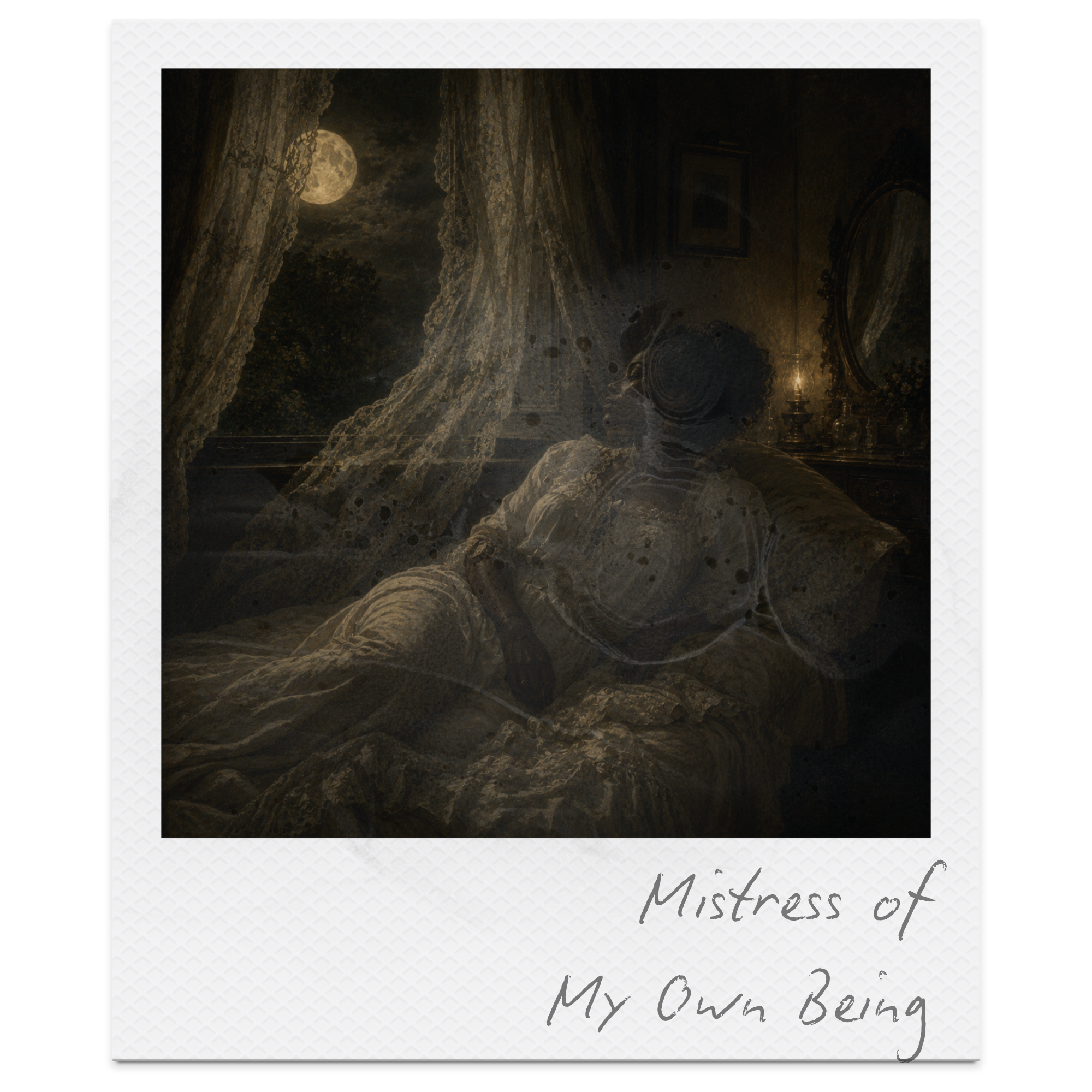
Mistress of My Own Being by Ifi Amadiume is a powerful meditation on selfhood, female autonomy, inner peace, and emotional freedom. Through rich sensory imagery, symbolism, personification, and free verse, Amadiume presents a speaker who finds complete fulfilment within herself, rejecting dependence on the past, on relationships, and on external validation. This detailed analysis explores the poem's summary, themes, stanza-by-stanza analysis, key quotations, literary techniques, and form and structure, examining how Amadiume celebrates self-possession, spiritual fulfilment, and the liberating power of becoming the "Mistress of my own being."
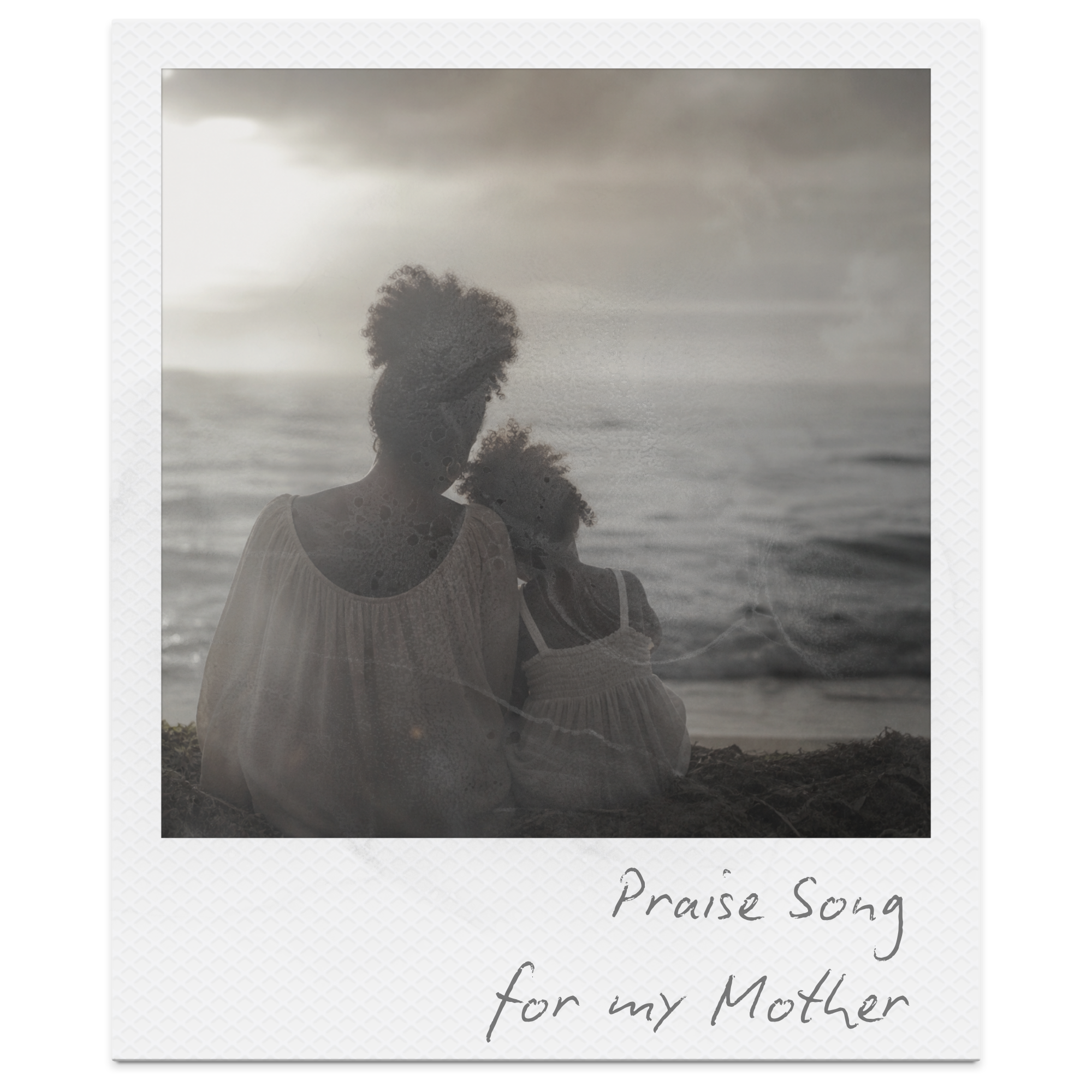
Praise Song for My Mother by Grace Nichols: Summary, Themes & Analysis
Praise Song for My Mother by Grace Nichols explores motherhood, nurture, and identity through a sequence of extended metaphors, repetition, and sensory imagery, presenting the mother as a sustaining, life-giving force. The poem moves through images of water, the moon, and sunrise, each representing different forms of care, while the repeated structure “You were” creates a rhythmic, cumulative pattern that mirrors the ongoing nature of maternal influence. As the poem develops, the imagery shifts from elemental and universal to more specific, culturally grounded detail, particularly in the final stanza, where references to food and environment highlight the importance of heritage and lived experience. The repetition of “replenishing” reinforces the idea of continuous nourishment, suggesting that the mother’s influence does not end, but remains present in shaping identity. Through its controlled voice and patterned structure, the poem presents nurture as both foundational and enduring.
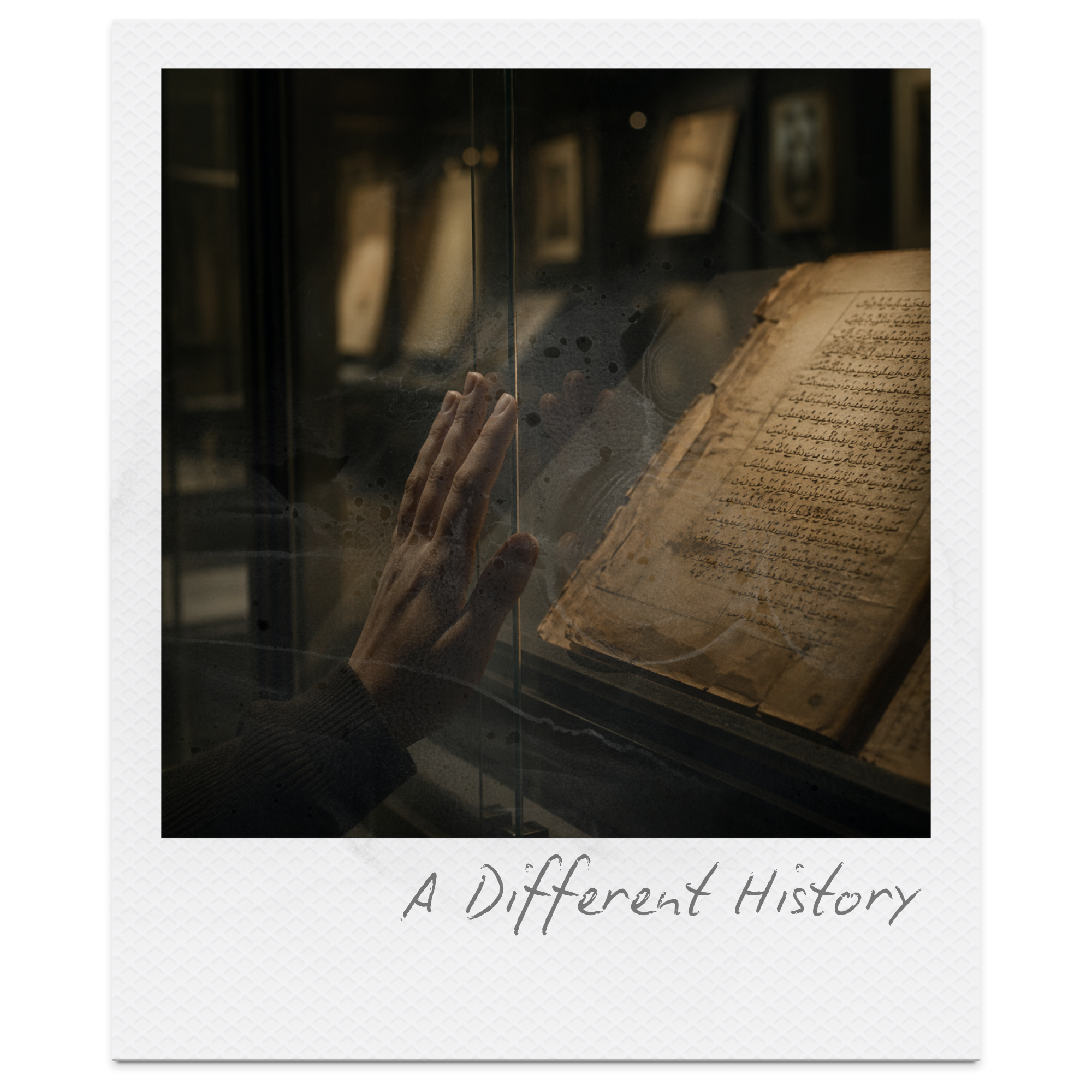
A Different History by Sujata Bhatt: Summary, Themes & Analysis
Sujata Bhatt’s A Different History explores language as power, examining how it can be both respected and used for control. Through contrast, repetition, and rhetorical questions, the poem highlights the tension between cultural identity and the lasting effects of colonial influence. This analysis breaks down key themes, methods, and structural shifts, helping students understand how meaning is created. Ideal for IGCSE Literature, it supports clear, method-focused responses and strong exam preparation.