The Widower in the Country by Les Murray: Summary, Themes & Analysis
The Widower in the Country by Les Murray is a moving meditation on grief, loneliness, memory, routine, and the quiet persistence of life after devastating loss. Through ordinary rural imagery, restrained first-person narration, symbolism, and a deliberately measured structure, Murray captures the emotional emptiness of bereavement without dramatic outpourings of sorrow. As the widower moves through familiar daily tasks, the poem reveals how ordinary routines become both a source of survival and a painful reminder of absence, showing that grief often exists not in extraordinary moments but within the quiet rhythms of everyday life. If you are studying or teaching Songs of Ourselves Volume 3 for Cambridge IGCSE Literature in English (0475), explore every poem in the Songs of Ourselves Volume 3 Hub, or discover more in-depth literary analysis in the Literature Library.

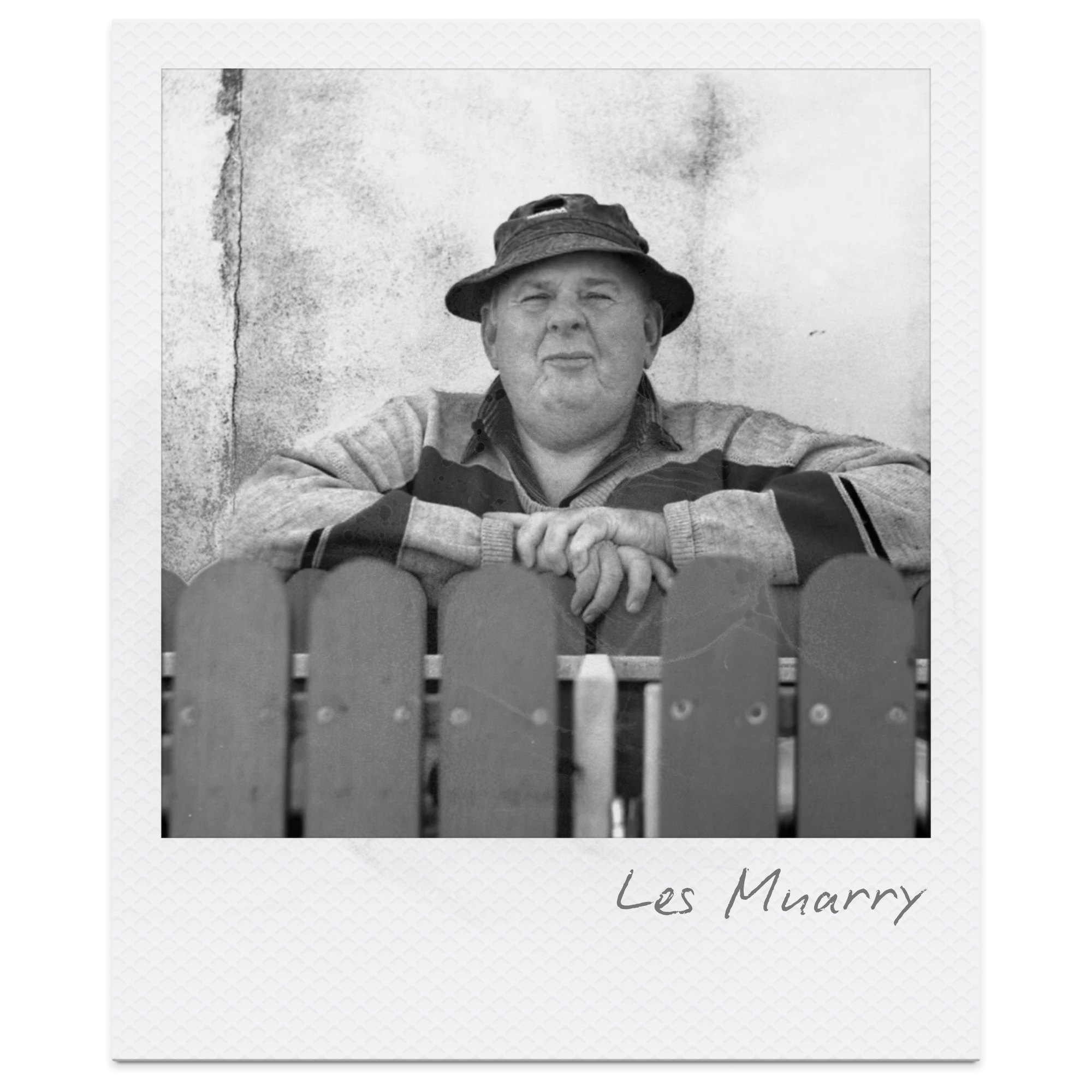
Context of The Widower in the Country
Australian poet Les Murray (1938–2019) is renowned for his vivid portrayals of rural life, ordinary working people, and the emotional significance of the Australian landscape. Rather than presenting the countryside as romantic or idyllic, Murray often explores how everyday routines and natural settings reflect complex human experiences, particularly grief, memory, and resilience.
Published in 1965, The Widower in the Country examines the aftermath of bereavement through the quiet routines of a man living alone on a remote farm. Set against the harsh Australian summer, the poem uses the landscape not merely as a backdrop but as a reflection of the speaker's emotional isolation. The absence of direct references to the deceased is significant, suggesting that grief often reveals itself through silence, habit, and the empty spaces left behind rather than through overt expressions of emotion.
Murray's restrained, conversational style reflects a broader tradition of Australian literature that values understatement and emotional honesty. By focusing on the ordinary details of daily life, he presents grief as an enduring presence woven into routine, showing that loss continues long after dramatic moments of mourning have passed.
The Widower in the Country: At a Glance
Form: A single continuous stanza of free verse, reflecting the uninterrupted routine of the widower's solitary life.
Mood: Melancholic, reflective, restrained, and quietly desolate, with moments of subtle tenderness beneath the speaker's emotional control.
Central tension: The conflict between continuing everyday life and living with the enduring absence of a loved one, as routine becomes both a means of survival and a constant reminder of loss.
Core themes: Grief, loneliness, bereavement, memory, routine, isolation, the natural world, resilience, time, and acceptance.
One-sentence meaning: Through understated narration, vivid rural imagery, and the repetitive rhythms of daily life, Murray explores how grief quietly reshapes ordinary existence, revealing that loss is often endured through routine rather than overcome.
Quick Summary of The Widower in the Country
The poem follows a widower as he quietly moves through the ordinary routines of a day on his isolated rural property. He gets out of bed late, chops kindling, makes tea, and carries out familiar farm tasks while observing the hot, still landscape around him. His actions are described in a calm, matter-of-fact way, suggesting that routine has become the framework through which he endures life after the loss of his wife.
As the day progresses into evening, the widower continues his solitary existence, eating alone before going to bed. Although he rarely speaks directly about his grief, brief moments reveal its emotional depth, particularly when the glare of the sun blurs into painful memories and when a frightening sound on the roof initially seems like something more significant before proving to be only a possum. The poem ends quietly rather than dramatically, emphasising that bereavement is not resolved but continues through the repetitive rhythms of everyday life, where absence becomes part of the ordinary pattern of existence.
Title, Form, Structure, and Metre
The formal qualities of The Widower in the Country reinforce its exploration of grief, loneliness, and the quiet persistence of everyday life after loss. Murray avoids dramatic poetic effects, instead using a restrained free verse structure, conversational rhythm, and gradual progression through a single day to reflect how bereavement becomes woven into ordinary routines. The poem's understated form mirrors the widower's emotional restraint, allowing readers to experience grief through silence, repetition, and absence rather than overt confession.
Title
The title, The Widower in the Country, immediately establishes both the speaker's identity and his setting. Rather than giving the widower a personal name, Murray defines him by his relationship to loss. The noun "widower" foregrounds bereavement before readers encounter the poem itself, suggesting that grief has become the speaker's defining characteristic. This anonymity also makes him representative of anyone living with profound loss, allowing the poem to move beyond one individual's experience.
The phrase "in the Country" is equally significant. It places the widower within an isolated rural landscape where there are few distractions from memory or solitude. However, the countryside is not romanticised as peaceful or comforting. Instead, it becomes a place where silence, distance, and repetitive labour intensify the speaker's awareness of absence. By the poem's conclusion, readers recognise that the title refers not only to geographical isolation but also to emotional isolation, as the widower exists in a world permanently altered by grief.
Form and Structure
The poem is written as a single uninterrupted stanza of free verse, reflecting the continuous, repetitive nature of the widower's existence. Without stanza breaks to separate different stages of his emotional journey, the poem flows steadily from morning until night, mirroring the way one day quietly blends into the next. This structural continuity reinforces the idea that grief is not experienced through dramatic moments alone but becomes embedded within the ordinary rhythm of daily life.
The poem follows a clear chronological progression, beginning with the speaker getting out of bed, moving through the afternoon's work and reflection, before ending with his solitary evening meal and return to bed. This journey through a single day gives the poem a cyclical quality, suggesting that tomorrow will likely unfold in exactly the same way. The absence of significant structural disruption mirrors the speaker's emotional restraint: externally, nothing dramatic occurs, yet beneath the surface every ordinary action is shaped by bereavement.
Murray also controls the pace through long, flowing sentences linked by repeated future-tense constructions such as "I'll get up," "I'll go outside," "I'll drive," and "I'll stand." These repeated phrases create a ritualistic rhythm, reflecting how routine has become the widower's means of surviving grief. Rather than expressing emotion directly, the poem allows the accumulation of ordinary actions to reveal the depth of his loneliness.
Although the poem remains outwardly calm throughout, subtle structural shifts deepen its emotional impact. The first half concentrates on practical work and observation, while the second increasingly moves inward through memory, blurred vision, and the unsettling sound on the roof. This gradual movement from external activity to internal awareness reflects how grief quietly emerges beneath the routines designed to contain it.
The final image provides no resolution or emotional release. Instead, the poem ends with the anticlimactic discovery that the mysterious screaming is "only a possum ski-ing down / the iron roof." Structurally, this understated ending reflects the wider experience of bereavement. Life continues without dramatic conclusions, and the widower simply faces another ordinary night alone.
Rhyme Scheme and Poetic Pattern
The poem is written in free verse, with no regular rhyme scheme. This absence of predictable rhyme reflects the irregular emotional landscape of grief, avoiding the sense of neatness or closure that a tightly organised rhyme pattern might create.
Instead of rhyme, Murray creates cohesion through repetition, parallel sentence structures, and recurring sounds. The repeated future-tense phrases beginning with "I'll" establish a quiet, deliberate rhythm that mirrors the speaker's daily routine. These repeated verbal patterns replace formal rhyme as the poem's organising principle, emphasising habit rather than emotional progression.
Occasional internal echoes also contribute to the poem's musicality without drawing attention away from its conversational voice. This subtle sound pattern allows the language to feel natural and understated, reinforcing the authenticity of the widower's experience.
Metre and Rhythmic Movement
Murray does not employ a fixed metrical pattern, allowing the poem's rhythm to follow the natural movement of reflective speech. The flexible line lengths and conversational cadence mirror the widower's quiet observations, creating the impression that readers are listening to his private thoughts rather than a carefully performed monologue.
Many lines unfold slowly through enjambment, encouraging readers to move gently from one action to the next without abrupt pauses. For example:
I'll GET | up SOON | and LEAVE | my BED | unMADE
Although the rhythm loosely suggests iambic movement, it remains deliberately irregular, preventing the poem from sounding overly formal. This flexibility reflects the unpredictability of emotional experience while maintaining the steady pace of the speaker's routine.
The rhythm slows noticeably during moments of reflection, particularly in the description of the house "away below" and the "bright webbed visions" that "dance and fade away." The longer phrases encourage readers to linger over these images, mirroring the widower's own moments of quiet contemplation. By contrast, the final image of the possum "ski-ing down / the iron roof on little moonlit claws" introduces quicker, lighter sounds that briefly disrupt the poem's solemn rhythm. Yet this moment offers no genuine relief. Instead, the unexpected noise reminds both speaker and reader how easily loneliness heightens ordinary experiences.
Overall, Murray's use of free verse, chronological structure, repetition, and conversational rhythm reflects the central reality of bereavement: grief is rarely dramatic or neatly resolved. Instead, it persists quietly within everyday routines, where ordinary actions become acts of endurance and every passing day carries the silent weight of absence.
The Speaker in The Widower in the Country
The speaker of The Widower in the Country is a recently bereaved widower reflecting on the ordinary routines that now shape his solitary existence. Speaking in the first person, he adopts a calm, practical, and understated tone, describing simple daily tasks with little direct expression of emotion. However, this emotional restraint is precisely what reveals the depth of his grief. Rather than openly mourning his wife, the speaker's loneliness emerges through the empty spaces of his routine, the silence of the rural landscape, and the quiet moments when memory intrudes upon everyday life. His measured, conversational voice makes the poem feel deeply authentic, suggesting that bereavement often manifests not through dramatic outbursts but through the quiet persistence of ordinary existence. Although intensely personal, the speaker remains unnamed, allowing him to represent the universal experience of learning to live with loss after the death of a loved one.
Stanza-by-Stanza Analysis of The Widower in the Country
Although The Widower in the Country is written as a single uninterrupted stanza, its narrative follows the natural progression of a single day, allowing readers to trace the widower's emotional journey through the ordinary routines of rural life. As the poem moves from morning to night, Les Murray gradually reveals that beneath the speaker's practical actions lies an enduring sense of grief, loneliness, and absence. Through imagery, symbolism, free verse, and understated narration, Murray demonstrates that bereavement is expressed not through dramatic declarations but through the quiet repetition of everyday life.
Stanza 1: Routine as a Way of Enduring Grief
The opening of the poem immediately establishes the widower's solitary routine, presenting ordinary domestic and farming tasks with a calm, matter-of-fact tone. Rather than directly expressing his grief, the speaker lists the actions that fill his day, suggesting that routine has become both a practical necessity and an emotional coping mechanism. Through first-person narration, everyday imagery, and subtle changes in habit, Murray reveals that bereavement quietly reshapes even the smallest details of ordinary life.
The repeated future-tense construction, "I'll get up soon… I'll go outside," gives the stanza a deliberate, almost mechanical rhythm. Rather than describing a single morning, the speaker appears to outline what happens every day, suggesting that his life has settled into a repetitive cycle. This emphasis on routine reflects how ordinary tasks provide structure after loss, allowing him to keep moving forward even when emotionally adrift. At the same time, the repeated "I'll" carries a sense of quiet determination, implying that each simple action is an act of perseverance.
The understated detail that he will "leave my bed unmade" immediately hints at the absence at the centre of the poem. On one level, it suggests the practical reality of living alone, with no one else present to notice or share domestic responsibilities. More symbolically, the unmade bed becomes a powerful reminder of the missing partner who once shared both the physical and emotional space of the home. Murray never explicitly mentions the speaker's wife, yet her absence is felt through the ordinary objects and routines that have been altered by her death.
The description of splitting "kindling wood / from the yellow-box log" grounds the poem firmly within the Australian rural landscape. These practical tasks reinforce the widower's self-reliance while emphasising the physical labour required to maintain everyday life. However, the work also serves as a distraction from emotional pain. Rather than dwelling on memories, the speaker focuses on tangible, repetitive actions, suggesting that manual labour offers temporary relief from grief, even if it cannot remove it.
The final observation, "the sun will be high, for I get up late now," quietly reveals how loss has changed the speaker's behaviour. The casual admission "I get up late now" carries significant emotional weight because it hints at a diminished sense of purpose without openly stating it. There is no longer anyone to share the morning with or motivate the routines that once structured the household. Murray's understated phrasing reflects the poem's wider approach to grief: its effects are revealed indirectly through altered habits rather than emotional declarations.
By ending the stanza with this subtle change in routine, Murray establishes the poem's central idea that bereavement is woven into the fabric of everyday life. The widower continues to perform familiar tasks, but each action quietly testifies to the enduring absence that shapes his existence. The emotional impact lies not in what is said about grief, but in everything the speaker no longer has to say because loss has become part of the ordinary rhythm of his days.
Stanza 2: A Landscape Shaped by Loss
In the second section of the poem, Murray broadens the focus from the widower's daily tasks to the landscape that surrounds him. Although the speaker continues with ordinary routines, his observations of the paddocks, trees, and yard reveal that the natural world mirrors his emotional state. Through pathetic fallacy, personification, and carefully chosen rural imagery, Murray transforms the Australian countryside into a subtle reflection of grief, while showing how routine continues even when the world feels emotionally empty.
The opening line, "I'll drive my axe in the log and come back in / with my armful of wood," continues the pattern of repetitive labour established in the first section. The verbs "drive" and "come back" emphasise purposeful physical movement, suggesting that work has become one of the widower's primary ways of coping with bereavement. Yet there is little sense of satisfaction or achievement; the actions are presented matter-of-factly, reinforcing the idea that they have become habitual rather than meaningful.
Significantly, the speaker "pause[s] to look across" the landscape. This brief interruption in his work creates an important structural shift from action to contemplation. The pause allows both the widower and the reader to absorb the surrounding environment, revealing that moments of stillness are when grief quietly surfaces. Rather than expressing his emotions directly, the speaker projects them onto the world around him.
The description of the "Christmas paddocks aching in the heat" is particularly striking. The personification of the paddocks as "aching" transfers human pain onto the landscape, suggesting that the environment itself seems to share the widower's suffering. The reference to Christmas adds another layer of meaning. Traditionally associated with family, celebration, and togetherness, Christmas becomes instead a reminder of absence, implying that occasions once filled with companionship now intensify loneliness. The intense Australian summer heat further contributes to the oppressive atmosphere, making the landscape feel physically and emotionally draining.
Murray extends this sense of emotional stillness through the image of "the windless trees." The absence of wind creates a striking impression of silence and stagnation. Trees often symbolise growth, continuity, or renewal, yet here they appear motionless, reflecting the widower's emotional paralysis. The natural world offers no comforting movement or change; instead, it mirrors the suspended state in which grief has left the speaker.
The mention of "the nettles in the yard" introduces subtle symbolism. Nettles are commonly associated with neglect, discomfort, and pain. Their presence suggests that parts of the home have been left untended since the wife's death, quietly reflecting the disruption grief has caused to domestic life. At the same time, nettles physically sting anyone who brushes against them, making them an appropriate symbol for memories that continue to wound long after the initial loss.
The ellipsis following "the nettles in the yard ..." is one of the stanza's most significant structural features. The pause suggests thoughts left unspoken, allowing readers to sense the emotions the widower cannot fully articulate. Rather than describing his grief directly, the ellipsis creates a moment of silence in which absence itself becomes meaningful. Murray demonstrates that what is omitted can often communicate more powerfully than explicit explanation.
The stanza concludes with the quiet statement, "and then I'll go in, boil water and make tea." This return to an ordinary domestic task reinforces the cyclical nature of the widower's existence. After contemplating a landscape that reflects his loneliness, he simply resumes his routine. The simplicity of making tea becomes symbolic of survival itself: life continues through familiar rituals even when emotional healing has not occurred. Murray's refusal to dramatise this moment makes it all the more moving, suggesting that grief is most often endured through the quiet repetition of everyday actions rather than extraordinary displays of emotion.
Stanza 3: Memory Breaking Through Routine
In the third section, Murray shifts from physical routine to psychological experience as the widower pauses to observe his home from a distance. The landscape remains outwardly unchanged, yet the speaker's perceptions become increasingly shaped by memory and grief. Through symbolism, light imagery, and the gradual blurring of reality and thought, Murray reveals how moments of quiet reflection allow buried emotions to surface before they are once again absorbed into the ordinary passage of time.
The stanza opens with "This afternoon, I'll stand out on the hill / and watch my house away below," introducing both physical and emotional distance. By placing himself above and apart from the house, the widower becomes an observer rather than an active participant in his own life. The house, traditionally a symbol of family, security, and companionship, is viewed from afar, suggesting that it no longer feels like the warm domestic space it once was. Instead, it has become a reminder of the life that has been permanently altered by loss.
The image of "the roof reflects the sun and makes my eyes / water" operates on both a literal and symbolic level. Literally, the bright Australian sunlight causes tears through glare. Symbolically, however, the involuntary watering of the speaker's eyes subtly echoes emotional weeping. Murray deliberately blurs the boundary between physical sensation and emotional response, making it impossible to determine whether the widower is crying because of the sun or because of the memories associated with his home. This ambiguity reflects the way grief often emerges unexpectedly through ordinary experiences.
The phrase "bright webbed visions smeared / on the dark of my thoughts" contains some of the poem's richest imagery. The contrast between "bright" and "dark" reflects the tension between treasured memories and present sorrow. The adjective "webbed" suggests something intricate, fragile, and interconnected, much like memory itself, while "smeared" implies that these recollections are blurred and difficult to grasp clearly. Rather than offering comforting nostalgia, the memories appear distorted by grief, flickering briefly before disappearing. Murray therefore presents remembrance as both precious and painful.
The verb sequence "dance and fade away" reinforces the fleeting nature of these visions. The memories momentarily come alive before inevitably dissolving, reflecting the widower's inability to hold onto the past. Structurally, this movement mirrors the emotional experience of grief itself, where moments of vivid remembrance are often followed by renewed awareness of absence. The graceful image of dancing also carries quiet poignancy, perhaps suggesting echoes of happier times that can no longer be recovered.
The line "Then the sun will move on" introduces both personification and the symbolism of time. Unlike the widower, who appears emotionally suspended, the sun continues its inevitable journey across the sky. This contrast highlights one of the poem's central ideas: nature and time continue unaffected by individual loss. The world moves forward regardless of personal grief, emphasising the loneliness of the speaker's experience.
The closing statement, "and I will simply watch, / or work, or sleep. And evening will come on," returns the poem to the quiet routines that dominate the widower's life. The understated list of verbs reflects emotional resignation rather than active choice. None of these actions promises comfort or fulfilment; they merely fill the passing hours. The adverb "simply" suggests acceptance rather than resistance, while the inevitable arrival of evening symbolises both the end of the day and the gradual progression of life itself. Murray's restrained conclusion to this section demonstrates that grief is not overcome through dramatic revelation. Instead, memories briefly surface before routine quietly reasserts itself, allowing the widower to continue enduring one day at a time.
Stanza 4: Solitary Nights and the Persistence of Loss
The final section returns the widower to the quiet routines of home before ending with a subtle but powerful reminder that grief continues to shape even his most ordinary experiences. Murray avoids a dramatic emotional climax, instead allowing loneliness to emerge through domestic details, silence, and the speaker's heightened sensitivity to the sounds of the night. Through symbolism, understatement, and the contrast between expectation and reality, the poem concludes by showing that bereavement remains an ever-present companion, even when life outwardly appears unchanged.
The opening lines, "Getting near dark, I'll go home, light the lamp / and eat my corned-beef supper," continue the poem's emphasis on routine. The sequence of simple actions reflects the repetitive structure established throughout the day, suggesting that each evening follows much the same pattern. However, the image of lighting the lamp carries symbolic significance. The lamp provides literal light against the approaching darkness, but it also suggests the speaker's attempt to preserve warmth, order, and normality within a life overshadowed by grief. The growing darkness outside mirrors the emotional isolation surrounding him, while the lamp represents a fragile source of comfort.
The detail that the widower sits "at the head of the table" is particularly poignant. Traditionally, the head of the table signifies authority or the central place within a family, yet here it only emphasises absence. The speaker occupies a position once shared within a household, but he now sits alone. Murray never explicitly mentions the missing wife, yet her absence is deeply felt through the empty domestic space. The ordinary act of eating becomes a quiet reminder of companionship that has been lost.
The description of a "corned-beef supper" reinforces the poem's realism. This plain, uncomplicated meal reflects a life stripped back to necessity rather than pleasure. There is no suggestion of celebration or comfort; the meal simply sustains the widower physically as he continues through another day. Murray's choice of such an ordinary detail highlights one of the poem's central ideas: grief transforms even the most familiar domestic rituals into reminders of solitude.
The line "Then I'll go to bed" appears almost abrupt in its simplicity, reinforcing the cyclical structure of the poem. The day ends much as it began, suggesting that tomorrow will unfold in the same quiet pattern. Structurally, this repetition reflects the repetitive nature of bereavement, where each day blends into the next without clear resolution or emotional release.
The poem's final memory introduces its only moment of apparent drama: "Last night I thought I dreamed – but when I woke / the screaming..." The sudden reference to "screaming" briefly disrupts the calm, understated tone that has dominated the poem. Readers may initially expect the sound to symbolise the speaker's suppressed grief or even suggest a haunting reminder of his wife's absence. Murray deliberately creates this moment of uncertainty, revealing how grief can heighten emotional sensitivity and make ordinary experiences seem charged with deeper meaning.
However, this expectation is immediately undercut when the speaker discovers that the sound was "only a possum ski-ing down / the iron roof on little moonlit claws." The word "only" restores everyday reality, yet it also carries subtle irony. Although the sound has an ordinary explanation, the fact that the widower initially interprets it differently reveals his fragile emotional state. Living alone has heightened his awareness of the silence surrounding him, making unexpected noises seem momentarily alarming or significant.
The closing image itself is remarkably vivid. The playful verb "ski-ing" introduces an unexpectedly light image into an otherwise sombre poem, while "little moonlit claws" creates precise visual detail. Yet this gentle humour does not undermine the poem's sadness. Instead, it reminds readers that ordinary life continues despite bereavement. Nature remains active, night falls as always, and the possum goes about its business entirely unaware of human grief.
Murray's understated ending is one of the poem's greatest strengths. Rather than offering emotional resolution, he concludes with a fleeting moment of everyday reality that quietly reveals how profoundly loss has altered the widower's inner life. The possum is not symbolic because it causes grief; it is significant because the widower's grief changes how he experiences the ordinary world. The poem therefore ends not with closure, but with the recognition that bereavement endures through countless ordinary days and silent nights, becoming woven into the fabric of everyday existence.
Key Quotes and Methods in The Widower in the Country
Throughout The Widower in the Country, Les Murray uses understatement, symbolism, rural imagery, free verse, and carefully controlled narration to reveal the quiet reality of bereavement. Rather than describing grief directly, he allows ordinary routines and observations to communicate the widower's profound loneliness, showing how loss becomes woven into everyday life.
"I'll get up soon, and leave my bed unmade."
◆ Technique: First-person narration, symbolism, and understated detail.
◆ Meaning: The unmade bed symbolises the absence of the speaker's wife and the disruption of the shared routines that once structured his life.
◆ Purpose: Murray introduces grief indirectly, allowing a simple domestic image to suggest emotional loss without overt explanation.
◆ Impact: Readers immediately sense that bereavement has altered even the smallest aspects of the widower's daily existence, making the poem's restrained tone especially moving.
"the sun will be high, for I get up late now."
◆ Technique: Understatement and subtle characterisation.
◆ Meaning: The widower quietly admits that his routine has changed since his wife's death, suggesting a loss of purpose and motivation.
◆ Purpose: Murray reveals the emotional effects of grief through altered habits rather than explicit confession.
◆ Impact: The understated delivery makes the widower's loneliness feel authentic, encouraging readers to recognise how grief quietly reshapes ordinary life.
"the Christmas paddocks aching in the heat"
◆ Technique: Personification and symbolism.
◆ Meaning: The landscape appears to share the widower's suffering, while the reference to "Christmas" evokes ideas of family and togetherness that now feel painfully absent.
◆ Purpose: Murray projects the speaker's emotional state onto the natural world, using the harsh Australian environment to mirror grief.
◆ Impact: Readers experience the landscape as emotionally charged, reinforcing the sense that loss affects how the widower sees the world around him.
"bright webbed visions smeared / on the dark of my thoughts"
◆ Technique: Visual imagery, symbolism, and contrast.
◆ Meaning: Fleeting memories emerge against the darkness of grief, but they are blurred and impossible to hold onto.
◆ Purpose: Murray illustrates how memory provides brief moments of connection while simultaneously reminding the speaker of what has been lost.
◆ Impact: The striking imagery captures the fragile, elusive nature of remembrance, deepening the poem's emotional complexity.
"Then the sun will move on"
◆ Technique: Personification and symbolism.
◆ Meaning: The movement of the sun symbolises the unstoppable passage of time, contrasting with the widower's emotional stillness.
◆ Purpose: Murray emphasises that nature continues regardless of individual suffering, highlighting the isolation of personal grief.
◆ Impact: Readers recognise the painful contrast between the world's indifference and the speaker's continuing loss.
"I will simply watch, / or work, or sleep."
◆ Technique: Listing, repetition, and understated tone.
◆ Meaning: The widower's life has been reduced to a series of repetitive, functional actions that help him endure each day.
◆ Purpose: Murray demonstrates that grief is often survived through routine rather than overcome through dramatic emotional breakthroughs.
◆ Impact: The simplicity of the list reflects the emotional emptiness of the speaker's existence, making his quiet endurance especially poignant.
"at the head of the table."
◆ Technique: Symbolism and domestic imagery.
◆ Meaning: Although the widower occupies the traditional place of authority within the household, the empty table highlights the absence of the family life that once surrounded him.
◆ Purpose: Murray uses an ordinary domestic setting to communicate profound loneliness without explicitly mentioning the deceased wife.
◆ Impact: Readers become aware that even familiar spaces have been transformed by loss, making absence itself one of the poem's strongest presences.
"the screaming was only a possum"
◆ Technique: Contrast, anticlimax, and understatement.
◆ Meaning: What initially seems frightening or emotionally significant proves to have an ordinary explanation.
◆ Purpose: Murray reveals how grief heightens the widower's sensitivity to his surroundings while avoiding melodramatic conclusions.
◆ Impact: The anticlimax reinforces the poem's realism, showing that bereavement quietly shapes perception rather than producing constant dramatic moments.
"little moonlit claws."
◆ Technique: Vivid imagery and delicate visual detail.
◆ Meaning: The possum is presented with surprising precision and gentleness, bringing the poem to a quiet, natural conclusion.
◆ Purpose: Murray reminds readers that the natural world continues independently of human sorrow, even as the widower remains emotionally isolated.
◆ Impact: The understated final image leaves readers reflecting on the coexistence of ordinary life and enduring grief, giving the poem its quietly haunting conclusion.
Key Techniques in The Widower in the Country
In The Widower in the Country, Les Murray uses understatement, rural imagery, symbolism, and free verse to present grief as something woven into the ordinary routines of everyday life. Rather than describing the widower's emotions directly, Murray allows his actions, surroundings, and observations to reveal the enduring effects of bereavement. This restrained approach makes the poem's exploration of loss, loneliness, and resilience all the more powerful.
◆ Understatement – One of Murray's most distinctive techniques is his restrained treatment of grief. The speaker rarely names his emotions directly, instead making simple observations such as "I get up late now." This understated style reflects how profound loss is often expressed through small changes in behaviour rather than dramatic declarations. By allowing readers to infer the widower's emotional state, Murray creates a more authentic and emotionally affecting portrayal of bereavement.
◆ Symbolism – Everyday objects and settings carry deeper emotional significance throughout the poem. The unmade bed symbolises the absence of the speaker's wife, while the house represents the family life that has been permanently altered by loss. The lamp suggests a fragile attempt to maintain warmth and stability against emotional darkness, and the head of the table becomes a symbol of solitude rather than family unity. These symbols reveal grief indirectly through ordinary domestic life.
◆ Rural and Domestic Imagery – Murray grounds the poem in precise descriptions of the Australian countryside and everyday household tasks. Images of kindling wood, Christmas paddocks, windless trees, tea, and a corned-beef supper create a realistic portrait of rural existence while demonstrating how ordinary routines continue despite emotional suffering. The familiar details make the speaker's experience believable and reinforce the poem's focus on grief as part of daily life.
◆ Pathetic Fallacy and Personification – The natural world frequently reflects the widower's emotional condition. The "Christmas paddocks aching in the heat" personify the landscape, transferring human suffering onto the environment. Likewise, the motionless trees and oppressive heat mirror the speaker's emotional stagnation. Rather than presenting nature as comforting, Murray uses it to echo the loneliness and endurance that define the widower's existence.
◆ Chronological Structure – The poem follows the widower from morning until night, creating a clear chronological progression that mirrors the passing of an ordinary day. This linear structure emphasises how grief becomes embedded within routine rather than existing as isolated moments of sadness. As the day unfolds, readers gradually move from practical work towards moments of reflection before returning once again to the routines that sustain the speaker.
◆ Repetition – The repeated future-tense construction "I'll" dominates the opening sections of the poem, creating a rhythmic catalogue of routine actions. This repetition reflects both the predictability of the widower's daily life and the way routine becomes a coping mechanism after loss. The recurring pattern also suggests that these actions will continue indefinitely, reinforcing the cyclical nature of grief.
◆ First-Person Narration – The intimate first-person perspective allows readers to experience the widower's world directly while maintaining emotional restraint. Because the speaker simply describes what he will do rather than analysing his own emotions, readers are invited to recognise the grief hidden beneath his practical observations. This conversational voice makes the poem feel honest, immediate, and deeply personal.
◆ Contrast – Murray repeatedly contrasts movement with stillness, life with absence, and the continuing rhythms of nature with the speaker's emotional paralysis. The sun moves on, the possum continues its nightly activity, and the day progresses naturally, while the widower remains trapped within his routines and memories. These contrasts emphasise that although the world continues unchanged, grief fundamentally alters the individual's experience of it.
◆ Visual Imagery – The poem contains vivid descriptions that reveal the speaker's emotional state through what he sees. Images such as the "bright webbed visions smeared / on the dark of my thoughts" blur the boundary between physical sight and memory, illustrating how grief distorts perception. Murray's imagery allows readers to experience the widower's internal world without relying on explicit emotional explanation.
◆ Anticlimax – The poem concludes with the revelation that the frightening "screaming" is "only a possum ski-ing down / the iron roof." This anticlimactic ending avoids melodrama while highlighting the widower's heightened sensitivity to the ordinary sounds of an empty house. Instead of providing emotional resolution, Murray reinforces the poem's realism by showing that grief continues quietly through everyday experiences, where even small incidents can momentarily awaken fear, memory, or loneliness.
How the Writer Creates Meaning and Impact in The Widower in the Country
In The Widower in the Country, Les Murray explores grief, loneliness, and resilience not through dramatic emotional outbursts but through the quiet repetition of everyday life. Using understated language, symbolic rural imagery, chronological structure, and a restrained first-person voice, Murray demonstrates that bereavement often reveals itself in altered routines, ordinary objects, and moments of unexpected memory. The poem suggests that grief is not something a person simply overcomes; instead, it becomes woven into the fabric of daily existence, quietly shaping how the widower experiences both his home and the natural world.
Language: Ordinary Details Revealing Extraordinary Loss
Murray's language is deliberately simple and conversational, reflecting the practical nature of the widower's life. Rather than using highly emotional or sentimental diction, he focuses on ordinary activities such as chopping wood, making tea, and eating supper. This understated style is central to the poem's impact because it forces readers to recognise grief indirectly. The speaker never explicitly states how much he misses his wife, yet details such as "leave my bed unmade" communicate her absence far more powerfully than an overt declaration of sorrow. The ordinary becomes emotionally charged because every familiar object quietly reminds readers of the person who is no longer there.
The poem also relies heavily on symbolism. The unmade bed symbolises disrupted domestic life, while the house becomes a reminder of a home that no longer feels complete. The lamp represents a fragile source of warmth and continuity against the emotional darkness surrounding the widower, and the head of the table highlights solitude rather than authority or family unity. These symbols allow Murray to present grief as something embedded within everyday life, showing that loss transforms the meaning of ordinary spaces and routines.
Nature also becomes a vehicle for emotional expression. The "Christmas paddocks aching in the heat" use personification to project the widower's suffering onto the landscape, while "bright webbed visions smeared / on the dark of my thoughts" combines vivid visual imagery with metaphor to illustrate how memories briefly surface before dissolving once again. Rather than offering comfort, the landscape mirrors the speaker's emotional state, reinforcing the close relationship between external surroundings and internal experience.
Structure: A Day That Reflects a Lifetime of Grief
The poem's structure closely mirrors the widower's daily routine. Following a clear chronological progression from morning until night, Murray presents grief as something experienced through the repetition of ordinary actions rather than dramatic emotional crises. The reader moves with the speaker through familiar tasks, observing how each part of the day carries the quiet weight of absence.
The decision to write the poem as one continuous stanza is particularly significant. Without stanza breaks to separate emotions or experiences, the poem reflects the uninterrupted nature of bereavement. One activity leads naturally into another, just as one day merges into the next. This continuous flow suggests that grief has become inseparable from the widower's everyday existence rather than existing as isolated moments of sadness.
The repeated future-tense constructions—"I'll get up," "I'll go outside," "I'll stand," and "I'll go home"—create a ritualistic rhythm that reinforces the speaker's dependence on routine. These repeated phrases suggest both predictability and endurance. Each action appears ordinary, yet together they reveal the emotional reality of someone surviving through habit rather than happiness.
The ending also contributes significantly to the poem's meaning. Instead of offering resolution or emotional release, Murray concludes with the discovery that the frightening sound was "only a possum ski-ing down / the iron roof." This anticlimax reflects the wider experience of grief. There is no dramatic breakthrough or comforting conclusion; life simply continues, carrying both ordinary moments and enduring loneliness.
Voice and Tone: Quiet Restraint and Emotional Honesty
The poem's first-person voice creates an immediate sense of intimacy while remaining remarkably restrained. The widower speaks calmly and practically, describing his plans without dwelling on his emotions. This emotional control reflects the reality of grief, where individuals often continue fulfilling everyday responsibilities despite carrying profound inner sadness.
Murray's tone remains reflective and understated throughout. Even when describing painful memories or moments of loneliness, the speaker avoids self-pity or melodrama. Instead, grief emerges through pauses, silences, and small observations, allowing readers to discover the emotional significance for themselves. This restraint creates a powerful sense of authenticity because the poem trusts readers to recognise what remains unspoken.
The speaker's perspective also emphasises isolation. Although he is surrounded by the natural world, there is almost no interaction with other people. His closest companions become the landscape, his memories, and the routines that structure his day. This quiet solitude reinforces the poem's exploration of bereavement as both an emotional and physical experience.
Sound and Rhythm: The Steady Pace of Endurance
Murray's use of free verse and natural speech rhythms reflects the unremarkable flow of the widower's daily life. Without a fixed rhyme scheme or rigid metrical pattern, the poem feels conversational and authentic, mirroring the speaker's quiet internal reflections.
Enjambment plays an important role in sustaining the poem's steady movement. Lines frequently flow into one another without strong pauses, reflecting the continuous progression of both the widower's routine and the passing of time. This flowing rhythm suggests that grief is not marked by sudden emotional shifts but by the slow accumulation of ordinary moments.
Repetition also contributes to the poem's impact. The recurring "I'll" creates a measured, almost ritualistic cadence that mirrors the speaker's dependence on routine. Meanwhile, softer sounds within descriptions of the landscape create moments of stillness that encourage reflection before the poem returns to practical activity.
The final image of the possum introduces slightly quicker sounds through the playful verb "ski-ing" and the delicate phrase "little moonlit claws." This subtle shift briefly lightens the rhythm, yet it ultimately reinforces the poem's central message. Even the ordinary sounds of nature are filtered through the widower's heightened awareness of solitude, demonstrating that grief changes not only how people feel but also how they perceive the world around them.
Through its restrained language, symbolic imagery, cyclical structure, and quietly reflective voice, The Widower in the Country presents bereavement as an enduring part of everyday existence rather than a single moment of tragedy. Murray's refusal to dramatise grief gives the poem its lasting emotional power, reminding readers that loss often persists in the smallest routines, the quietest silences, and the ordinary moments that continue long after life has changed forever.
Themes in The Widower in the Country
In The Widower in the Country, Les Murray explores the quiet, enduring reality of life after loss. Rather than presenting grief through dramatic emotional outbursts, he reveals its lasting effects through everyday routines, the Australian landscape, and the speaker's restrained observations. The poem demonstrates that bereavement changes not only how people feel but also how they experience time, memory, home, and the ordinary moments of daily existence.
Grief
Grief lies at the heart of the poem, yet Murray deliberately presents it through understatement rather than direct emotional expression. The widower never explicitly describes his sorrow, but his altered routines, solitary meals, and quiet reflections reveal the profound impact of his wife's death. This restrained approach reflects the reality that grief often exists beneath the surface of everyday life rather than through constant visible mourning.
The poem also suggests that grief is continuous rather than temporary. It accompanies the widower from morning until night, shaping even the most ordinary activities. By embedding sorrow within routine, Murray presents bereavement as something that becomes part of everyday existence rather than a feeling that eventually disappears.
Loneliness
The widower's loneliness is communicated through both the physical and emotional isolation of his daily life. He performs every task alone, from chopping wood to eating supper, while the repeated first-person narration reinforces the absence of companionship. Even the practical detail of "leave my bed unmade" quietly reminds readers that the shared domestic life he once knew no longer exists.
Importantly, Murray never portrays loneliness as dramatic or self-pitying. Instead, it emerges naturally through silence, routine, and empty spaces, making the speaker's isolation feel authentic and deeply moving.
Bereavement
The poem explores bereavement as an experience that quietly reshapes ordinary life. The speaker continues to work, eat, and sleep, yet every action has been subtly altered by loss. His wife's absence is never directly described, but it is constantly implied through domestic details such as the empty table, the unmade bed, and the solitary household.
Murray therefore presents bereavement as an ongoing adjustment rather than a single emotional event. The poem shows that life continues after loss, but it continues in a fundamentally different form.
Memory
Memory appears indirectly throughout the poem, particularly in the speaker's "bright webbed visions smeared / on the dark of my thoughts." These fleeting images suggest that recollections of the past continue to emerge unexpectedly before fading once again. Murray avoids nostalgic certainty, instead presenting memory as fragmented, blurred, and shaped by grief.
The landscape and family home also function as repositories of memory. Familiar places trigger emotional responses because they remain connected to the speaker's previous life with his wife, demonstrating how memory becomes attached to everyday surroundings.
Routine
Routine provides the structural framework of both the poem and the widower's life. The repeated sequence of chopping wood, making tea, working, eating, and sleeping demonstrates how familiar habits help him continue living despite emotional pain. These actions do not remove his grief, but they provide stability within a life permanently changed by loss.
The repeated future-tense construction "I'll" reinforces this theme by creating a rhythm of habitual behaviour. Murray suggests that routine becomes a quiet form of endurance, allowing the widower to move through each day one task at a time.
Isolation
Isolation extends beyond physical solitude to become an emotional condition. Although surrounded by the Australian landscape, the speaker rarely interacts with another person. Instead, his companions are silence, memory, and routine. Even when observing his own house from a distance, he appears detached from it, reinforcing the sense that grief has separated him from both people and places that once offered comfort.
The vast rural setting intensifies this isolation. Rather than providing freedom, the open landscape emphasises the speaker's emotional solitude, making his loneliness feel even more profound.
The Natural World
Nature plays a central role throughout the poem, functioning as both setting and emotional mirror. The "Christmas paddocks aching in the heat," "windless trees," and intense Australian sunlight all reflect the widower's psychological state through personification and imagery. Rather than offering escape from grief, the landscape seems to absorb and echo it.
At the same time, nature remains independent of human suffering. The sun continues its daily journey, and the possum carries on with its nightly activity regardless of the speaker's loss. Murray therefore presents the natural world as both emotionally resonant and fundamentally indifferent, highlighting the contrast between individual grief and the ongoing rhythms of life.
Resilience
Although the poem is deeply melancholic, it also presents resilience in a quiet, understated form. The widower continues to work, maintain his property, prepare meals, and care for himself despite his emotional pain. His resilience is not heroic or dramatic but consists of continuing ordinary life one day after another.
This quiet endurance reflects the poem's broader message that resilience does not require the absence of grief. Instead, Murray suggests that strength often lies in continuing to live with loss rather than overcoming it completely.
Time
Time shapes the entire structure of the poem, which follows the progression of a single day from morning until night. This chronological movement reflects the slow passage of life after bereavement, where one ordinary day follows another with little outward change.
The movement of the sun also symbolises the unstoppable progression of time. While the widower remains emotionally affected by the past, nature continues its cycles without interruption. Murray uses this contrast to show that grief exists within time but is not necessarily healed by it.
Acceptance
The poem concludes not with emotional resolution but with quiet acceptance. The widower does not appear to have overcome his grief, yet neither does he resist it. Instead, he has learned to live alongside it, allowing routine and habit to carry him through each day.
The understated ending, where the frightening sound proves to be "only a possum," reinforces this acceptance. Life continues with its ordinary sounds and small surprises, while grief remains an enduring but manageable presence. Murray ultimately suggests that acceptance is not the disappearance of sorrow but the ability to continue living meaningfully despite its persistence.
Alternative Interpretations of The Widower in the Country
Although The Widower in the Country is often read as a poem about bereavement, Les Murray leaves much of the speaker's emotional life unstated, allowing for several equally convincing interpretations. The poem can be understood as a study of psychological grief, a reflection on masculinity and emotional restraint, or a broader meditation on the relationship between human loss and the natural world.
Psychological Interpretation: Living Alongside Grief
From a psychological perspective, the poem explores how grief becomes integrated into everyday life rather than existing as a series of dramatic emotional episodes. The widower's repeated routines suggest someone attempting to maintain stability after profound loss, using familiar tasks to create order in a world that has been permanently altered.
The poem's most revealing moments occur when routine briefly gives way to memory. The "bright webbed visions smeared / on the dark of my thoughts" suggest intrusive memories that emerge unexpectedly before fading once more. Similarly, the speaker initially believes he has dreamed the "screaming" on the roof, illustrating how grief heightens emotional sensitivity and alters perception. From this perspective, Murray presents bereavement not as something that is overcome but as an enduring psychological condition that quietly shapes daily experience.
Social Interpretation: Masculinity and Emotional Restraint
A social reading considers how the widower's behaviour reflects traditional expectations of rural masculinity. Throughout the poem, the speaker rarely discusses his emotions directly. Instead, he chops wood, works the land, prepares meals, and maintains the household, expressing grief through action rather than words.
This restraint can be interpreted as reflecting cultural expectations that men should endure hardship quietly and remain self-reliant. Murray never criticises this behaviour, but he reveals its emotional cost. The widower's sorrow emerges through silence, altered habits, and domestic details rather than open expressions of vulnerability. The poem therefore suggests that grief is no less profound simply because it is privately endured.
Philosophical Interpretation: Human Life Within Nature's Cycles
A philosophical reading focuses on the relationship between individual suffering and the continuing rhythms of the natural world. Throughout the poem, the sun moves across the sky, the paddocks endure the summer heat, and the possum continues its nightly journey across the roof regardless of the speaker's grief. Nature neither stops nor changes because of human loss.
This contrast highlights one of the poem's central ideas: while individual lives are transformed by bereavement, the wider world continues its cycles uninterrupted. Rather than presenting this as cruel, Murray portrays it as an unavoidable truth. The widower gradually learns to exist within these larger rhythms, continuing his own daily rituals alongside nature's enduring patterns. From this perspective, the poem suggests that acceptance comes not through forgetting loss but through recognising that grief becomes one part of the ongoing cycle of human existence.
Exam-Ready Insight for The Widower in the Country
The Widower in the Country rewards students who look beyond the speaker's daily routine to explore how Les Murray uses ordinary details to communicate extraordinary emotional loss. The strongest responses recognise that the poem is not simply about a man completing household tasks, but about how grief quietly transforms every aspect of his life. Always analyse how Murray uses understatement, symbolism, imagery, structure, and voice to reveal emotions that the speaker rarely expresses directly.
What Strong Responses Do
◆ Analyse Murray's understated presentation of grief, explaining how ordinary routines and domestic details reveal emotions more powerfully than direct statements of sadness.
◆ Explore the symbolism of the house, unmade bed, lamp, table, landscape, and possum, showing how everyday objects become reminders of absence and loneliness.
◆ Comment on the poem's chronological structure, explaining how following the widower from morning until night reflects the repetitive nature of life after bereavement.
◆ Examine the relationship between the natural world and the speaker's emotions, considering how the Australian landscape both mirrors and contrasts with his grief.
◆ Analyse the first-person voice, explaining how the calm, restrained narration makes the widower's loneliness feel authentic and emotionally powerful.
Common Mistakes
◆ Simply retelling the widower's daily routine instead of analysing how those routines reveal his emotional state.
◆ Describing the countryside as peaceful without recognising its role in reflecting loneliness, stillness, and isolation.
◆ Assuming the poem is only about sadness, rather than exploring themes of resilience, endurance, routine, and acceptance.
◆ Ignoring Murray's understated style by claiming the speaker is unemotional. His grief is deliberately communicated indirectly through imagery, silence, and ordinary details.
◆ Treating the final possum image as comic relief without considering how it reveals the widower's heightened sensitivity and continuing isolation.
Strong Thesis Statement
In The Widower in the Country, Les Murray uses understated language, symbolic rural imagery, chronological structure, and a restrained first-person voice to show that grief is not expressed through dramatic emotion but through the quiet repetition of everyday life, revealing how bereavement permanently reshapes routine, memory, and the experience of home.
Model Analytical Paragraph
Murray reveals the widower's grief through the understated detail "I'll get up soon, and leave my bed unmade." Rather than directly describing the speaker's loneliness, Murray uses the unmade bed as a symbol of domestic absence. A bed is normally associated with companionship, routine, and shared life, yet its neglected state quietly suggests that the speaker no longer has anyone with whom to share these everyday rituals. The matter-of-fact tone is particularly significant because the widower does not dwell on his emotions; instead, grief is communicated through what has changed in his daily routine. This restrained approach reflects the reality of bereavement, where loss often becomes visible in ordinary habits rather than dramatic expressions of sorrow. By allowing readers to infer the emotional significance of this simple image, Murray creates a far more powerful portrayal of grief, showing that the deepest sadness is often found not in extraordinary moments but in the quiet details of everyday life.
Teaching Ideas for The Widower in the Country
The Widower in the Country offers excellent opportunities for students to explore how poets communicate powerful emotions through understatement, symbolism, and everyday imagery. These activities encourage close reading while helping students appreciate how Murray presents grief through routine rather than dramatic emotional expression.
1. Building an Analytical Paragraph
Provide students with one of the poem's key quotations, such as "leave my bed unmade," "the Christmas paddocks aching in the heat," or "the screaming was only a possum." In pairs, students should write a detailed analytical paragraph exploring how Murray's language, imagery, and symbolism reveal the widower's emotional state. Encourage them to zoom in on individual words before linking the quotation to the poem's wider themes of grief, loneliness, and resilience.
2. Structured Group Close Analysis
Divide the class into four groups and assign each group one section of the poem, following the progression from morning to night. Each group should explore how imagery, tone, structure, and symbolism develop the widower's emotional journey before presenting their findings to the class. As a follow-up, students can discuss how Murray gradually reveals grief without ever describing it directly, creating a complete picture of bereavement through ordinary moments.
3. Symbolism and Inference Activity
Ask students to create a table with two columns: 'Literal Detail' and 'What It Symbolises.' They should identify objects and images such as the unmade bed, the house, the lamp, the Christmas paddocks, the head of the table, and the possum, explaining how each ordinary detail gains emotional significance through the speaker's experience of grief. This activity helps students move beyond surface meaning and develop inference skills required for high-level IGCSE responses.
4. Creative Writing Task
Invite students to write a short descriptive or reflective piece that explores a powerful emotion—such as grief, loneliness, nostalgia, or hope—without naming the emotion directly. Encourage them to reveal feelings through ordinary routines, everyday objects, setting, and symbolic imagery, just as Murray does throughout the poem. Afterwards, students can annotate their work to explain how their choices communicate emotion through implication rather than explicit description. For more activities like this, explore the Creative Writing Archive.
Go Deeper into The Widower in the Country
Reading The Widower in the Country alongside other poems and literary works helps students explore how different writers examine grief, memory, loneliness, and the relationship between people and the natural world. These comparisons strengthen analytical skills by highlighting how writers use imagery, structure, and voice to explore the lasting effects of loss.
◆ The Quality of Sprawl by Les Murray – Although very different in tone, this poem also celebrates Australian rural life and the values of the countryside. Comparing the two reveals how Murray presents the landscape as more than a setting, showing how it reflects human identity, endurance, and emotional experience.
◆ Homecoming by Lenrie Peters – Both poems explore the emotional impact of loss and absence, but from different perspectives. While Homecoming reflects on collective loss through the return of fallen soldiers, The Widower in the Country examines private bereavement within domestic life. Both rely on restrained language rather than overt sentimentality to create emotional power.
◆ Mid-Term Break by Seamus Heaney – Like Murray, Heaney avoids melodrama when writing about death. Both poets use ordinary domestic details and understated observations to communicate profound grief, allowing readers to infer emotion rather than stating it directly.
◆ Funeral Blues by W. H. Auden – Auden presents grief as overwhelming and all-consuming through dramatic commands and hyperbolic imagery, whereas Murray's speaker continues with the ordinary routines of everyday life. Comparing the poems highlights two contrasting ways of representing bereavement: one immediate and emotionally explicit, the other quiet, restrained, and deeply internalised.
◆ Follower by Seamus Heaney – Although centred on family relationships rather than bereavement, Heaney similarly uses rural work and farming imagery to explore memory, identity, and changing relationships over time. Both poets demonstrate how physical labour and the landscape become powerful symbols for emotional experience.
◆ The Farmer's Bride by Charlotte Mew – Both poems depict profound loneliness within a rural setting, yet from very different perspectives. Mew explores emotional distance within a marriage, while Murray examines the silence that follows its end. Together, the poems show how isolation can arise both from failed human connection and from the permanent absence left by death.
Final Thoughts
The Widower in the Country is a profoundly moving exploration of grief, loneliness, and the quiet resilience required to continue living after devastating loss. Rather than relying on dramatic expressions of emotion, Les Murray demonstrates that bereavement often reveals itself through ordinary routines, familiar landscapes, and the subtle changes that transform everyday life. The widower's simple actions—making tea, chopping wood, eating alone—become powerful reminders that grief is carried not only in memories but also in the habits and rituals that continue long after a loved one has gone.
Perhaps the poem's greatest achievement is its remarkable restraint. Murray trusts readers to recognise the emotional significance hidden within ordinary details, showing that silence can be more powerful than confession and that absence can speak more loudly than presence. By allowing the Australian landscape, domestic setting, and passing hours of a single day to reflect the widower's inner world, he creates a timeless meditation on loss, endurance, and the slow process of learning to live alongside grief. The poem ultimately suggests that resilience is not the disappearance of sorrow but the quiet determination to keep moving through each day, carrying memory as an inseparable part of ordinary life.
For more detailed analyses of every anthology poem, visit the Songs of Ourselves Volume 3 Hub, or explore a wider range of texts, authors, and exam resources in the Literature Library.
Choose Your Next Text