Notes from the Inkpot
Writing, teaching, creating - one ink-stained idea at a time.




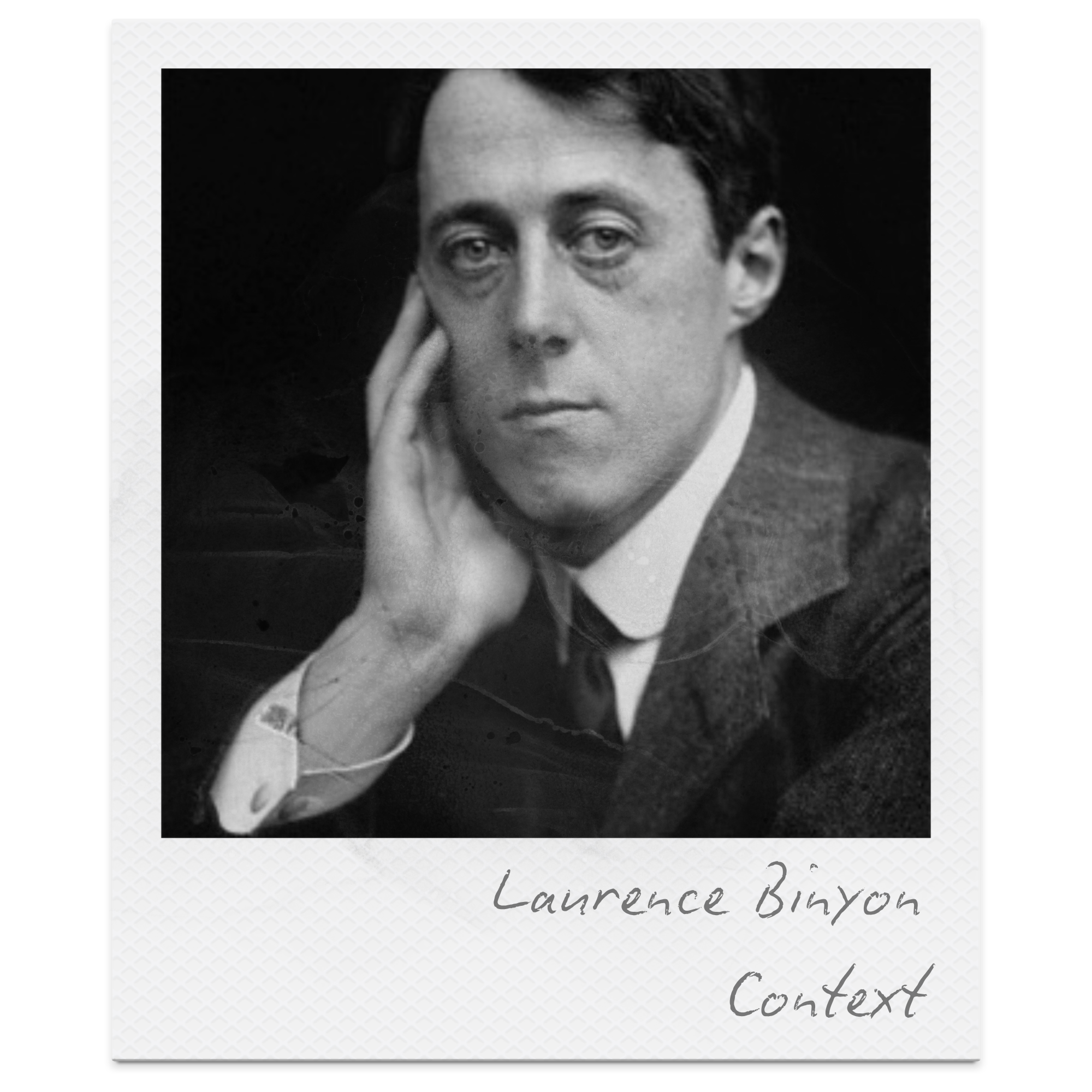
Laurence Binyon: Context, War Poetry, and Literary Significance
Explore the life, historical context, poetry and literary significance of Laurence Binyon, author of For the Fallen. Discover how remembrance, sacrifice, collective grief, mortality and cultural memory shaped his First World War poetry, and how the famous Ode of Remembrance became part of the enduring language of commemoration.

Captain of the Lighthouse by Togara Muzanenhamo: Summary, Themes & Analysis
Explore Togara Muzanenhamo’s Captain of the Lighthouse with a detailed summary and analysis of its themes, imagery, structure, extended metaphor and poetic techniques. Discover how Muzanenhamo transforms a childhood game into a moving exploration of brotherhood, imagination, memory, grief, loss and the enduring power of love after death.

O Earth by Siriman Cissoko: Summary, Themes & Analysis
Explore O Earth by Siriman Cissoko with this in-depth poetry analysis covering context, summary, stanza-by-stanza analysis, key quotes, literary techniques, themes, alternative interpretations, and exam-ready insights. Discover how Cissoko uses the personified earth, natural and musical imagery, and spiritual resonances to explore grief, remembrance, brotherhood, sacrifice, and cultural identity. Moving from the burial of “my dead” towards the hope that “liberty might live,” the poem transforms personal mourning into a powerful reflection on political freedom, heroism, collective memory, and the human cost of liberation.

from Our Casuarina Tree by Toru Dutt: Summary, Themes & Analysis
Explore Our Casuarina Tree by Toru Dutt with this comprehensive poetry analysis, including context, summary, line-by-line analysis, key quotes, literary techniques, themes, alternative interpretations, and exam-ready insights. Discover how Dutt transforms a magnificent tree from her childhood into a powerful symbol of memory, sibling love, grief, home, cultural identity, and the passage of time. Through vivid natural imagery, symbolism, personification, and an increasingly reflective voice, Dutt explores the connections between nature, memory, and human mortality, ultimately turning to poetry as a way of preserving the people, places, and experiences threatened by time and forgetting.
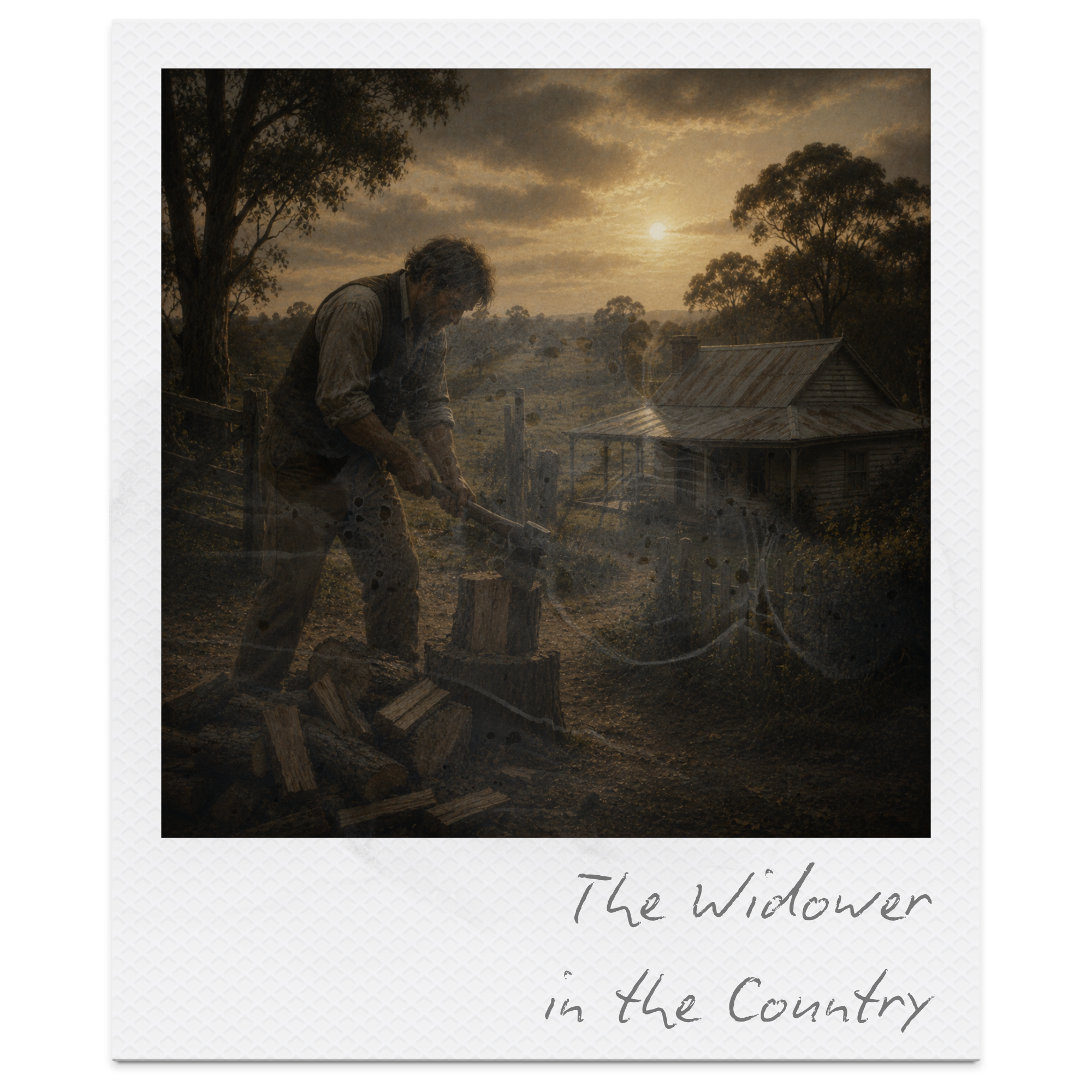
The Widower in the Country by Les Murray: Summary, Themes & Analysis
The Widower in the Country by Les Murray is a poignant exploration of grief, loneliness, memory, and the quiet routines that sustain life after loss. Through understated narration, vivid Australian rural imagery, and powerful symbolism, Murray reveals how bereavement quietly transforms everyday existence without ever needing dramatic expressions of emotion. This analysis explores the poem's summary, themes, stanza-by-stanza analysis, key quotations, literary techniques, and form and structure, showing how Murray uses ordinary moments to create an enduring meditation on resilience, isolation, time, and the lasting presence of absence.