Captain of the Lighthouse by Togara Muzanenhamo: Summary, Themes & Analysis
In Captain of the Lighthouse, Togara Muzanenhamo transforms a childhood memory of two brothers guarding cattle into an imaginative maritime adventure, before revealing the adult speaker’s profound sense of grief, absence and longing. Standing on an anthill they call “Land’s End”, the boys turn cattle into ships, dust tracks into “firths” and their makeshift lookout into a lighthouse, showing how childhood imagination can transform an ordinary rural landscape into an entire invented world. However, the final stanza returns to the same anthill after the brother’s death, and the playful language of ships and sailing acquires a painful new significance: Tafara, once the “Captain”, has now “set sail” into the “deepest seventh sea”. Through extended metaphor, shifts in time and tone, sensory imagery and the contrast between childhood play and adult bereavement, Muzanenhamo explores the persistence of memory and the ways imagination can provide a language for experiences that are otherwise difficult to express. If you are studying or teaching Songs of Ourselves Volume 3, explore all the prescribed poems in depth in the Songs of Ourselves Volume 3 Hub, or discover a wider range of texts in the Literature Library.

Context of Captain of the Lighthouse
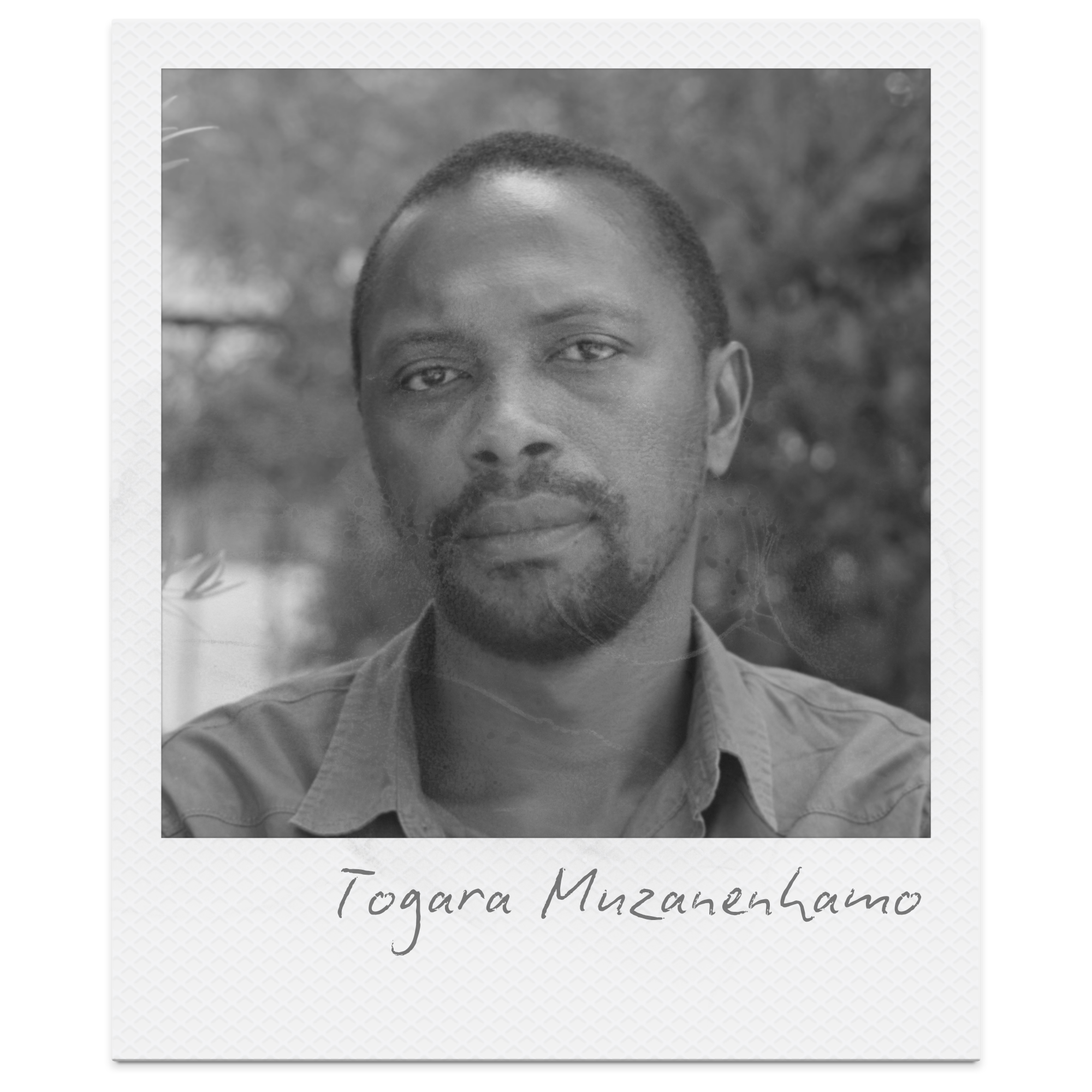
Togara Muzanenhamo is a Zimbabwean poet, born in Zambia in 1975 and raised on his family’s farm in Zimbabwe, making the rural landscape of cattle, anthills, dust and acacia in the poem closely connected to the environment of his childhood. (Poetry International) Captain of the Lighthouse appeared in his first collection, Spirit Brides, published in 2006; critics have identified childhood, departure, loss and death as recurring concerns in Muzanenhamo’s poetry. The poem draws on the imaginative freedom of childhood, transforming the dry Zimbabwean veld into an invented seascape where an anthill becomes a lighthouse and cattle become ships. This imaginative world later becomes the language through which the adult speaker understands bereavement and continuing attachment, as the childhood game is transformed into an elegiac metaphor for his brother’s absence.
Captain of the Lighthouse: At a Glance
Form: A four-stanza narrative lyric that moves from a vividly remembered childhood game to an adult reflection on loss and bereavement.
Mood: Initially playful, adventurous and affectionate, becoming increasingly haunting, melancholic and elegiac in the final stanza.
Central tension: The joyful imaginative world shared by the brothers is set against the adult speaker’s painful reality that his brother is now absent and cannot return.
Core themes: Childhood and imagination; brotherhood; memory; grief and loss; death; absence; love; the passage of time; transformation; reality and imagination.
One-sentence meaning: Muzanenhamo uses the brothers’ childhood game of transforming an anthill into a lighthouse and cattle into ships to show how cherished memories survive after bereavement, with the language of childhood imagination ultimately becoming a poignant way for the speaker to understand and express his brother’s death.
Quick Summary of Captain of the Lighthouse
The poem begins with the speaker remembering a childhood game shared with his brother, Tafara, as the two boys climb an anthill and imagine themselves as lighthouse keepers guarding a vast sea. The ordinary rural landscape is transformed through their imagination: the hazel-green countryside becomes an ocean, dirt tracks become “firths”, cattle become approaching ships and stones thrown towards them become warning lights. Tafara takes the role of captain, while the speaker enthusiastically joins the game, searching through an imaginary telescope for more “vessels”.
In the final stanza, the poem shifts abruptly from childhood play to adult grief. The cattle are now “stranded in the dark”, and their cries remind the speaker of his absent brother. The maritime language of their childhood game takes on a much sadder meaning as the speaker imagines Tafara having “set sail from land’s end into the deepest seventh sea”. The poem ends with the suggestion that Tafara has died, leaving the speaker to revisit their shared childhood world through memory and use its imaginative language to express his continuing love, loneliness and loss.
Title, Form, Structure, and Metre
Muzanenhamo combines a controlled four-stanza structure with an increasingly elaborate extended maritime metaphor, allowing the poem to move from childhood play towards adult grief. The largely conversational rhythm and dramatic shift in the final stanza make the remembered game feel vivid before its language is transformed into an expression of bereavement.
Title
The title Captain of the Lighthouse initially creates expectations of the sea, navigation and maritime adventure, although the poem quickly reveals that there is no literal lighthouse: the “lighthouse” is an anthill and its captain is the speaker’s brother, Tafara. This immediately establishes the importance of childhood imagination, in which the brothers can transform their familiar rural surroundings into another world.
The title becomes much more poignant retrospectively. In the final stanza, “Captain of the lighthouse” becomes the speaker’s affectionate name for the brother he misses. What initially sounds like a playful childhood role therefore becomes almost memorial or elegiac, preserving Tafara within the identity he held in their shared imaginative world.
Form and Structure
The poem is a four-stanza narrative lyric, with the first three stanzas recreating the brothers’ childhood game before the fourth shifts into the speaker’s present experience of absence and grief. The first-person perspective gives the memory intimacy, while moments of direct speech make the remembered scene feel immediate: “Aye-aye me lad” and “Aye, Captain” briefly allow Tafara’s voice and the brothers’ relationship to live again on the page.
The opening movement is gradual. The first stanza establishes the landscape and begins transforming it into a seascape; the second develops the game; and the third brings Tafara fully into focus as its energetic “Captain”. Significantly, the speaker repeatedly uses collective language — “brother and I”, “We are watchmen”, “We man our lighthouse” — establishing the brothers as a pair. By the final stanza, that shared “we” has disappeared and is replaced by the solitary “me” in “me miss my brother”, structurally reinforcing the speaker’s loss.
There is also an important temporal shift from remembered childhood to the haunting “Now” of the final stanza. Images from the game remain — the anthill, ships, sailing and “Land’s End” — but their meanings change. The structure therefore allows Muzanenhamo to revisit the same imaginative vocabulary through grief: sailing away, once part of a game, becomes a metaphor for irreversible departure.
The poem ends without bringing Tafara back to shore. Instead, he has “set sail” into the “deepest seventh sea”, extending the childhood fantasy beyond the limits of the remembered game. This gives the ending both finality and imaginative openness: death represents separation, yet memory allows the speaker to continue imagining his brother as the Captain.
Rhyme Scheme and Poetic Pattern
There is no regular rhyme scheme, and Muzanenhamo does not depend on conventional end rhyme to organise the poem. Its coherence comes instead from recurring maritime vocabulary and the repeated transformation of one landscape into another: “sea”, “firths”, “lighthouse”, “ships”, “shore”, “Captain”, “telescope”, “vessels” and finally “set sail” and “sea”.
The repeated “Aye” in the third stanza creates a particularly strong verbal pattern. Tafara calls, “Aye-aye me lad”, and the younger speaker answers, “Aye, Captain”, creating the sound of a shared game and emphasising their companionship. When “Aye” returns in the final stanza — “Aye, methinks” — it is no longer part of an exchange. The echo of their playful sea-talk has become the solitary language of remembrance, making Tafara’s absence more affecting.
Muzanenhamo also uses recurring sounds rather than a fixed rhyme pattern. The liquid and sibilant sounds running through words such as “sea”, “ships”, “shore”, “sailing”, “searching” and “set sail” help connect the poem’s maritime imagery, while the repeated language of the childhood game creates the poem’s most important pattern: what was once imaginative play becomes the vocabulary of grief.
Metre and Rhythmic Movement
The poem has no consistent traditional metre. Its long, flexible lines often follow the movement of remembered speech, with enjambment carrying images across line endings and creating the impression that one childhood association generates another. In the opening, for example, the landscape expands through “a sea of hazel-acacia-green” into “torrents of dust” and distant “dirt tracks”, giving the memory a flowing, exploratory quality.
Rhythm becomes particularly animated during the childhood game. Exclamations such as “Aye-aye me lad - a ship's a- / coming!” interrupt the longer descriptive sentences, while the line break inside “a-coming” visually and rhythmically delays the arrival of the imaginary ship. The boys’ excited dialogue therefore contrasts with the slower, darker movement of the final stanza.
There, the cattle’s “sonorous cries” seem to stretch through the night, and the closing sentence moves towards the extended image of Tafara having “set sail from land's end into the deepest seventh sea.” Rather than forcing the poem into a regular metrical pattern, Muzanenhamo uses changes in pace, sentence length, enjambment and interruption to move from the energy of childhood play to the lingering rhythm of adult remembrance and grief.
The Speaker in Captain of the Lighthouse
The speaker appears to be an adult looking back on a childhood memory shared with his brother, Tafara, although the first three stanzas recreate the experience with such immediacy that the distinction between past and present initially feels blurred. His voice is affectionate, imaginative and energetic as he remembers the brothers becoming “watchmen” and turning cattle into ships, while direct speech such as “Aye, Captain” captures his childhood admiration for Tafara and establishes the older brother as the leader of their invented world. The final stanza reveals the emotional perspective from which the memory is being recalled: “me miss my brother” transforms the playful imitation of sailors’ speech into a deeply personal admission of grief. By continuing to call Tafara the “Captain of the lighthouse” and imagining him having “set sail”, the speaker preserves his brother within the language of their childhood game. His voice therefore moves from shared excitement to solitary longing, showing how memory and imagination allow him to maintain an emotional connection with someone who is no longer physically present.
Stanza-by-Stanza Analysis of Captain of the Lighthouse
Across its four stanzas, Captain of the Lighthouse moves from the vivid imaginative freedom of childhood towards the loneliness of adult bereavement. Muzanenhamo initially allows the brothers’ invented maritime world to dominate the poem, transforming cattle, dust, dirt tracks and an anthill through extended metaphor until the distinction between the real landscape and their imagined seascape almost disappears. In the final stanza, however, familiar images return with altered meanings: darkness replaces play, the cattle become “stranded”, and sailing becomes a metaphor for Tafara’s death. Through extended metaphor, sensory imagery, shifts in tense and tone, direct speech and repetition with transformation, Muzanenhamo shows how a cherished childhood memory can become both a source of comfort and a language through which profound loss is understood.
Stanza 1: Transforming the Landscape Through Imagination
The poem opens at a moment of transition: “The late hour trickles to morning.” The verb “trickles” makes time seem almost liquid, subtly introducing the water imagery that will soon transform the dry rural landscape into an imaginary sea. Rather than morning arriving suddenly, it appears to flow gradually into existence. This creates a quiet, dreamlike atmosphere in which the boundaries between reality and imagination can begin to dissolve.
The sound of the cattle immediately grounds the memory in the physical landscape: “The cattle low profusely by the anthill”. The auditory verb “low” establishes the cattle as a real presence before the boys imaginatively transform them into ships. “Profusely” suggests an abundance of sound, filling the landscape and making the remembered scene vivid and sensory. Importantly, Muzanenhamo establishes reality before transforming it, allowing the reader to see both the ordinary world and the extraordinary version created by the children.
The speaker then introduces the central relationship through the simple phrase “brother and I”. Their decision to climb the anthill and “call” it “Land’s End” reveals the imaginative freedom of childhood: naming allows them to remake their surroundings. The capitalisation of “Land’s End” gives their invented location the authority of a genuine geographical place, while its position at the imagined boundary between land and sea anticipates the poem’s later association between departure, distance and death. At this stage, however, the name remains part of an exciting shared game.
The declarative “We are watchmen” demonstrates how completely the boys inhabit their invented identities. Muzanenhamo does not say that they pretend to be watchmen; within the memory, they simply “are”. This use of the present tense contributes to the immediacy of the recollection, temporarily collapsing the distance between the adult remembering and the children being remembered. The collective pronoun “We” is equally significant, presenting the brothers as companions sharing both the physical viewpoint and the imaginative world they have created.
From the height of the anthill, the landscape becomes “a sea of hazel-acacia-green”. This metaphor is central to the stanza because the familiar vegetation becomes the surface of an imaginary ocean. The compound colour description “hazel-acacia-green” is unusually precise and rooted in the actual landscape, meaning that the boys’ fantasy does not erase reality but builds upon it. The sea exists because they reinterpret what is already around them.
Muzanenhamo develops this transformation through “torrents of dust whipping about / in whirlwinds”. “Torrents” normally describes violently flowing water, yet here it describes dust, fusing the dry land with the maritime world of the boys’ imagination. The energetic verb “whipping” and the movement of the “whirlwinds” make the landscape seem turbulent, almost as though the imagined sea is experiencing rough weather. The natural environment therefore actively participates in their game.
The stanza ends as “dirt tracks that reach us” become “firths”. A “firth” is an inlet or narrow stretch of sea, so the metaphor completes the transformation of the landscape: roads become waterways just as vegetation has become ocean. The phrase “reach us” also makes the tracks seem to extend towards the boys’ elevated position, strengthening their illusion that the anthill stands on a coastline. By the end of the stanza, Muzanenhamo has transformed an ordinary childhood setting through metaphor, imaginative naming and fluid imagery, establishing both the intensity of the brothers’ shared imagination and the landscape that will later become inseparable from the speaker’s memory of Tafara.
Stanza 2: The Anthill Becomes a Lighthouse
The second stanza develops the imaginative transformation established in the opening, as the boys move from observing their invented seascape to actively controlling what happens within it. The confident declaration “We man our lighthouse” gives them a position of responsibility and authority. The verb “man” belongs naturally to the language of ships and maritime duty, showing how completely the children have entered their imagined roles. Once again, the collective pronoun “We” emphasises companionship: this is a world created and inhabited together.
The compressed phrase “cattle as ships” demonstrates the speed and ease of childhood imagination. Muzanenhamo does not provide an elaborate explanation of the transformation; the cattle simply become vessels moving across the imaginary sea. This directness allows the poem itself to imitate the children’s perspective, where ordinary objects can acquire entirely different identities without needing to be logically explained.
Their game becomes more dramatic as they “throw warning lights whenever / they come too close to our jagged shore.” The metaphor turns the boys into lighthouse keepers protecting approaching ships from danger. The possessive “our” strengthens their imaginative ownership of the landscape, while “jagged shore” transforms the uneven ground surrounding the anthill into a hazardous coastline. There is an affectionate irony here: the boys believe themselves to be saving the cattle even though their method of warning them involves throwing stones. The seriousness with which they perform their roles captures both the innocence and physical exuberance of childhood play.
Muzanenhamo then briefly returns the reader to physical reality with “The anthill, the orris-earth / lighthouse”. The apposition holds the real and imagined objects together: it is simultaneously an anthill and a lighthouse. The compound “orris-earth” draws attention to the colour and texture of the soil, preserving the sensory specificity of the rural setting even as imagination transforms it. Rather than escaping from their surroundings, the brothers create their fantasy from the materials of the landscape itself.
The final image develops this fusion further as the boys “hurl stones like light in every direction.” The simile transforms something solid and potentially harmful into something intangible and protective. Stones become beams of lighthouse light because that is how the children understand their actions within the game. The energetic verb “hurl” conveys the physical excitement of their play, while “in every direction” suggests enthusiasm without restraint, capturing the freedom and expansiveness of childhood imagination.
There is also a subtle significance to the stanza’s repeated imagery of warning, danger and protection. Within the remembered game, the brothers imagine that approaching vessels can be warned away from the dangerous shore and therefore saved. This becomes more poignant once the poem’s ending reveals a loss that the adult speaker could not prevent or reverse. The childhood lighthouse represents a world in which danger can be recognised and ships can be turned safely away; the final stanza will transform that comforting fantasy when Tafara himself becomes the one who has “set sail” beyond the speaker’s reach.
Stanza 3: Tafara as Captain of the Imagined Sea
The third stanza brings Tafara fully into focus, transforming him from the speaker’s unnamed “brother” into the commanding figure at the centre of the childhood memory. “Tafara stands on its summit” places him physically above both the landscape and the speaker, reinforcing his role as the game’s leader. The noun “summit” makes the anthill seem grander and more imposing, as though Tafara really is standing at the top of a lighthouse surveying the sea. This elevated position also becomes poignant retrospectively: the adult speaker remembers his brother as larger than the ordinary world around him, preserved at the height of their shared adventure.
Tafara is characterised particularly vividly through his “sea-talk”: “Aye-aye me lad - a ship's a- / coming!” The invented nautical voice demonstrates his complete commitment to the game and introduces humour and dramatic energy. “Aye-aye” imitates stereotypical sailors’ language, while “me lad” establishes Tafara as the Captain addressing his subordinate. The unusual division of “a-coming” across the line break momentarily delays the approaching “ship”, allowing the typography to participate in the boys’ excitement. Direct speech also makes Tafara seem immediately present: rather than merely being described by the grieving speaker, his voice temporarily returns within the memory.
The fantasy and reality of the scene then collide humorously when Tafara “hurls a rock at the cow sailing in.” The metaphorical “ship” is suddenly recognisable as a cow again, yet the participle “sailing” keeps both realities active simultaneously. Muzanenhamo’s imagery captures the flexibility of childhood imagination: the boys can recognise the animal as a cow while still experiencing it as a vessel approaching their dangerous shore.
The description “Her beefy hulk jolts and turns” develops this comic double vision. “Beefy” literally evokes the cow’s heavy body while also suggesting bulk and solidity, whereas “hulk” has maritime associations with a large ship, allowing the animal and vessel to merge linguistically. The forceful verbs “jolts” and “turns” show the physical consequence of Tafara’s thrown rock, but within the boys’ interpretation this becomes evidence that their warning system has succeeded. Reality therefore continually feeds their fantasy rather than disrupting it.
The speaker responds enthusiastically: “Aye, Captain, another ship saved!” The echo of Tafara’s “Aye-aye” creates a verbal exchange between the brothers, emphasising their closeness and the collaborative nature of the game. Calling Tafara “Captain” confirms the hierarchy suggested earlier: Tafara leads and the speaker willingly follows. More importantly, this moment establishes the title as an affectionate childhood identity that the adult speaker will later preserve after his brother’s death. The exclamation “another ship saved!” is especially poignant in retrospect because the game imagines a world in which danger can be recognised, intervention works and those approaching danger can always be turned back.
The speaker then “furl[s] my fingers into an air-long / telescope”, using his own body to create another imaginary maritime object. “Furl” is particularly effective because it belongs to the semantic field of sailing — sails can be furled — so even the movement of his fingers becomes absorbed into their nautical world. The inventive compound “air-long” removes ordinary physical limitations: the telescope needs no material existence because imagination makes it real. The image captures the resourcefulness of childhood, where nothing more than hands, landscape and language are needed to create an adventure.
The stanza closes with the speaker “searching for more vessels in the day-night.” The compound “day-night” brings apparent opposites together, continuing Muzanenhamo’s tendency to dissolve ordinary boundaries. It may suggest the game stretching across a transitional time when daylight and darkness coexist, but it also anticipates the poem’s movement into the literal and emotional darkness of the final stanza. The participle “searching” is particularly significant: here the child searches eagerly for imaginary ships, but after Tafara’s loss the adult speaker is left searching memory for the brother who once stood beside him.
This stanza is therefore the emotional centre of the childhood memory. Through direct speech, maritime diction, playful compounds and the constant overlap between reality and fantasy, Muzanenhamo makes Tafara vivid enough for the reader almost to experience him alongside the speaker. That vitality makes the coming shift especially painful: the poem first allows us to hear Tafara speak, command and play before revealing that his voice now survives only through the speaker’s memory.
Stanza 4: Childhood Adventure Becomes Adult Grief
The final stanza creates the poem’s decisive emotional shift. The opening adverb “Now” abruptly moves the reader away from the vivid childhood memory and into the speaker’s present experience. Yet the setting remains recognisable: “they low on the anthill” recalls the cattle and anthill of the opening stanza. What has changed is Tafara’s presence. The landscape survives, but the brother who once transformed it through imagination is absent, making the return to the same place deeply poignant.
The cattle are described as “stranded in the dark”, continuing the maritime metaphor while radically changing its emotional meaning. Earlier, cattle were ships that could be successfully redirected from the “jagged shore”; now they are “stranded”, suggesting helplessness, isolation and an inability to move forward. The darkness contrasts with the playful “warning lights” of the boys’ lighthouse, creating the painful implication that the imaginative light associated with Tafara has disappeared. The childhood game promised that ships could be seen, warned and “saved”; the adult world offers no equivalent protection against death and loss.
Sound becomes particularly important in “Their sonorous cries haunt / through the night.” “Sonorous” emphasises the deep, resonant quality of the cattle’s lowing, while “haunt” transforms an ordinary rural sound into something emotionally charged. The cries seem to carry Tafara’s absence through the landscape, triggering the speaker’s memory of him. The enjambment after “haunt” allows the verb to linger before “through the night”, helping to create a sense that grief itself extends beyond a single moment. The cattle that once inspired imaginative excitement now become a haunting reminder of what has been lost.
The return of “Aye” is especially affecting because it echoes the brothers’ dialogue in the previous stanza. Tafara had called “Aye-aye me lad”, and the speaker had answered “Aye, Captain”; here, however, there is nobody to answer him. “Aye, methinks, me miss my brother” imitates the same exaggerated “sea-talk”, but its function has completely changed. What was once playful shared language becomes the speaker’s private language of mourning. By expressing grief through the vocabulary of their childhood game, he momentarily re-enters the imaginative world in which Tafara is still the Captain.
The simple admission “me miss my brother” is emotionally powerful precisely because it remains within this childish sailor voice. Muzanenhamo could have shifted into more conventional or explicitly elegiac language, but instead the speaker continues speaking as the boy who once played beside Tafara. This creates an overlap between the grieving adult and the remembered child: the adult understands the permanence of the loss, while part of him continues to relate to Tafara through the identities they created together.
The appositive “Captain of the / lighthouse” now carries the full emotional weight of the title. Tafara is remembered not simply as a deceased brother but through the role that encapsulates his energy, authority and place within their shared childhood. The title therefore functions almost like an affectionate epitaph, preserving Tafara at the “summit” of the anthill, speaking in “sea-talk” and commanding their imaginary lighthouse.
Muzanenhamo completes the transformation of the childhood metaphor with “set sail from land's end”. Earlier, “Land’s End” was merely the name the boys gave their anthill; now its literal implications become significant. It suggests the boundary beyond which familiar land, ordinary experience and perhaps life itself cannot continue. The euphemistic metaphor “set sail” avoids stating Tafara’s death directly, allowing the speaker to understand an irreversible departure through the language the brothers once shared.
The final destination, “the deepest seventh sea”, pushes their childhood imagination beyond any real geography. The traditional phrase “seven seas” suggests the entirety of the world’s oceans, but Muzanenhamo alters it into the singular “seventh sea” and intensifies it through the superlative “deepest”. Tafara seems to have travelled beyond the limits of the speaker’s reach, into an unknowable space that can suggest death, mystery and ultimate separation. Yet the metaphor also allows him to remain the adventurous “Captain”: rather than being reduced to absence, Tafara continues sailing within the speaker’s imagination.
The ending therefore holds grief and affection together. Tafara cannot be “saved” like the imaginary ships of childhood, and the speaker is left alone with the sounds and landscape that recall him. However, by returning to their shared maritime language, Muzanenhamo shows how memory transforms absence into a continuing form of presence. The lighthouse may now be dark, but the childhood world it represents survives in the speaker’s recollection, allowing his brother to remain forever its Captain.
Key Quotes and Methods in Captain of the Lighthouse
The most useful quotations in Captain of the Lighthouse trace the poem’s movement from childhood imagination and brotherly companionship towards memory, absence and grief. Strong analysis should pay particular attention to how Muzanenhamo establishes the maritime metaphor in the early stanzas and then transforms the same language in the ending, so that the brothers’ childhood game becomes the speaker’s way of expressing bereavement.
“The late hour trickles to morning”
◆ Technique: Personification, liquid imagery and transitional imagery
◆ Meaning: Time appears to flow gradually as night gives way to morning.
◆ Purpose: “Trickles” subtly introduces the poem’s recurring imagery of water before the landscape has been explicitly transformed into a sea.
◆ Impact: The gentle transition creates a dreamlike atmosphere and prepares the reader for the gradual movement between reality and imagination.
“brother and I climb and call Land's End”
◆ Technique: First-person narration, collective identity and imaginative naming
◆ Meaning: The brothers rename the anthill as though it were the edge of a real maritime landscape.
◆ Purpose: Muzanenhamo demonstrates the children’s ability to transform an ordinary environment through language and imagination.
◆ Impact: “Brother and I” immediately establishes their closeness, while “Land’s End” becomes more poignant when it later represents the point from which Tafara has metaphorically departed.
“We are watchmen”
◆ Technique: Declarative sentence and collective pronoun
◆ Meaning: The boys do not merely pretend to be watchmen; within their imaginative world, they fully inhabit these identities.
◆ Purpose: The confident declaration captures the absolute seriousness of childhood play, while “We” emphasises their companionship.
◆ Impact: The shared identity makes the disappearance of this collective voice in the final stanza particularly painful.
“a sea of hazel-acacia-green”
◆ Technique: Metaphor, colour imagery and natural imagery
◆ Meaning: The vegetation stretching beneath the boys becomes an imaginary ocean.
◆ Purpose: The metaphor shows imagination working directly upon the real rural landscape rather than replacing it.
◆ Impact: The vivid compound “hazel-acacia-green” creates a specific, sensory setting while demonstrating how completely the boys can transform what they see.
“torrents of dust whipping about / in whirlwinds”
◆ Technique: Water imagery, kinetic imagery and dynamic verb
◆ Meaning: Dry dust is described using “torrents”, a word normally associated with violently moving water.
◆ Purpose: Muzanenhamo merges the landscape and imagined seascape, while “whipping” conveys the physical energy of the environment.
◆ Impact: The landscape itself seems to participate in the children’s fantasy, making their invented ocean feel vivid and turbulent.
“We man our lighthouse - cattle as ships”
◆ Technique: Extended metaphor, maritime semantic field and compressed syntax
◆ Meaning: The anthill becomes a lighthouse and the cattle become ships requiring the boys’ protection.
◆ Purpose: The compressed phrase “cattle as ships” imitates the effortless logic of childhood imagination, where transformation requires no explanation.
◆ Impact: Reality and fantasy begin to coexist so naturally that the reader is encouraged to enter the boys’ invented world.
“our jagged shore”
◆ Technique: Metaphor and possessive pronoun
◆ Meaning: The rough land around the anthill becomes a dangerous coastline.
◆ Purpose: “Our” suggests the brothers have imaginatively claimed and created this landscape together, while “jagged” introduces the idea of danger.
◆ Impact: Their game becomes one of responsibility and rescue, preparing for the later contrast between ships they can “save” and the brother whose departure cannot be prevented.
“hurl stones like light in every direction”
◆ Technique: Simile, juxtaposition and kinetic imagery
◆ Meaning: The stones thrown at the cattle become the warning beams of the imaginary lighthouse.
◆ Purpose: Muzanenhamo transforms something solid and potentially harmful into something protective and intangible.
◆ Impact: The contrast captures the inventiveness and innocence of the boys’ perspective, in which physical actions acquire completely different meanings through imagination.
“Tafara stands on its summit”
◆ Technique: Elevated spatial imagery and present-tense narration
◆ Meaning: Tafara occupies the highest point of the anthill, commanding the imaginary lighthouse.
◆ Purpose: “Summit” magnifies the small anthill and establishes Tafara as the authoritative Captain of the brothers’ game.
◆ Impact: Tafara becomes a vivid, almost heroic figure within the memory, increasing the poignancy of his later absence.
“Aye-aye me lad - a ship's a- / coming!”
◆ Technique: Direct speech, role-play, colloquial maritime diction and disruptive line break
◆ Meaning: Tafara imitates a sailor as he warns the speaker that another imaginary ship is approaching.
◆ Purpose: Direct speech allows Tafara’s personality and voice to emerge vividly, while the broken “a- / coming” adds excitement and movement.
◆ Impact: The reader briefly hears Tafara alive within the memory, which makes the silence of his absence in the final stanza more affecting.
“Her beefy hulk jolts and turns”
◆ Technique: Double meaning, maritime diction, humour and dynamic verbs
◆ Meaning: The cow reacts to the stone, but “hulk” simultaneously allows her to remain an enormous imaginary vessel.
◆ Purpose: “Beefy” humorously acknowledges the animal’s real identity while “hulk” sustains the maritime fantasy.
◆ Impact: Muzanenhamo captures the ease with which reality and imagination coexist in childhood, creating a moment that is both physical and playful.
“Aye, Captain, another ship saved!”
◆ Technique: Direct address, exclamation and repetition
◆ Meaning: The speaker celebrates Tafara successfully turning another cow away from the anthill.
◆ Purpose: The repeated “Aye” echoes Tafara’s speech and demonstrates the brothers’ shared commitment to their invented roles.
◆ Impact: “Saved” becomes especially poignant retrospectively: the childhood world allows danger to be overcome, whereas the adult speaker cannot rescue Tafara from death.
“furl my fingers into an air-long / telescope”
◆ Technique: Metaphor, inventive compound, maritime diction and physical imagery
◆ Meaning: The speaker shapes his hands into an imaginary telescope to search for further ships.
◆ Purpose: “Furl”, normally associated with sails, extends the maritime semantic field even into the movement of the child’s hands, while “air-long” suggests an object created entirely through imagination.
◆ Impact: The image celebrates childhood creativity and imaginative freedom, where ordinary physical limitations have little importance.
“searching for more vessels in the day-night”
◆ Technique: Present participle, compound word and juxtaposition
◆ Meaning: The child continues searching the landscape for imaginary ships as day and night seem to overlap.
◆ Purpose: The invented compound “day-night” dissolves another conventional boundary and subtly anticipates the darkness of the final stanza.
◆ Impact: “Searching” gains retrospective poignancy because the adult speaker will later be left searching memory for his absent brother.
“Now they low on the anthill, stranded in the dark”
◆ Technique: Temporal shift, extended metaphor, darkness imagery and juxtaposition
◆ Meaning: The poem returns to the cattle and anthill in the speaker’s present, but Tafara is no longer there.
◆ Purpose: The abrupt “Now” breaks the remembered childhood scene, while “stranded” retains the maritime metaphor but gives it a darker meaning.
◆ Impact: The familiar landscape suddenly feels lonely and desolate, revealing how profoundly loss has transformed the speaker’s experience of the place.
“Their sonorous cries haunt / through the night”
◆ Technique: Auditory imagery, emotive diction and enjambment
◆ Meaning: The cattle’s deep cries trigger memories of Tafara and seem to fill the darkness with his absence.
◆ Purpose: “Haunt” turns a familiar sound from the childhood landscape into an emotional reminder of bereavement.
◆ Impact: The enjambment allows the idea of haunting to continue “through the night”, creating a sense of grief that lingers and cannot easily be contained.
“Aye, methinks, me miss my brother”
◆ Technique: Echo, internal monologue, colloquial role-play and tonal transformation
◆ Meaning: The adult speaker returns to the exaggerated sailor language he once shared with Tafara while admitting that he misses him.
◆ Purpose: Muzanenhamo deliberately transforms the playful “Aye” of the previous stanza into the language of private mourning.
◆ Impact: The continuity of their childhood speech makes the loss intensely personal: the speaker can still speak their shared language, but his brother is no longer there to answer.
“Captain of the lighthouse”
◆ Technique: Repetition of the title, affectionate epithet and symbolism
◆ Meaning: The speaker remembers Tafara through the identity he occupied within their childhood game.
◆ Purpose: Rather than defining his brother through death, the speaker preserves him as the energetic Captain who once stood on the anthill.
◆ Impact: The title becomes almost elegiac or memorial, demonstrating how memory can preserve a loved person through the identities and experiences shared with them.
“set sail from land's end”
◆ Technique: Extended metaphor, euphemism and symbolic spatial imagery
◆ Meaning: Tafara’s death is represented as a voyage away from the boundary the brothers once called “Land’s End”.
◆ Purpose: The maritime game provides the adult speaker with a familiar imaginative language through which to conceptualise death as irreversible departure.
◆ Impact: The phrase avoids stating death directly while making the separation emotionally powerful: Tafara has travelled somewhere the speaker cannot follow or call back from.
“into the deepest seventh sea”
◆ Technique: Superlative, symbolic imagery, modification of idiomatic language and extended metaphor
◆ Meaning: Tafara is imagined sailing into an immeasurably distant and unknowable sea beyond the speaker’s reach.
◆ Purpose: “Deepest” intensifies the sense of separation, while the unusual singular “seventh sea” makes Tafara’s destination feel mythic, mysterious and final.
◆ Impact: The poem ends in profound loss but preserves Tafara within the brothers’ imaginative world: he remains the Captain, continuing his voyage beyond “Land’s End”, so that memory turns physical absence into a form of continuing emotional presence.
Key Techniques in Captain of the Lighthouse
Muzanenhamo combines extended metaphor, vivid sensory imagery, imaginative word choices and structural transformation to recreate the freedom of childhood before revealing the grief underlying the memory. Many of the poem’s most important techniques change in meaning across the four stanzas: maritime imagery that initially creates adventure and companionship eventually becomes the speaker’s language for death, separation and remembrance.
◆ Extended Metaphor – The central technique transforms the brothers’ rural surroundings into a maritime world: the anthill becomes a “lighthouse”, cattle become “ships”, vegetation becomes a “sea”, dirt tracks become “firths” and stones become warning lights. In the final stanza, this childhood metaphor is transformed again when Tafara has “set sail”. Muzanenhamo therefore uses the same imaginative framework first to represent childhood play and later to make death comprehensible.
◆ Metaphor – Individual metaphors repeatedly transform ordinary objects, particularly the “sea of hazel-acacia-green”. These transformations demonstrate the imaginative power of the children, who perceive possibilities beyond the literal appearance of their surroundings.
◆ Maritime Semantic Field – Words including “Land’s End”, “watchmen”, “sea”, “firths”, “lighthouse”, “ships”, “shore”, “Captain”, “telescope”, “vessels” and “set sail” sustain the imagined maritime world. Because this vocabulary continues into the final stanza, the childhood game becomes inseparable from the adult speaker’s experience of grief.
◆ Imaginative Naming – The boys rename familiar features of their landscape, most significantly calling the anthill “Land’s End”. Naming allows them to claim and transform their surroundings, while “Land’s End” later acquires symbolic significance as the boundary from which Tafara metaphorically departs.
◆ Personification – In “The late hour trickles to morning”, time appears capable of movement. The liquid quality of “trickles” begins dissolving the distinction between dry land and imagined water before the maritime metaphor has fully emerged.
◆ Simile – The boys “hurl stones like light”, transforming physical stones into imaginary beams from their lighthouse. The unexpected comparison demonstrates how imagination changes the meaning of their actions: what is literally solid becomes something protective and illuminating.
◆ Visual Imagery – Images such as the “sea of hazel-acacia-green”, “torrents of dust” and “jagged shore” make the remembered landscape vivid. Muzanenhamo’s precise description grounds the fantasy in a recognisable physical world, making clear that the children’s imagination grows directly from their surroundings.
◆ Auditory Imagery – The cattle “low profusely” in the opening and their “sonorous cries haunt / through the night” at the end. The repeated sound creates structural continuity, but its emotional significance changes: what belongs naturally to the childhood landscape becomes a haunting trigger for adult memory.
◆ Kinetic Imagery – Dynamic verbs such as “whipping”, “hurl”, “jolts”, “turns” and “furl” fill the childhood sections with movement and physical energy. This activity contrasts with the darker stillness and emotional isolation of the final stanza.
◆ Direct Speech – Tafara’s “Aye-aye me lad” and the speaker’s answering “Aye, Captain” dramatise the childhood memory rather than merely describing it. Most importantly, direct speech allows the reader to hear Tafara’s voice before discovering his absence, making the final stanza more emotionally powerful.
◆ Role-Play and Mimicry – The exaggerated sailor language — “Aye-aye me lad”, “Aye, Captain” and “methinks” — captures the theatrical pleasure of childhood games. Its return after Tafara’s death is deeply poignant because the adult speaker continues using a language that once belonged to both brothers.
◆ Repetition with Transformation – Images and words recur but acquire different meanings. The anthill moves from lighthouse to a place where cattle are “stranded”; “Aye” moves from shared dialogue to solitary thought; sailing moves from adventure to death. This transformation allows Muzanenhamo to show how grief alters the meaning of remembered experiences.
◆ Collective Pronouns – The repeated “We” of “We are watchmen” and “We man our lighthouse” establishes the brothers as a unit. Its disappearance from the final stanza is significant: the shared “we” has become the solitary speaker who admits “me miss my brother”.
◆ Temporal Shift – The sudden “Now” beginning the final stanza separates remembered childhood from the speaker’s present. The physical landscape remains, but Tafara does not, allowing Muzanenhamo to reveal how dramatically the emotional meaning of that landscape has changed.
◆ Tonal Shift – The poem moves from playful, adventurous and affectionate language towards a haunting elegiac tone. Because the change occurs only after the childhood world has been vividly established, the revelation of Tafara’s absence retrospectively changes how the reader understands everything that precedes it.
◆ Juxtaposition – Muzanenhamo repeatedly places reality beside fantasy: cattle are ships, dust becomes torrents and stones become light. More significantly, he juxtaposes childhood joy with adult bereavement, making the intensity of the earlier happiness heighten the sadness of the ending.
◆ Compound Words – Inventive constructions including “hazel-acacia-green”, “orris-earth”, “air-long” and “day-night” reflect the creativity of the remembered childhood world. Conventional language is reshaped just as the physical landscape is reshaped through imagination.
◆ Enjambment – Sentences frequently flow across line endings, contributing to the energetic movement of memory and allowing images to transform as the reader moves between lines. In the final stanza, “cries haunt / through the night” gives particular emphasis to “haunt”, allowing the idea of grief to linger across the break.
◆ Disrupted Lineation – The division of “a- / coming!” interrupts Tafara’s direct speech and momentarily delays the imaginary ship’s arrival. The playful visual disruption reflects his excitement and makes his remembered voice especially vivid.
◆ Present-Tense Narration – Statements such as “We are watchmen” and “Tafara stands on its summit” recreate the memory as though it is occurring in front of the speaker. This collapses the distance between past and present, suggesting the continuing vividness of Tafara within memory.
◆ Symbolism of the Lighthouse – The lighthouse represents guidance, protection, companionship and the brothers’ shared imaginative world. Its meaning darkens after Tafara’s death: the Captain has departed and the cattle are now “stranded in the dark”, suggesting the loss of the figure once associated with warning and rescue.
◆ Light and Darkness Imagery – The boys initially throw “warning lights”, whereas the final stanza places the cattle “in the dark” and their cries continue “through the night”. The movement from light towards darkness mirrors the transition from childhood companionship to grief and absence.
◆ Spatial Imagery – The poem repeatedly establishes boundaries and distances through the “summit”, “shore”, “Land’s End” and finally the “deepest seventh sea”. These spatial images become increasingly symbolic, culminating in the immeasurable distance separating the speaker from Tafara.
◆ Euphemistic Metaphor for Death – Tafara is never explicitly described as having died. Instead, he has “set sail from land’s end”, allowing the speaker to express death through the language of their childhood game. The euphemism conveys both the difficulty of confronting loss directly and the continuing importance of imagination in preserving his brother.
◆ Circularity – The final stanza returns to the cattle and anthill introduced in the opening, but their meaning has changed completely. This return emphasises that places can remain physically unchanged while becoming emotionally transformed by memory and loss.
◆ Elegiac Elements – Although much of the poem initially resembles an affectionate childhood recollection, its final movement reveals it as an elegy for Tafara. By remembering his brother as the “Captain of the lighthouse”, the speaker celebrates Tafara’s vitality rather than allowing his identity to be defined solely by death.
◆ Ambiguous Final Image – The “deepest seventh sea” is not a literal destination and remains deliberately unknowable. It can represent death, ultimate separation or an imaginative realm beyond ordinary experience. Ending with Tafara still “sailing” allows Muzanenhamo to balance the finality of physical loss with the continuing presence created by love, memory and imagination.
How Togara Muzanenhamo Creates Meaning and Impact in Captain of the Lighthouse
Muzanenhamo creates meaning by allowing the poem itself to move between two ways of seeing the same landscape. Through the brothers’ childhood imagination, an anthill becomes a lighthouse, cattle become ships and dusty countryside becomes an ocean; through the adult speaker’s grief, those same images become symbols of absence and death. The poem’s impact depends particularly on this transformation: the language that once expressed play and companionship ultimately becomes the language through which the speaker mourns his brother.
Language and Imagery
Muzanenhamo builds the childhood world through an extended maritime metaphor that gradually overtakes the literal landscape. The boys look across “a sea of hazel-acacia-green”, dirt tracks become “firths”, cattle become “ships” and the anthill becomes their “lighthouse”. These transformations reveal the extraordinary imaginative freedom of childhood. Importantly, however, the real landscape never disappears completely. Phrases such as “hazel-acacia-green”, “orris-earth” and “beefy hulk” continually remind us of what the boys are actually seeing.
This creates a kind of double vision, where reality and imagination exist simultaneously. The cow is both an animal and a ship “sailing in”; a stone is both a rock and a warning light. Muzanenhamo therefore recreates childhood imagination not simply as fantasy but as a different way of interpreting reality.
The imagery becomes increasingly poignant when the same imaginative process is used to represent death. Tafara has “set sail from land's end into the deepest seventh sea”. Instead of abandoning the language of childhood when confronting an adult experience of bereavement, the speaker returns to it. This suggests that imagination continues to provide him with a way of understanding what cannot easily be understood or expressed directly.
Structure and Progression
The four-stanza structure creates a clear movement from shared childhood experience to solitary adult remembrance. The first stanza establishes the landscape, the second develops the lighthouse game and the third places Tafara at its centre as “Captain”. Only after Muzanenhamo has made this remembered world vivid does the final stanza reveal the emotional reason for recalling it.
This delayed revelation changes the meaning of what has come before. “Another ship saved!” initially belongs entirely to the excitement of the game, but after Tafara’s death it becomes painfully ironic: the children imagined themselves capable of recognising danger and rescuing approaching vessels, yet the adult speaker could not “save” his brother from death.
Pronouns reinforce this structural change. The childhood sections repeatedly emphasise togetherness through “brother and I”, “We are watchmen” and “We man our lighthouse”. In the final stanza, that shared identity disappears. Instead, the speaker admits, “me miss my brother”. The movement from “we” to “me” compresses the poem’s emotional journey into a grammatical change: companionship has become solitude.
The final stanza also begins with the abrupt “Now”, separating memory from the speaker’s present while returning him to the same landscape. Muzanenhamo therefore shows that although the physical place survives, grief has permanently altered its emotional meaning.
Voice and Tone
The speaker’s voice initially captures the energy, innocence and seriousness of childhood play. He does not explain that the brothers are pretending to be lighthouse keepers; instead, he confidently declares, “We are watchmen” and “We man our lighthouse”. By adopting the children’s imaginative perspective, Muzanenhamo allows the reader to experience the game from inside rather than observing it from an adult distance.
Tafara’s direct speech makes the memory particularly vivid. His “Aye-aye me lad - a ship's a- / coming!” is theatrical, humorous and affectionate. The speaker responds in exactly the same imaginative register: “Aye, Captain, another ship saved!” Their shared “sea-talk” therefore becomes evidence of their intimacy.
The return of this voice in the final stanza produces one of the poem’s strongest effects. “Aye, methinks, me miss my brother” sounds superficially similar to the earlier game, but Tafara is no longer there to respond. The same language has moved from dialogue to internal monologue, transforming playful imitation into an expression of grief. Muzanenhamo allows the tonal shift to emerge through changed context rather than abandoning the poem’s established vocabulary.
Sound and Rhythm
There is no need for a regular metre or rhyme scheme because Muzanenhamo creates rhythm primarily through speech, sentence movement, enjambment and recurring sounds. The long lines of the opening stanzas allow descriptions and imaginative transformations to unfold freely, mirroring the expansive movement of memory.
The third stanza becomes more animated through direct speech and interruptions. “Aye-aye me lad”, the exclamation “another ship saved!” and the broken “a- / coming!” reproduce the excitement of the game. The rhythm feels spontaneous because the children’s voices repeatedly interrupt the descriptive narration.
Sound works very differently in the final stanza. The cattle’s “sonorous cries haunt / through the night” create a slower and more resonant auditory image. “Sonorous” emphasises depth and reverberation, while “haunt” suggests that these sounds carry memory with them. The rural noises that surrounded the brothers during childhood now seem to summon the absent Tafara.
Imagination and Reality
One of Muzanenhamo’s most important methods is his refusal to establish a rigid boundary between what is real and what is imagined. He frequently moves between them within a single phrase. “Cattle as ships” states the transformation directly, while “Her beefy hulk” simultaneously describes the physical cow and the imaginary vessel.
The inventive compounds “hazel-acacia-green”, “orris-earth”, “air-long” and “day-night” reinforce this freedom. Just as the children combine different realities, Muzanenhamo combines words and categories that conventional language might keep separate. The style therefore reflects the imaginative experience it describes.
This becomes crucial to the poem’s treatment of grief. The adult speaker knows Tafara has not literally sailed away, but the metaphor is emotionally meaningful. Imagination is no longer merely a childhood game: it becomes a means of carrying love and memory into adulthood.
Light, Darkness and Protection
The lighthouse naturally introduces a pattern of light, danger and protection. During childhood, the brothers throw “warning lights” towards ships approaching their “jagged shore”. Their invented lighthouse represents a world in which danger can be detected and catastrophe prevented.
The final stanza reverses this imagery. The cattle are now “stranded in the dark”, while their cries continue “through the night”. The warning light has effectively disappeared with its Captain. This movement from light towards darkness parallels the movement from companionship towards bereavement.
The contrast also exposes the limitations of childhood fantasy. In the game, Tafara can turn every approaching ship away from danger and the speaker can triumphantly announce “another ship saved!” In adult reality, some departures cannot be prevented. The image of the protective lighthouse therefore becomes especially moving because it represents precisely the kind of power over loss that the speaker does not possess.
Memory, Place and Absence
Muzanenhamo presents landscape as a powerful trigger for memory. The final stanza returns to the same cattle and anthill that opened the poem, but they are experienced completely differently because Tafara is absent. The place has not disappeared; instead, its meaning has been transformed by grief.
This creates a painful paradox. The landscape simultaneously confirms Tafara’s absence and preserves his presence. Hearing the cattle reminds the speaker that his brother is gone, but the same sounds immediately restore the memory of Tafara standing on the “summit”, calling out imaginary ships.
Memory therefore collapses time in much the same way that childhood imagination collapsed the distinction between land and sea. Past and present coexist, allowing the adult speaker briefly to inhabit a world in which his brother can still speak, play and be called “Captain”.
The Ending and Overall Impact
The final metaphor brings together the poem’s central ideas of childhood, imagination, memory and loss. Tafara has “set sail from land's end into the deepest seventh sea.” “Land’s End”, once an invented childhood place-name, now becomes symbolically appropriate as the boundary between presence and absence, while the “deepest seventh sea” suggests an unknowable distance beyond the speaker’s reach.
Yet Muzanenhamo does not end by defining Tafara through death. He remains “Captain of the lighthouse”, preserving the identity associated with his vitality, leadership and relationship with the speaker. Even his death is imagined as continued movement: Tafara has “set sail”.
The poem is therefore memorable because its central metaphor grows up alongside the speaker. What begins as a childhood game becomes an adult language for bereavement. Muzanenhamo acknowledges the finality of Tafara’s absence while showing that memory can preserve something of the person who has been lost: the brother may have sailed beyond “Land’s End”, but within the speaker’s imagination, the Captain of the lighthouse continues his voyage.
Themes in Captain of the Lighthouse
The themes in Captain of the Lighthouse are closely interconnected, with Muzanenhamo using childhood imagination as the foundation for an adult exploration of memory, love and bereavement. The maritime world created by the brothers initially represents freedom and companionship, but its imagery changes after Tafara’s death. Through this transformation, the poem explores how time and loss can alter the meaning of remembered experiences without destroying their emotional importance.
Childhood and Imagination
Childhood imagination lies at the centre of the poem. The brothers do not need an actual sea or lighthouse to create an adventure: an anthill becomes “Land’s End”, vegetation becomes “a sea of hazel-acacia-green”, cattle become ships and stones become warning lights. Their creativity allows the ordinary rural landscape to become expansive and extraordinary.
Muzanenhamo captures the intensity of childhood imagination by refusing to separate clearly what is real from what is invented. “We are watchmen” is presented as a fact rather than something the children are merely pretending to be, while the compressed phrase “cattle as ships” makes transformation appear effortless. Inventive compounds such as “air-long” and “day-night” similarly suggest a world in which conventional boundaries have little importance.
Yet childhood imagination ultimately becomes much more than a source of play. In the final stanza, the adult speaker returns to the same imaginative vocabulary to describe Tafara’s death. The poem therefore suggests that the imaginative worlds created in childhood can remain emotionally significant throughout adult life, providing a language through which later experiences can be understood.
Brotherhood
The poem is also an intimate celebration of the bond between the speaker and Tafara. Muzanenhamo initially identifies Tafara simply as “brother”, placing the relationship itself before his name. Repeated collective expressions — “brother and I”, “We are watchmen” and “We man our lighthouse” — establish the boys as a partnership.
The third stanza reveals the particular dynamic between them. Tafara occupies the “summit” and becomes the Captain, while the speaker enthusiastically responds “Aye, Captain, another ship saved!” There is no resentment in this hierarchy; instead, the exchange conveys admiration, affection and the pleasure of participating in something together. Their private “sea-talk” becomes part of the language of their relationship.
This makes the disappearance of “we” in the final stanza especially significant. The speaker is now alone, thinking “me miss my brother”. Brotherhood is therefore represented not through explicit declarations of affection but through shared language, shared play and shared memory, making Tafara’s absence more affecting.
Memory
The poem demonstrates the extraordinary vividness with which memory can preserve a lost person and a shared experience. The first three stanzas do not initially feel like a distant recollection because Muzanenhamo recreates the childhood scene through present-tense statements, sensory detail and direct speech. “Tafara stands on its summit” and calls “Aye-aye me lad”, momentarily making the absent brother seem present again.
The final stanza reveals why this memory has such emotional force. The adult speaker hears the cattle and is transported back towards the childhood world associated with Tafara. The physical landscape therefore functions as a repository of memory: the anthill and cattle survive, carrying associations that connect past and present.
Memory is both comforting and painful. It allows the speaker to hear Tafara’s voice again and preserve him as the energetic Captain, but it simultaneously reminds him that this companionship belongs to the past. Muzanenhamo therefore presents memory as a means through which absence can become a form of emotional presence.
Grief and Loss
Grief is largely withheld until the final stanza, making its eventual revelation particularly powerful. The first three stanzas immerse the reader in the brothers’ happiness before “Now” abruptly returns the speaker to a world in which Tafara is absent.
The landscape immediately becomes darker. The cattle are “stranded in the dark”, and their “sonorous cries haunt / through the night”. The diction of “stranded”, “dark”, “haunt” and “night” replaces the energetic movement and excitement of the childhood sections with loneliness and emotional desolation.
Most movingly, grief does not cause the speaker to abandon the childhood game. Instead, he returns to it: “Aye, methinks, me miss my brother”. The playful sailor language now contains genuine sorrow. Muzanenhamo suggests that grief can alter memories without erasing them; the speaker’s pain exists precisely because the remembered relationship remains so vivid and valuable.
Death
Muzanenhamo never explicitly states that Tafara has died. Instead, death is approached through the extended maritime metaphor when Tafara is described as having “set sail from land's end into the deepest seventh sea.”
This indirectness can suggest the difficulty of representing death in ordinary language. The speaker therefore uses a metaphor rooted in his relationship with Tafara, imagining death not simply as disappearance but as a voyage. “Land’s End” becomes particularly significant because what was once an invented childhood place now represents a boundary between the familiar world and an unknowable destination beyond it.
However, describing Tafara as having “set sail” also preserves movement and agency. He remains the adventurous Captain rather than becoming defined solely by death. The metaphor cannot reverse his loss, but it allows the speaker to remember the living personality of his brother rather than only the fact that he died.
Absence
Absence becomes most visible through what changes between the childhood memory and the final stanza. The cattle remain. The anthill remains. The language of ships and sailing remains. Tafara is the missing element.
This is reinforced structurally through the disappearance of the brothers’ dialogue. Earlier, Tafara calls “Aye-aye me lad” and the speaker responds “Aye, Captain”. When “Aye” returns in the final stanza, it has become part of the speaker’s internal thought: “Aye, methinks”. There is now no answering voice.
Muzanenhamo therefore represents absence through contrast rather than simply telling the reader that the speaker is alone. Tafara’s absence becomes more powerful because so much of the landscape and language associated with him continues to exist.
Love
Although the word “love” never appears, the poem is shaped by deep familial affection. The speaker’s love for Tafara emerges through the care with which he reconstructs their childhood, remembering his brother’s voice, movements and imaginative personality in remarkable detail.
Calling Tafara “Captain of the lighthouse” in the final stanza is particularly affectionate. The phrase preserves an identity that belonged specifically to their relationship, making it more personal than a conventional expression of mourning. Tafara remains the brother who stood on the “summit” and commanded their imaginary sea.
The restraint of the final confession — “me miss my brother” — also makes the emotion convincing. Muzanenhamo does not rely on elaborate declarations of sorrow. Instead, the simplicity of the statement allows the accumulated memories to demonstrate the depth of the speaker’s attachment. Love survives through remembering who Tafara was and what the brothers created together.
The Passage of Time
Time frames the poem from its opening sentence: “The late hour trickles to morning.” Even before the reader understands that the poem concerns bereavement, Muzanenhamo presents time as something continually moving and impossible to hold still.
The larger structure similarly moves between different periods. The vivid childhood world occupies most of the poem before “Now” reveals the adult speaker’s present. Yet the boundary between these times is unstable because memory makes the past feel immediate. Tafara “stands” and speaks within the recollection as though he has momentarily returned.
The poem therefore explores a tension between time as irreversible and memory as resistant to that irreversibility. The speaker cannot return literally to childhood or restore his brother, but he can revisit moments in which Tafara remains vividly alive. Time creates separation; memory temporarily crosses it.
Transformation
Transformation operates throughout the poem at several levels. Most obviously, childhood imagination continually changes the physical world: land becomes sea, cattle become ships, an anthill becomes a lighthouse and stones become light.
Language itself participates in this transformation. Muzanenhamo creates compounds such as “hazel-acacia-green”, “orris-earth”, “air-long” and “day-night”, reshaping ordinary vocabulary just as the children reshape their environment.
The most significant transformation, however, occurs in the meaning of the maritime imagery. The game of sailing becomes a metaphor for death. “Land’s End” changes from a playful name into a boundary associated with departure; “Aye” changes from shared dialogue into solitary remembrance; the Captain changes from a boy directing imaginary ships into a lost brother imagined sailing beyond reach. Muzanenhamo therefore shows how experience can transform the emotional meanings attached to memories, places and words.
Reality and Imagination
Throughout the poem, reality and imagination are not presented as simple opposites. Instead, Muzanenhamo allows them to overlap continually. The reader knows that the boys are standing on an anthill among cattle, yet the poem simultaneously allows us to experience a lighthouse surrounded by ships.
Phrases such as “Her beefy hulk” deliberately sustain both realities. “Beefy” reminds us that the “ship” is a cow, while “hulk” helps preserve its imagined maritime identity. Similarly, the boys literally throw stones while imaginatively throwing “warning lights”. Neither perspective completely cancels the other.
This relationship becomes more complex in the final stanza. The adult speaker knows that Tafara has died rather than literally sailing into a distant sea, yet “set sail” expresses an emotional truth that literal description may not capture. Imagination therefore does not function as a rejection of reality. Instead, Muzanenhamo suggests that it can help human beings interpret realities — particularly death and grief — that are difficult to comprehend directly. The poem ultimately transforms childhood fantasy into a lasting imaginative language for love, memory and loss.
Alternative Interpretations of Captain of the Lighthouse
Although Captain of the Lighthouse can be read primarily as an elegy for the speaker’s brother, Muzanenhamo leaves enough ambiguity for the poem to support several interpretations. Its movement between childhood and adulthood, reality and imagination, presence and absence means that the lighthouse game can represent not only a specific memory but also wider ideas about grief, identity, time and the ways human beings make sense of death.
Psychological Interpretation: Imagination as a Way of Processing Grief
The speaker’s return to the language of childhood can be interpreted as a psychological response to bereavement. Rather than describing Tafara’s death directly, he imagines that his brother has “set sail” into the “deepest seventh sea”. The extended metaphor creates a symbolic narrative through which an otherwise painful reality can be approached.
Significantly, the adult speaker even returns to the brothers’ exaggerated “sea-talk”: “Aye, methinks, me miss my brother.” This may suggest that grief draws him back towards the emotional security of childhood and the private language associated with Tafara. Imagination is therefore not merely nostalgic escapism; it may function as a way of maintaining connection while gradually confronting irreversible absence.
Social Interpretation: The Value of Rural Childhood and Self-Created Worlds
The poem can also be read as a celebration of childhood creativity independent of material possessions or organised entertainment. The brothers construct an entire maritime adventure from the landscape around them: an anthill, cattle, stones, dust and their own hands are sufficient to become a lighthouse, ships, warning lights and a telescope.
Their surroundings are not presented as lacking because they are rural. Instead, the specificity of “hazel-acacia-green” and “orris-earth” gives the landscape richness and imaginative potential. Muzanenhamo may therefore be suggesting that meaningful childhood experiences emerge through relationships, environment and creativity, rather than through the objects children possess.
Philosophical Interpretation: Death as a Journey Beyond Human Knowledge
Tafara’s final voyage can support a philosophical reading of death as movement beyond the boundaries of human understanding. The phrase “set sail from land’s end” places Tafara at a symbolic threshold: “Land’s End” becomes the point where the known world finishes and an unknown one begins.
The “deepest seventh sea” is deliberately impossible to locate. Rather than offering certainty about what happens after death, Muzanenhamo leaves Tafara travelling into an unknowable distance. The metaphor can therefore reflect the limits of human knowledge: the speaker knows his brother is absent but cannot know what, if anything, lies beyond death.
Existential Interpretation: Imagination Creates Meaning in the Face of Mortality
From an existential perspective, the poem can be read as exploring the human need to create meaning in response to loss. Tafara’s death is an unavoidable reality that the speaker cannot control, but he can determine how his brother is remembered.
Instead of allowing death to become Tafara’s defining identity, the speaker remembers him as “Captain of the lighthouse”. The childhood role gives his brother a continuing narrative: he has not simply disappeared but has “set sail”. The poem does not necessarily claim this voyage is literally real; rather, it demonstrates how storytelling and memory can give meaningful shape to experiences that might otherwise feel arbitrary and incomprehensible.
Symbolic Interpretation: The Lighthouse as Protection Against Loss
The lighthouse can be interpreted as more than part of a childhood game. Traditionally associated with guidance, warning and protection, it becomes particularly significant because the boys believe they can prevent ships from reaching danger. The speaker triumphantly announces, “another ship saved!”
Seen retrospectively, this creates a painful contrast with Tafara’s death. In childhood, the brothers inhabit a world where danger can be identified and everyone can apparently be rescued; adulthood teaches the speaker that not every loss can be prevented. The final darkness may therefore symbolise the limits of human protection: the Captain who once “saved” approaching ships has himself travelled somewhere beyond rescue.
Metapoetic Interpretation: Poetry Recreates What Time Has Taken Away
The poem itself can be interpreted as performing the same function as the brothers’ childhood imagination. As children, they use language to transform cattle into ships and an anthill into a lighthouse; as an adult, the speaker uses poetic language to transform memory into something temporarily present again.
Through direct speech, “Aye-aye me lad”, Tafara is allowed to speak within the poem despite his physical absence. Poetry cannot literally restore him, but it can reconstruct his voice, gestures and personality for both the speaker and the reader. Muzanenhamo may therefore be exploring the preservative power of storytelling and poetry, which cannot defeat death but can resist complete disappearance.
Temporal Interpretation: Memory Collapses Past and Present
Another interpretation focuses on the poem’s treatment of time. The childhood memory is narrated with striking immediacy: “We are watchmen” and “Tafara stands on its summit”. Only the sudden “Now” of the final stanza clearly establishes the distance between the remembered experience and the speaker’s present.
This structure suggests that memory does not necessarily operate chronologically. A powerful memory can make someone who has died feel temporarily present again. Past and present therefore coexist within the poem just as land and sea coexist within the boys’ imagination. Tafara belongs to the past, yet the act of remembering allows him to occupy the speaker’s present consciousness.
Linguistic Interpretation: Shared Language Preserves Relationships
The repeated sailor language can also be interpreted as a form of private language belonging to the brothers. “Aye-aye me lad”, “Aye, Captain” and eventually “Aye, methinks” create continuity between their childhood game and the adult speaker’s grief.
In the third stanza, this language enables communication; in the fourth, only the speaker remains to use it. The change exposes Tafara’s absence while simultaneously preserving something that belonged to their relationship. Muzanenhamo therefore suggests that the words, jokes and imaginative worlds shared with another person can survive them, becoming part of the way they continue to exist within memory.
Spiritual Interpretation: The Seventh Sea as an Unknown Afterlife
A spiritual interpretation is possible, although the poem does not explicitly confirm one. The mysterious “deepest seventh sea” may be read as an imaginative representation of an afterlife or another realm beyond ordinary human experience. Tafara’s “setting sail” would then suggest transition rather than absolute disappearance.
However, Muzanenhamo avoids religious imagery or any definite statement about Tafara’s destination. This ambiguity is important. The “seventh sea” can represent an afterlife, death itself, unknowable distance or simply the speaker’s imaginative attempt to picture where his brother has gone. A strong interpretation should therefore recognise the possibility of spiritual meaning without presenting it as certain.
Elegiac Interpretation: Remembering Life Rather Than Describing Death
Finally, Captain of the Lighthouse can be read as an elegy that deliberately refuses to centre the circumstances of Tafara’s death. The poem gives almost all its space to who he was when alive: energetic, imaginative, commanding and deeply connected to his brother.
This choice means the reader encounters Tafara first as the boy standing on the “summit”, shouting “Aye-aye me lad”, rather than as someone who has died. Even the final image preserves that identity by imagining him continuing to sail as the “Captain”. Muzanenhamo therefore suggests that remembrance can resist reducing a person to their death: grief acknowledges that Tafara is gone, while love insists upon remembering the life that preceded the loss.
Exam-Ready Insight for Captain of the Lighthouse
Strong responses to Captain of the Lighthouse should recognise that the poem is not simply a description of childhood imagination followed by sadness. Muzanenhamo carefully establishes a shared imaginative language and then transforms its meaning in the final stanza. The strongest essays will therefore explore connections across the poem: the lighthouse, ships, “Aye”, “Land’s End” and ideas of saving and sailing all acquire greater significance once the reader understands that Tafara is no longer present.
◆ Follow the transformation of the central metaphor. Do not analyse the maritime imagery only as evidence of childhood imagination. Explain how cattle becoming “ships” and the anthill becoming a “lighthouse” establish a language that eventually allows the speaker to imagine Tafara having “set sail” after death.
◆ Explore the structural importance of the final stanza. The abrupt “Now” changes the reader’s understanding of the preceding memory. The same cattle and anthill remain, but Tafara has disappeared, turning a joyful childhood landscape into a place associated with grief.
◆ Track the movement from “we” to “me”. “We are watchmen” and “We man our lighthouse” emphasise companionship, whereas “me miss my brother” reveals the speaker’s present solitude. This small grammatical shift is an effective way to analyse how structure and voice communicate loss.
◆ Analyse repeated language as transformation, not just repetition. The playful “Aye-aye me lad” and “Aye, Captain” become the mournful “Aye, methinks”. The same language survives, but the person with whom it was once shared does not.
◆ Consider why Tafara is named only after the imaginative world has been established. When “Tafara stands on its summit”, he becomes the central figure within the memory. His elevated position and role as Captain contribute to the affectionate, almost heroic way in which the speaker remembers him.
◆ Use the contrast between light and darkness. The boys once throw “warning lights” to protect approaching ships; in the final stanza, the cattle are “stranded in the dark”. This can suggest the movement from childhood security and imagined control towards the helplessness of bereavement.
◆ Explore the significance of “another ship saved!” In the childhood game, danger can always be recognised and prevented. Retrospectively, “saved” becomes poignant because Tafara himself cannot be saved from death. Avoid claiming this is straightforward dramatic irony; it is better understood as retrospective contrast created by the ending.
◆ Analyse the relationship between reality and imagination. Muzanenhamo continually allows both to exist simultaneously. The phrase “Her beefy hulk”, for example, reminds us that the vessel is a cow while “hulk” sustains its identity as a ship. This prepares for the ending, where the speaker knows Tafara is dead yet imaginatively pictures him sailing.
◆ Comment selectively on Muzanenhamo’s invented compounds. Words such as “hazel-acacia-green”, “orris-earth”, “air-long” and “day-night” reflect the children’s imaginative freedom and blur conventional boundaries. Link these choices to meaning rather than simply identifying them as unusual vocabulary.
◆ Recognise the importance of sound. The cattle initially “low profusely”, but their “sonorous cries haunt / through the night” in the final stanza. The same natural sound acquires a different emotional significance because grief has changed the speaker’s relationship with the landscape.
◆ Discuss the direct speech. Tafara’s “Aye-aye me lad” allows the reader to hear his voice rather than simply being told about him. This makes his absence more affecting because the poem first reconstructs him as energetic and vividly alive.
◆ Treat “set sail” as more than a euphemism for death. It completes the poem’s extended metaphor and preserves Tafara’s identity as the Captain. The speaker expresses death through a language created during their relationship, connecting grief directly with love and memory.
◆ Keep the ending appropriately ambiguous. The “deepest seventh sea” may suggest death, unknowable distance or possibly an imagined afterlife, but the poem does not define it. Avoid presenting a religious interpretation as certain.
◆ Do not force rhyme or metre. The poem has no regular rhyme scheme or consistent traditional metre. More productive analysis should consider enjambment, sentence movement, direct speech, sound imagery and changes in pace.
◆ Avoid reducing the poem to “imagination is good”. Childhood creativity is important, but the deeper insight is that the imaginative language of childhood survives into adulthood and becomes a way of remembering, mourning and maintaining connection with someone who has died.
Strong Thesis Statement
In Captain of the Lighthouse, Muzanenhamo uses an extended maritime metaphor, vivid sensory imagery, shifts in time and tone, and the transformation of repeated language to turn an affectionate childhood memory into an elegy for the speaker’s brother. By allowing the imaginary lighthouse, ships and sailor language to survive after Tafara’s death, Muzanenhamo suggests that loss can transform the meaning of remembered experiences while memory and imagination preserve an emotional connection with the person who is absent.
Model Analytical Paragraph
Muzanenhamo uses the transformation of the brothers’ maritime language to reveal how childhood memory becomes inseparable from adult grief. During their game, Tafara calls “Aye-aye me lad”, and the speaker enthusiastically responds, “Aye, Captain, another ship saved!” The repeated “Aye” creates a playful verbal exchange, showing that their invented sailor language belongs to a shared imaginative world and therefore reflects their close relationship. However, in the final stanza, the same expression returns in “Aye, methinks, me miss my brother”. The repetition now has a very different emotional effect because Tafara is no longer present to answer. Muzanenhamo therefore transforms what was once dialogue into solitary reflection, emphasising the speaker’s isolation while showing how the language associated with his brother survives within memory. This culminates in the metaphor that Tafara has “set sail”, suggesting that imagination cannot reverse death but can provide the speaker with a deeply personal way of expressing loss and preserving his connection with his brother.
Teaching Ideas for Captain of the Lighthouse
The following activities encourage students to move beyond identifying themes and towards analysing how Muzanenhamo transforms language, imagery and structure across the poem. Each task focuses on building the close-reading, interpretation and evidence-selection skills needed for strong IGCSE responses.
1. Collaborative Analytical Paragraph: From Childhood Play to Grief
In pairs, students should explore how the meaning of one recurring image or phrase changes across the poem. Assign each pair one of the following:
◆ “Land’s End”
◆ the lighthouse
◆ ships and sailing
◆ “Aye”
◆ light and darkness
◆ saving and being “stranded”
Students should locate the image in its earlier and later contexts before constructing one analytical paragraph explaining method → development → purpose → impact. Encourage them to avoid writing two disconnected pieces of analysis: the paragraph should explicitly explain how the later use transforms the earlier meaning.
Challenge: End with one sentence explaining what this transformation reveals about memory or grief.
2. Structured Group Close Analysis: Two Versions of the Same Landscape
Divide students into small groups and give each group two contrasting moments: one from the childhood memory and one from the final stanza. Useful pairings include “warning lights” / “stranded in the dark”, “Aye, Captain” / “Aye, methinks”, or “another ship saved!” / “set sail”.
Groups should annotate:
◆ what the image or phrase means literally
◆ what the children imagine
◆ the methods Muzanenhamo uses
◆ how its emotional meaning changes
◆ what the contrast reveals about Tafara's absence
Each group should then produce a short argument beginning:
Muzanenhamo deliberately returns to the image of __________ because...
This helps students understand that the final stanza does not introduce an entirely new set of ideas; instead, it transforms the language established throughout the childhood memory.
3. Silent Debate: Does Imagination Help the Speaker Accept Tafara's Death?
Place the statement “The speaker's imagination comforts him more than it hurts him” at the centre of a silent debate.
Students should respond in writing using quotations from the poem, then move around the room reading and challenging one another's interpretations. Encourage disagreement: one student might argue that imagining Tafara having “set sail” preserves his identity and creates comfort, while another might focus on the haunting cattle cries and argue that the childhood world intensifies the speaker's awareness of what he has lost.
A second useful proposition is:
“The final stanza destroys the happiness of the childhood memory.”
Students must eventually decide whether they agree, disagree or take a more nuanced position. This is particularly useful preparation for essays requiring alternative interpretations supported by precise textual evidence.
4. Creative Writing Task: Transform a Childhood Place
Ask students to choose an ordinary place associated with childhood — a garden, stairwell, park, bedroom, playground, street or school corridor — and transform it through one sustained imaginative metaphor, following Muzanenhamo's transformation of an anthill and cattle field into a maritime world.
They should write two short sections. In the first, the place should be experienced through childhood imagination. In the second, they should return to exactly the same location at a later point in life, allowing time, absence or changed experience to alter the meaning of the original metaphor.
Before writing, students should identify three techniques they intend to use, such as extended metaphor, sensory imagery, inventive compounds, repeated language with changed meaning, direct speech or a tonal shift.
Afterwards, students should annotate their own writing to explain why they made particular language and structural choices and what effect they intended to create. This turns the creative task into practical exploration of writer's methods rather than imitation alone.
For further activities using setting, memory, perspective and imaginative transformation, students can explore the Creative Writing Archive.
Go Deeper into Captain of the Lighthouse
To deepen understanding of Captain of the Lighthouse, students can compare Muzanenhamo’s treatment of childhood, imagination, memory, brotherhood and bereavement with poems that similarly explore the ways remembered experiences change as they are viewed from adulthood. These comparisons are particularly useful for considering how poets use landscape, metaphor and shifts in perspective to express experiences of love and loss.
◆ The Chimney Sweeper – William Blake – Both poets present the world through perspectives shaped by childhood, but with very different effects. Blake exposes the vulnerability of children within an oppressive adult society, while Muzanenhamo celebrates the creative freedom of childhood imagination. Comparing the poems can help students explore how apparently simple or innocent language can carry deeper meanings for an adult reader.
◆ Piano – D. H. Lawrence – Lawrence similarly presents an adult speaker unexpectedly transported into a vivid childhood memory. In both poems, sensory experience collapses the distance between past and present: music draws Lawrence towards his childhood home, while the cattle's “sonorous cries” return Muzanenhamo to memories of Tafara. Both demonstrate how remembering can produce comfort and emotional pain simultaneously.
◆ Remember – Christina Rossetti – Rossetti's meditation on death and remembrance provides a useful contrast with Muzanenhamo's treatment of bereavement. While Rossetti considers whether the living should continue remembering someone after death, Captain of the Lighthouse demonstrates memory actively preserving Tafara through shared language, place and imaginative identity. Both poems invite questions about what remains of a relationship after physical separation.
◆ Do Not Go Gentle into That Good Night – Dylan Thomas – Thomas offers a much more resistant response to death, presenting it as something to be fought against, while Muzanenhamo approaches death indirectly through the metaphor of Tafara having “set sail”. Comparing the poems allows students to consider how poets use very different tones and metaphors to confront mortality, helplessness and the loss of someone loved.
◆ Fern Hill – Dylan Thomas – Like Muzanenhamo, Thomas recreates childhood through rich, transformative imagery, presenting the remembered landscape as a place almost remade by the child's perception. Both poems become more complicated when viewed from adulthood, as the freedom of childhood exists alongside an awareness of time and loss. This makes the poems particularly useful for comparing memory, landscape and the passage from childhood into adult understanding.
◆ Death of a Naturalist – Seamus Heaney – Heaney also reconstructs a childhood encounter with the natural world through intense sensory imagery. However, where Muzanenhamo's landscape becomes a space for shared imaginative play and later remembrance, Heaney's familiar environment becomes threatening as the child's perception changes. Together, the poems demonstrate how poets can revisit childhood landscapes to explore transformations in perception.
These texts offer several productive comparison routes: childhood viewed retrospectively, memory and sensory experience, imaginative transformations of landscape, responses to death, the passage of time, and the relationship between past and present selves. Most importantly, they encourage students to consider how memory does more than preserve experience: the meaning of a remembered moment can change as the person remembering it changes.
Final Thoughts
Captain of the Lighthouse begins as a vivid celebration of childhood imagination, brotherhood and the ability to transform an ordinary landscape through play, but its final stanza reveals that the memory is being revisited through grief. The anthill becomes a lighthouse, cattle become ships and dusty tracks become “firths”, allowing the brothers to create an extraordinary maritime world from their surroundings. Through extended metaphor, sensory imagery, direct speech and inventive language, Muzanenhamo makes this childhood experience feel immediate enough that Tafara seems temporarily alive again, standing on the “summit” and calling out to his brother.
The poem becomes particularly moving because Muzanenhamo does not abandon this imaginative language when confronting death. Instead, the childhood game becomes the speaker’s language for bereavement: “Land’s End” becomes the boundary from which Tafara departs, the playful “Aye” becomes an expression of longing, and the Captain has now “set sail” into the “deepest seventh sea”. The movement from the shared “we” of childhood to the solitary “me” of the final stanza captures the emotional reality of absence, while the return to familiar images shows how grief can permanently transform the meanings attached to places, sounds and memories.
Ultimately, Muzanenhamo presents memory as both painful and sustaining. The speaker cannot bring Tafara back or “save” him as the brothers once saved their imaginary ships, but he can preserve his voice, personality and place within their shared imaginative world. This is what makes the poem such a powerful elegy: Tafara is remembered not primarily through death, but as the energetic brother who once commanded their lighthouse. For more detailed poetry analysis, explore the Songs of Ourselves Volume 3 Hub, or discover a wider range of poetry, prose and drama in the Literature Library.
Choose Your Next Text