70 Autumn Horror Writing Prompts: Haunted Forests, Harvest Curses & Forgotten Villages
Autumn horror captures the quiet unease that arrives as the seasons begin to change. Golden forests grow silent beneath heavy mist, harvest fields stand abandoned after dusk, and forgotten villages prepare for long nights as the final warmth of summer disappears. Ancient woodlands seem to close around lonely footpaths, scarecrows watch over empty farms, crows gather on bare branches, and isolated churches stand beneath darkening skies where something old is beginning to wake. Drawing upon folk horror, Gothic fiction, psychological suspense, supernatural folklore, and rural legends, autumn provides the perfect setting for stories where nature itself feels beautiful, mysterious, and deeply unsettling.
For centuries, autumn has been associated with harvest rituals, fading light, changing seasons, and the uneasy transition between life and death. Across folklore, stories tell of cursed orchards, forgotten harvest festivals, wandering spirits, ancient standing stones, woodland witches, black lakes, abandoned abbeys, and villages that quietly observe traditions outsiders were never meant to witness. These legends inspire horror stories filled with eerie forests, hidden cults, supernatural encounters, restless ghosts, sinister scarecrows, isolated farmhouses, and landscapes where every falling leaf seems to whisper an old warning.
Whether you're writing atmospheric folk horror, a psychological thriller, a supernatural ghost story, or a chilling Gothic novel, these 70 Autumn Horror Writing Prompts will immerse you in haunted forests, cursed harvests, unforgettable characters, isolated settings, and cinematic picture prompts designed to bring your darkest autumn stories to life. From forgotten villages and ancient woodland legends to unsettling rural mysteries and creeping supernatural terror, you'll find everything you need to create haunting fiction perfect for the autumn season. For even more inspiration, explore our Horror Writing Hub or browse the Creative Writing Archive for hundreds of prompts spanning Gothic fiction, paranormal horror, mystery, folklore, and supernatural storytelling.
1. Plot Prompts
Autumn horror thrives on slow-building dread, forgotten folklore, isolated landscapes, and the unsettling beauty of the changing season. Silent forests, abandoned orchards, harvest rituals, ruined churches, lonely farmhouses, creeping fog, and ancient villages remind us that the land remembers far more than people do. Use these prompts to explore folk horror, psychological suspense, supernatural terror, Gothic mystery, and chilling rural legends.
Every autumn, a forgotten village appears on no map for exactly three days before vanishing with everyone who enters.
A forestry worker discovers dozens of trees carved with names belonging to people who disappear before winter arrives.
The harvest festival has been celebrated for centuries, but nobody is allowed to ask what happens after the bonfire burns out.
A photographer searching for autumn colours keeps capturing the same shadow standing deeper within every woodland image.
An abandoned orchard produces perfect fruit each October, despite nobody tending it for over fifty years.
Thick morning fog rolls across the valley, revealing an ancient stone road that should have disappeared centuries ago.
A scarecrow begins appearing outside the homes of villagers days before each mysterious death.
Hikers following a beautiful woodland trail realise the forest is slowly changing around them, refusing to let them leave before nightfall.
Every harvest moon, hundreds of crows gather silently around an abandoned church without ever taking flight.
A family restoring an isolated farmhouse uncovers evidence that the previous owners were desperately trying to keep something out of the surrounding forest.
2. Title Ideas
Autumn horror titles should evoke fading light, forgotten folklore, ancient landscapes, and the quiet dread that arrives as the seasons change.
Beneath the Harvest Moon
The Orchard Never Sleeps
Hollow Wood
Before Winter Comes
The Village Beneath the Fog
Black October
The Last Harvest
Where the Crows Gather
The Forest Remembers
Autumn Keeps Its Dead
3. Opening Lines
The strongest autumn horror openings immerse readers in quiet landscapes, creeping unease, and the feeling that something ancient has begun to awaken beneath the falling leaves.
The first leaf fell three weeks before anyone in the village disappeared.
Nobody walked through Hollow Wood after the mist arrived.
Every autumn, the scarecrows faced a different direction.
We thought the silence meant the birds had migrated.
The abandoned orchard smelled of fresh apples long after the trees had died.
Grandfather warned us never to whistle in the forest once the leaves turned gold.
The old church bell rang every sunset, although nobody had lived there for decades.
Something was following us through the trees, but it never stepped into the light.
We found footprints pressed into the frost before the first cold morning.
The village welcomed autumn the way other places prepared for war.
4. Closing Lines
Autumn horror endings should suggest that nature, folklore, or ancient evils continue long after the story ends, leaving readers with an unsettling sense that the season itself has claimed another victim.
When spring finally arrived, the forest had one more tree than before.
The scarecrow was wearing my coat.
Every crow turned to watch us leave.
Nobody spoke about what happened once the leaves grew back.
They found my camera, but every photograph had been taken after I disappeared.
The village celebrated another successful harvest.
Somewhere beyond the mist, somebody rang the church bell again.
Winter buried the evidence, but autumn always brings it back.
The orchard bloomed exactly where the missing people were last seen.
We promised never to return, yet every October we find ourselves driving the same road.
5. Character Ideas
Autumn horror characters often have deep connections to the land, local history, or forgotten traditions. Their ordinary lives make the supernatural feel even more believable as ancient folklore slowly begins to intrude upon reality.
A woodland ranger who notices the forest changing in impossible ways every autumn.
An elderly herbalist who refuses to gather certain plants after the harvest moon.
A mushroom forager who discovers a hidden village deep within the woods.
A folklore historian investigating a series of forgotten harvest rituals.
An orchard keeper whose family has guarded the same land for generations.
A wildlife photographer obsessed with capturing the mysterious flock of autumn crows.
A village priest who secretly performs rituals older than the church itself.
A landscape painter whose autumn scenes begin predicting future tragedies.
A conservation volunteer uncovering strange carvings beneath centuries of moss.
A lonely farmer convinced something walks the fields every evening after sunset.
6. Setting Ideas
Autumn horror settings rely on isolation, fading beauty, and landscapes that feel both peaceful and deeply unsettling. The environment should become a character in its own right.
An ancient woodland where daylight never seems to reach the forest floor.
A forgotten farming village preparing for its annual harvest celebration.
A crumbling abbey surrounded by golden trees and creeping mist.
An abandoned orchard hidden beyond overgrown stone walls.
A lonely farmhouse overlooking endless harvested fields.
A winding mountain road closed each autumn because of unexplained disappearances.
A forgotten cemetery swallowed by woodland over centuries.
A black lake surrounded by crimson maple trees and silent reeds.
A remote valley where fog lingers from dawn until dusk.
A centuries-old stone bridge crossing a river locals refuse to approach after sunset.
7. Picture Prompts
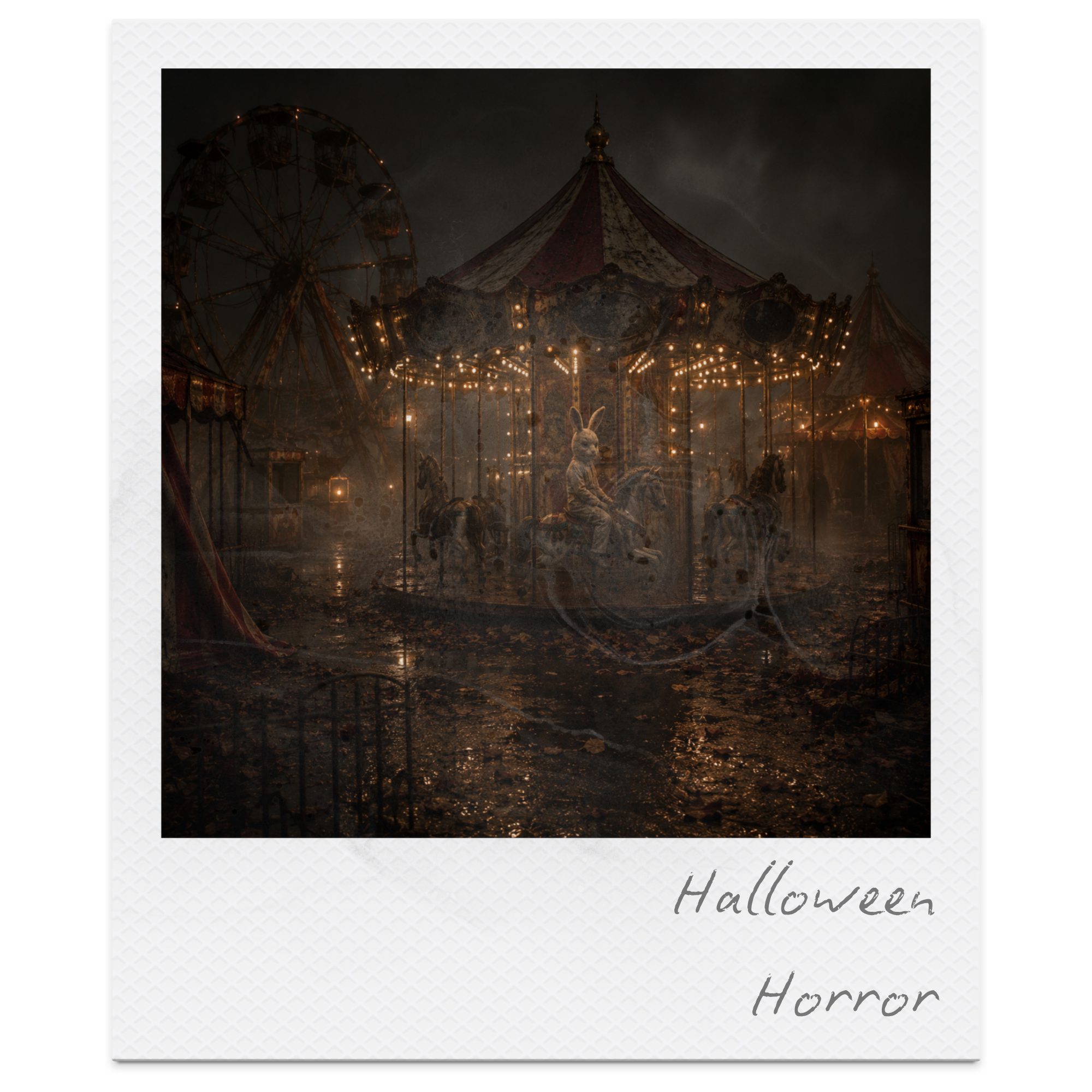
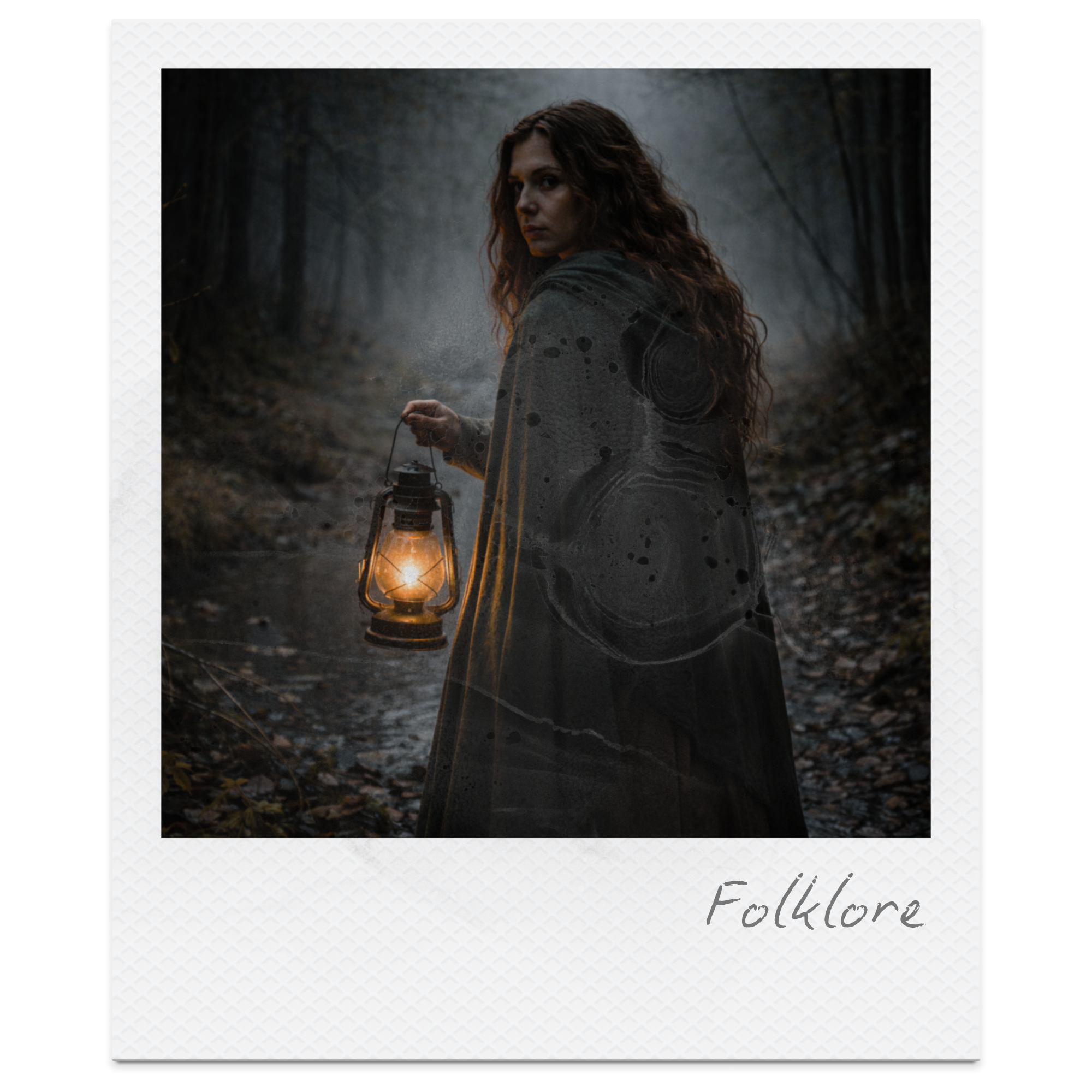
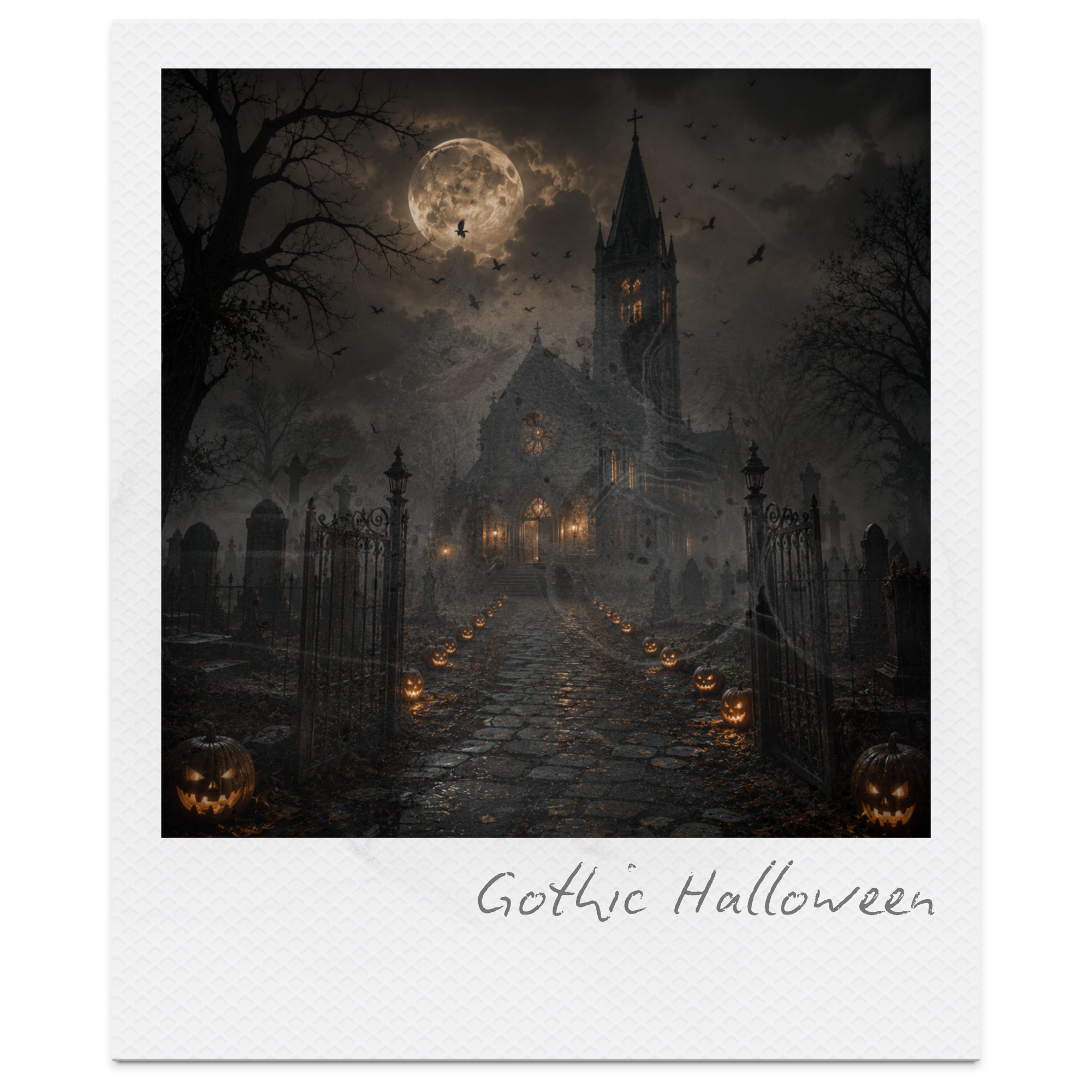
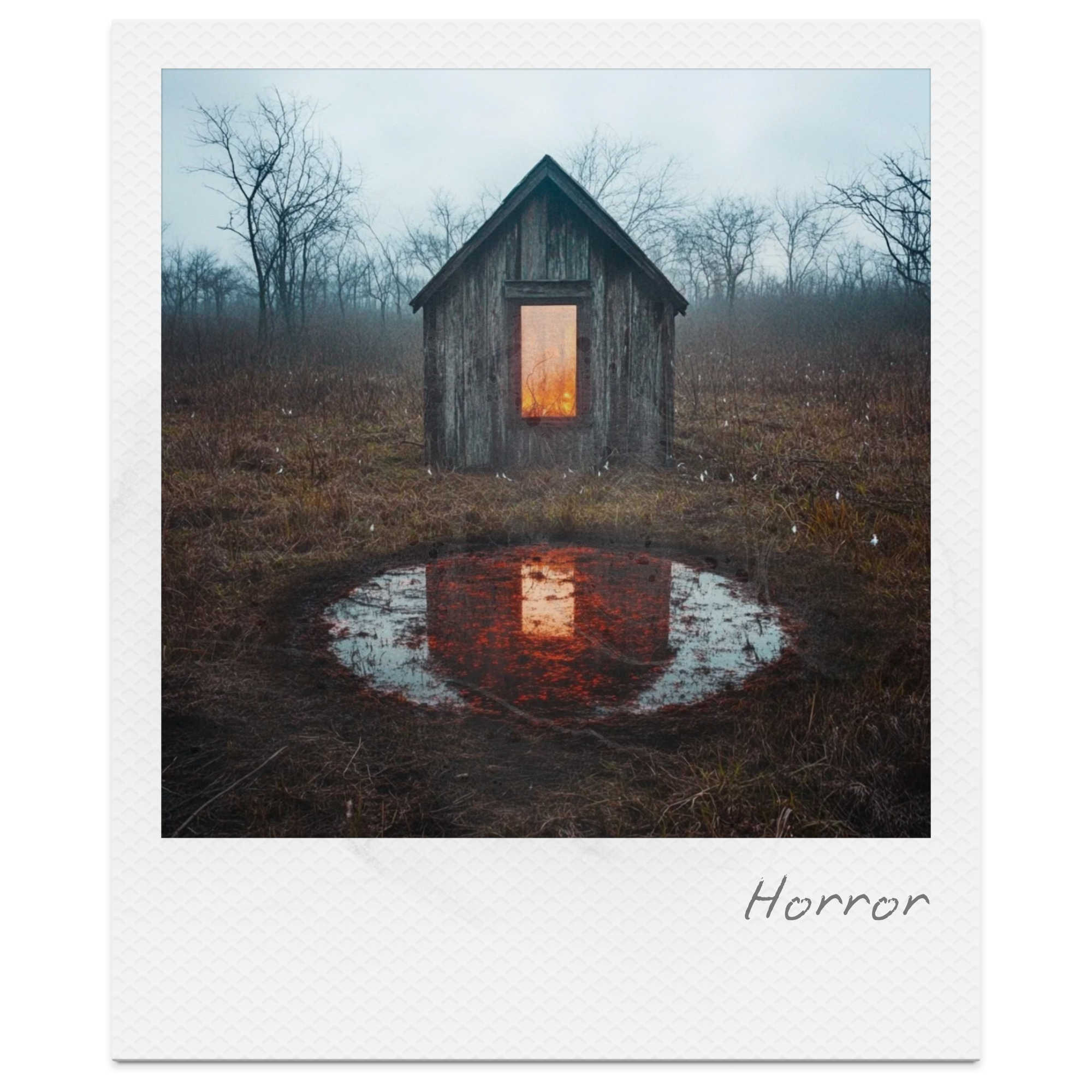
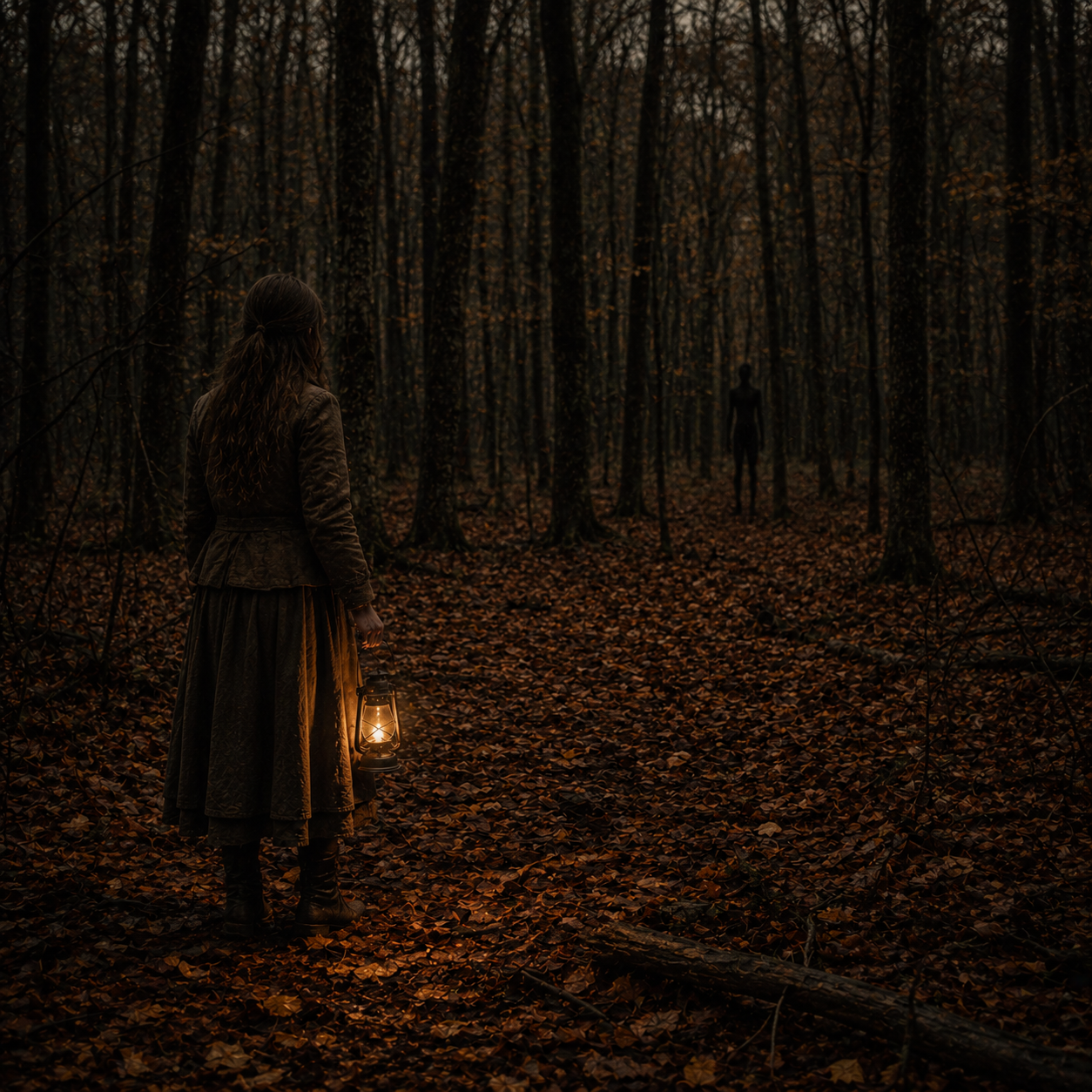
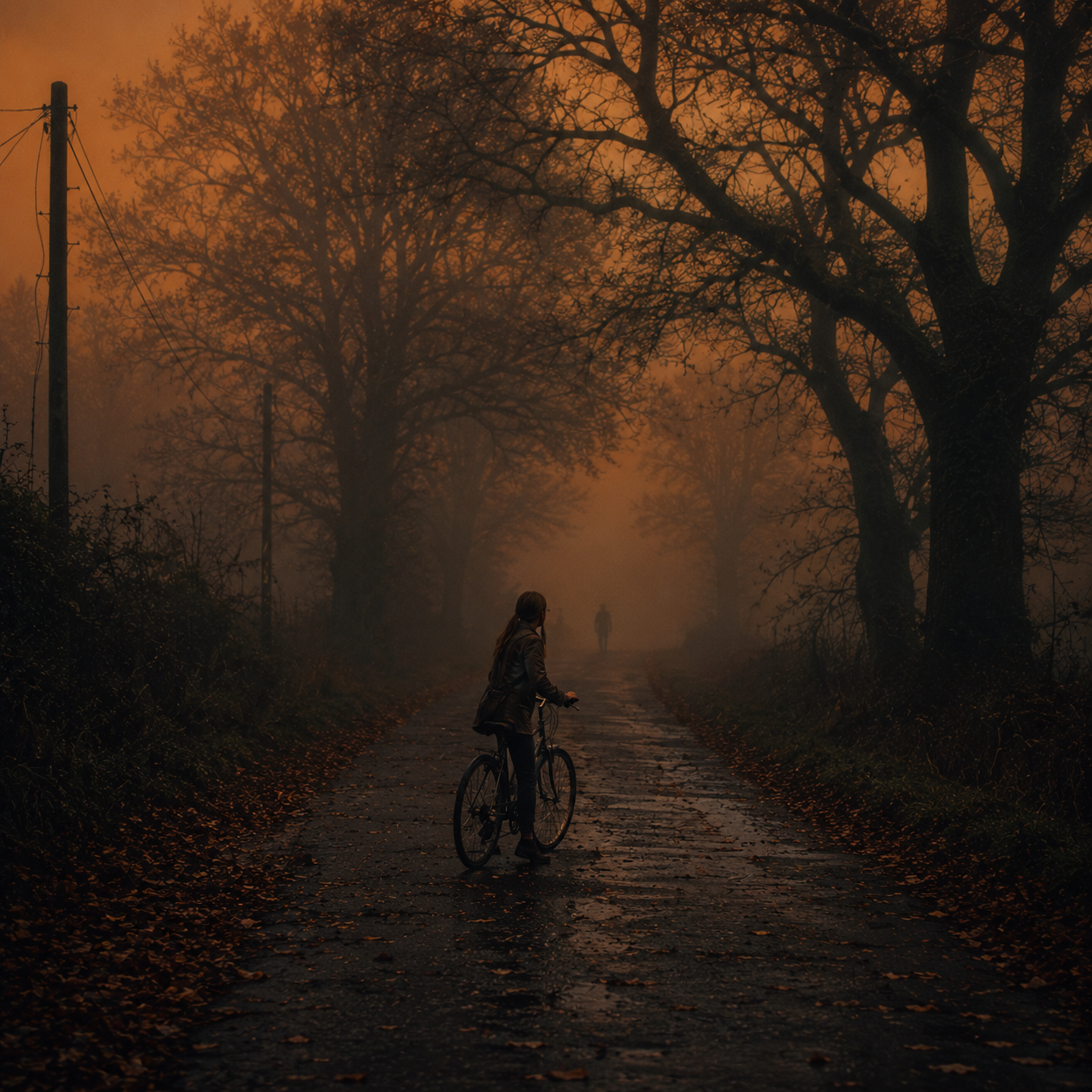
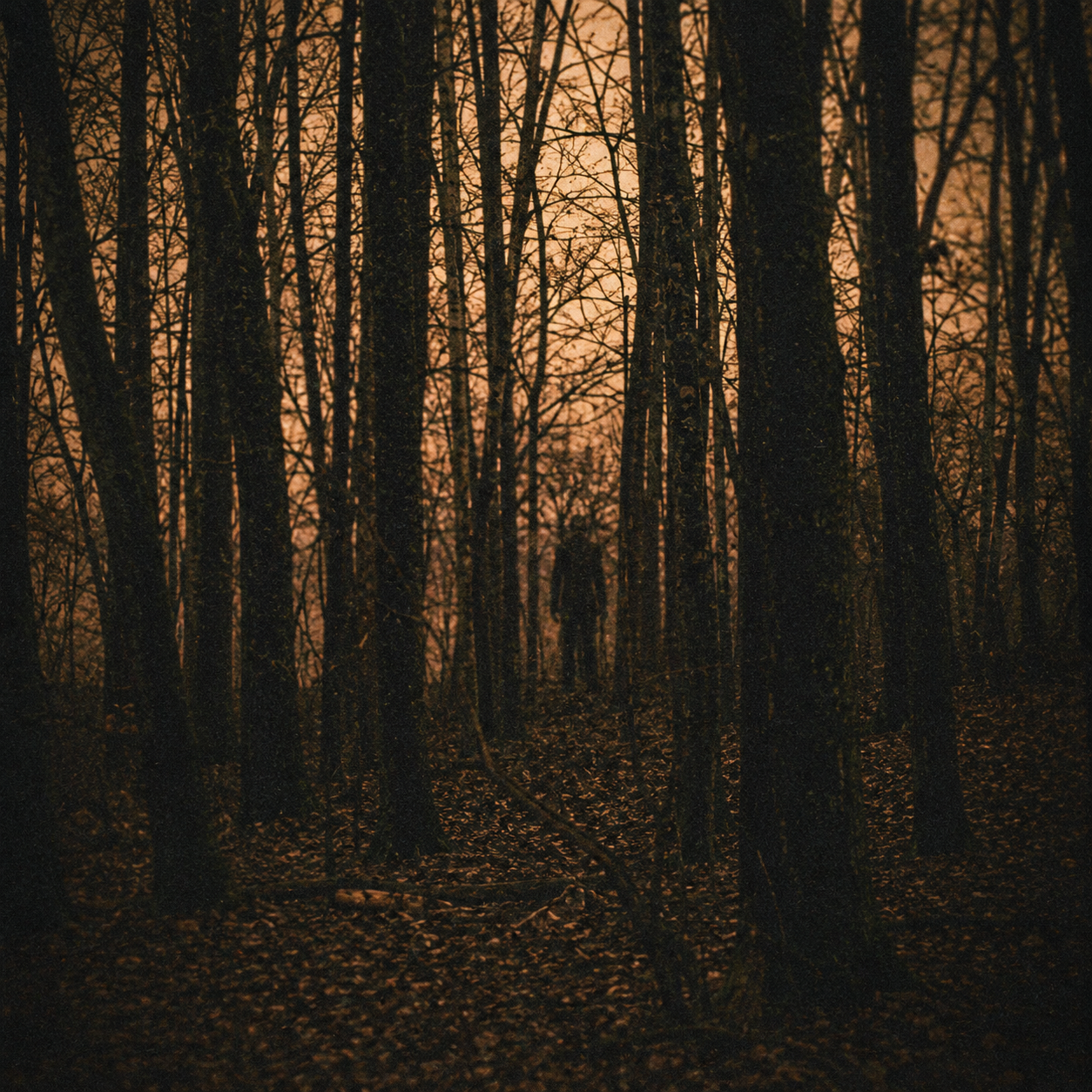
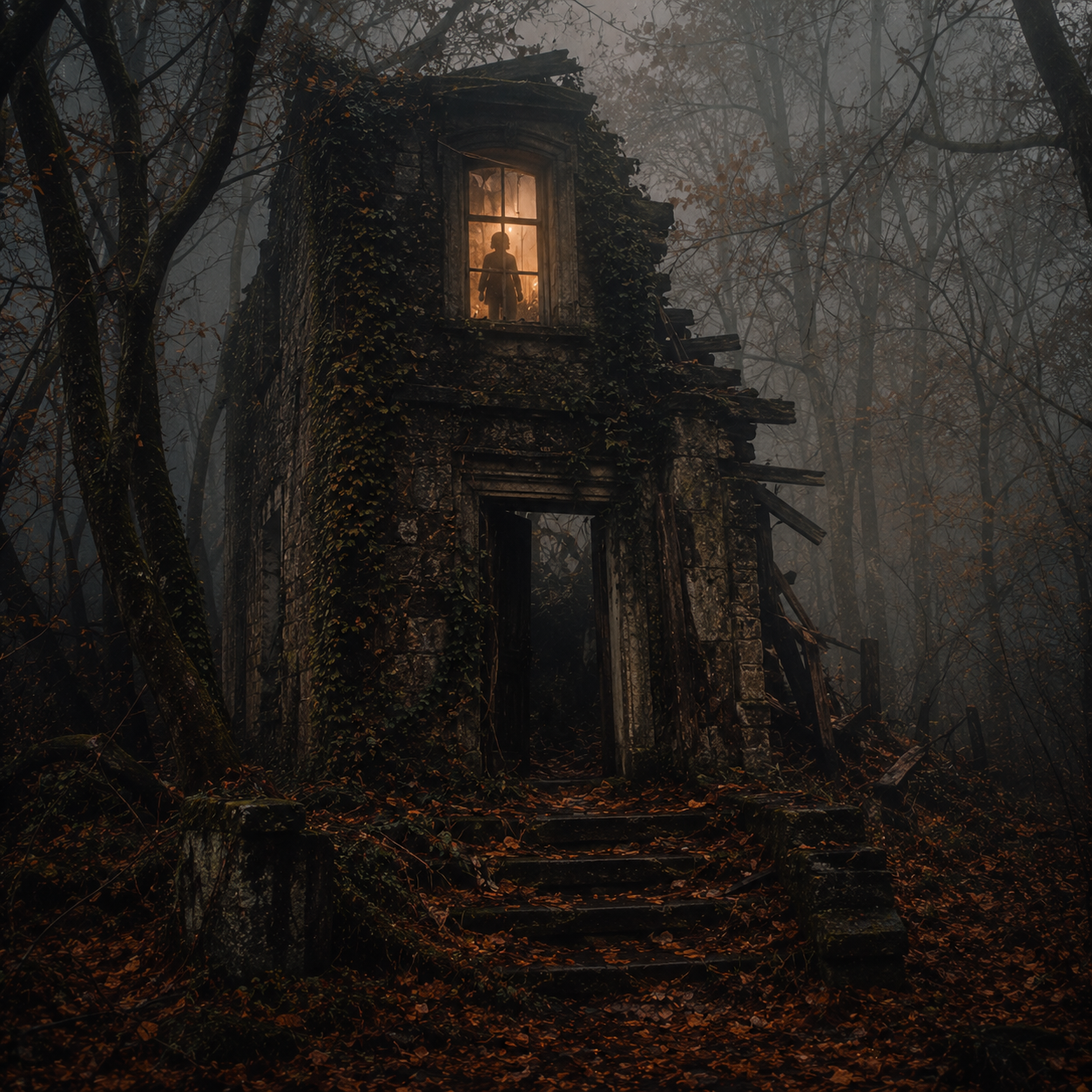
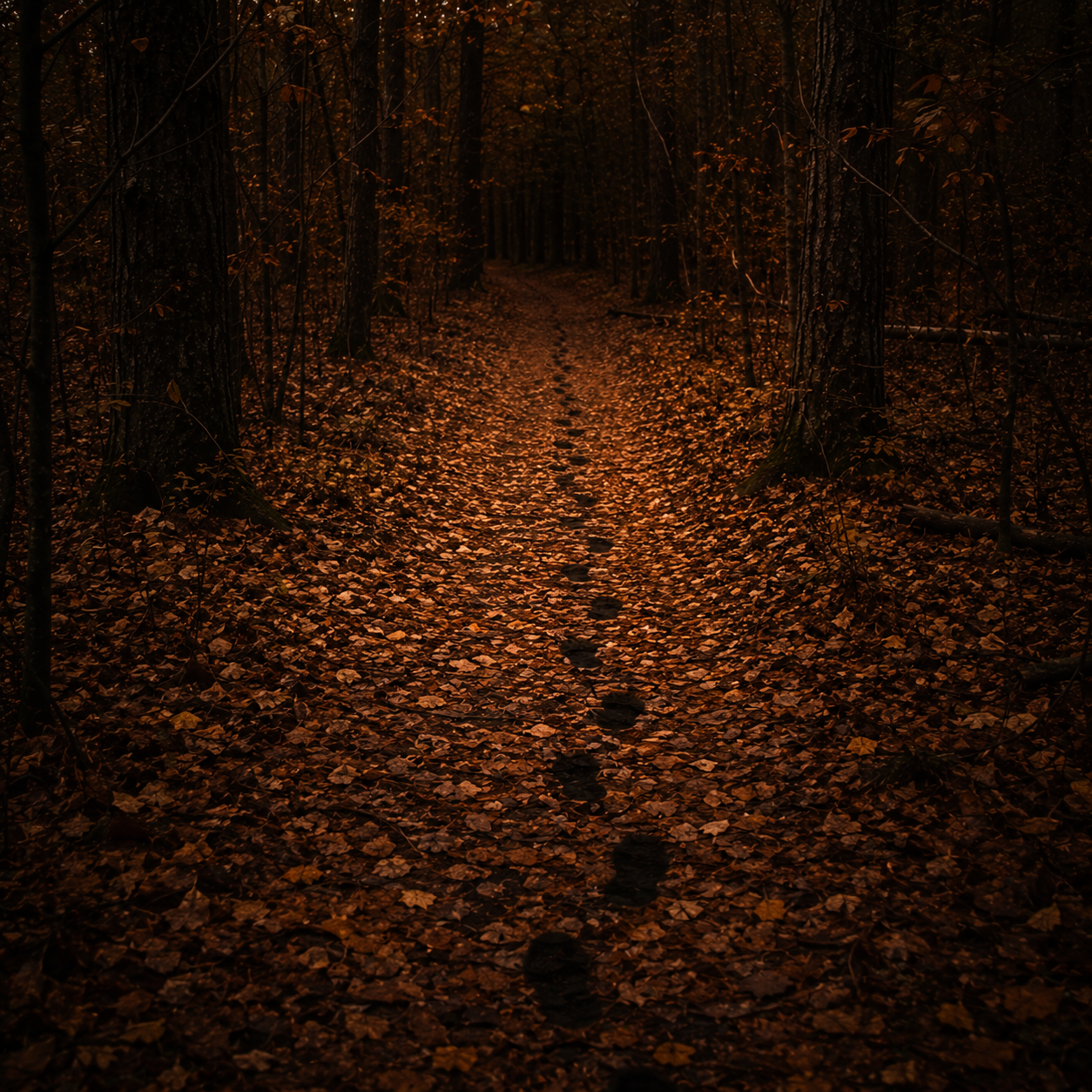
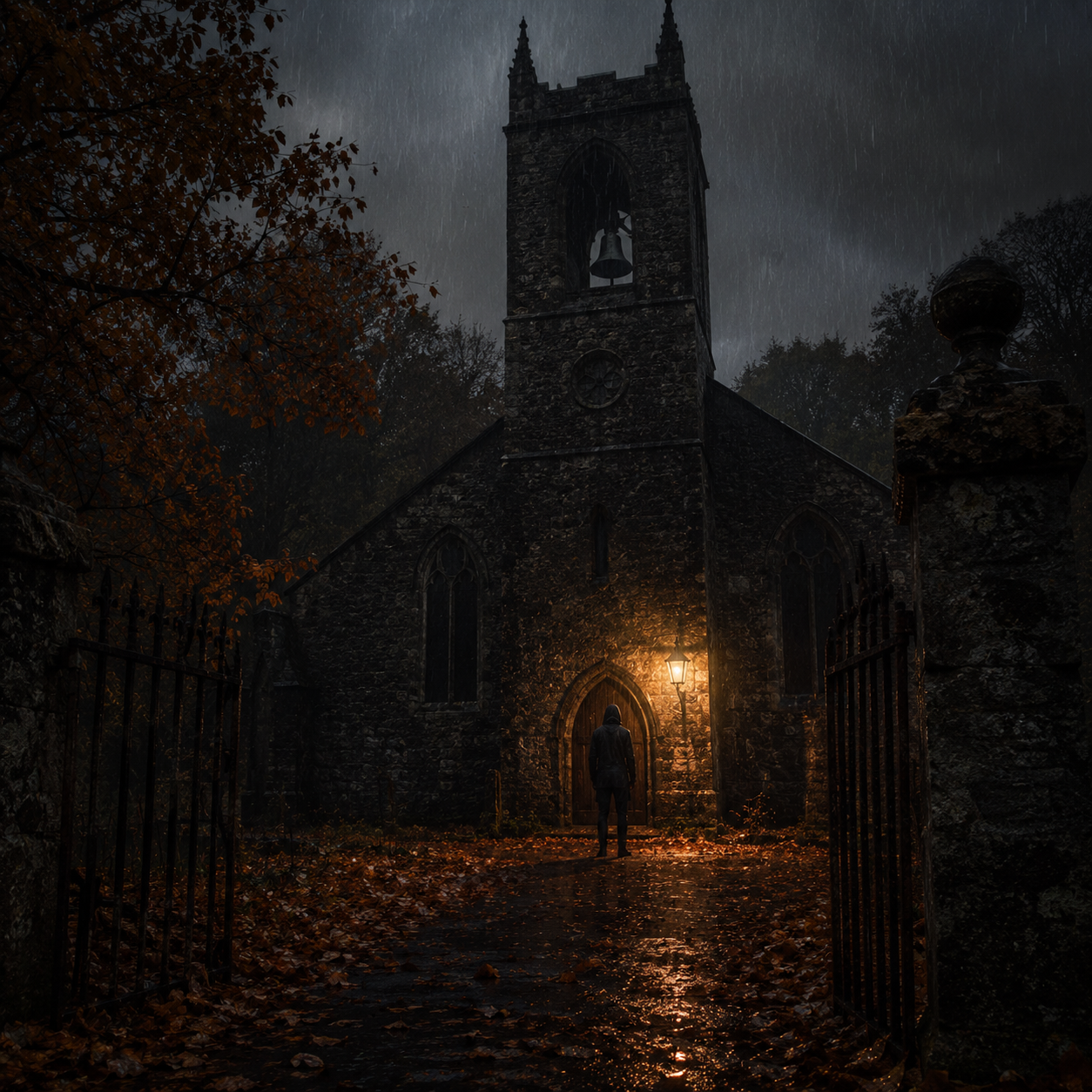
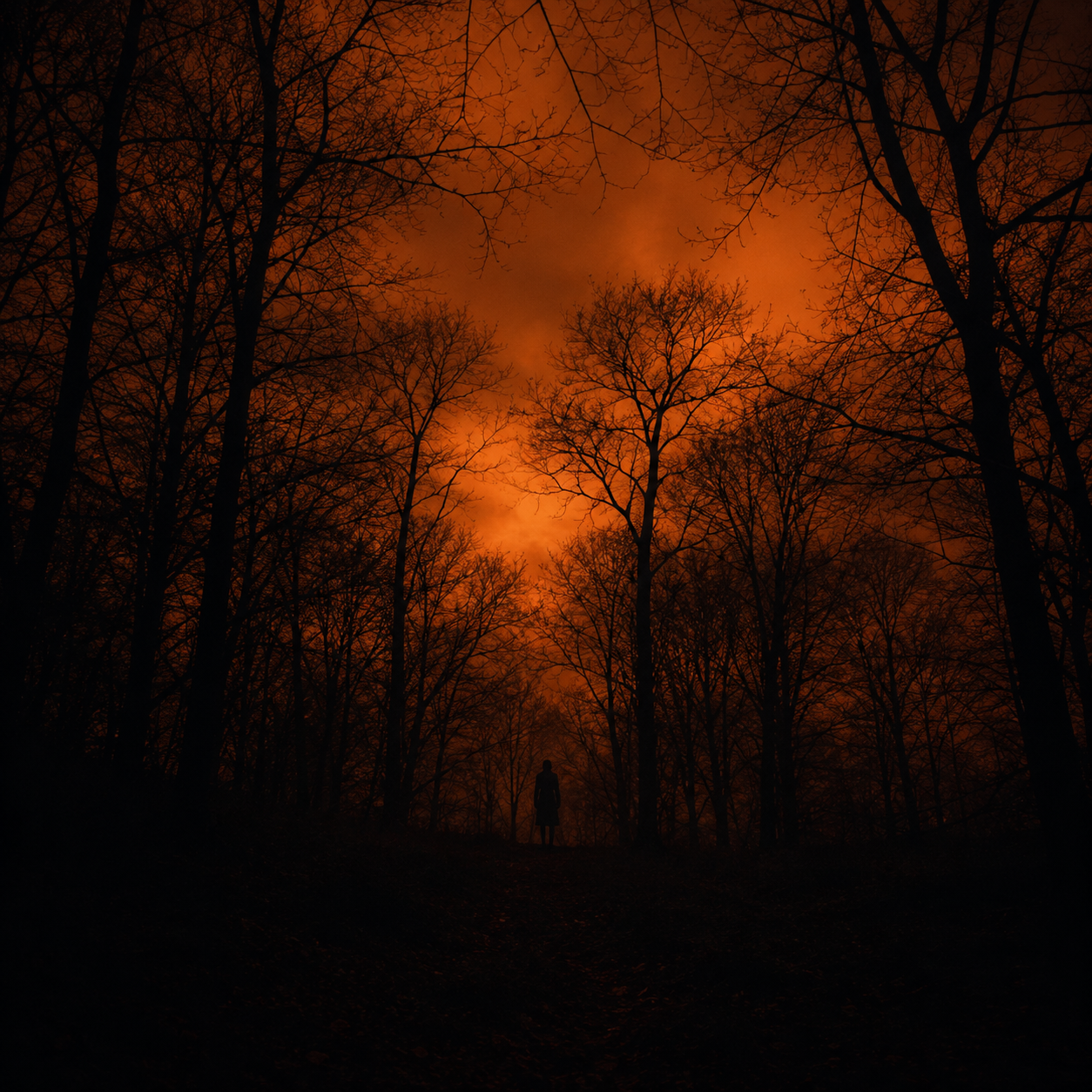
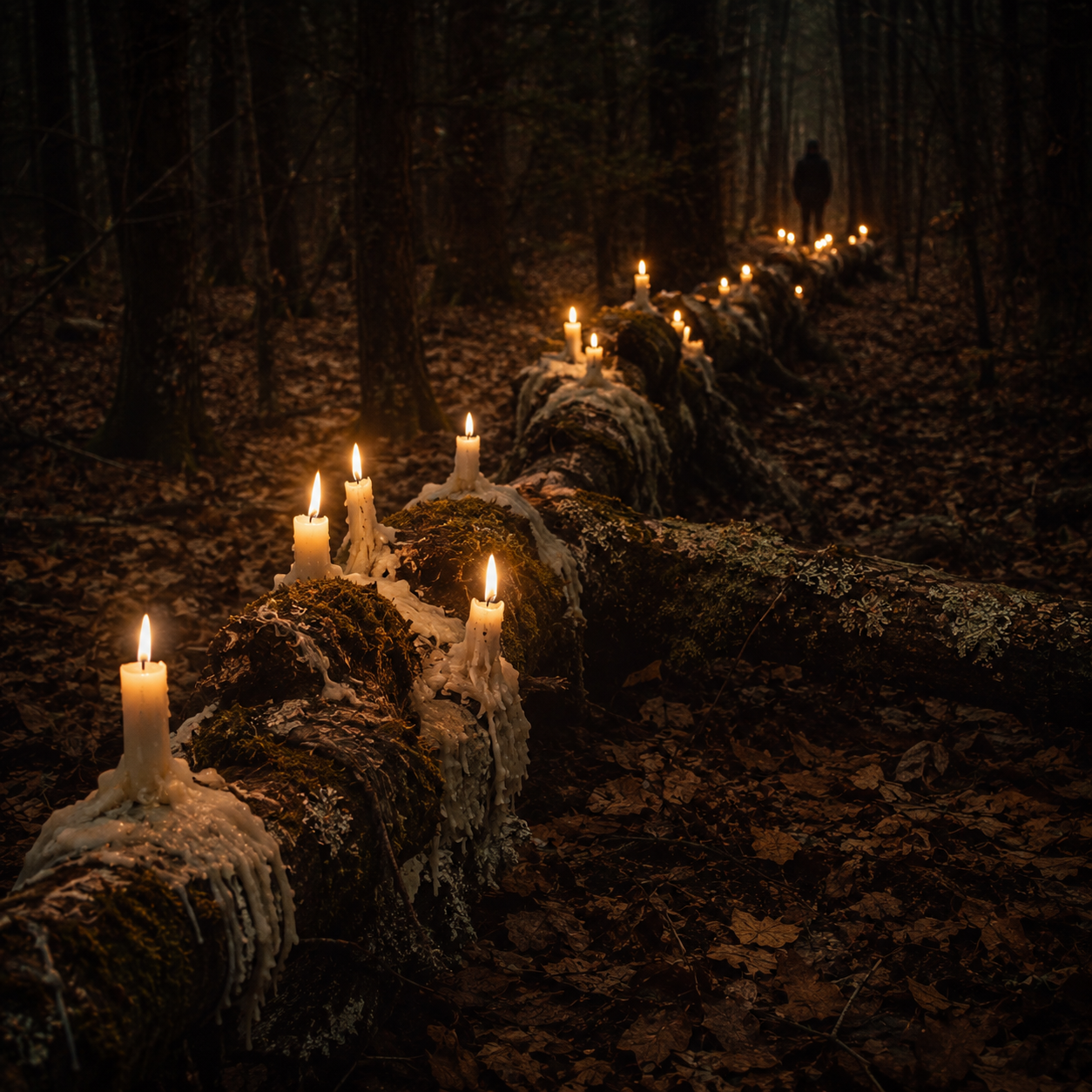
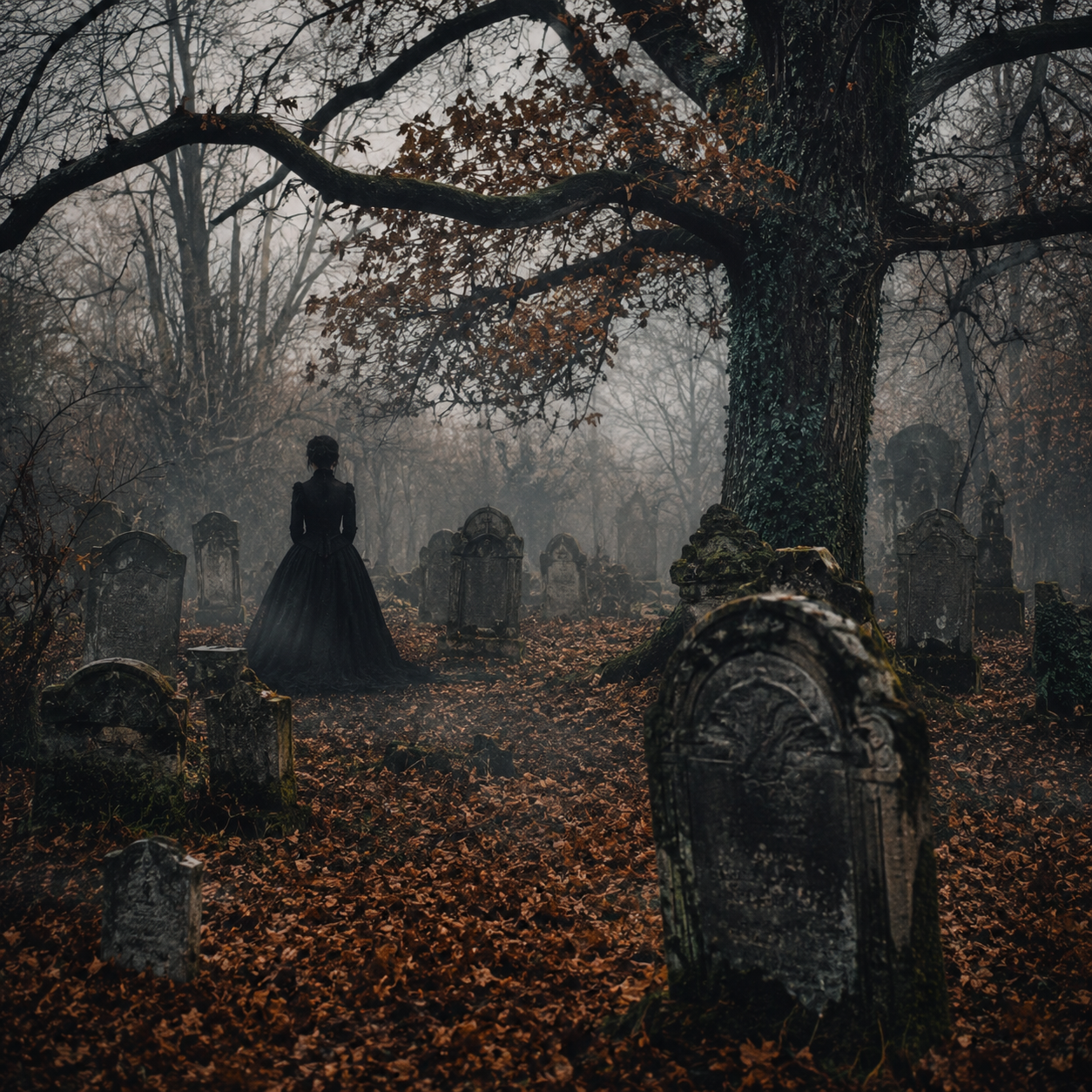
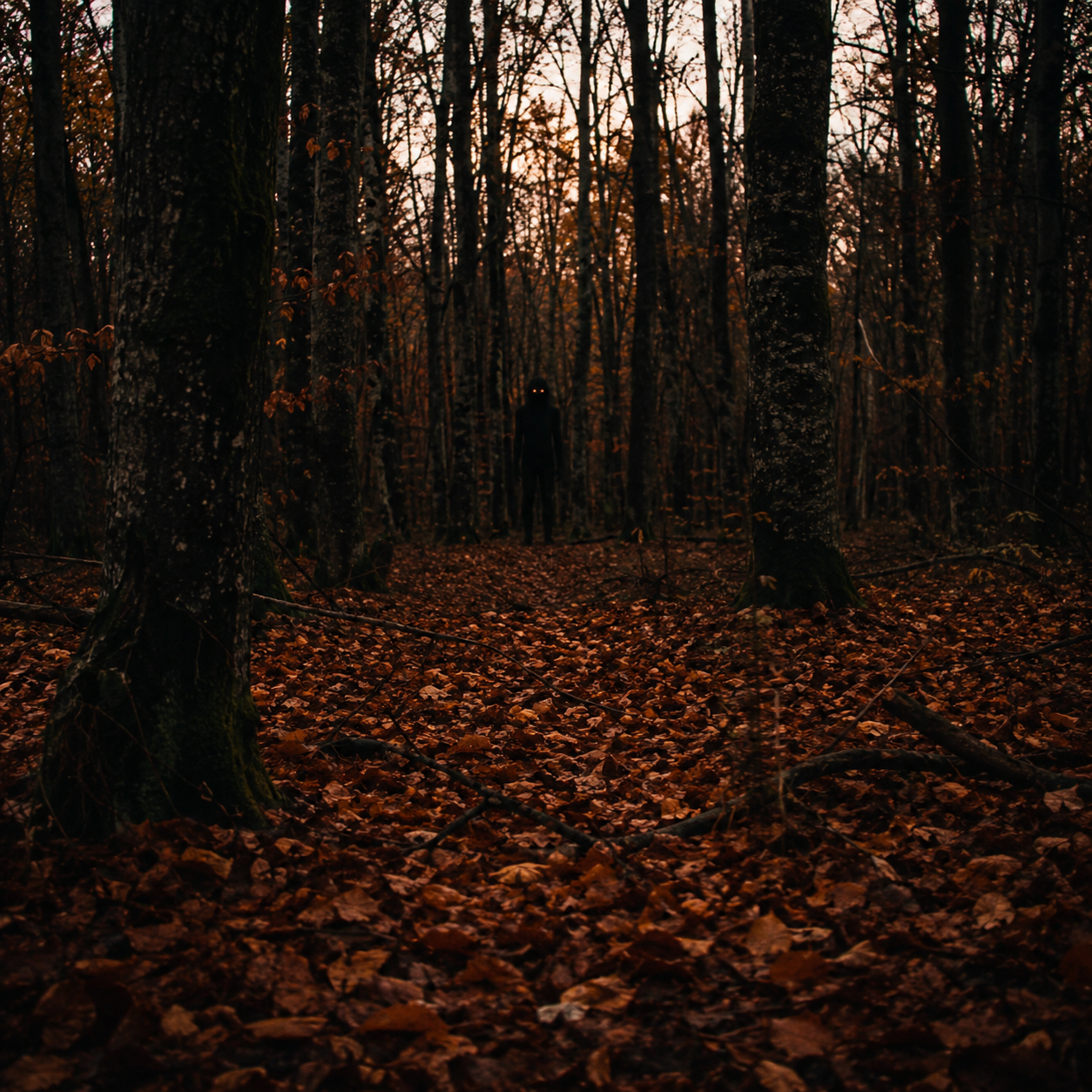
These cinematic scenes are designed to inspire haunting autumn horror stories filled with ancient forests, abandoned orchards, harvest rituals, forgotten villages, ruined churches, lonely farmhouses, creeping fog, black lakes, weathered scarecrows, circling crows, moss-covered cemeteries, and isolated landscapes where nature itself feels quietly alive. Imagine crimson and amber leaves drifting through silent woodlands, narrow country roads disappearing into mist, candlelight glowing from distant cottages, ruined abbeys beneath storm-filled skies, forgotten harvest festivals lit by bonfires, and solitary figures wandering through vast autumn landscapes where every shadow hints at something ancient waiting just beyond sight. Each image captures the eerie beauty of autumn, where fading light, forgotten folklore, and the slow arrival of winter transform peaceful countryside into unforgettable horror.
Go Deeper into Autumn Horror
Autumn horror is less concerned with sudden shocks than with slow, lingering unease. It finds fear in quiet forests, empty country roads, abandoned churches, forgotten harvest festivals, and villages where old traditions have survived unnoticed for centuries. As the days grow shorter and the landscape shifts from vibrant greens to deep golds, burnt oranges, and skeletal branches, the familiar countryside begins to feel subtly different—as though something ancient has awakened alongside the changing season. Rather than overwhelming readers with constant danger, autumn horror invites them to sit with the unsettling feeling that nature is watching, waiting, and remembering.
Many of the genre's most powerful stories are rooted in folklore. Across Europe and beyond, autumn has long been associated with harvest celebrations, the end of the agricultural year, changing seasons, and ancient customs designed to protect communities through the coming winter. Tales of standing stones, woodland spirits, cursed orchards, forgotten saints, wandering ghosts, pagan rituals, and isolated villages provide rich inspiration for stories where modern life collides with beliefs that were never truly abandoned. In autumn horror, the landscape itself often becomes part of the mythology, quietly preserving secrets that generations have chosen not to disturb.
The atmosphere should always work alongside the horror. Mist drifting through silent woodlands, distant church bells, abandoned farmhouses, moss-covered gravestones, circling crows, rain-soaked footpaths, black lakes reflecting crimson trees, and lonely roads disappearing into fog all create a sense of beauty tinged with dread. Often, the greatest fear comes not from what readers can clearly see, but from what remains hidden just beyond the edge of the forest, obscured by falling leaves and fading light.
◆ Use nature as the antagonist. Ancient forests, endless fog, abandoned orchards, rivers, mountains, and changing weather can become active forces that isolate characters, conceal dangers, and create an overwhelming sense of vulnerability.
◆ Draw upon rural folklore. Harvest rituals, village traditions, standing stones, forgotten saints, woodland legends, witches, scarecrows, ancient churches, and local superstitions create stories that feel timeless, believable, and deeply unsettling.
◆ Let the landscape tell the story. Weathered stone walls, empty fields, decaying barns, woodland paths, ruined abbeys, and forgotten cemeteries should reveal traces of lives, rituals, and tragedies that hint at a much larger mystery.
◆ Build quiet dread instead of constant action. Strange footprints, missing livestock, distant singing, unnatural silence, disappearing footpaths, shifting shadows, and repeated warnings from locals often create greater suspense than revealing the source of the horror too early.
◆ Embrace the melancholy of the season. Autumn naturally evokes endings, change, memory, and decay. Weaving themes of loss, ageing, isolation, family history, and the slow arrival of winter into your story can make the horror feel more emotionally resonant long after the final page.
Final Thoughts
Autumn horror reminds us that the most unsettling stories don't always unfold in darkness—they often begin beneath golden leaves, quiet skies, and landscapes of breathtaking beauty. A mist-covered woodland, an abandoned orchard, an isolated farmhouse, or a forgotten village can all become the setting for unforgettable terror when ancient folklore, hidden traditions, and the changing season begin to reveal what has been waiting beneath the surface. Whether your story explores supernatural hauntings, folk horror, psychological suspense, or Gothic mystery, autumn offers endless opportunities to transform familiar countryside into places where every path feels uncertain, and every shadow carries an old secret.
These 70 Autumn Horror Writing Prompts explore haunted forests, cursed harvests, forgotten villages, eerie characters, atmospheric settings, unsettling opening lines, haunting endings, and cinematic picture prompts designed to inspire unforgettable horror. From ancient woodland legends and rural ghost stories to creeping psychological dread and supernatural folklore, each prompt encourages you to embrace the slow-building tension, melancholy beauty, and quiet terror that make autumn one of horror's richest settings.
For even more inspiration, explore the Horror Writing Hub or browse the Creative Writing Archive, where you'll discover hundreds of additional prompts, character ideas, settings, worldbuilding resources, and creative writing ideas spanning Gothic fiction, paranormal horror, psychological suspense, fantasy, mystery, and supernatural storytelling.
Choose Your Next Adventure