70 Analog Horror Writing Prompts: Broadcast Nightmares, Distorted Realities & Found Recordings
A television station returns to the air years after it closed. A public safety tape calmly explains what to do when someone in your family is replaced. An emergency broadcast interrupts the night, but the warning is not addressed to human viewers. Analog horror turns familiar media into evidence that something has gone profoundly wrong.
Built from damaged VHS recordings, obsolete technology, local broadcasts, training films, radio transmissions, surveillance footage, and corrupted archives, the genre thrives on uncertainty. The fear often arrives indirectly: through missing frames, contradictory instructions, distorted faces, clinical narration, or information that appears ordinary until its implications become impossible to ignore. Rather than showing everything clearly, analog horror allows fragments, silence, repetition, and technical failure to suggest a much larger nightmare.
This collection brings together 70 Analog Horror Writing Prompts, including unsettling plot concepts, story titles, opening and closing lines, character ideas, eerie locations, and visual prompts. You might uncover a children’s programme that remembers its viewers, a weather service reporting events that have not happened yet, or an archive containing footage no camera could have recorded.
For more disturbing story inspiration, explore the Horror Writing Hub, or browse the wider Creative Writing Archive for prompts spanning a wide range of genres.
1. Plot Prompts
Analog horror is built on subtle dread rather than obvious scares. These analog horror writing prompts explore corrupted broadcasts, impossible recordings, forgotten archives, and ordinary technology that slowly reveals something deeply wrong, allowing tension to build through mystery, implication, and unanswered questions.
Every Friday at midnight, a long-defunct local television station interrupts every channel with a cheerful public information film reminding residents to report any family member who "changes overnight." No one remembers the broadcasts the following morning—except one insomniac who records them.
While restoring old VHS tapes from an abandoned primary school, an archivist discovers educational films featuring children who were officially declared missing years before the recordings were made. Each tape ends with a class register that grows longer every time it is played.
A regional weather forecast slowly abandons temperatures and rainfall, replacing them with increasingly specific survival instructions. Curiously, every prediction comes true within twenty-four hours.
A CCTV operator notices that one camera always shows a lone pedestrian walking through the city at exactly 3:17 a.m. The street is empty when officers investigate, yet the mysterious figure appears a little closer to the camera every night.
An obsolete emergency radio frequency unexpectedly begins transmitting civil defence announcements from a government department that has never existed. The broadcasts describe evacuation procedures for creatures no official record acknowledges.
Residents receive free analogue televisions as part of a community initiative. Every household watches different programmes—until one evening, every screen displays the same smiling presenter calmly introducing someone in the audience by name.
A collection of forgotten telephone answering machine tapes contains dozens of desperate messages left by people searching for loved ones. Every caller insists the missing person returned home—but something about them was fundamentally wrong.
A museum digitising old public safety films discovers one reel labelled "DO NOT ARCHIVE." The film calmly explains how to recognise buildings that are pretending to be other buildings.
A rural radio station begins receiving crystal-clear broadcasts from neighbouring towns that disappeared from maps decades earlier. The presenters continue reading local news as though nothing has changed.
During renovation work, engineers uncover a sealed underground archive filled with thousands of identical VHS cassettes, each labelled only with tomorrow's date. Every recording documents events that have not yet happened—but always ends before the most important moment.
2. Story Title Ideas
A compelling analog horror title should feel ordinary at first glance, hinting at official records, forgotten broadcasts, or routine documentation before revealing an unsettling edge. These titles are designed to evoke curiosity while leaving readers with the sense that something isn't quite right.
Broadcast Interrupted
Public Information Film No. 17
Archive Closed
The Emergency Frequency
Please Remain Indoors
Last Transmission
Playback Error
Local Programming
The Signal Never Ended
This Recording Is Genuine
3. Opening Lines
The opening of an analog horror story should immediately establish an unsettling normality. Rather than beginning with obvious danger, these opening lines hint at impossible events through calm observations, official language, and subtle inconsistencies that encourage readers to keep searching for answers.
The tape arrived without a label, but everyone in the archive already knew not to play it after sunset.
According to the station records, the evening news ended permanently in 1986.
The emergency broadcast began with the correct date, the correct time, and instructions that nobody had ever heard before.
Every television in town switched on by itself at exactly 2:13 a.m.
The weather forecast predicted heavy fog, strong winds, and the disappearance of three residents before morning.
Nobody questioned the public information films until they started featuring people who hadn't been born yet.
The surveillance footage was ordinary except for the figure standing perfectly still in every single recording.
My grandfather left behind hundreds of cassette tapes, each labelled with dates from next year.
The radio presenter never acknowledged that the town he was describing had been abandoned for almost thirty years.
The VHS player made the same clicking sound every time the face appeared.
4. Closing Lines
The best analog horror endings leave readers with lingering uncertainty rather than clear answers. These closing lines suggest the horror continues beyond the page, ending stories on quiet but deeply unsettling notes.
The broadcast ended exactly on schedule, but nobody could remember what had been said.
By morning, every tape in the archive had recorded over itself.
The final frame showed the cameraman smiling back at the camera.
When I looked outside, the emergency sirens hadn't started yet.
The weather report for tomorrow had already changed.
I finally recognised the missing presenter standing in my own living room.
The transmission cut to static just before my name was announced.
Every clock in the house began ticking again the moment the television switched off.
The archive catalogue listed one final recording—dated next week and signed with my handwriting.
Somewhere in the darkness, another television quietly turned itself on.
5. Character Ideas
Analog horror often centres on ordinary people whose jobs place them close to forgotten media, official records, or ageing technology. Archivists, technicians, broadcasters, and investigators become reluctant witnesses to events that defy explanation, making their discoveries feel all the more believable.
A television archivist restoring damaged broadcasts that should never have survived.
A late-night radio presenter who begins receiving calls from listeners who officially died decades ago.
A CCTV operator noticing impossible patterns across hundreds of surveillance cameras.
A museum curator cataloguing government training films with missing reels.
An electronics repair technician repeatedly asked to fix televisions that display impossible programmes.
A weather forecaster whose scripts keep changing moments before going live.
A local journalist investigating a community television station that officially closed years ago.
A retired telephone exchange operator who discovers an old switchboard still connecting mysterious calls.
A university media student digitising analogue tapes found beneath an abandoned cinema.
A government records clerk quietly removing files that never existed the day before.
6. Setting Ideas
The most memorable analog horror settings transform familiar places into sources of quiet unease. From abandoned studios and forgotten archives to lonely transmission towers and empty control rooms, these locations create an atmosphere where something impossible feels disturbingly plausible.
A deserted television studio left exactly as it was after the final broadcast.
A vast archive filled with shelves of deteriorating VHS tapes and film reels.
A fog-covered transmission tower standing alone on a windswept hillside.
An abandoned emergency operations bunker lined with analogue communication equipment.
A quiet community radio station operating through the early hours of the morning.
A forgotten video rental shop whose shelves contain films that were never commercially released.
A surveillance control room where every monitor slowly begins displaying the same location.
A disused weather monitoring station hidden deep within remote woodland.
A primary school media room filled with dusty televisions, projectors, and educational films.
A silent motorway service station where every public information screen plays the same unexplained announcement.
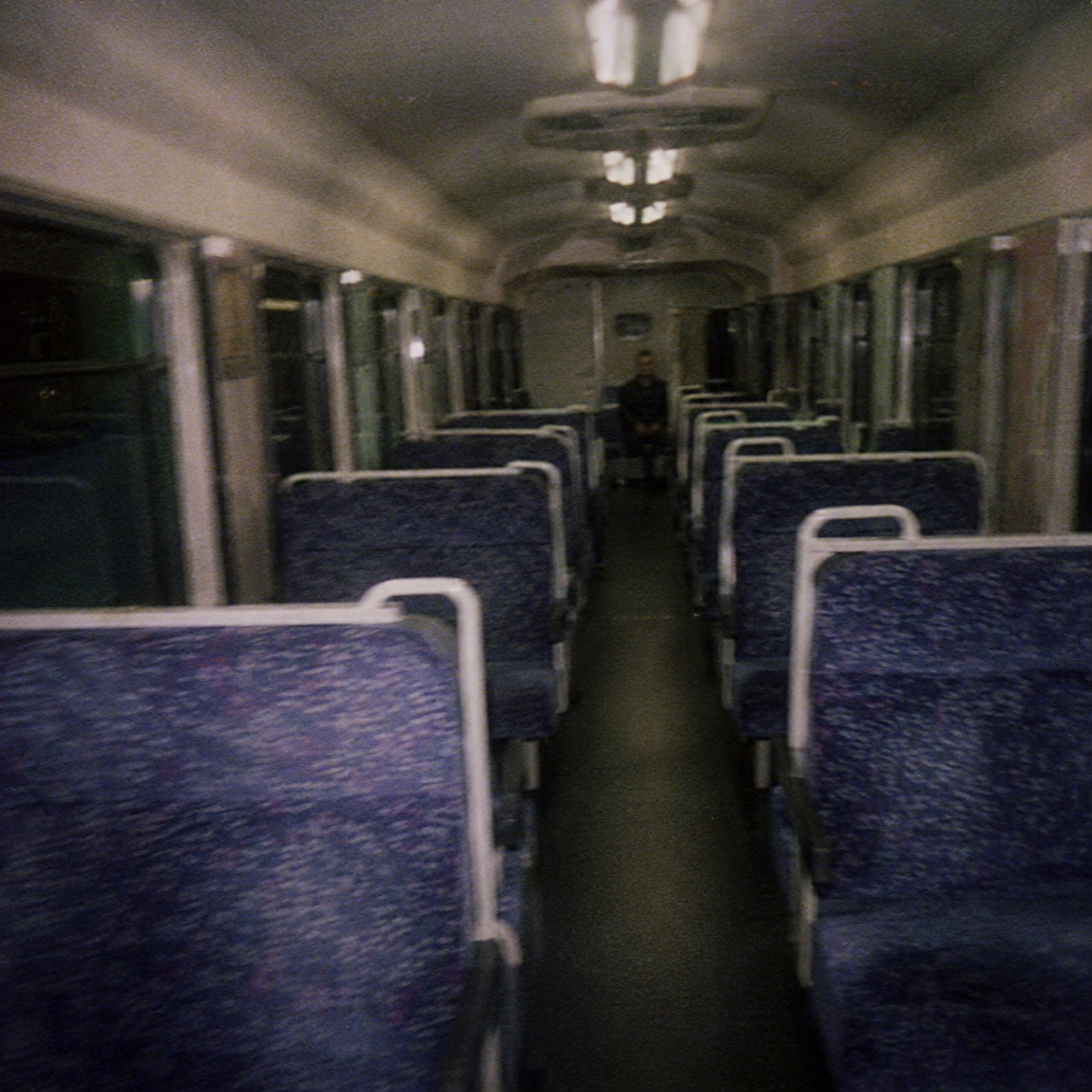
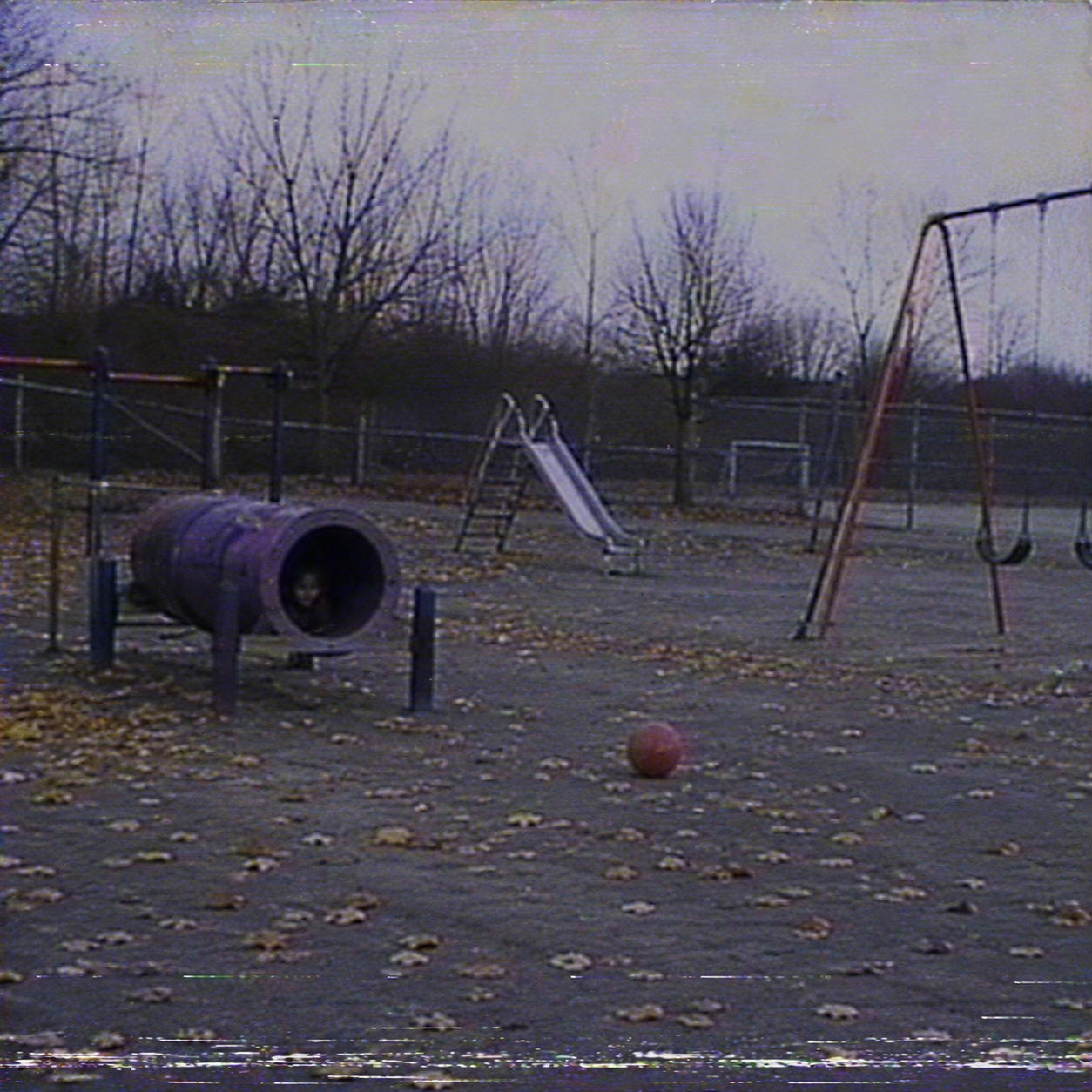
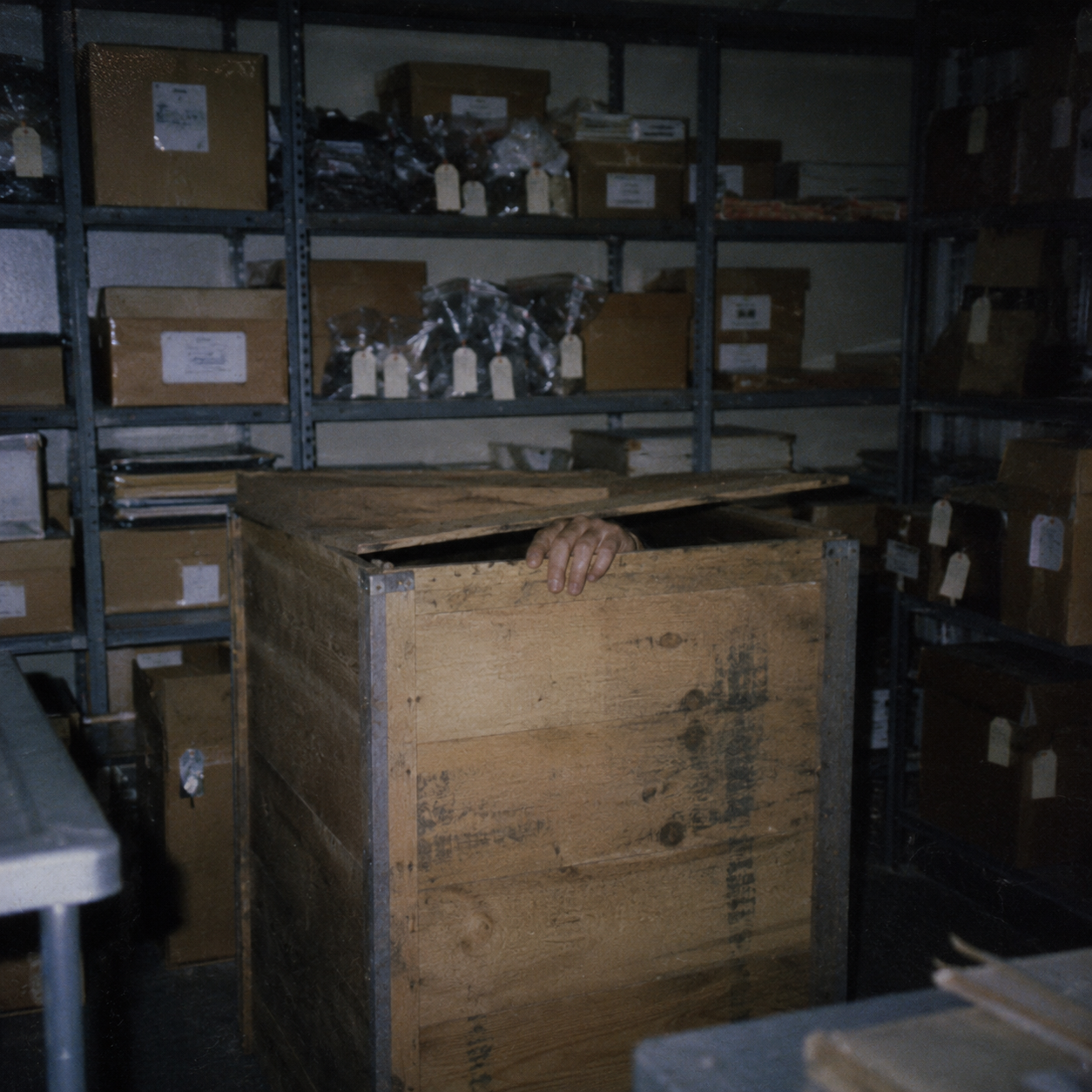
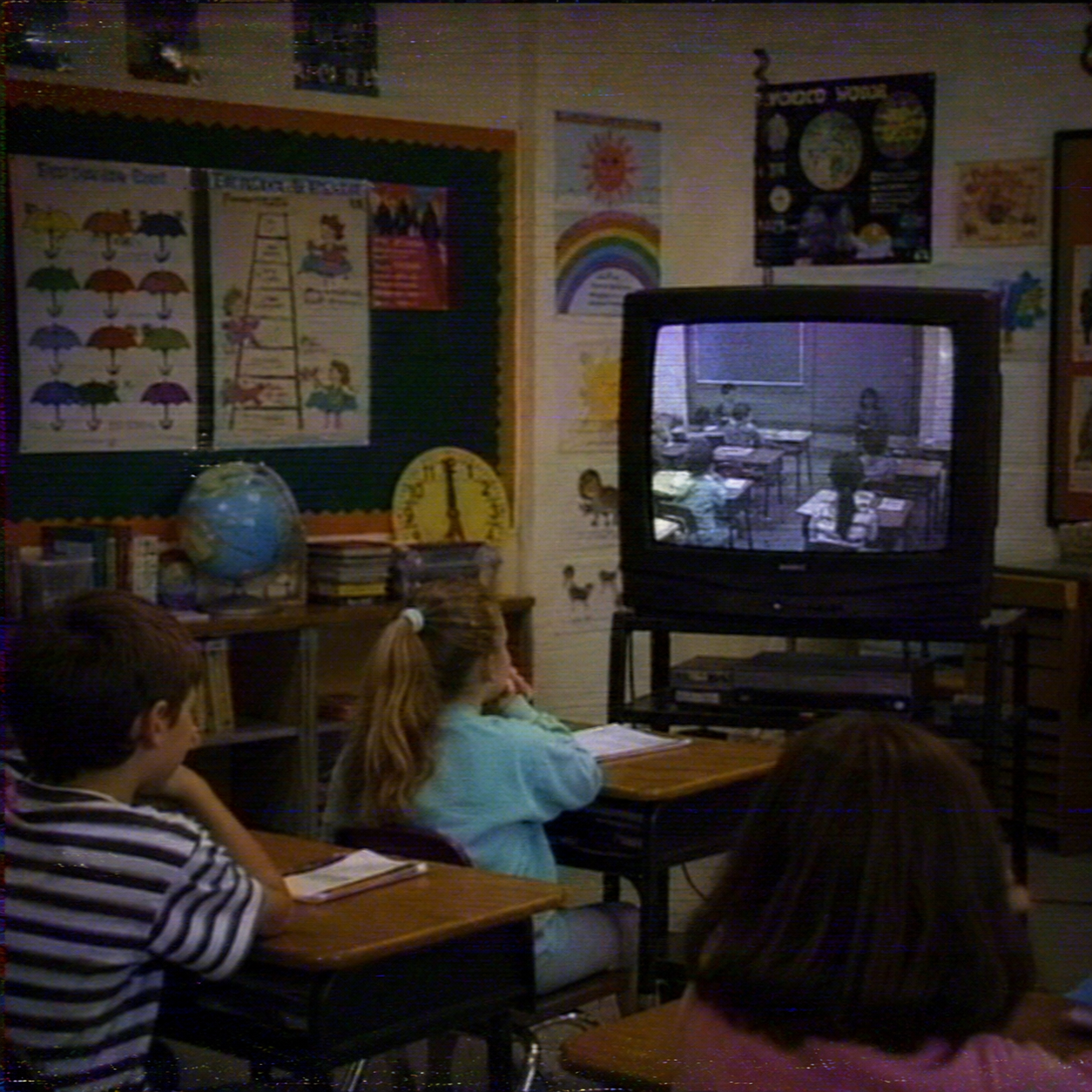
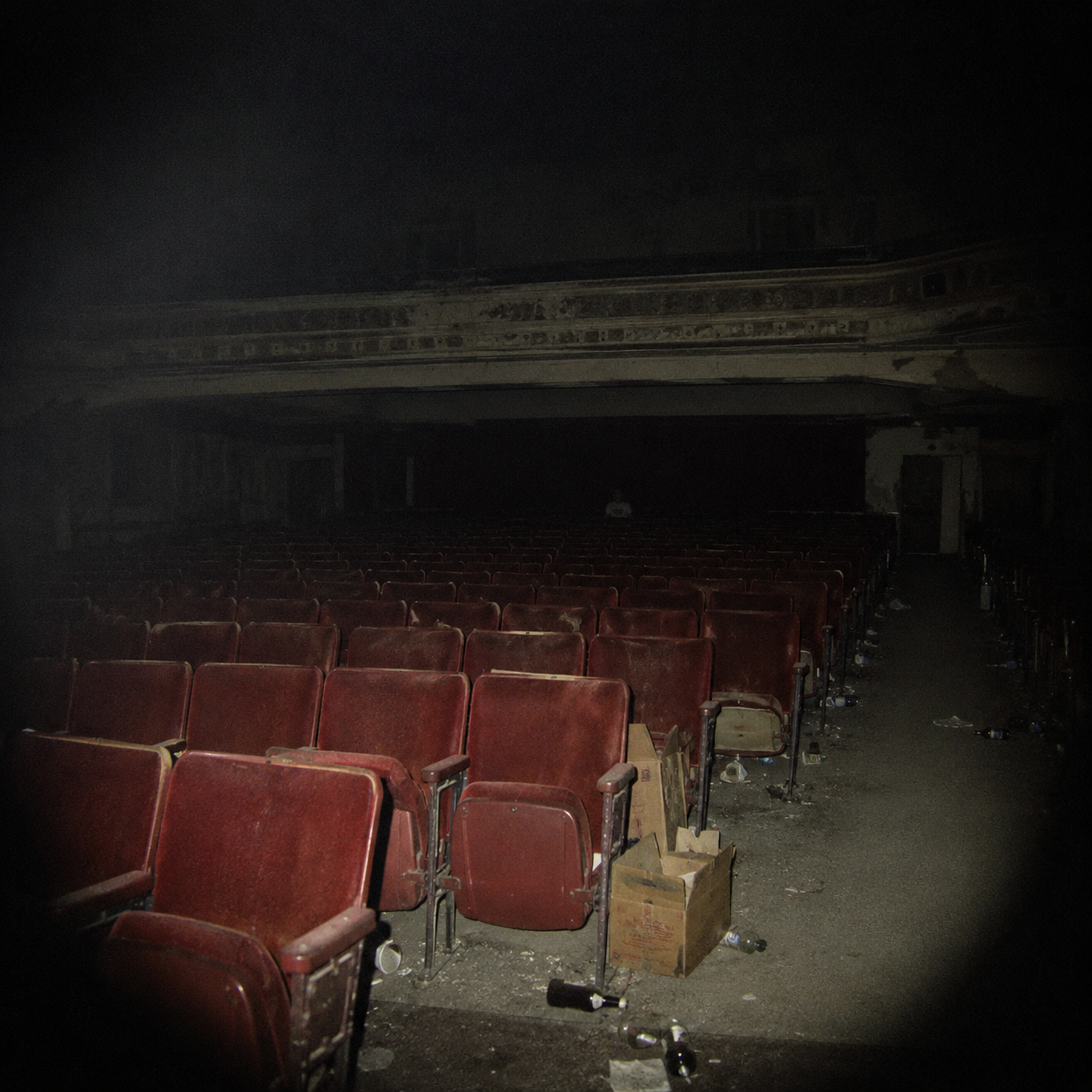
7. Picture Prompts
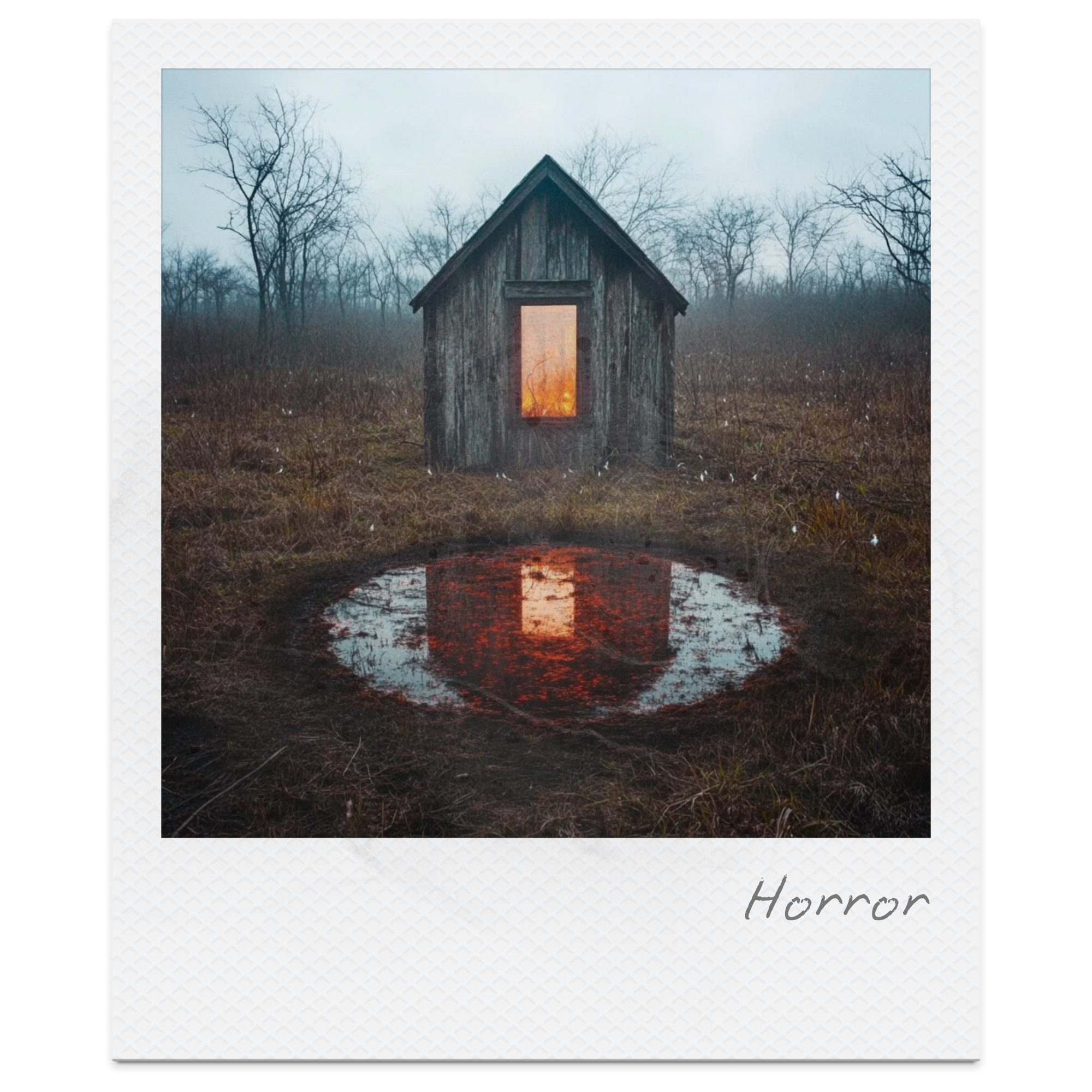
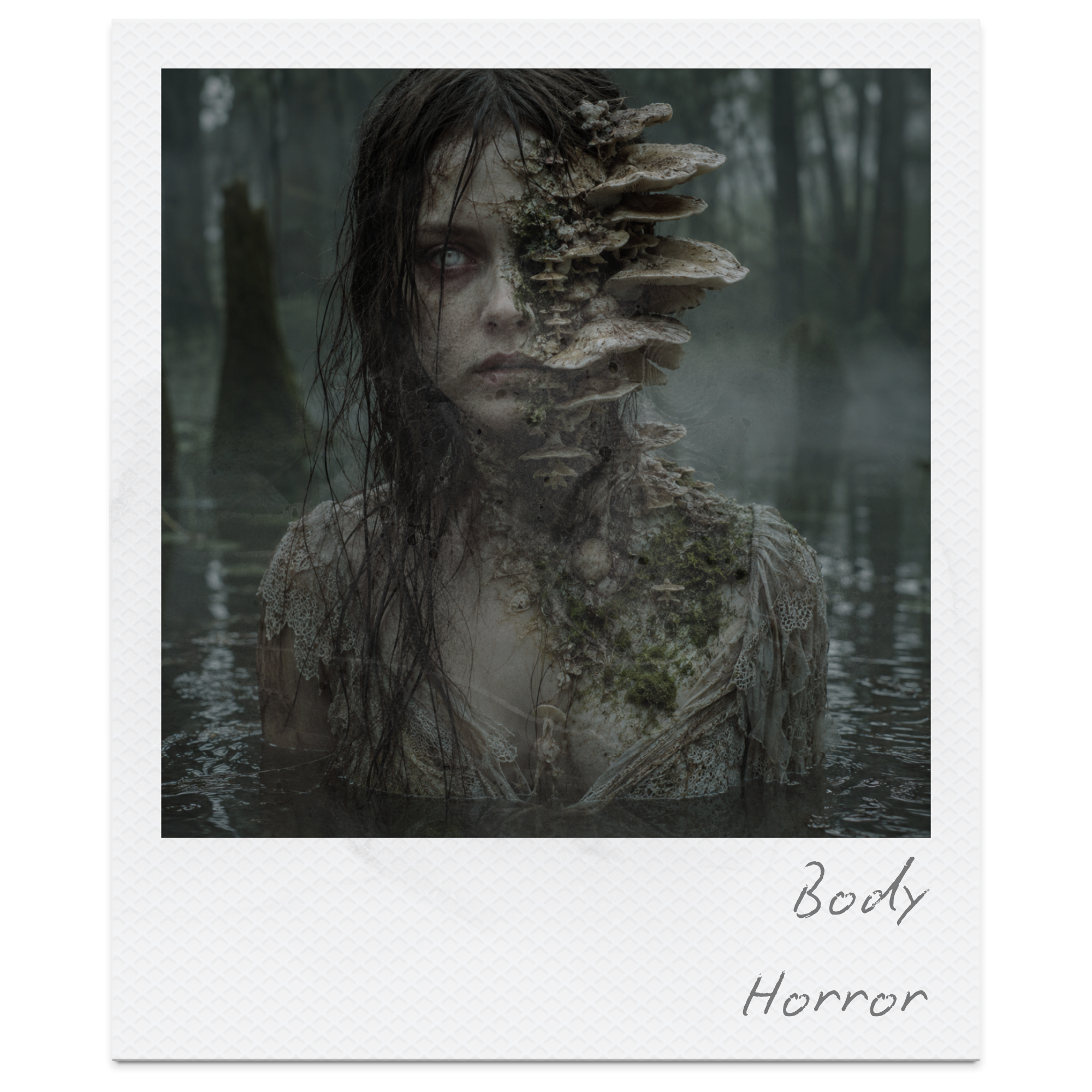
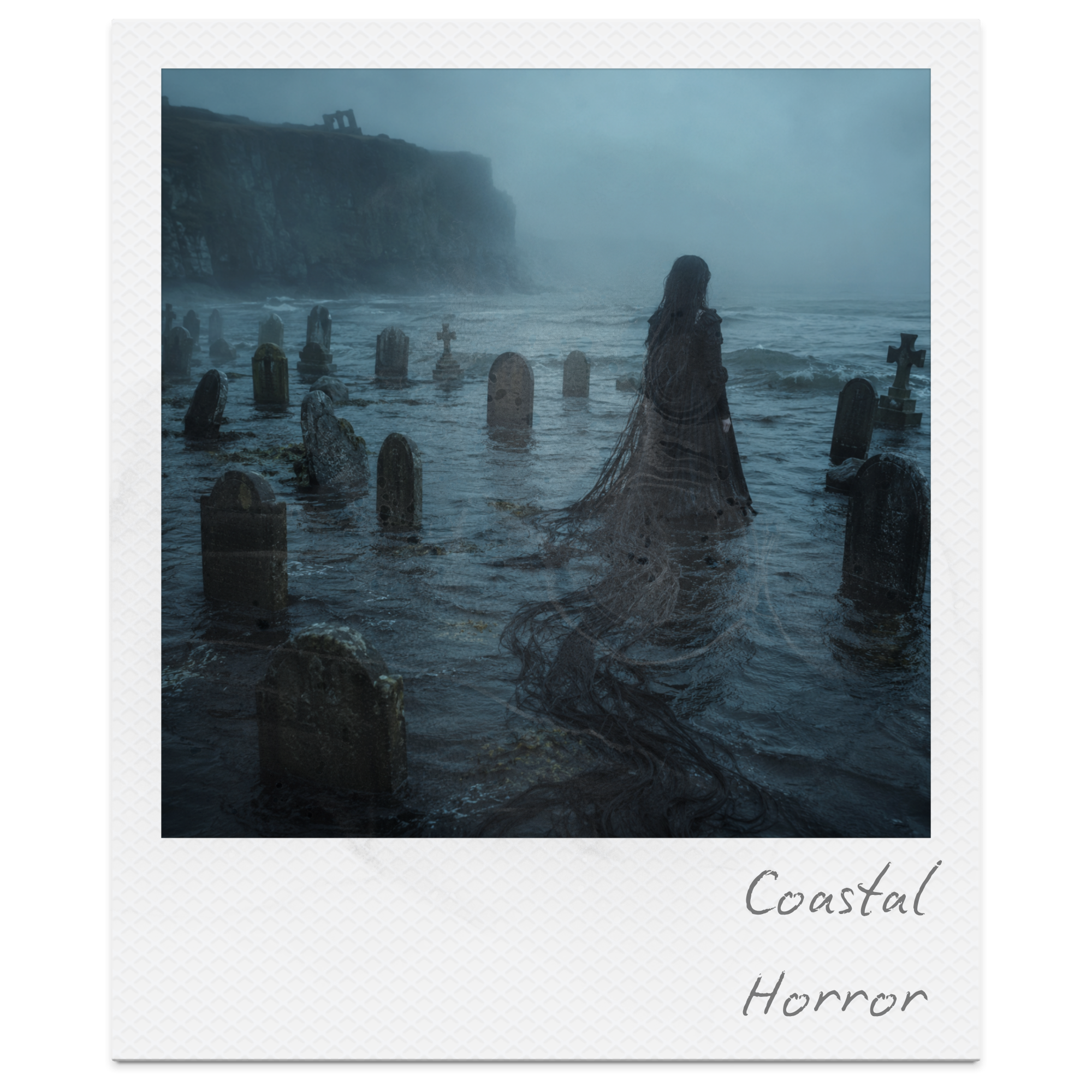
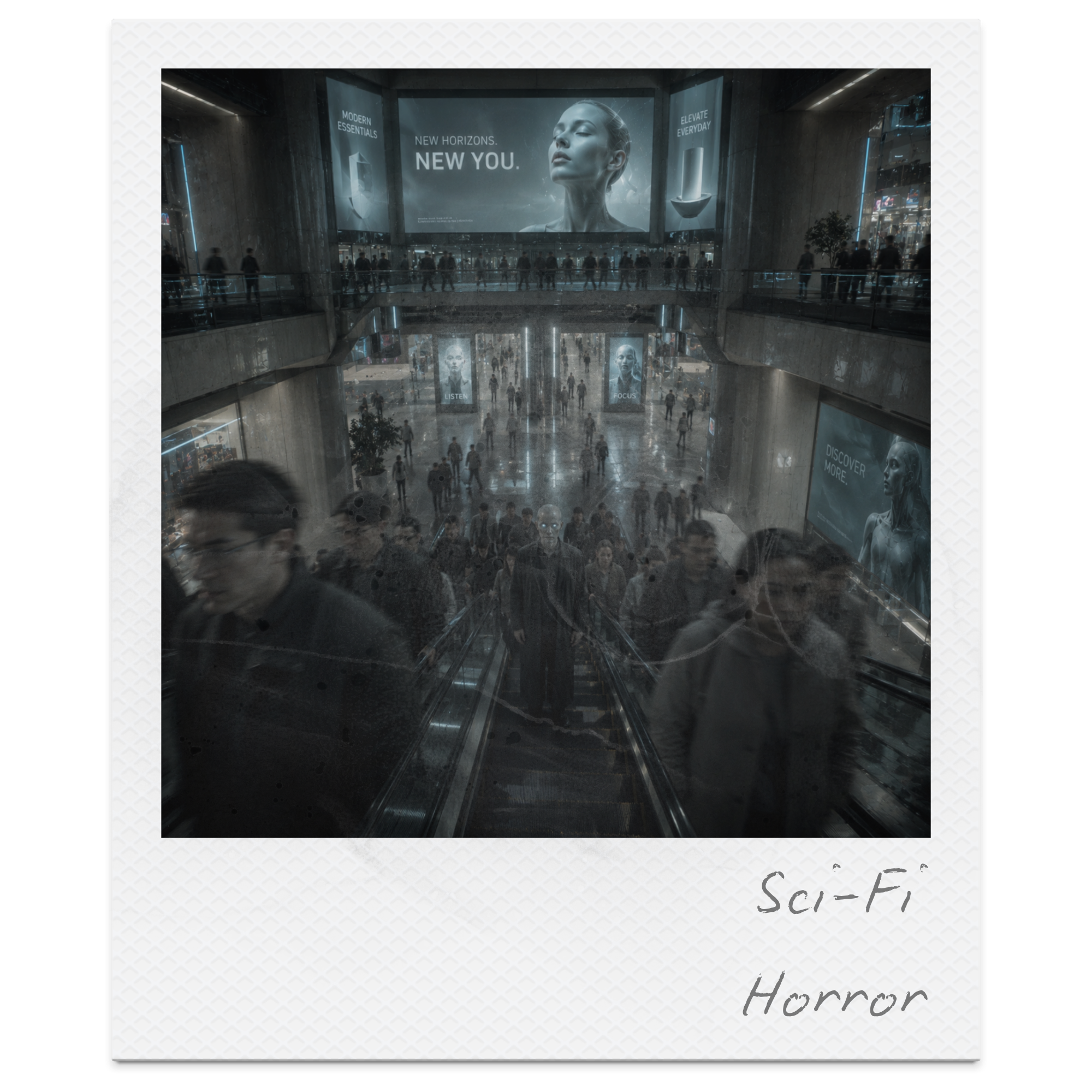
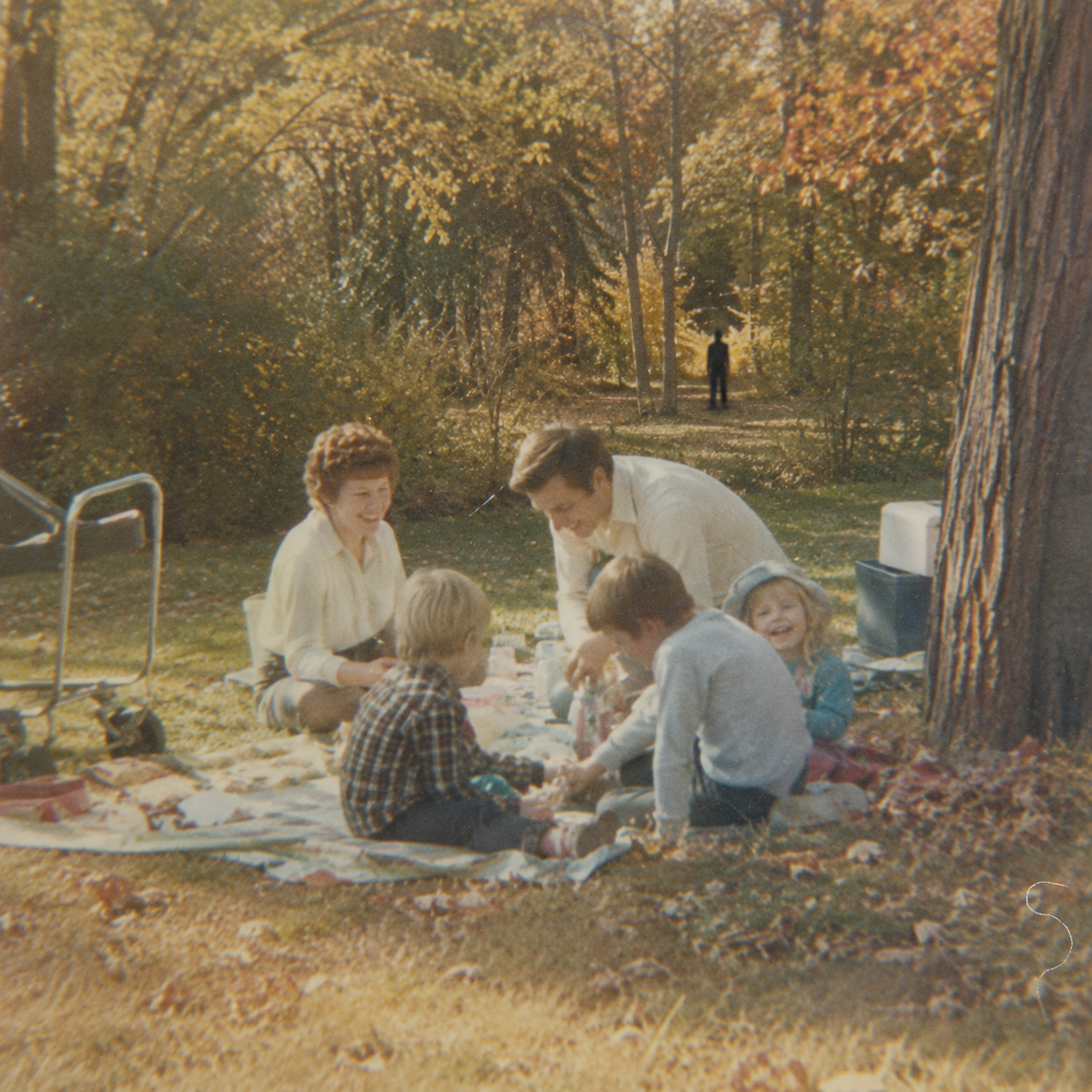
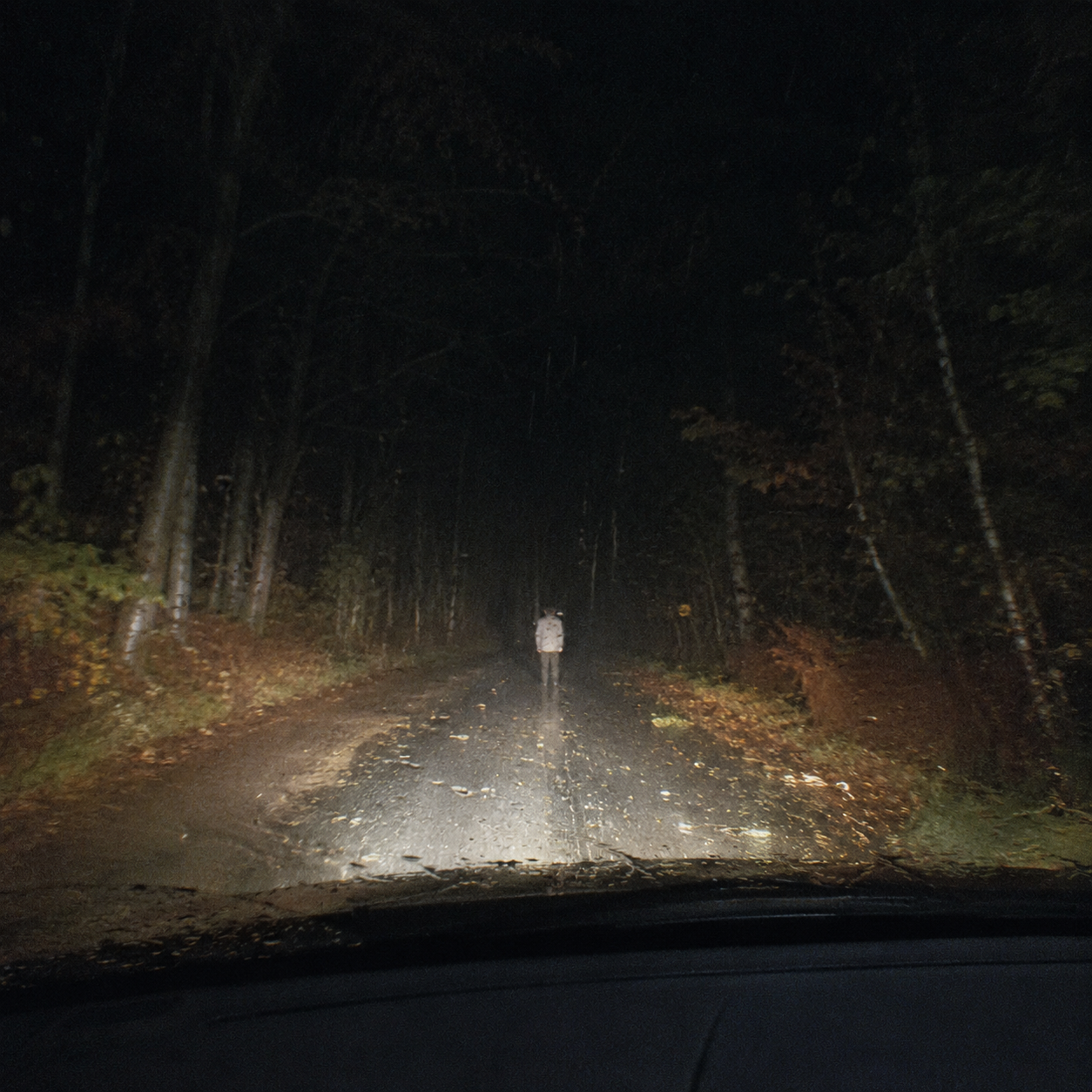
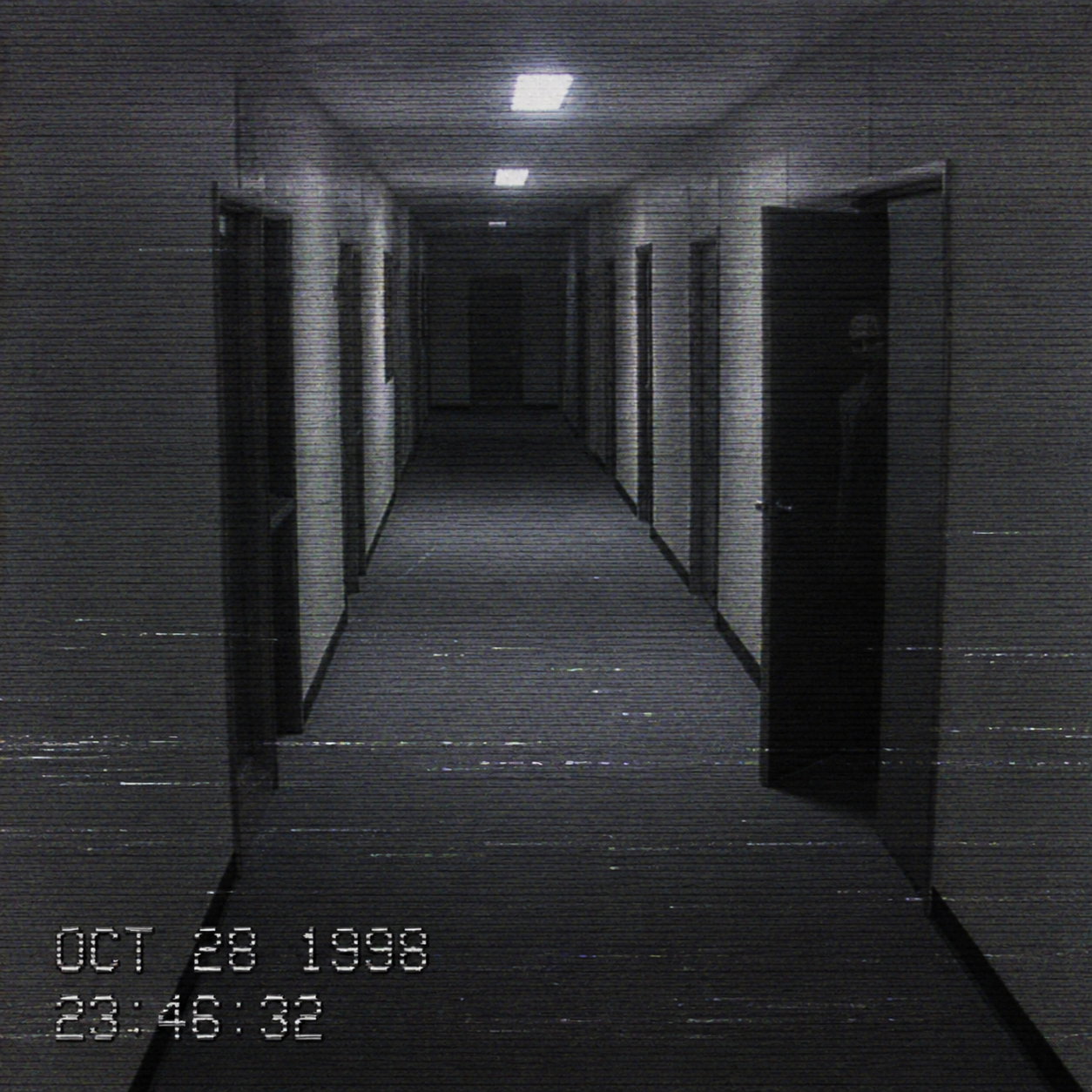
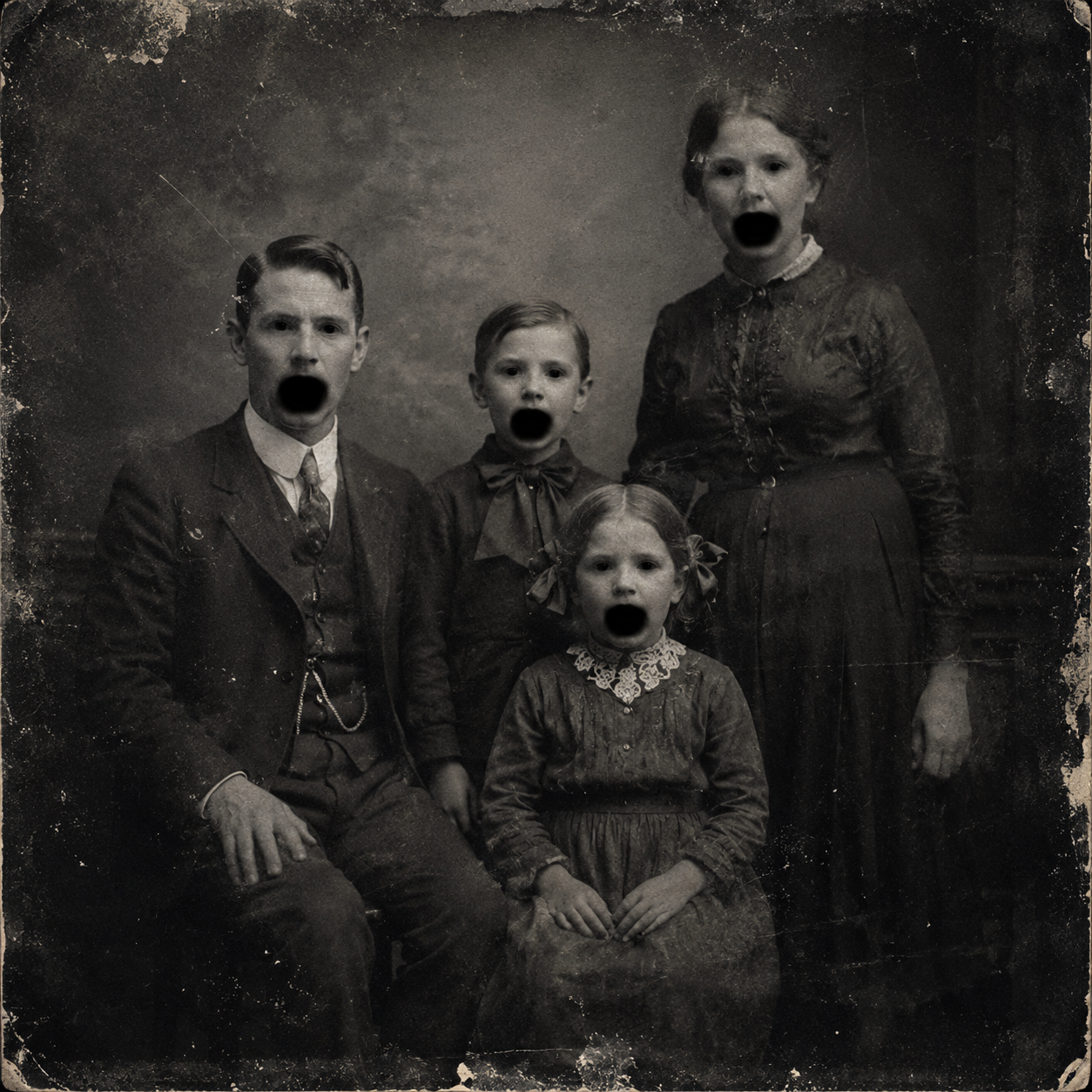
Analog horror is as much about atmosphere as storytelling. These picture prompts are designed to capture the genre's distinctive aesthetic through obsolete technology, abandoned locations, eerie lighting, and unsettling everyday scenes, providing visual inspiration for stories where something feels profoundly wrong long before the horror fully reveals itself.
Go Deeper into Unsettling Analog Horror
Analog horror isn't frightening because of what it shows—it's frightening because of what it implies. The genre invites readers to question reality through familiar media that slowly becomes unreliable, encouraging them to fill in the terrifying gaps themselves. If you want your stories to linger long after the final page, focus less on shocking reveals and more on creating an atmosphere where every new discovery raises even more unsettling questions.
◆ Turn ordinary media into sources of fear. Television broadcasts, public information films, VHS tapes, radio transmissions, CCTV footage, answering machines, weather forecasts, school training videos, and government announcements become far more disturbing when they calmly present impossible information as though it were completely normal.
◆ Let authority become untrustworthy. One of analog horror's defining traits is the corruption of trusted institutions. News presenters, emergency broadcasts, educational programmes, scientists, police announcements, and official organisations should speak with complete confidence—even when what they're saying defies logic.
◆ Explain less than you reveal. Resist the urge to answer every mystery. A distorted face appearing for a single frame, a sentence cut short by static, or an archive containing one impossible recording is often far more memorable than revealing exactly what caused it. The unknown is almost always scarier than certainty.
◆ Use subtle repetition to build unease. Familiar phrases, recurring symbols, repeated broadcast interruptions, identical figures appearing across multiple recordings, or the same warning delivered in different formats gradually convince readers that something vast and organised is happening beneath the surface.
◆ Make the impossible feel believable. The strongest analog horror begins in an ordinary world. Use realistic locations, authentic technology, believable dialogue, and mundane routines before introducing subtle inconsistencies. When reality slowly unravels instead of collapsing all at once, the horror feels far more convincing—and far more difficult to forget.
Final Thoughts
Analog horror proves that the most disturbing stories don't need graphic monsters or relentless action to leave a lasting impression. A forgotten broadcast, a corrupted VHS tape, or an emergency announcement that calmly describes the impossible can create far more unease than anything shown outright. By embracing mystery, unreliable media, and the fear of the unknown, you can craft stories that continue haunting readers long after the final transmission ends.
Whether you're writing eerie short fiction, developing an ARG, experimenting with found-footage storytelling, or creating a slow-burning psychological nightmare, these analog horror writing prompts are designed to spark unsettling ideas and inspire original narratives that feel both familiar and deeply wrong.
When you're ready for your next terrifying project, explore the Horror Writing Hub for more prompts across Gothic, supernatural, folk, psychological, and seasonal horror, or browse the Creative Writing Archive to discover hundreds of prompts covering fantasy, mystery, science fiction, romance, historical fiction, and every genre in between.
Choose Your Next Adventure