70 Creative Writing Prompts Inspired by A Midsummer Night’s Dream: Plot Hooks, Opening Lines, Characters & Visual Ideas
Some stories don’t begin with order. They begin with confusion — the kind that turns certainty into chaos and logic into illusion.
William Shakespeare’s A Midsummer Night’s Dream endures not simply because it is magical, but because it explores what happens when emotion, imagination, and mischief disrupt the ordinary rules of the world. The play asks what happens when love becomes unpredictable, when identity shifts under pressure, and when the boundary between dream and reality begins to blur.
This collection of 70 creative writing prompts inspired by A Midsummer Night’s Dream draws on the play’s atmosphere rather than its plot. The prompts invite teen writers to explore enchanted forests, mistaken identity, playful transformation, and the unpredictable nature of love through original fiction and poetry — focusing on imagination, setting, and emotional confusion rather than retelling.
Designed for classroom use, writing clubs, creative warm-ups, journaling, or longer fantasy projects, these prompts work across age groups and abilities. They can be used as short starters or extended pieces, supporting stories that explore magic, mischief, dreams, and unexpected consequences.
If you’re looking for more creative writing inspiration, you can explore the Fairytale and Folklore Writing Prompts Hub, browse the Creative Writing Archive, or discover text-based ideas in the Literature-Inspired Writing Prompts Hub.
1. Plot Hooks
These plot hooks are inspired by the central ideas of A Midsummer Night’s Dream: magic, confusion, mistaken identity, and the unpredictable nature of love. Rather than retelling the play, each prompt invites writers to imagine characters whose plans are disrupted by enchantment, coincidence, or misunderstanding.
Write about a character who enters a forest where nothing behaves normally.
Write about someone who wakes up to discover their feelings have mysteriously changed overnight.
Write about a place where magic causes people to fall in love with the wrong person.
Write about a group of friends whose relationships become suddenly tangled and confusing.
Write about a mischievous character who enjoys causing harmless chaos.
Write about a character who discovers that the world of dreams may be real.
Write about someone who tries to fix a problem but accidentally makes it worse.
Write about a character who is transformed in a strange and embarrassing way.
Write about a night where everything feels magical — and slightly unpredictable.
Write about a moment when someone realises they may have been tricked by magic.
2. Title Ideas
Titles inspired by A Midsummer Night’s Dream often suggest enchantment, confusion, or transformation without explaining exactly what has happened.
The Night the Forest Changed
Dreams That Wouldn’t Fade
When Magic Interfered
The Trouble With Enchanted Nights
What Happened in the Woods
A Trick of Moonlight
Love That Arrived by Accident
The Night Everything Became Strange
What the Forest Whispered
After the Spell Was Broken
3. Opening Lines
Opening lines inspired by A Midsummer Night’s Dream often suggest that the ordinary world is about to become strange.
No one expected anything unusual to happen that night.
It started with a strange feeling that the forest was watching us.
I knew something had changed the moment we stepped beneath the trees.
The night felt too quiet — as if something was waiting.
We were supposed to be home before sunset.
At first, I thought it was just a dream.
The moonlight made everything look different.
I followed the sound without thinking.
Something strange was happening to everyone.
By morning, nothing felt the same.
4. Closing Lines
Closing lines inspired by A Midsummer Night’s Dream often suggest reflection, resolution, or uncertainty about what really happened.
Sometimes the strangest nights leave the strongest memories.
I still wonder whether it was magic — or just imagination.
By morning, everything looked ordinary again.
We agreed never to speak about that night.
Perhaps the forest kept its secrets after all.
Some dreams stay with you long after you wake.
The spell ended, but the story didn’t.
What happened there changed us.
Maybe it really was only a dream.
Or maybe the magic is still there.
5. Character Ideas
Characters inspired by A Midsummer Night’s Dream are often curious, emotional, or mischievous, and many find themselves caught in situations they do not fully understand.
A curious young person who wanders into a magical place by accident.
A mischievous character who enjoys playing tricks on others.
Someone who suddenly finds themselves in love — and cannot explain why.
A character who tries to solve a problem but makes it worse.
A narrator who slowly realises something magical has happened.
Someone who feels more confident at night than during the day.
A character who experiences a strange transformation.
A person trying to undo a magical mistake.
Someone who discovers they may have been dreaming.
A character who learns that feelings can change unexpectedly.
6. Setting Ideas
Settings inspired by A Midsummer Night’s Dream often feel enchanted, mysterious, or slightly unreal.
A forest that feels different after sunset.
A clearing where strange things seem to happen.
A place where dreams feel more real than waking life.
A quiet woodland path that seems to lead somewhere unexpected.
A hidden garden that only appears at night.
A moonlit space where voices echo strangely.
A location where time seems to behave differently.
A place where animals behave unusually.
A quiet spot where secrets are whispered.
A setting where magic feels just possible.
7. Picture Prompts
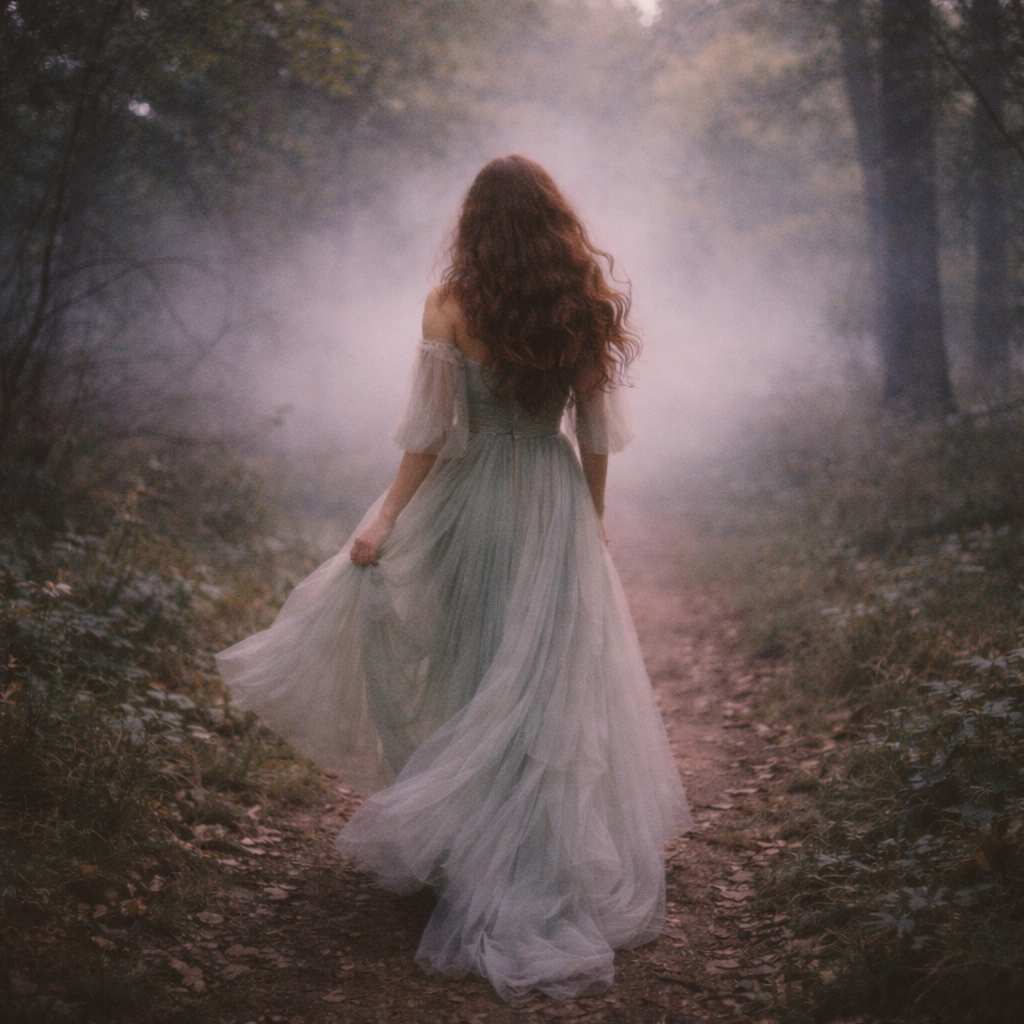
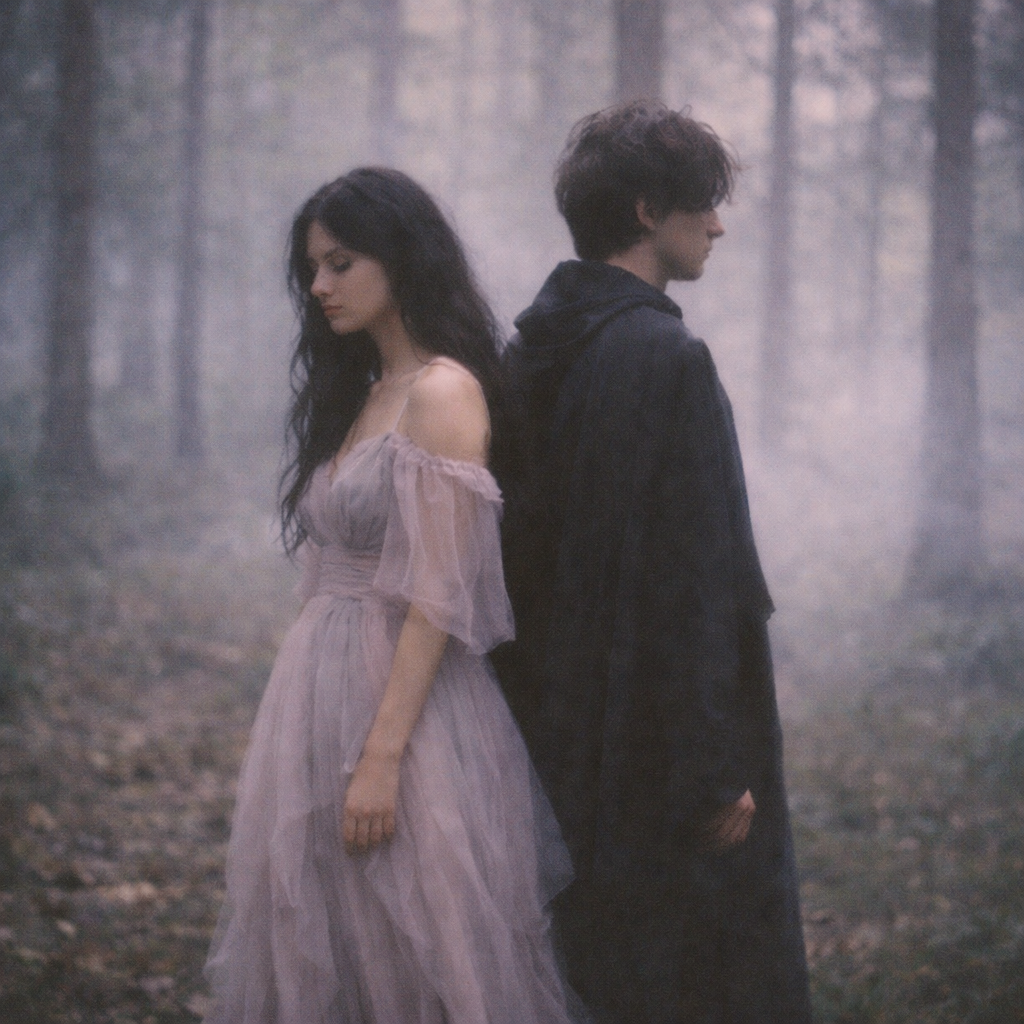
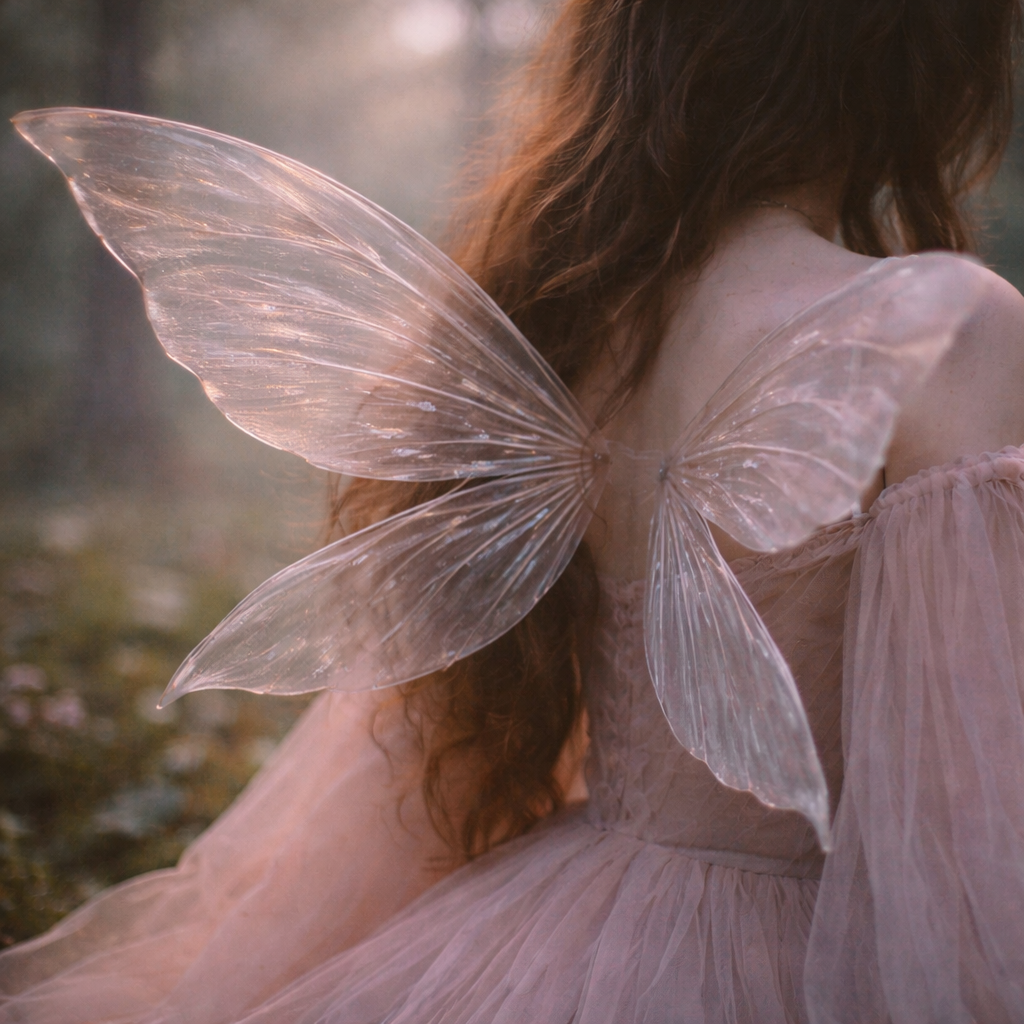
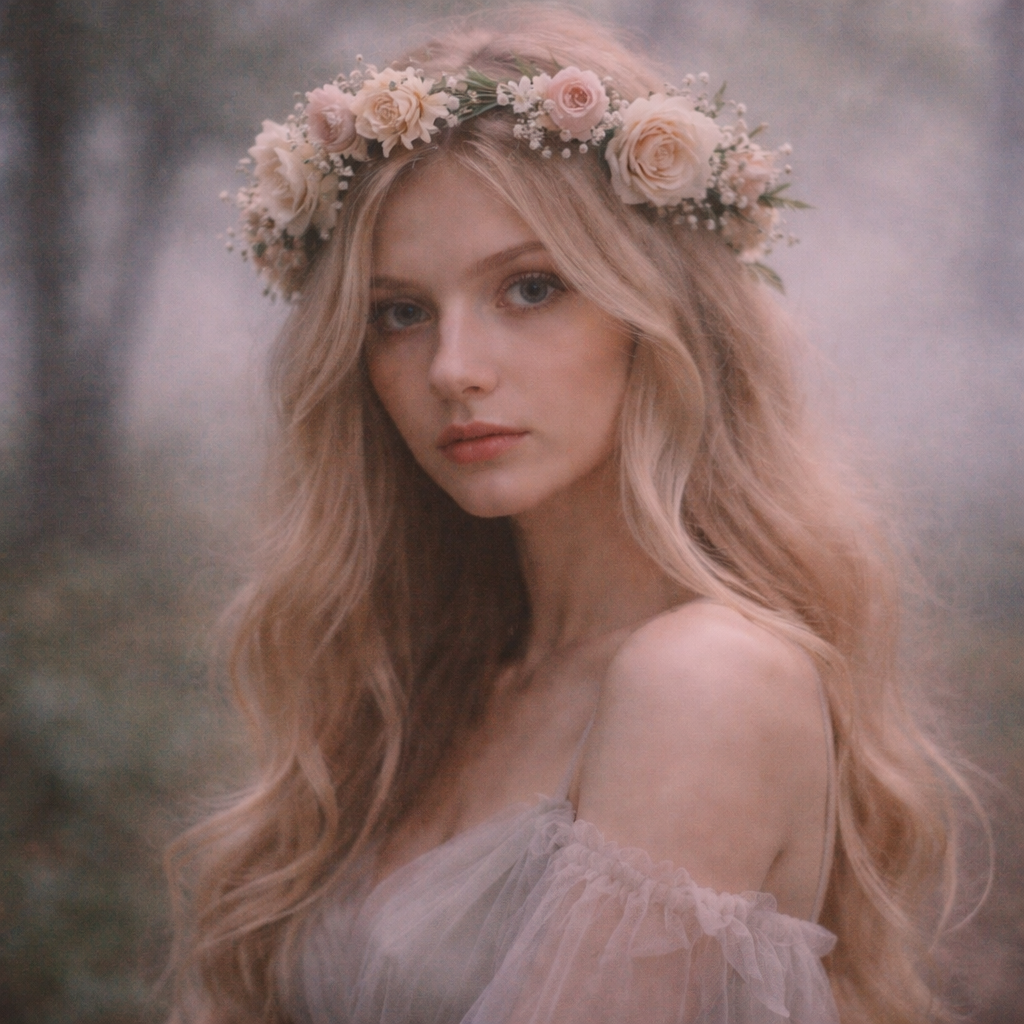
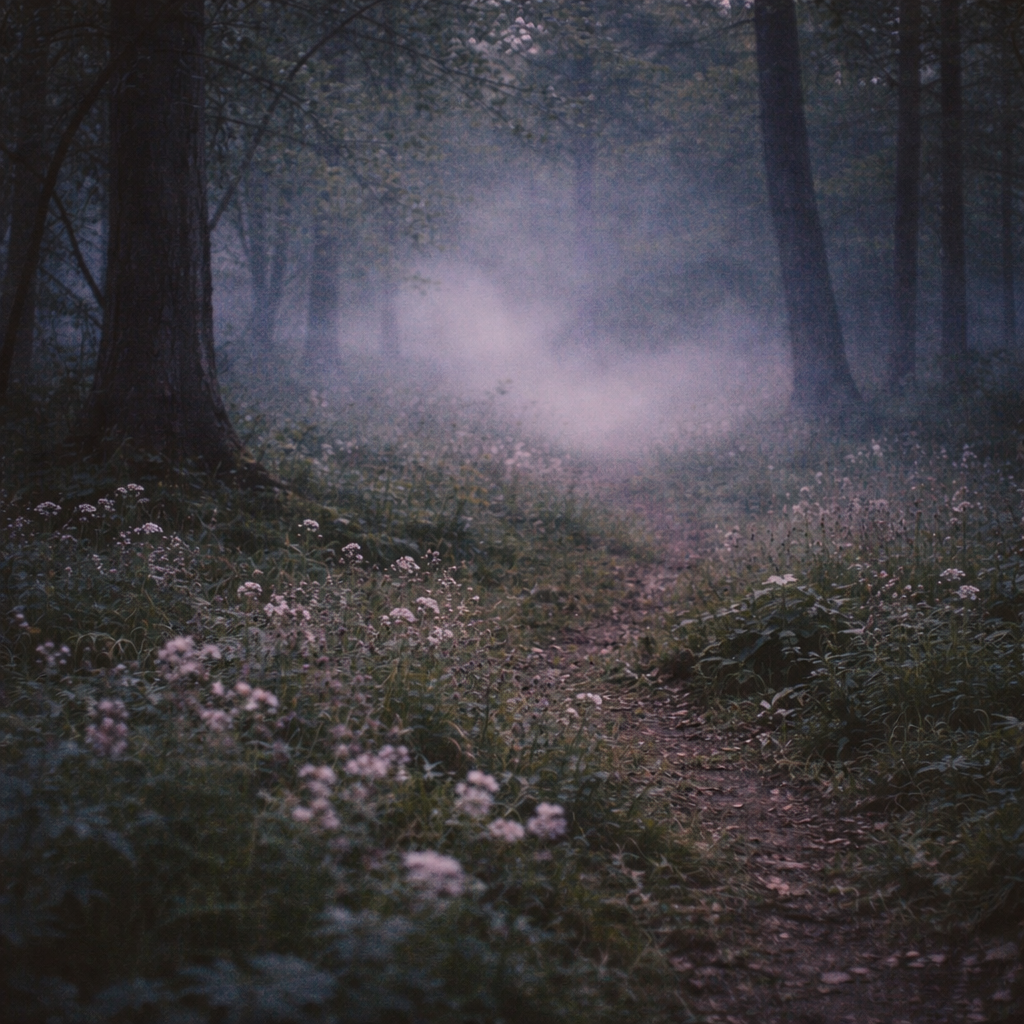
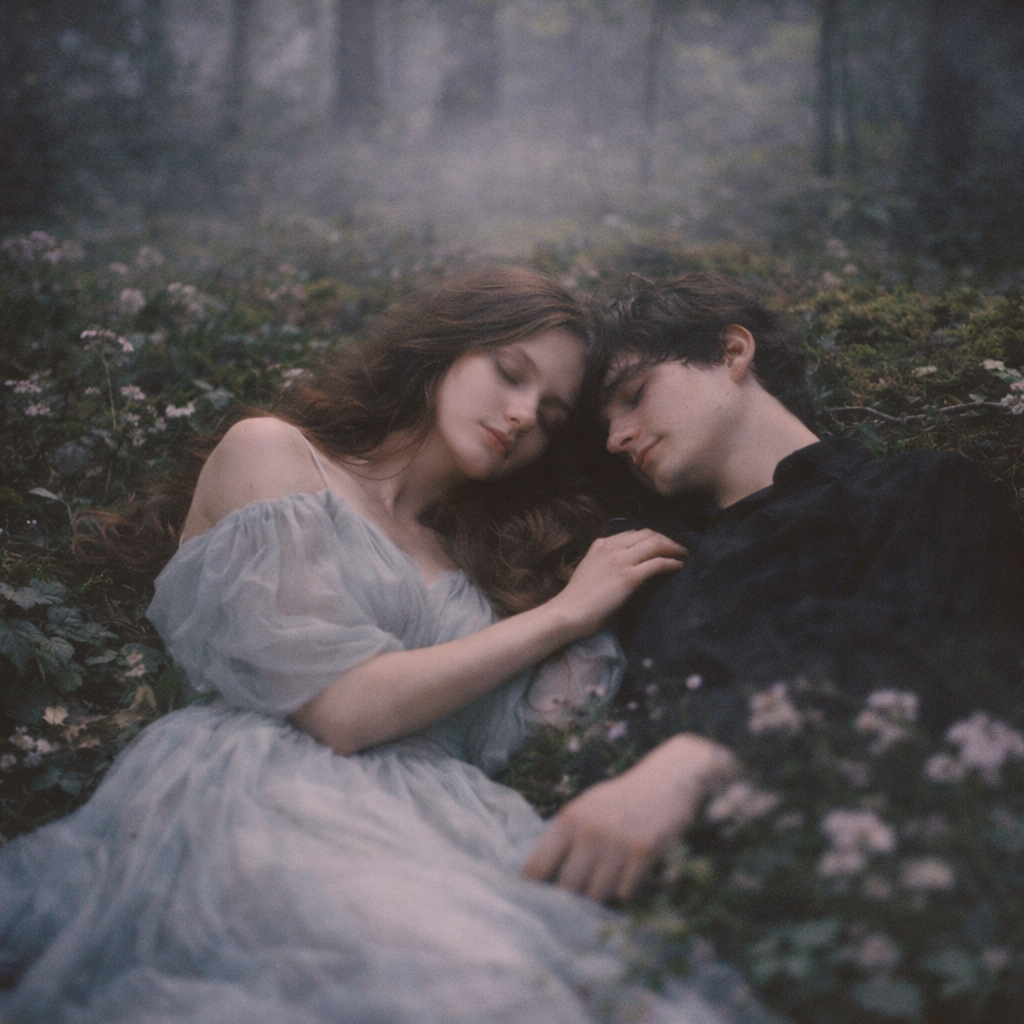
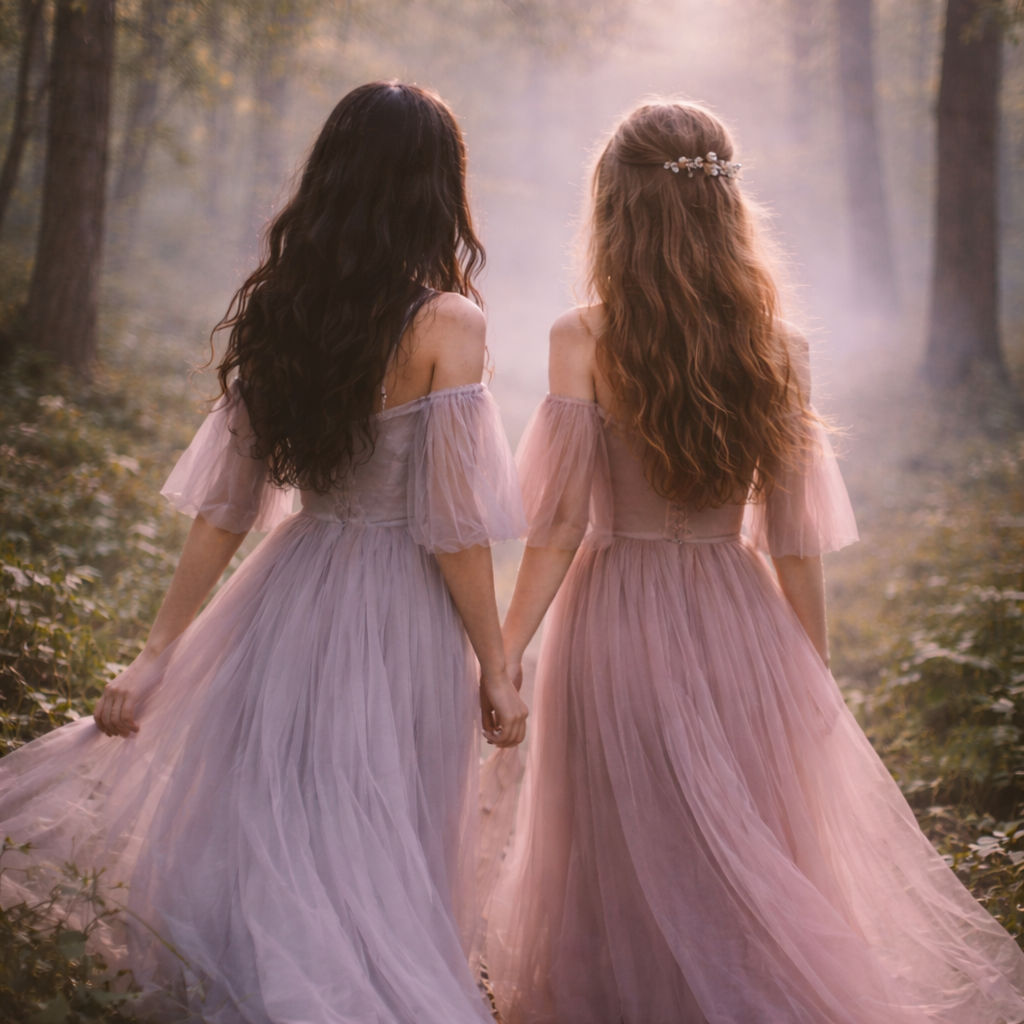
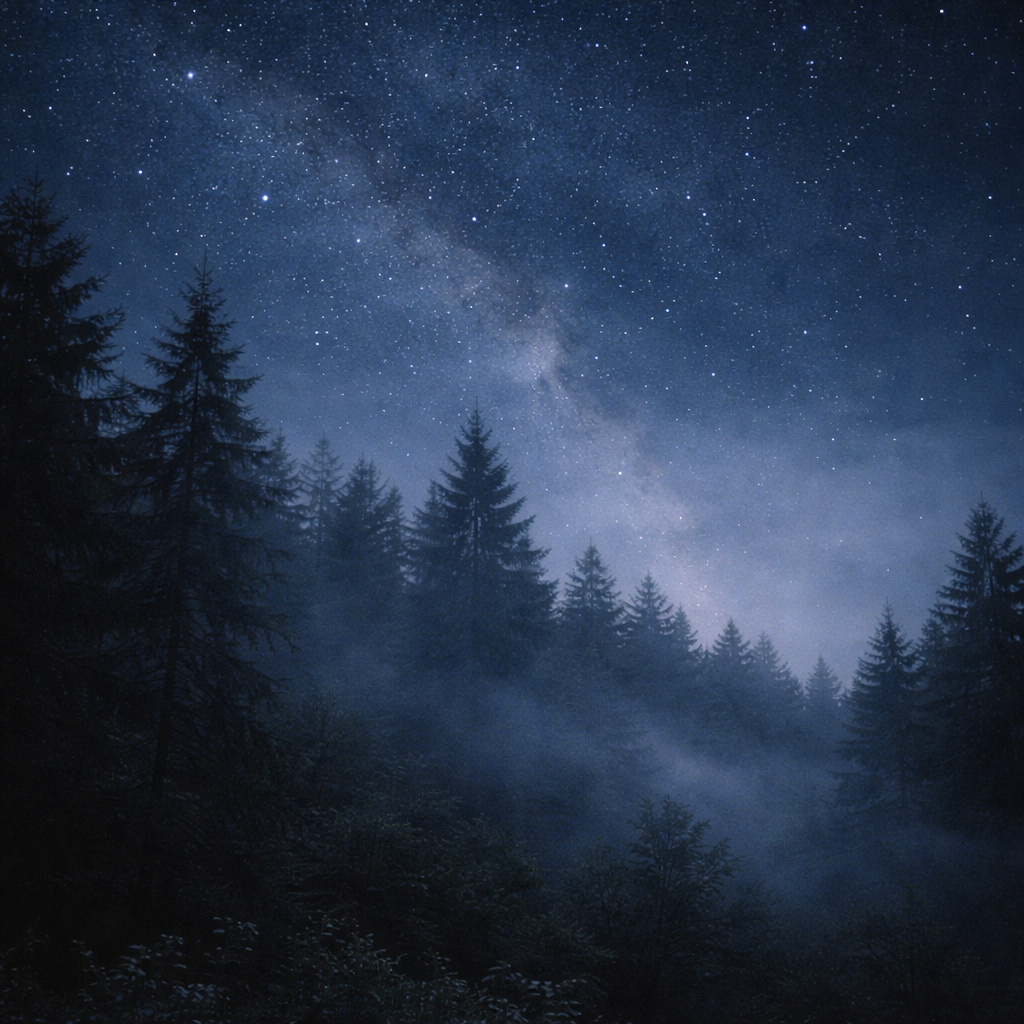
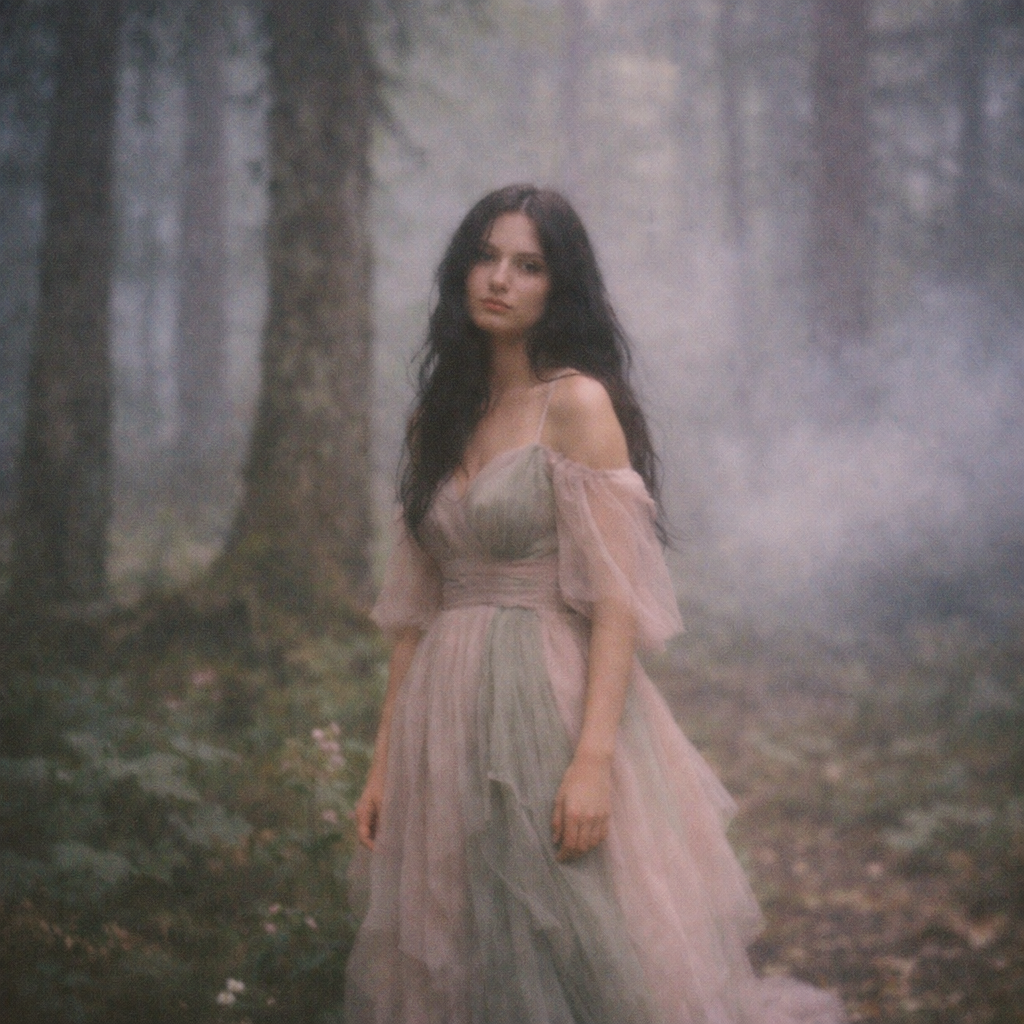
Visual prompts inspired by A Midsummer Night’s Dream focus on atmosphere, moonlight, and enchanted landscapes.
Effective images often include forests, moonlit clearings, glowing plants, mysterious pathways, or figures glimpsed between trees. Soft light, shadow, and unusual natural details help writers imagine settings where ordinary rules no longer apply.
Writers can use each image as a starting point for descriptive writing, inner monologues, or short narratives that explore how magic, confusion, and imagination shape the events of a single unforgettable night.

Go Deeper into A Midsummer Night’s Dream–Inspired Writing
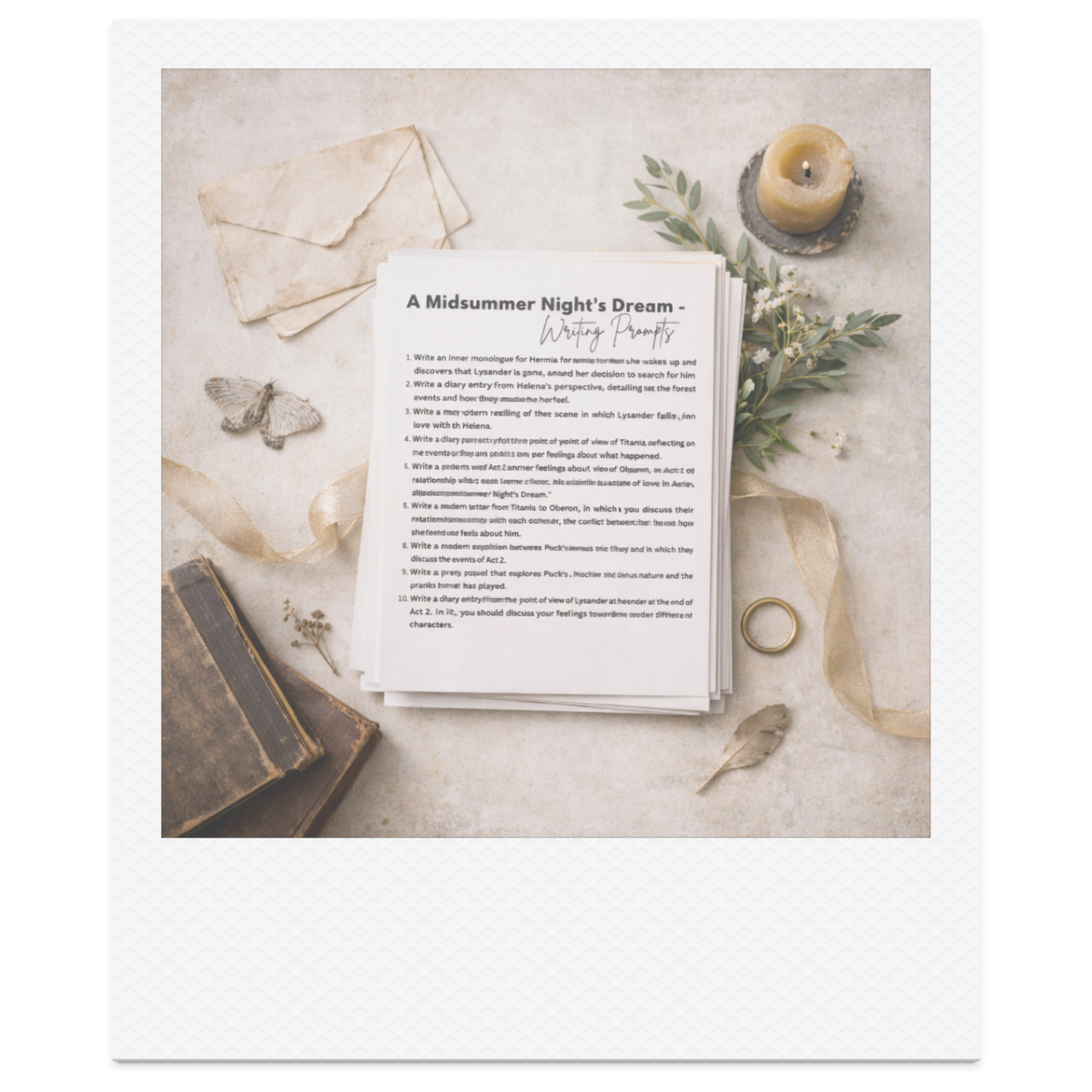
These prompts are designed to help students explore the events, characters, and structure of A Midsummer Night’s Dream through original creative writing. Rather than retelling the play, they encourage writers to think about perspective, misunderstanding, imagination, and the role of magic within the story.
For classroom teaching, creative writing is especially effective when paired with text-rooted tasks that return students directly to Shakespeare’s play. Structured prompts linked closely to each act help students develop confidence with voice, perspective, and interpretation, while deepening their understanding of character relationships and dramatic structure.
A dedicated set of A Midsummer Night’s Dream creative writing prompts includes 50 closely linked tasks — 10 per act, such as:
◆ Act-based prompts exploring confusion, conflict, and resolution
◆ First-person writing from character perspectives
◆ Diary entries, letters, and secret messages
◆ Narrative expansions of off-stage moments
◆ Setting descriptions rooted in the enchanted forest
◆ Writing tasks focused on imagination, mischief, and transformation
These prompts keep students anchored to the play while still allowing space for creativity, empathy, and personal response.
Used together, atmosphere-led prompts and act-specific creative tasks create a balanced approach: one builds imagination and confidence, while the other strengthens close reading, character understanding, and narrative awareness.
Final Thoughts
Creative writing inspired by A Midsummer Night’s Dream allows young writers to explore imagination, confusion, transformation, and the unpredictable nature of love through original storytelling. By focusing on atmosphere, magic, and shifting relationships rather than retelling the play, these prompts make Shakespeare’s ideas accessible while still encouraging creative interpretation.
Working with inspired prompts allows students to engage with themes such as identity, misunderstanding, imagination, and change without needing advanced literary knowledge. Instead, writers experiment with voice, perspective, and setting, building confidence while remaining connected to the playful spirit of the play.
Used alongside act-based creative tasks, atmosphere-led prompts help students recognise how writers shape meaning through contrast, confusion, and resolution. Together, these approaches support both creative confidence and deeper literary understanding, making them suitable for classrooms, writing clubs, and independent practice across a wide range of ages.
If you’re looking for more creative writing inspiration, you can explore the Fairytale and Folklore Writing Prompts Hub, the Fantasy Writing Hub, or browse the Creative Writing Archive, or discover text-based ideas in the Literature-Inspired Writing Prompts Hub.
