Notes from the Inkpot
Writing, teaching, creating - one ink-stained idea at a time.




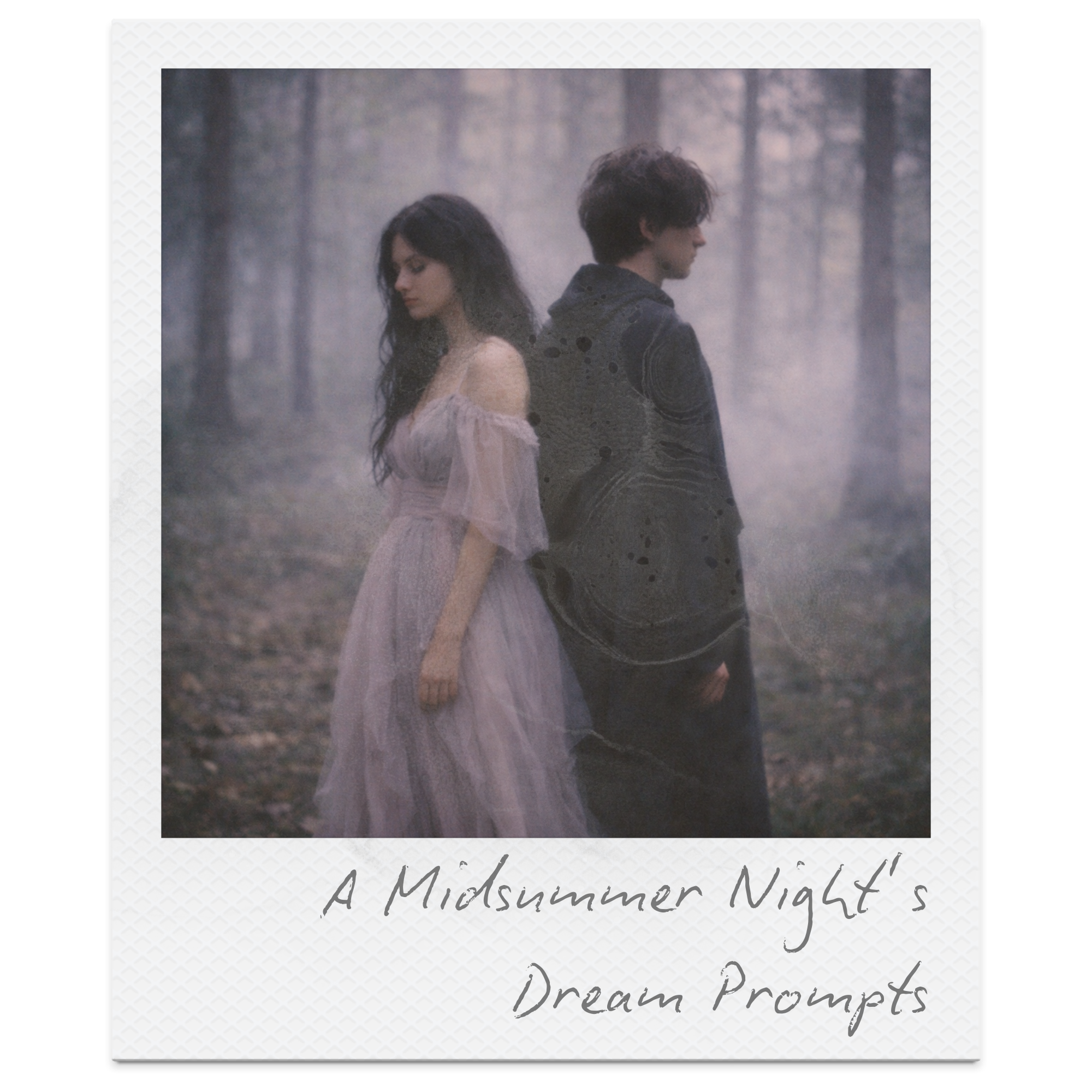
70 Creative Writing Prompts Inspired by A Midsummer Night’s Dream: Plot Hooks, Opening Lines, Characters & Visual Ideas
William Shakespeare’s A Midsummer Night’s Dream is a story where ordinary rules collapse under the influence of magic, imagination, and emotional confusion. Set between the ordered world of the city and the unpredictable freedom of the forest, the play explores how love, identity, and misunderstanding can shift when people step into unfamiliar spaces. Its mixture of enchantment, comedy, and transformation makes it an ideal starting point for creative writing. This collection of 70 creative writing prompts inspired by A Midsummer Night’s Dream invites young writers to explore enchanted forests, mischievous magic, mistaken identity, and dreamlike settings through original stories and poetry. Designed for classroom use, writing clubs, and independent practice, the prompts encourage students to experiment with atmosphere, character perspective, and imaginative storytelling while drawing inspiration from Shakespeare’s playful and magical world.
My Favourite Shakespeare Plays for the Classroom (And How I Teach Them)
Shakespeare’s plays remain some of the most rewarding — and most challenging — texts to teach in the classroom. Rather than treating his work as a checklist of required plays, this post explores the Shakespeare plays that genuinely work in the classroom, focusing on discussion, interpretation, and moral complexity rather than memorisation. From tragedy and comedy to romance and sonnets, these are the texts that consistently engage students and reward close reading. Drawing on classroom experience, this guide groups Shakespeare plays for teaching around key themes such as power, identity, justice, love, and consequence. Each section explains why the play works, how it sparks discussion, and what students gain from studying it. Whether you’re choosing your next Shakespeare text or rethinking how you teach a familiar one, this post offers a thoughtful, practical starting point.
The Ultimate Guide to Teaching Shakespeare in the Secondary English Classroom
Teaching Shakespeare in the secondary English classroom can feel intimidating, but his plays remain some of the most powerful texts for developing close reading, discussion, interpretation, and creative writing. From tragedy and political drama to explorations of power, identity, and moral choice, Shakespeare’s work offers unmatched opportunities for student engagement across secondary and further education. This comprehensive guide brings together key Shakespeare plays, effective teaching approaches, and flexible classroom resources, showing how Shakespeare can be taught through language, performance, and interpretation rather than memorisation or reverence. Whether you’re introducing Shakespeare for the first time or refining your practice, this pillar provides a clear, confident framework for teaching Shakespeare with depth and purpose.
Why Macbeth Is the Only Shakespeare Play I’ll Never Get Sick Of (And Why It Works So Well in the Classroom)
Why is Macbeth still one of the most effective Shakespeare plays to teach? Because it refuses easy answers. Packed with ambition, power, guilt, and moral consequence, Macbeth invites students to interrogate responsibility, persuasion, and the slow erosion of ethical boundaries. Far from feeling dated, the play’s questions about decision-making and complicity remain deeply recognisable in modern classrooms. In this post, I explore why Macbeth continues to work so well with students, how its structure naturally invites debate and interpretation, and how creative and discussion-based approaches can deepen understanding without sacrificing rigour. I also share a free Macbeth classroom resource and explain how I use flexible, reusable teaching tools to support analysis, creative writing, and meaningful discussion across the play.
70 Creative Writing Prompts Inspired by Macbeth: Plot Hooks, Opening Lines, Characters & Visual Ideas
Explore 70 creative writing prompts inspired by Macbeth, designed to help teen writers engage with ambition, fate, guilt, and psychological conflict through original storytelling. This collection includes atmospheric plot hooks, book-style title ideas, opening and closing lines, character concepts, setting ideas, and visual prompt guidance — all inspired by Shakespeare’s play without retelling its plot. Ideal for classroom use, writing clubs, or independent creative practice, these Macbeth-inspired writing prompts encourage mood-driven, symbolic writing that builds confidence with voice, tone, and narrative structure. Writers can explore Shakespeare’s ideas creatively while developing skills in description, perspective, and thematic storytelling.
A Midsummer Night’s Dream: Overview, Context, Key Ideas & Teaching Approaches
A Midsummer Night’s Dream is often taught as one of William Shakespeare’s lightest comedies, yet beneath its enchantment and humour lies a complex exploration of power, desire, authority, and social control. Set between the rigid law of Athens and the destabilising freedom of the forest, the play uses comedy, magic, and mistaken identity to expose how easily order can fracture — and how carefully it must be restored. This context-led overview explores A Midsummer Night’s Dream through historical background, genre, and key ideas, before considering effective ways to teach the play through discussion, performance, and creative writing. Rather than offering close analysis of individual scenes, it provides a framework for understanding how the play operates as a whole, and why it continues to reward reinterpretation, classroom debate, and creative response.

William Shakespeare: Context, Themes, Plays & Literary Significance
William Shakespeare is one of the most influential figures in English literature, yet his work is often approached without sufficient attention to historical and social context. Writing during the Elizabethan and Jacobean periods, Shakespeare explored enduring concerns around power, authority, identity, gender, violence, and moral responsibility, embedding these ideas within plays that continue to resist simple interpretation. This context post situates Shakespeare’s plays and poetry within the political, cultural, and theatrical conditions of early modern England, examining how genre, performance, and historical pressure shape meaning across his work. Rather than focusing on individual texts, it provides a framework for understanding Shakespeare’s literary significance, offering a foundation for deeper exploration of themes, genres, and plays across the wider Literature Library.
Why I Still Teach Romeo and Juliet (Even Though I Hate It) — And Why It Still Works in the Classroom
Why does Romeo and Juliet still earn its place in the English classroom, even when it’s so often misunderstood? This reflective teaching post explores why Shakespeare’s most over-romanticised play continues to work with students, examining impulsiveness, authority, and avoidable loss rather than idealised love. By reframing the play away from romance and towards consequence, Romeo and Juliet becomes far more relevant — and far more teachable. Drawing on classroom experience, this post explores how and why to teach Romeo and Juliet, from contextualising it within Shakespeare’s wider work to using discussion, creative writing, and debate to deepen understanding. It also shares classroom-tested strategies and resources designed to support meaningful engagement with the play across secondary English.