70 Medieval Gothic Writing Prompts: Haunted Abbeys, Forgotten Castles & Ancient Curses
Medieval Gothic combines the mystery and atmosphere of Gothic fiction with the harsh realities of the Middle Ages. Towering castles, abandoned monasteries, windswept moorlands, plague-stricken villages, ancient forests, forgotten crypts, and candlelit scriptoria create haunting settings where faith, fear, superstition, and power exist side by side. Hidden relics, cursed bloodlines, wandering pilgrims, secret orders, and forbidden knowledge lie buried beneath centuries of history, waiting for someone brave enough to uncover them.
Inspired by medieval history, Gothic literature, Arthurian legend, folklore, and religious mythology, Medieval Gothic explores themes of faith and doubt, mortality, redemption, corruption, isolation, sacrifice, ambition, and the terrifying unknown. Whether your story centres on haunted castles, mysterious monks, cursed kingdoms, forgotten saints, supernatural creatures, or ordinary people struggling to survive in an unforgiving world, the medieval period offers one of the richest and most atmospheric settings for Gothic storytelling.
This collection of 70 Medieval Gothic Writing Prompts is designed as a complete creative toolkit, featuring plot prompts, title ideas, opening lines, closing lines, character ideas, setting prompts, and atmospheric picture prompts. Explore ruined abbeys, forgotten monasteries, plague villages, ancient forests, crumbling castles, sacred relics, hidden crypts, mysterious pilgrims, and long-buried legends that refuse to fade into history.
If you're looking for even more inspiration, explore the Historical Fiction Writing Hub for prompts rooted in fascinating historical periods, the Gothic Writing Hub for atmospheric prompts, characters, settings, and worldbuilding resources, or browse the Creative Writing Archive, where you'll discover hundreds of creative writing prompts spanning historical fiction, gothic fiction, fantasy, horror, mystery, folklore, romance, and many more genres.
1. Plot Prompts
Medieval Gothic stories blend the harsh realities of the Middle Ages with haunting mystery, religious symbolism, ancient superstition, and forgotten histories. Castles, monasteries, plague villages, sacred relics, and isolated forests become places where every stone seems to remember the past.
A novice monk discovers that the abbey's oldest illuminated manuscript records events before they happen.
A knight returns from the Crusades carrying a relic said to grant miracles, but everyone who touches it begins suffering the same terrifying dreams.
A remote village abandons its church after the bells begin ringing every midnight despite nobody entering the tower.
A queen inherits a crumbling border castle whose previous rulers all disappeared before reaching old age.
While restoring an ancient monastery, stonemasons uncover a sealed crypt containing the remains of an order erased from history.
A wandering pilgrim arrives at an isolated fortress claiming to have walked from a kingdom that vanished centuries earlier.
A plague doctor discovers every victim in one village carries the same mysterious symbol carved into their belongings.
A young scribe copying forbidden texts realises one manuscript changes each time it is read.
A noble family's bloodline is protected by an ancient bargain that must be renewed every generation before winter arrives.
Deep within an ancient forest, an abandoned chapel appears only during heavy snowfall, offering visitors a chance to rewrite one moment from their past.
2. Title Ideas
Medieval Gothic titles evoke forgotten kingdoms, sacred places, ancient curses, and stories buried beneath centuries of stone and silence.
Beneath Black Abbey
The Last Pilgrim
The King's Forgotten Chapel
Ashes of Saint Aldwyn
The Castle Without Bells
Beneath the Hollow Crown
The Silent Monastery
The Winter Reliquary
The Crypt at Ravensmere
The Book of Broken Saints
3. Opening Lines
Medieval Gothic stories often begin quietly, introducing places shaped by history before gradually revealing the darkness hidden beneath faith, tradition, and legend.
Nobody entered the old abbey after the evening bells had finished ringing.
The king's messenger arrived carrying a letter sealed with wax no living ruler recognised.
Every child in the village knew the forest belonged to something older than the kingdom itself.
The monastery had not accepted a new novice in thirty years until I arrived.
They said the castle had survived every war because something beneath it refused to let it fall.
My pilgrimage ended where every map insisted the road disappeared.
The reliquary should have contained only the bones of a saint.
The bells rang thirteen times before dawn.
The plague reached our village the same morning the ravens abandoned the church tower.
I inherited the castle knowing only that nobody had slept peacefully there for generations.
4. Closing Lines
Medieval Gothic endings often leave history only partially understood, reminding readers that some legends survive because nobody ever uncovers the complete truth.
The monastery returned to silence as though nothing had ever happened.
Some kingdoms survive only in the stories people fear to forget.
The final page had never been written.
The bells remained silent until the following winter.
Faith endured, even when certainty did not.
The castle welcomed another generation beneath its ancient walls.
Some relics are safer when they remain lost.
The forest quietly reclaimed every secret we failed to understand.
History remembered only the victory—not the price paid for it.
The old road vanished behind us before sunrise.
5. Character Ideas
Medieval Gothic characters live in a world shaped by faith, duty, superstition, and survival. Their choices are often influenced as much by ancient beliefs as by the realities of medieval life.
A monastery librarian secretly preserving books condemned by the Church.
A weary knight haunted by something encountered during the Crusades.
A young nun experiencing visions that divide her isolated abbey.
A royal physician investigating a mysterious illness spreading through the court.
A castle steward protecting generations of dangerous family secrets.
A wandering pilgrim searching for a saint whose shrine disappeared centuries earlier.
A village herbalist accused of witchcraft after predicting disasters.
A stone mason uncovering impossible carvings beneath a cathedral.
A queen determined to discover why every previous ruler disappeared before coronation.
A travelling illuminator whose manuscripts appear to capture future events.
6. Setting Ideas
Medieval Gothic settings combine imposing architecture, isolated landscapes, and deep history to create worlds where every ruin feels haunted by centuries of memory.
A ruined abbey standing alone on windswept moorland.
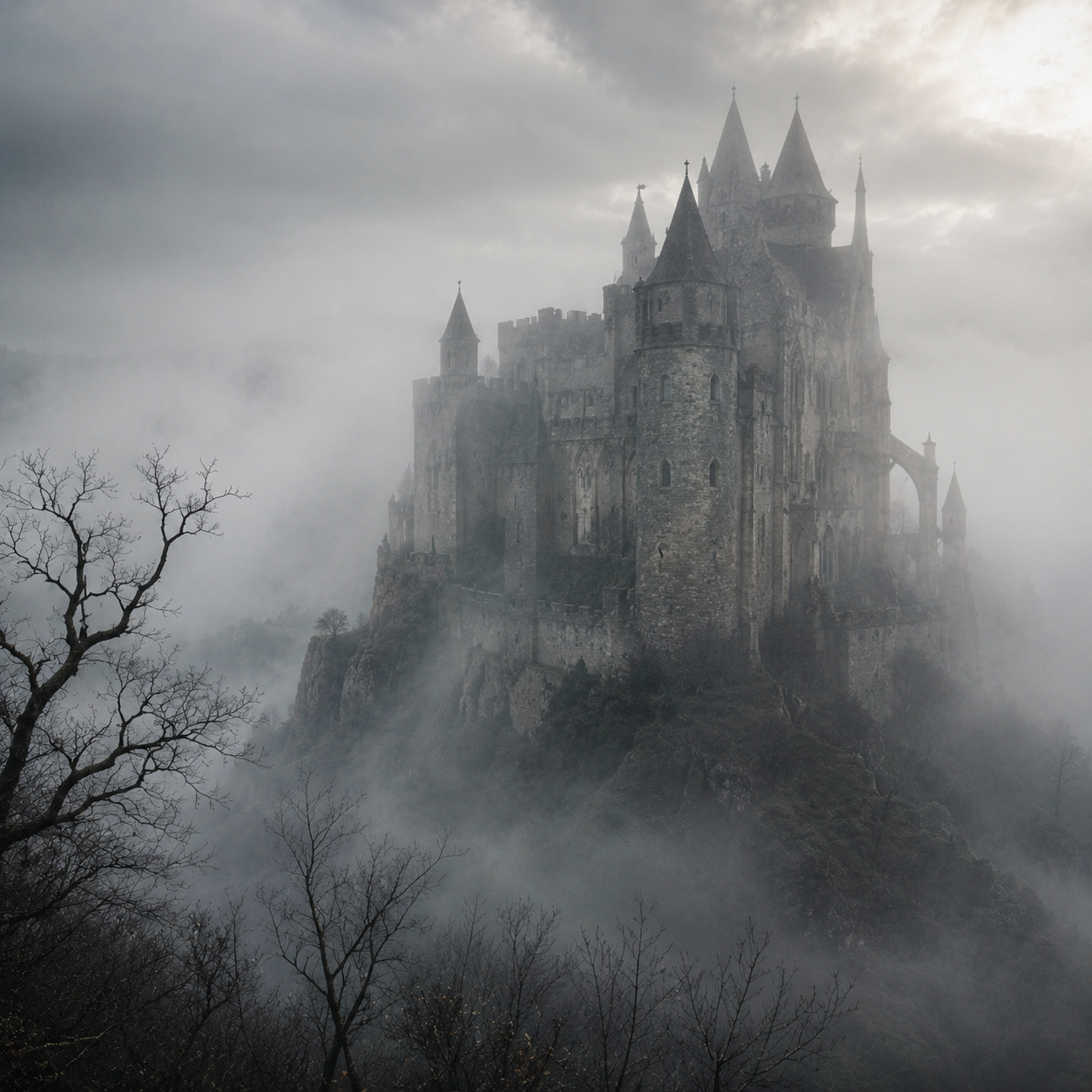
A mountaintop castle surrounded by perpetual mist.
An ancient monastery carved directly into towering cliffs.
A plague-stricken village abandoned beside a forgotten pilgrimage road.
A dense forest filled with ruined shrines and weathered standing stones.
A cathedral whose underground crypt extends far beyond official records.
A fortified monastery overlooking a frozen valley.
A royal castle containing sealed towers untouched for generations.
A remote island priory battered by relentless storms.
A hidden scriptoria where monks preserve books forbidden throughout the kingdom.
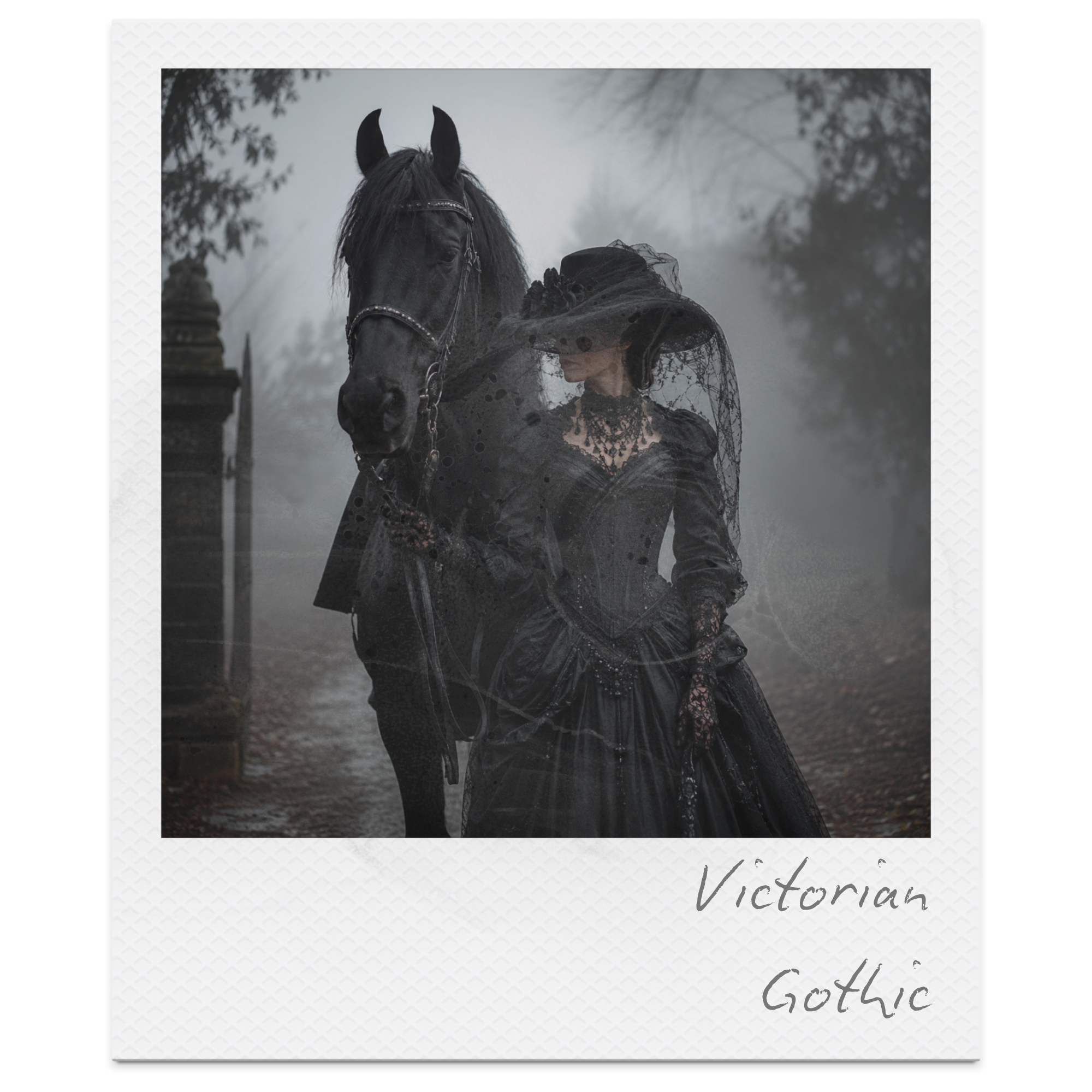
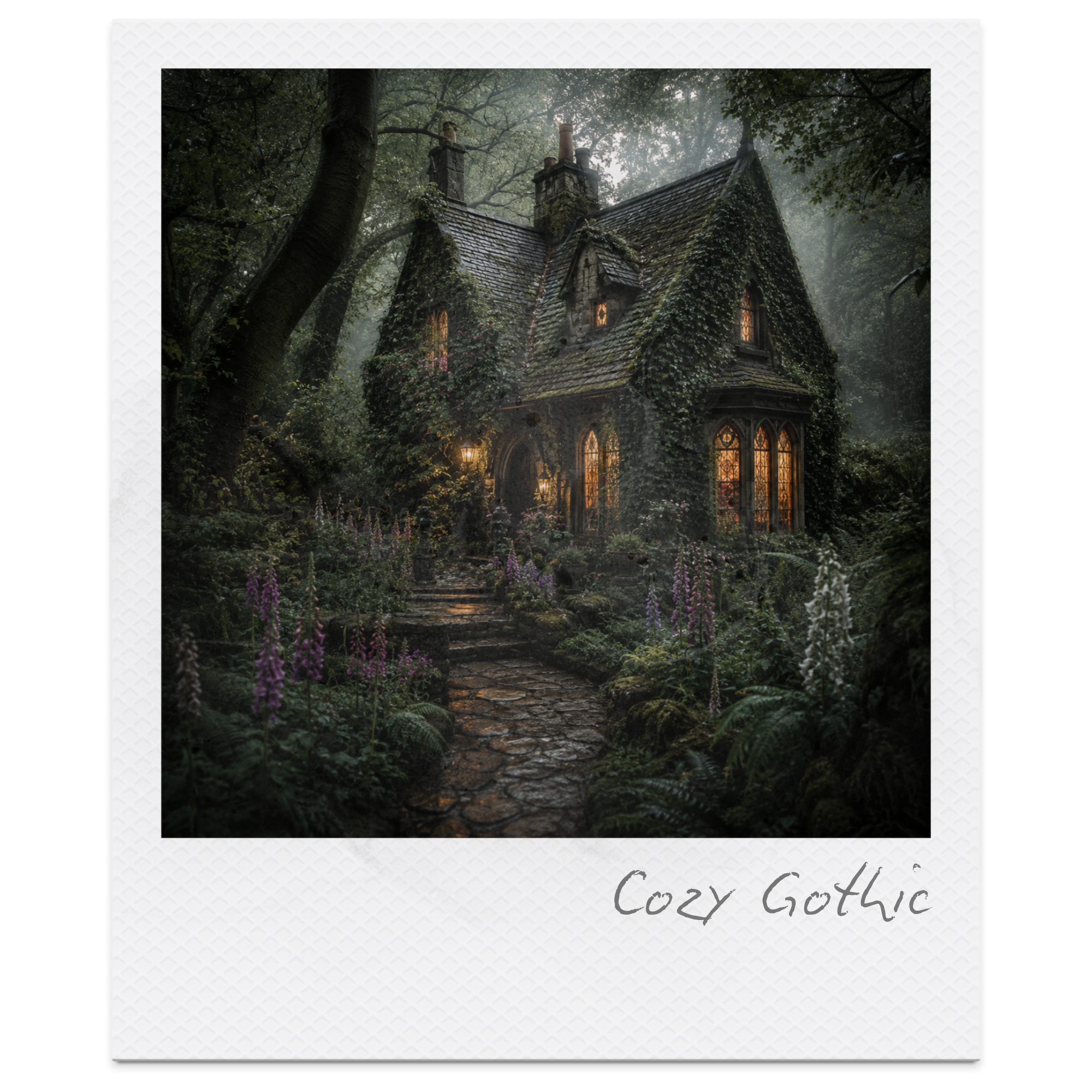
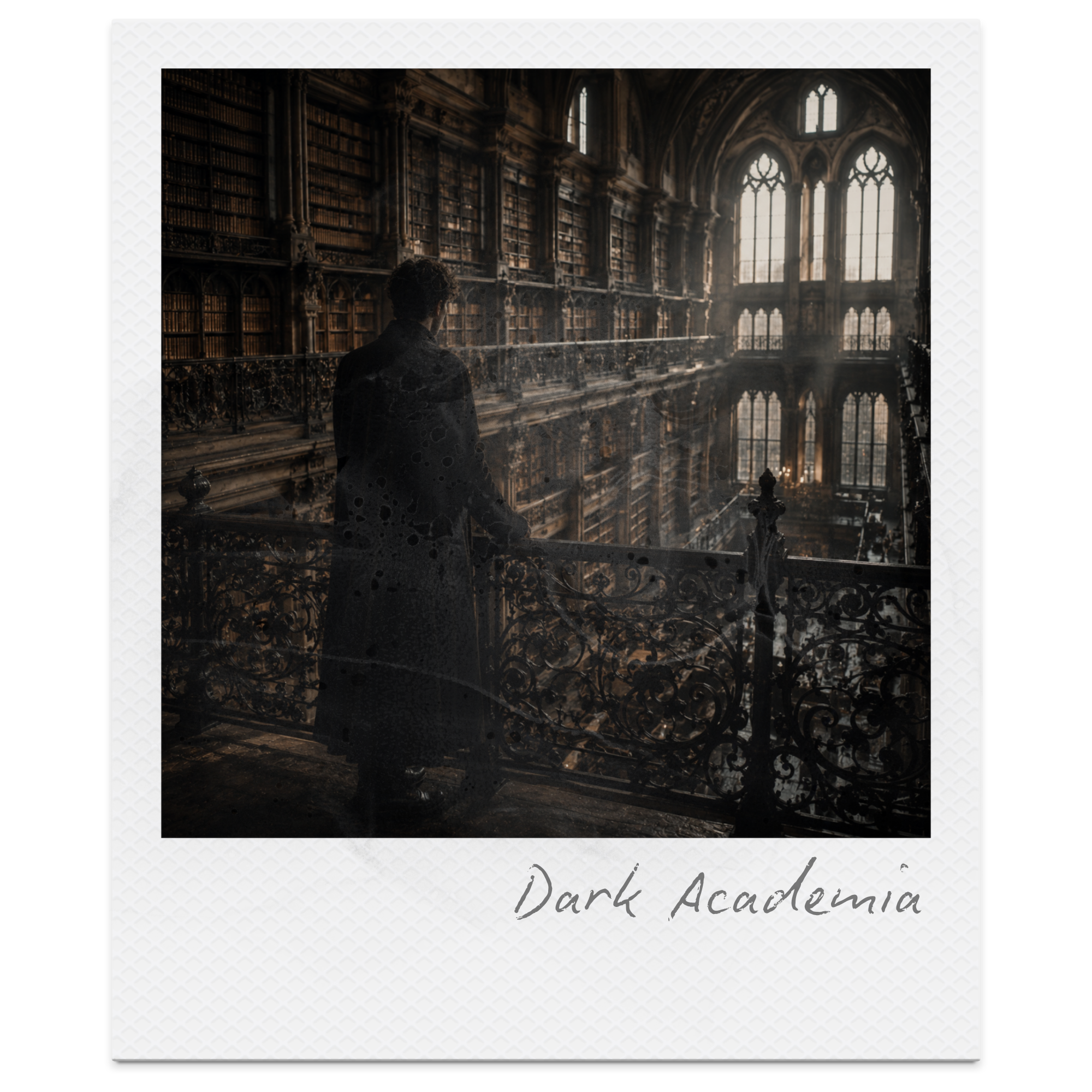
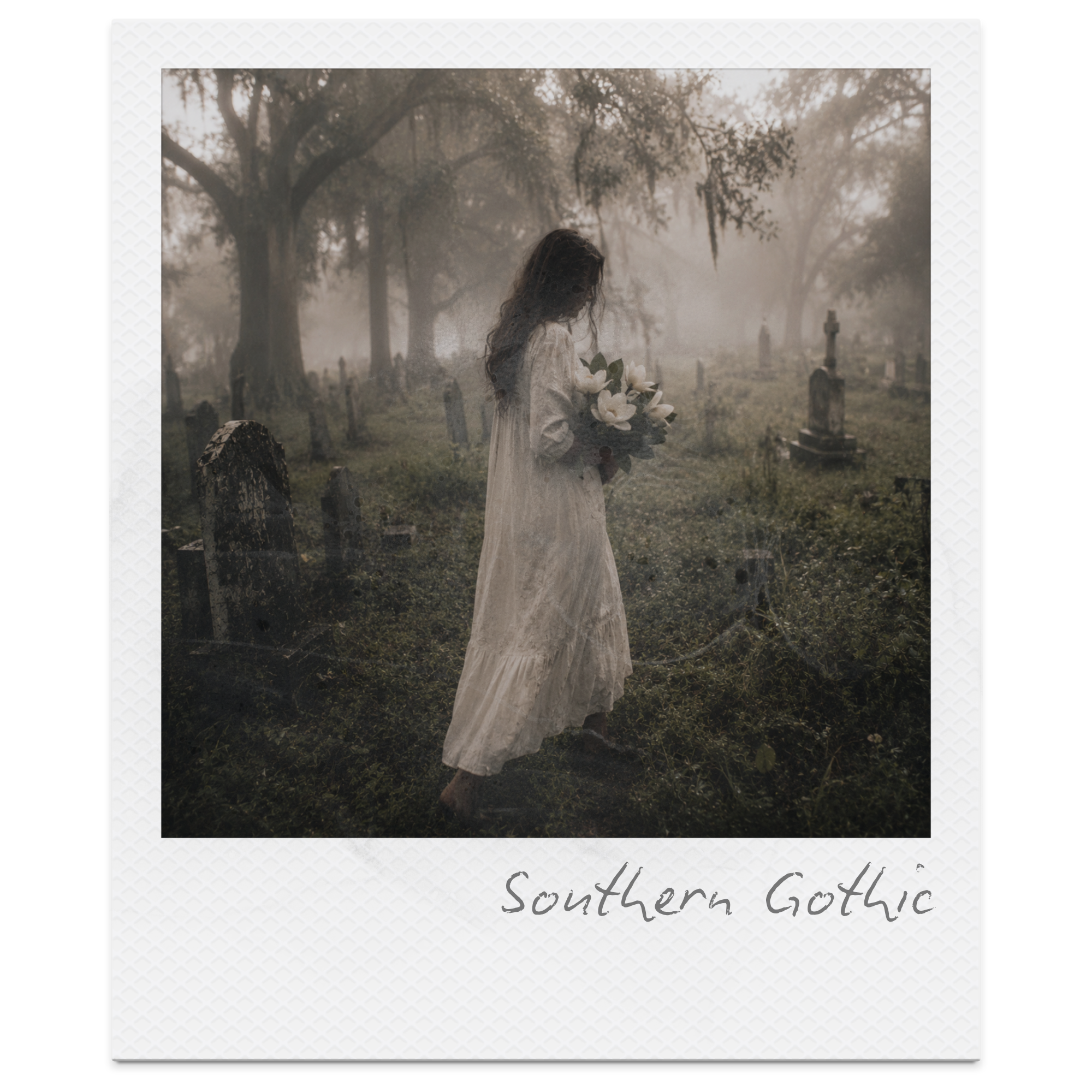
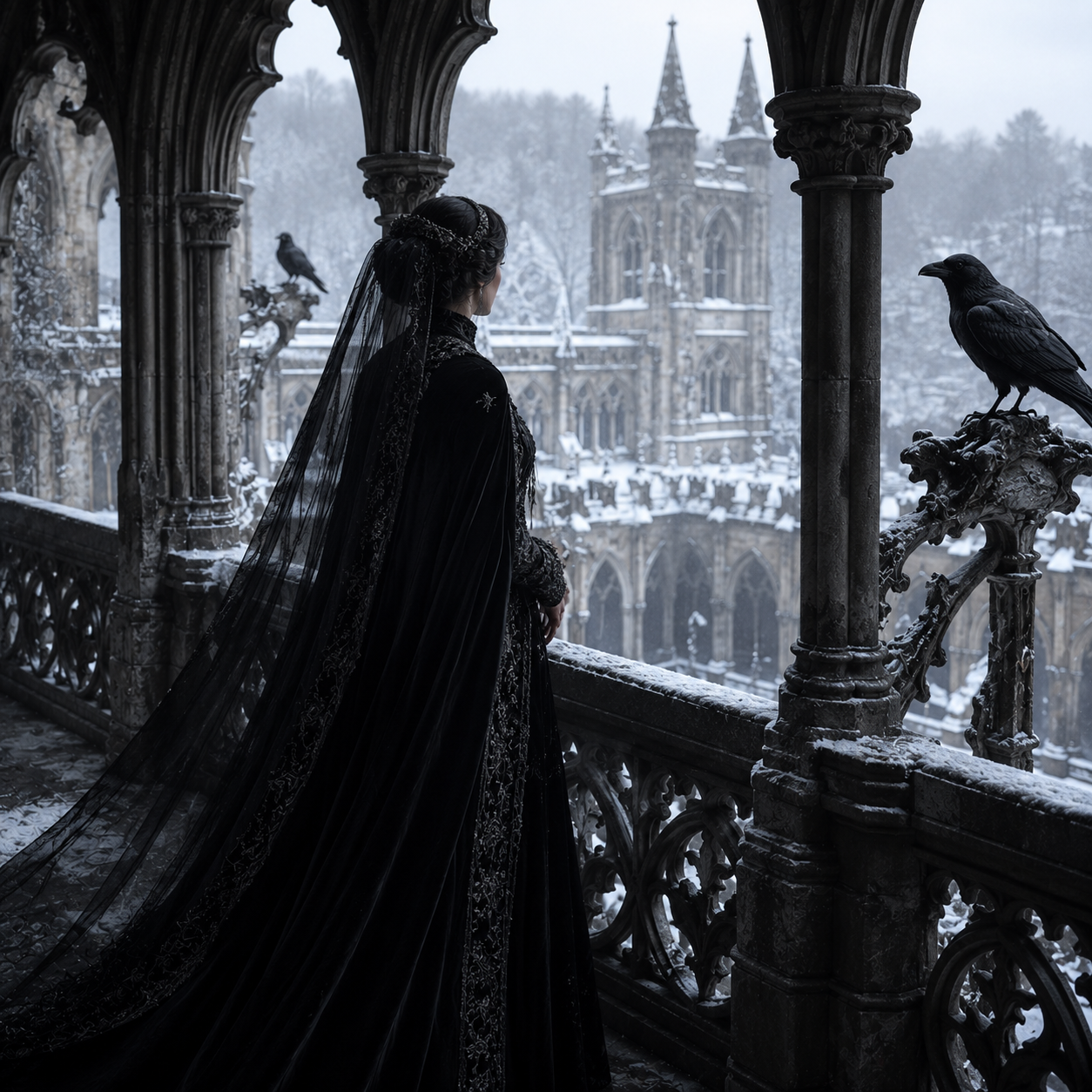
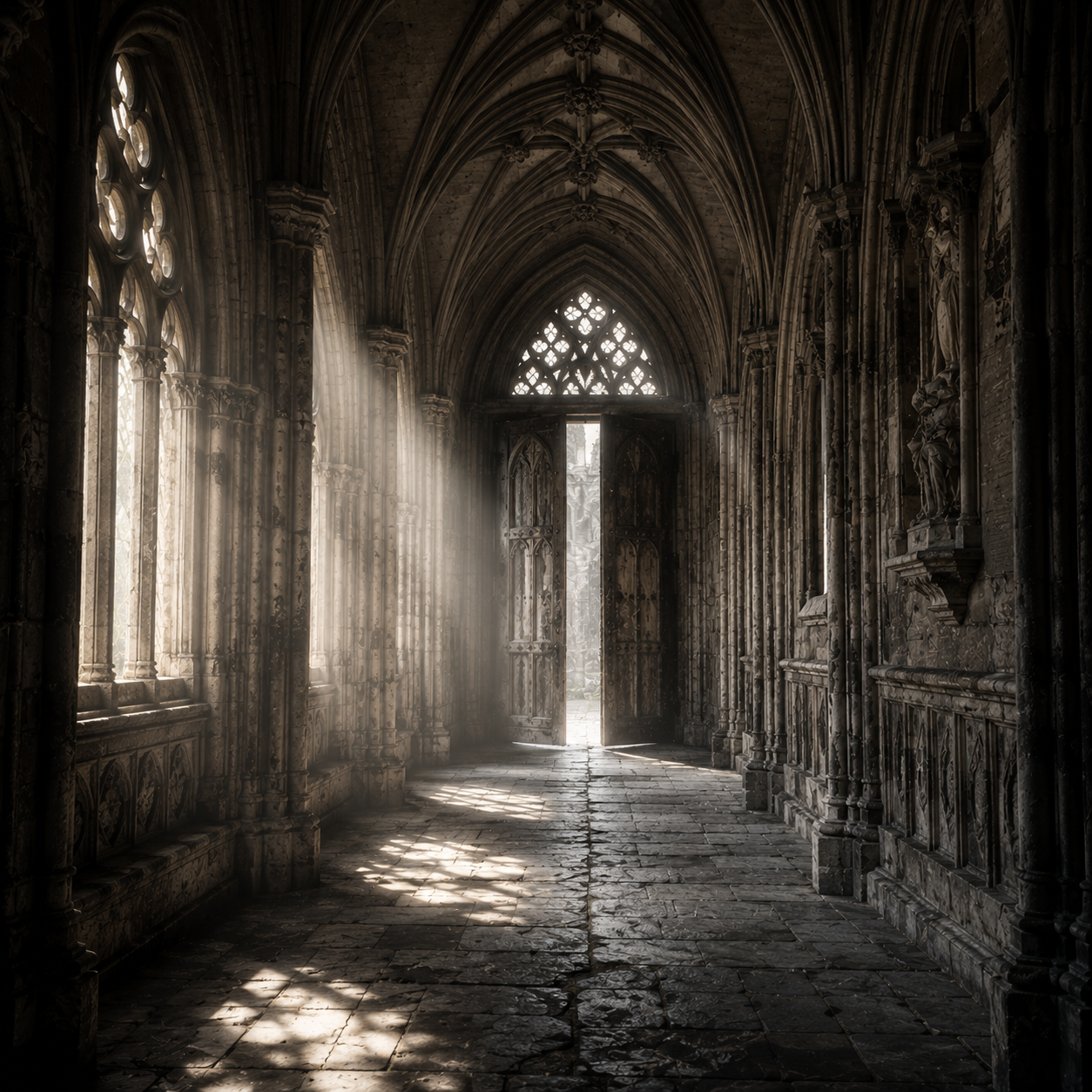
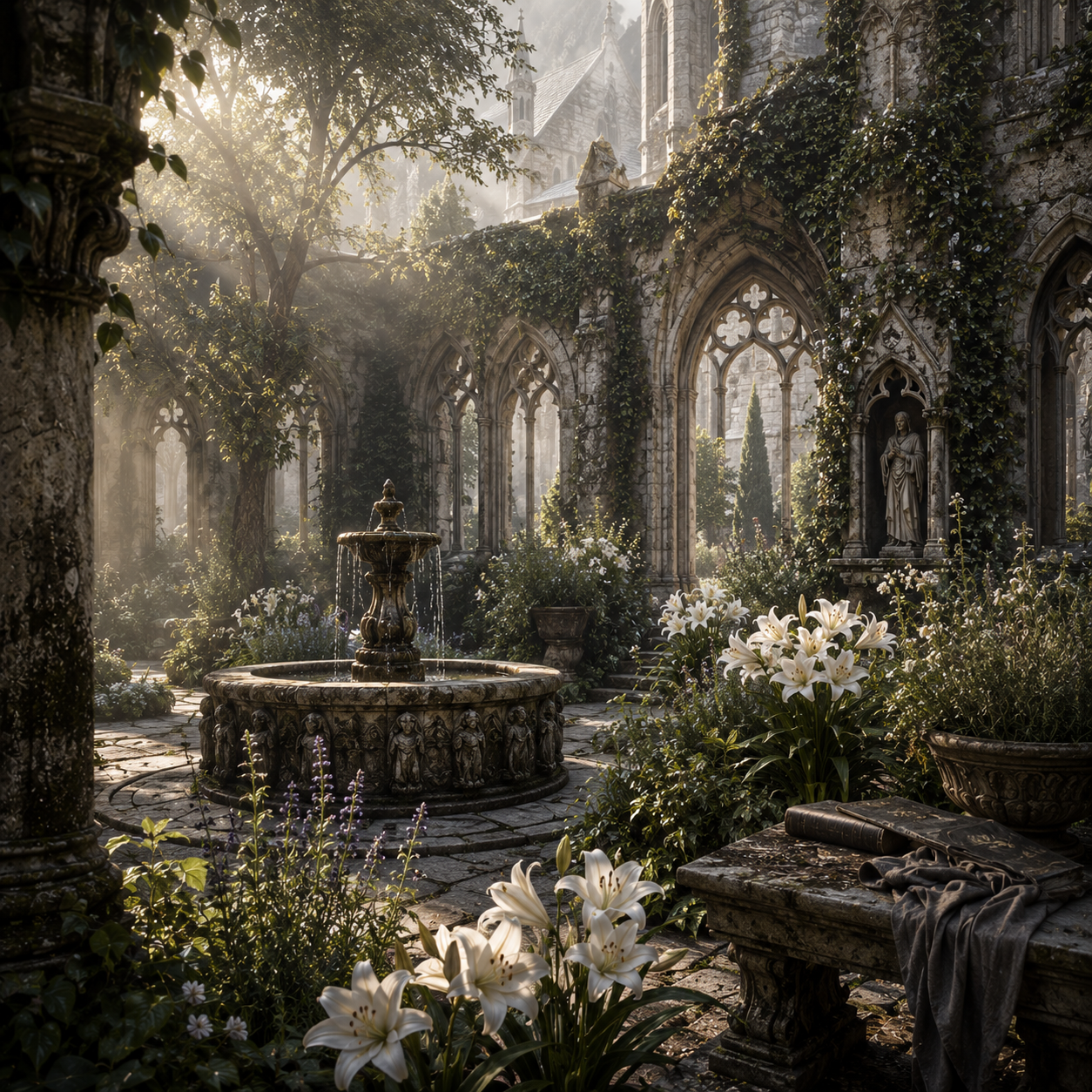
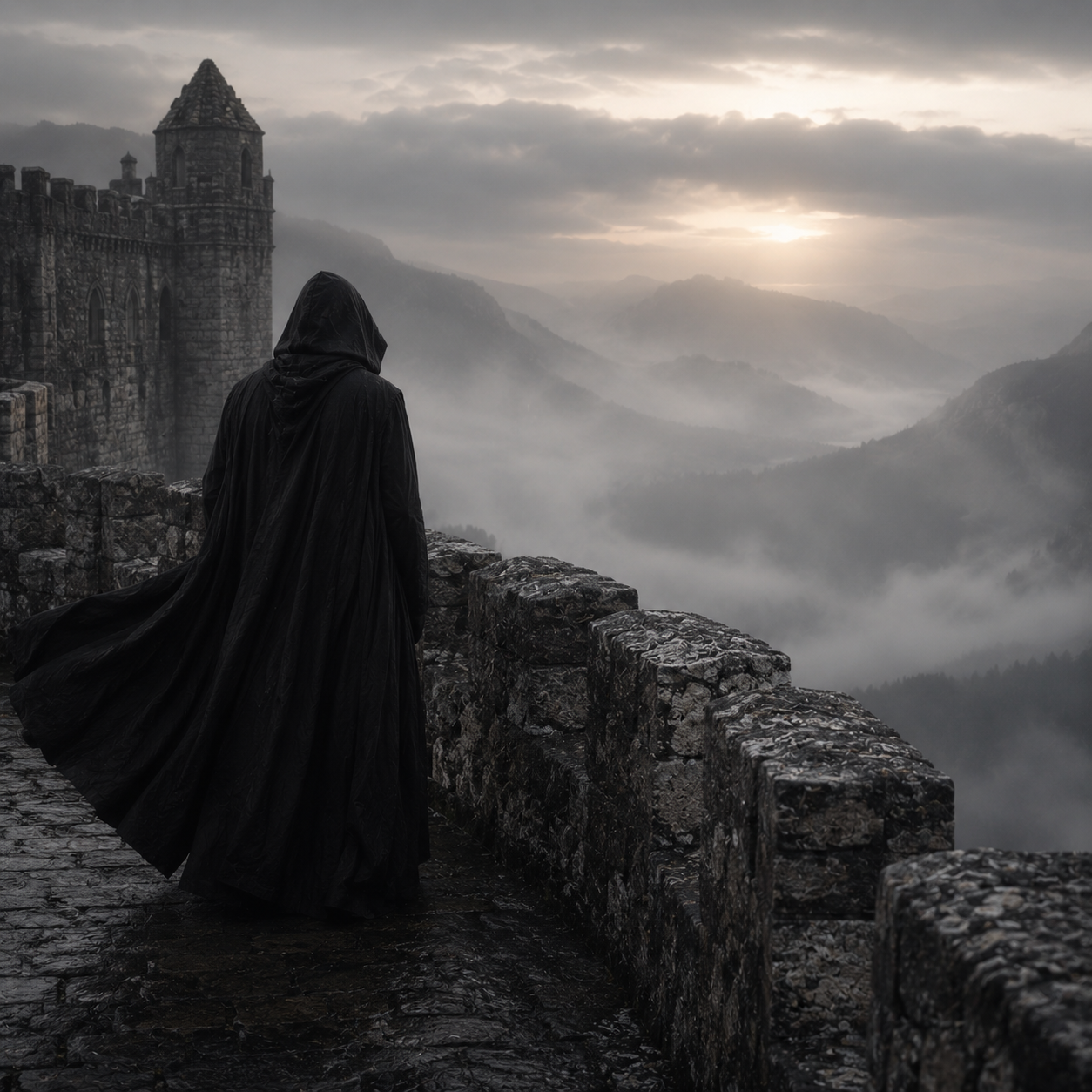
7. Picture Prompts
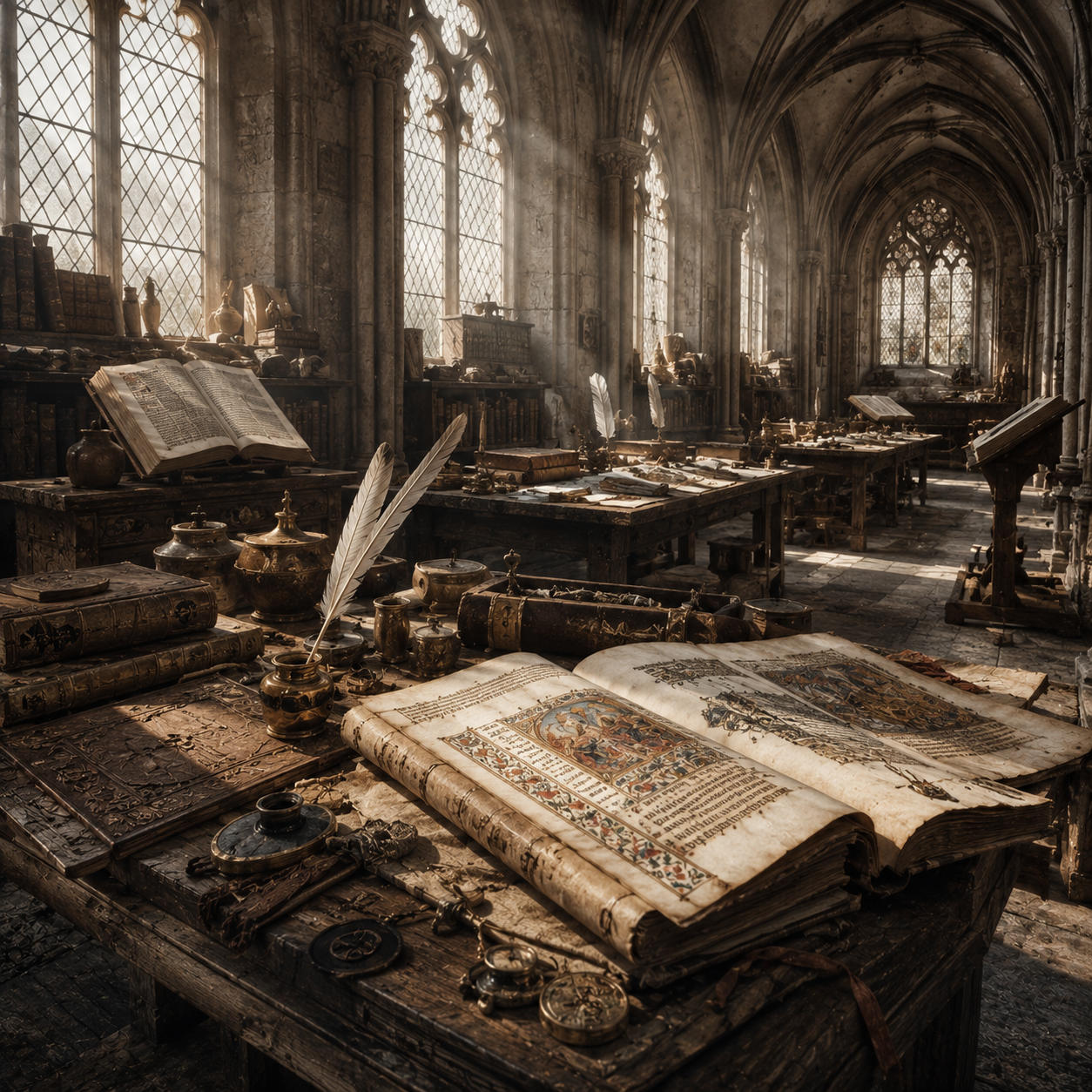
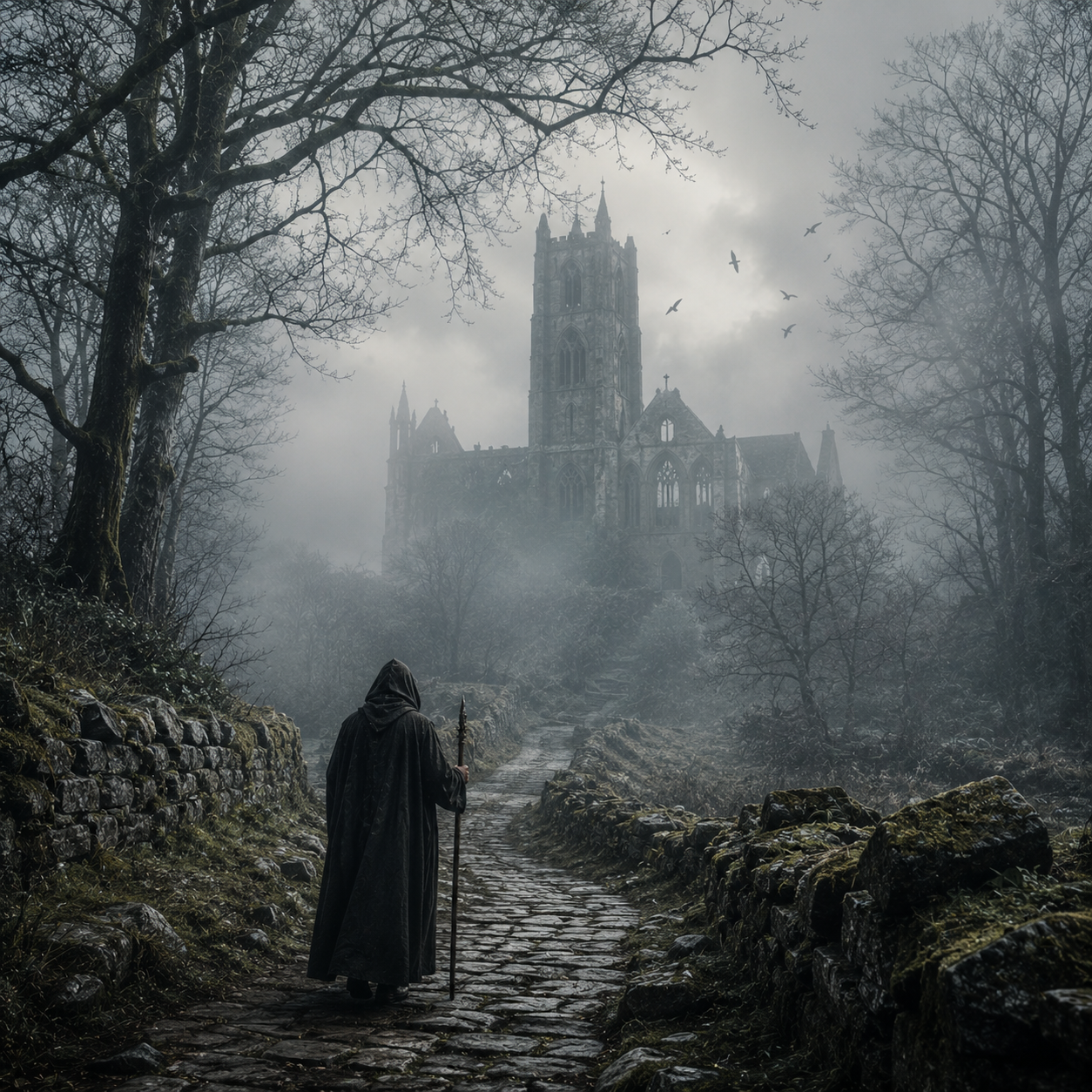
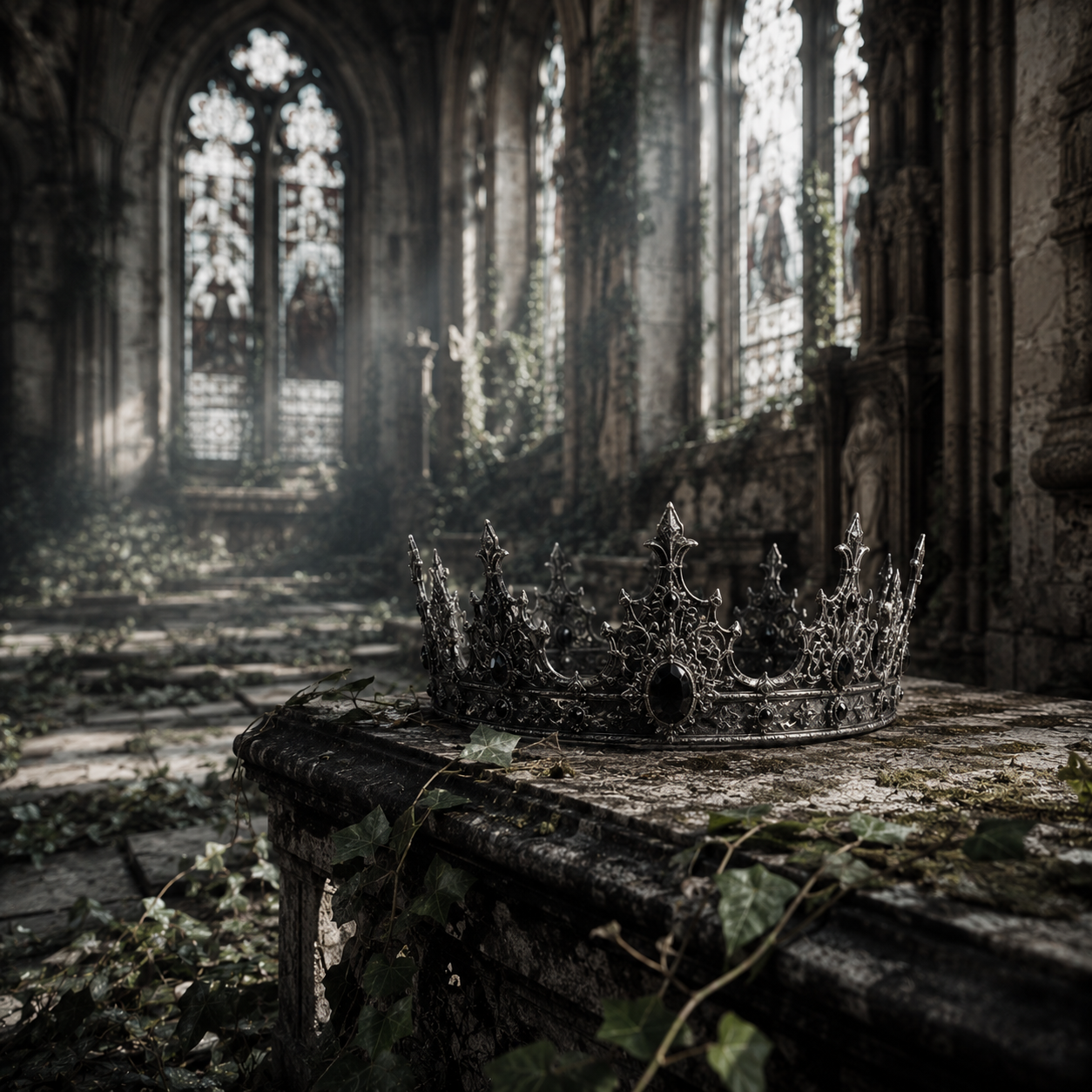
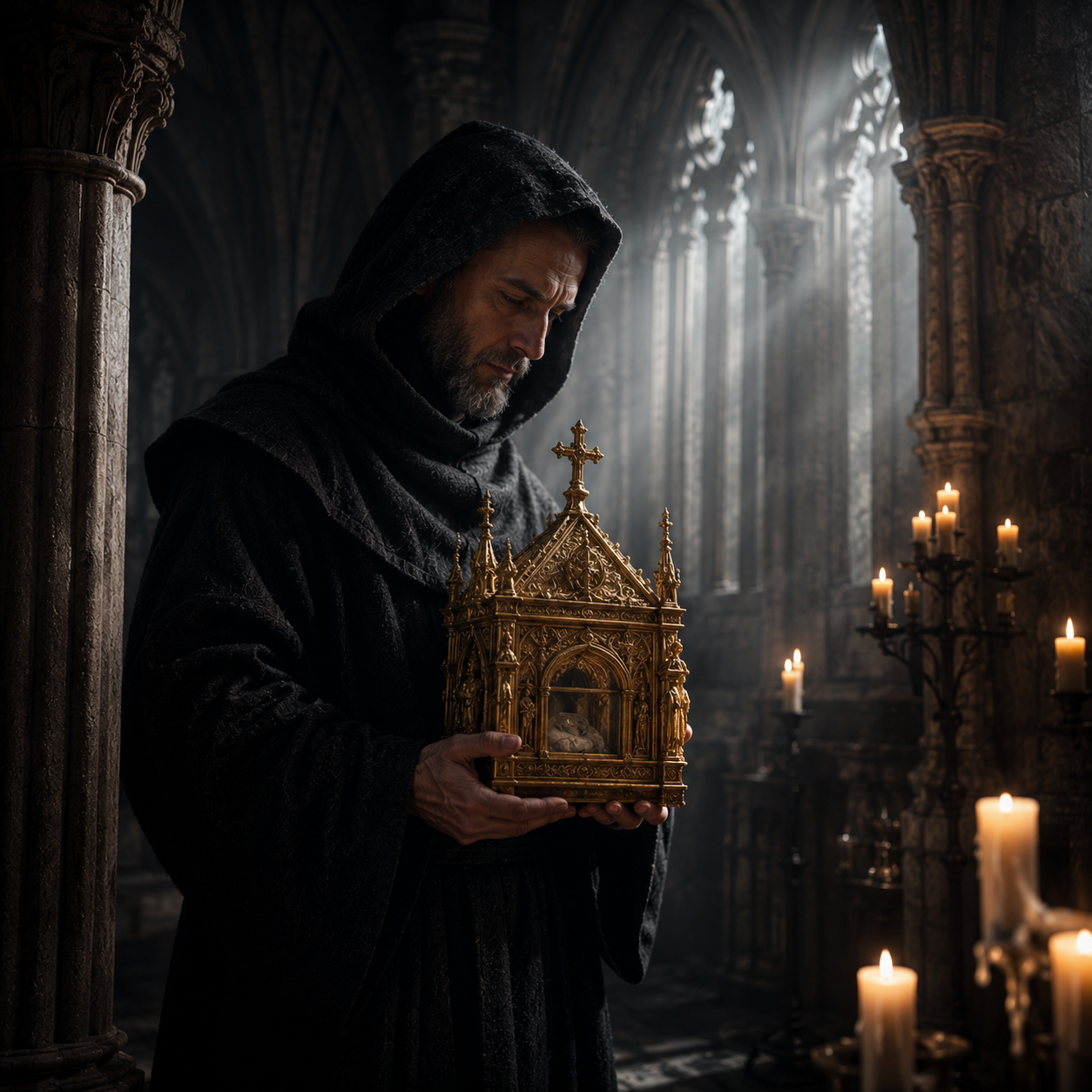
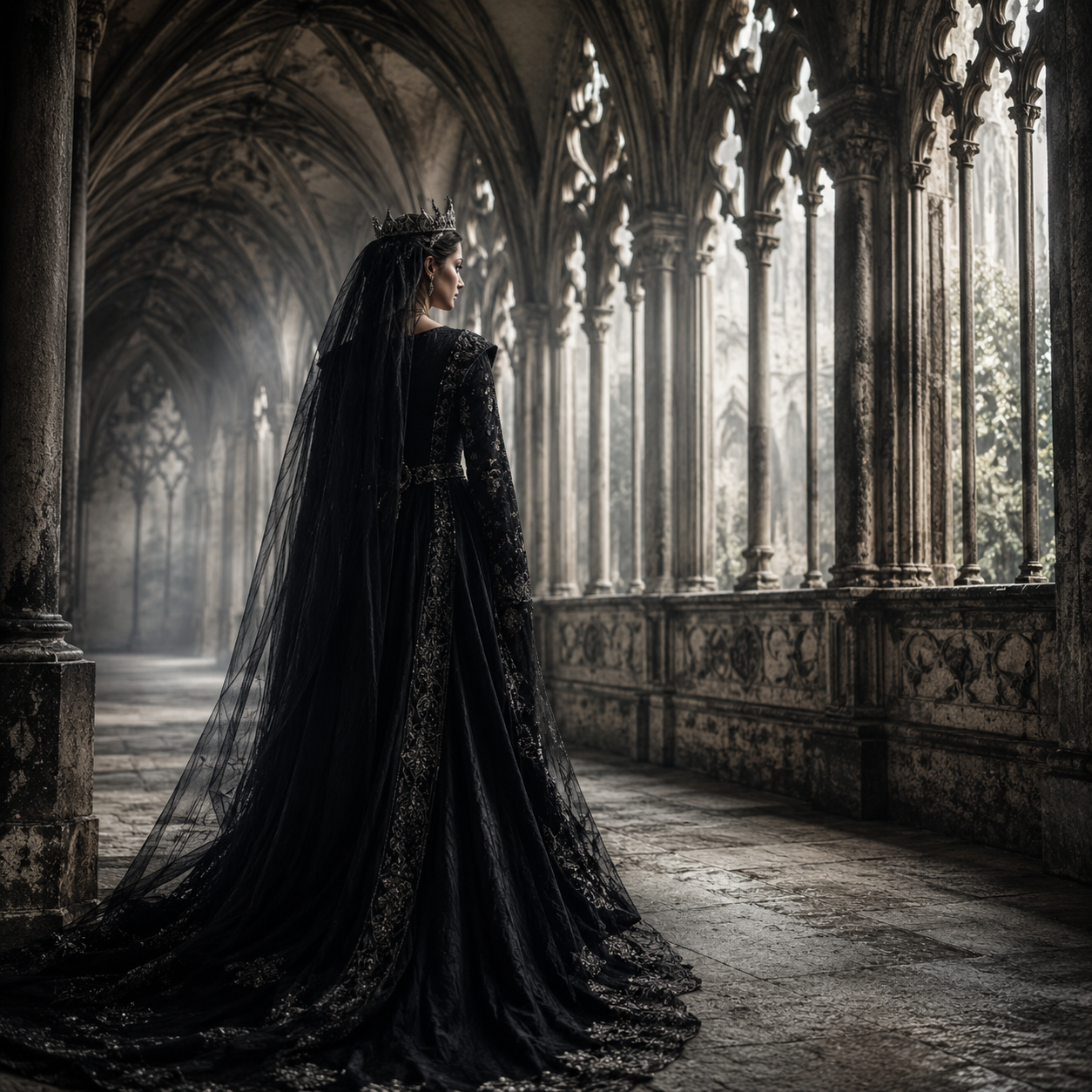
Medieval Gothic is defined by ancient stone, candlelight, sacred places, forgotten kingdoms, and landscapes shaped by centuries of history. These scenes invite stories where every ruin, relic, and weathered path conceals another legend.
Go Deeper into Medieval Gothic
Medieval Gothic draws its power from a world where faith and fear existed side by side. During the Middle Ages, unexplained events were often understood through religion, folklore, or superstition, creating the perfect foundation for Gothic storytelling. Castles guarded ancient dynasties, monasteries preserved dangerous knowledge, forests concealed forgotten shrines, and isolated villages passed down legends that blurred the boundary between history and myth. Whether your story is grounded in historical realism or embraces the supernatural, Medieval Gothic thrives on atmosphere, mystery, and the weight of centuries.
The setting should feel ancient, even to the characters themselves. Crumbling castles built upon older ruins, candlelit abbeys echoing with whispered prayers, windswept moorlands, plague cemeteries, mountain monasteries, forgotten pilgrimage routes, and forests where standing stones predate recorded history all remind readers that the past never truly disappears. Every location should suggest that countless lives, triumphs, and tragedies have unfolded there long before your story begins.
◆ Build your story around belief. Medieval society was shaped by religion, superstition, folklore, and local traditions. Characters may interpret strange events very differently depending on their faith, social status, or understanding of the world.
◆ Let architecture shape the narrative. Castles, monasteries, abbeys, cathedrals, fortified villages, crypts, towers, and ruined keeps should influence both the atmosphere and the plot, creating opportunities for hidden passages, forgotten chambers, and long-lost secrets.
◆ Use history to deepen your mystery. Ancient bloodlines, missing heirs, lost kingdoms, forgotten saints, abandoned religious orders, disputed relics, and centuries-old betrayals all provide compelling foundations for Gothic stories.
◆ Draw inspiration from medieval life. Pilgrimages, illuminated manuscripts, plague outbreaks, feudal politics, castle life, monastic scholarship, falconry, herbal medicine, and medieval justice can all enrich your world while keeping it authentic.
◆ Fill your stories with meaningful symbols. Relics, rosaries, iron keys, weathered swords, wax seals, illuminated manuscripts, carved stone effigies, family crests, church bells, and forgotten tombs can all become powerful storytelling devices.
◆ Balance realism with legend. Medieval Gothic works equally well when the supernatural is genuine or when seemingly impossible events have believable human explanations. Leaving room for uncertainty often creates the strongest atmosphere.
◆ Create morally complex characters. Knights, monks, nuns, queens, pilgrims, healers, scribes, masons, and village elders should all carry personal conflicts that extend beyond simple notions of good and evil.
◆ Remember that isolation creates tension. A monastery cut off by winter snow, a fortress surrounded by enemy territory, an island priory, or a forest village untouched by the outside world naturally intensifies mystery and allows old beliefs to flourish.
Final Thoughts
Medieval Gothic combines the grandeur of history with the timeless appeal of Gothic fiction, creating stories where castles loom above forgotten kingdoms, abbeys guard dangerous knowledge, forests hide ancient legends, and every relic carries the weight of centuries. It is a genre shaped by faith, fear, ambition, superstition, and survival, inviting writers to explore the uneasy boundary between history and myth through richly atmospheric settings and unforgettable mysteries.
These 70 Medieval Gothic Writing Prompts explore haunted castles, ruined monasteries, forgotten crypts, sacred relics, plague villages, mysterious pilgrims, ancient forests, cursed bloodlines, and hidden histories waiting to be uncovered. Whether you're writing gothic fiction, historical fiction, dark fantasy, mystery, supernatural horror, or folklore-inspired tales, these prompts are designed to help you create immersive stories filled with atmosphere, tension, and enduring mystery.
If you're looking for even more inspiration, explore the Historical Fiction Writing Hub for prompts inspired by fascinating historical periods, the Gothic Writing Hub for atmospheric writing prompts, characters, settings, names, and worldbuilding resources, or browse the Creative Writing Archive for hundreds of creative writing resources spanning gothic fiction, fantasy, horror, mystery, folklore, romance, and historical fiction.
Choose Your Next Adventure