Notes from the Inkpot
Writing, teaching, creating - one ink-stained idea at a time.


What Are Digital Writing Boxes? (And Why Teachers & Writers Are Quietly Obsessed)
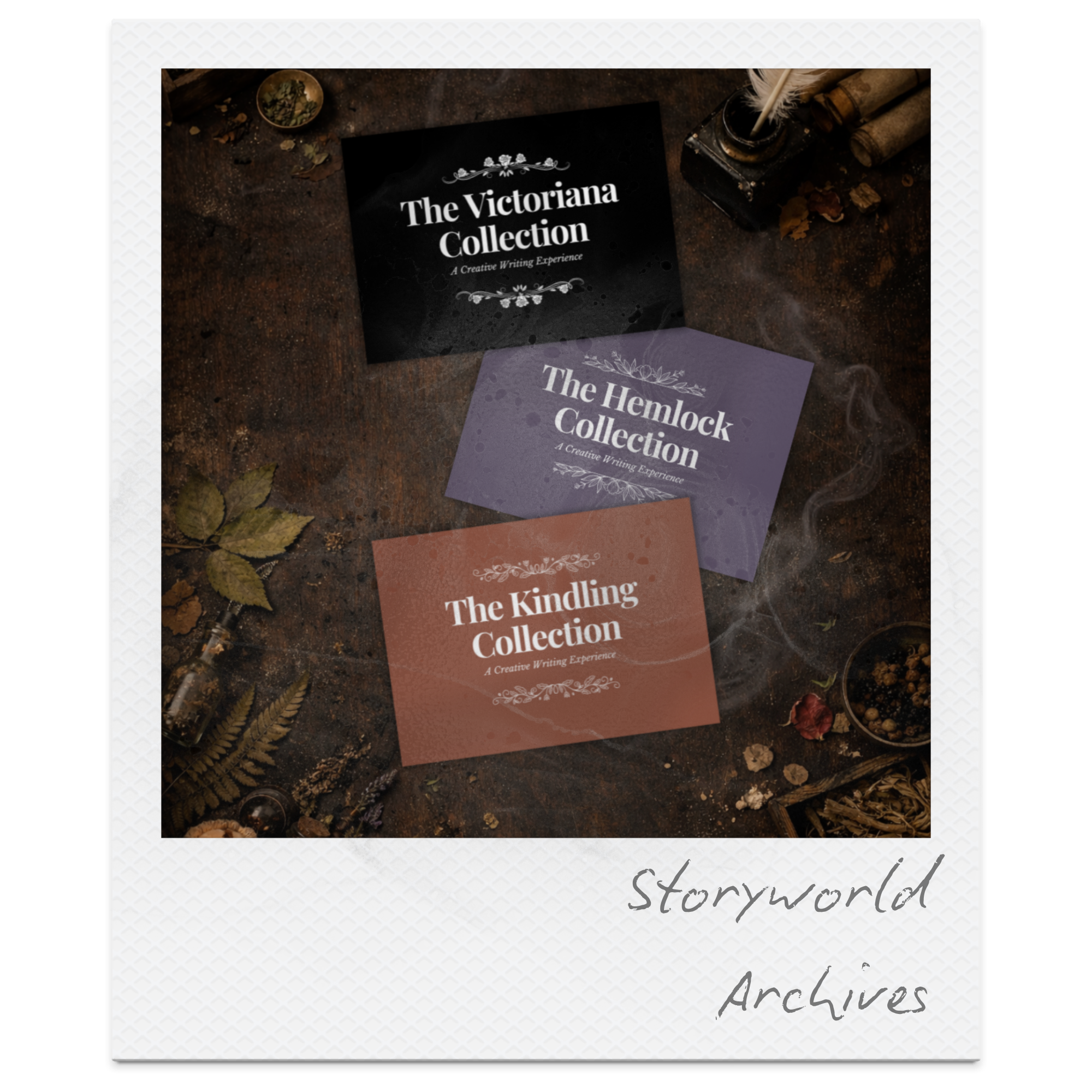
Digital writing boxes are downloadable sets of fictional relics and documents that spark creative writing through curiosity, investigation, and worldbuilding. In this post, I break down what they are, why they work for both teachers and writers, and how The Soot & Shadows Series blends historical mystery, folklore, and atmospheric relics into a flexible creative writing tool. If you’re tired of prompts that say “imagine a door…,” you’ll love this.

The Best Netflix Shows and Films to Use in the Secondary Classroom
Streaming doesn’t have to mean “switching off.” Netflix is packed with series and films that open up rich discussions in the secondary English classroom — from dystopian cautionary tales like Black Mirror to tender coming-of-age stories like Heartstopper. Used thoughtfully, these titles can spark debate, connect literature to students’ lives, and bring themes like identity, grief, and power into focus. This guide rounds up some of the best options, with classroom pairings, creative activities, and cross-curricular links to help you use screen time as a powerful teaching tool.
Micro Writing for the TikTok Generation (Why Short Bursts Spark Big Ideas)
Micro writing is about stripping things back — short bursts of creativity that can grow into something bigger. This post explores how daily prompts, complete with titles, images, opening and closing lines, and plot ideas, can be used for quick five-minute writes that fit neatly into any lesson. Think of it as a clean, minimalist approach to writing practice: simple to set up, but powerful in what it sparks.

The Hemlock Collection: A Witch Trial Mystery Across Centuries
Step into Crowhurst, 1628. A child’s screams in the night, whispered accusations, and a village consumed by fear. The Hemlock Collection is a digital-first creative writing mystery that blends witch trials and folklore with the modern-day disappearance of Beth Crowhurst in 2023. Through letters, grave rubbings, diary entries, and newspaper clippings, students and writers are invited to investigate both timelines and craft their own stories from the shadows left by history.

1000 Creative Writing Prompts: Spark Imagination in Every Classroom and Notebook
Discover a free collection of 1000 Creative Writing Prompts designed to spark imagination in every classroom and notebook. From eerie openings to beautiful settings and clever twists, this downloadable PDF is packed with story ideas for teachers, students, and writers who want to make creativity part of their daily routine.
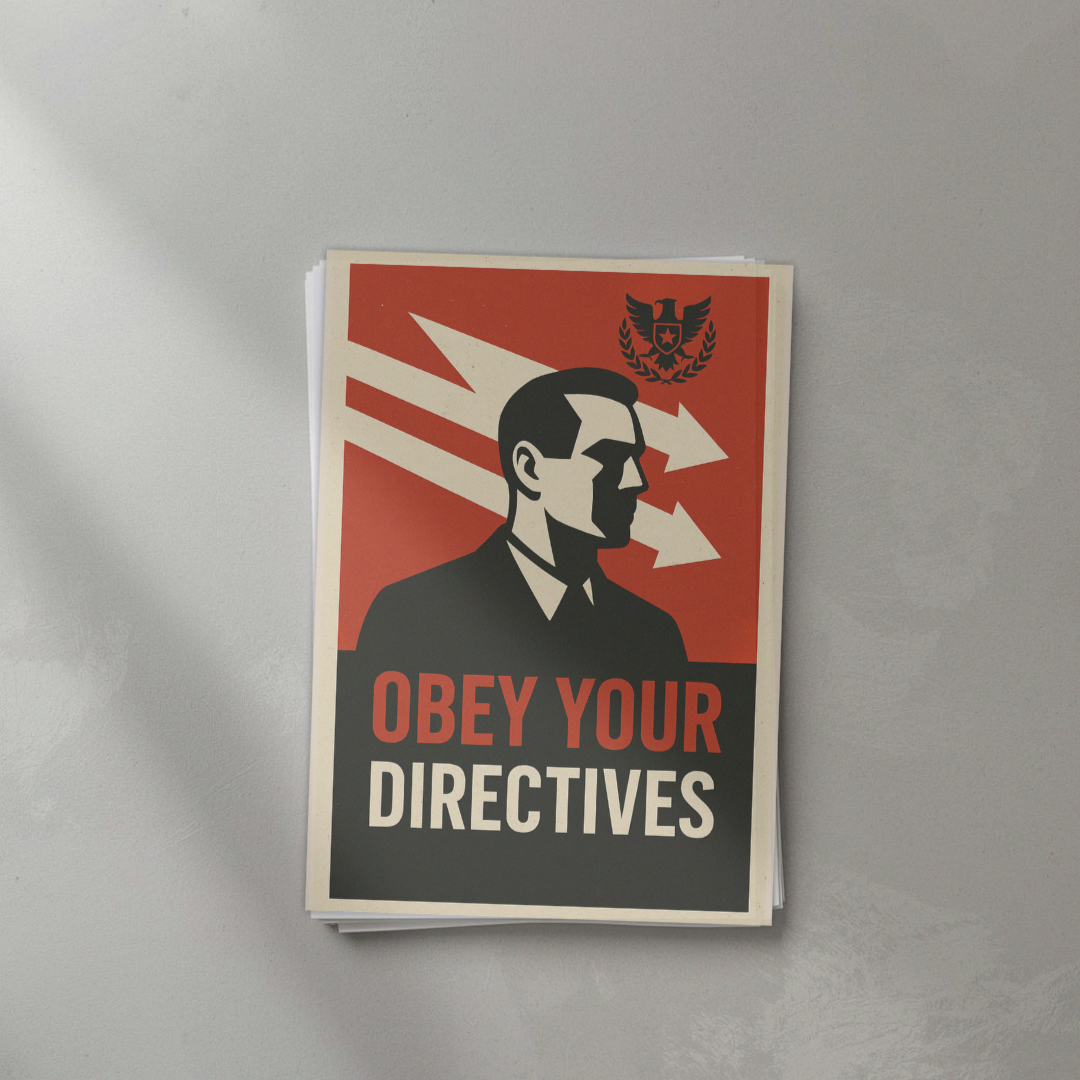
The Silent Directive: A Creative Writing Box Inspired by a World Without Sound
What if silence wasn’t a choice, but the law? In our latest writing boxThe Silent Directive, citizens live under a regime where sound itself is treason. Broadcasts, memos, detention registers, and propaganda leaflets reveal a world where silence is loyalty, silence is safety, and silence is survival. Unlike my other writing boxes, this one doesn’t whisper secrets — it issues orders in plain sight.

Why I Swear by Picture Prompts for Teaching Literature (And How to Use Them)
Picture prompts aren’t just for creative writing units — they can transform the way students connect with literature. Whether you use them to spark predictions before reading or to inspire a fresh take after finishing a text, the right image can flip the switch from passive reader to active thinker. Here’s how I use picture prompts to teach language through literature, keep lessons fresh, and make analysis feel less like a chore.

Creative Writing Lessons That Feel Like Time Travel: How I Use Writing Boxes in the Classroom
Tired of blank stares during creative writing lessons? These immersive story boxes turn students into detectives, poets, and storytellers. From séance invitations to village festivals with a secret, here’s how I use creative writing boxes to spark serious engagement (and save my sanity) in the classroom.

7 Free English Classroom Resources I Actually Use (And Still Love)
Seven free English teaching resources I’ve actually used in real classrooms. From creative writing prompts to post-reading tasks, these are my go-to freebies that still hold up, and they’re all ready to download.

The Ashridge Collection: A Free Creative Writing Resource for Curious Students and Tired Teachers
Tired of worksheets? The Ashridge Collection is a free printable creative writing mystery designed for curious classrooms. Built from letters, diary entries, and eerie school documents, it invites students to step into a story, and shape it themselves.

7 Surprisingly Creative Ways English Teachers Can Use AI (That Don’t Involve Marking Essays)
Most AI-in-education advice focuses on grading and admin. But in the English classroom, that’s not always the issue that needs to be solved. This post shares 7 genuinely creative ways to use AI that support writing, analysis, differentiation, and reading, all designed to save time without losing your voice as a teacher.

Famous First Lines as Writing Prompts: How to Spark Creativity Without Reinventing the Wheel
First lines are where everything begins -and for writers, they’re often the hardest part. That pressure to hook the reader immediately can be overwhelming. That’s exactly why I started collecting real first lines from published novels.
I use these with students to take the pressure off. Instead of staring at a blank screen, they start with something brilliant and build from there. It gives them structure and freedom all at once. It’s a reminder that writing isn’t about perfection. It’s about momentum.
Some lines are eerie. Some are emotional. Some are bold, jarring, or just weird enough to make you lean in. But the best ones all do the same thing: they open a door.
And that’s what these prompts are about. Opening the door, so the story can step through.