Notes from the Inkpot
Writing, teaching, creating - one ink-stained idea at a time.


The Real Point of A Christmas Carol: Meaning, Context, and Why We’re Still Missing It in the Classroom
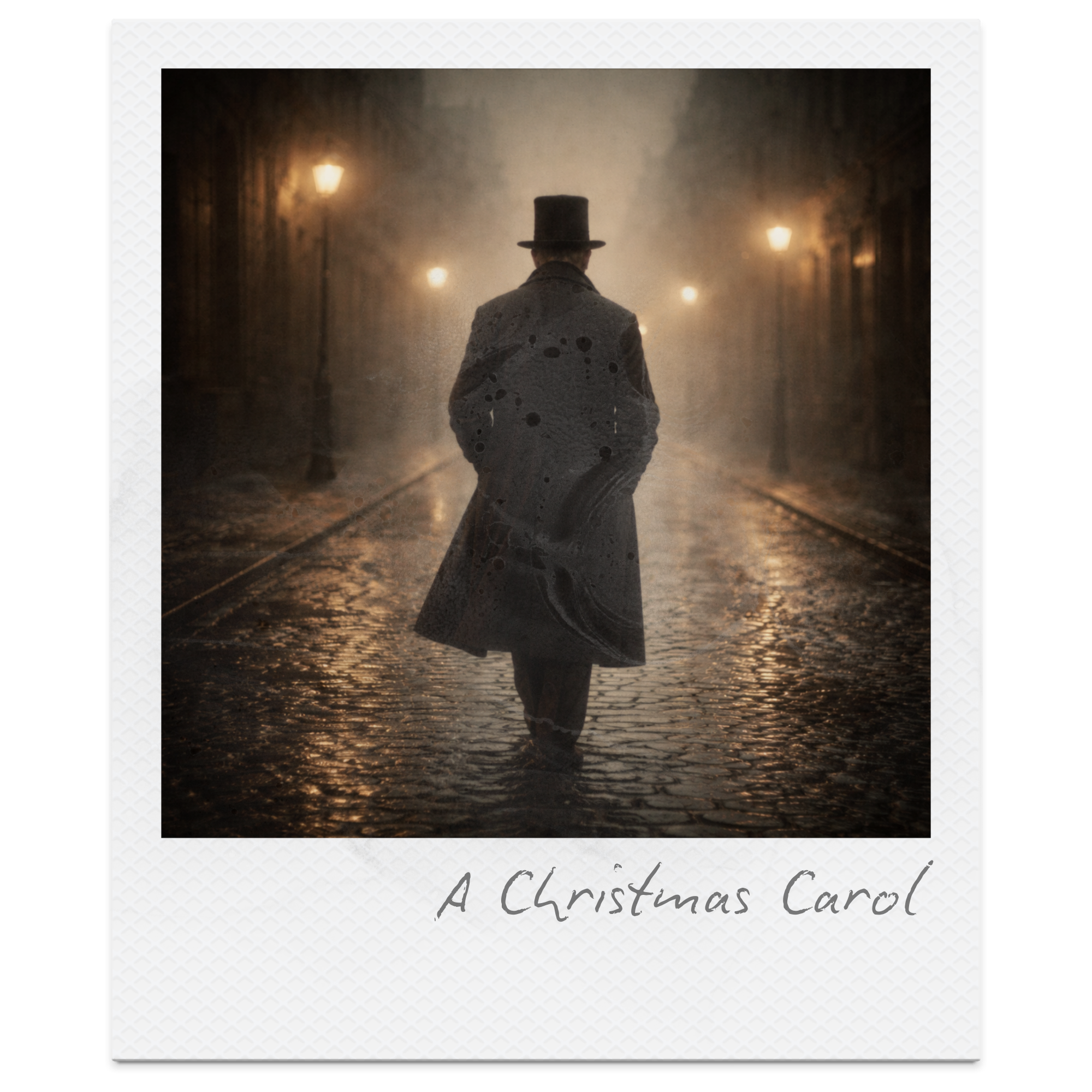
A Christmas Carol is often taught as a simple story of personal redemption, but Charles Dickens wrote it as a fierce critique of poverty, inequality, and social responsibility. Beneath the familiar ghosts and festive imagery lies a political text that challenges readers to confront the systems that allow suffering to persist. This post explores the real meaning of A Christmas Carol in the classroom, examining Dickens’ purpose, key ideas, and modern relevance. With clear analysis, teaching insights, and discussion extensions, it shows how the novella works not just as a set text, but as a demand for action — making it more powerful, relevant, and challenging for students today.
Why Silent Debates Might Be the Best Thing I Ever Did in an English Classroom
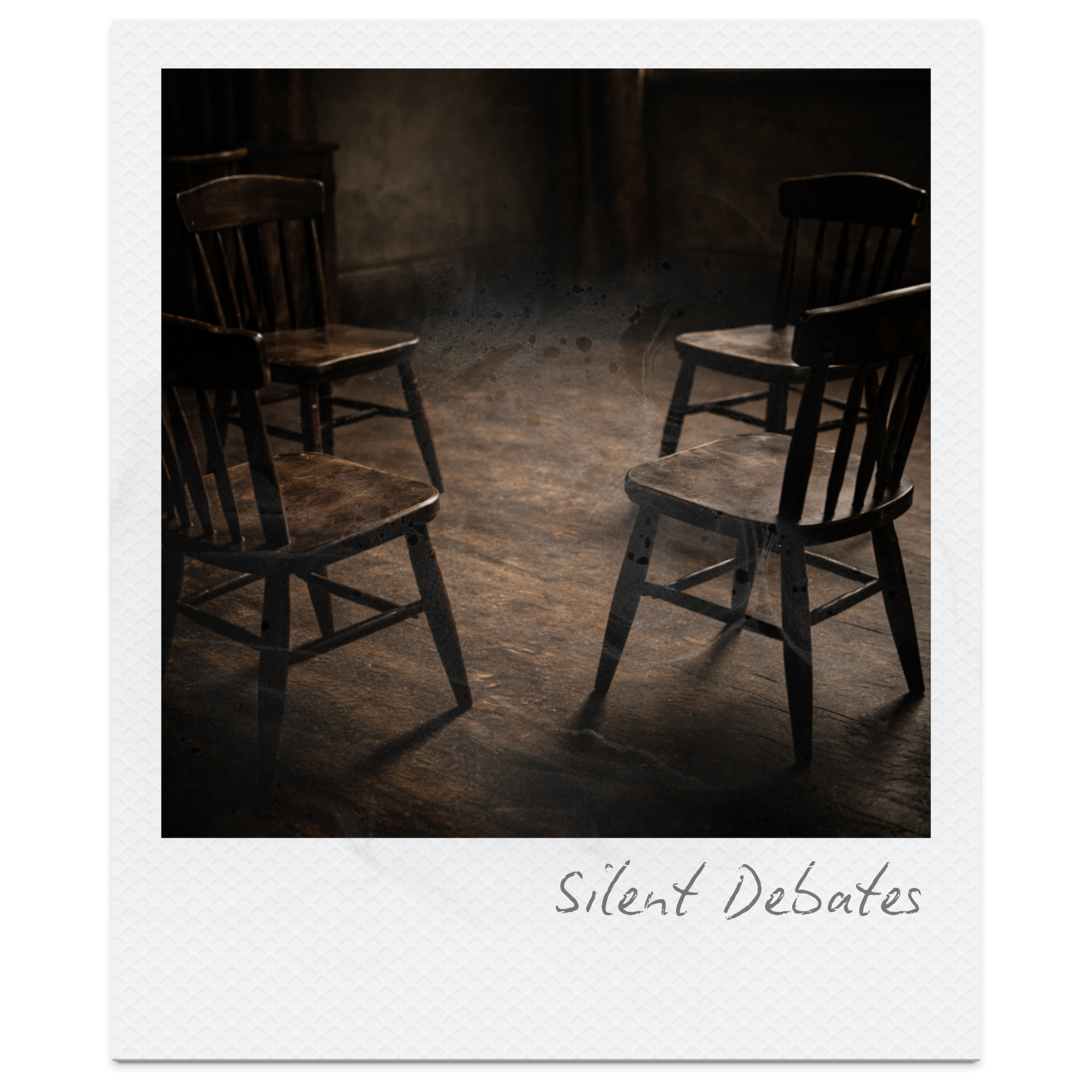
Silent debates are one of the most effective classroom discussion strategies for engaging every student — especially quieter learners who struggle with traditional whole-class discussion. By shifting debate into writing, silent debates create space for students to explore ideas, challenge interpretations, and respond to others without the pressure of speaking, leading to deeper and more thoughtful engagement with texts. This ultimate guide to silent debates in the English classroom explains what they are, why they work, and how to run them effectively before, during, and after reading. With practical steps, extension ideas, and clear links to essay writing and revision, it shows how silent debates build independent thinking, support strong analysis, and help students move beyond memorised responses.
Roll-the-Dice Discussion Boards for Literature | A Student-Led Alternative to Traditional Questions
Traditional literature discussion questions don’t always work. Too often, the same few students dominate while others stay silent or disengaged. Roll-the-Dice Discussion Boards offer a student-led, gamified alternative that transforms classroom discussion into something more inclusive, thoughtful, and genuinely engaging. In this post, I explain why I swapped traditional discussion questions for roll-the-dice boards, how they work in real KS3–KS5 classrooms, and why they lead to deeper interpretation across poetry, novels, short stories, and Shakespeare. You’ll find practical classroom tips, teacher feedback, free examples to try, and ideas for building confident, meaningful literary discussion.