10 Graphic Novels for Reluctant Readers (That Actually Work in the Classroom)
Graphic novels are one of those things teachers used to whisper about, like we were breaking some sacred literacy rule by letting students read books with pictures. Thankfully, we’ve collectively recovered from that, and we now acknowledge that text + image doesn’t make a book “easier” — it often makes it more layered and more accessible.
For reluctant readers, graphic novels can be the thing that stops reading from feeling like punishment, especially if you have students who associate books with past failure, boredom, or worksheets that asked them to “find three quotes that show…”
(If you need to convince anyone that rules around reading can be flexible, I’ve written about that in 10 Personal Reading Rules We Should Let Students Break.)
Today’s post is a quick breakdown of why graphic novels work so well for reluctant readers and 10 great classroom-friendly titles you can recommend without regret.
Why Graphic Novels Have Real Value
Graphic novels are not “books with training wheels.” They require different — and sometimes more — cognitive work than prose alone, including:
◆ visual inference skills
◆ decoding facial expressions + body language
◆ interpreting panel sequencing + pacing
◆ synthesising text and image simultaneously
◆ tracking narrative without omniscient exposition
Students who struggle with walls of text often thrive when information is distributed visually.
Graphic novels also allow students to experience:
◆ complex themes
◆ non-linear storytelling
◆ diverse voices
◆ contemporary issues
◆ humour, pacing, and tone
without the immediate overwhelm that stops so many from getting past page one.
Why Reluctant Readers Respond So Well
Reluctant readers aren’t allergic to stories — they’re allergic to failure, boredom, and pressure. Graphic novels reduce all three:
◆ Failure: fewer dense blocks of text = less cognitive fatigue
◆ Boredom: pacing is faster, humour hits differently, visuals add energy
◆ Pressure: finishing a book feels achievable, which builds momentum
Plus, for some students, having a physical book that doesn’t scream “remedial reader” is a dignity issue. Graphic novels often look cool, contemporary, and intentional — not babyish, not punitive.
Some of the links below are affiliate links, which just means if you buy via that link I may earn a small commission at no extra cost to you. It helps keep the coffee flowing and the blog running.
10 Graphic Novels for Reluctant Readers
Here are ten titles that consistently land with students who think they “don’t read” — until they actually do.
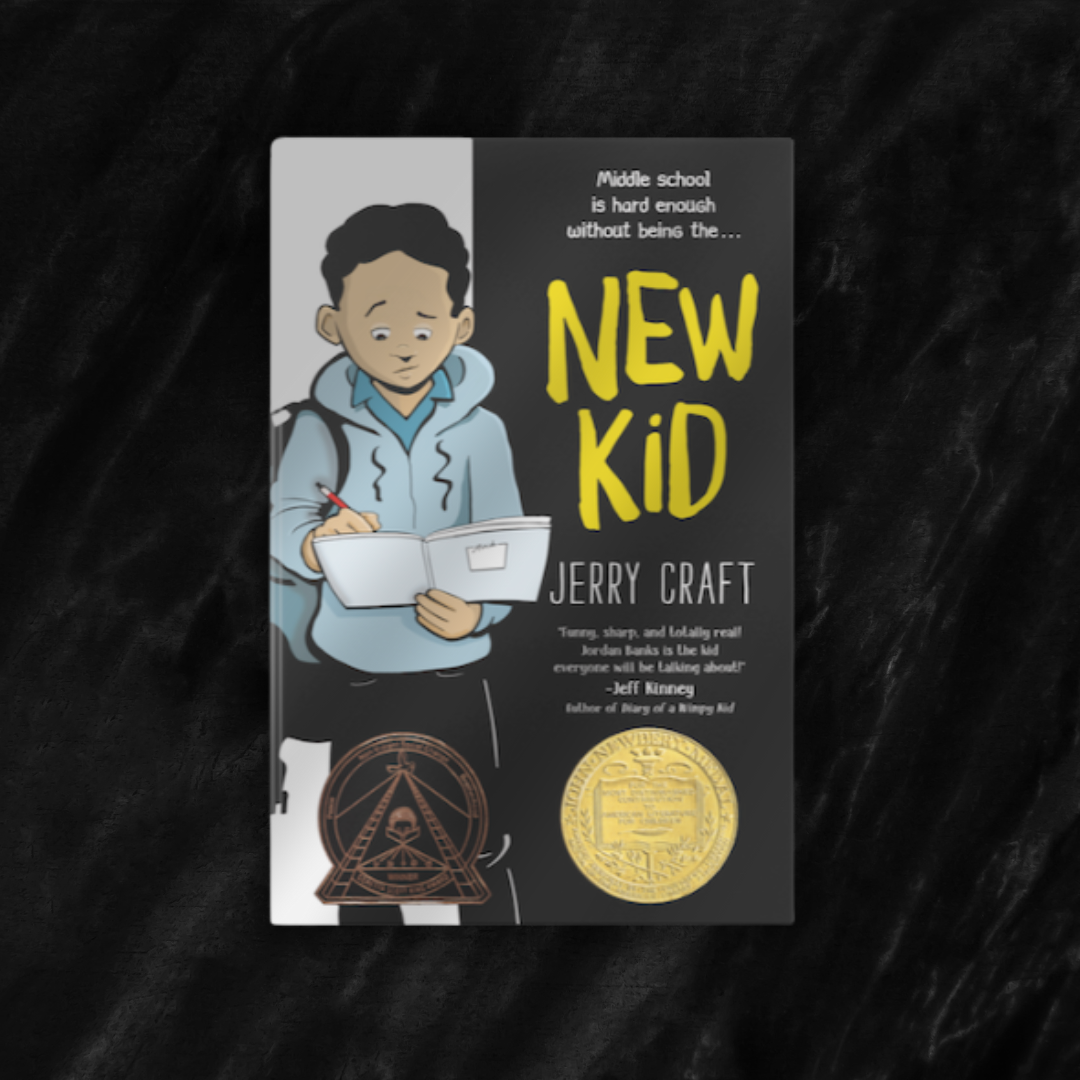
1. New Kid — Jerry Craft
What it’s about:
Jordan, a Black seventh-grader, starts at a prestigious (and very white) private school and navigates culture shock, microaggressions, and the general weirdness of middle school.
Why it works:
◆ funny without being trivial
◆ deeply relatable social dynamics
◆ contemporary setting + quick pacing
◆ students see themselves in it
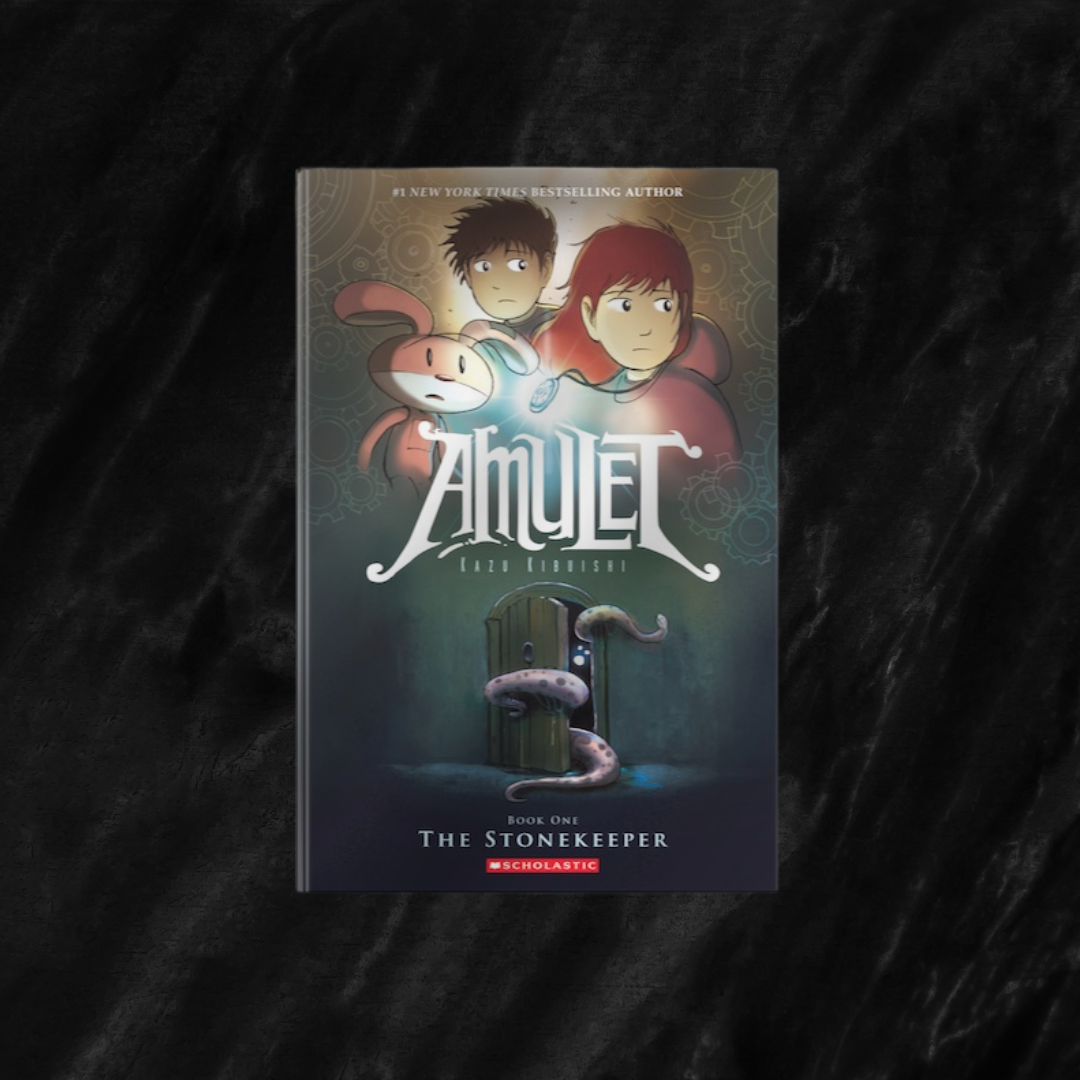
2. Amulet (Series) — Kazu Kibuishi
What it’s about:
Two siblings discover a magical world filled with danger, robots, and talking animals after moving into their great-grandfather’s house.
Why it works:
◆ fantasy + adventure = easy hook
◆ series = sustained reading habit
◆ visual world-building is stunning
◆ perfect for students who love anime/manga vibes
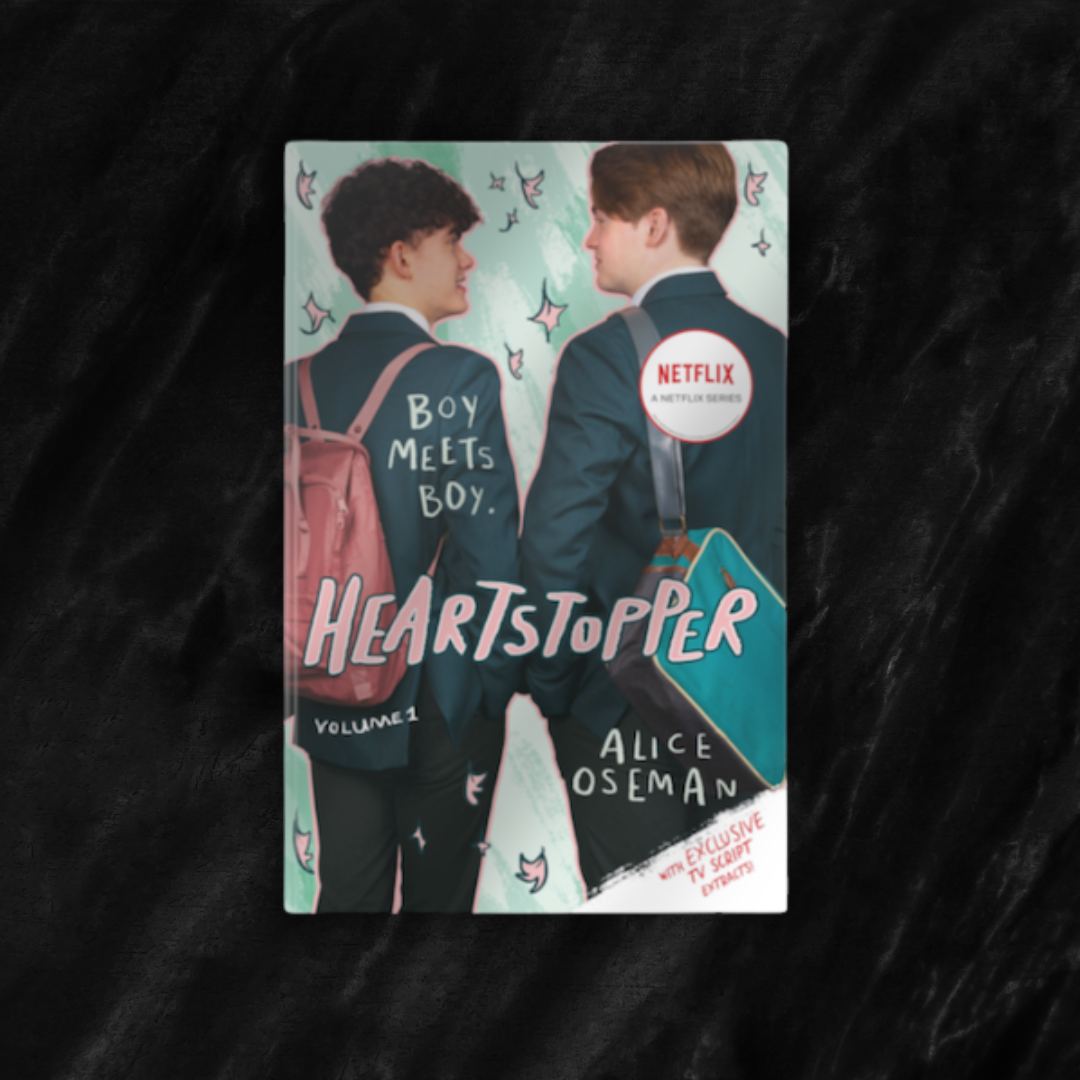
3. Heartstopper — Alice Oseman
What it’s about:
A gentle, slow-burn romance between two boys navigating friendship, identity, and school life.
Why it works:
◆ low-stress, high-emotion storytelling
◆ humour + relatable characters
◆ tackles identity sensitively without trauma spectacle
◆ builds reading confidence fast
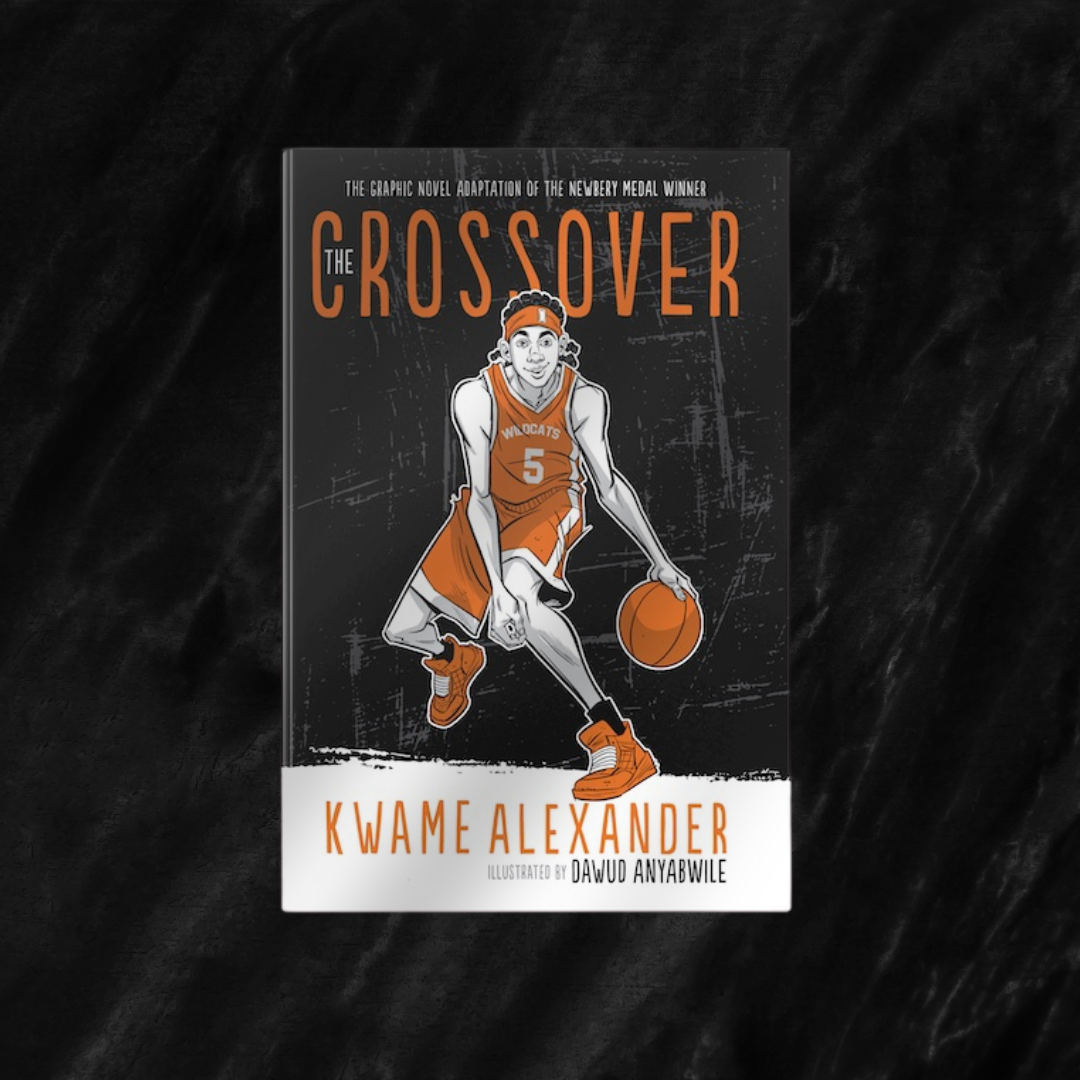
4. The Crossover — Kwame Alexander (Graphic Adaptation)
What it’s about:
Twin brothers, basketball, family, identity, and the emotional messiness of adolescence.
Why it works:
◆ high appeal for sports fans
◆ verse + visuals = double accessibility
◆ fast pacing for short attention spans
◆ brilliant for reluctant boys who “don’t do reading”
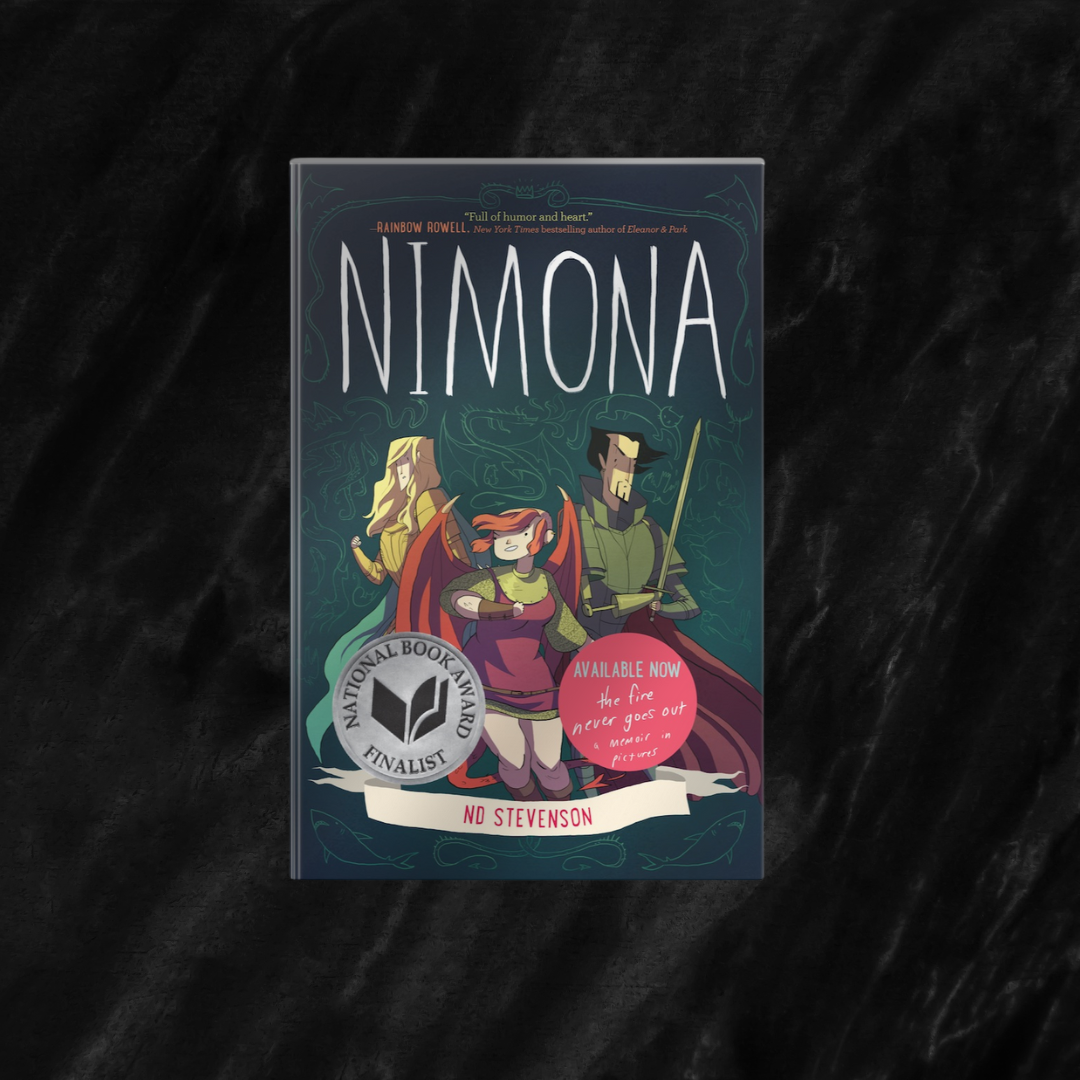
5. Nimona — ND Stevenson
What it’s about:
A shapeshifter sidekick teams up with a misunderstood supervillain in a medieval-tech mashup full of chaos, wit, and surprising emotional depth.
Why it works:
◆ chaotic good energy
◆ subverts tropes students already know
◆ humour + heart + plot twists
◆ now has a Netflix film → built-in interest
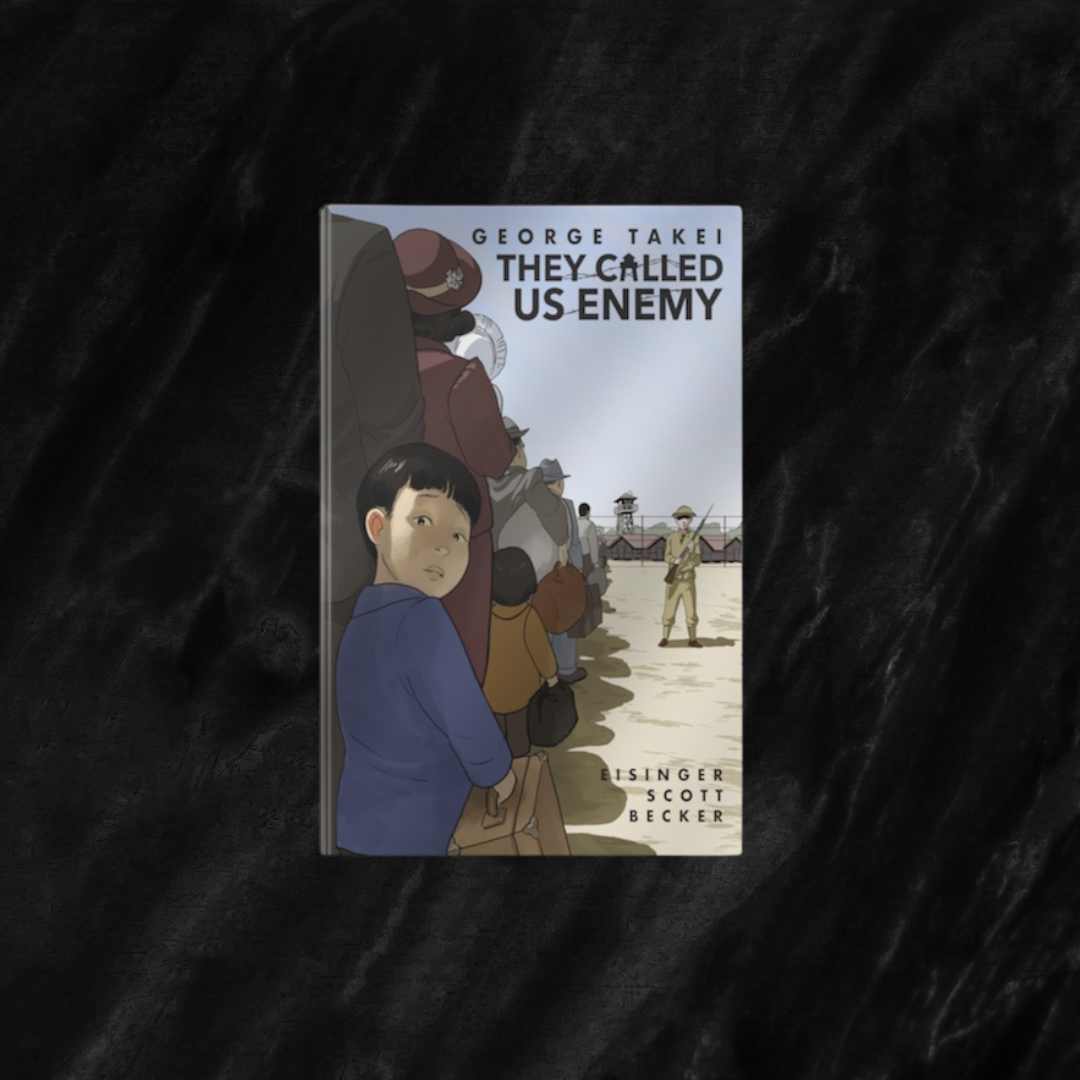
6. They Called Us Enemy — George Takei, Justin Eisinger, Steven Scott
What it’s about:
George Takei’s real experiences in Japanese-American internment camps during WWII, presented through memoir-style panels.
Why it works:
◆ heavy theme, accessible format
◆ makes 20th-century history digestible
◆ supports empathy + critical thinking
◆ great for reluctant readers who prefer nonfiction
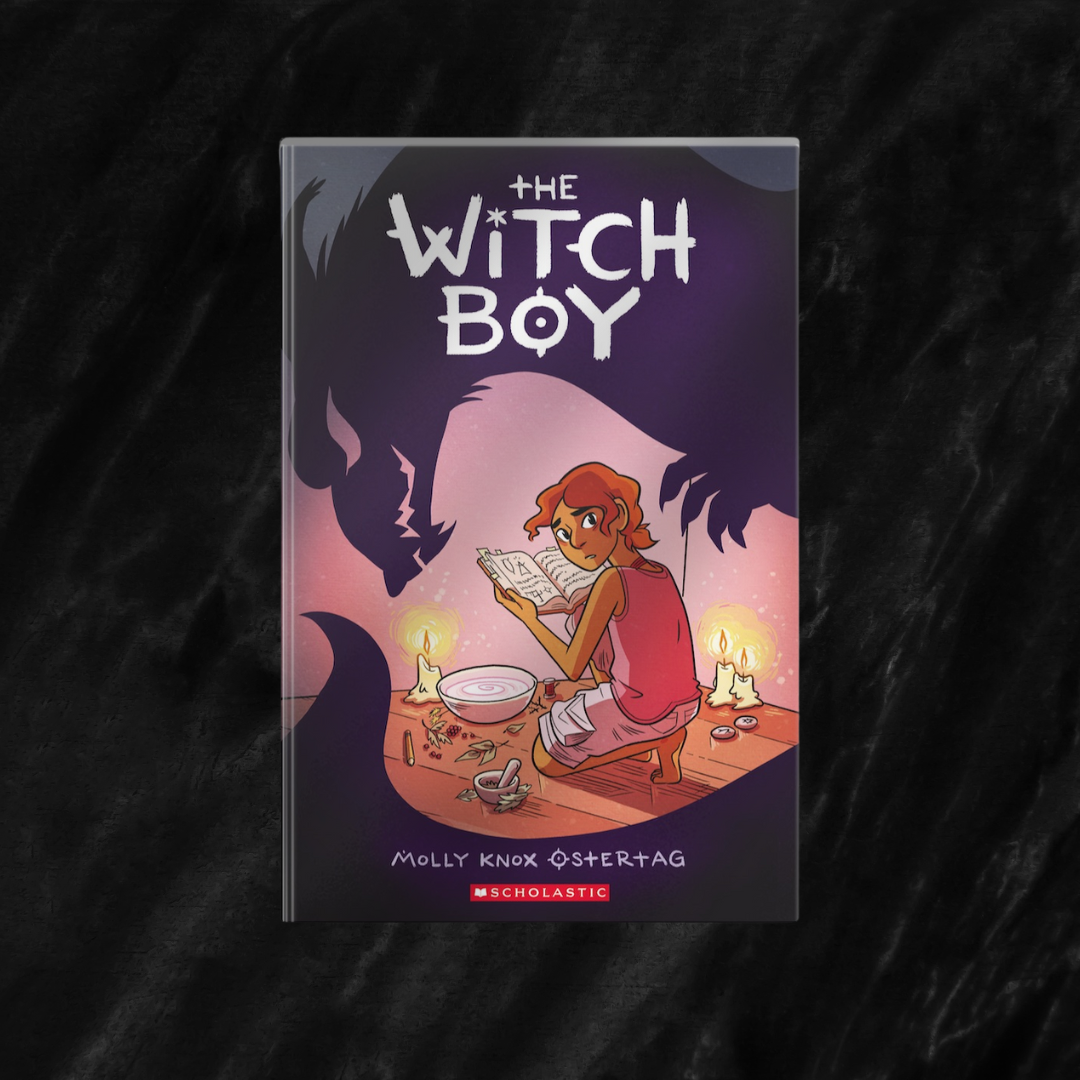
7. The Witch Boy — Molly Knox Ostertag
What it’s about:
A boy in a magical family is expected to become a shapeshifter, but he wants to learn witchcraft instead. Cue rule-breaking, identity exploration, and mystery.
Why it works:
◆ magical but grounded
◆ identity themes without preachiness
◆ accessible visuals & dialogue
◆ inclusive without being “about inclusivity”
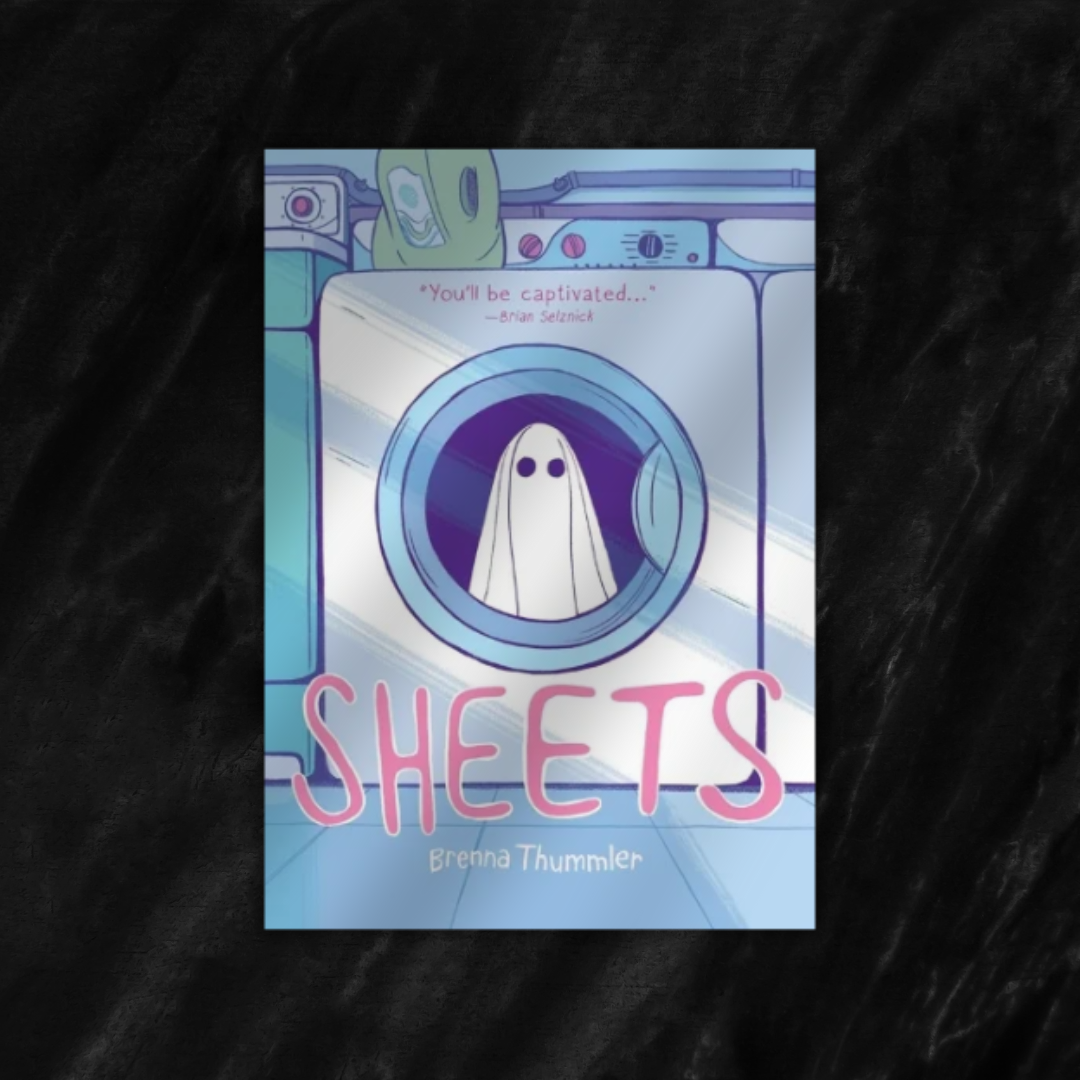
8. Sheets — Brenna Thummler
What it’s about:
A girl trying to save her family’s laundromat meets a ghost who has his own unfinished business. Soft, melancholy, and hopeful.
Why it works:
◆ gentle pacing for anxious readers
◆ beautiful pastel aesthetic
◆ tackles grief & responsibility quietly
◆ surprisingly sticky with middle schoolers
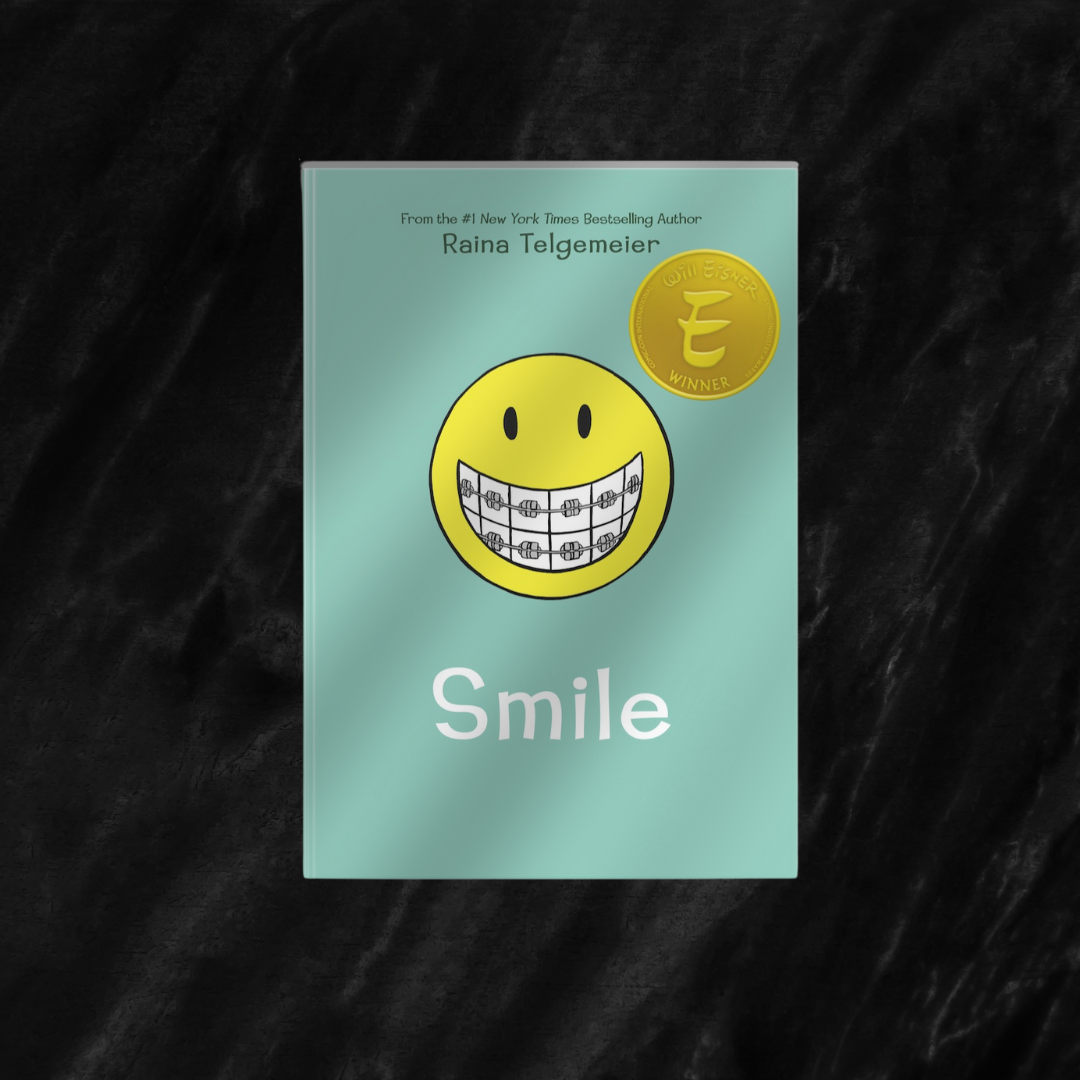
9. Smile — Raina Telgemeier
What it’s about:
A memoir about orthodontics, school drama, and the painfully awkward process of growing up.
Why it works:
◆ huge “I lived this” factor
◆ very fast read
◆ relatable to an almost alarming degree
◆ turns reluctant readers into “graphic memoir people”
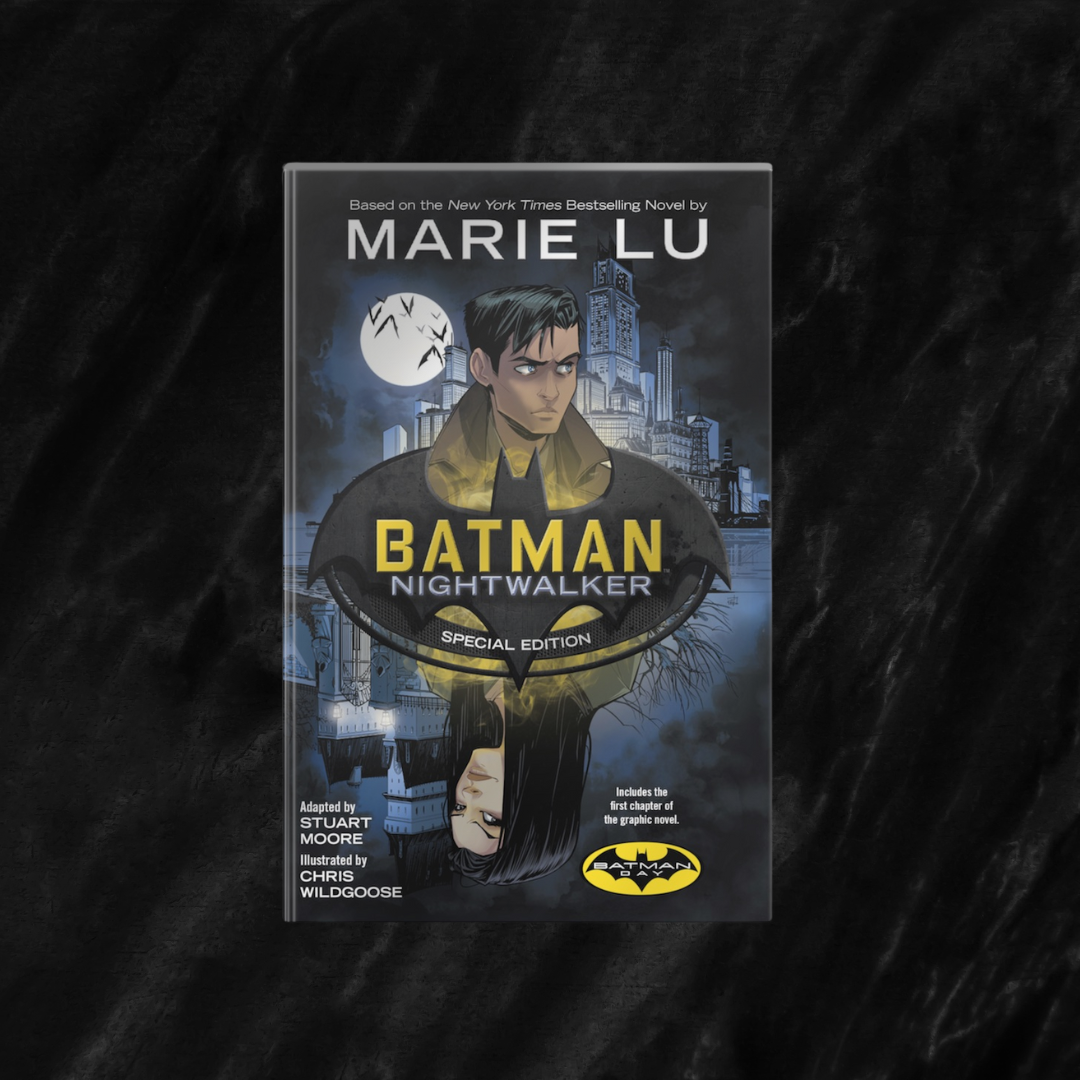
10. Batman: Nightwalker — Marie Lu (Graphic Adaptation)
What it’s about:
Teen Bruce Wayne investigates a criminal gang targeting Gotham’s elite. Superhero story, but grounded.
Why it works:
◆ superhero familiarity = low barrier to entry
◆ crime + mystery pacing
◆ graphic adaptation of a popular YA novel
◆ zero boredom
Final Thoughts
Graphic novels aren’t a shortcut — they’re a different route to the same destination. For some students, they are the bridge between “I don’t read” and “I finished a book and actually enjoyed it.” That’s a win, academically and emotionally.