70 March Writing Prompts for Teens: Monthly Story Starters, Characters, Settings & Visual Ideas
March is a month of tension and transition. Winter hasn’t fully released its grip, spring hasn’t quite arrived, and routines begin to shift. In schools, March often marks a turning point — momentum builds, pressure increases, and expectations start to change.
This collection of 70 March writing prompts for teens is designed to support creative writing during the spring term. Inside, you’ll find plot hooks, title ideas, opening and closing lines, character concepts, settings, and picture prompts that reflect the in-between nature of the month. These March creative writing prompts work well for English lessons, spring-term writing units, exam-year reflection, creative writing clubs, and independent classroom writing throughout March.
If you’re looking for more genres, tropes, or seasonal collections, you can browse the full master list of 2000+ creative writing prompts here.
1. Plot Hooks
March plot hooks often centre on anticipation, frustration, and moments where change feels close but incomplete. These plot prompts encourage students to explore tension, uncertainty, and turning points through short story ideas designed for classroom writing.
Write about a plan delayed by unexpected circumstances.
Write about a character who feels stuck between two choices.
Write about something that should have ended, but hasn’t.
Write about a return that doesn’t go as expected.
Write about waiting for news that never arrives.
Write about tension building in a familiar place.
Write about a promise made under pressure.
Write about something hidden that starts to surface.
Write about a character losing patience with waiting.
Write about the moment before everything shifts.
2. Title Ideas
These March title prompts suit stories rooted in the unsettled, in-between energy of early spring, helping teen writers develop atmosphere and theme.
Not Quite Spring
The Waiting Month
Between What Was And What’s Next
Almost There
Before The Break
The Long Middle
When Things Began To Move
Holding Pattern
March, Unfinished
On The Edge Of Change
3. Opening Lines
These March opening lines often focus on restlessness, pressure, and anticipation, helping teen writers establish voice and atmosphere from the very first sentence.
“March always felt longer than it should.”
“We were waiting, but no one said for what.”
“Winter hadn’t finished with us yet.”
“Everything felt paused.”
“The days were lighter, but nothing else was.”
“We thought the hardest part was over.”
“Something was building, even if we couldn’t name it.”
“March arrived with no clear plan.”
“The routine started to crack.”
“It felt like standing still just before a push.”
4. Closing Lines
These March closing lines often leave stories open, capturing movement without full resolution and helping teen writers practise restraint and tone.
“Nothing changed immediately, but it would.”
“We were closer than before.”
“The waiting wasn’t over.”
“March passed, but the tension stayed.”
“It was enough to keep going.”
“We stepped forward without certainty.”
“Some endings take longer.”
“The pause finally broke.”
“That was the turning point.”
“Everything after that felt different.”
5. Character Ideas
These March character prompts reflect pressure, anticipation, and emotional shift, helping teen writers explore motivation, voice, and change.
Someone waiting for results or decisions.
A character feeling left behind.
Someone preparing for a major change.
A person caught between expectations.
A student under growing pressure.
Someone losing patience with routine.
A character reassessing their plans.
Someone holding onto hope.
A person resisting what’s coming next.
A character learning to wait differently.
6. Settings
These March setting prompts often feel unsettled and transitional, giving teen writers space to explore atmosphere, environment, and change.
A school approaching exam season.
A town stuck between winter and spring.
A home mid-reorganisation.
A park not fully in bloom.
A bus stop in unpredictable weather.
A classroom buzzing with tension.
A street caught between rain and light.
A workplace under growing pressure.
A place waiting to reopen.
A familiar setting that suddenly feels different.
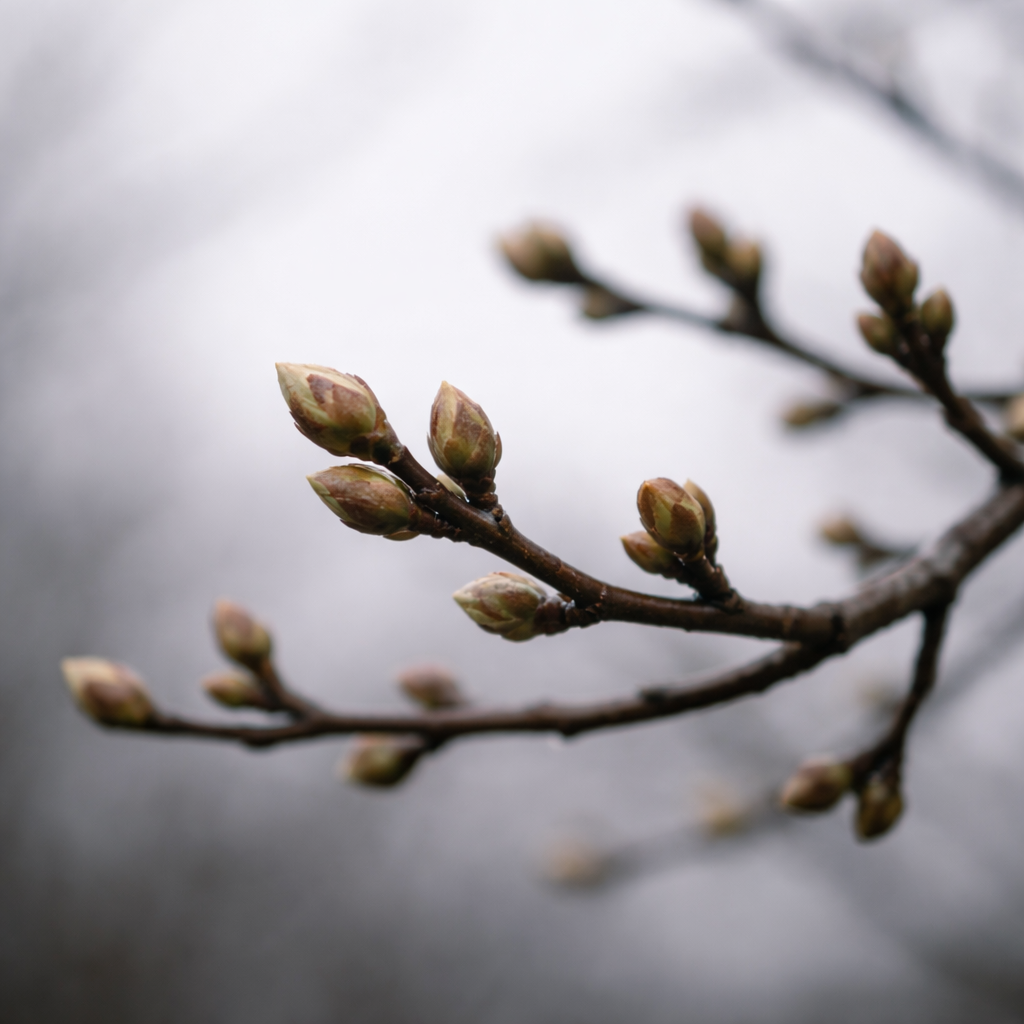
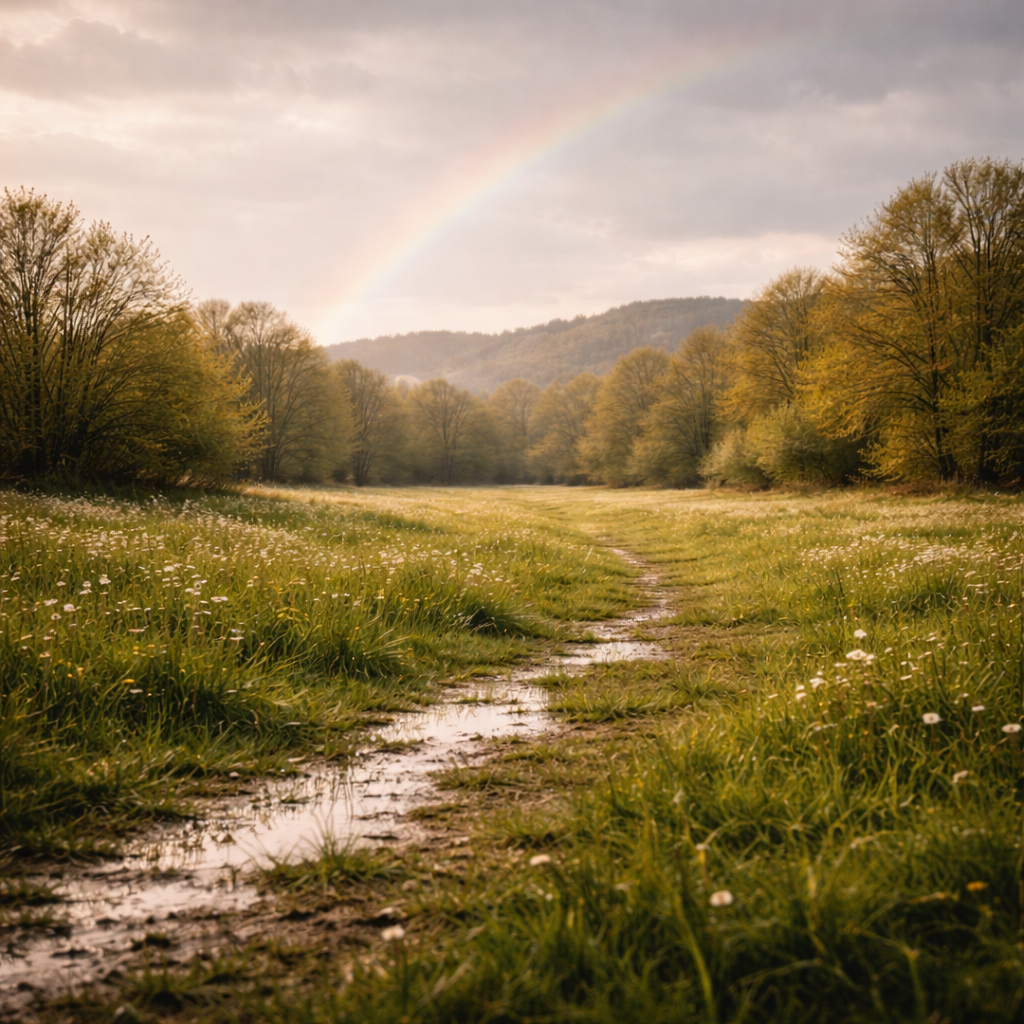
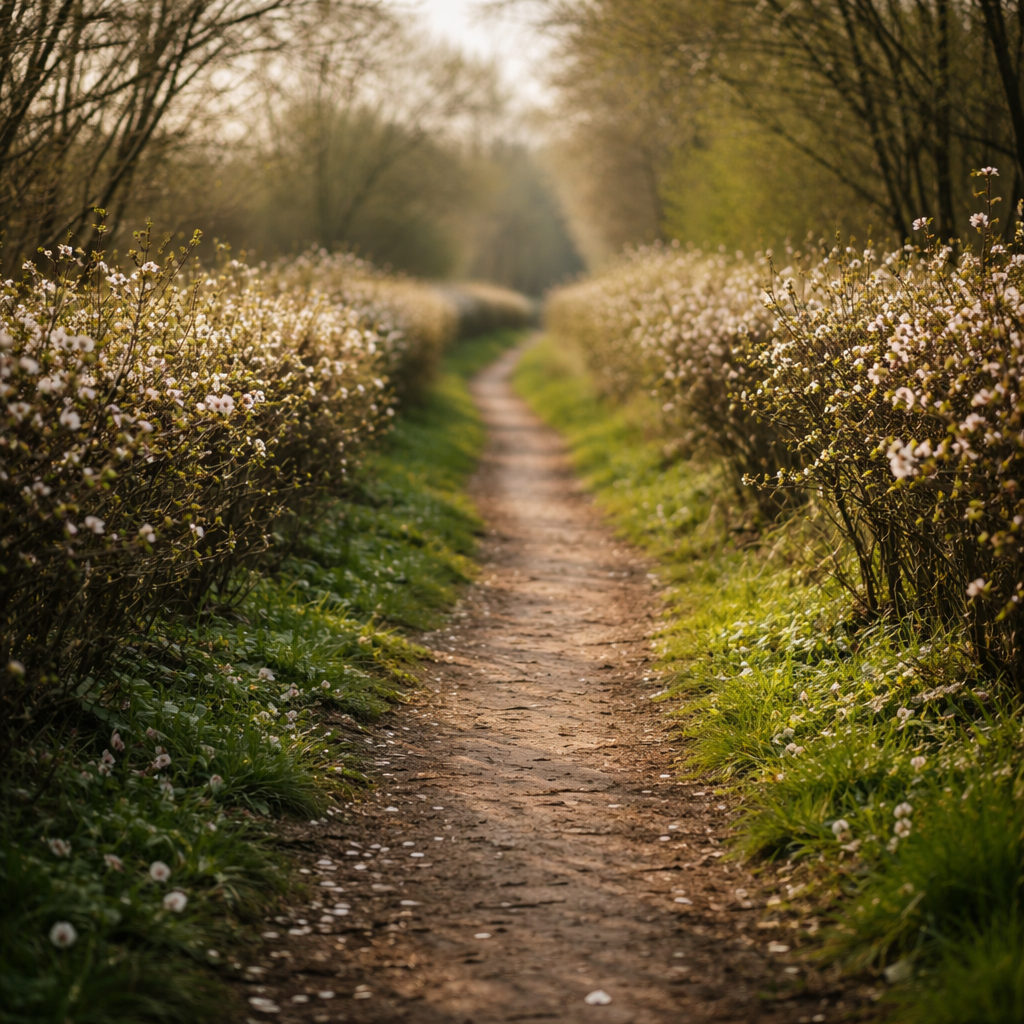
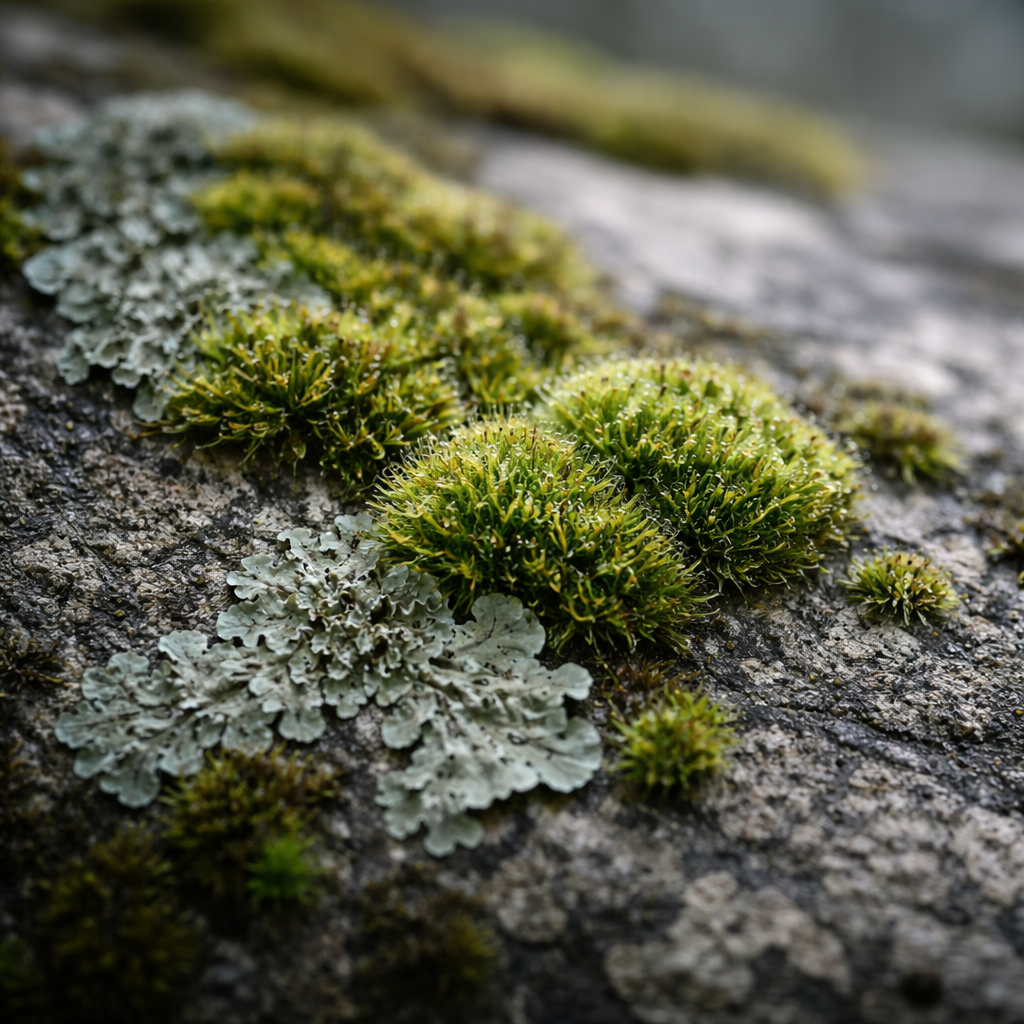
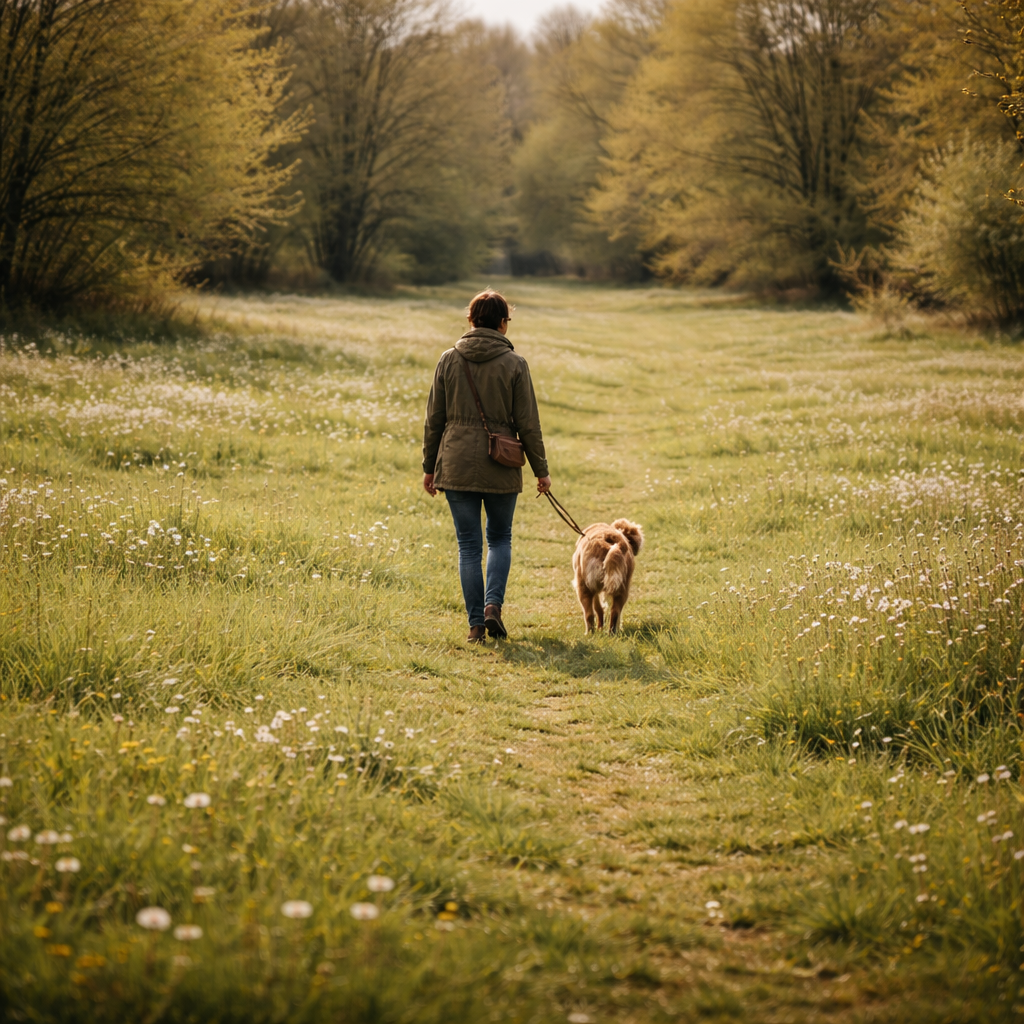
7. Picture Prompts
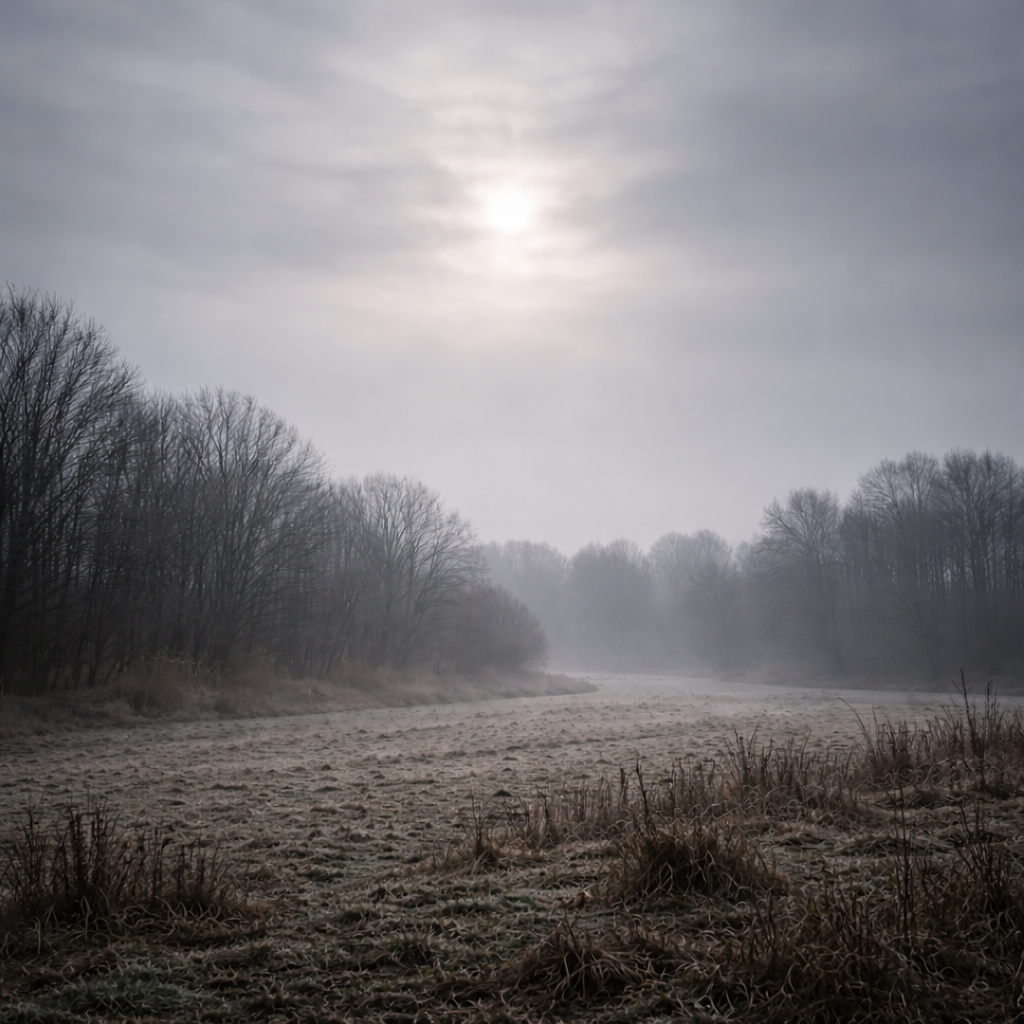
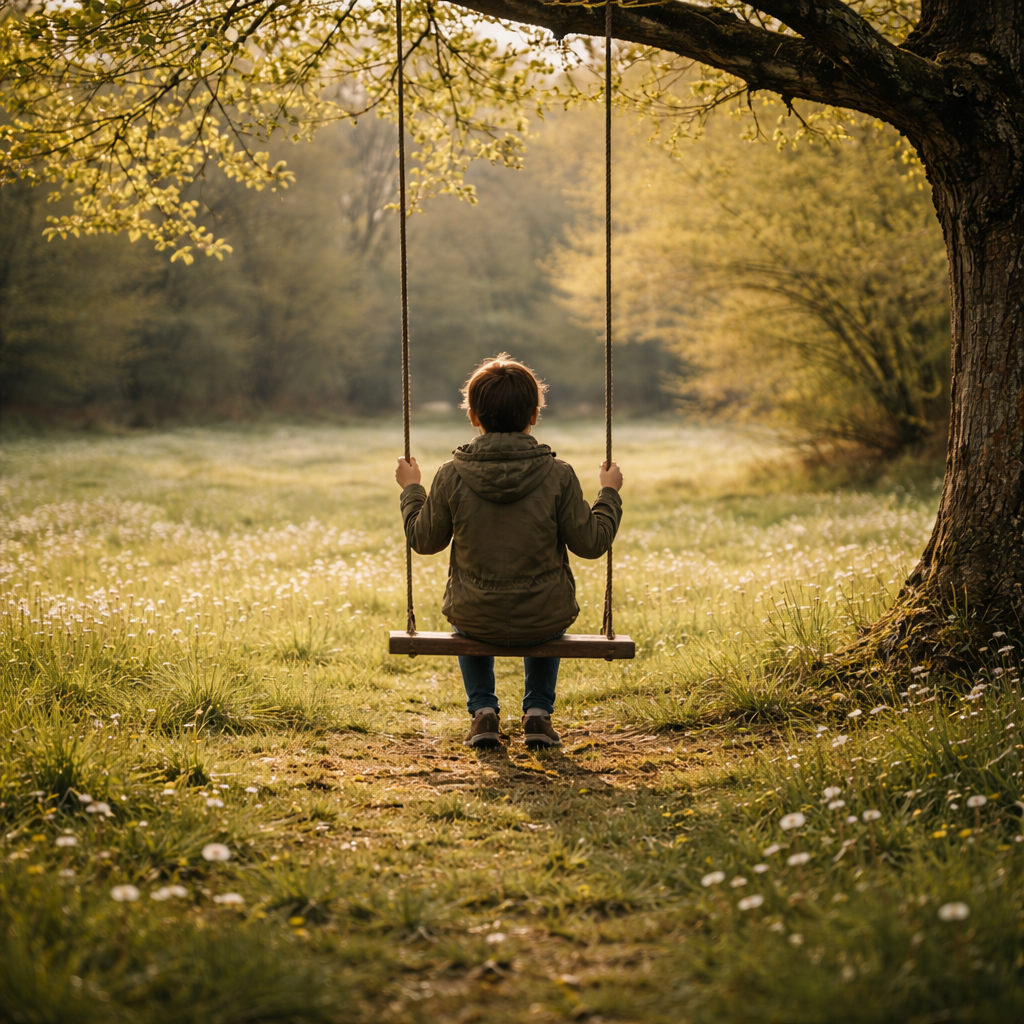
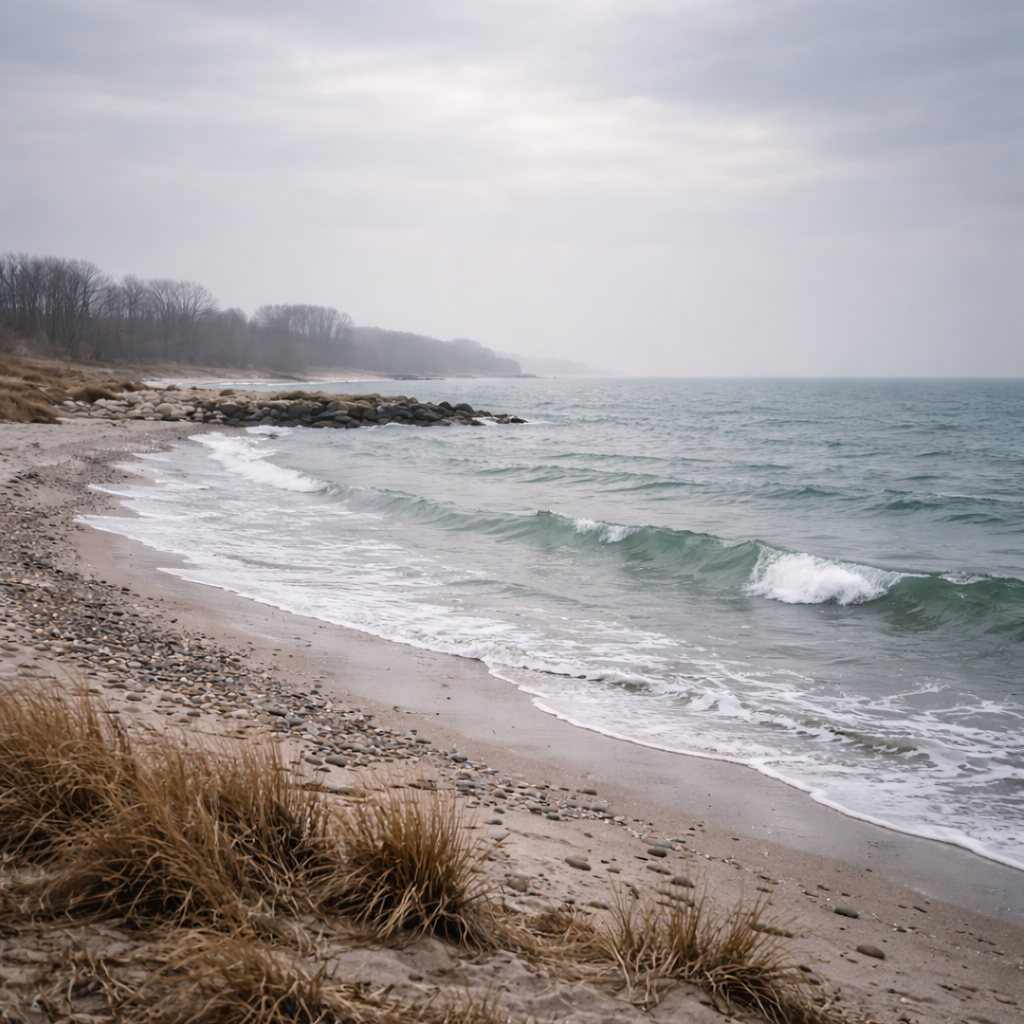
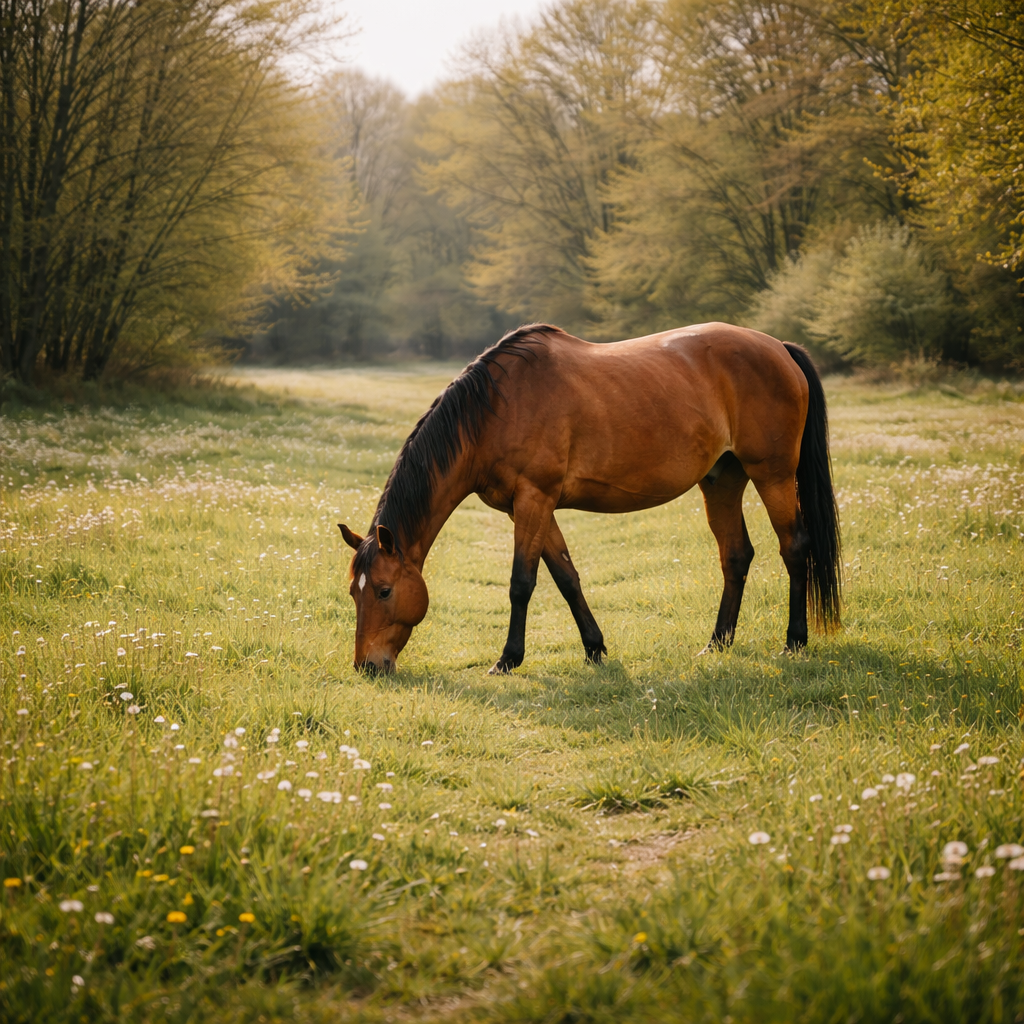
These March picture prompts help teen writers capture the mood and uncertainty of the season through visual storytelling and description.

Go Deeper into March Writing
March writing often benefits from restraint. Rather than pushing stories toward resolution or clarity, encourage students to stay with uncertainty and observe what’s beginning to shift beneath the surface. The season lends itself to writing that notices small changes, partial returns, and moments where something almost happens.
◆ Ask students to write a scene that takes place just before a change occurs, stopping the story before the outcome is revealed.
◆ Encourage attention to environment by having students describe how weather, light, or landscape reflects internal tension or anticipation.
◆ Experiment with perspective by writing from the viewpoint of someone waiting — for news, for permission, for a decision, or for spring itself.
◆ Revisit a March prompt later in the term and rewrite it with a different emotional focus, noticing how timing and context alter the story.
These approaches help students develop patience, atmosphere, and control, supporting more reflective and confident creative writing.
Final Thoughts
March is rarely a clean beginning. It’s a month of pressure, movement, and expectation — where routines shift, energy builds, and change feels close but unfinished. That makes it a powerful time for creative writing that values mood, voice, and observation over neat conclusions.
These March writing prompts for teens are designed to support thoughtful, flexible storytelling across the spring term. Whether used for short writing tasks, reflective pieces, creative warm-ups, or independent classroom work, the prompts invite students to explore transition, uncertainty, and growth in ways that feel grounded and relevant.
If you’re looking for more seasonal writing prompts, genres, or themed collections, you can browse the full master list of 2000+ creative writing prompts for teens and continue building creative momentum through the year.
Choose Your Next Adventure