Notes from the Inkpot
Writing, teaching, creating - one ink-stained idea at a time.


Sonnet 106 by William Shakespeare: Summary, Themes & Analysis of “When in the chronicle of wasted time”
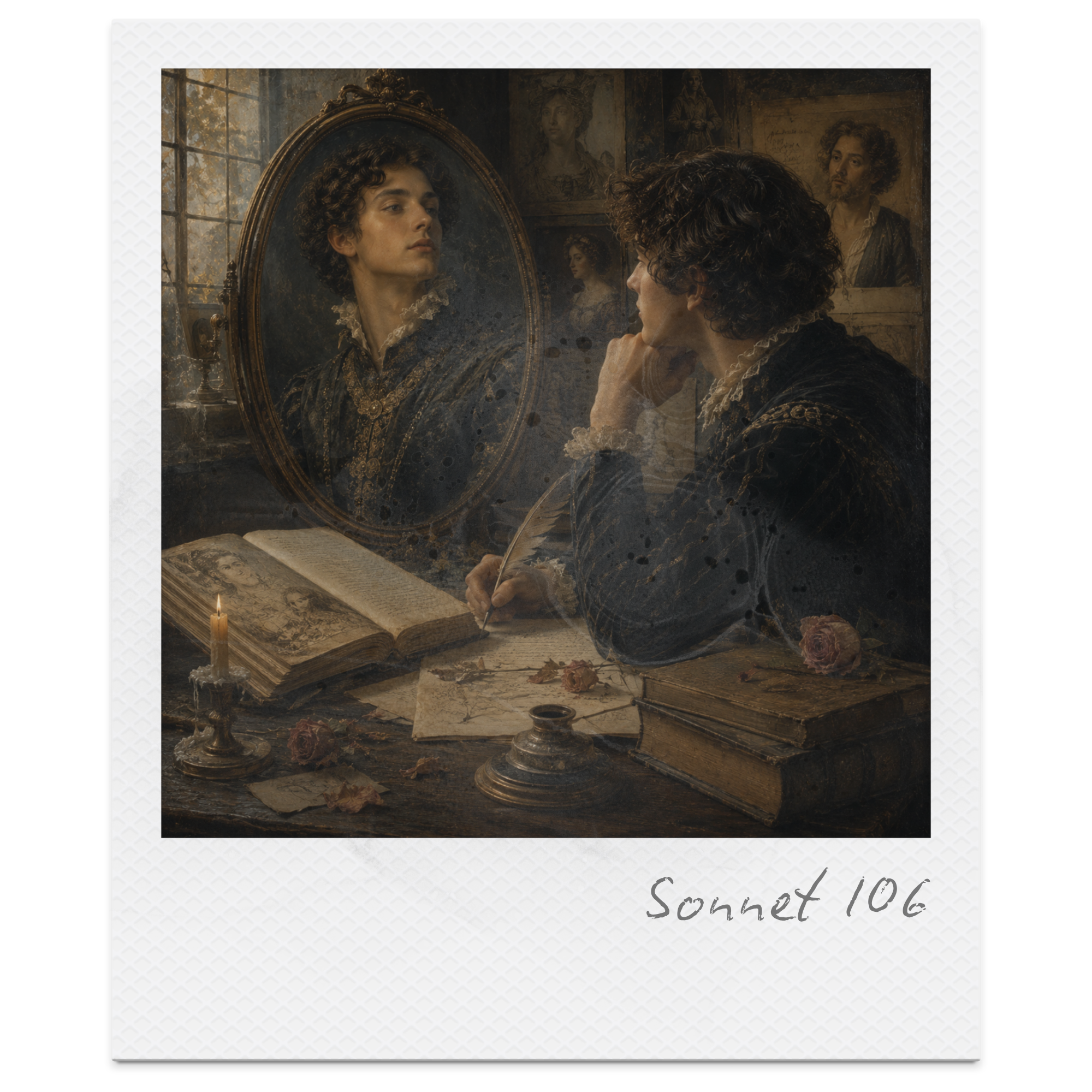
William Shakespeare's Sonnet 106 is a reflective exploration of beauty, time, history, and the power of poetry. Through its elegant sonnet form, historical imagery, and thought-provoking conclusion, Shakespeare considers whether language can ever fully capture extraordinary human beauty or whether some experiences will always remain beyond words. This analysis explores the poem's summary, themes, language, structure, key quotations, and literary techniques, showing how Shakespeare transforms a traditional love sonnet into a profound meditation on artistic expression and the enduring relationship between the past and the present.
A Midsummer Night’s Dream: Overview, Context, Key Ideas & Teaching Approaches
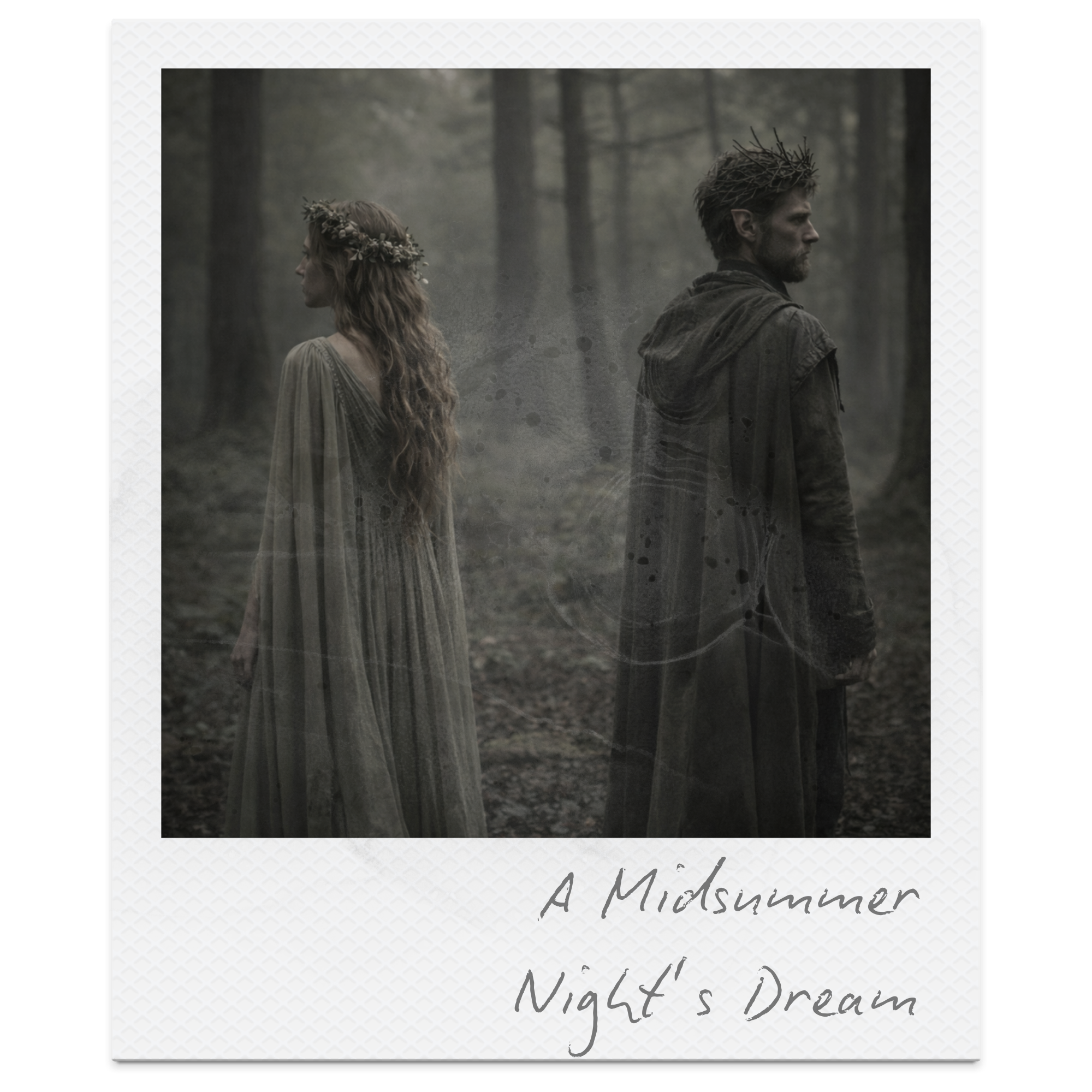
A Midsummer Night’s Dream is often taught as one of William Shakespeare’s lightest comedies, yet beneath its enchantment and humour lies a complex exploration of power, desire, authority, and social control. Set between the rigid law of Athens and the destabilising freedom of the forest, the play uses comedy, magic, and mistaken identity to expose how easily order can fracture — and how carefully it must be restored. This context-led overview explores A Midsummer Night’s Dream through historical background, genre, and key ideas, before considering effective ways to teach the play through discussion, performance, and creative writing. Rather than offering close analysis of individual scenes, it provides a framework for understanding how the play operates as a whole, and why it continues to reward reinterpretation, classroom debate, and creative response.

William Shakespeare: Context, Themes, Plays & Literary Significance
William Shakespeare is one of the most influential figures in English literature, yet his work is often approached without sufficient attention to historical and social context. Writing during the Elizabethan and Jacobean periods, Shakespeare explored enduring concerns around power, authority, identity, gender, violence, and moral responsibility, embedding these ideas within plays that continue to resist simple interpretation. This context post situates Shakespeare’s plays and poetry within the political, cultural, and theatrical conditions of early modern England, examining how genre, performance, and historical pressure shape meaning across his work. Rather than focusing on individual texts, it provides a framework for understanding Shakespeare’s literary significance, offering a foundation for deeper exploration of themes, genres, and plays across the wider Literature Library.