70 Slipstream Fiction Writing Prompts for Teens: Story Starters, Characters, Settings & Visual Ideas
Slipstream fiction lives in the space between realism and the unreal. These stories feel mostly familiar — grounded in everyday settings and recognisable lives — but something is slightly off. The rules of reality bend, blur, or quietly shift, without explanation or spectacle.
For teen writers, Slipstream is a powerful genre because it encourages ambiguity, symbolism, and voice. It allows students to explore uncertainty, memory, time, identity, and perception without needing to build complex fantasy worlds or sci-fi systems.
This collection of 70 Slipstream fiction writing prompts for teens offers a complete creative toolkit: plot hooks, title ideas, opening and closing lines, character concepts, settings, and picture prompts. These prompts work well for English lessons, creative writing units, coursework, or independent writing where atmosphere and meaning matter more than plot twists.
If you’re looking for more genres, tropes, or seasonal collections, you can browse the full master list of 2000+ creative writing prompts here.
1. Plot Hooks
Slipstream plot hooks introduce a subtle disruption to reality — something unexplained but accepted, unsettling but quiet.
Write about a town where nobody remembers the same version of events.
Write about a building that appears on maps but not in real life.
Write about a character who keeps receiving messages meant for someone else — who doesn’t exist.
Write about a routine that starts changing in small, impossible ways.
Write about a neighbourhood where time moves slightly out of sync.
Write about a person who realises they are fading from photographs.
Write about a place people leave but never remember arriving at.
Write about an object that causes different memories for different people.
Write about a rule everyone follows, but no one remembers learning.
Write about a day that repeats — but only certain details change.
2. Title Ideas
These titles suit short stories or coursework pieces where tone and ambiguity are central.
The Space Between Days
Almost Familiar
What We Agreed Not to Notice
The Wrong Version of Home
Ordinary, Except For This
The Day After Yesterday
Where the Edges Blur
Things We Never Questioned
The Quiet Disruption
If You Look Away
3. Opening Lines
Slipstream openings drop readers into normality — then gently unsettle it.
“Nothing was wrong at first, which made it harder to notice when it changed.”
“Everyone agreed the house had always been there.”
“I followed the routine exactly, until it stopped working.”
“The message arrived at the same time every day.”
“We didn’t question it because it felt impolite to do so.”
“The street looked the same, but I knew it wasn’t.”
“Some memories don’t belong to anyone.”
“The clock insisted it was Tuesday.”
“Nobody else seemed confused.”
“It was easier to accept than to ask why.”
4. Closing Lines
Slipstream endings often resist explanation, leaving meaning open.
“We decided not to talk about it again.”
“Life carried on, slightly altered.”
“The answer never arrived, but the feeling stayed.”
“I adjusted, because that’s what people do.”
“Nothing returned to normal — but nothing collapsed either.”
“We learned to live alongside it.”
“Some truths don’t need names.”
“The world didn’t end. It shifted.”
“I stopped checking.”
“It felt finished, even without closure.”
5. Character Ideas
These characters work well for Slipstream because they are ordinary people placed in subtly unreal situations.
A librarian who notices books rewriting themselves.
A commuter who arrives somewhere new every day.
A teacher whose lessons no longer match the timetable.
A shopkeeper who sells items people don’t remember buying.
A carer who begins to forget who they are caring for.
A student who remembers events no one else does.
A neighbour who ages differently to everyone else.
A writer whose stories come true — almost.
A receptionist who greets people who haven’t arrived yet.
A person who feels slightly out of place everywhere.
6. Settings
Slipstream settings feel recognisable, but wrong in quiet ways.
A street where houses rearrange overnight.
A school corridor that leads somewhere unexpected.
A bus route that never reaches the same destination twice.
A town square where shadows don’t match objects.
A waiting room with no visible exit.
A seaside town stuck between seasons.
A supermarket with aisles that don’t repeat.
A block of flats where neighbours change daily.
A park that feels older than it should.
A workplace where time moves unevenly.
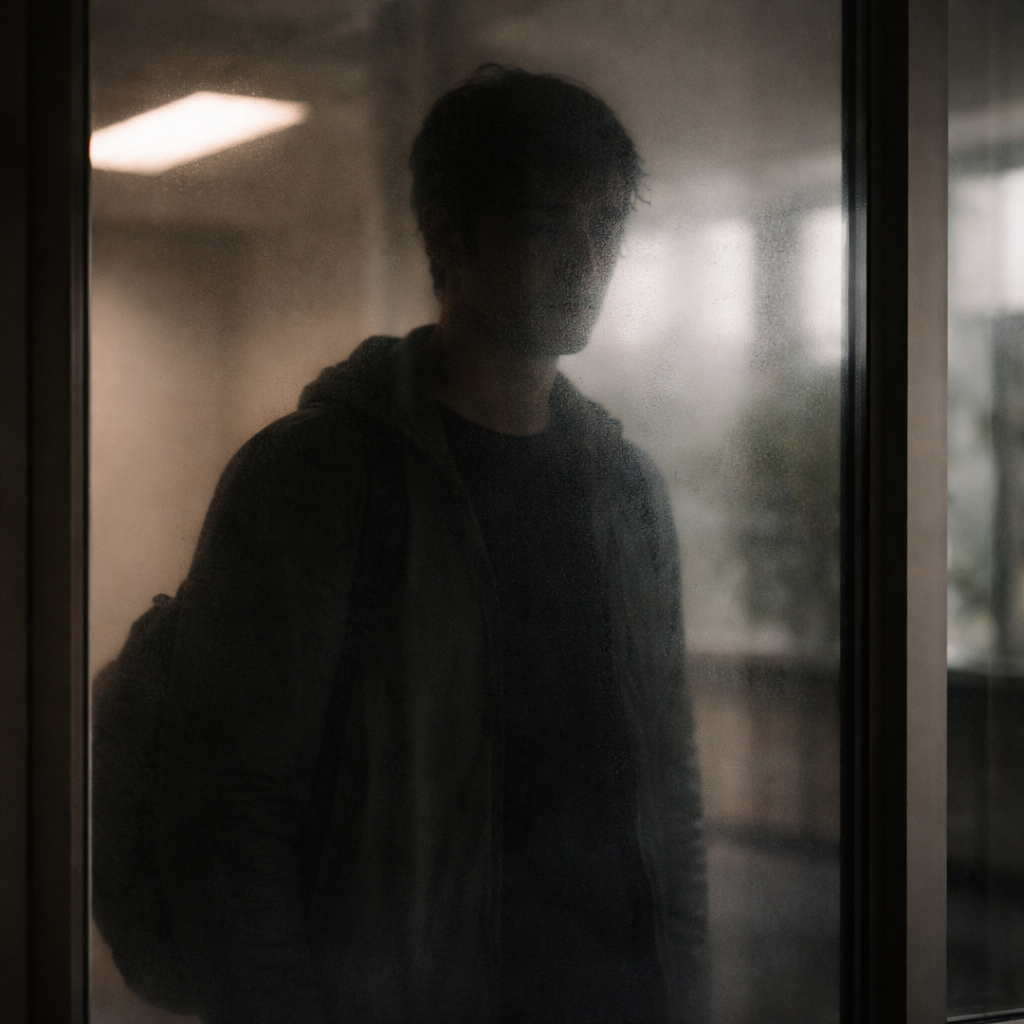
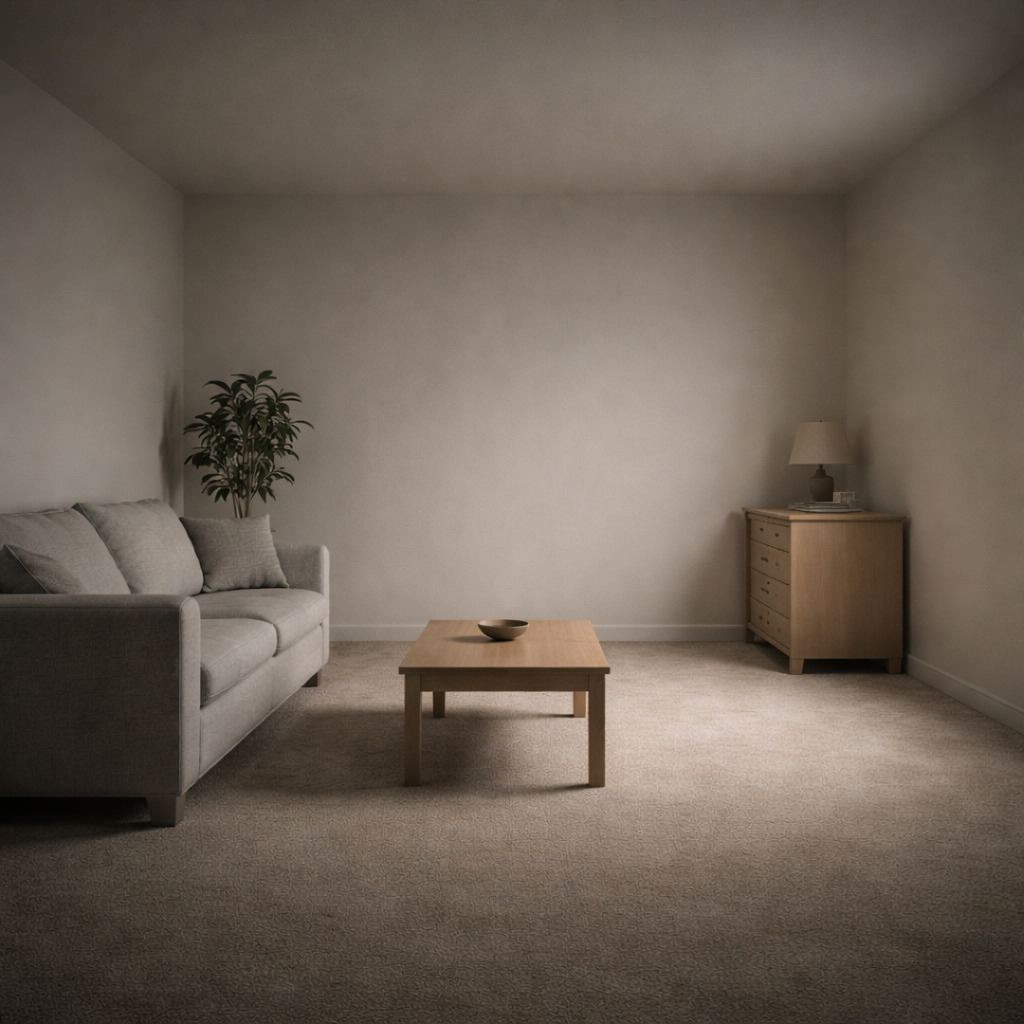
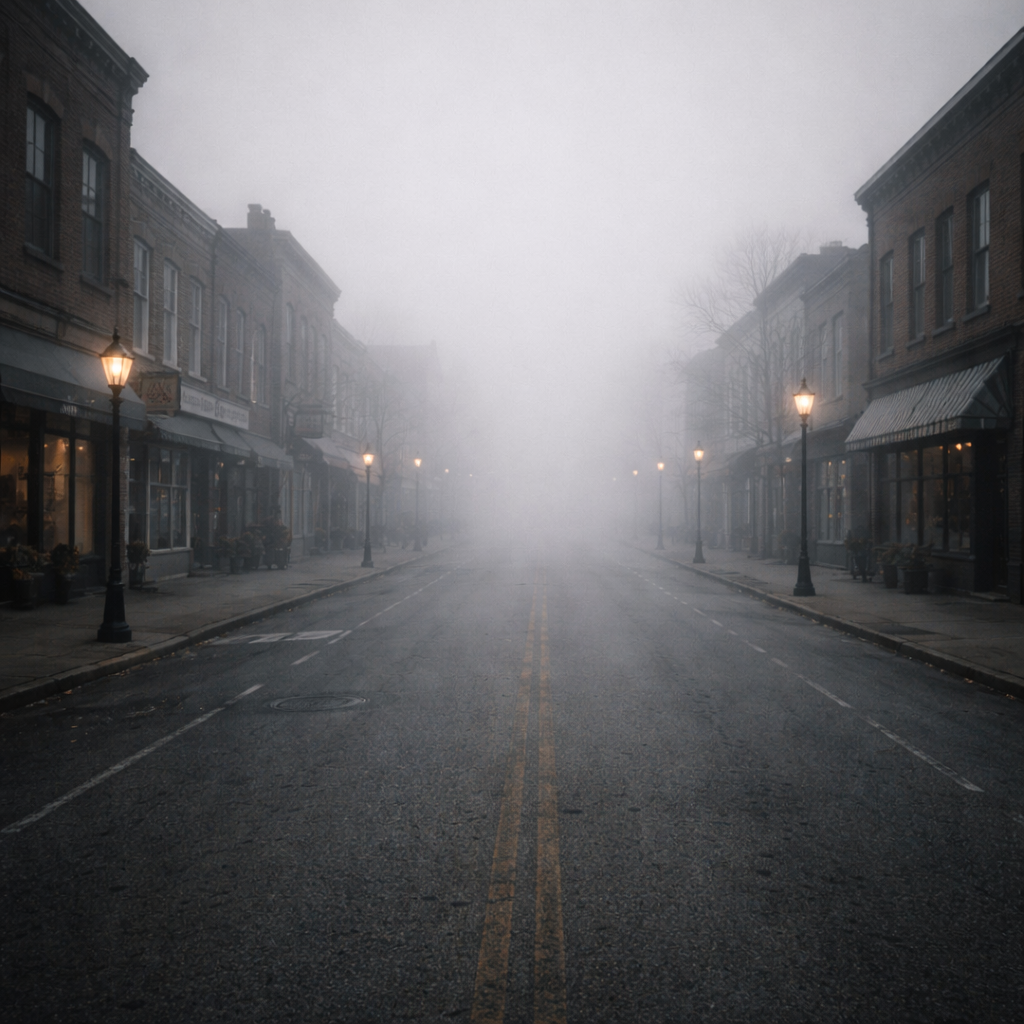
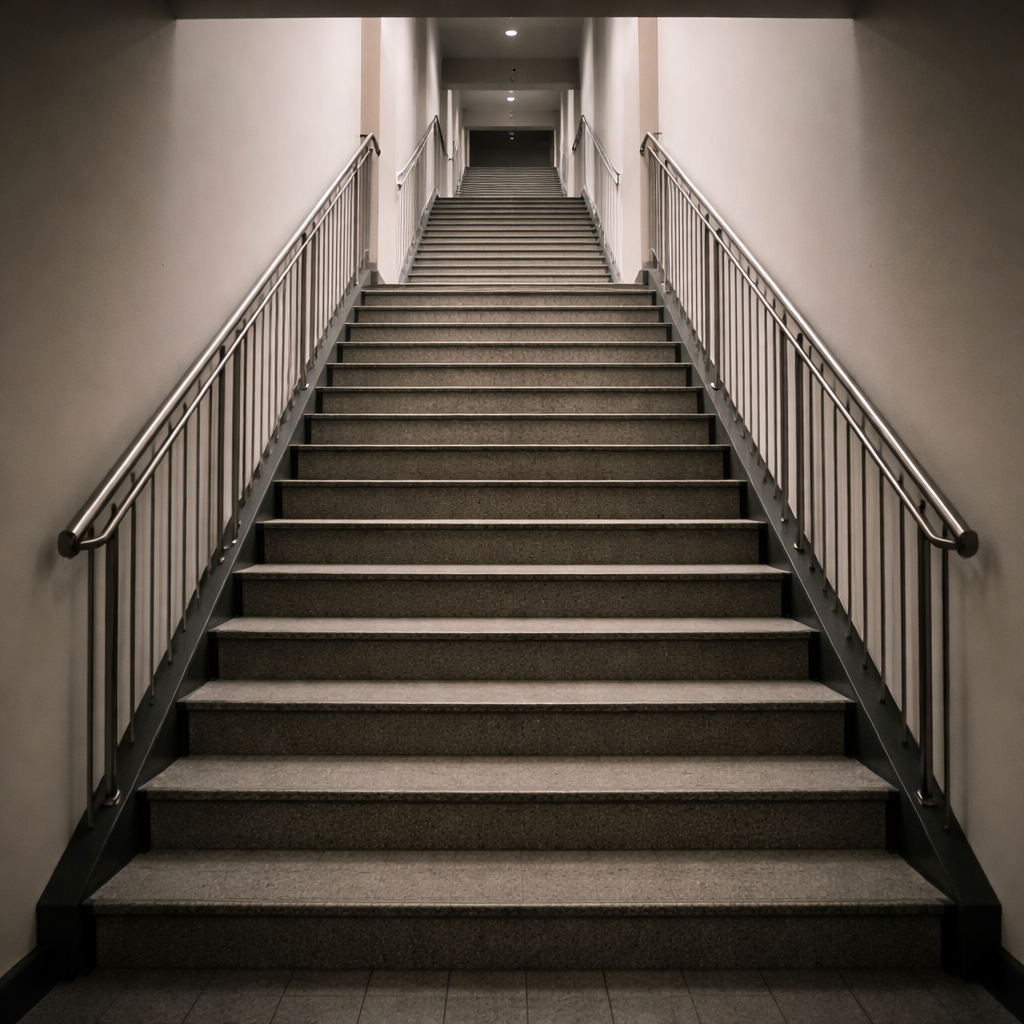
7. Picture Prompts
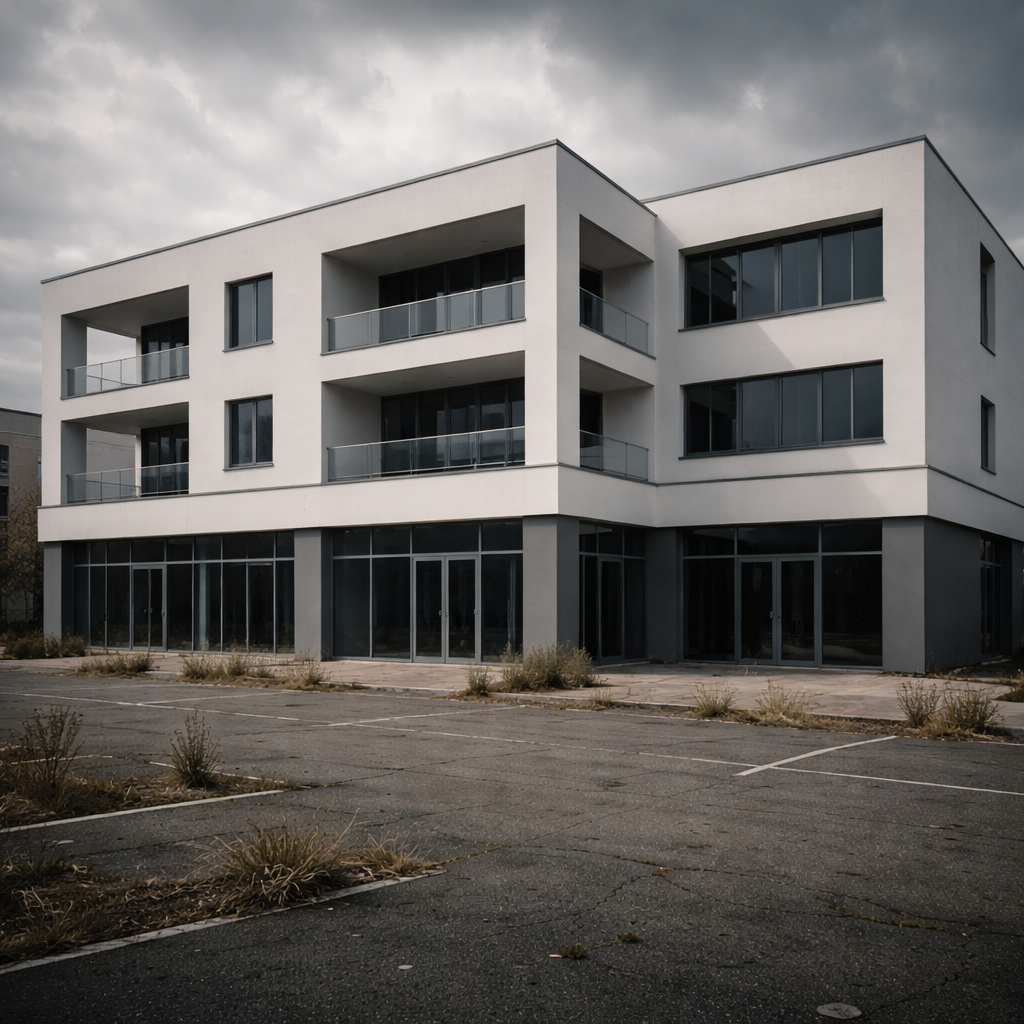
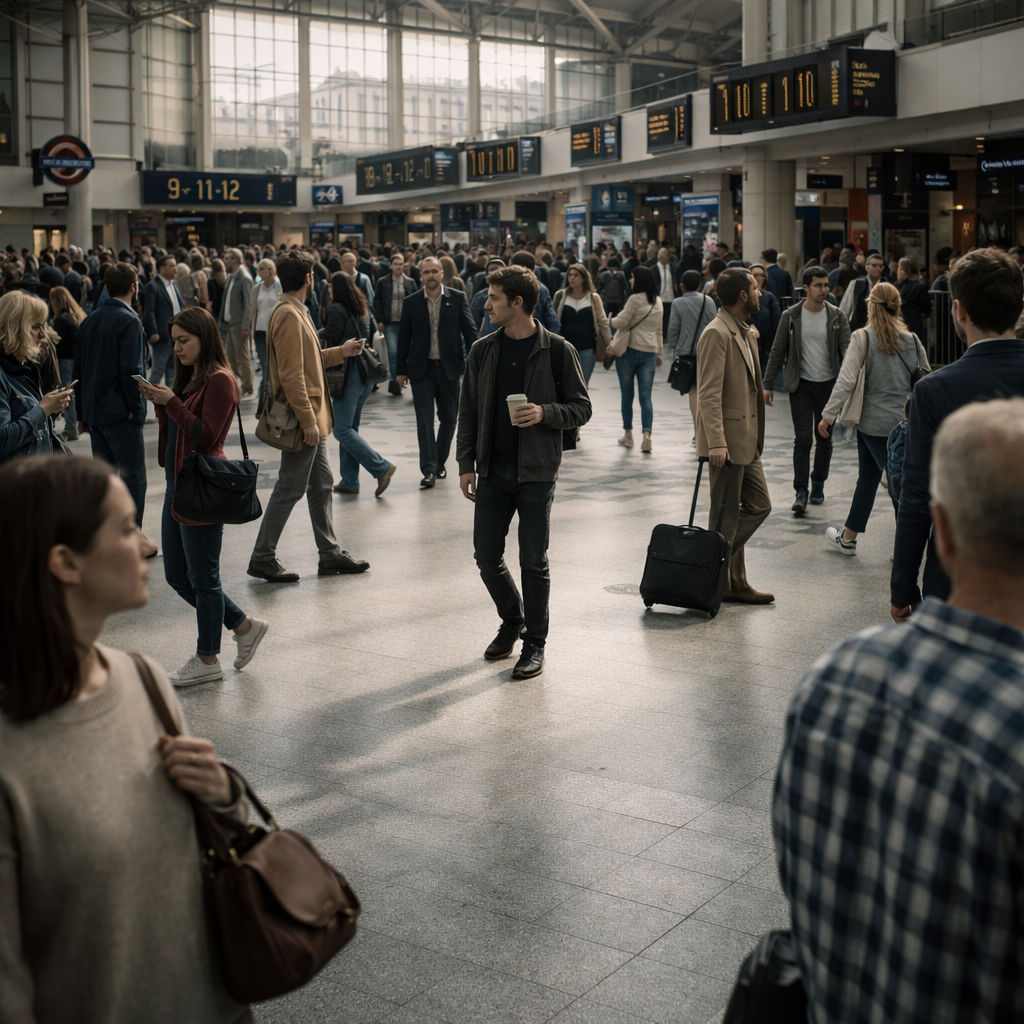
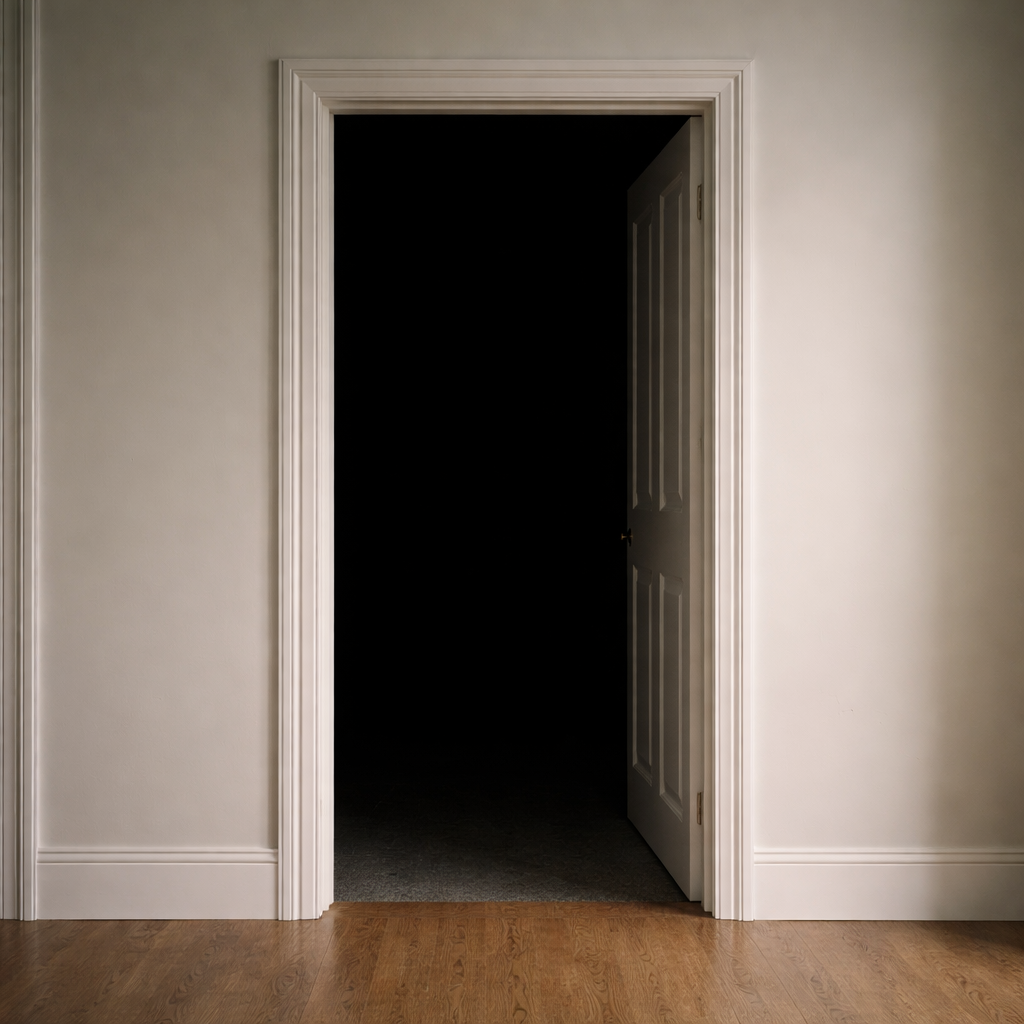
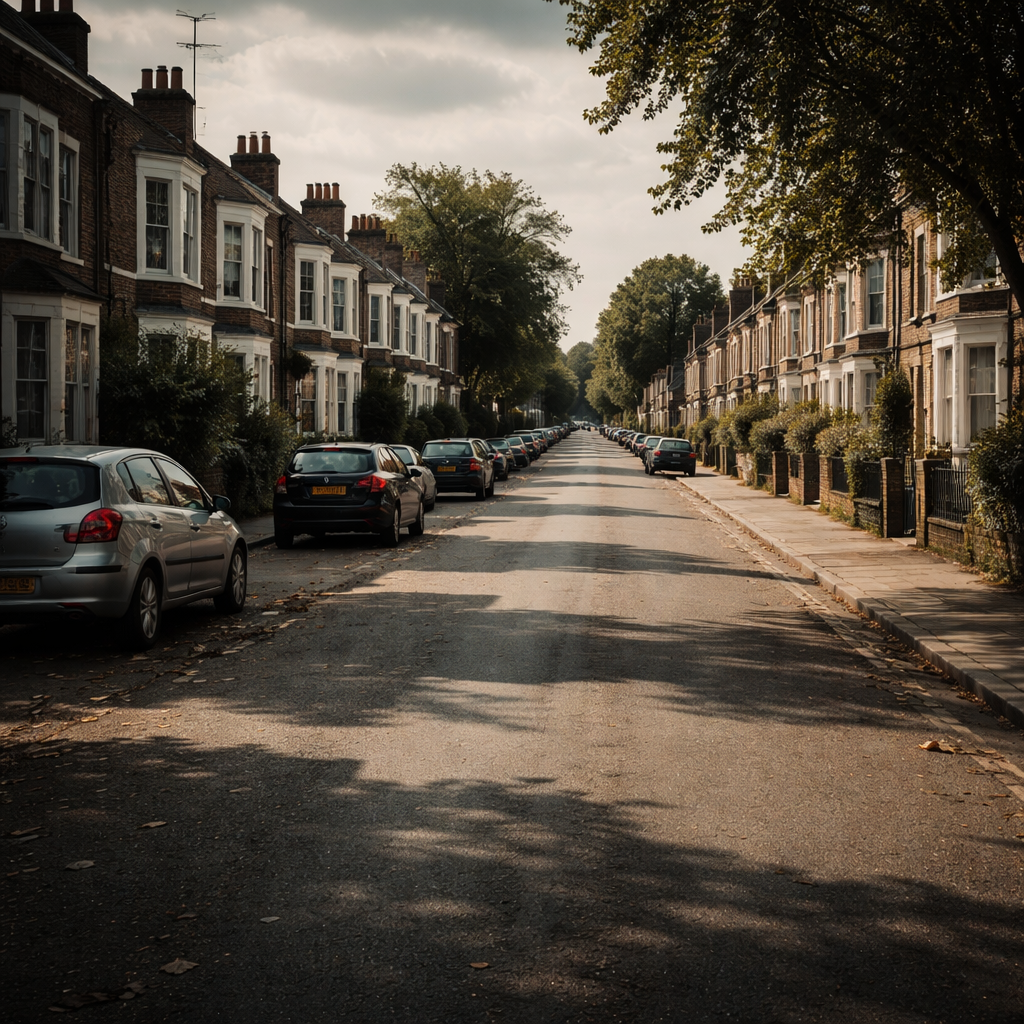
These visual prompts support Slipstream writing by suggesting atmosphere rather than explanation.


Final Thoughts
Slipstream fiction helps teen writers move beyond neat explanations and clear resolutions. It encourages students to trust atmosphere, explore uncertainty, and think deeply about how meaning is created in stories.
These 70 Slipstream fiction writing prompts for teens offer a flexible, imaginative way to explore storytelling that sits between realism, speculative fiction, and the uncanny — perfect for classrooms where discussion, interpretation, and creative risk-taking matter.
If you’re looking for more genres, tropes, or seasonal collections, you can browse the full master list of 2000+ creative writing prompts here.
For ongoing inspiration, structure, and classroom-ready materials, you can also explore our Daily Writing Prompts, which offer a new prompt every day — complete with images, discussion questions, and optional teacher slides.
