Notes from the Inkpot
Writing, teaching, creating - one ink-stained idea at a time.


From the Antique Christina Rossetti Analysis: Themes, Feminism & Existential Meaning
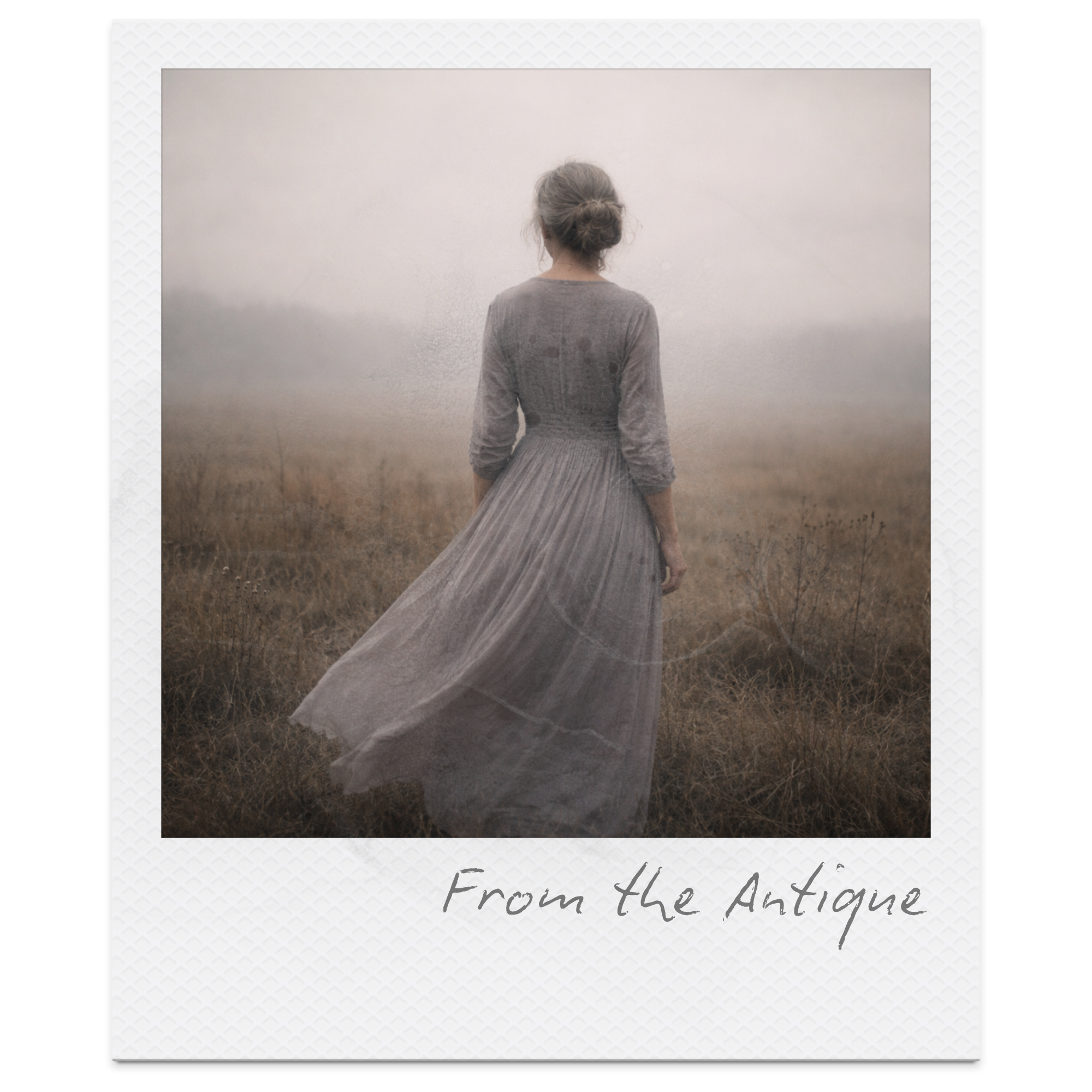
Christina Rossetti’s From the Antique offers a striking exploration of weariness, identity, and existential despair, presenting a speaker who moves beyond dissatisfaction with life to question the value of existence itself. Through deceptively simple language and a controlled, almost conversational tone, the poem traces a progression from frustration with a “woman’s lot” to a far more unsettling desire for complete non-existence. The speaker does not merely long for change or escape, but for the erasure of both body and soul, revealing a profound rejection of identity and selfhood. At the same time, Rossetti contrasts this personal despair with the steady continuity of the natural world. While the speaker imagines her own disappearance, the seasons continue to turn, blossoms bloom, and life moves forward unchanged. This juxtaposition highlights a central tension within the poem: the individual experience of suffering exists within a world that remains indifferent and self-sustaining. Through this contrast, Rossetti raises deeper questions about insignificance, perception, and the meaning of existence, positioning the poem as both a personal reflection and a broader philosophical meditation.
Christina Rossetti Essay Questions for Key Poems: Remember, After Death, Goblin Market & More
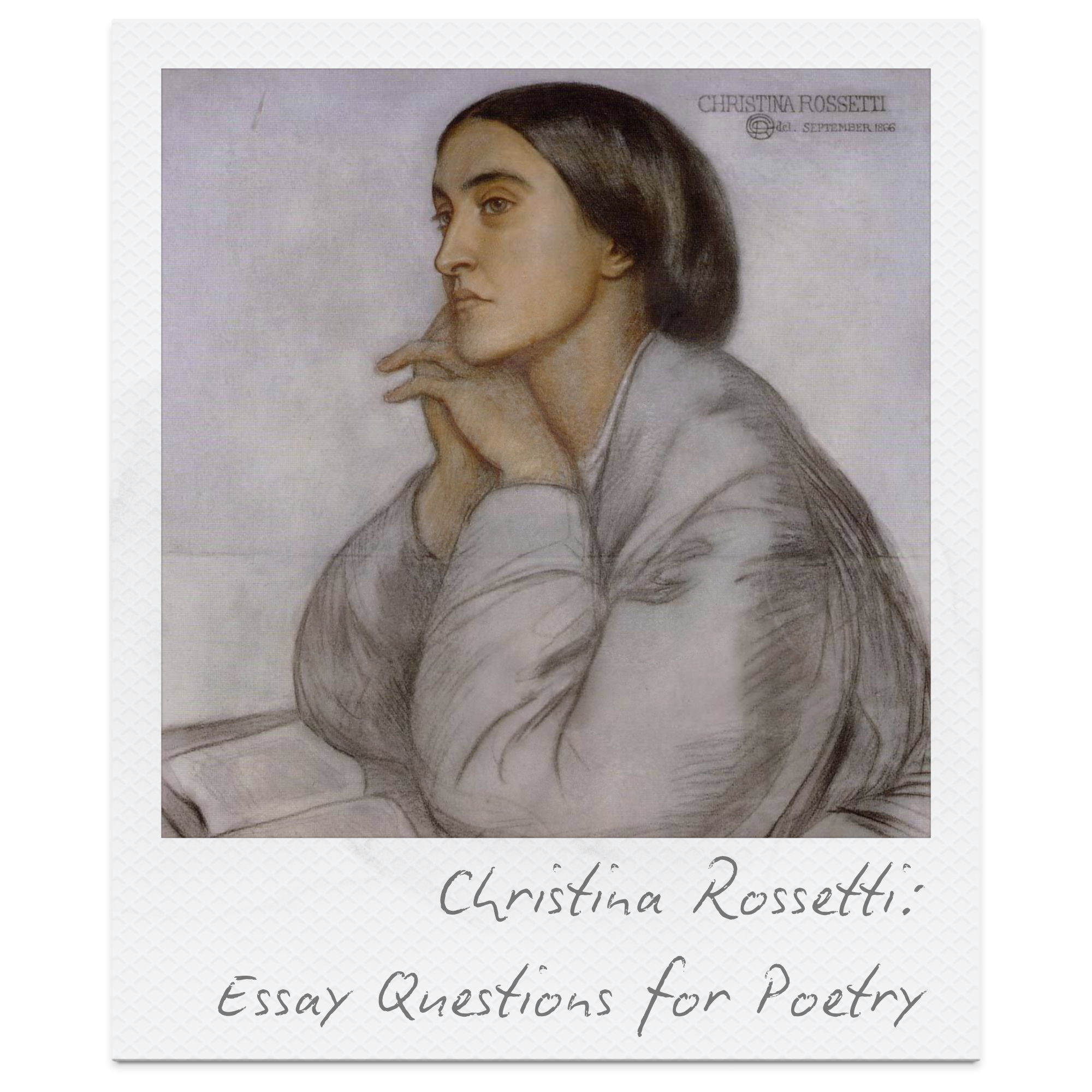
This collection of Christina Rossetti essay questions is designed to help students explore the themes, imagery, and ideas that shape Rossetti’s poetry. The questions cover a wide range of poems, encouraging close reading and thoughtful interpretation of topics such as love, faith, memory, temptation, and spiritual struggle. Each section focuses on a specific poem and offers prompts suitable for class discussion, essay planning, and exam preparation. The questions are suitable for GCSE, IGCSE, A Level, and IB literature courses, and can be adapted for different levels of study. Teachers can use them for essay practice, revision activities, silent debates, or shared writing tasks, helping students develop stronger analytical responses to Rossetti’s work while gaining confidence in literary essay writing.