Notes from the Inkpot
Writing, teaching, creating - one ink-stained idea at a time.



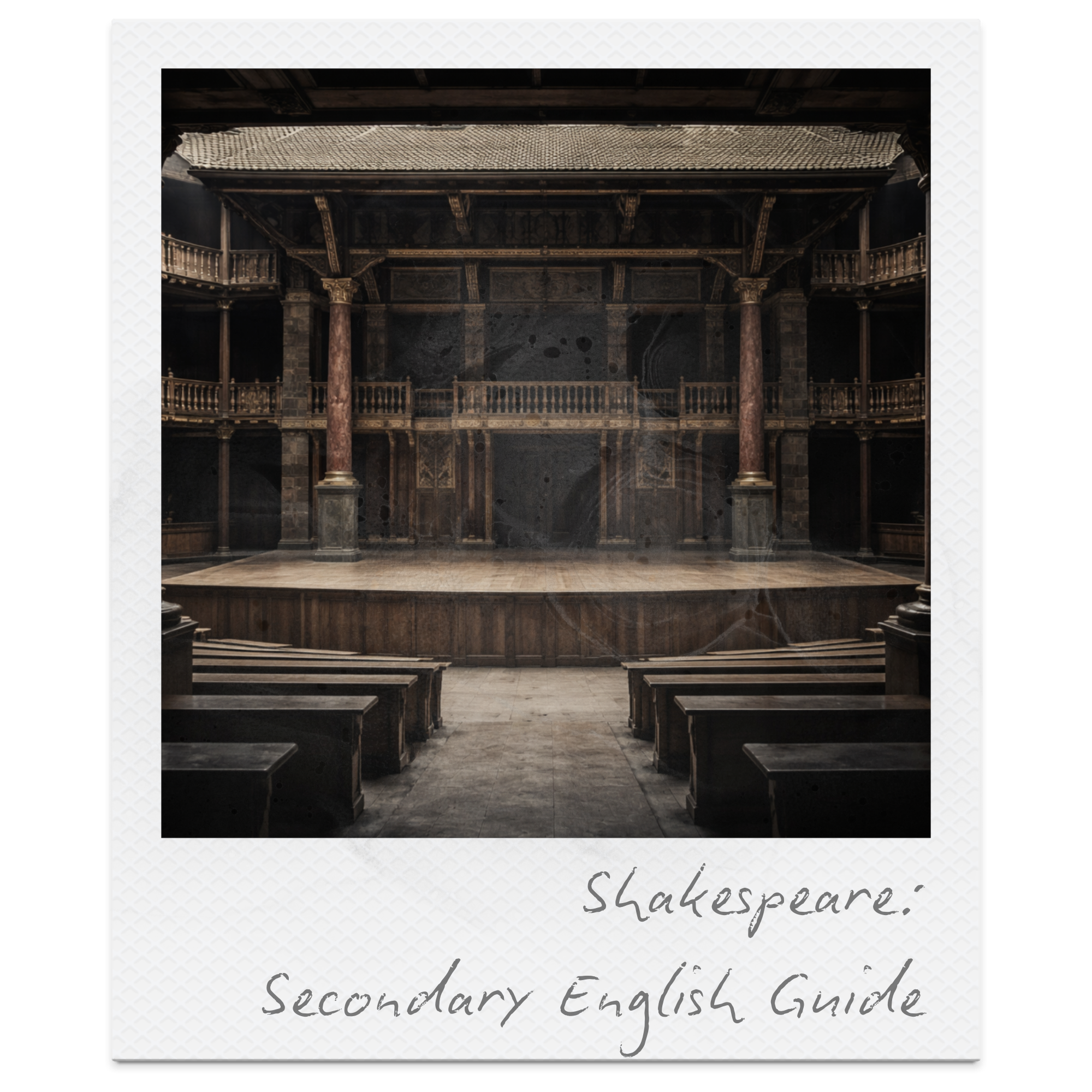
The Ultimate Guide to Teaching Shakespeare in the Secondary English Classroom
Teaching Shakespeare in the secondary English classroom can feel intimidating, but his plays remain some of the most powerful texts for developing close reading, discussion, interpretation, and creative writing. From tragedy and political drama to explorations of power, identity, and moral choice, Shakespeare’s work offers unmatched opportunities for student engagement across secondary and further education. This comprehensive guide brings together key Shakespeare plays, effective teaching approaches, and flexible classroom resources, showing how Shakespeare can be taught through language, performance, and interpretation rather than memorisation or reverence. Whether you’re introducing Shakespeare for the first time or refining your practice, this pillar provides a clear, confident framework for teaching Shakespeare with depth and purpose.

Roll-the-Dice Discussion Boards for Literature | A Student-Led Alternative to Traditional Questions
Traditional literature discussion questions don’t always work. Too often, the same few students dominate while others stay silent or disengaged. Roll-the-Dice Discussion Boards offer a student-led, gamified alternative that transforms classroom discussion into something more inclusive, thoughtful, and genuinely engaging. In this post, I explain why I swapped traditional discussion questions for roll-the-dice boards, how they work in real KS3–KS5 classrooms, and why they lead to deeper interpretation across poetry, novels, short stories, and Shakespeare. You’ll find practical classroom tips, teacher feedback, free examples to try, and ideas for building confident, meaningful literary discussion.
Remember by Christina Rossetti: Summary, Meaning & Critical Analysis
“Remember” by Christina Rossetti is a poem frequently taught at GCSE, AS, and A Level, yet its emotional restraint and moral complexity are often underestimated. At first glance, the poem appears to present a speaker asking to be remembered after death. However, as this Petrarchan sonnet unfolds, Rossetti complicates that request, transforming it into a meditation on love, memory, and loss that prioritises emotional responsibility over personal desire. Rather than offering consolation, the poem quietly interrogates whether remembrance is always an act of kindness. Written with careful control of form, tone, and structure, Remember traces a shift from quiet insistence to deliberate self-denial. Through subtle changes in voice and imagery, Rossetti reframes forgetting as a potential expression of love rather than betrayal. This critical analysis of “Remember” by Christina Rossetti explores the poem’s meaning, its treatment of death and remembrance, and the literary methods that make it one of Rossetti’s most ethically complex and quietly radical sonnets. If you’re teaching Remember in the classroom, keep scrolling for free essay questions on “Remember” by Christina Rossetti, along with discussion ideas and close-reading activities.