Notes from the Inkpot
Writing, teaching, creating - one ink-stained idea at a time.



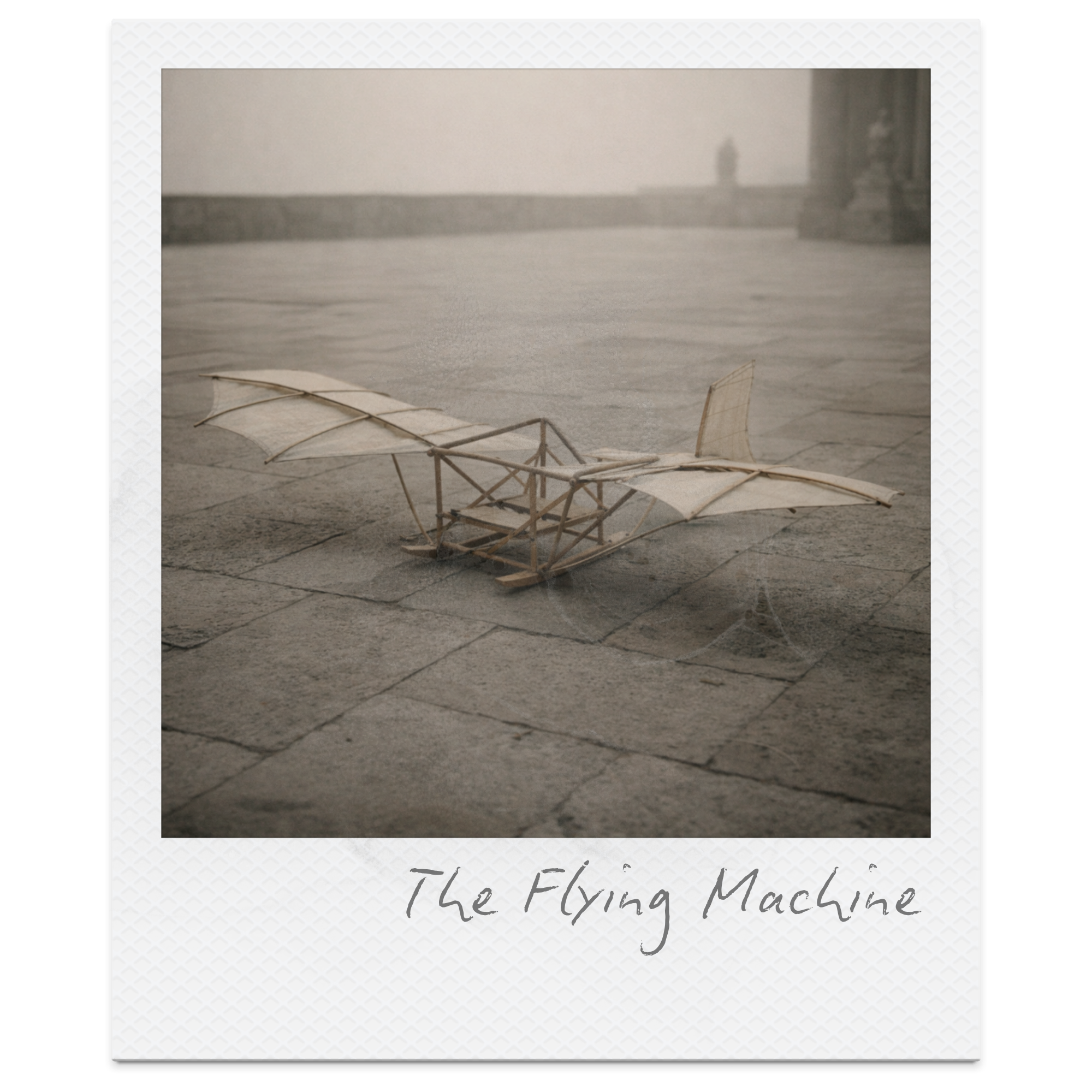
The Flying Machine by Ray Bradbury: Summary, Themes, Symbolism & Analysis
Ray Bradbury’s The Flying Machine explores the uneasy relationship between innovation and fear, presenting a world where beauty and progress are not always welcomed. Set in ancient China, the story follows an inventor who achieves the impossible—human flight—only to face the Emperor’s growing concern about what such a discovery might become. Through this encounter, Bradbury examines the fragile balance between creativity and control, raising questions about whether all knowledge should be allowed to exist. At its core, the story reflects a deeper anxiety about the consequences of progress, particularly when invention can be replicated and misused. The Emperor’s decision to destroy both the machine and its creator reveals a chilling logic: that protecting the future may require the sacrifice of something extraordinary in the present. Blending speculative fiction with philosophical insight, The Flying Machine leaves readers questioning whether humanity can truly be trusted with its own creations—and what might be lost when fear takes precedence over wonder.
Themes in Suicide in the Trenches by Siegfried Sassoon
Suicide in the Trenches explores some of the most unsettling ideas in war poetry, from the erasure of individual lives to the moral responsibility of those who remain safely removed from conflict. Through restraint and contrast, Siegfried Sassoon exposes how innocence is worn away and suffering is quietly absorbed. This post examines the key themes in Suicide in the Trenches, including civilian complicity, loss of innocence, the reality of death, and the horrors of war. Designed for classroom use, it supports confident discussion and comparison while encouraging deeper, evidence-based interpretation.
Suicide in the Trenches: Overview, Context, Key Ideas & Teaching Approaches
Suicide in the Trenches is often introduced as a simple war poem, yet its power lies in what it refuses to explain. Through restraint, regularity, and plain language, Siegfried Sassoon presents suffering without consolation, exposing how easily individual lives are absorbed into silence. This pillar post brings together context, key ideas, interpretation, and teaching approaches for Suicide in the Trenches. It explores how meaning is shaped through tone, structure, and omission, and shows how the poem functions as both protest writing and a powerful gateway text for studying war poetry, responsibility, and moral judgement.
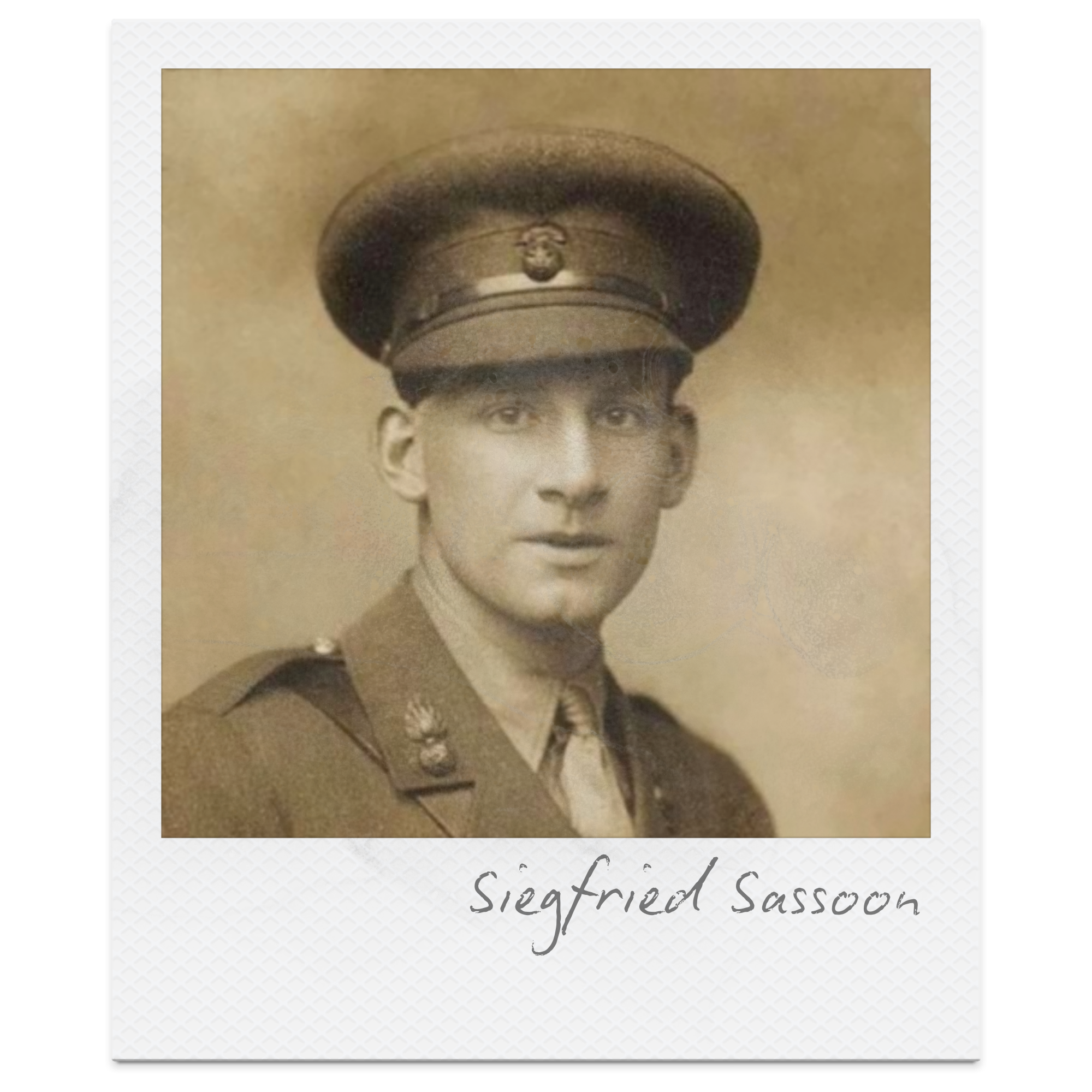
Siegfried Sassoon: Context, War Poetry, and Literary Significance
Siegfried Sassoon is one of the most important voices in First World War poetry, writing not from imagination but from direct experience of trench warfare. His poems expose the brutality, futility, and moral failure of modern war, challenging patriotic narratives that present suffering as noble or necessary. Through irony, anger, and controlled restraint, Sassoon forces readers to confront the gap between those who fight and those who authorise violence from a distance. Understanding Sassoon’s context is essential for reading poems such as “Suicide in the Trenches.” Shaped by frontline combat, public protest, and psychological trauma, his writing interrogates responsibility, authority, and the language used to justify mass death. Rather than offering comfort or heroic sacrifice, Sassoon’s war poetry demands ethical engagement, making it central to the study of WWI literature and modern protest writing.