Notes from the Inkpot
Writing, teaching, creating - one ink-stained idea at a time.



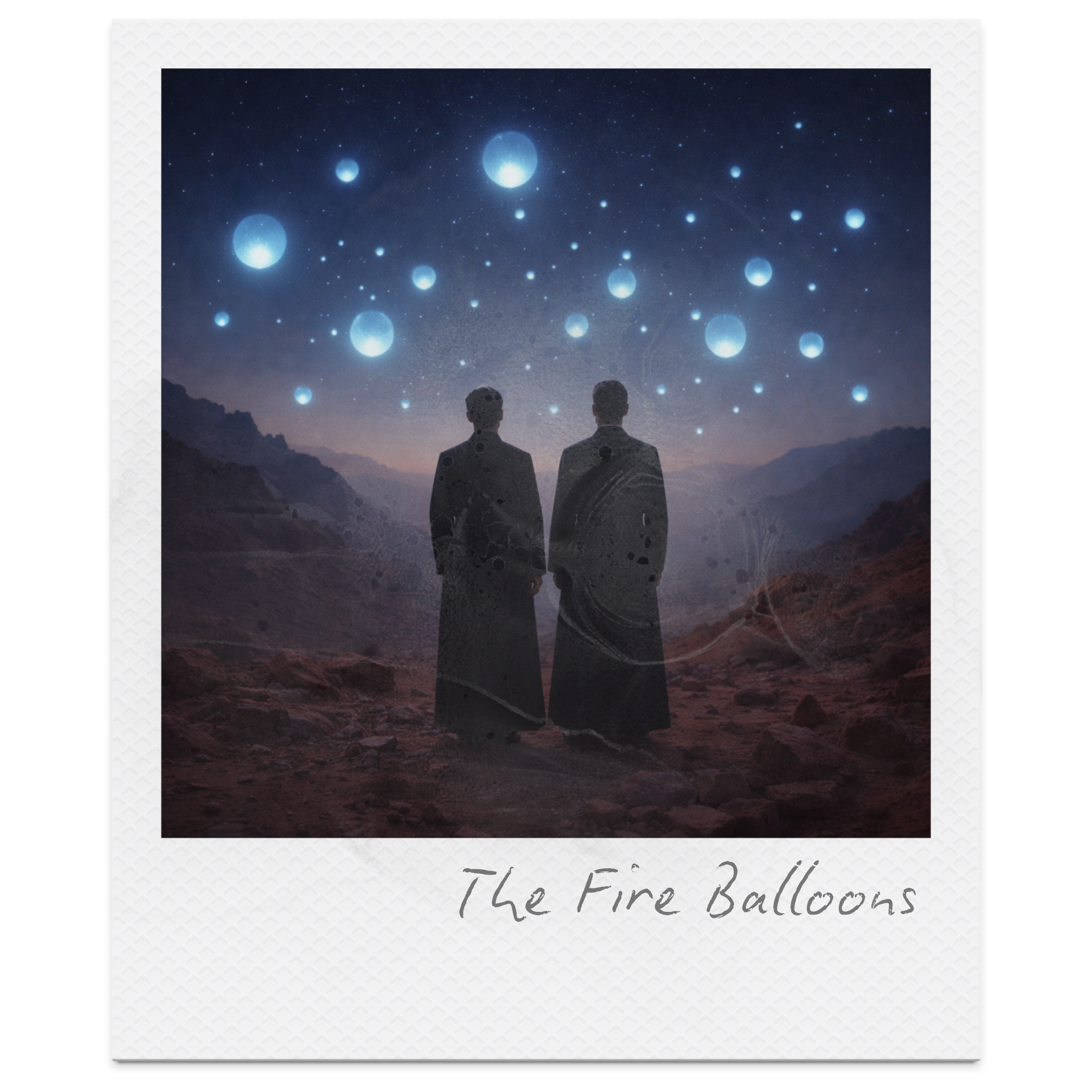
The Fire Balloons by Ray Bradbury: Summary, Themes, Symbolism & Analysis
The Fire Balloons explores faith, missionary zeal, and the limits of human understanding through the story of priests who travel to Mars expecting to bring salvation, only to encounter beings who may not need it. When Father Peregrine becomes fascinated by mysterious blue spheres living in the Martian hills, he begins to question whether traditional ideas of sin and morality apply beyond Earth, setting up a powerful conflict between certainty and curiosity. As the story unfolds, Bradbury challenges assumptions about religion, the body, and what it means to be truly human. The Martians’ revelation—that they exist beyond desire, conflict, and sin—forces a shift from confidence to humility, leaving both characters and readers to reconsider the nature of truth itself.
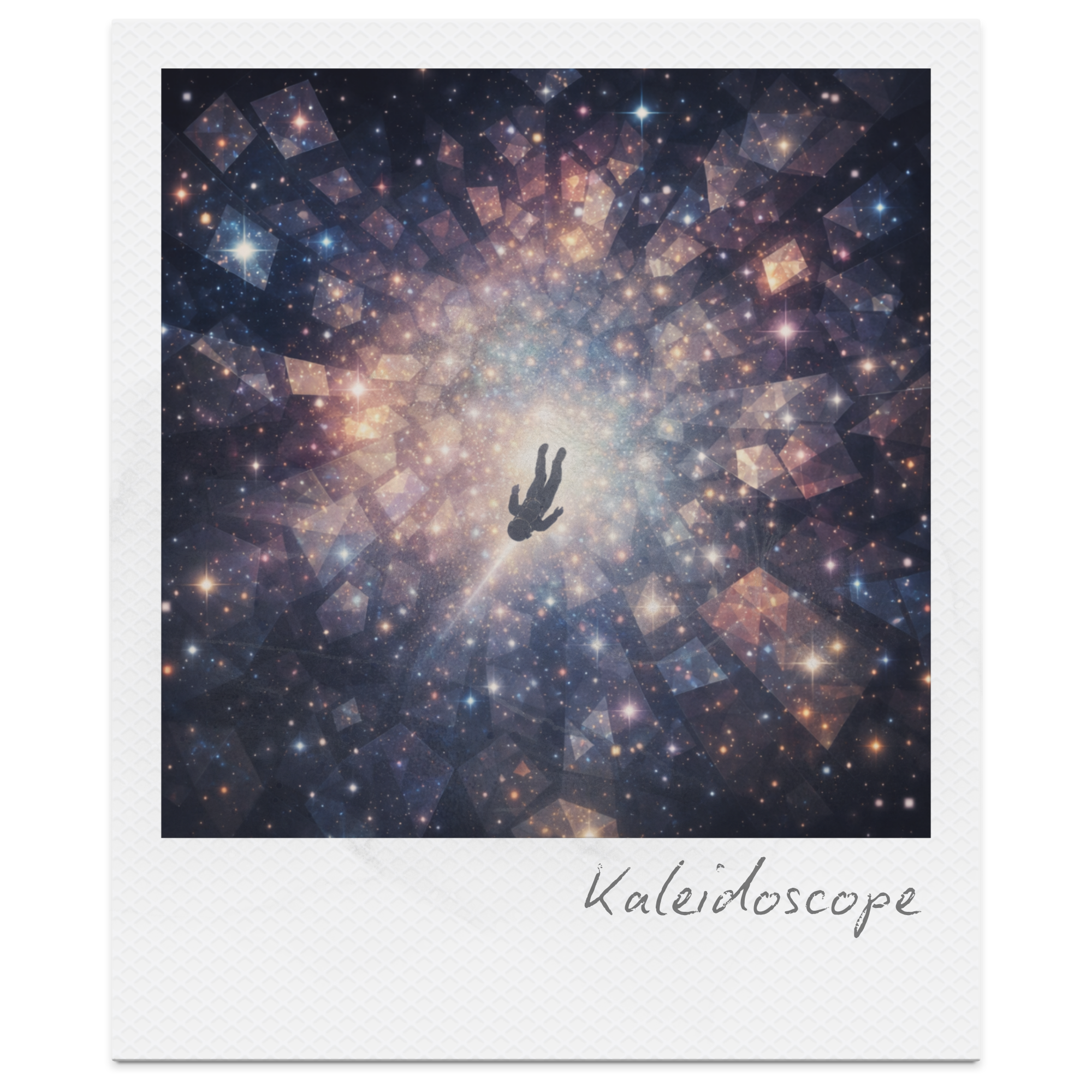
Kaleidoscope by Ray Bradbury: Summary, Themes, Symbolism & Analysis
Ray Bradbury’s Kaleidoscope is a striking exploration of human insignificance, mortality, and isolation, set against the vast and indifferent backdrop of space. After a catastrophic explosion scatters a crew of astronauts, the story follows their fragmented descent as they drift apart, connected only by fading voices. Through this disintegration, Bradbury examines how individuals respond when faced with the loss of control, connection, and certainty. As the astronauts confront their inevitable deaths, the story becomes a powerful reflection on memory, regret, and the search for meaning. While some find comfort in the lives they have lived, others are left questioning what their existence has amounted to. Blending science fiction with existential philosophy, Kaleidoscope leaves readers with a haunting question: when everything falls away, what truly gives a life value?
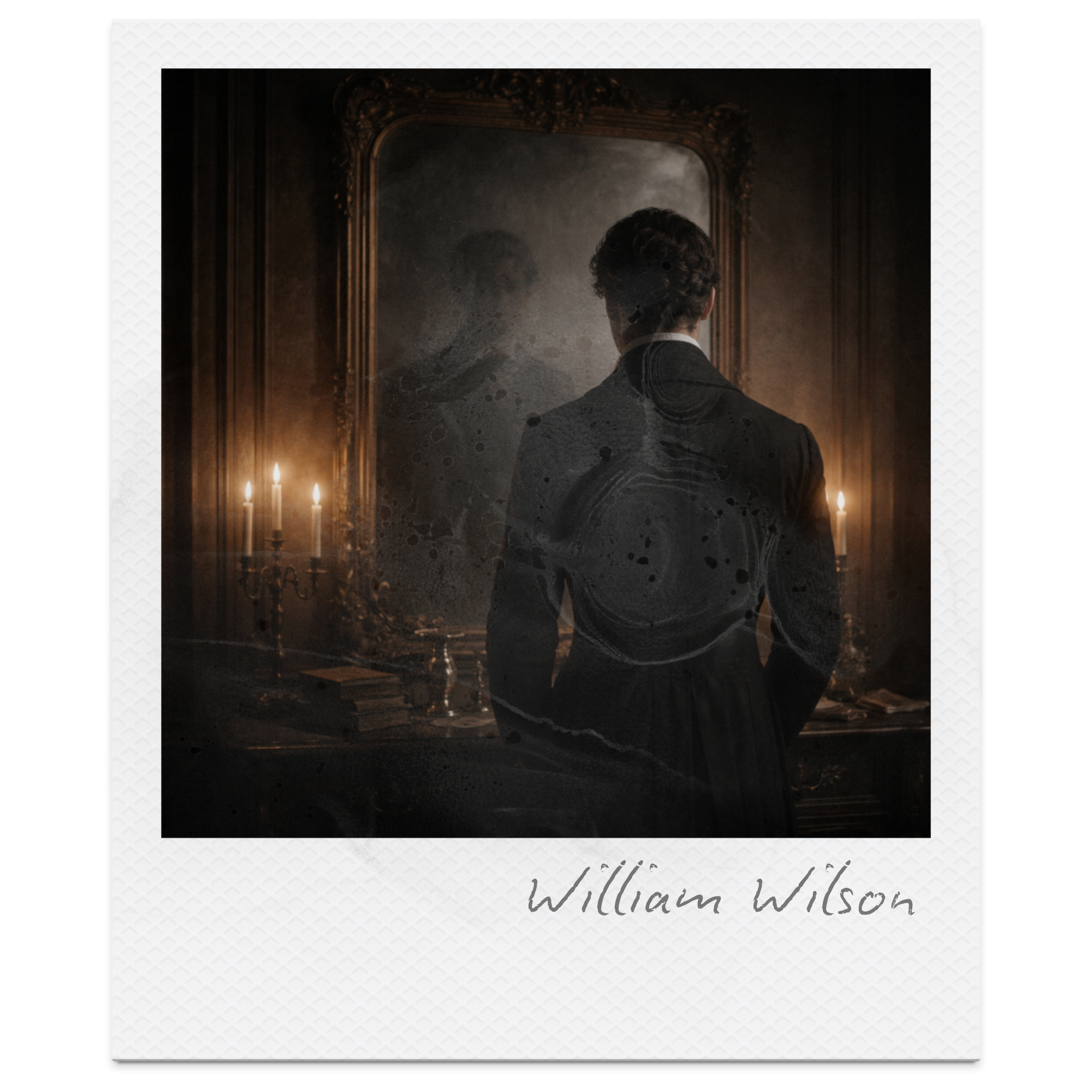
William Wilson by Edgar Allan Poe: Summary, Themes, Symbolism & Analysis
William Wilson by Edgar Allan Poe is a haunting work of gothic fiction that explores identity, conscience, and duality through the disturbing presence of a mysterious double. As the narrator recounts his descent into vice and corruption, he is repeatedly confronted by a figure who mirrors his every move, blurring the line between external threat and internal conflict. Poe uses this doubling to create a tense, psychologically charged narrative where the self becomes both protagonist and antagonist. At its core, the story examines the consequences of denying conscience and rejecting moral restraint, raising unsettling questions about self-awareness, responsibility, and the nature of identity. Through its unreliable narrator and symbolic use of setting and structure, William Wilson reveals how the attempt to escape oneself leads not to freedom, but to self-destruction.